Tracing Letters worksheets activities for Ages 5-6
56 filtered results
-
From - To
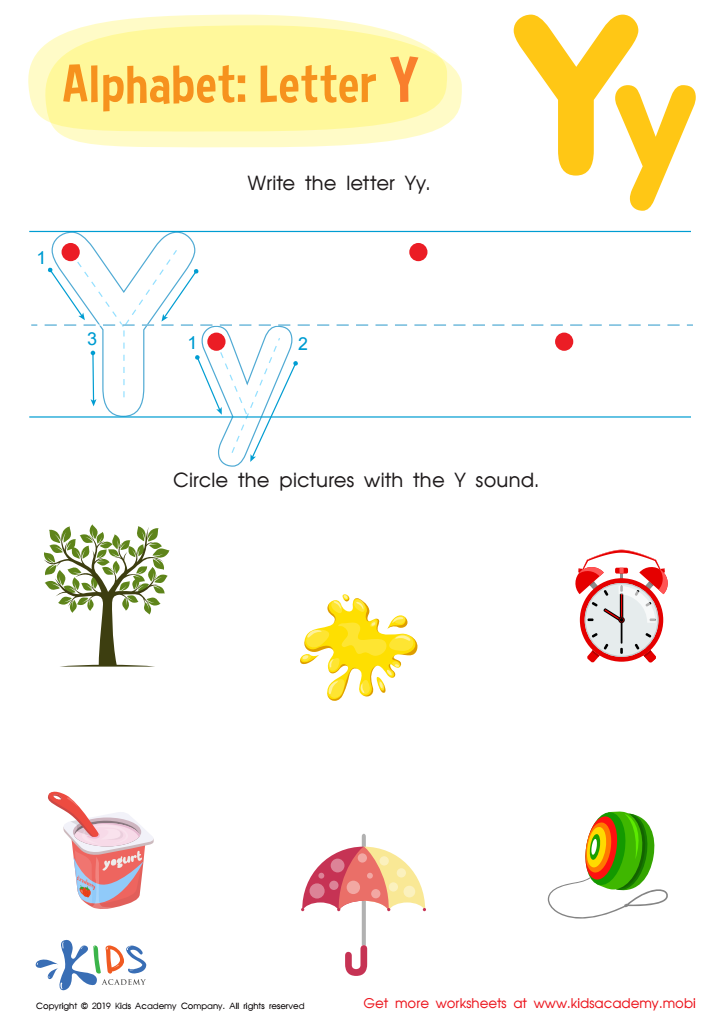
Letter Y Tracing Worksheet
 Assign to My Students
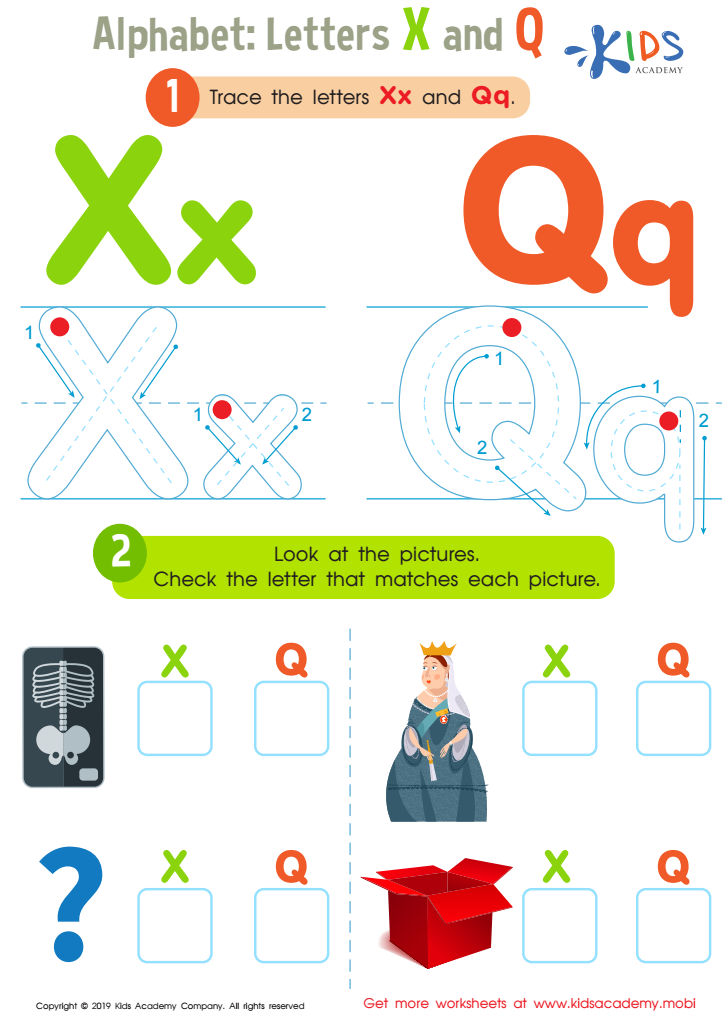
Letters X and Q Tracing Worksheet
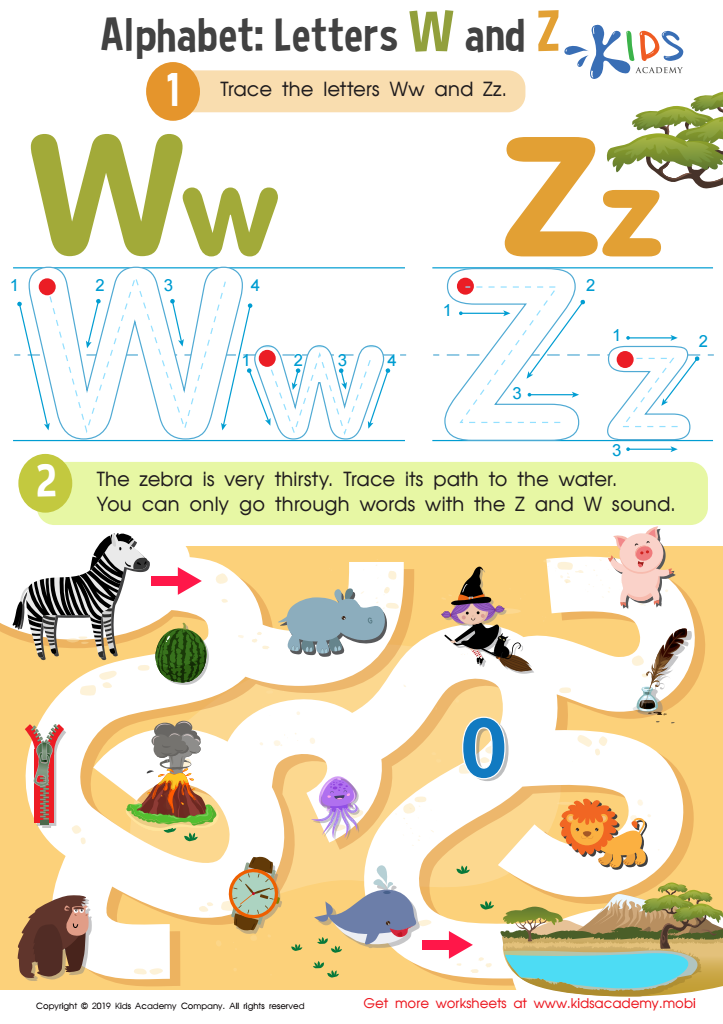
Letters W and Z Tracing Worksheet
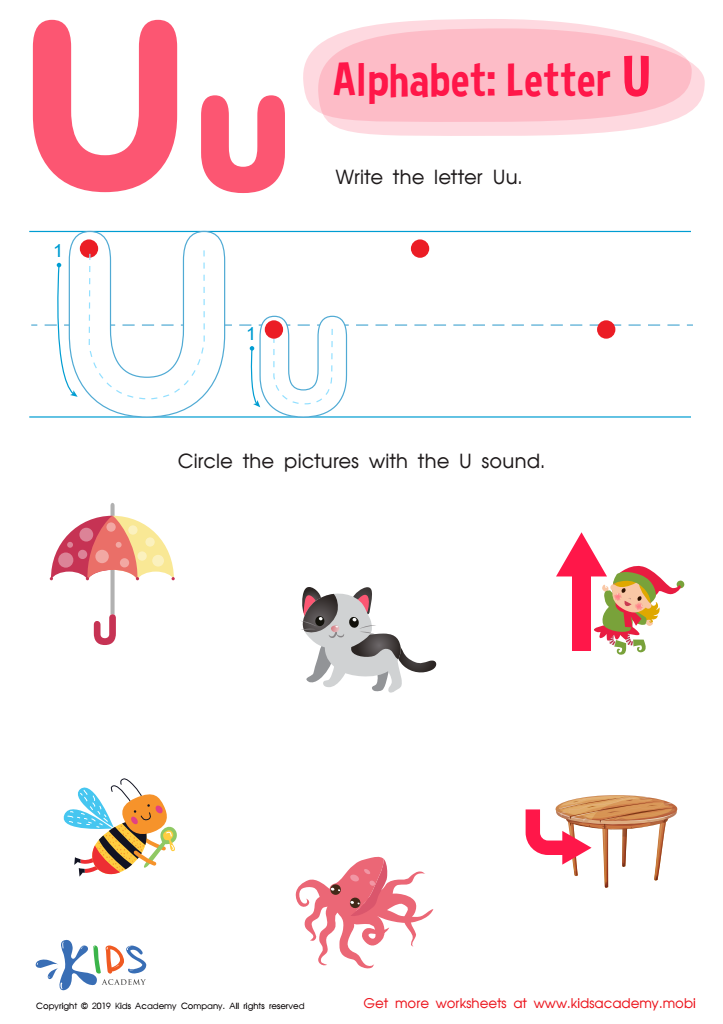
Letter U Tracing Worksheet
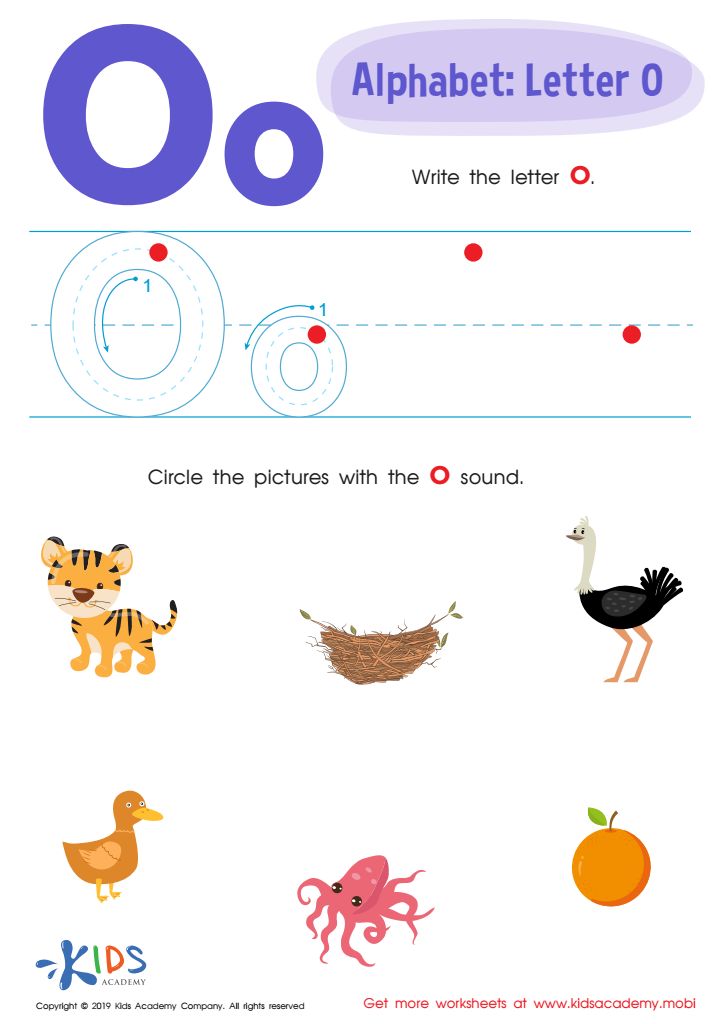
Letter O Tracing Worksheet
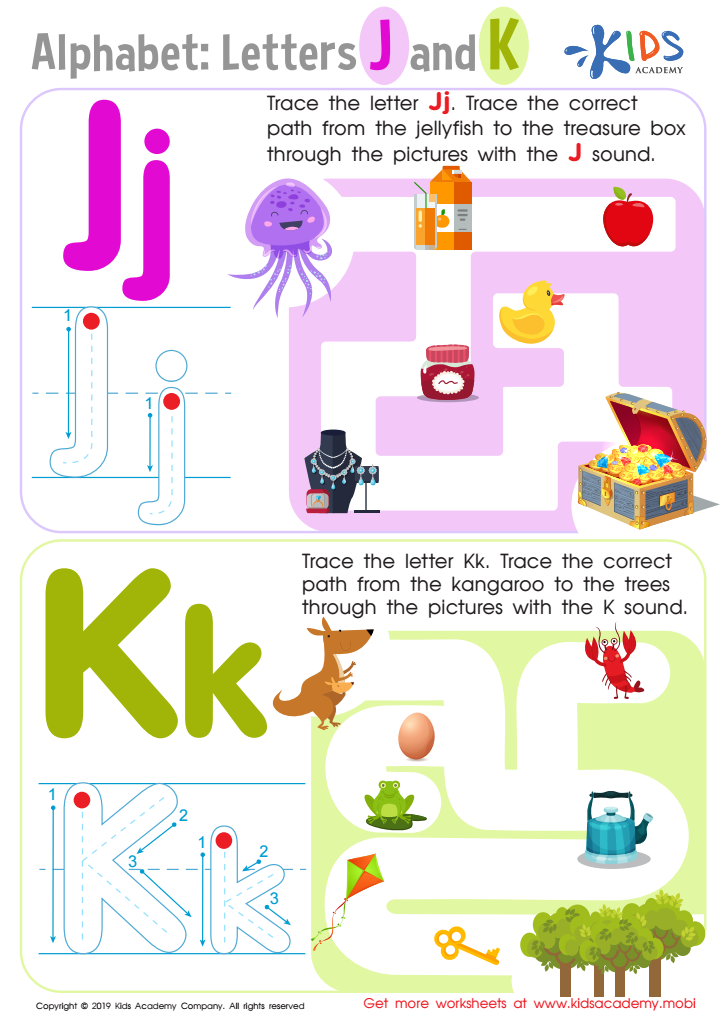
Letters J and K Tracing Worksheet
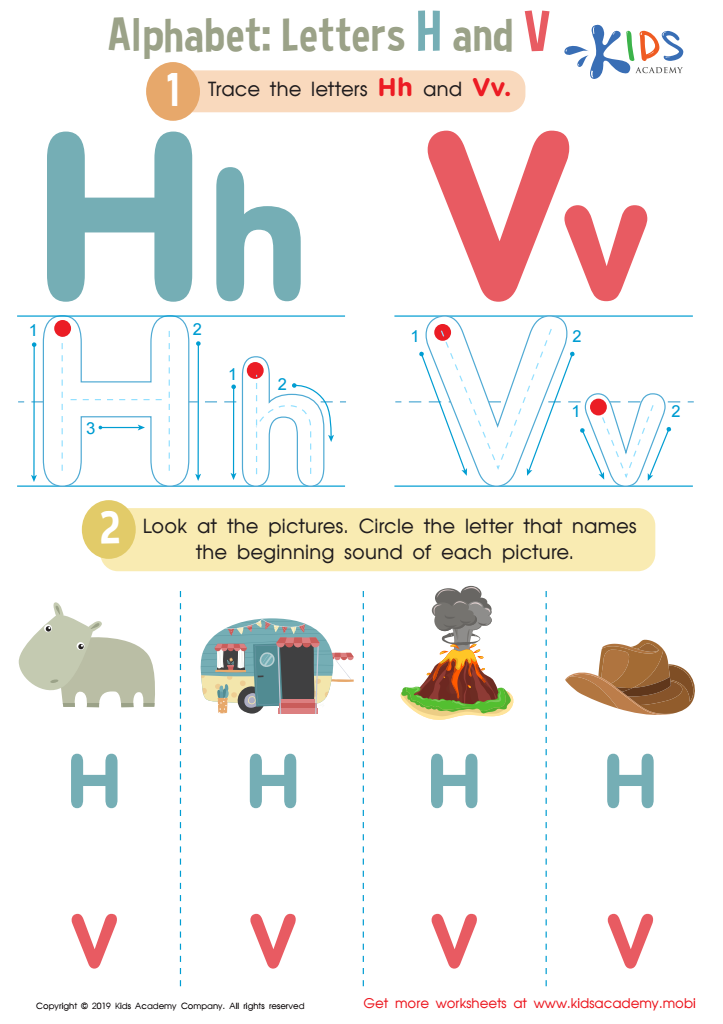
Letters H and V Tracing Worksheet
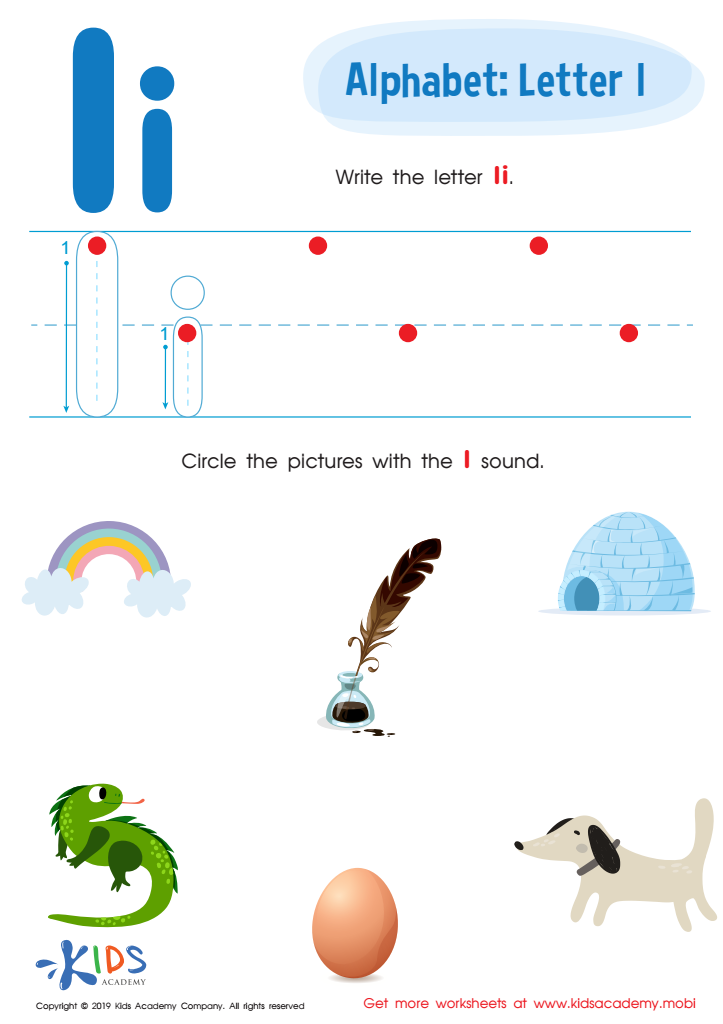
Letter I Tracing Worksheet
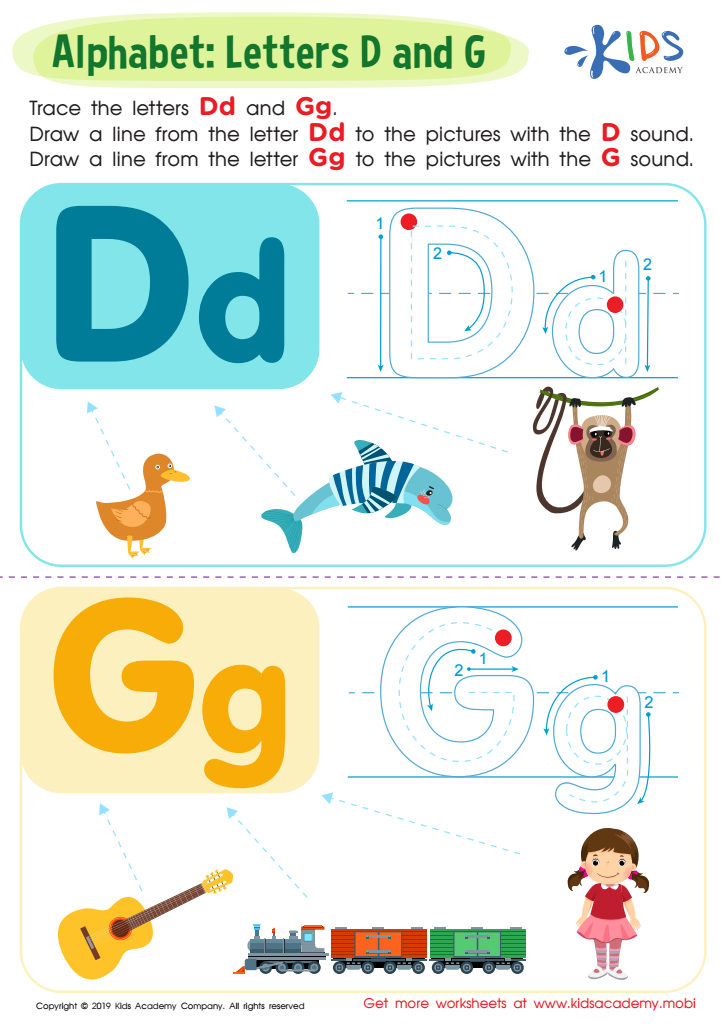
Letter D and G Tracing Worksheet
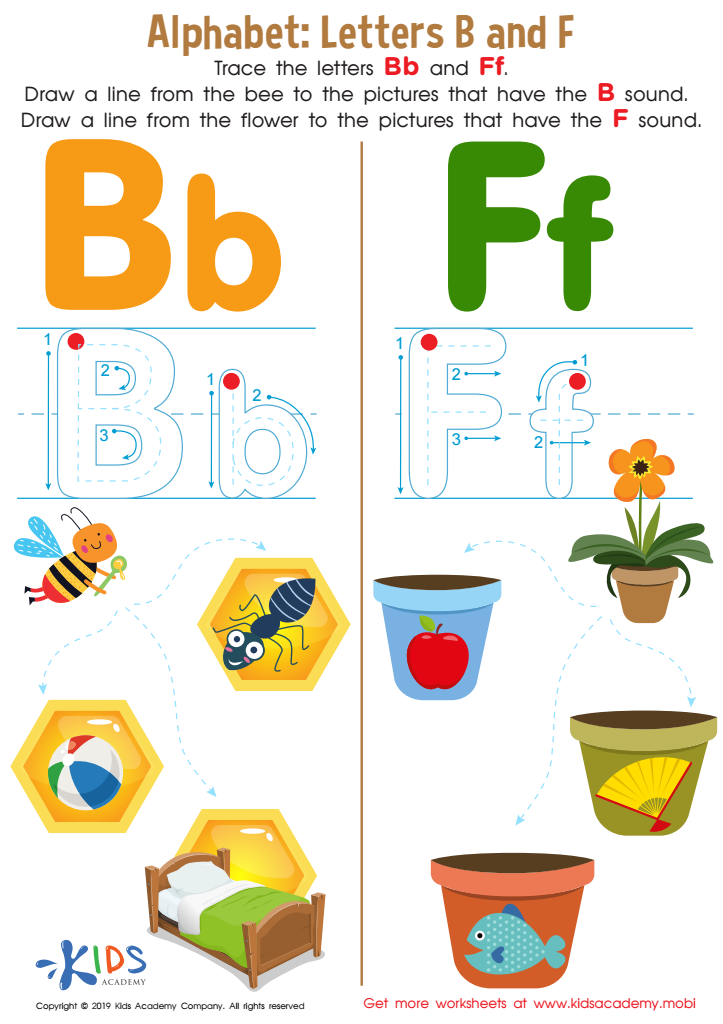
Letters B and F Tracing Worksheet
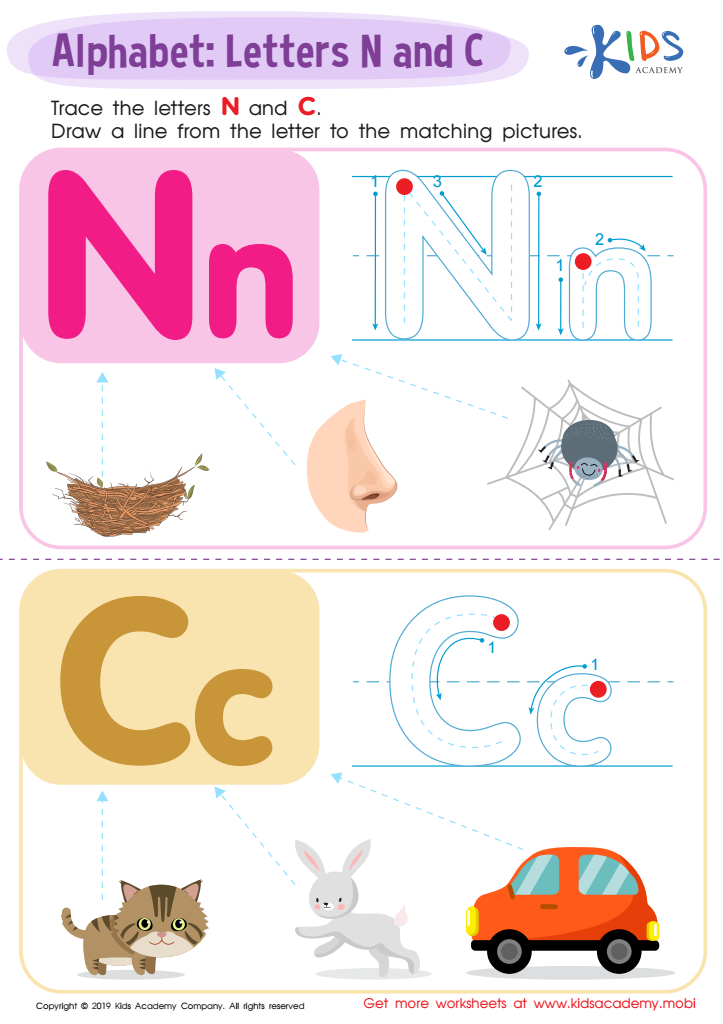
Letter N and C Tracing Worksheet
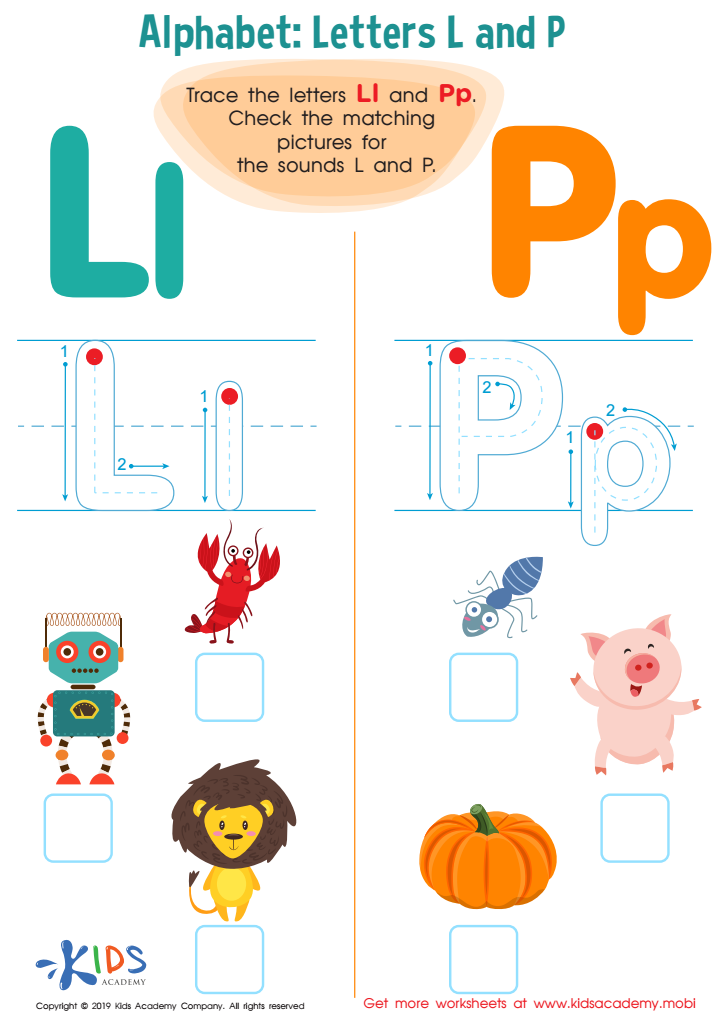
Letter L and P Tracing Worksheet
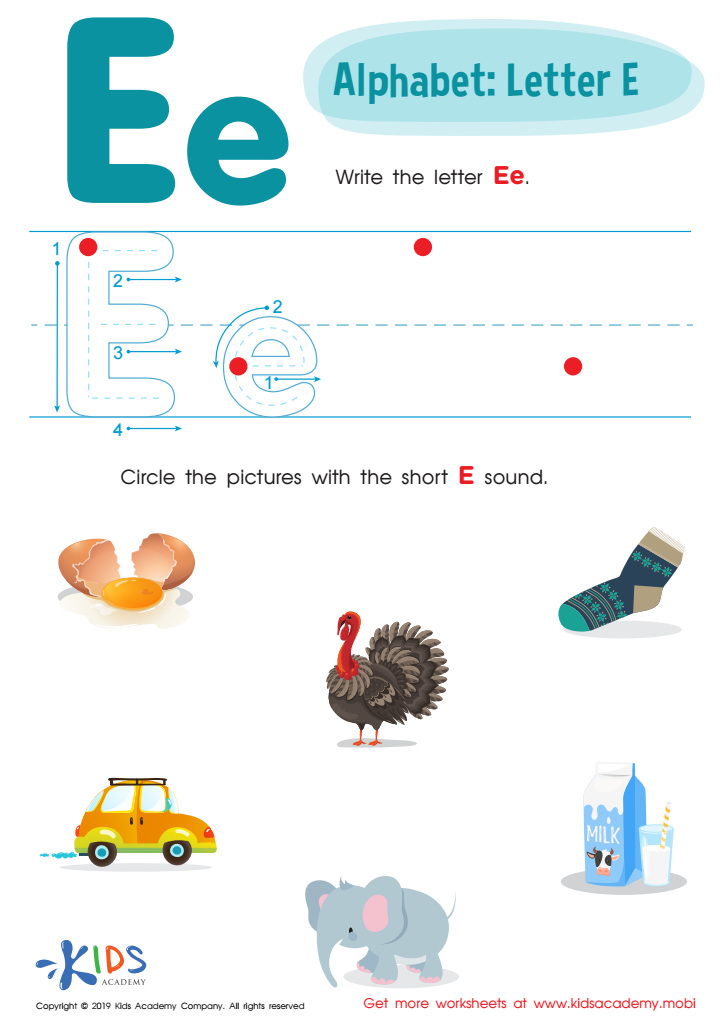
Letter E Tracing Worksheet
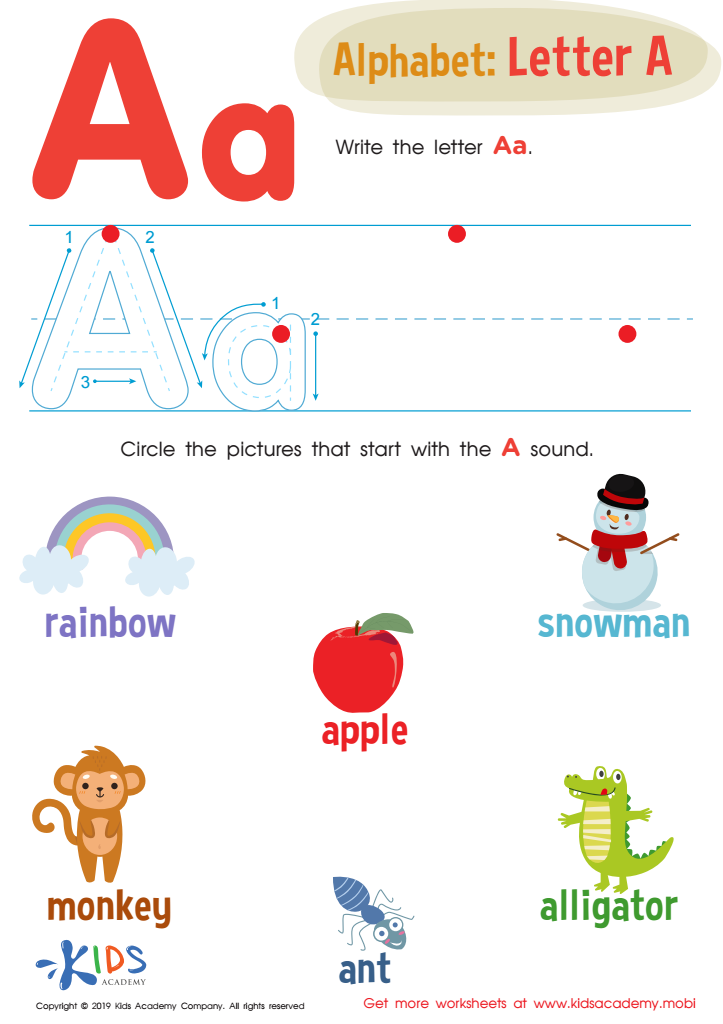
Letter A Tracing Worksheet
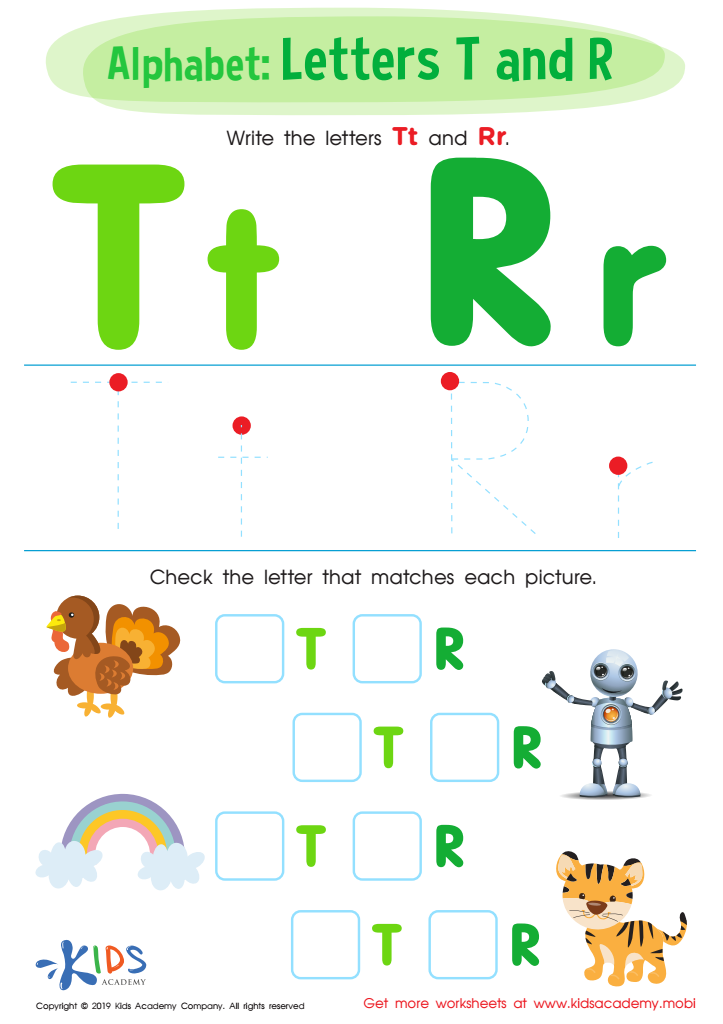
Letters T and R Worksheet
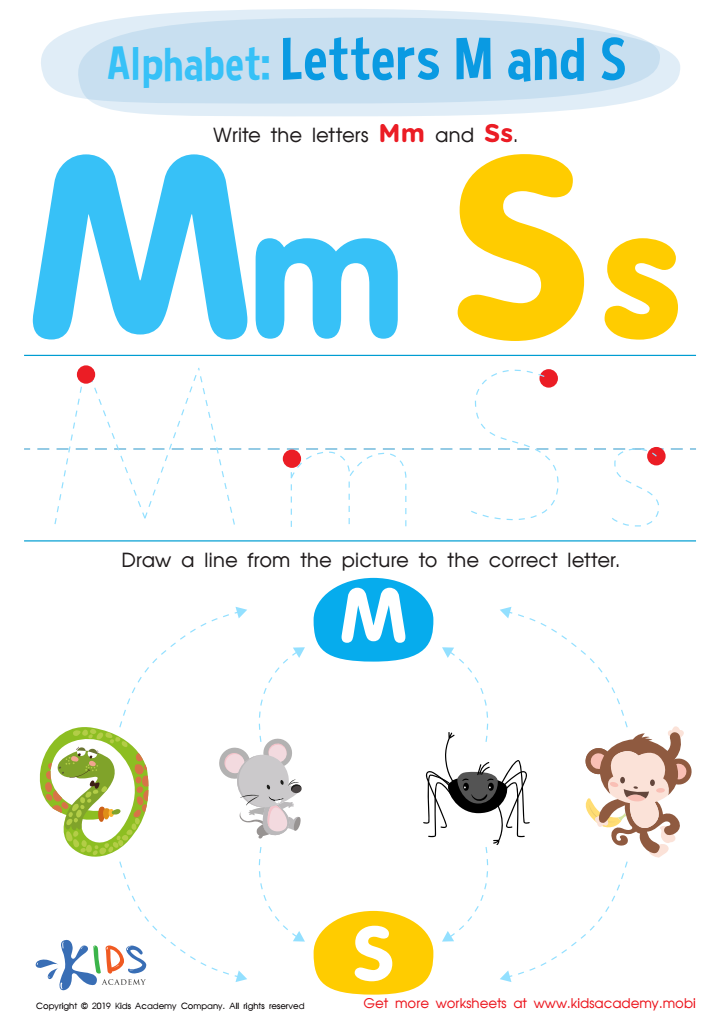
Letters M and S Tracing Worksheet
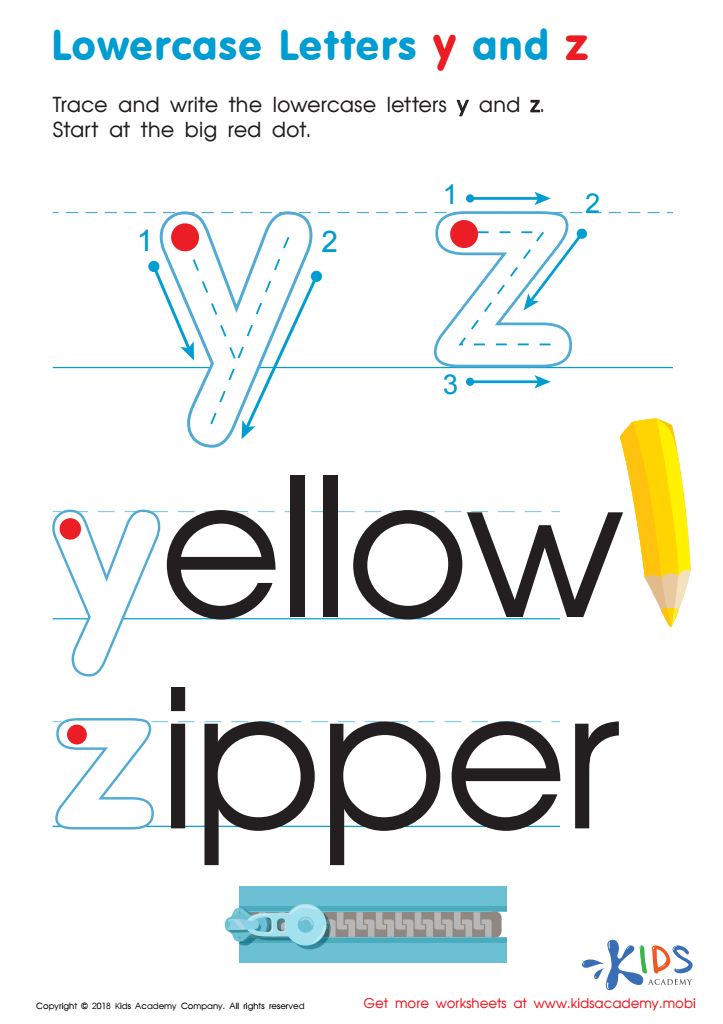
Lowercase Letters y z Worksheet
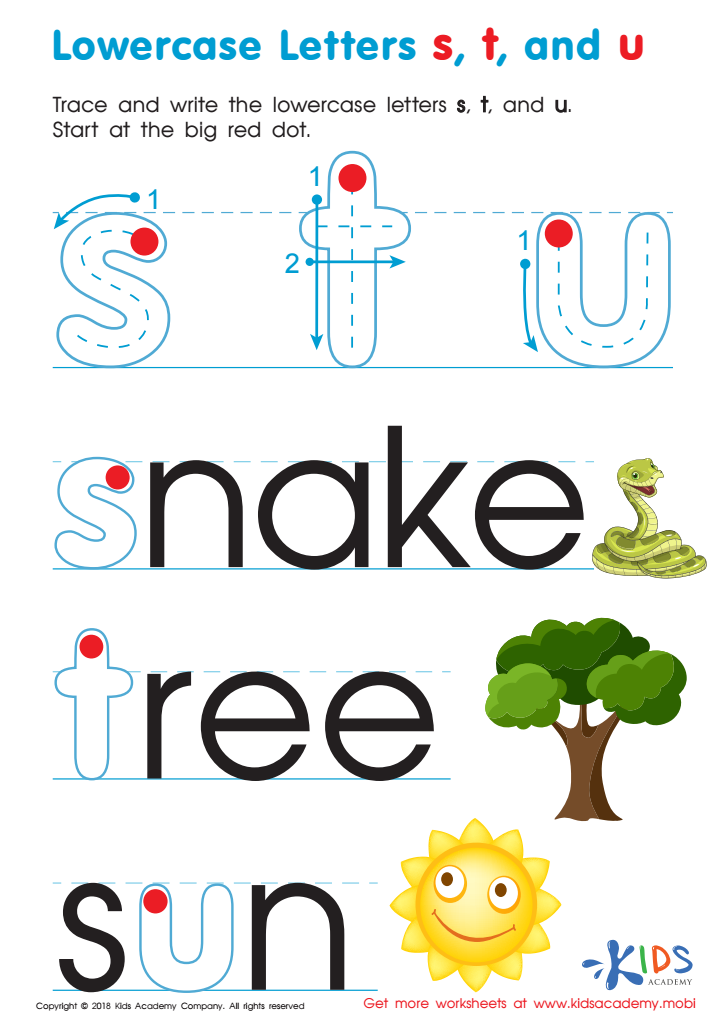
Lowercase Letters s t u Worksheet
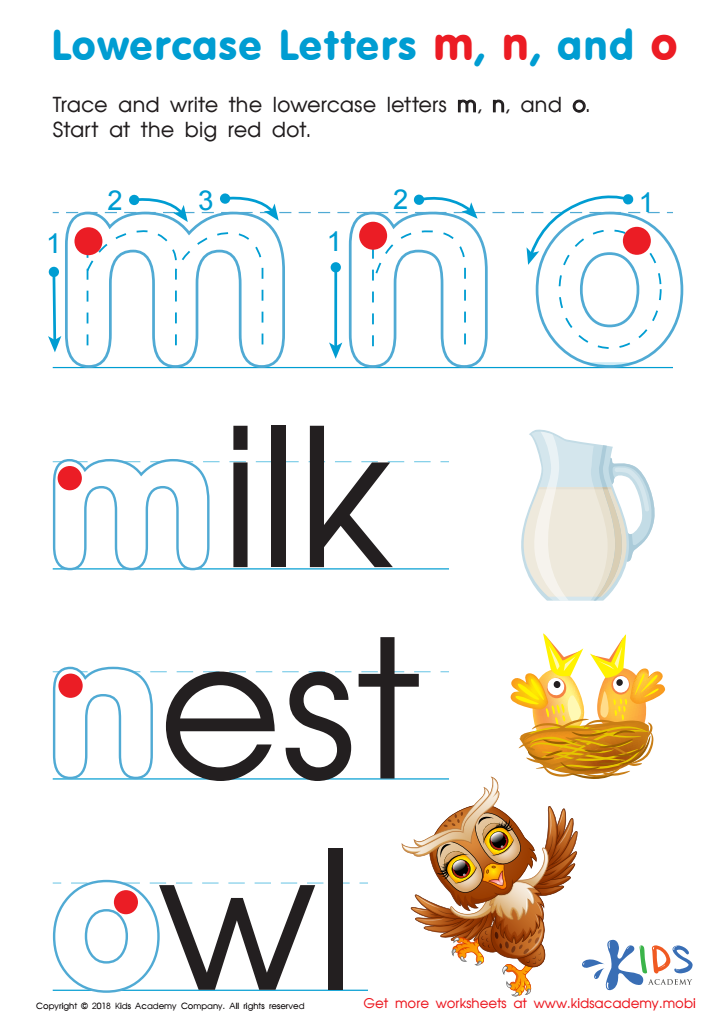
Lowercase Letters m n o Worksheet
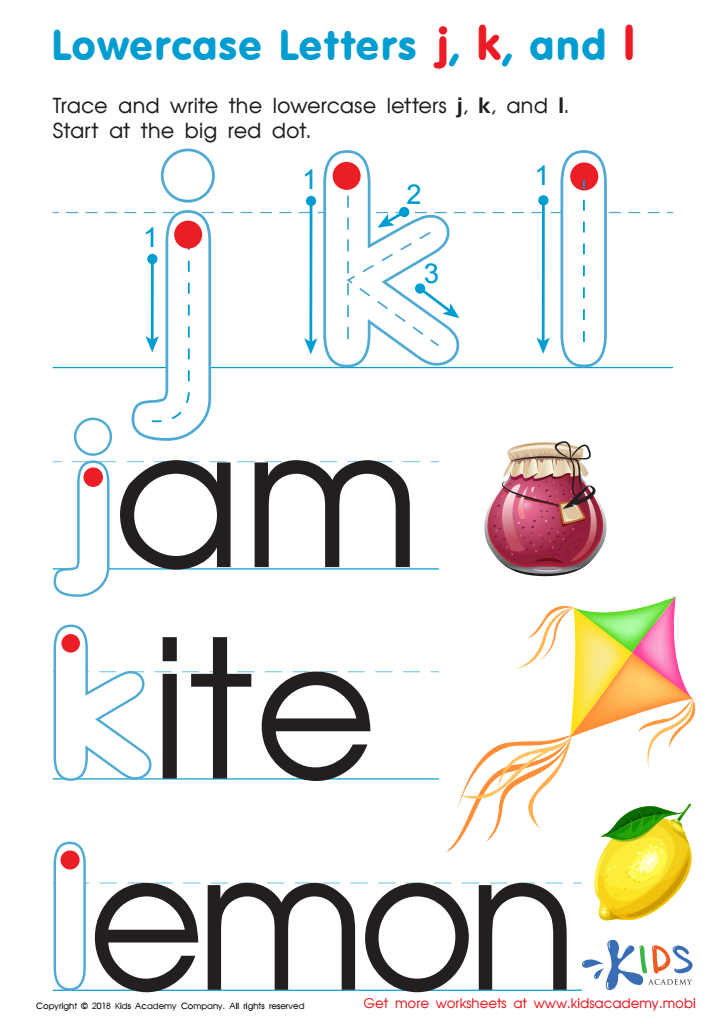
Lowercase Letters j k l Worksheet
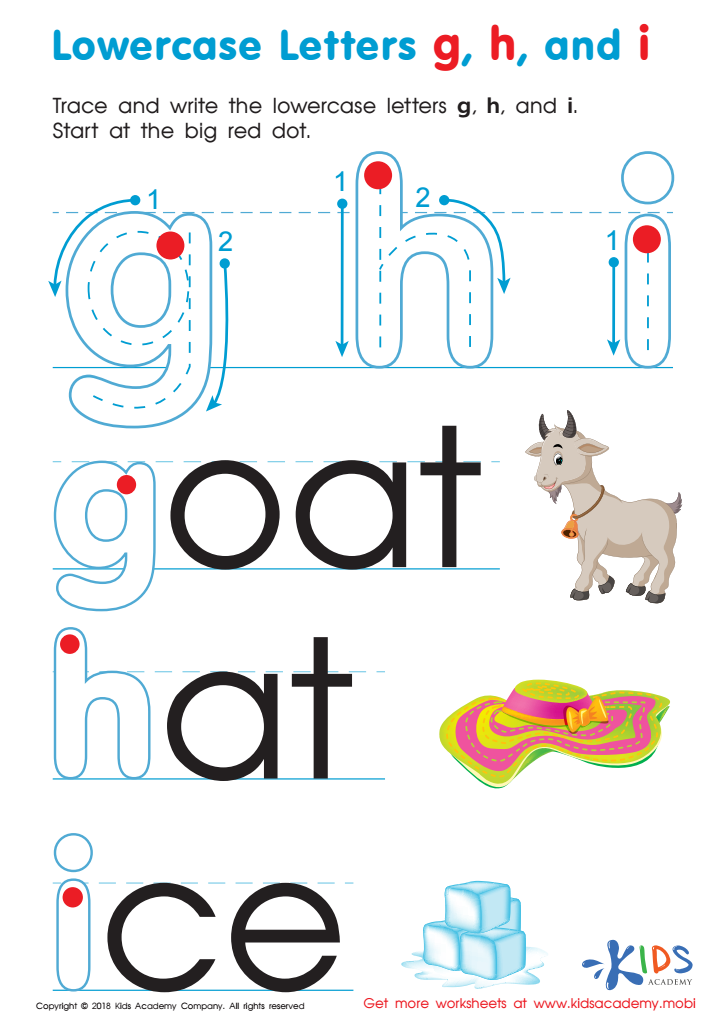
Lowercase Letters g h i Worksheet
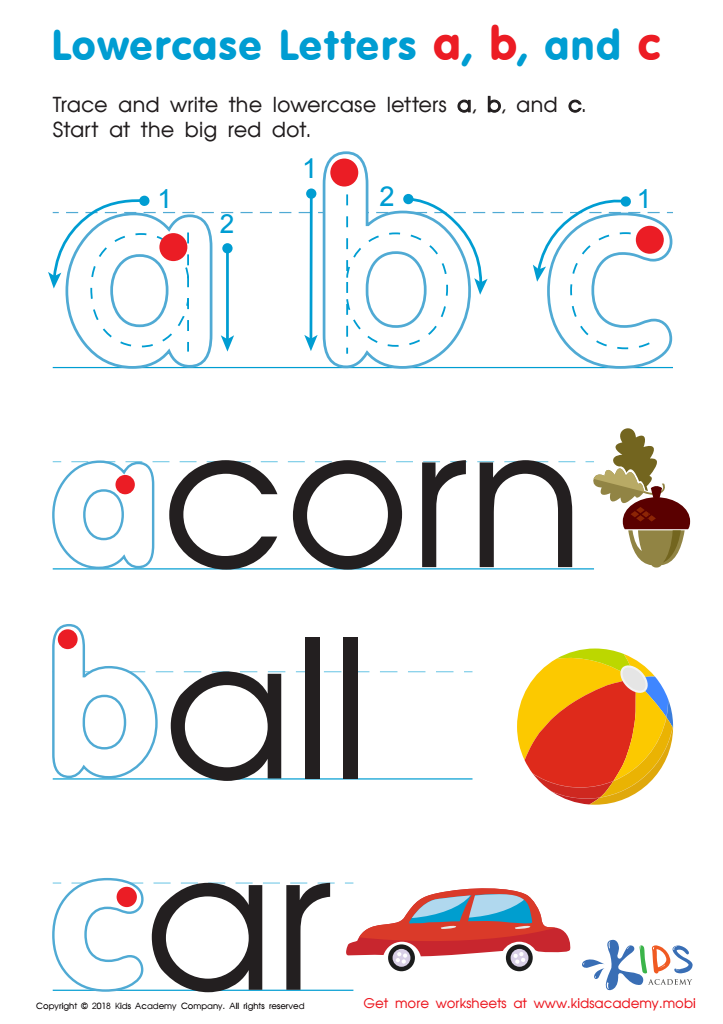
Lowercase Letters a b c Worksheet

Uppercase Letters Y Z Worksheet
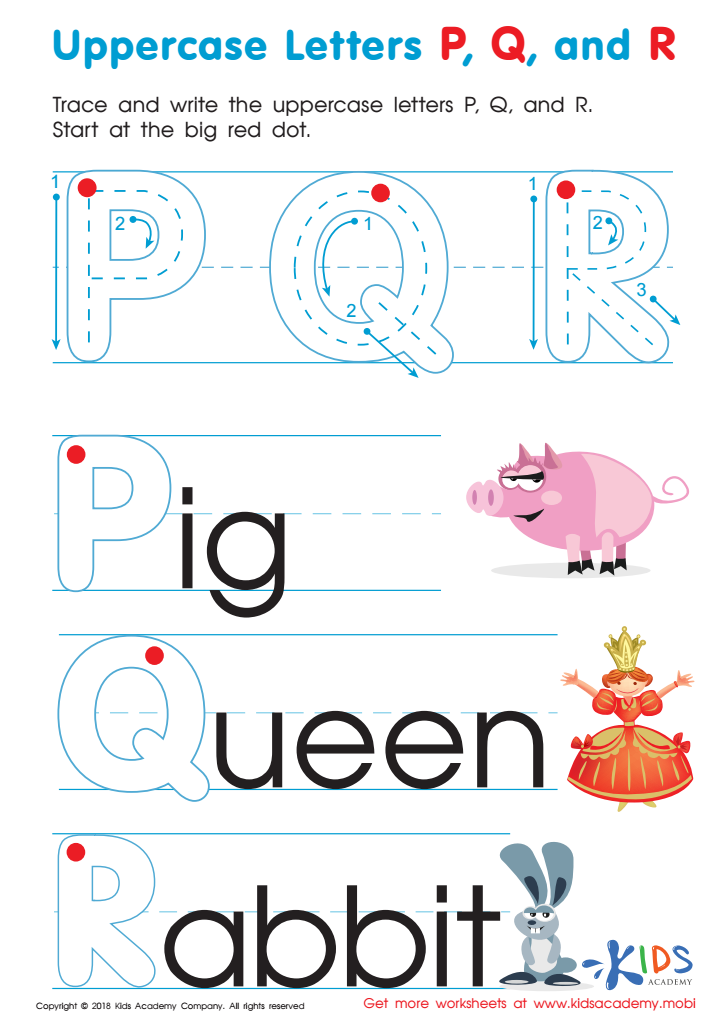
Uppercase Letters P, Q, and R Worksheet








Tracing Letters worksheets activities are an indispensable tool in the foundational phase of a child's educational journey. These activities are designed to offer young learners a hands-on, engaging approach to understanding and mastering the alphabet. The significance of Tracing Letters worksheets goes beyond just familiarizing children with the shapes of letters; they play a crucial role in developing fine motor skills, promoting letter recognition, and laying a solid foundation for future writing and reading skills.
First and foremost, Tracing Letters worksheets activities facilitate the enhancement of fine motor skills. As children trace over the letters, they engage in precise hand movements which are essential for the development of grip and control. This meticulous activity helps in strengthening the muscles in the hands and fingers, preparing children for future tasks that require detailed hand-eye coordination, such as writing, drawing, and using tools.
Moreover, Tracing Letters worksheets activities are instrumental in promoting letter recognition. Through repeated exposure to letter shapes and the repetitive action of tracing, children become familiar with the letters of the alphabet. This familiarity is the first step towards fluent reading. Recognizing letters effortlessly is paramount in developing reading skills, as it allows children to swiftly move on to blending sounds and forming words.
Additionally, the structured nature of Tracing Letters worksheets activities ensures that children learn the correct formation of letters. This is crucial in preventing the development of bad writing habits that can be difficult to correct later on. By guiding a child's hand through the correct paths and strokes, these worksheets instill the proper technique for writing each letter, setting the stage for legible and efficient writing skills.
In conclusion, Tracing Letters worksheets activities are more than just a simple task for children to complete; they are a comprehensive educational tool that supports early literacy development. By enhancing fine motor skills, promoting letter recognition, and teaching proper letter formation, these activities lay a strong foundation for a child's reading and writing success, making them an invaluable resource in the journey of learning.








