Poems worksheets activities for Ages 5-6
8 filtered results
-
From - To
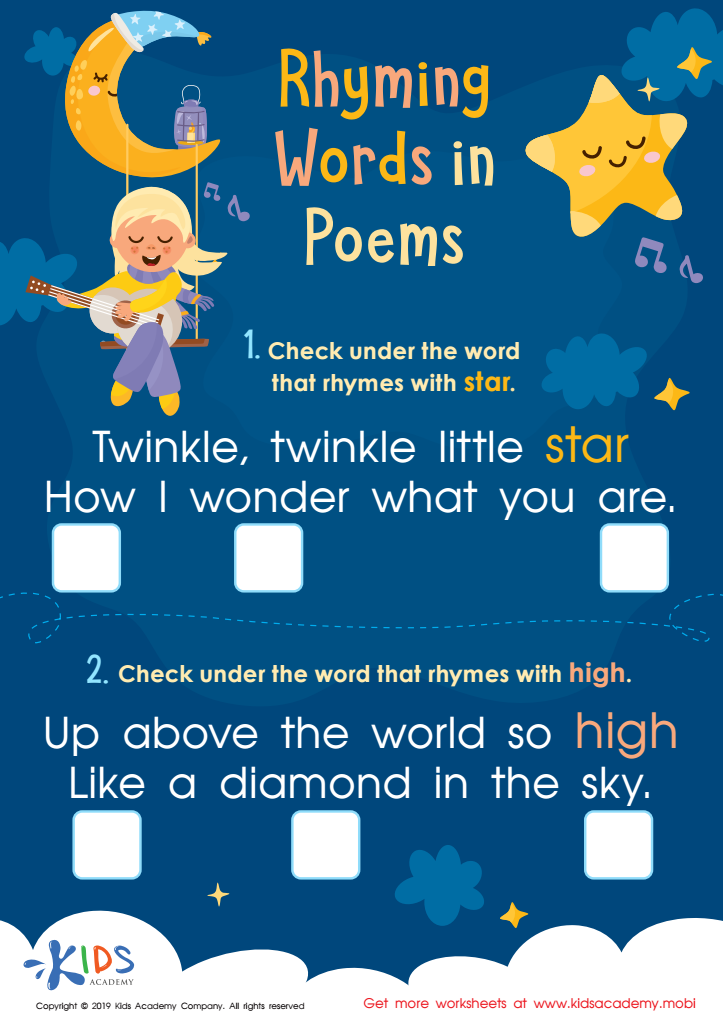
Rhyming Words in Poems Worksheet
 Assign to My Students
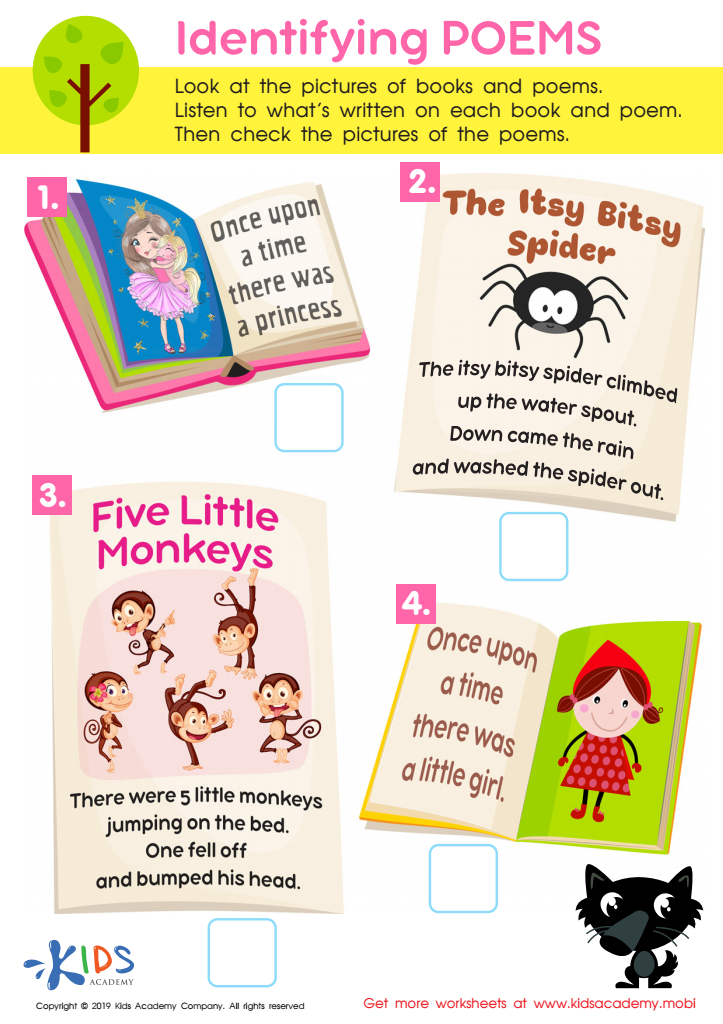
Identifying Poems Worksheet
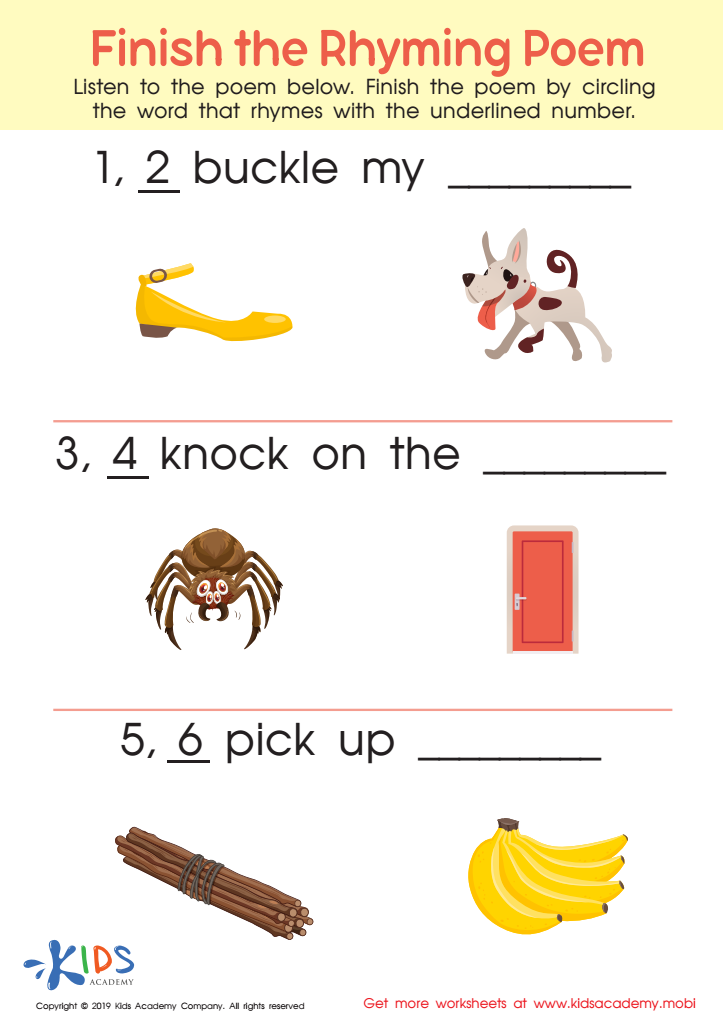
Finish Rhyming Poem Worksheet
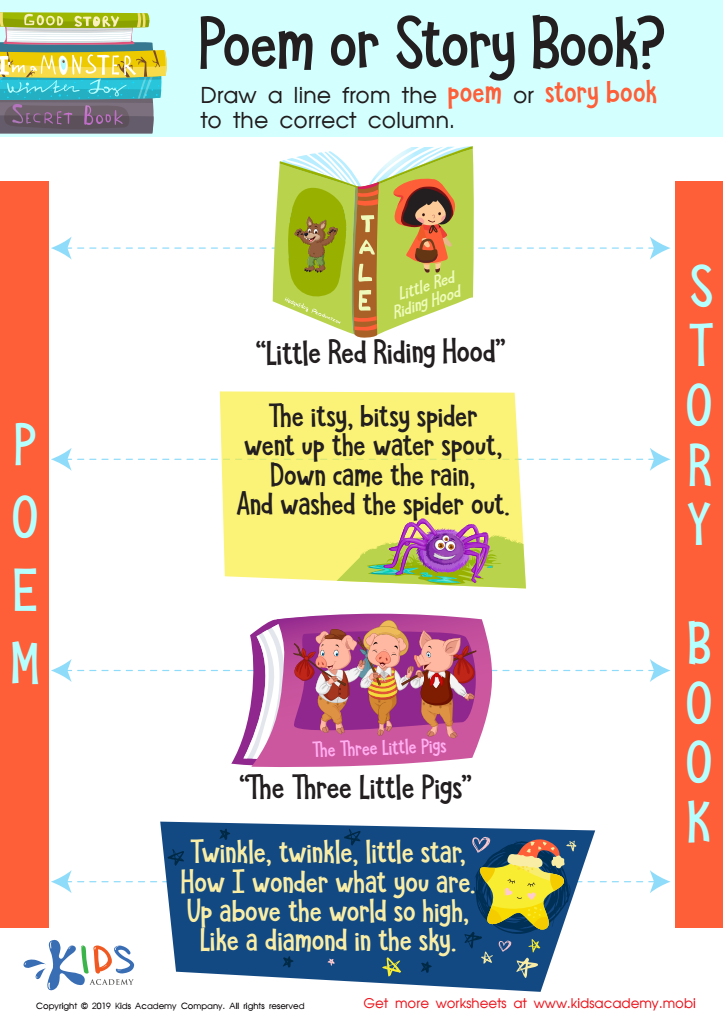
Poem or Story Book? Worksheet
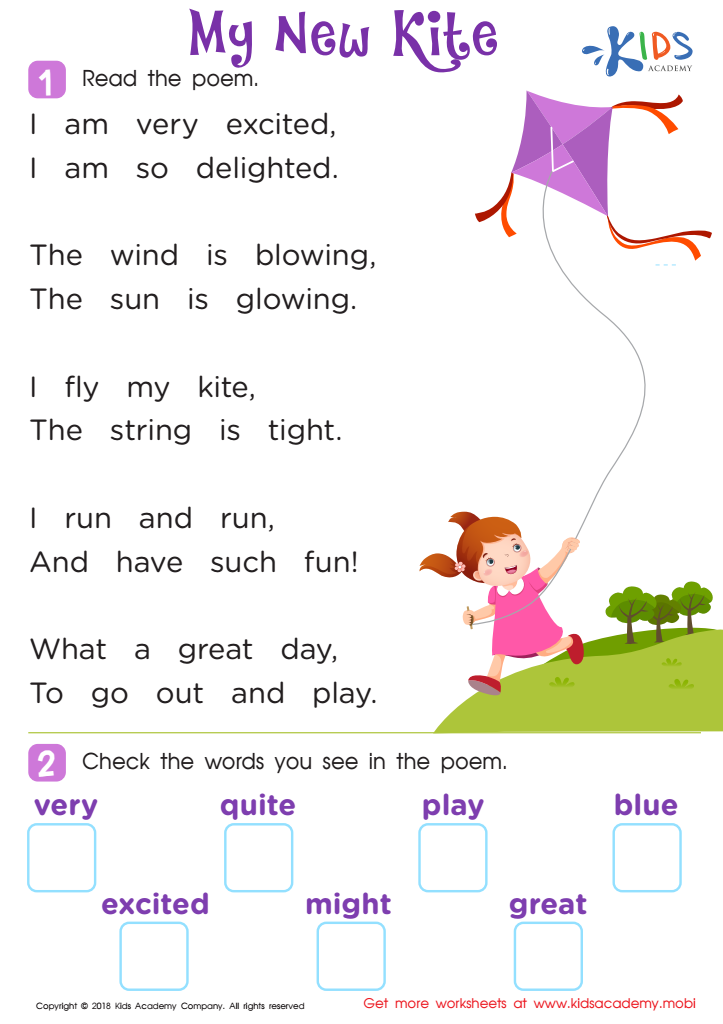
Poem: My New Kite Worksheet
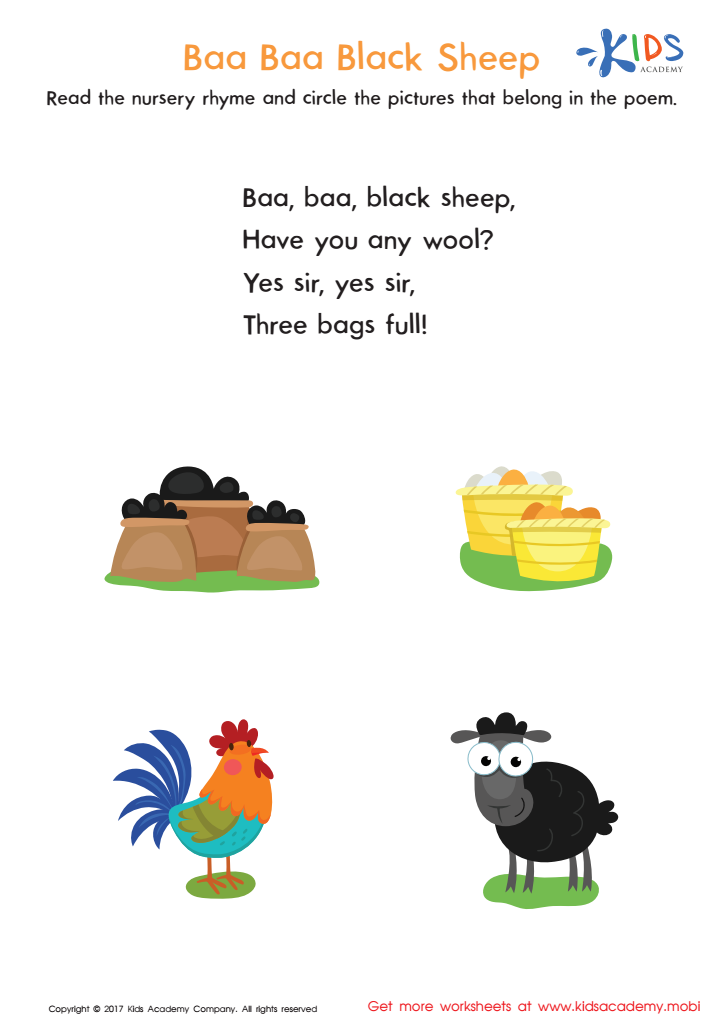
Baa Baa Black Sheep Printable
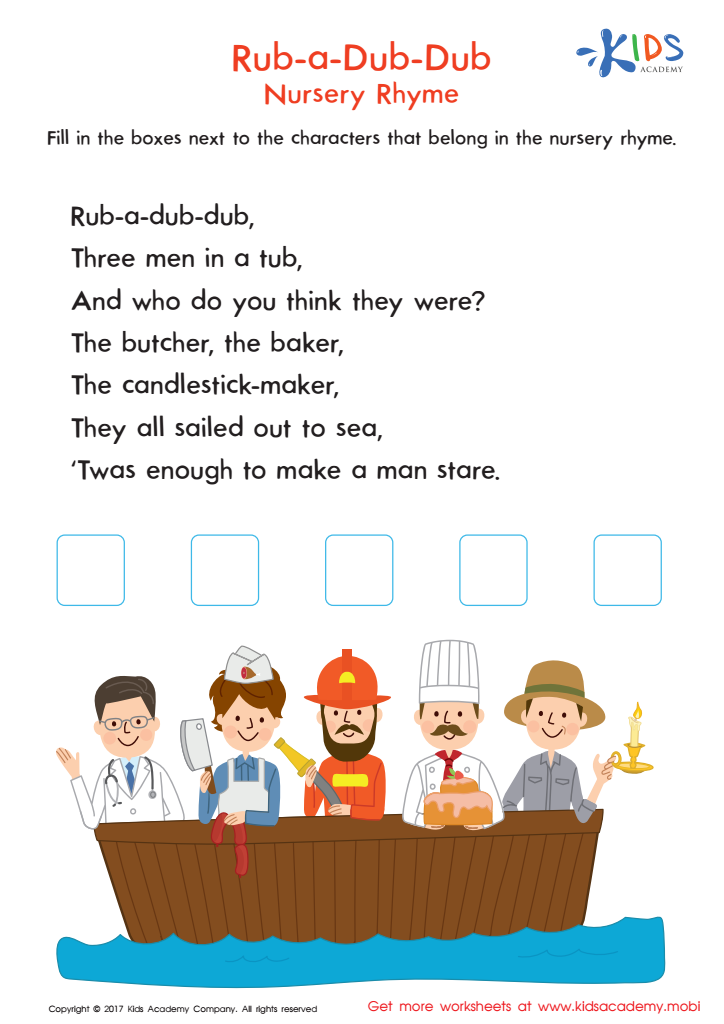
Rub a Dub Dub Printable
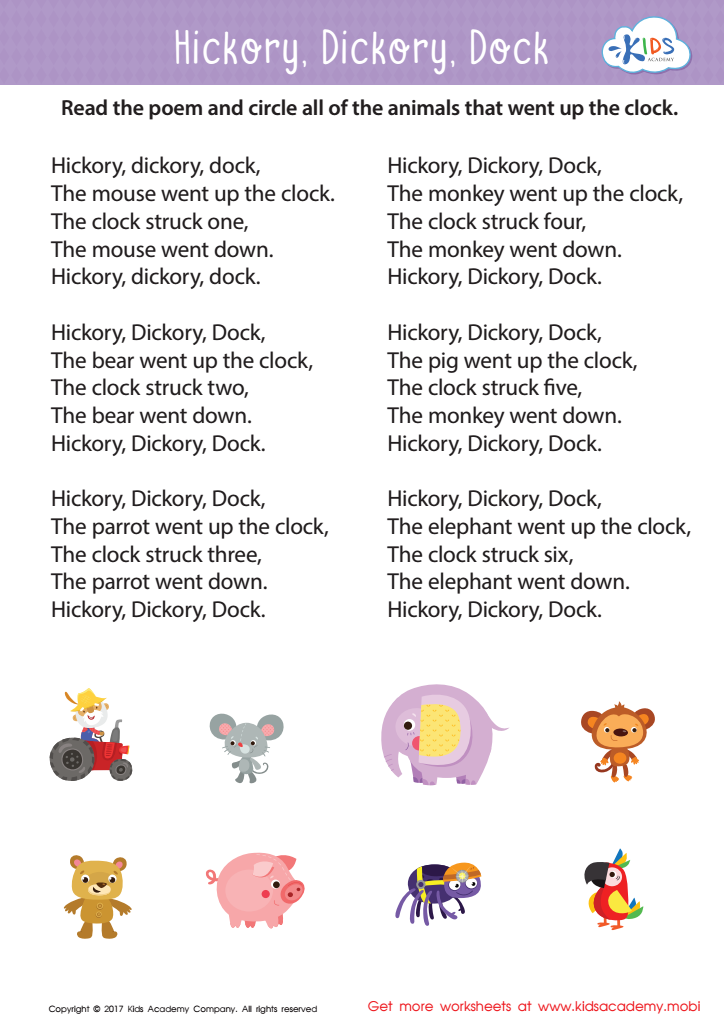
Hickory Dickory Dock Sequencing Worksheet








Poems worksheets activities are a valuable tool in the realm of education, particularly in enhancing language arts skills among learners of all ages. These activities serve a multitude of purposes, ranging from improving literacy to fostering a deeper understanding and appreciation of poetry. Here are several reasons why poems worksheets activities are incredibly useful in both educational and personal development contexts.
Firstly, these worksheets are a fantastic way to introduce learners to the world of poetry. Through carefully designed activities, students can explore various elements that make poems unique, such as rhyme, meter, imagery, and symbolism. Understanding these components enables learners to not only analyze but also enjoy poetry on a deeper level.
Secondly, poems worksheets activities are instrumental in developing critical thinking skills. As students engage with different types of poetry and poets, they learn to interpret and infer meanings, identify themes, and evaluate the effectiveness of various poetic devices. This critical engagement with texts enhances comprehension and analytical skills, which are valuable across all areas of study.
Moreover, creativity and self-expression are significantly nurtured through poems worksheets activities. Many of these activities encourage students to write their own verses, offering a safe and guided space for personal expression. This process helps in cultivating creativity, boosting confidence in writing abilities, and providing an outlet for emotions and thoughts.
Additionally, poems worksheets activities can be incredibly versatile, catering to diverse learning styles and age groups. Whether through reading comprehension questions, matching exercises, fill-in-the-blanks, or creative writing prompts, these activities can be tailored to suit different learners, making poetry accessible and enjoyable for everyone.
In conclusion, poems worksheets activities are an essential tool in education. They not only introduce students to the beauty and complexity of poetry but also develop critical thinking, creativity, and emotional intelligence. By incorporating these activities into the curriculum, educators can provide a holistic learning experience that enriches students' language arts skills and personal growth.








