Tracing worksheets activities for Ages 5-7 - Page 7
159 filtered results
-
From - To
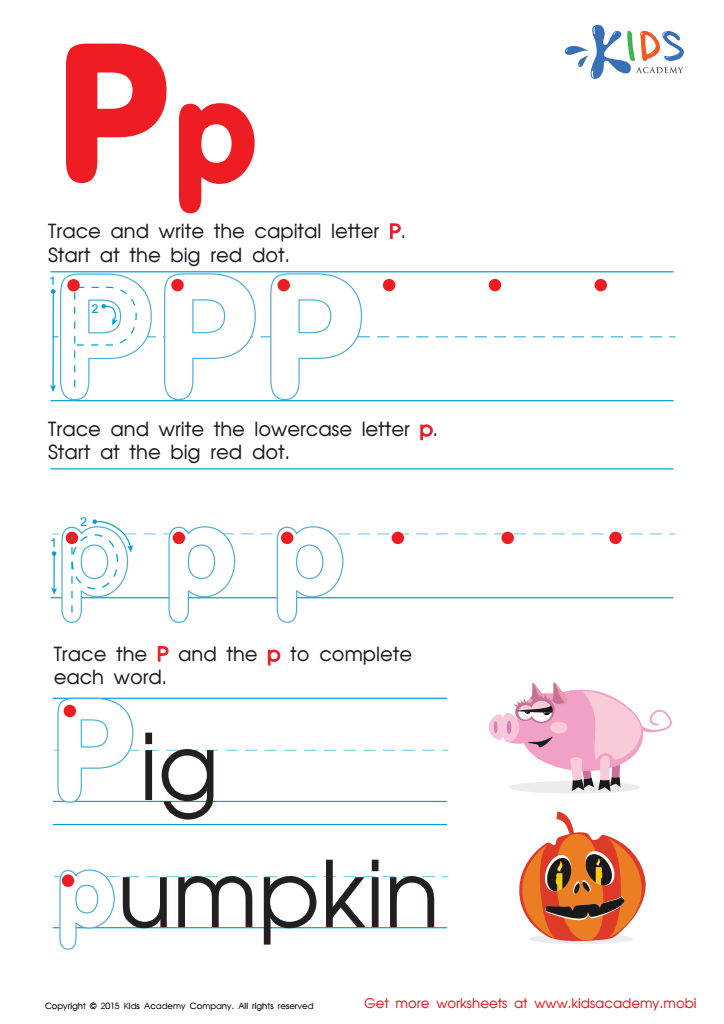
Letter P Tracing Page
 Assign to My Students
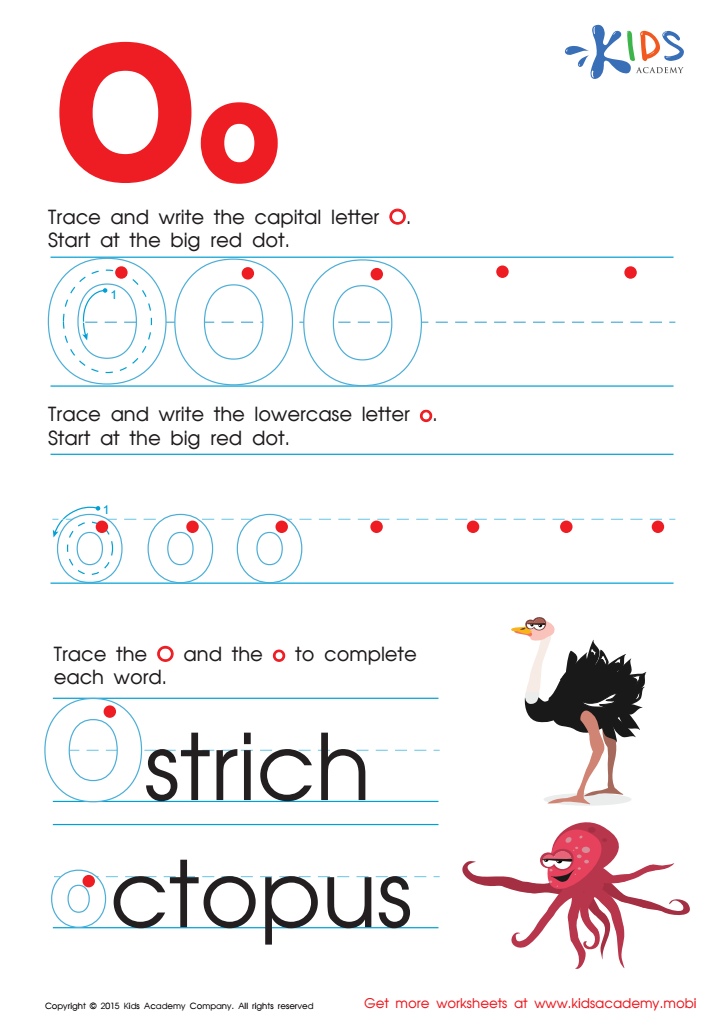
Letter O Tracing Page
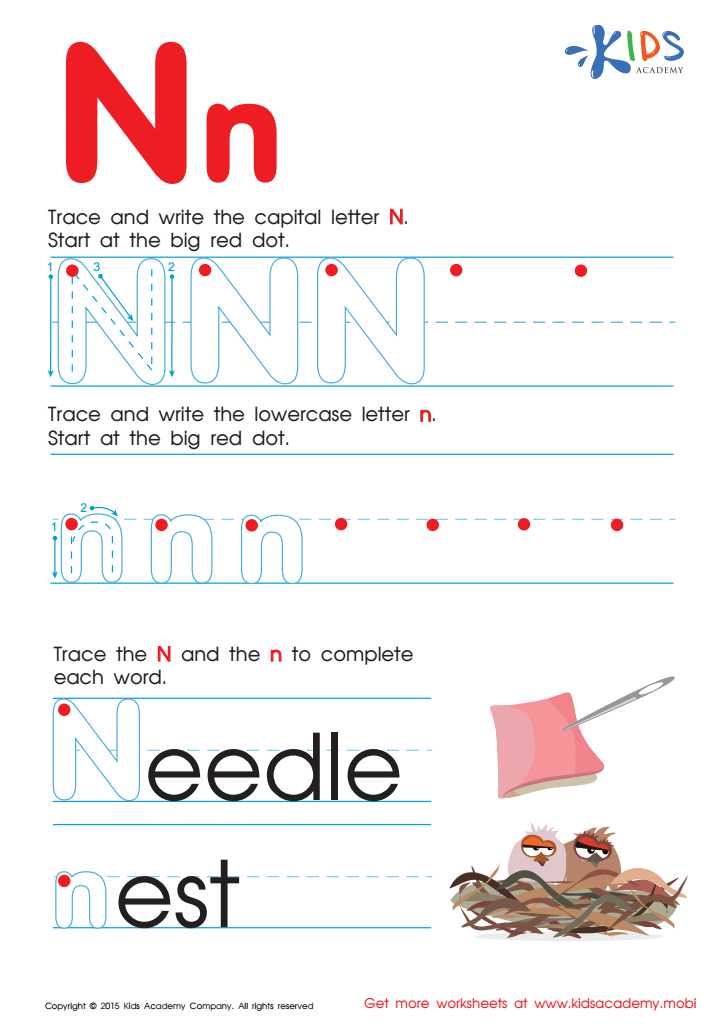
Letter N Tracing Page
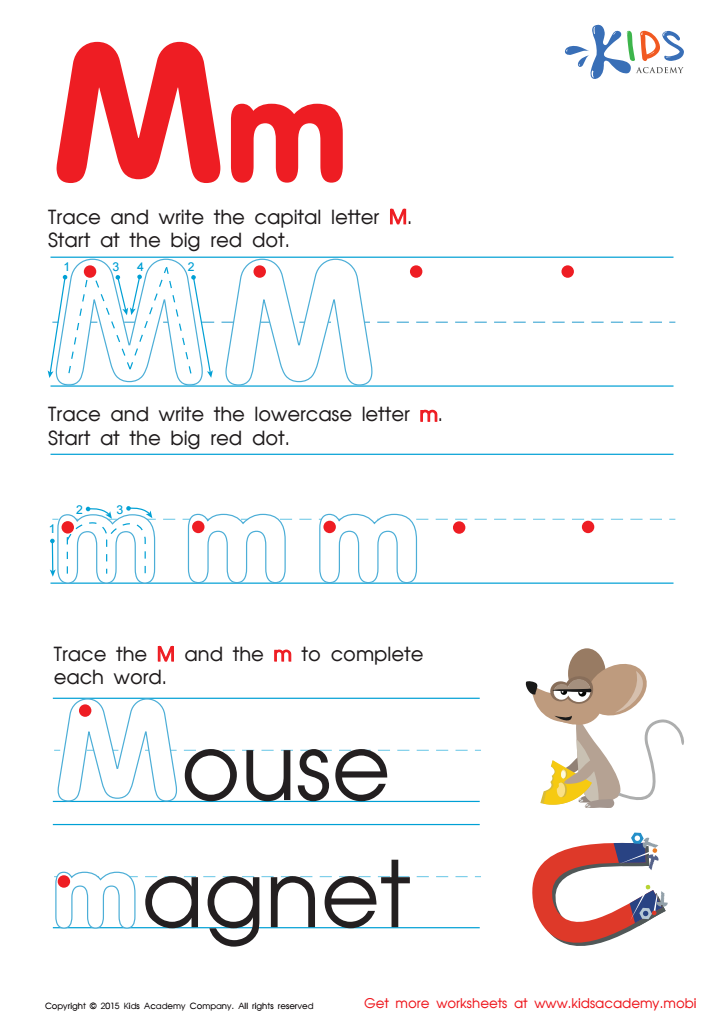
Letter M Tracing Page
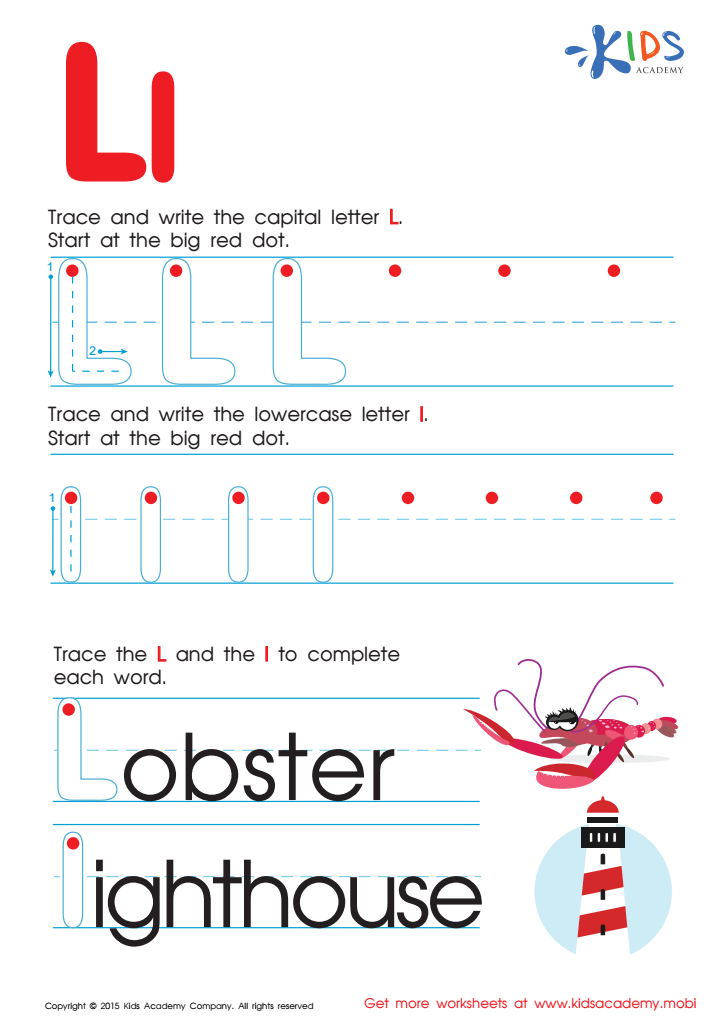
Letter L Tracing Page
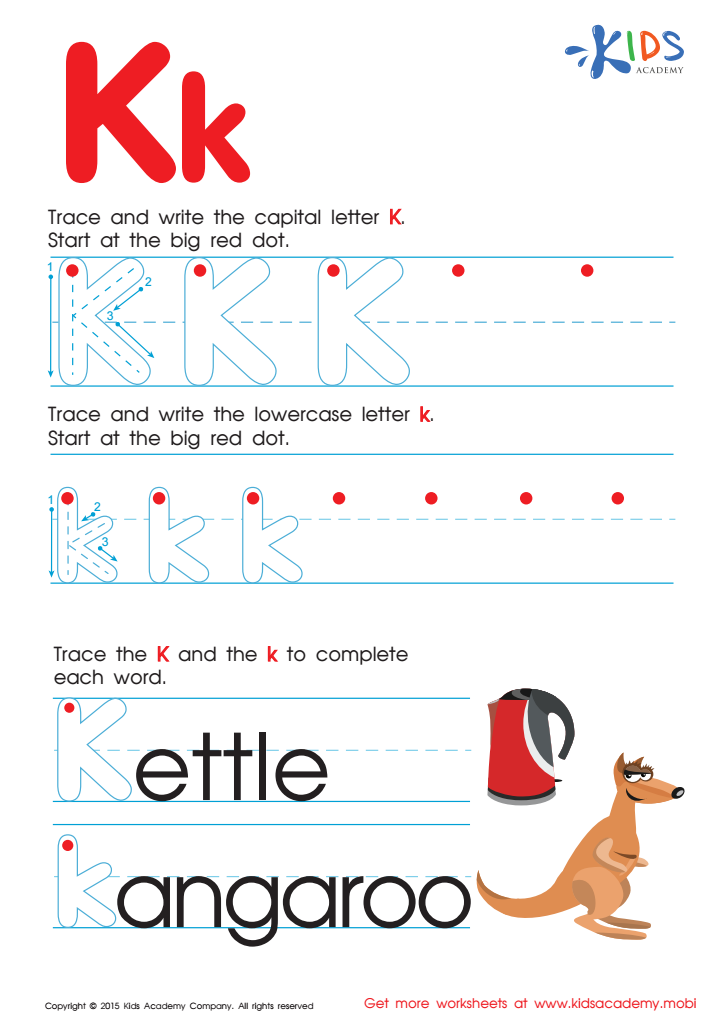
Letter K Tracing Page
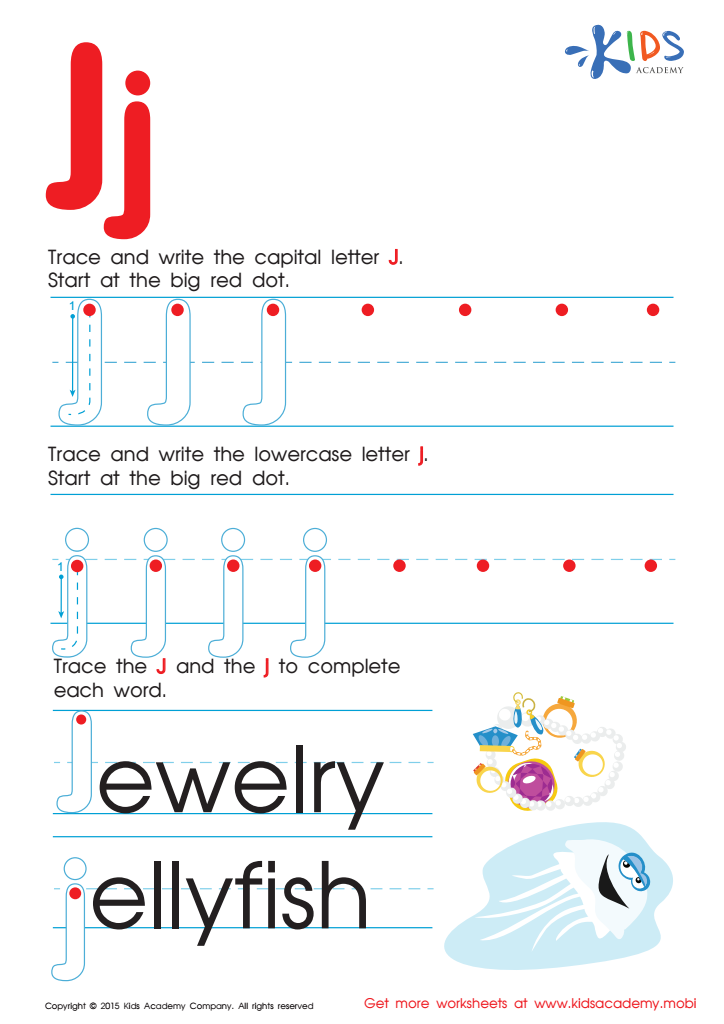
Letter J Tracing Page
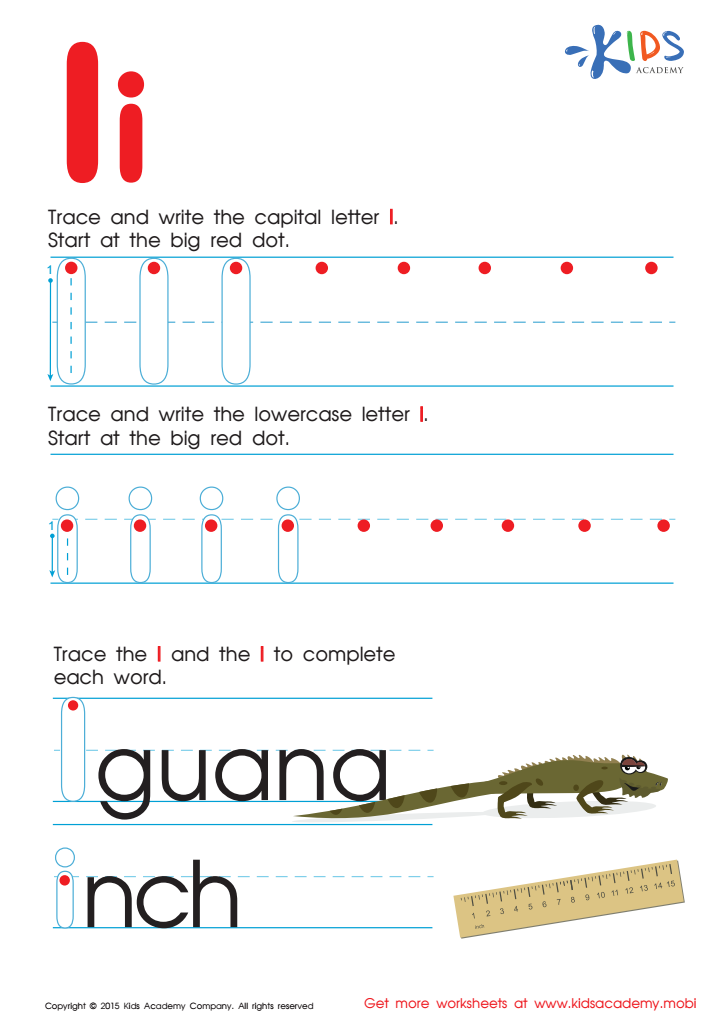
Letter I Tracing Page

Letter H Tracing Page
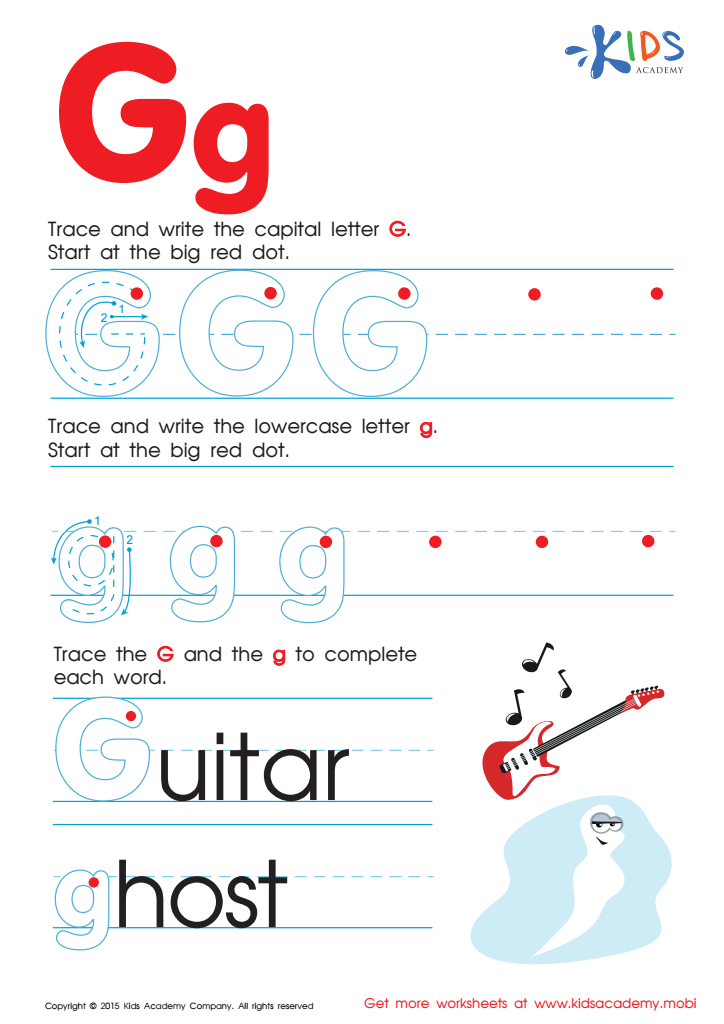
Letter G Tracing Page
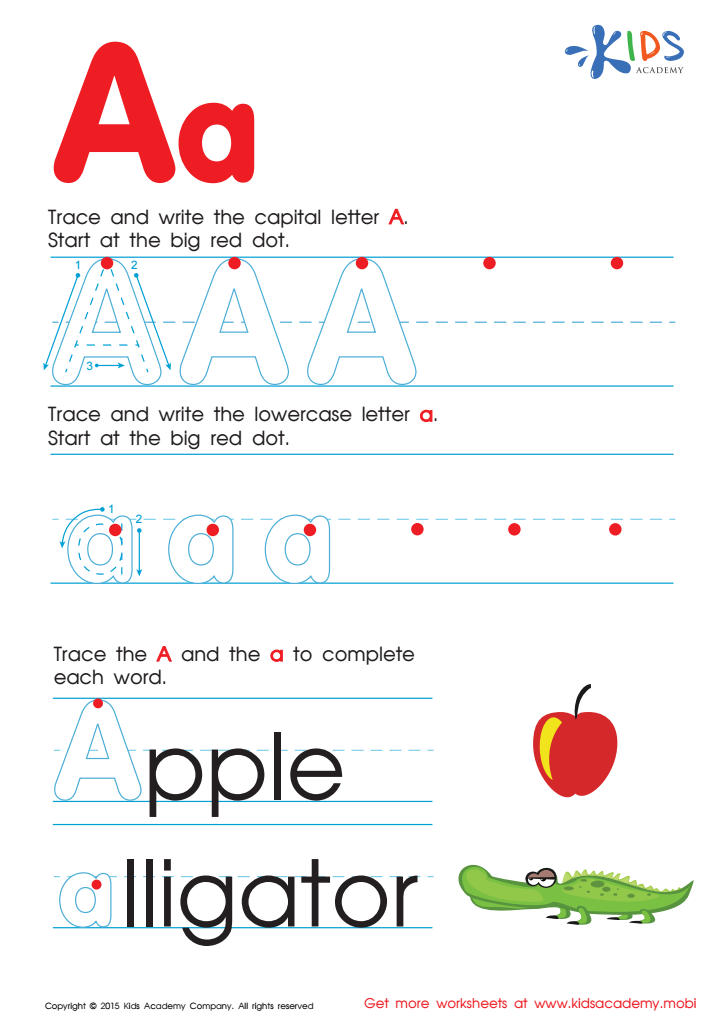
Letter A Tracing Page
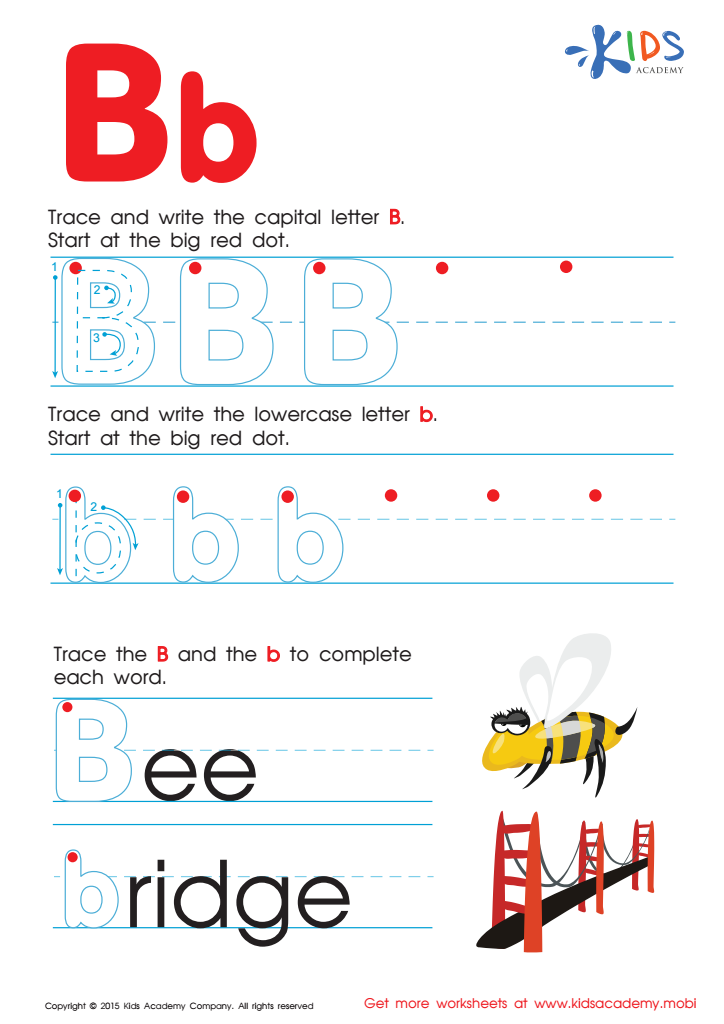
Letter B Tracing Page

Letter C Tracing Page

Letter D Tracing Page
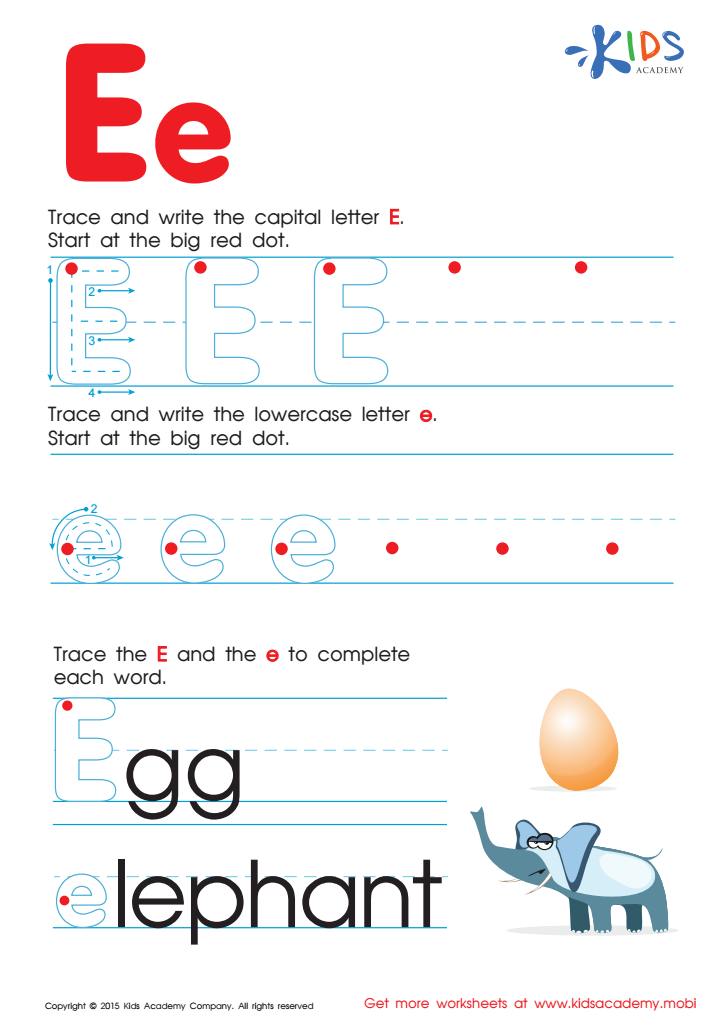
Letter E Tracing Page








Tracing activities for children aged 5-7 play a critical role in early childhood development, and both parents and teachers should prioritize them for several reasons. First, tracing helps improve fine motor skills, which are essential for tasks like writing, drawing, and using scissors. As children maneuver pencils or markers to follow lines, they strengthen the small muscles in their hands and fingers, laying a foundation for future writing proficiency.
Second, these activities promote cognitive development. Tracing shapes, letters, and numbers reinforces their understanding of these concepts while allowing children to explore patterns and develop spatial awareness. Engaging in tracing also encourages focus and concentration, skills that are vital for academic success.
Additionally, tracing fosters creativity. When children trace various designs or images, they can experiment with colors and styles, developing their artistic expression. It also serves as an avenue for parents and teachers to cultivate positive learning experiences, making education enjoyable and engaging.
Lastly, tracing activities offer a platform for discussions about shapes, sounds, and letters, facilitating language development and enhancing vocabulary. In summary, incorporating tracing activities into early learning is essential for developing foundational skills that support overall growth and success in later educational endeavors.








