Tracing Letters worksheets activities for Ages 5-7 - Page 3
57 filtered results
-
From - To
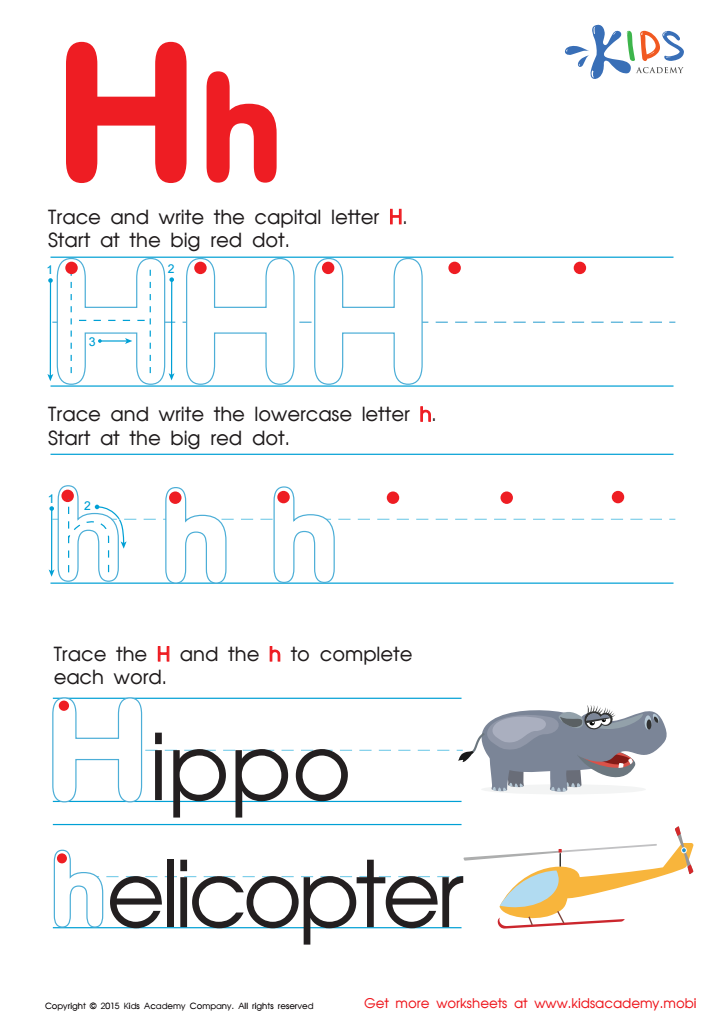
Letter H Tracing Page
 Assign to My Students
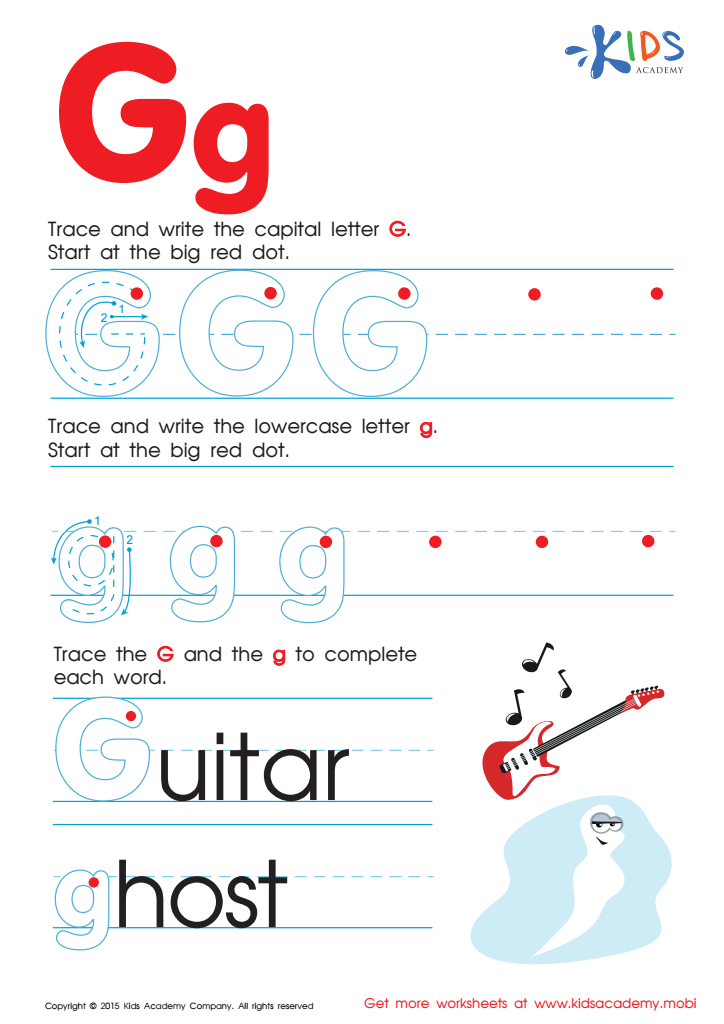
Letter G Tracing Page
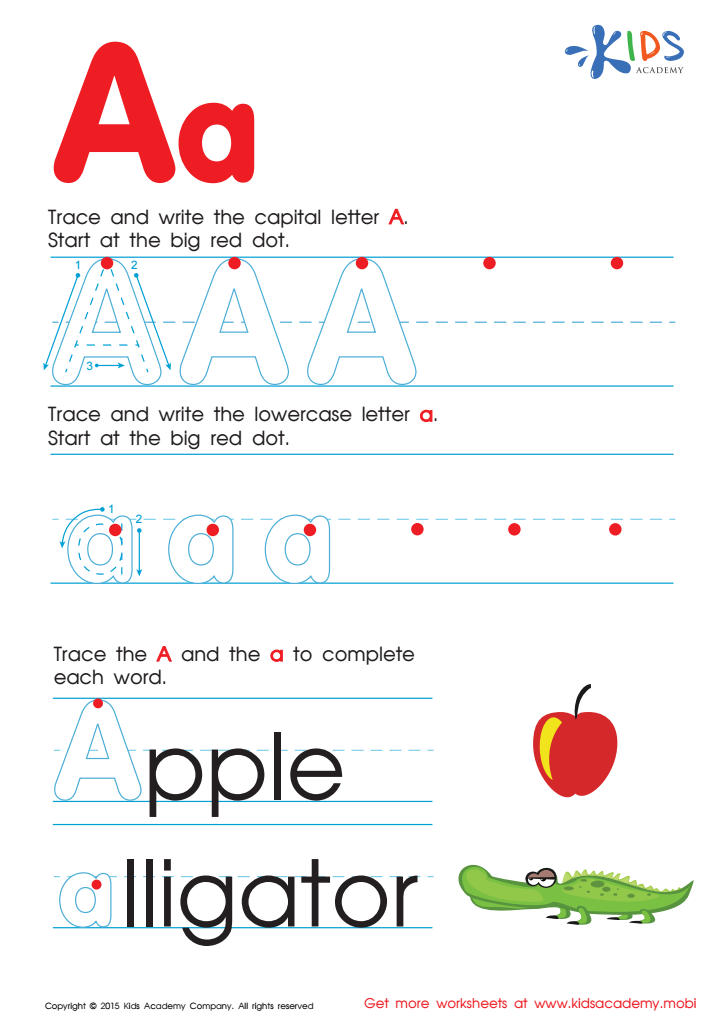
Letter A Tracing Page
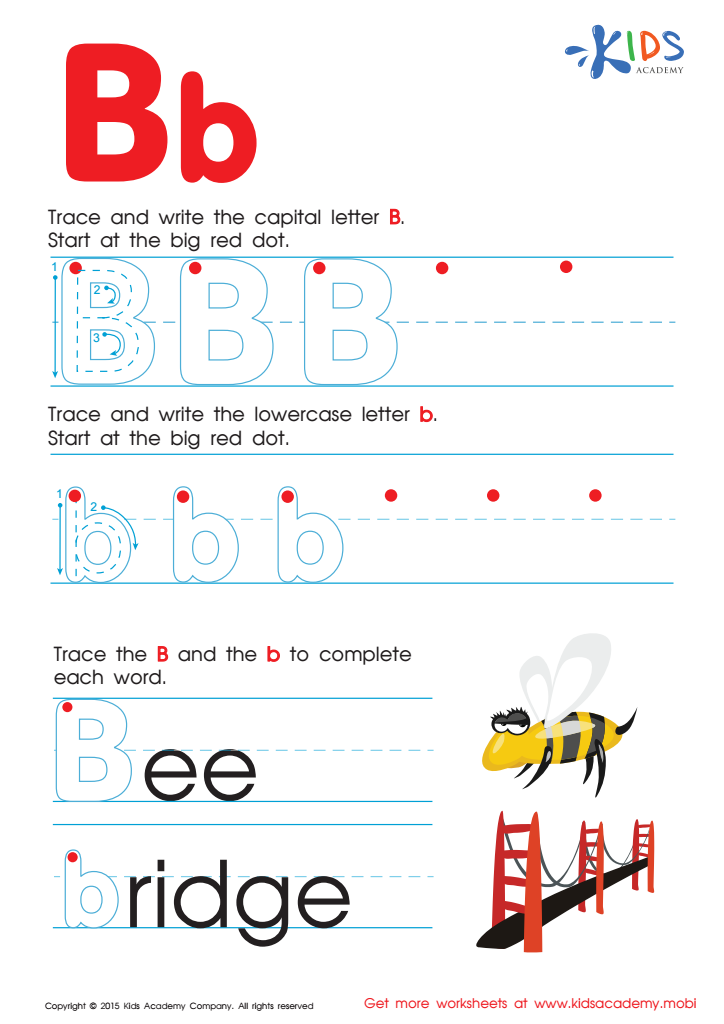
Letter B Tracing Page
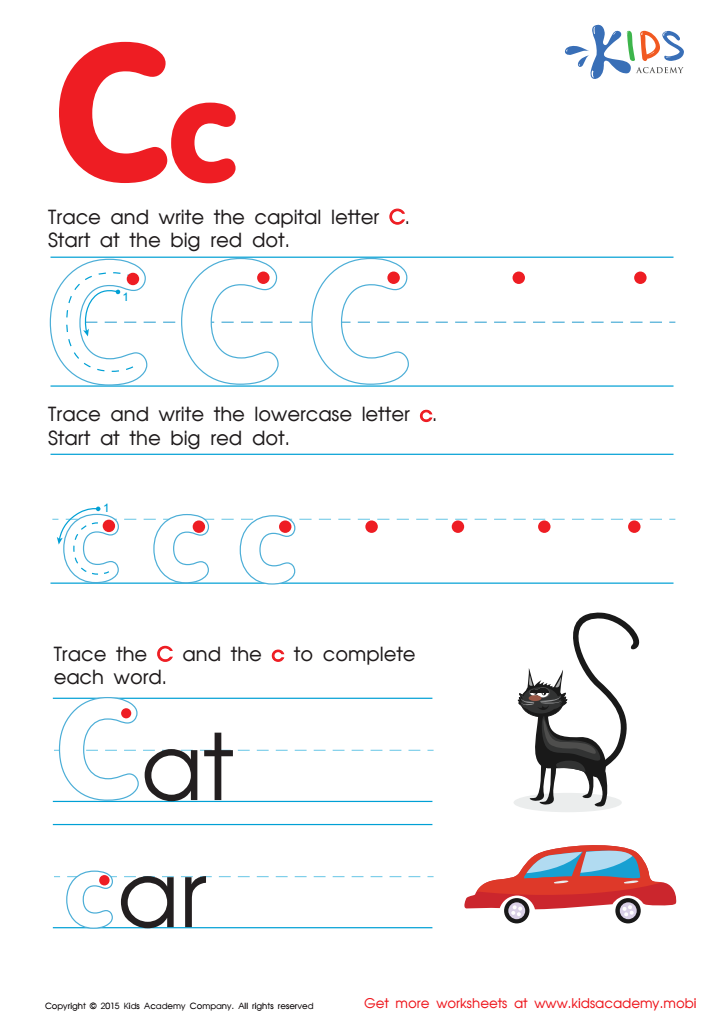
Letter C Tracing Page

Letter D Tracing Page

Letter F Tracing Page
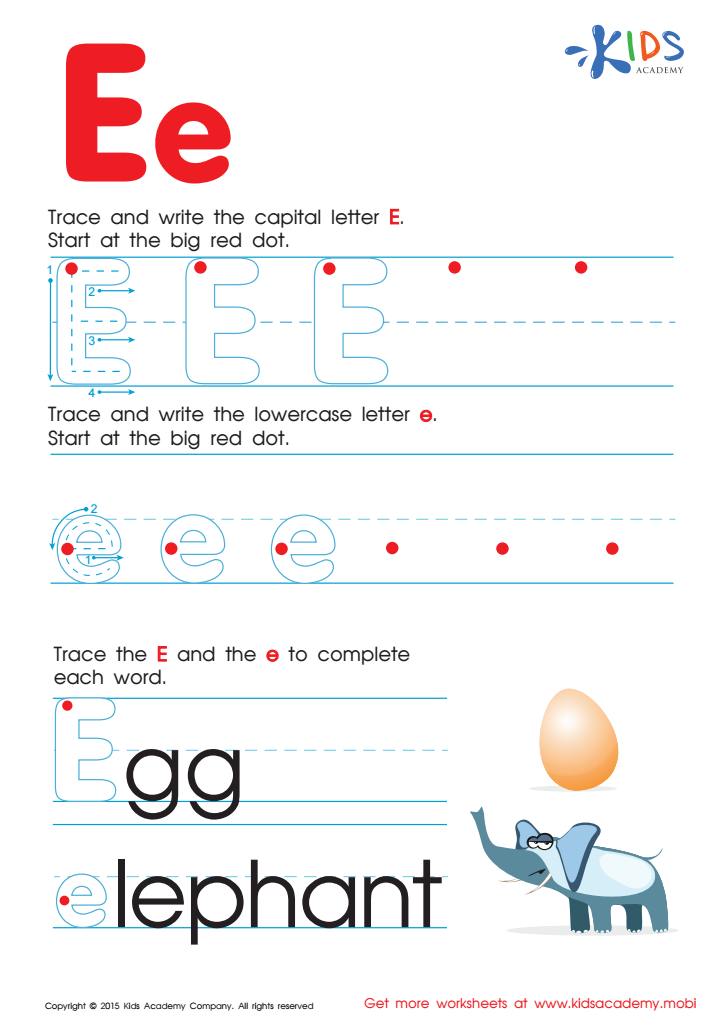
Letter E Tracing Page
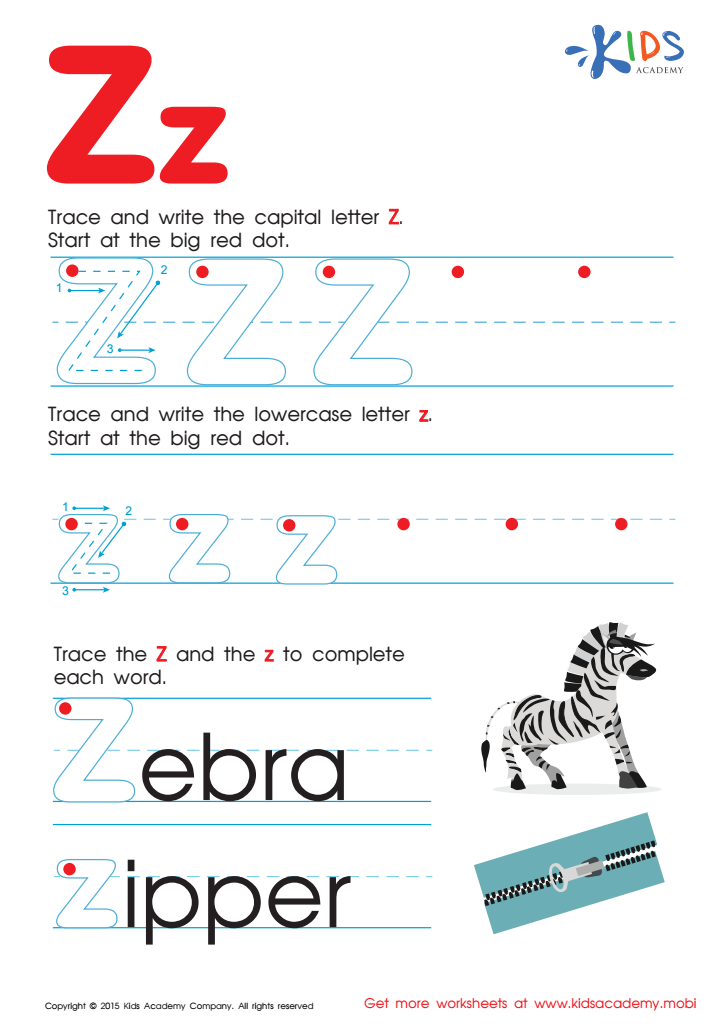
Letter Z Tracing Page






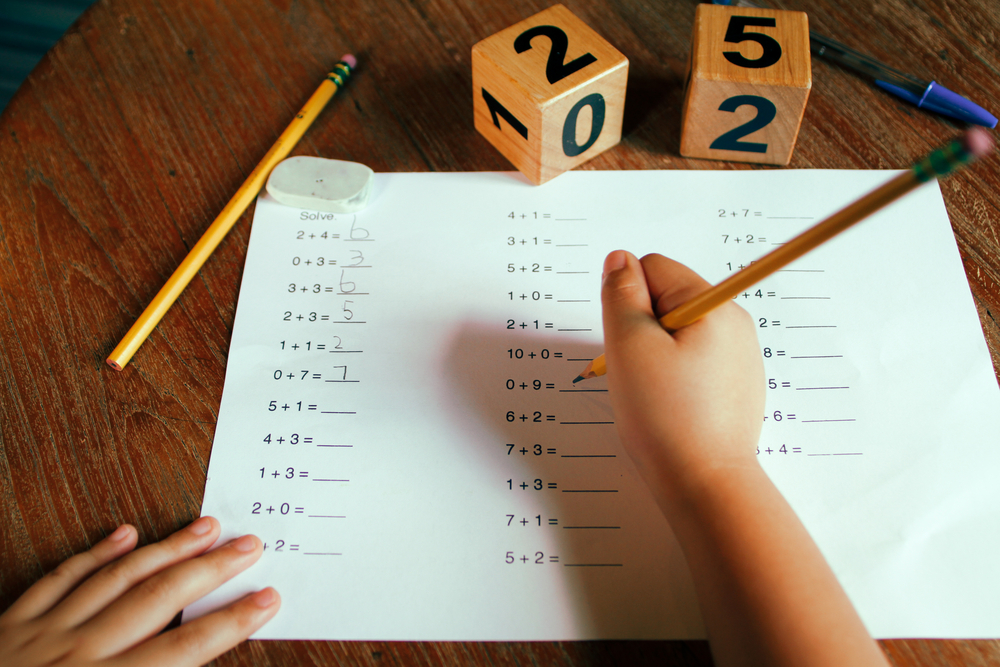

Tracing letters is a fundamental activity for children aged 5-7, essential for developing their literacy and fine motor skills. During this critical period, young learners are beginning their journey into reading and writing, making tracing an effective way to reinforce letter recognition and formation. By engaging in tracing activities, children learn to differentiate between various letters, understand their shapes, and memorize their positions in the alphabet, which lays a strong foundation for fluent reading and writing.
Moreover, tracing letters helps improve hand-eye coordination and dexterity. As children grasp pencils and move them along the lines, they gain the necessary control needed for more advanced writing tasks in the future. This process also boosts their confidence; seeing their progress as they learn to write can be an incredibly motivating experience.
Additionally, incorporating tracing activities into early education reinforces the importance of practice in mastering new skills. Parents and teachers should incorporate varied tracing formats—using sand, water, finger painting, or traditional paper—to keep experiences engaging and multidimensional. Ultimately, tracing letters not only equips children with crucial academic skills but also fosters creativity and self-expression, making it a valuable component of early childhood education.








