Logical Thinking worksheets activities for Ages 6-8 - Page 2
86 filtered results
-
From - To
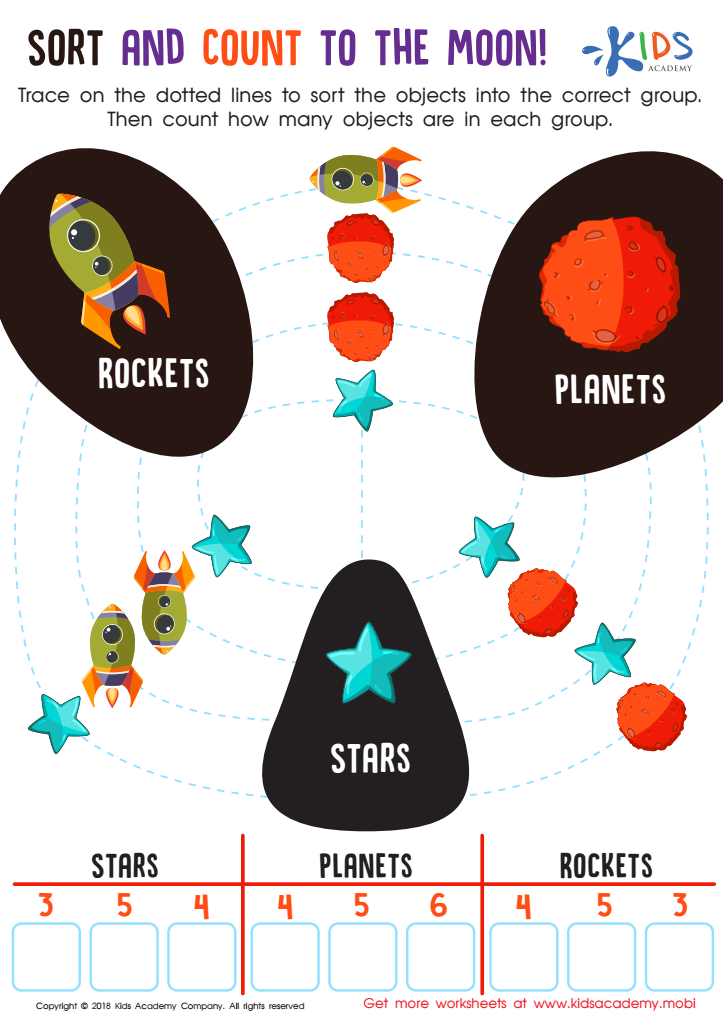
Sort and Count to the Moon Worksheet
 Assign to My Students
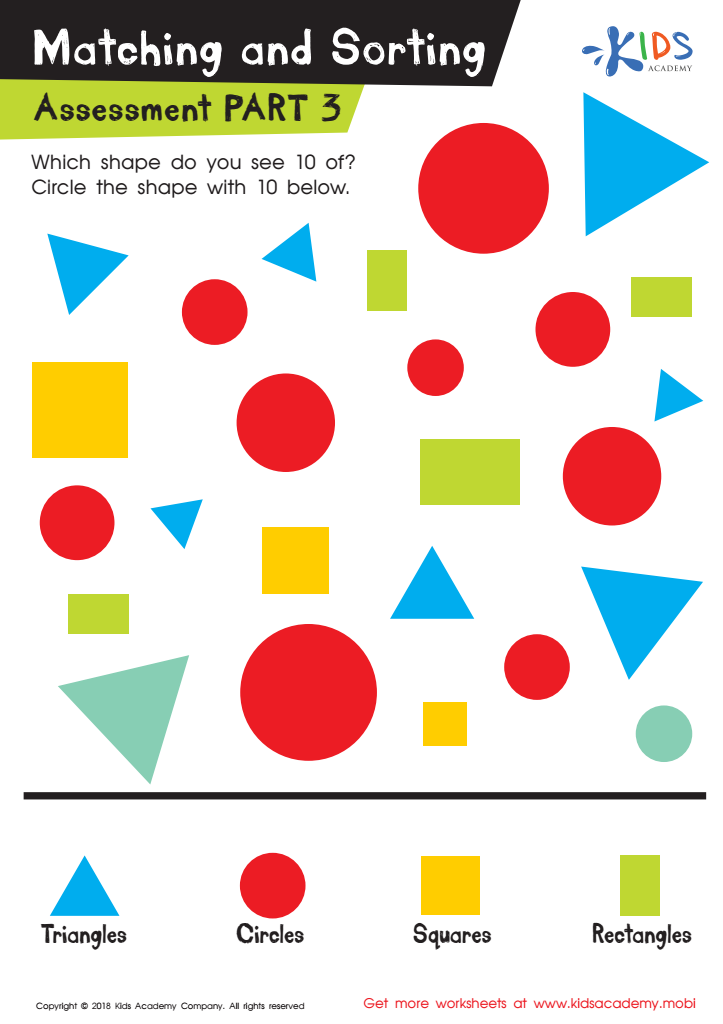
Matching and Sorting for Kindergarten: Assessment 3 Worksheet
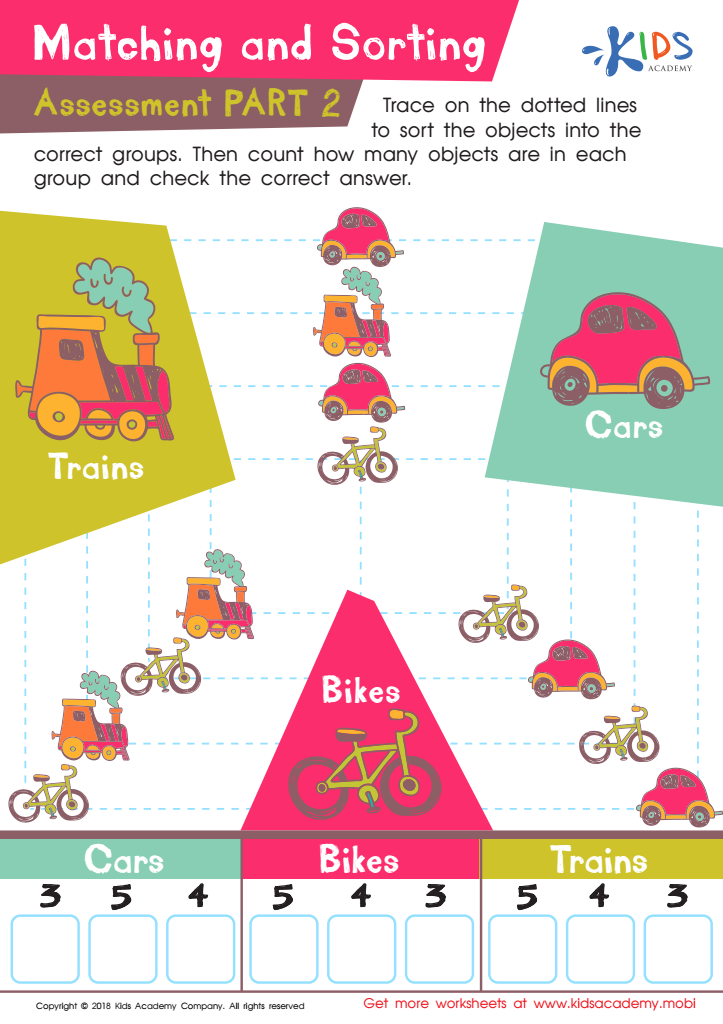
Matching and Sorting for Kindergarten: Assessment 2 Worksheet
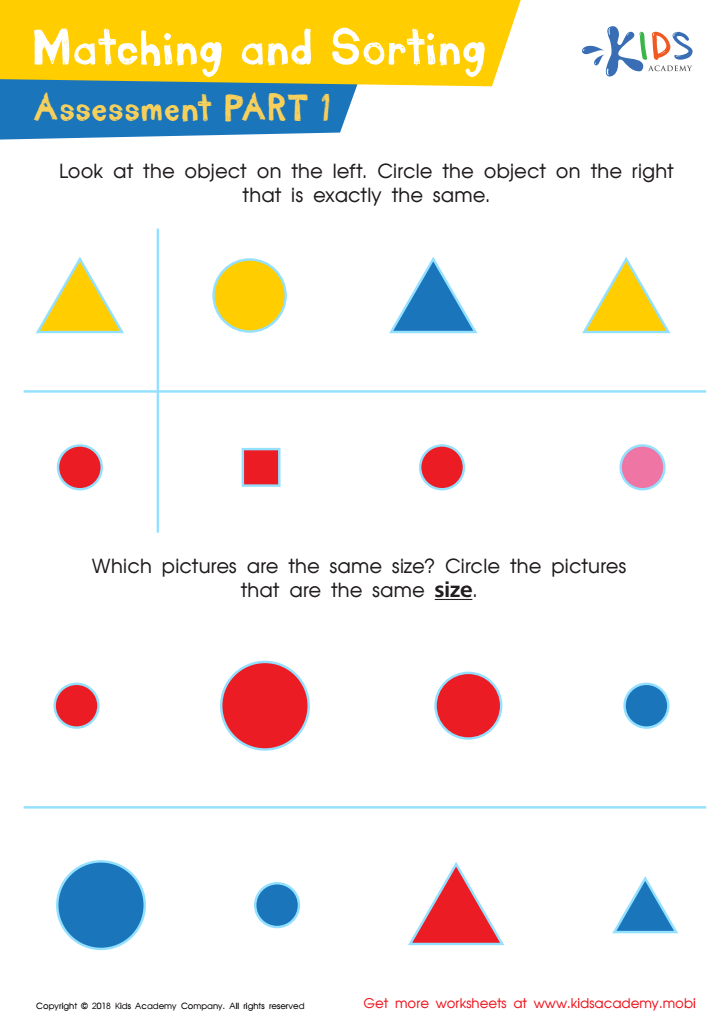
Matching and Sorting for Kindergarten: Assessment 1 Worksheet

Ten in the Bed Worksheet

Find 9 Worksheet
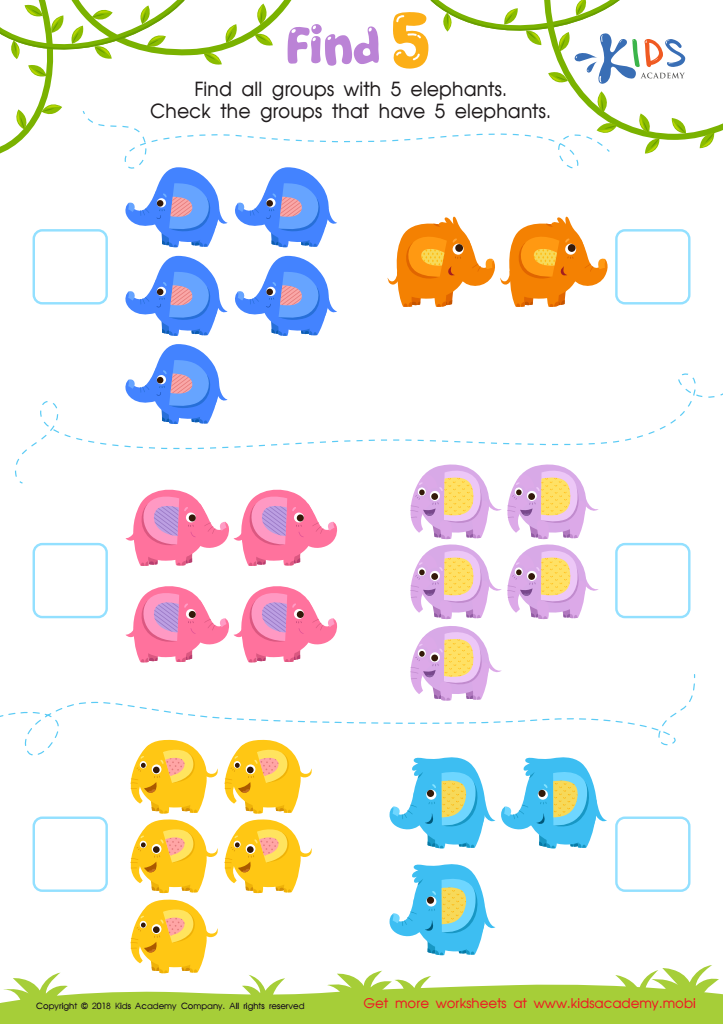
Find 5 Worksheet
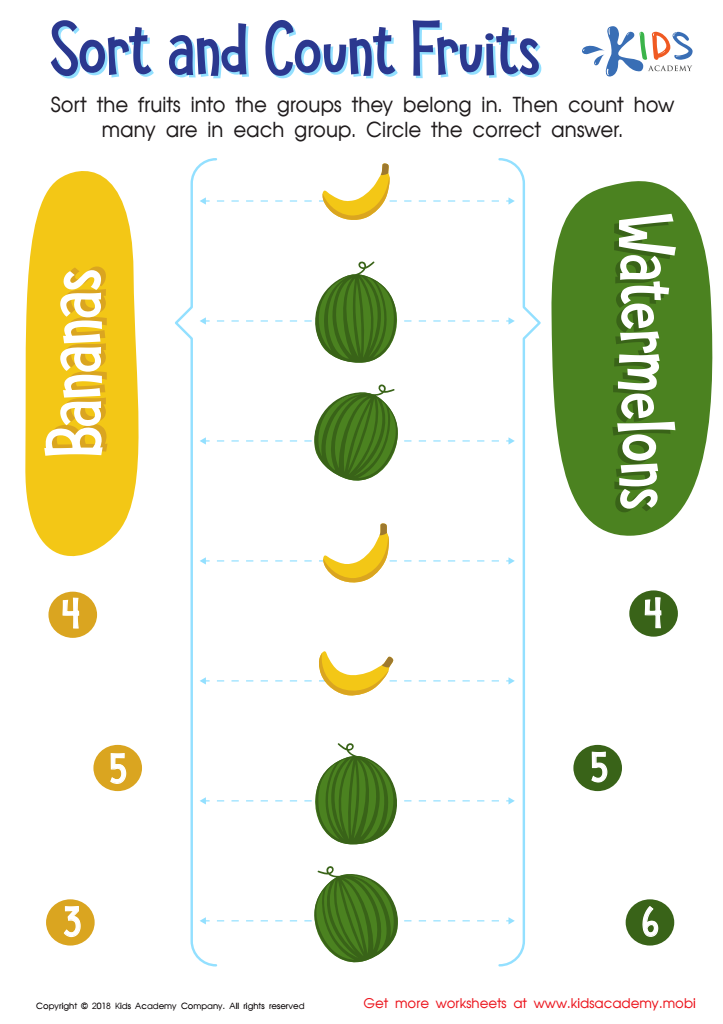
Sort and Count Fruits Worksheet
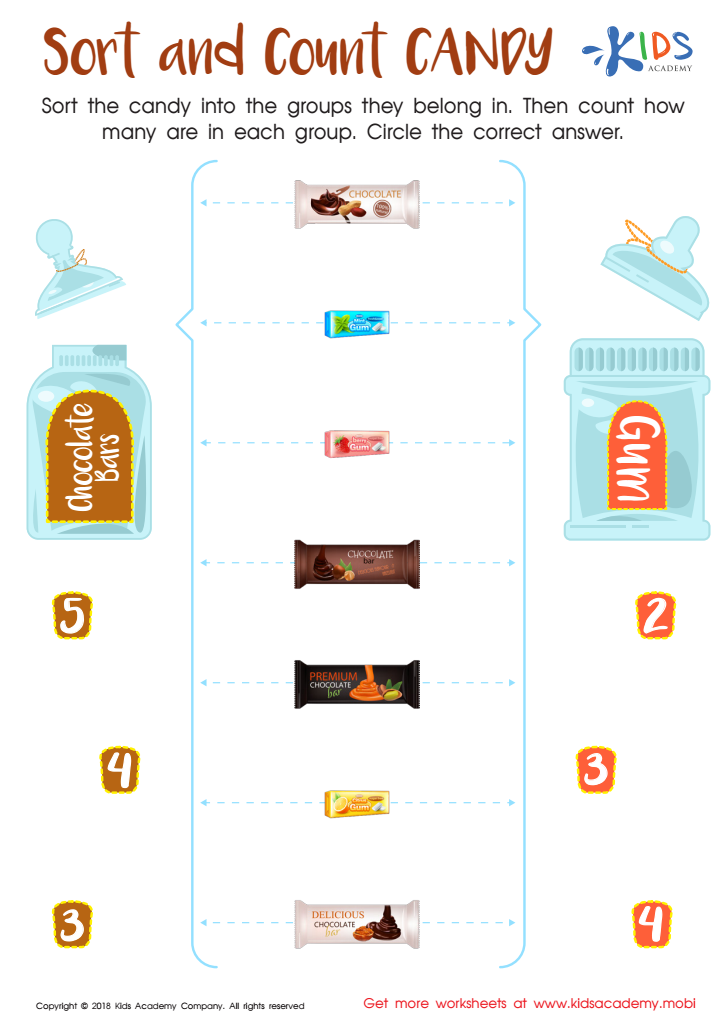
Sort and Count Candy Worksheet
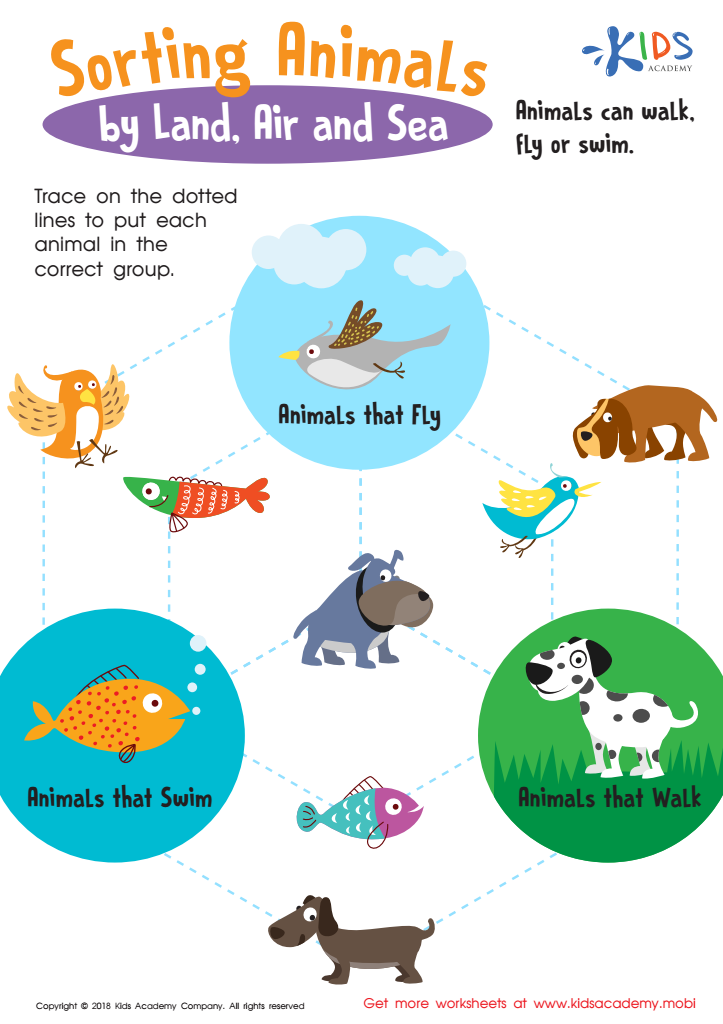
Sorting Animals by Land, Air and Sea Worksheet
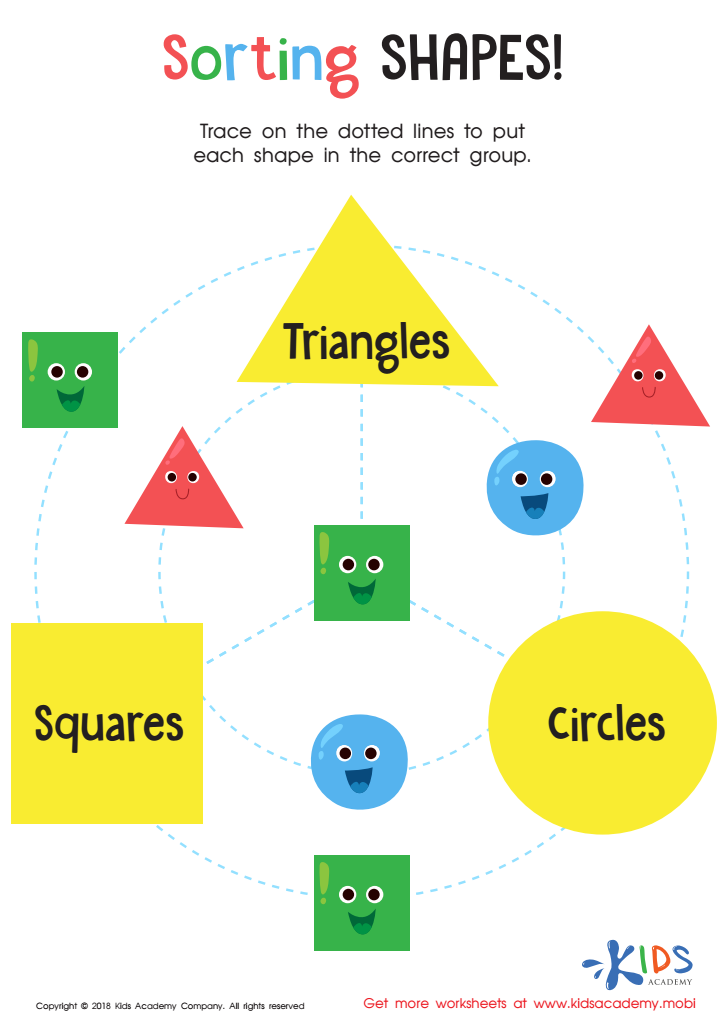
Sorting Shapes - Part 3 Worksheet
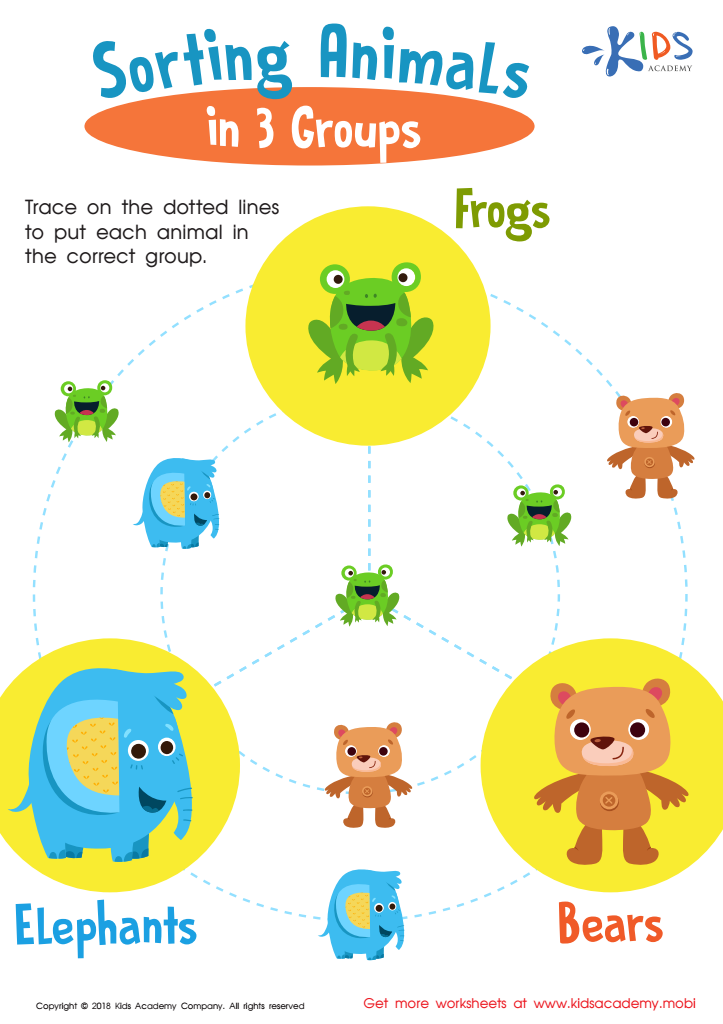
Sorting Animals in 3 Groups Worksheet
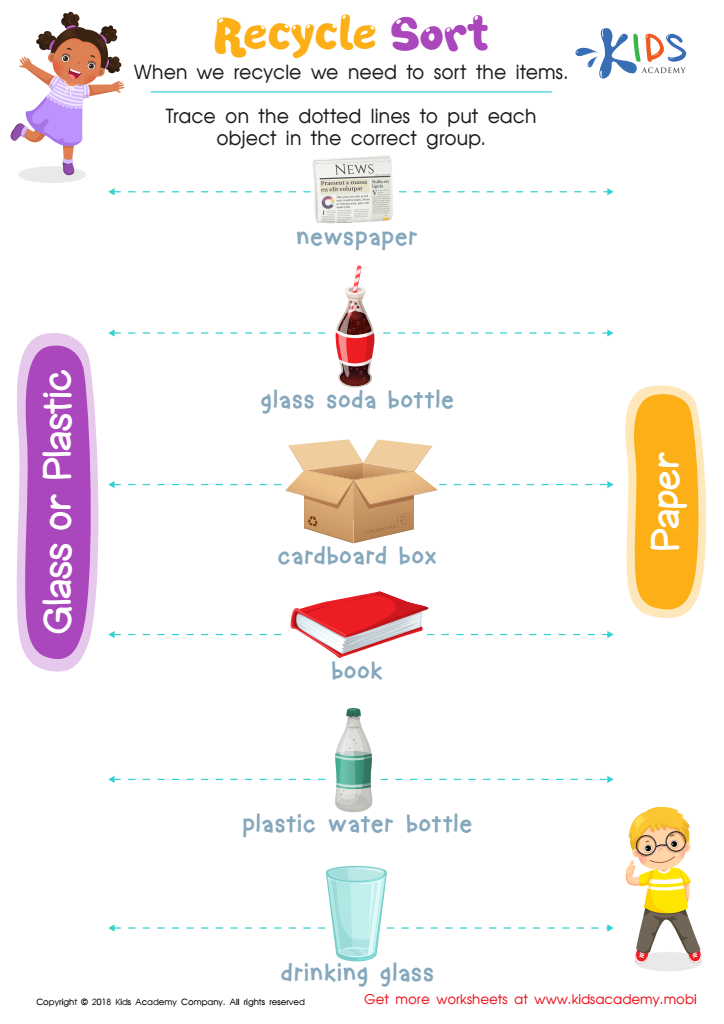
Recycle Sort Worksheet
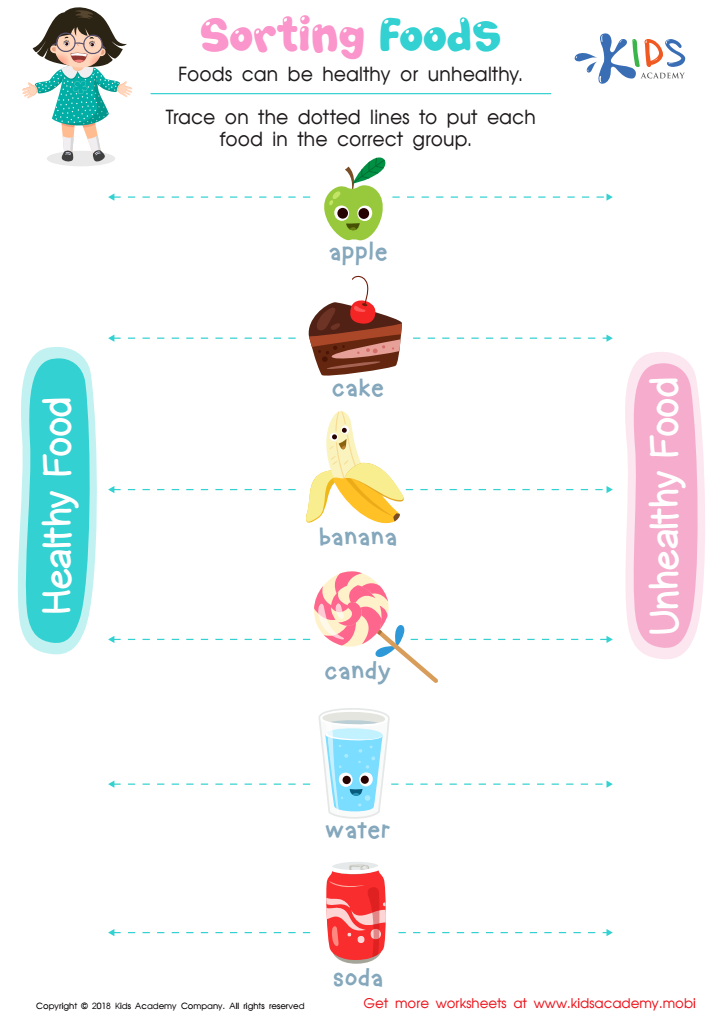
Sorting Food Worksheet
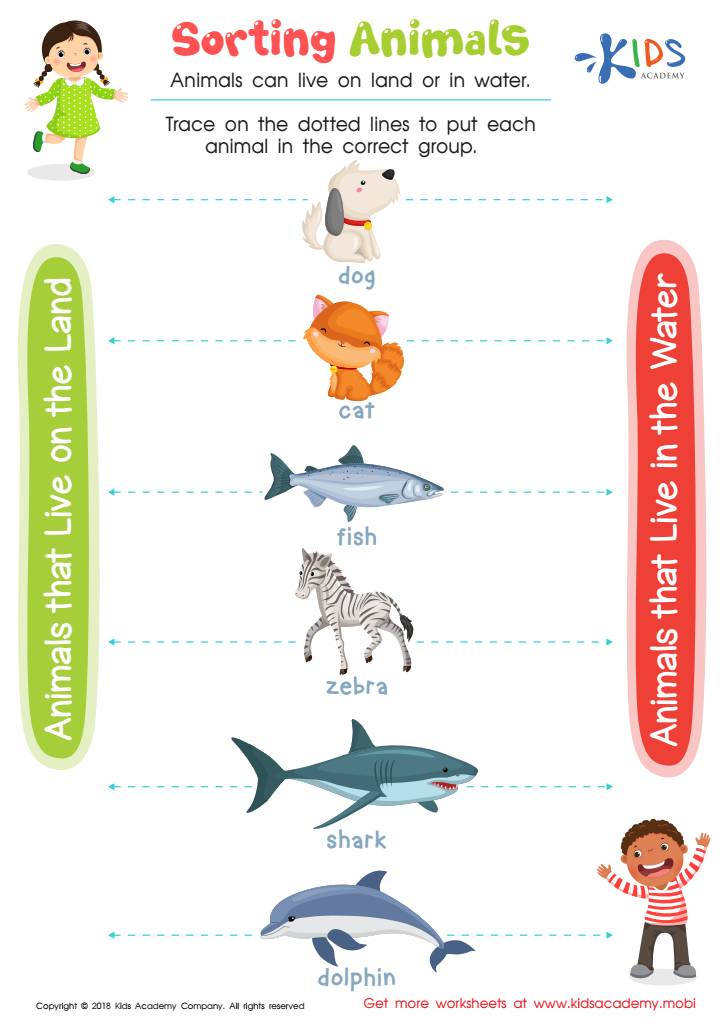
Sorting Animals Worksheet
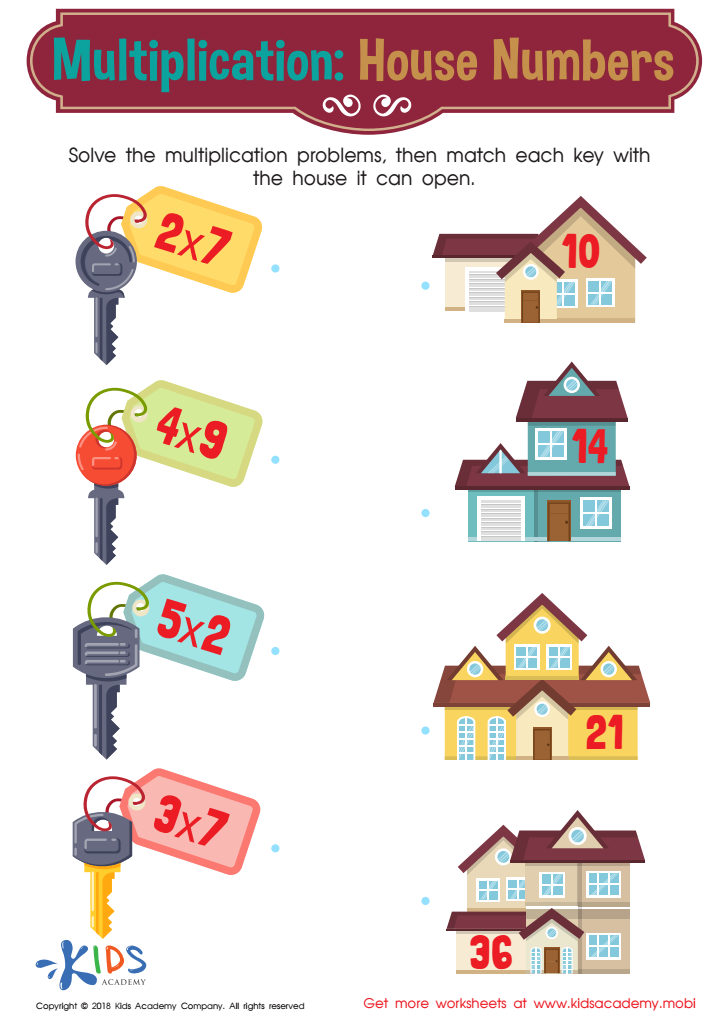
House Numbers Worksheet
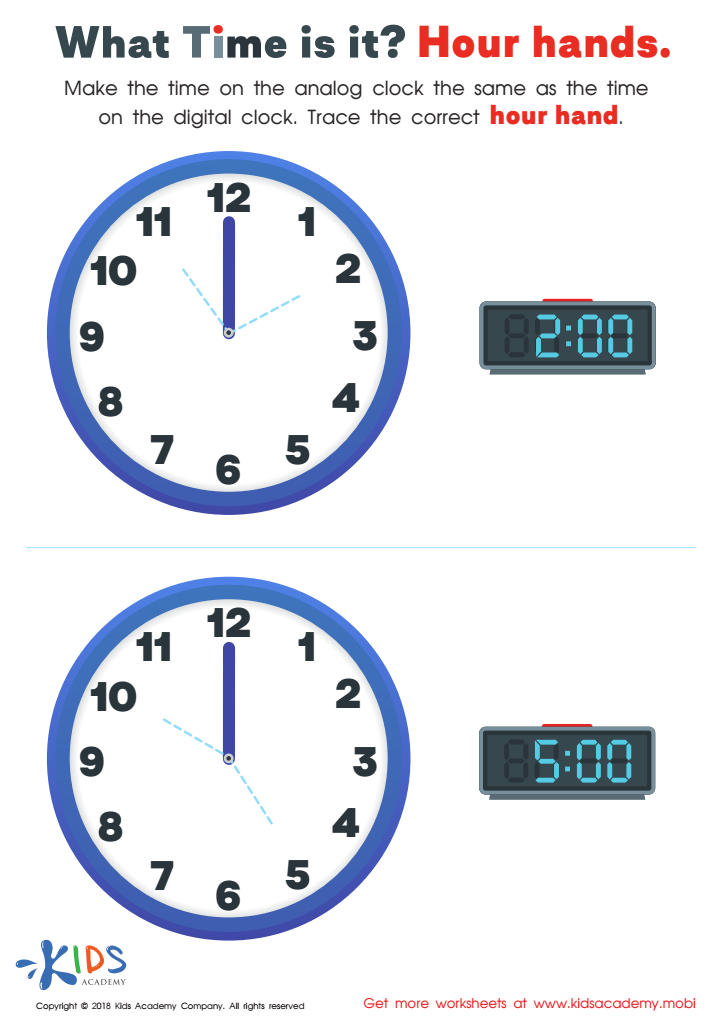
What Time Is it? Hour Hands Worksheet
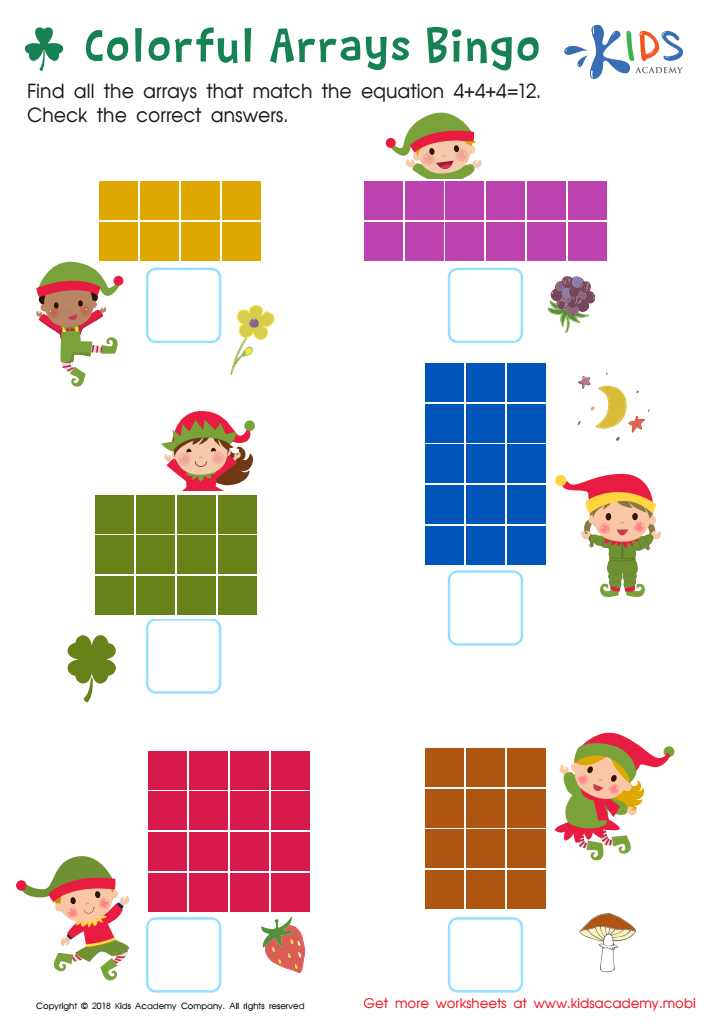
Colorful Arrays Bingo Worksheet
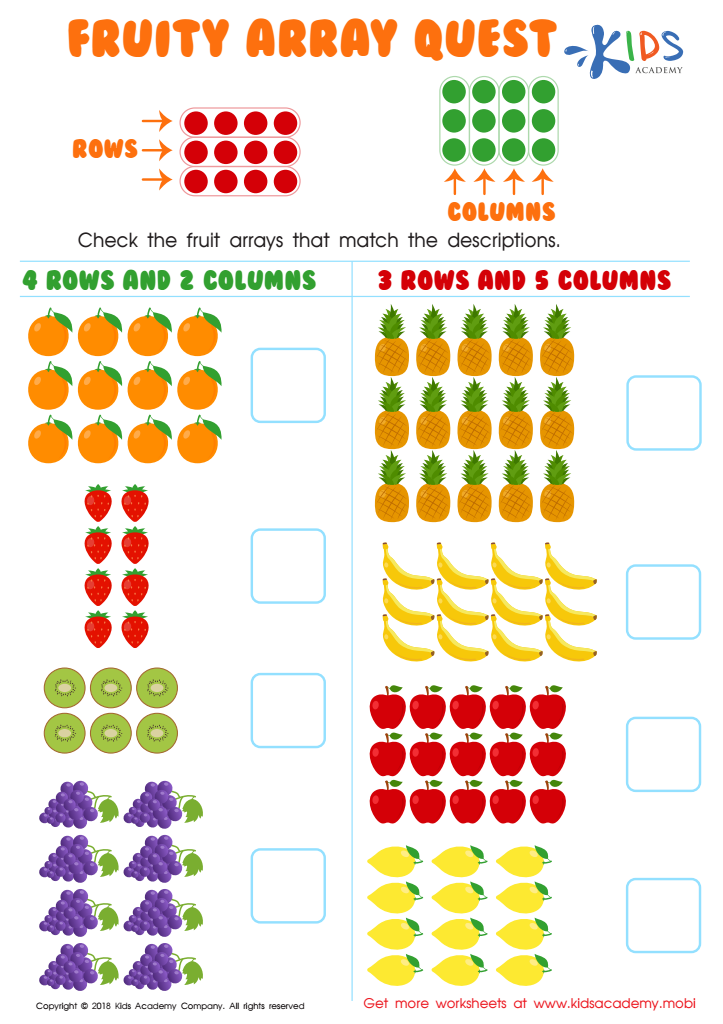
Fruity Array Quest Worksheet
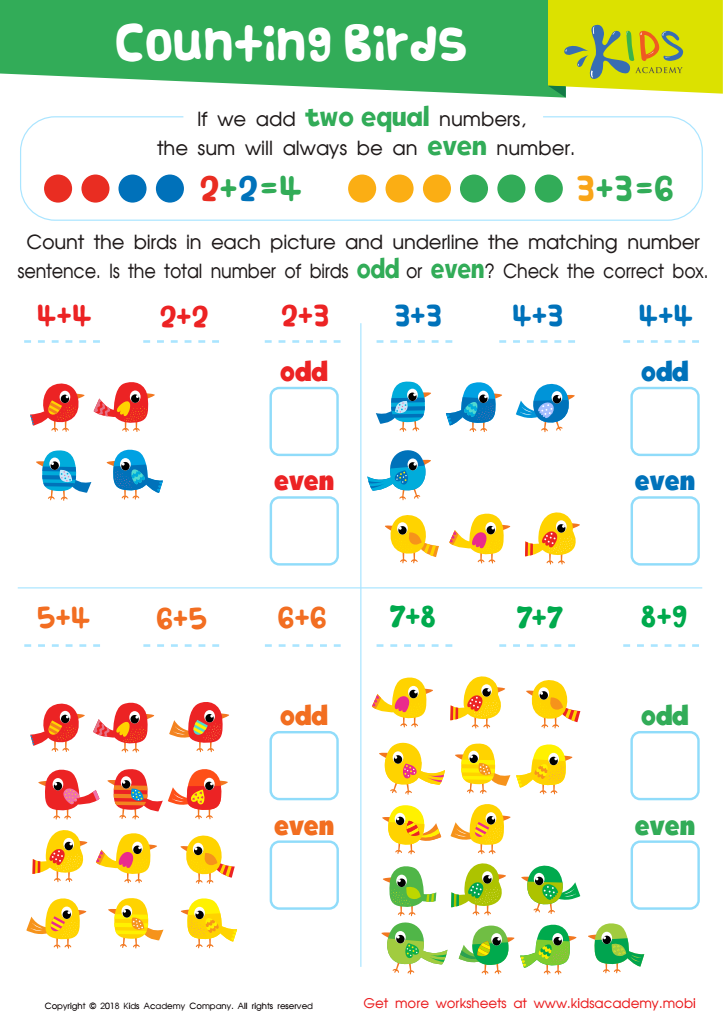
Counting Birds Worksheet
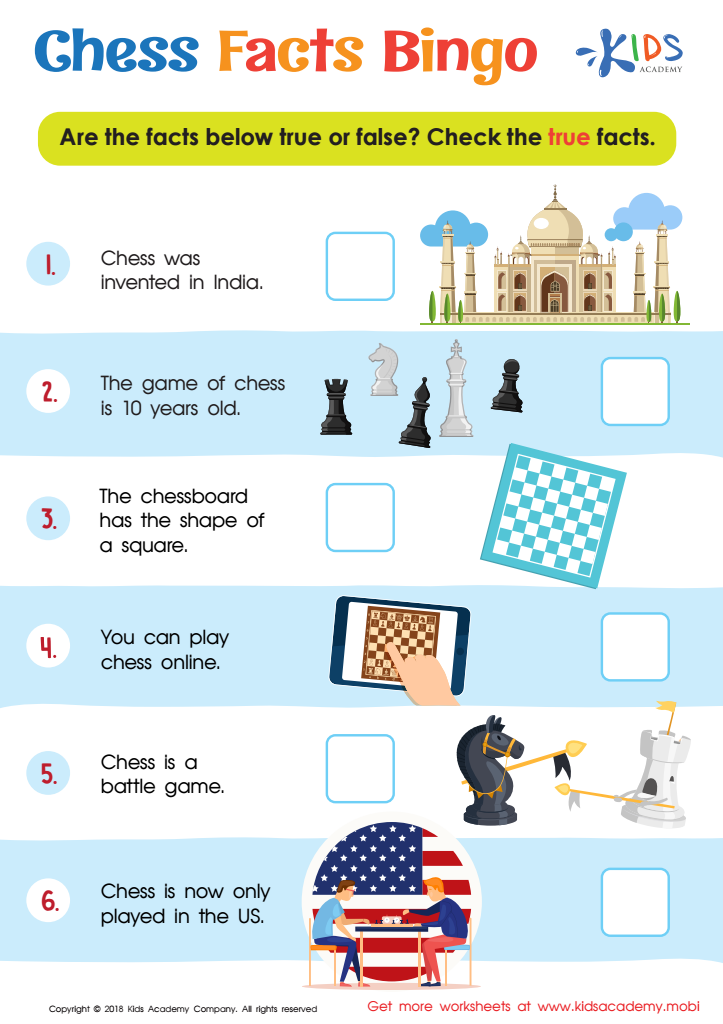
Chess Facts Bingo Worksheet
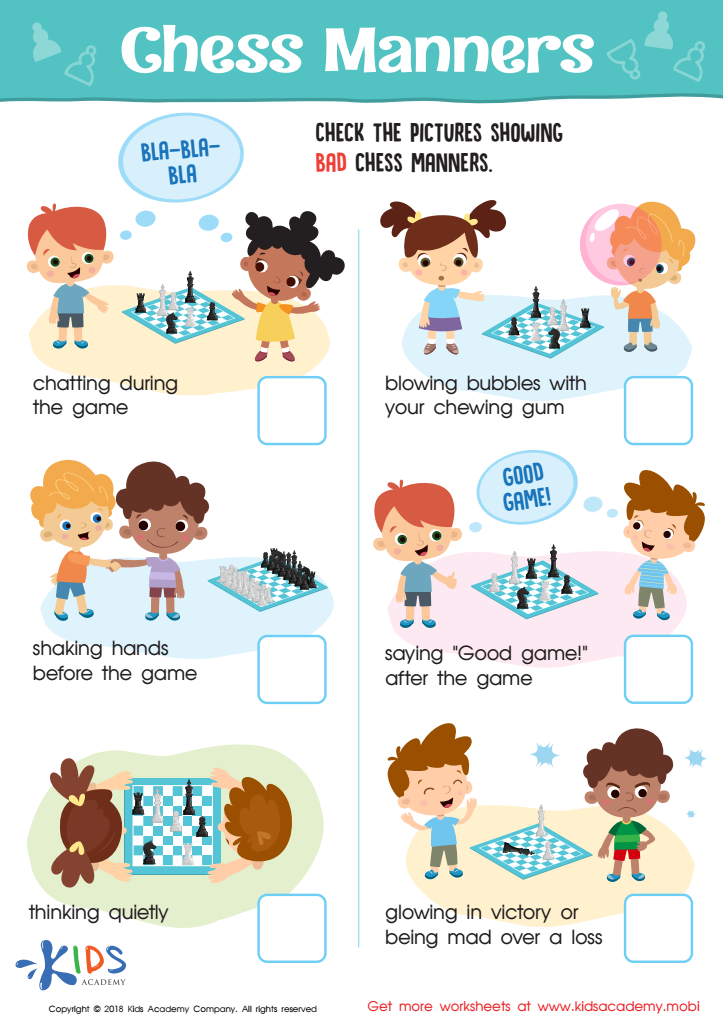
Chess Manners Worksheet
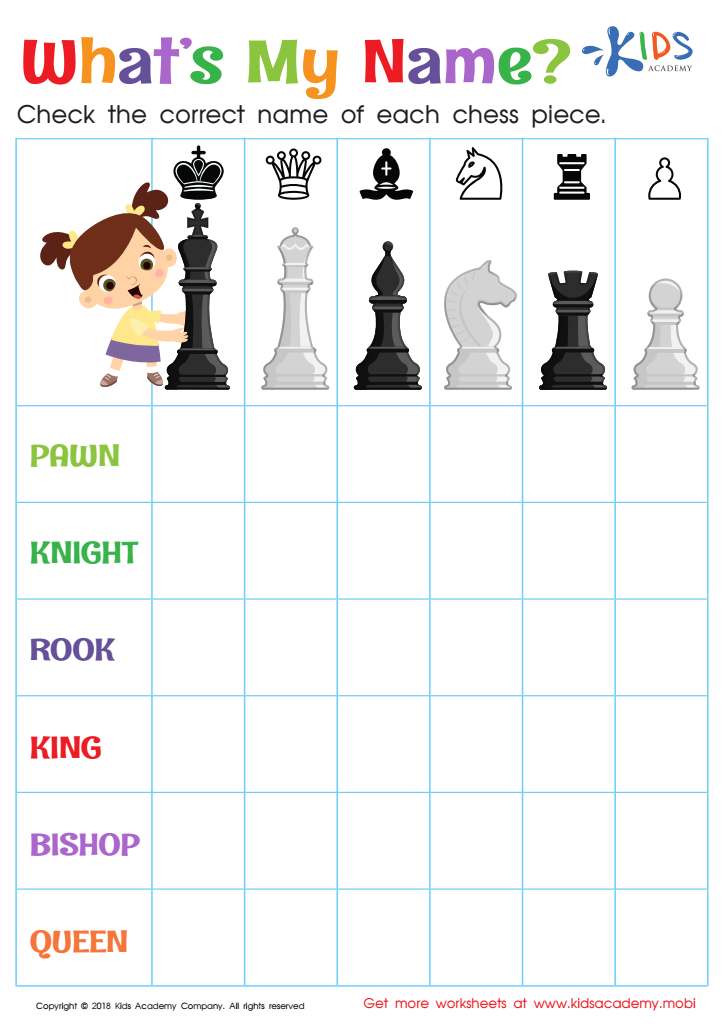
What's My Name? Worksheet
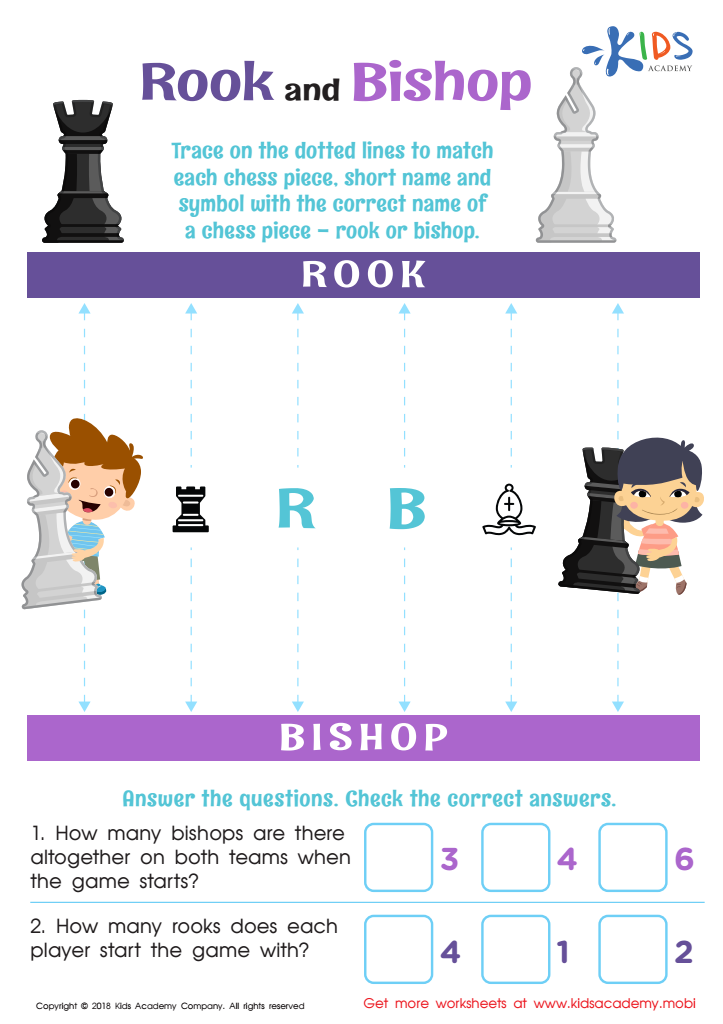
Rook and Bishop Worksheet








Parents and teachers should prioritize logical thinking activities for children aged 6-8 because this critical skill forms the foundation for future learning and problem solving. At this age, children's cognitive abilities are rapidly developing, and they are beginning to grasp relationships, patterns, and cause-effect scenarios. Engaging in logical thinking activities, such as puzzles, games, or simple coding exercises, helps improve their reasoning capabilities and analytical skills.
These activities encourage children to think critically and develop strategies for approaching problems, which fosters resilience and independence. Logical thinking also nurtures creativity, as children learn to approach challenges from different angles and explore varying solutions. Moreover, understanding logic enhances their academic performance across subjects: mathematics becomes more intuitive, reading comprehension improves with better inference skills, and science projects benefit from structured reasoning.
Additionally, nurturing logical thinking promotes emotional and social development as children learn to articulate their thought processes and collaborate in problem-solving endeavors. By integrating logical thinking activities into learning experiences, parents and teachers cultivate a generation of thinkers who are well-equipped to navigate real-life challenges and make informed decisions in a complex world. It lays the groundwork for lifelong learning and success.








