Tracing Letters worksheets activities for 9-Year-Olds - Page 2
42 filtered results
-
From - To
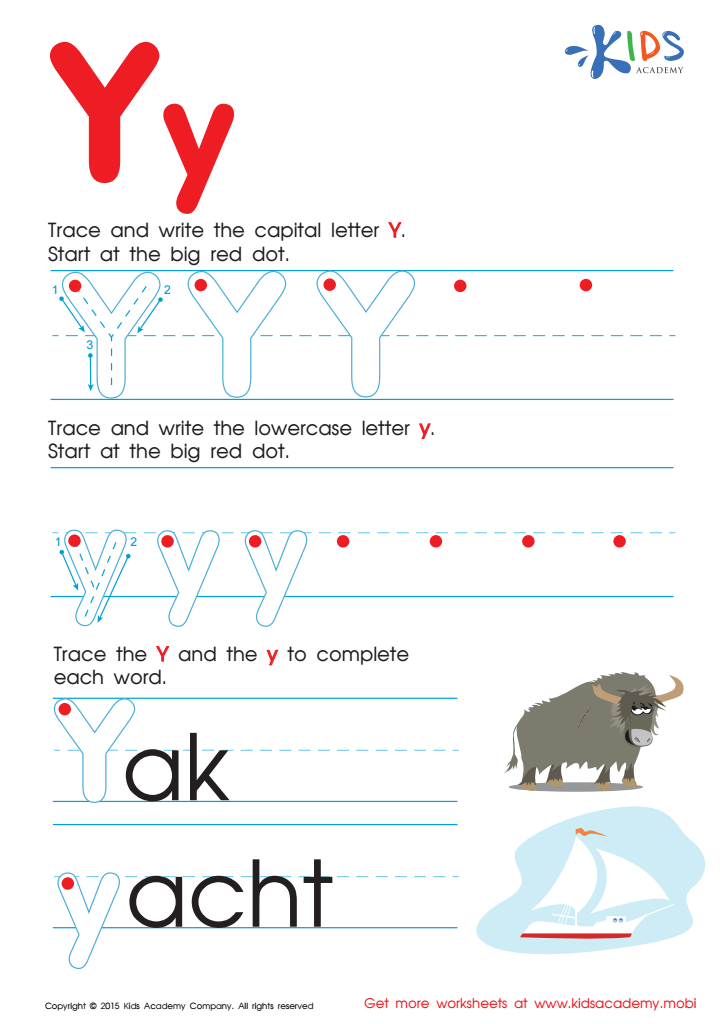
Letter Y Tracing Page
 Assign to My Students
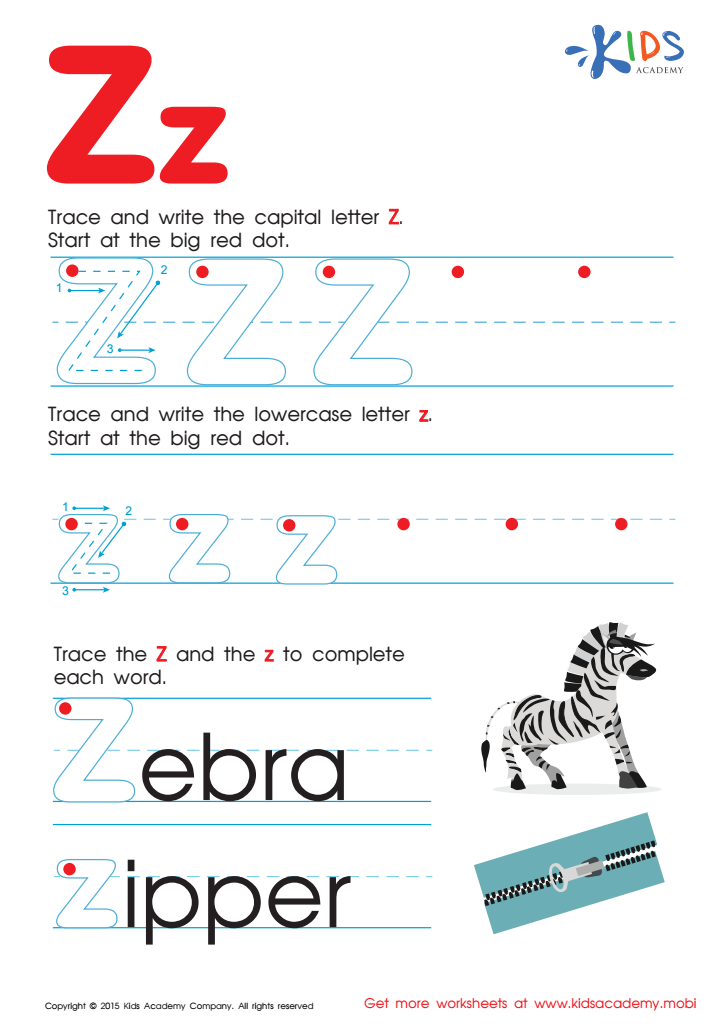
Letter Z Tracing Page
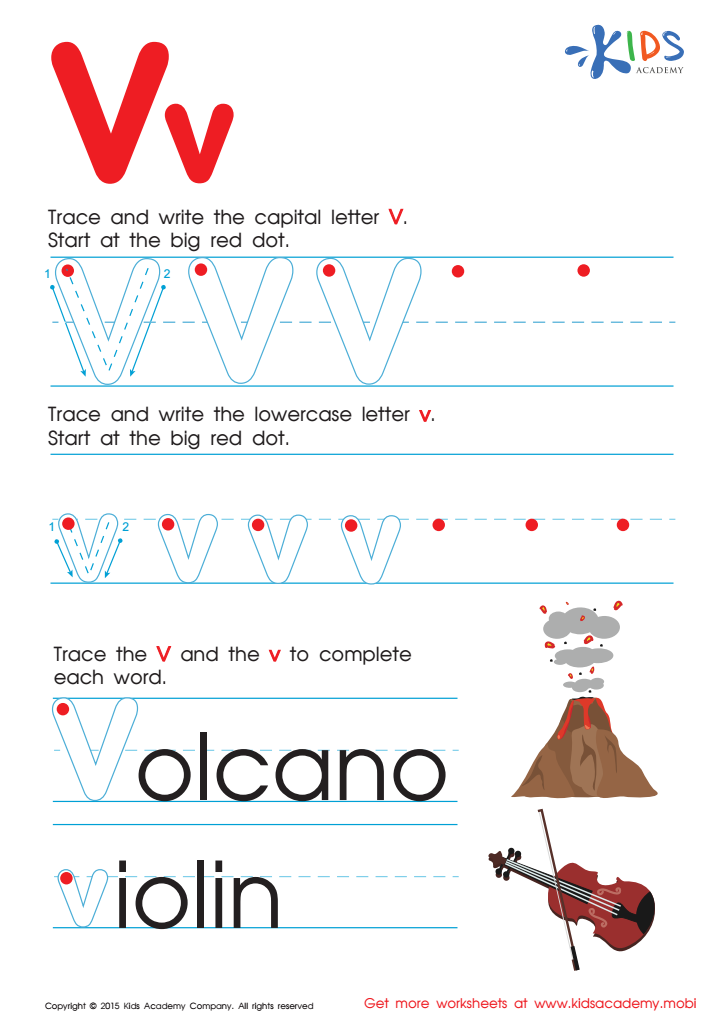
Letter V Tracing Page
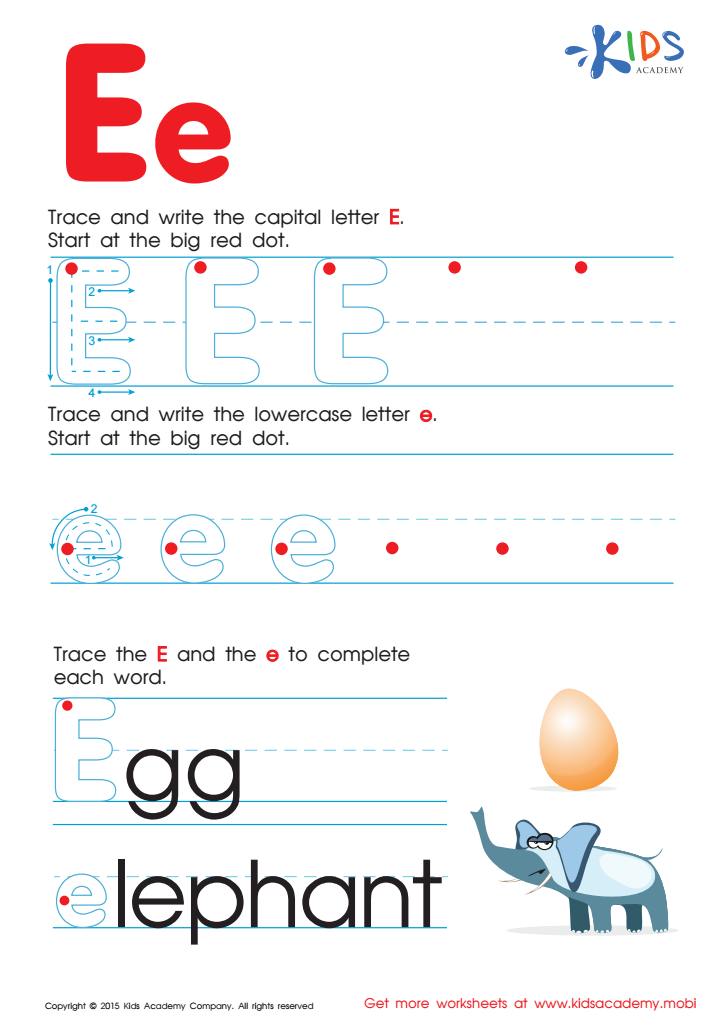
Letter E Tracing Page

Letter D Tracing Page

Letter C Tracing Page
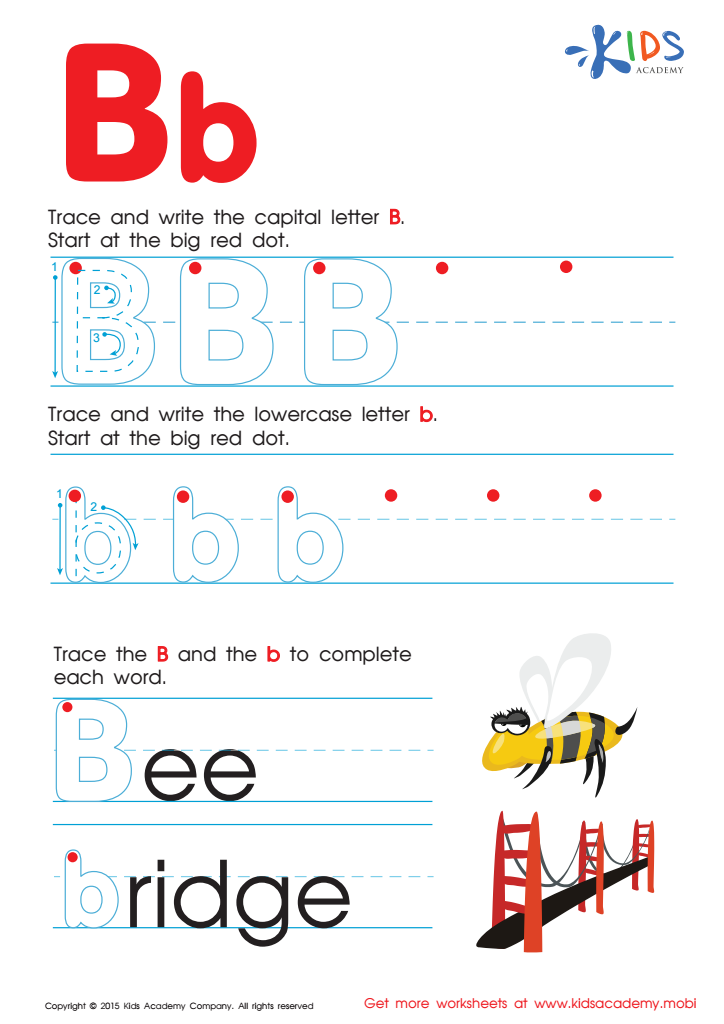
Letter B Tracing Page
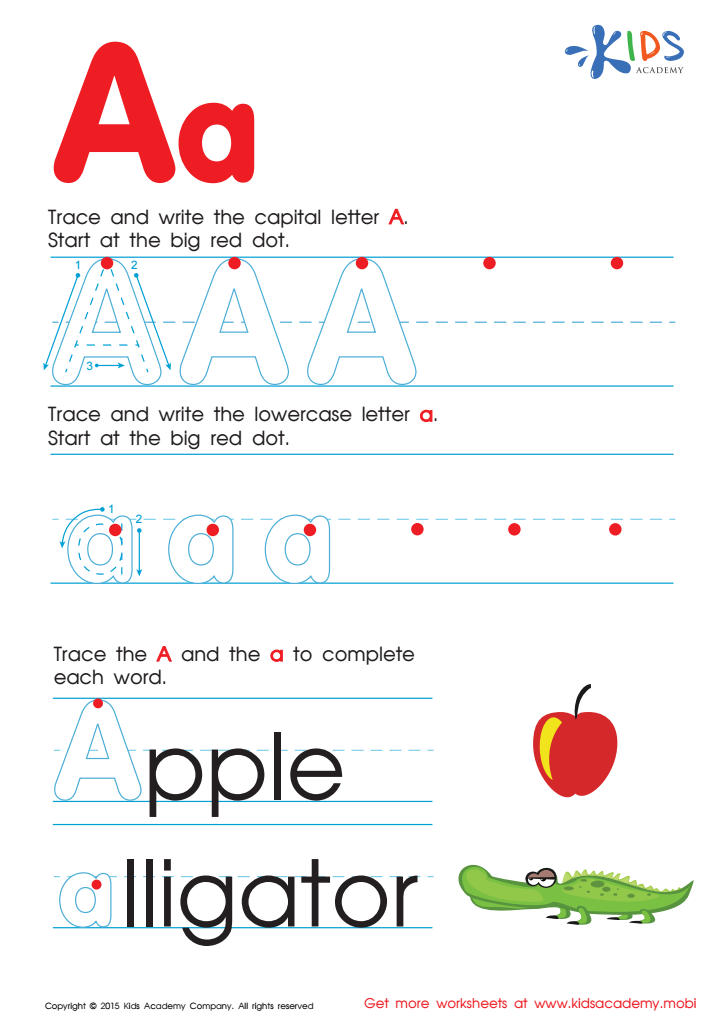
Letter A Tracing Page

Letter G Tracing Page

Letter H Tracing Page
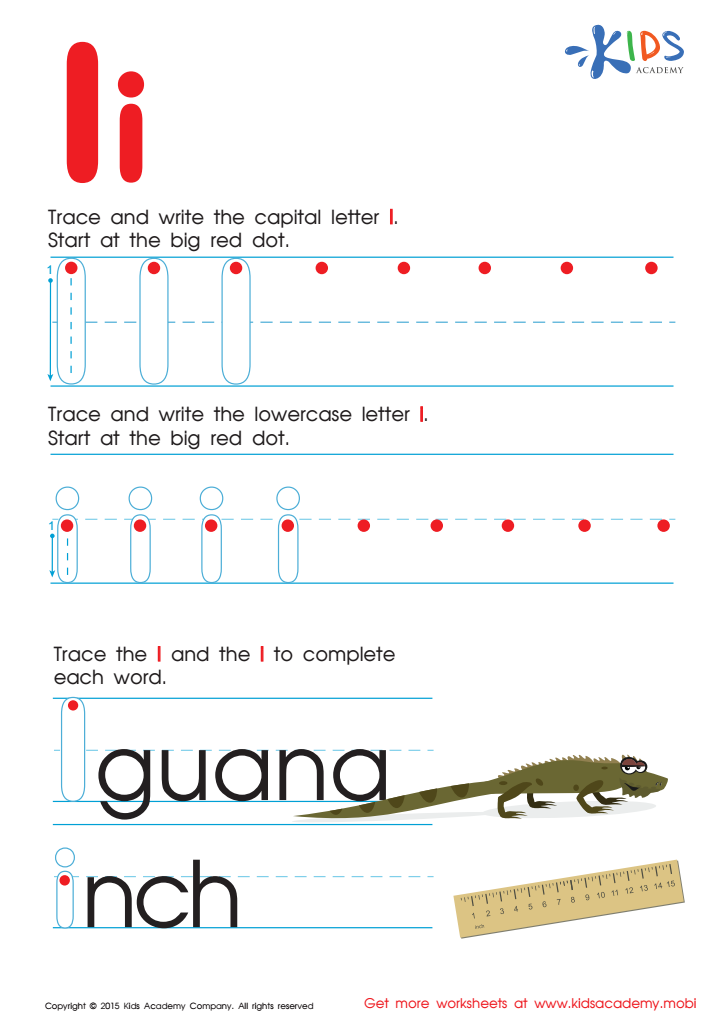
Letter I Tracing Page
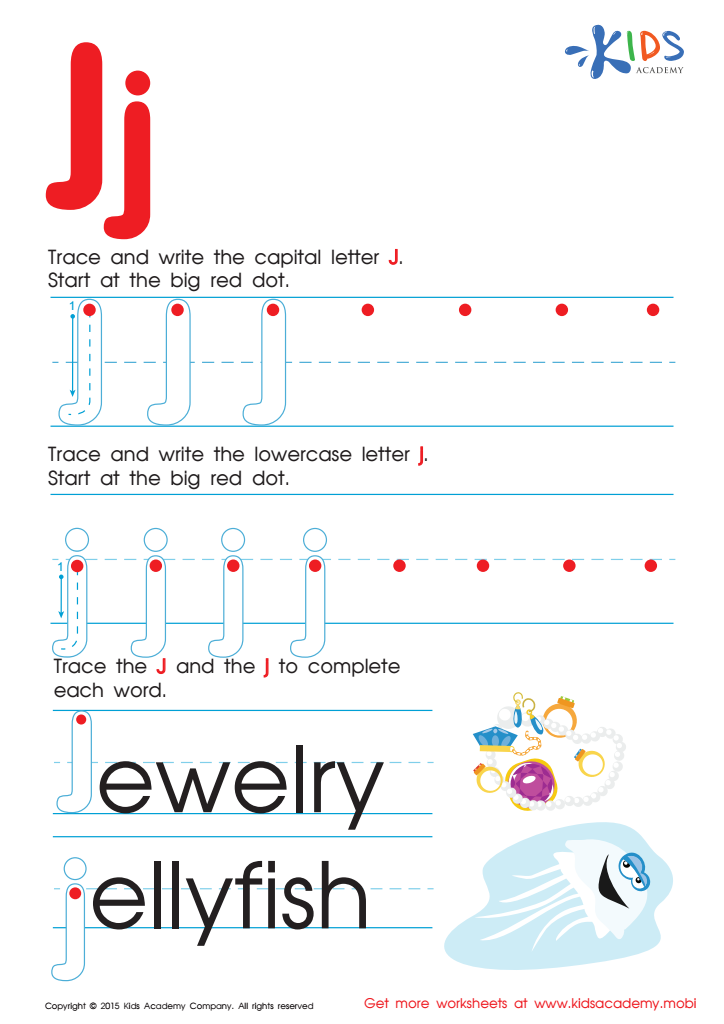
Letter J Tracing Page
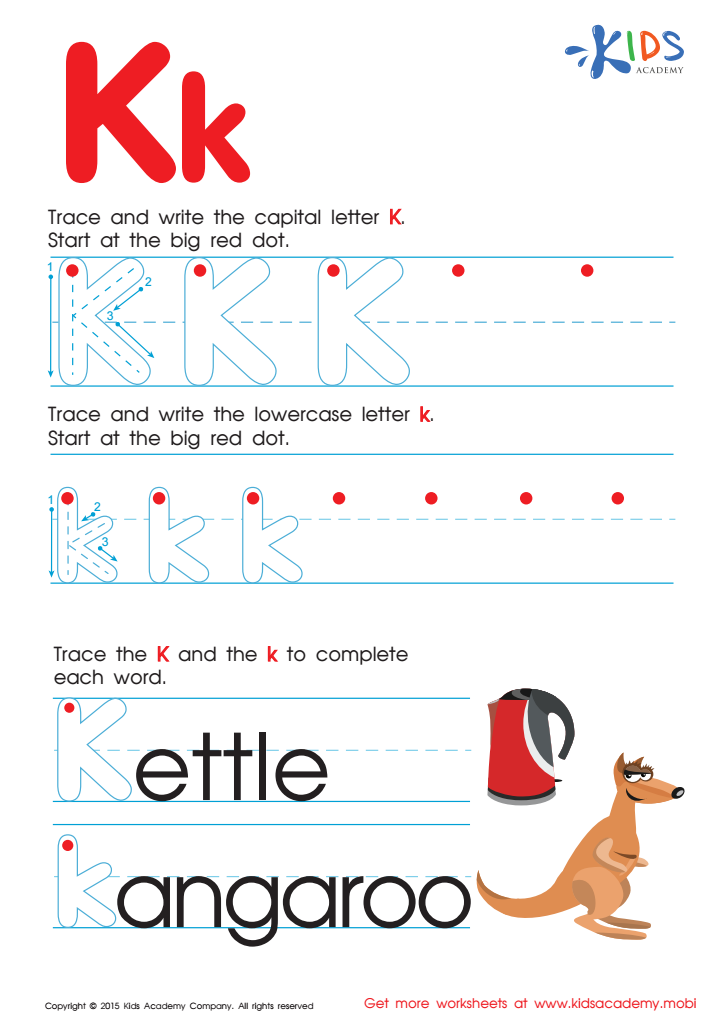
Letter K Tracing Page
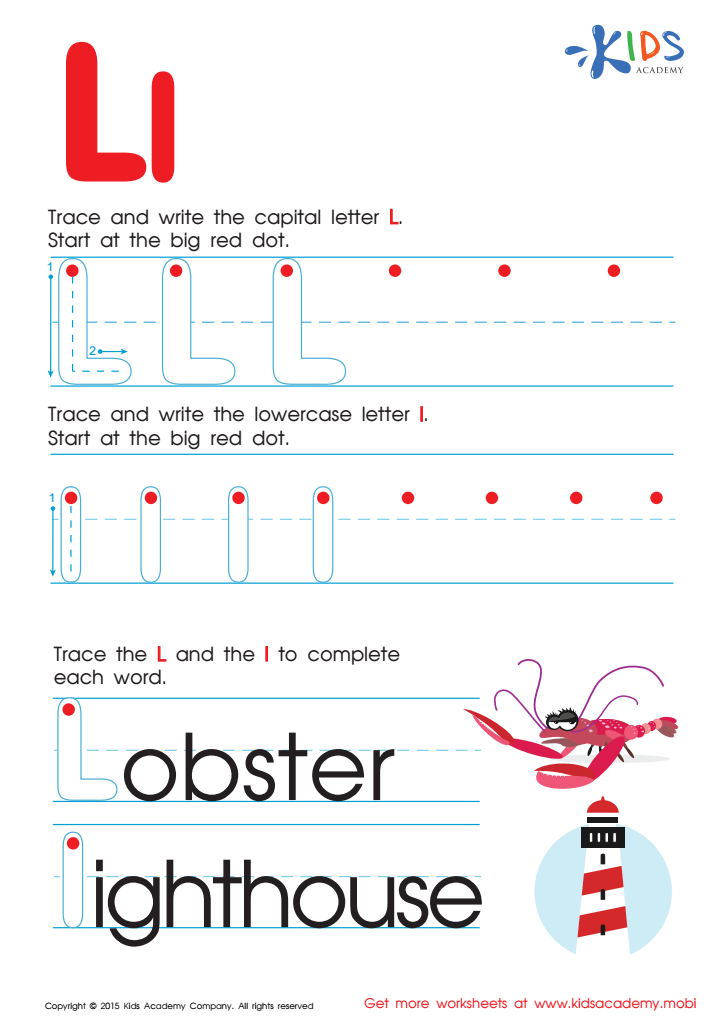
Letter L Tracing Page
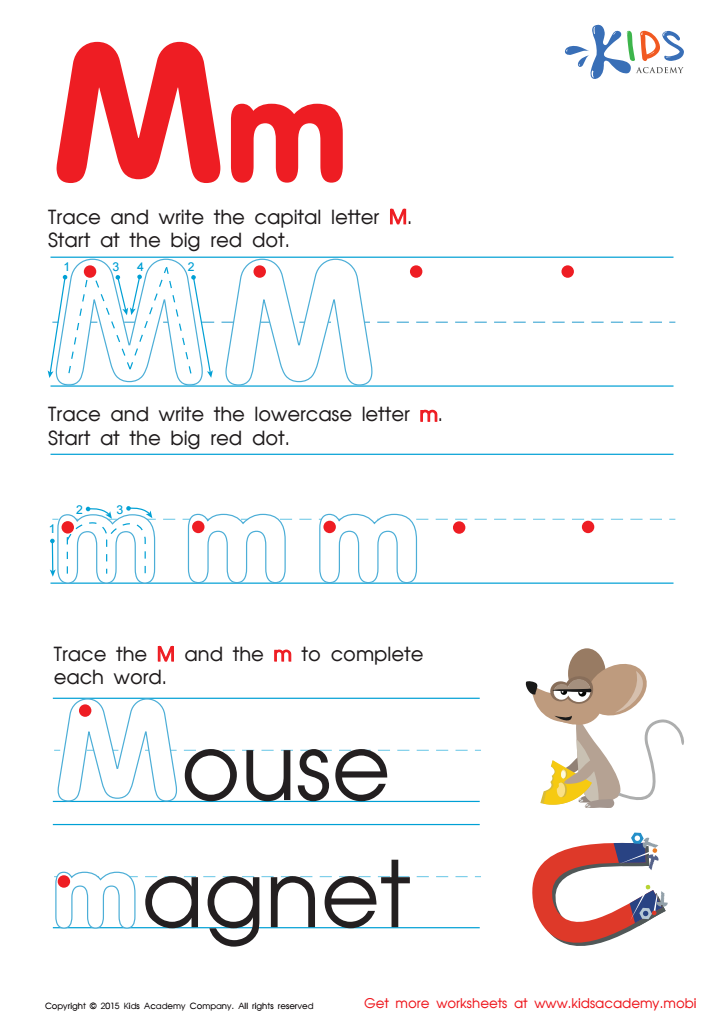
Letter M Tracing Page
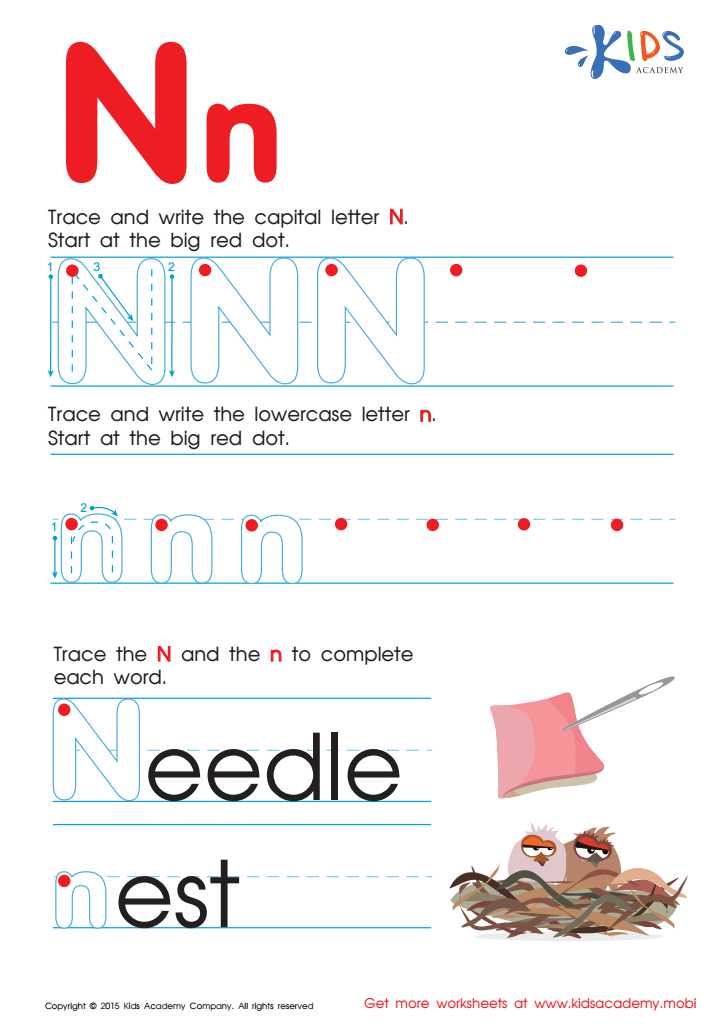
Letter N Tracing Page
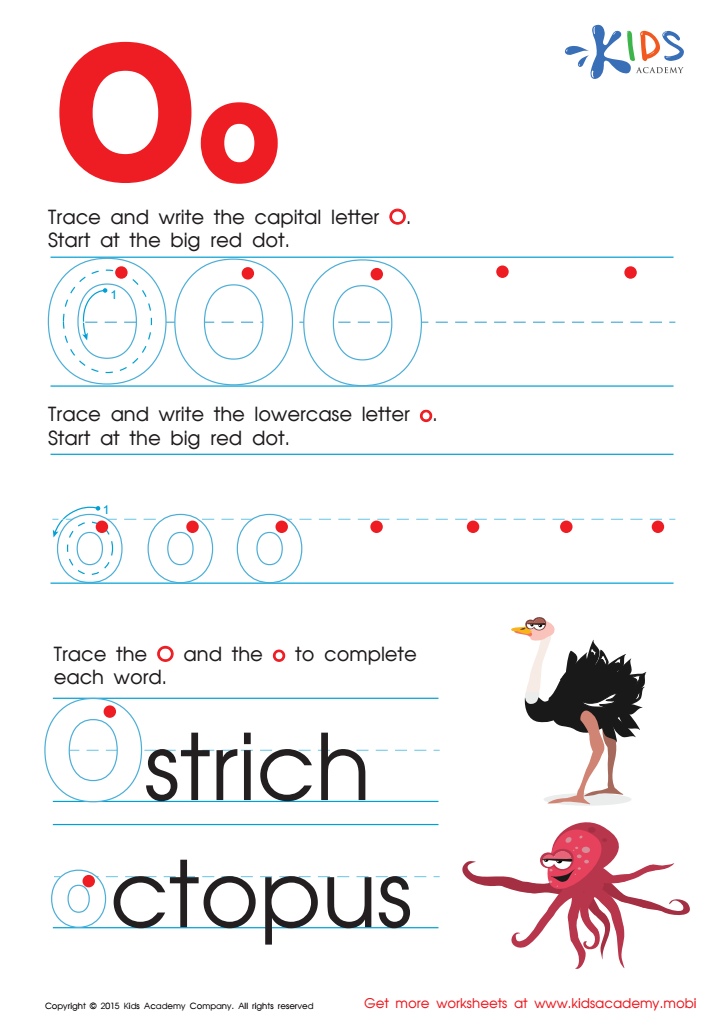
Letter O Tracing Page

Letter P Tracing Page


.jpg)




Tracing Letters worksheets activities are an essential tool in the foundational stage of literacy development for young learners. These activities are designed not only to introduce children to the alphabet but also to enhance their fine motor skills, handwriting proficiency, and letter recognition abilities. The importance of Tracing Letters worksheets activities in early education cannot be overstated, as they serve multiple educational purposes in a child's learning journey.
Firstly, Tracing Letters worksheets activities help in developing fine motor skills. As children trace over the letters, they learn to control their hand movements, which is crucial for writing. This practice strengthens their hand muscles and improves their grip, making it easier for them to learn to write letters and numbers independently.
Secondly, these activities play a significant role in improving handwriting. By tracing letters repeatedly, children become familiar with the shapes and strokes of each letter, leading to neater and more consistent handwriting. This repeated practice helps in embedding the muscle memory required for writing, making the transition from tracing to freehand writing smoother and more natural.
Moreover, Tracing Letters worksheets activities are instrumental in enhancing letter recognition. As children engage with these worksheets, they become more familiar with the alphabet, learning to identify and differentiate between various letters. This early exposure to the alphabet aids in quicker letter recognition, which is a crucial step towards reading fluency.
In addition to these educational benefits, Tracing Letters worksheets activities are designed to be engaging and fun for children. The use of colorful and appealing worksheets can spark interest and motivation, making learning a more enjoyable experience.
In conclusion, Tracing Letters worksheets activities are a foundational pillar in early childhood education. They offer a multi-faceted approach to learning that addresses fine motor skill development, handwriting improvement, and letter recognition, all while keeping children engaged and interested in learning. These activities set the stage for a successful literacy journey, making them an indispensable tool in the educational toolkit.








