
Easy Alphabet worksheets activities for Ages 3-8
6 filtered results
Difficulty Level
Grade
Age
-
From - To
Subject
Activity
Standards
Discover engaging and easy alphabet worksheets designed specifically for children ages 3-8! Our fun activities help young learners develop essential literacy skills through interactive exercises. From tracing letters to matching activities, these worksheets foster an enjoyable learning experience, promoting letter recognition and phonetic awareness. Ideal for parents and educators, our printable resources can be seamlessly integrated into home or classroom settings. Encourage creativity and reinforce learning with colorful designs and themes that captivate young minds. Explore our collection today and help your child build a strong foundation in the alphabet, setting them on the path to reading success!
Favorites
With answer key
Interactive
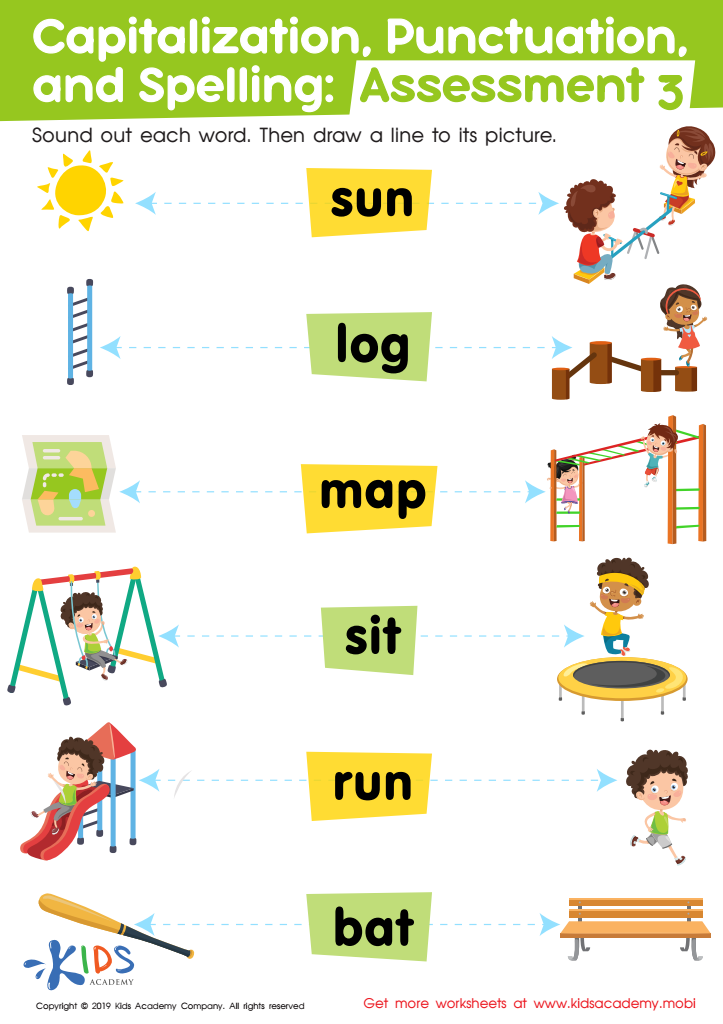
Capitalization. Punctuation. Spelling. Assessment 3 Worksheet
Before starting this worksheet, have your kids spell some simple words. Correct if wrong and show the right spellings. Then, ask them to link the pictures to the words you read out. Spelling is key for a good writer, and kids need to know how to spell to read texts easily.
 Assign to My Students
Capitalization. Punctuation. Spelling. Assessment 3 Worksheet
Worksheet
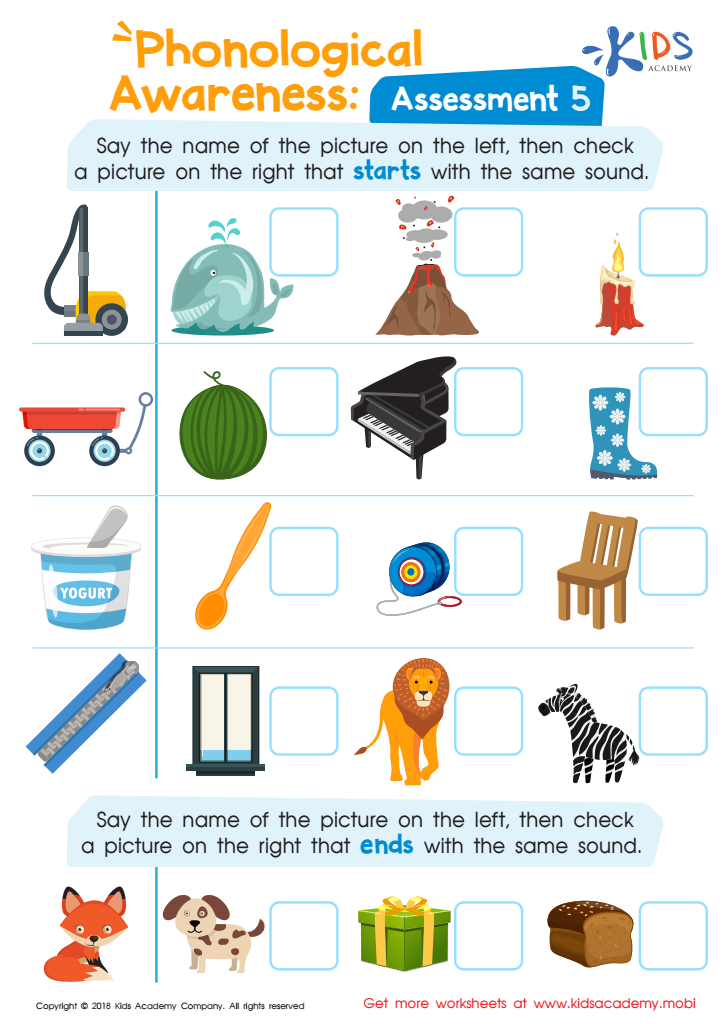
Phonological Awareness: Assessment 5 Worksheet
Repetition is key to success! This worksheet tests kids' ability to match beginning and ending sounds in words. Instruct them to say each word and listen closely to the sounds they make. Focus on the starting sounds for the first four pics, then the last one to hear ending sounds and find the right match!
Phonological Awareness: Assessment 5 Worksheet
Worksheet
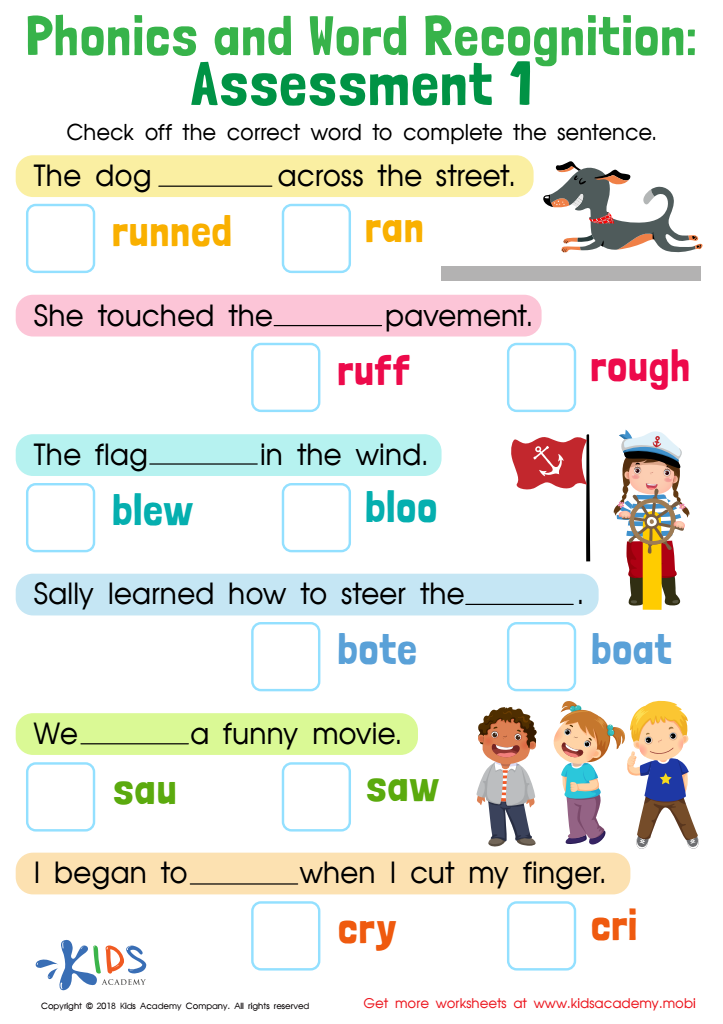
Phonics and Word Recognition: Assessment 1 Worksheet
This worksheet tests phonetics and word recognition. Students should be familiar with past tense verbs. Read incomplete sentences, then read multiple options and help students select the correct one.
Phonics and Word Recognition: Assessment 1 Worksheet
Worksheet
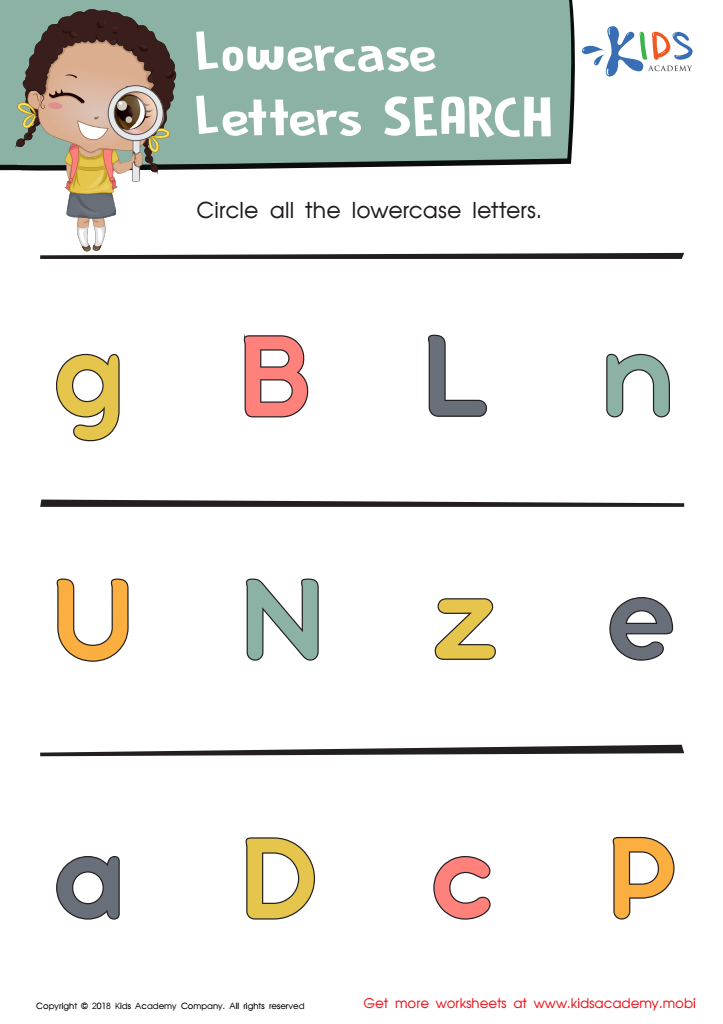
Lowercase Letters Search: Assessment Worksheet
Circle all the lowercase letters in this worksheet. Identify them among a mix of uppercase and lowercase letters. Your child will have fun with this exercise thanks to its bright primary colors. Enjoyment and learning go hand-in-hand!
Lowercase Letters Search: Assessment Worksheet
Worksheet
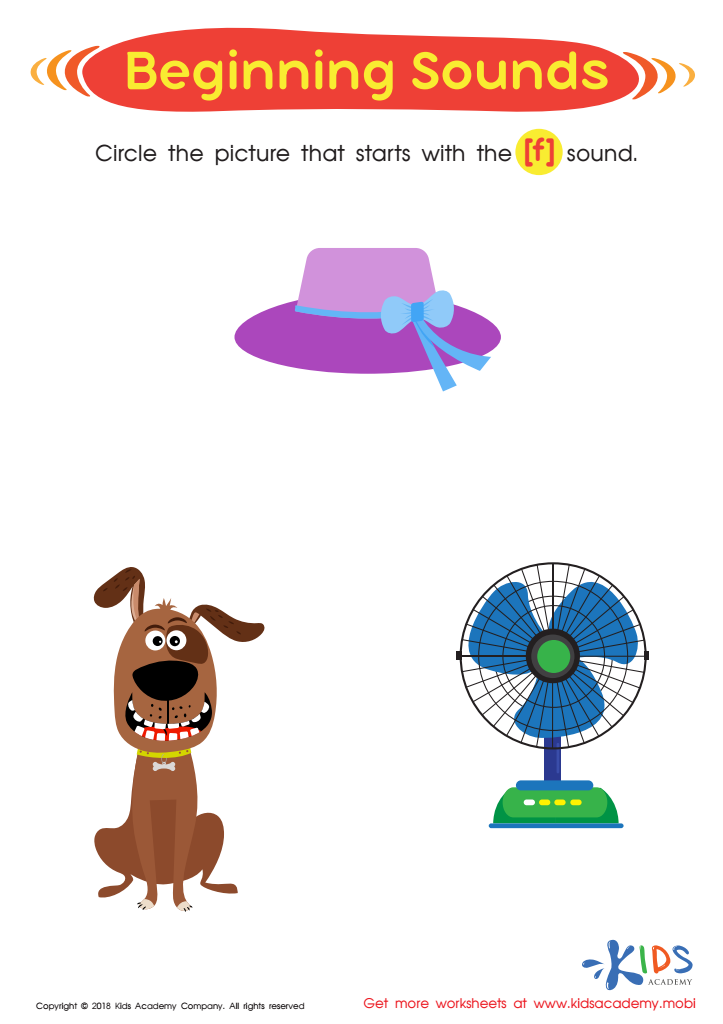
Beginning Sounds Assessment Printable
Test your child's knowledge of the alphabet. Ask them to recite the whole alphabet and the words for each letter. For example: A for apple, B for boy. Identify objects on this worksheet, then ask your child which one starts with the letter "f" and have them circle it.
Beginning Sounds Assessment Printable
Worksheet
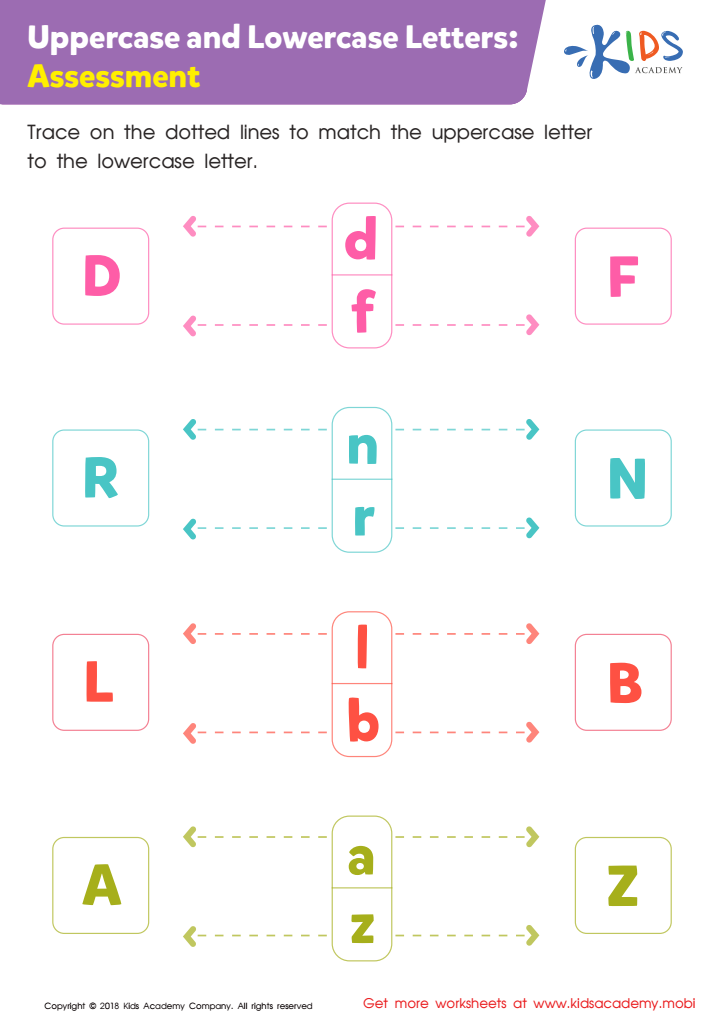
Uppercase and Lowercase Letters: Assessment Worksheet
Assess your child's knowledge of upper- and lowercase letters with this worksheet. Have them trace the dotted lines to match the lowercase letters with their uppercase counterparts. This is a great way to gauge their progress and identify any areas of difficulty. Get a better understanding of your child's capabilities and encourage their development!
Uppercase and Lowercase Letters: Assessment Worksheet
Worksheet
Join Kids Academy for Free
Who is primarily going to use this learning content?







Easy Alphabet activities are crucial for the developmental journey of children aged 3-8 as they lay the foundation for literacy skills that are vital for academic success. During these formative years, children engage in various play-based learning methods that make the process enjoyable and engaging. By incorporating activities that promote letter recognition, phonemic awareness, and fine motor skills, parents and teachers can foster a love for learning.
Additionally, easy alphabet activities support cognitive development and critical thinking. Through games, crafts, and interactive exercises, children learn to associate letters with sounds, enhancing their reading and writing abilities. These activities also promote social skills as they often encourage collaboration and communication with peers.
Moreover, they can cater to diverse learning styles, ensuring each child can participate and benefit from the experience. Engaging with letters through music, art, or movement can also bridge the gap for children who might struggle with traditional learning methods.
Ultimately, Easy Alphabet activities are not just about learning letters, but about creating a supportive environment that nurtures curiosity, creativity, and confidence in young learners, setting them on a path for lifelong learning and academic success.








