Easy Reading Fiction worksheets activities for 5-Year-Olds
3 filtered results
-
From - To
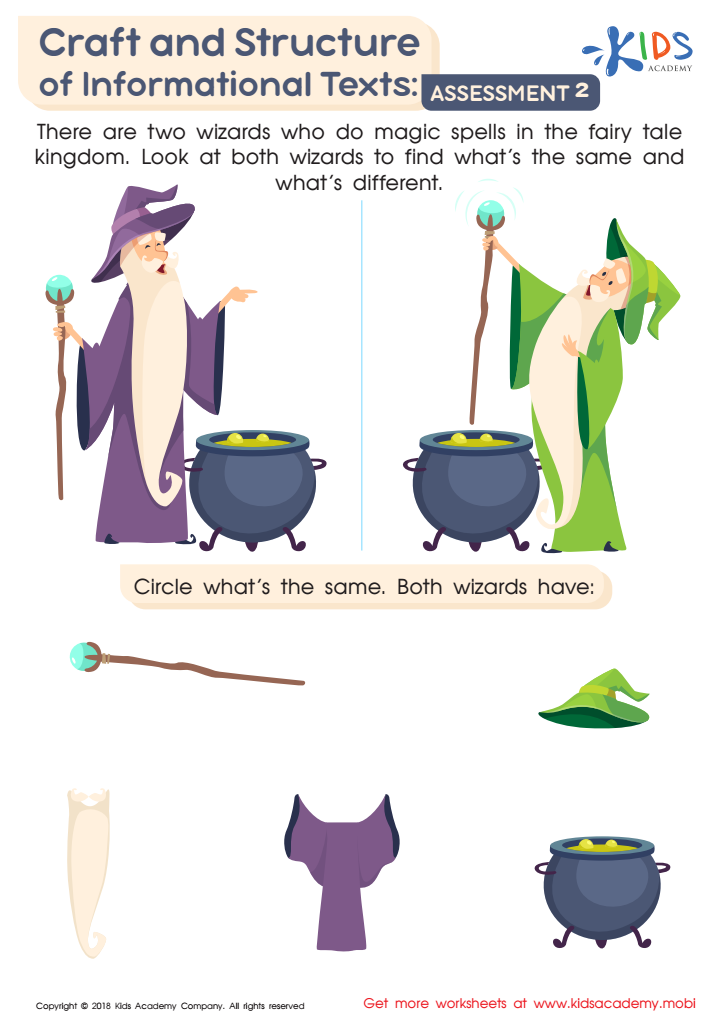
Craft and Structure of Informational Texts: Assessment 2 Worksheet
 Assign to My Students
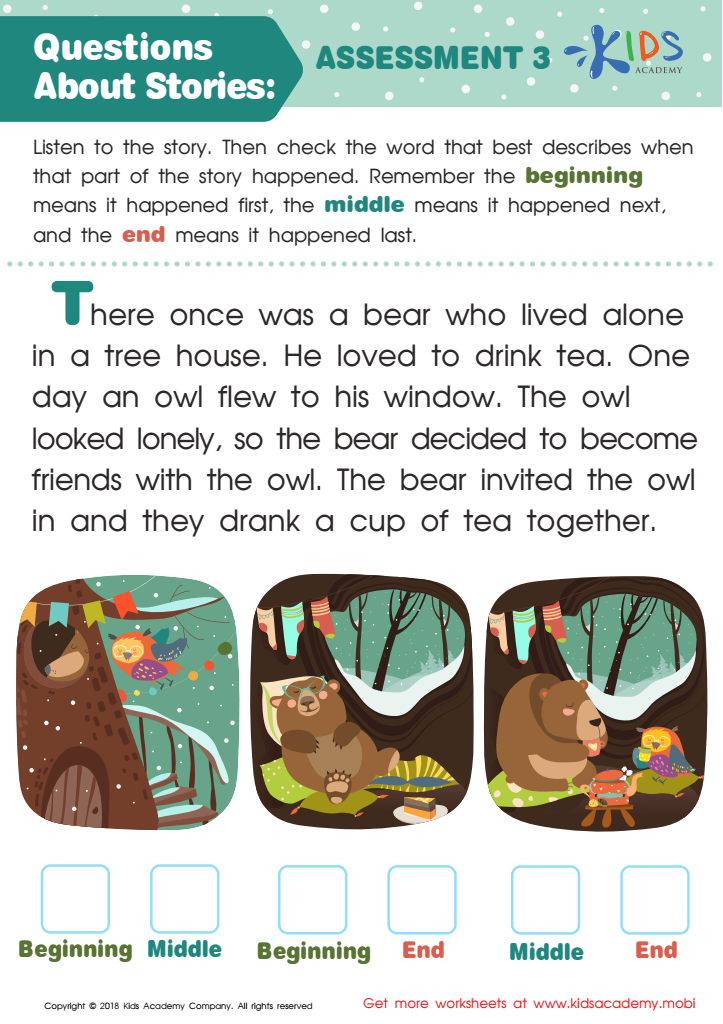
Questions About Stories: Assessment 3 Worksheet
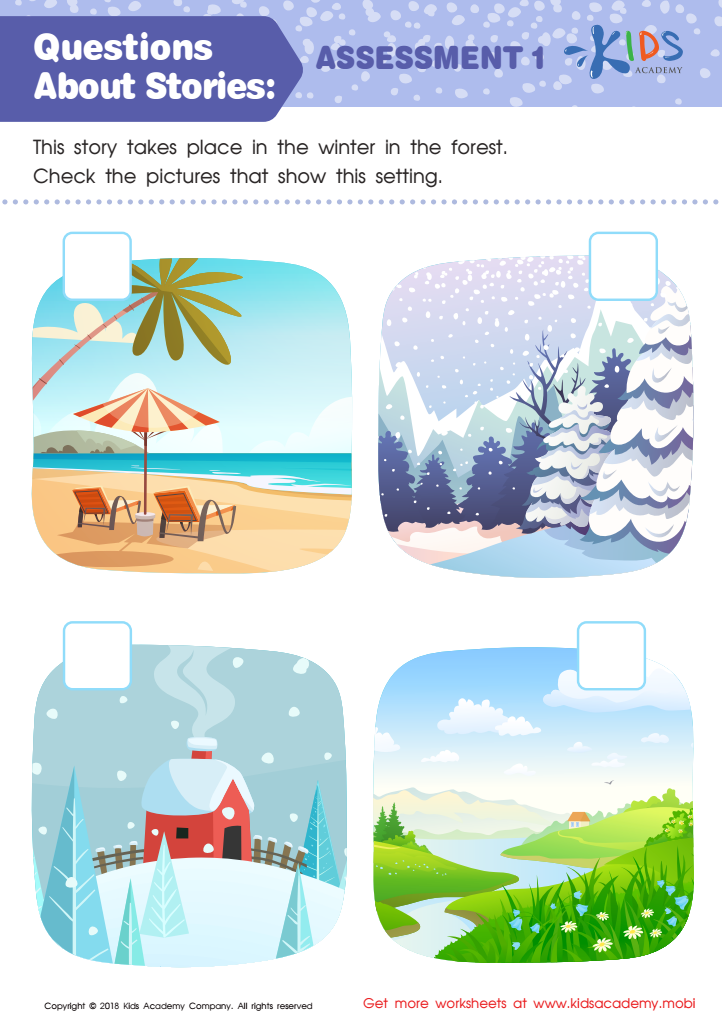
Questions About Stories: Assessment 1 Worksheet








Easy Reading Fiction worksheets activities serve as a crucial educational tool in fostering the development of reading skills, comprehension, and a love for literature among learners of all ages. These activities are not only engaging but are also designed to cater to various learning styles, ensuring that every student can benefit from them.
First and foremost, Easy Reading Fiction worksheets activities make the reading process enjoyable and less daunting for beginners and struggling readers. By breaking down complex texts into manageable segments, these activities help build confidence and encourage learners to engage with fiction without feeling overwhelmed. This gradual build-up of confidence is essential in nurturing a lifelong reading habit.
Moreover, these worksheets are instrumental in enhancing comprehension skills. They often include questions and exercises that prompt learners to think critically about the text, analyze characters, plot developments, and underlying themes. This deep engagement with the material not only improves comprehension but also encourages students to appreciate the nuances of literary works.
Vocabulary development is another significant benefit of Easy Reading Fiction worksheets activities. Through repeated exposure to new words in context, students naturally expand their vocabulary, which is crucial for academic success across all subjects. These activities often include exercises that focus on word meanings, synonyms, antonyms, and usage, providing a comprehensive approach to vocabulary building.
Additionally, Easy Reading Fiction worksheets activities promote empathy and understanding. Fictional stories offer insights into different cultures, historical periods, and perspectives, fostering a sense of empathy and global awareness among learners. By engaging with diverse characters and scenarios, students learn to appreciate differences and develop a more inclusive worldview.
In conclusion, Easy Reading Fiction worksheets activities are an invaluable resource in the educational landscape. They not only make reading accessible and enjoyable but also support critical thinking, vocabulary development, and empathy. By incorporating these activities into the curriculum, educators can significantly enhance the learning experience and set students on the path to becoming proficient readers and well-rounded individuals.








