Normal Tracing Words worksheets activities for Ages 3-7 - Page 2
34 filtered results
-
From - To
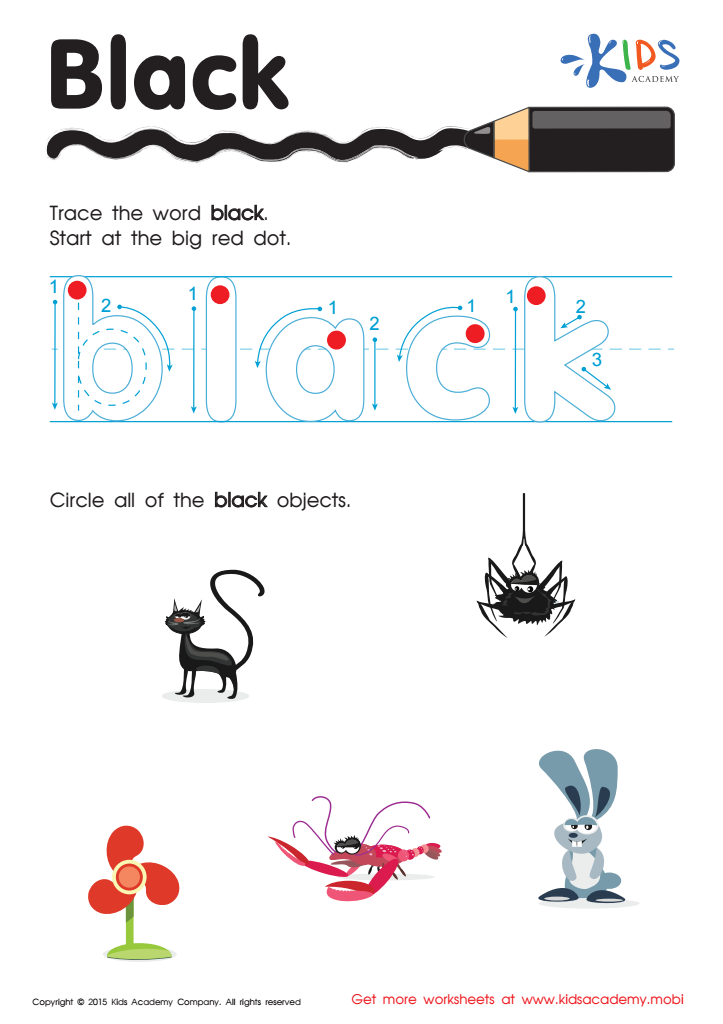
Black Tracing Color Words Printable
 Assign to My Students
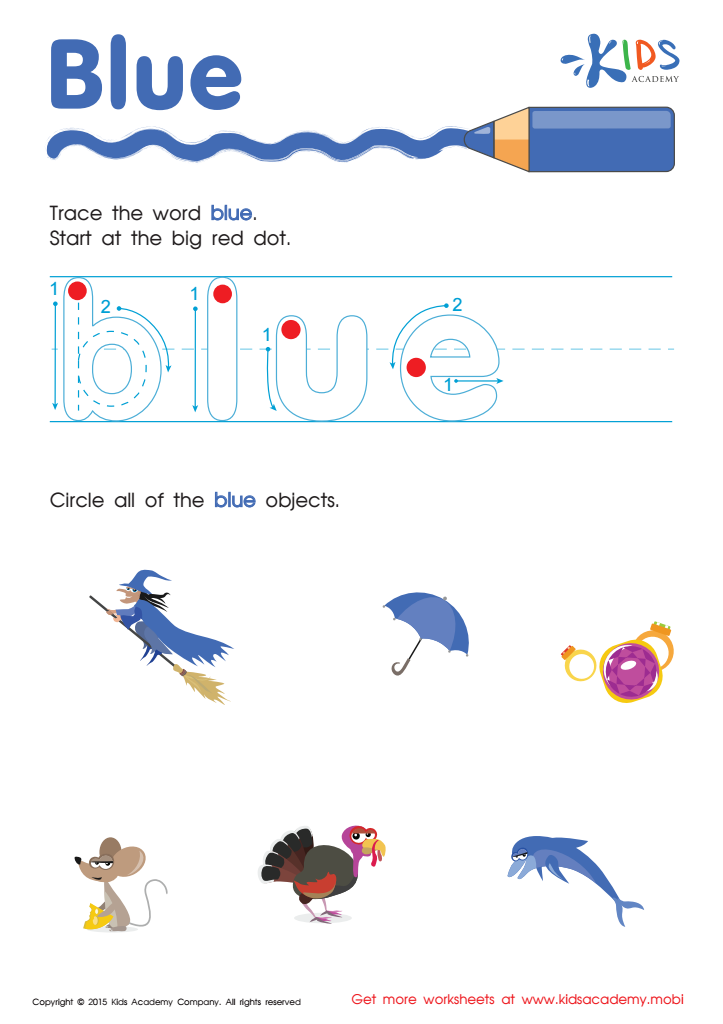
Blue Tracing Color Words Printable
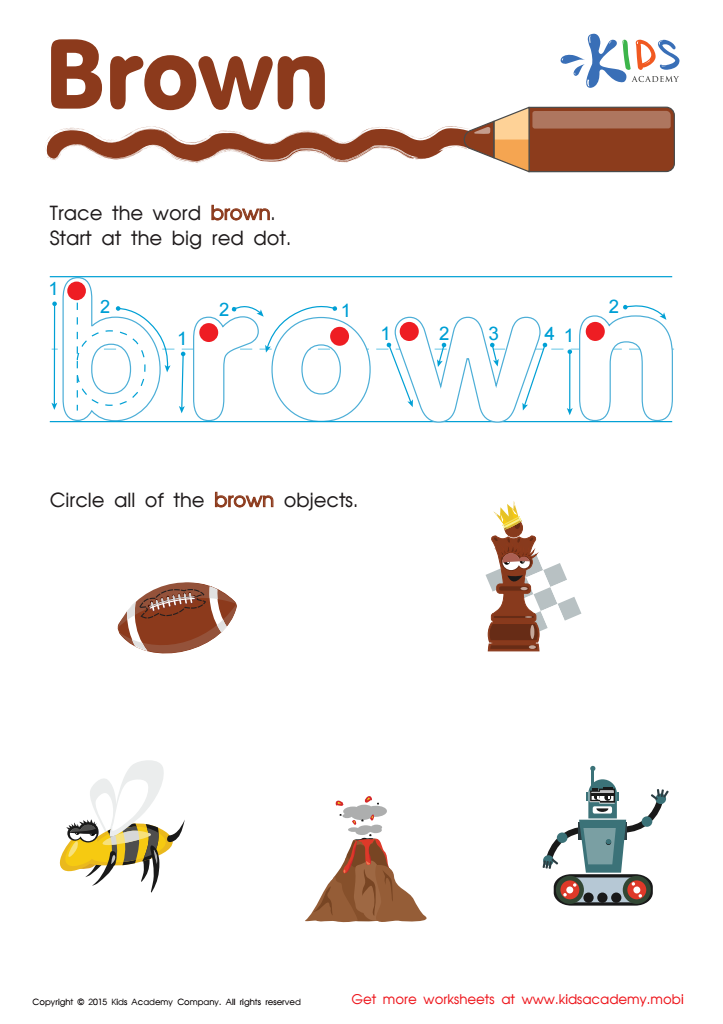
Brown Tracing Color Words Worksheet
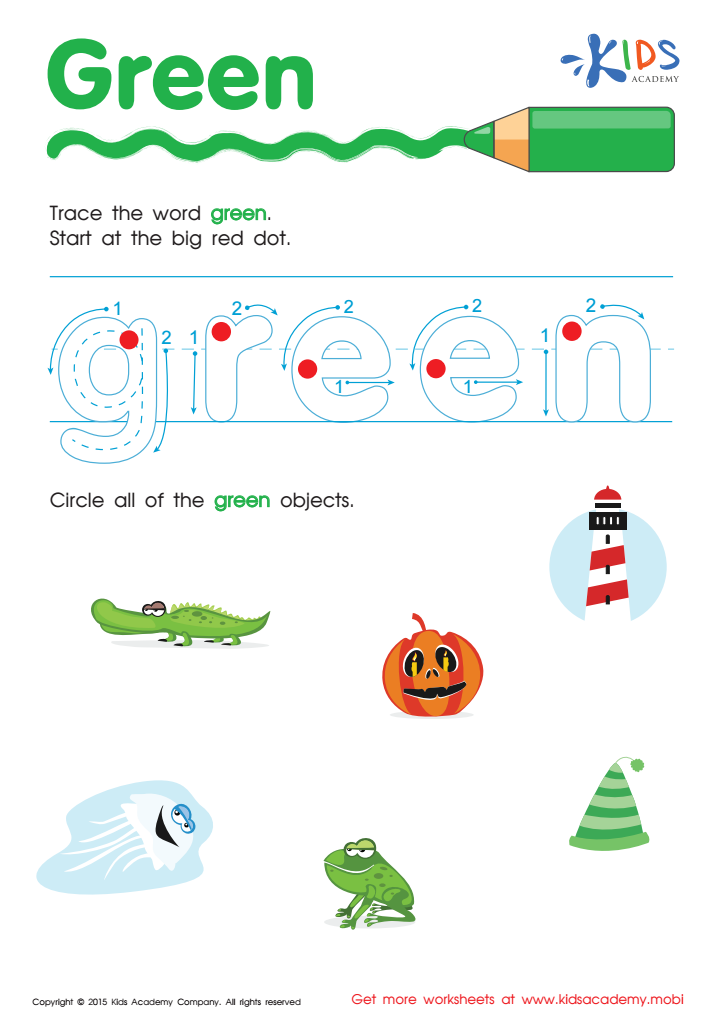
Green Tracing Color Words Worksheet
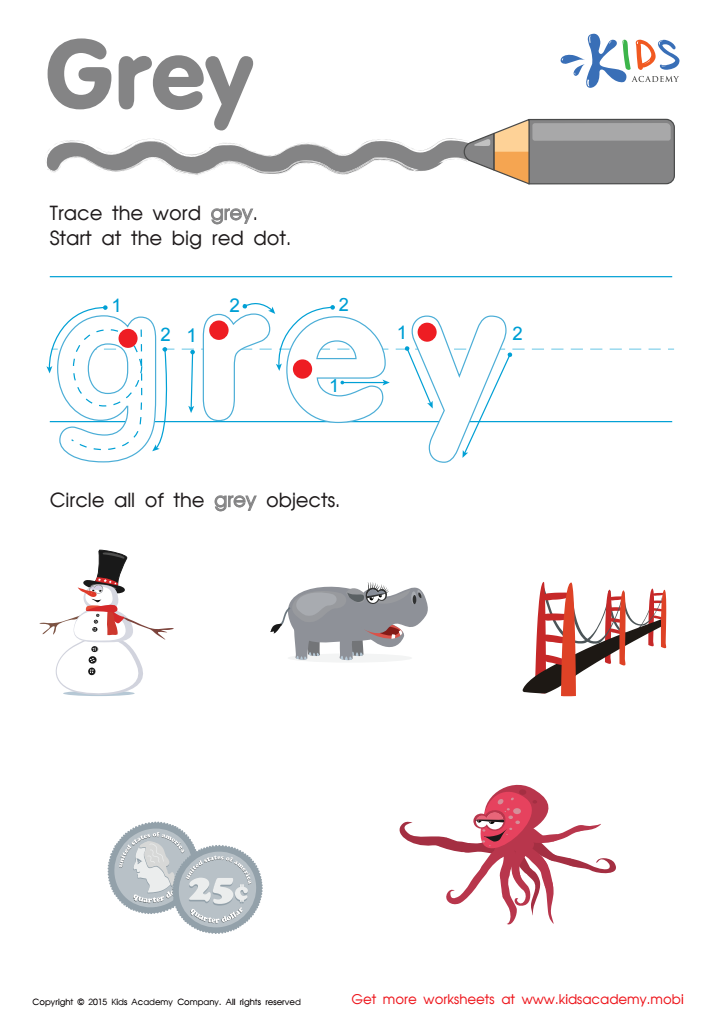
Grey Tracing Color Words Worksheet
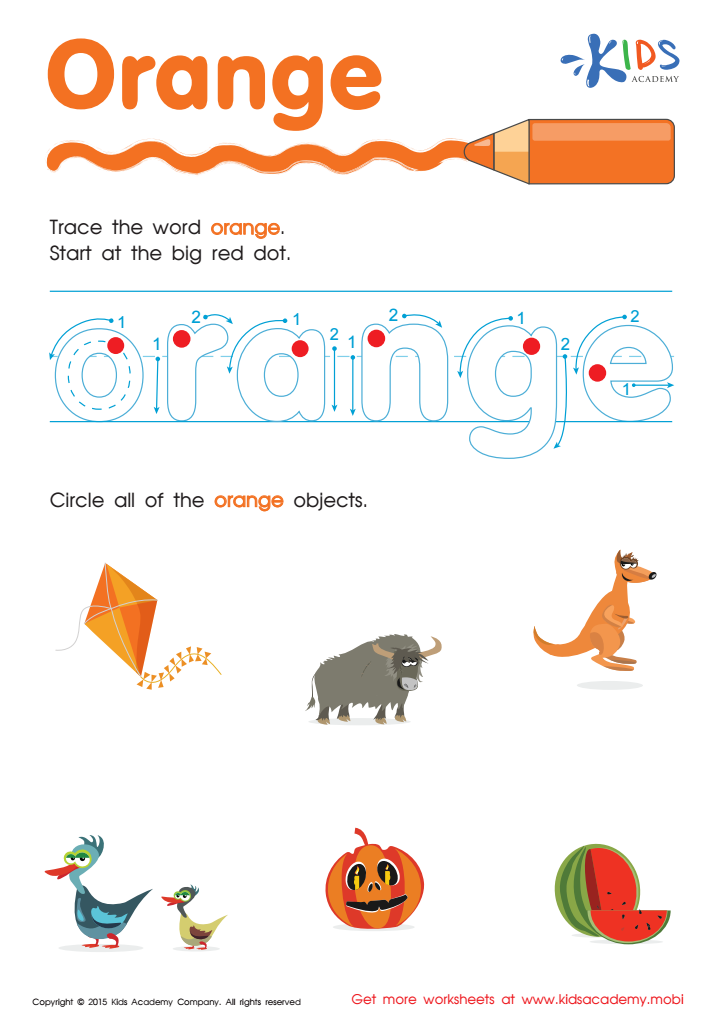
Orange Tracing Color Words Worksheet
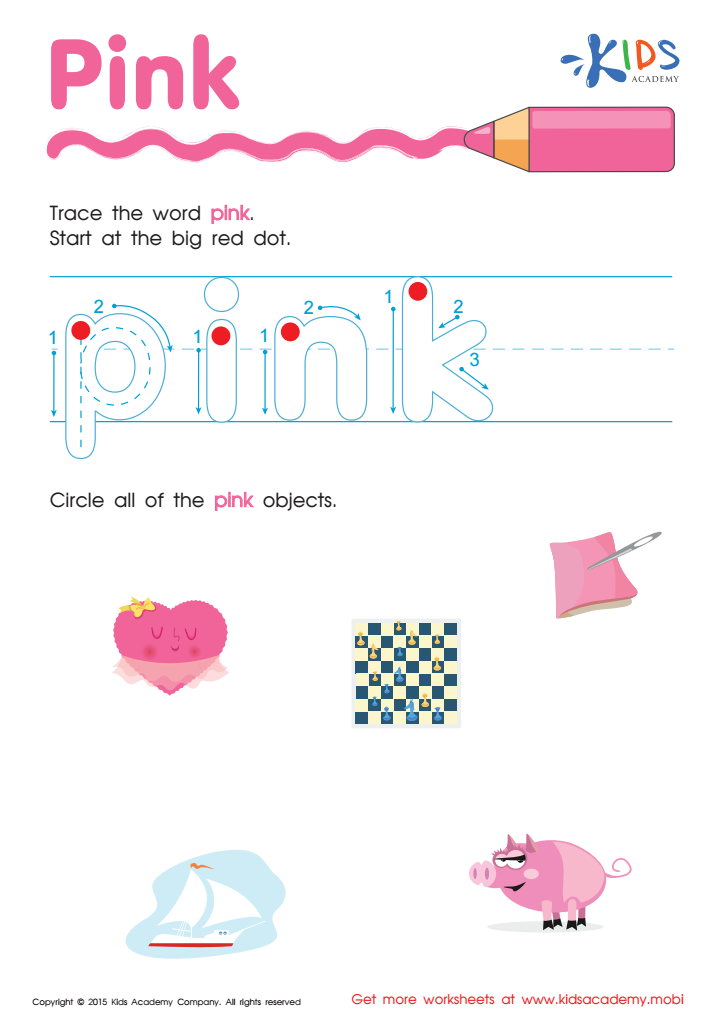
Pink Tracing Color Words Worksheet
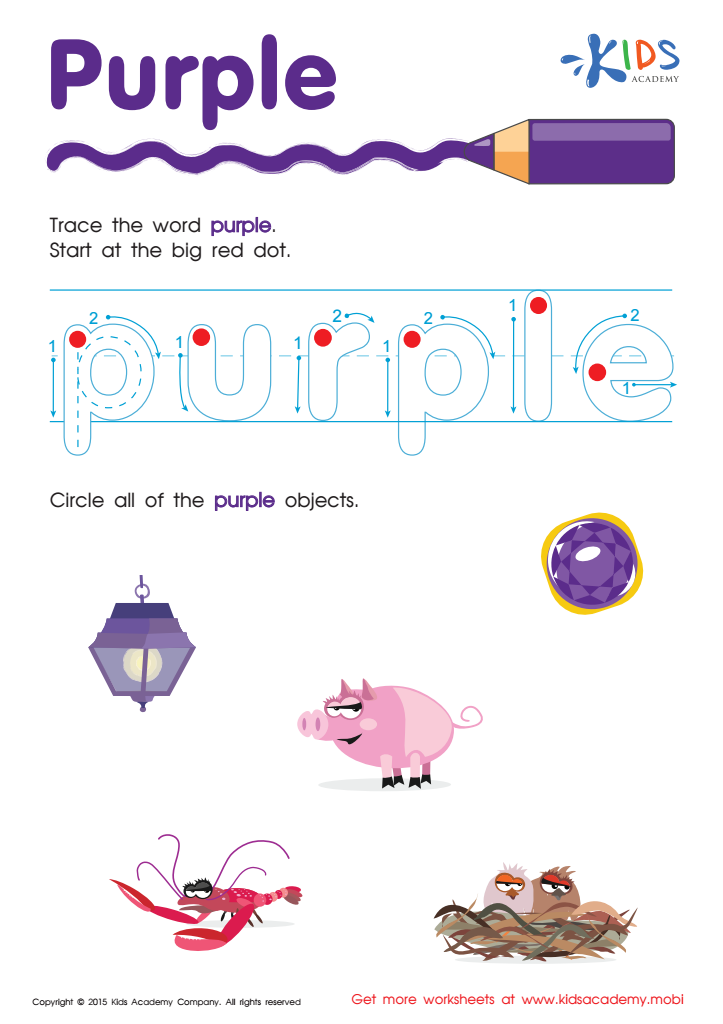
Purple Tracing Color Words Worksheet
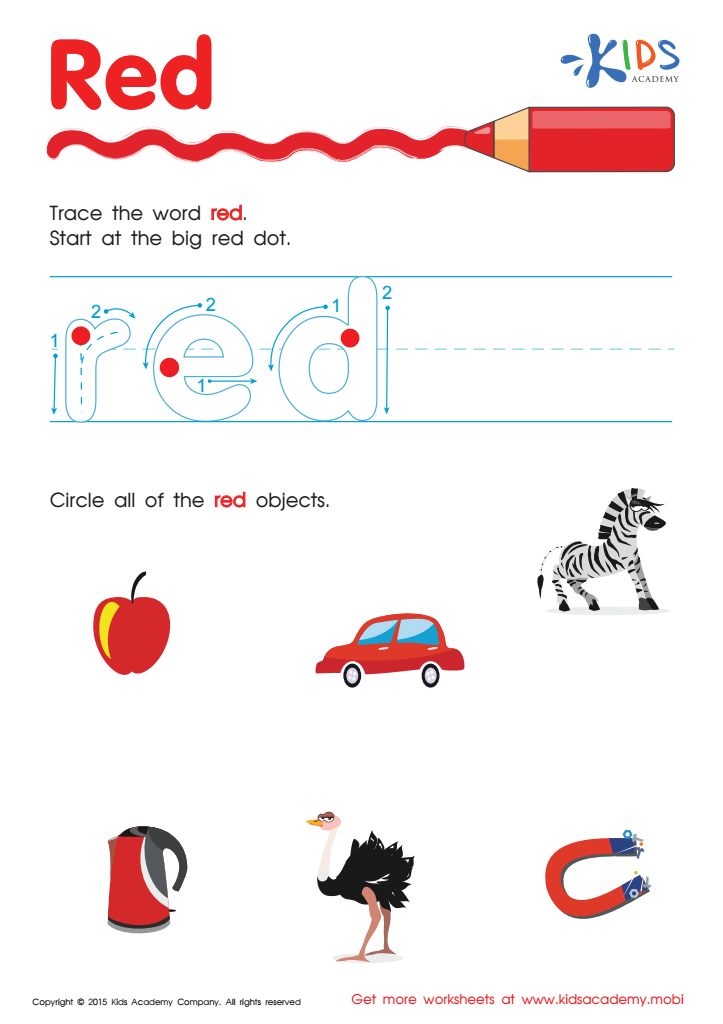
Red Tracing Color Words Printable
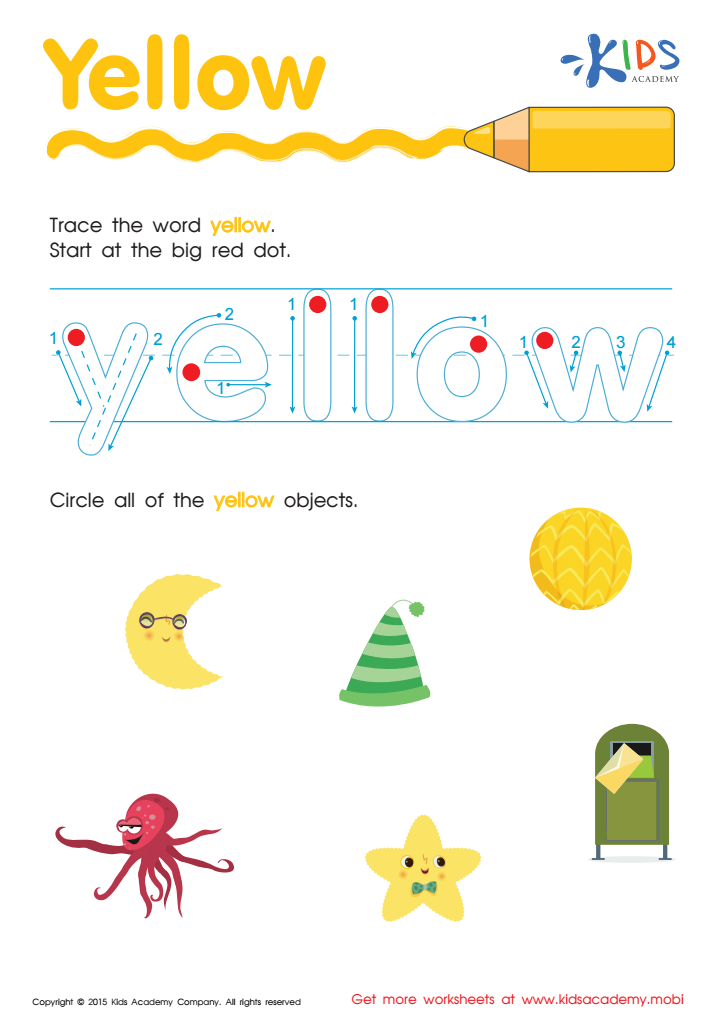
Yellow Tracing Color Words Worksheet







Normal Tracing Words activities are essential for children aged 3-7 as they lay the groundwork for early literacy skills. During these formative years, children are naturally curious and eager to explore language, making it an ideal time to introduce tracing as a fun, engaging way to learn.
Parents and teachers should embrace these activities because they enhance fine motor skills, which are crucial for writing. Tracing helps children develop hand-eye coordination and control over writing instruments, setting the stage for more advanced writing skills later on. Additionally, these activities familiarize young learners with letter shapes, alphabetical order, and basic vocabulary, leading to improved reading and phonetic understanding.
Moreover, tracing can boost a child's confidence as they successfully recognize letters and words. It invites opportunities for interactive learning, whether through guided practices with parents or engaging group sessions in a classroom. The repetition involved in tracing reinforces memory retention, turning the learning process into a multisensory experience. Investing time in tracing not only supports literacy development but also fosters a love for learning and the written word, equipping children with fundamental skills necessary for academic success in the future.








