Addition Facts Worksheets for Ages 3-4 - Page 2
26 filtered results
-
From - To
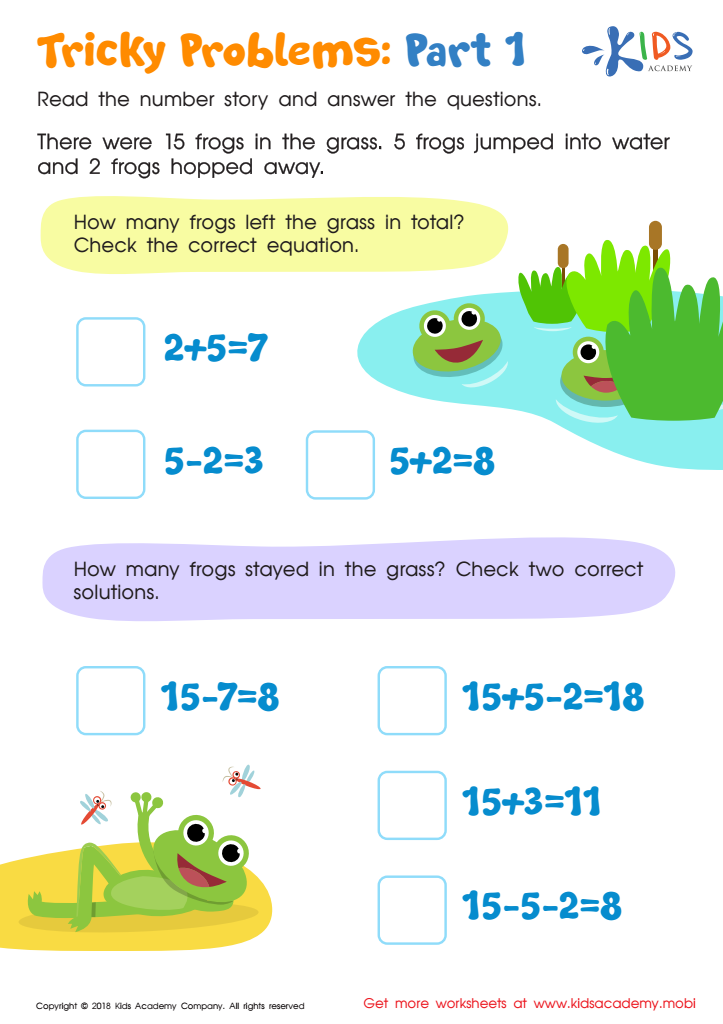
Tricky Problems Worksheet: Part 1
 Assign to My Students
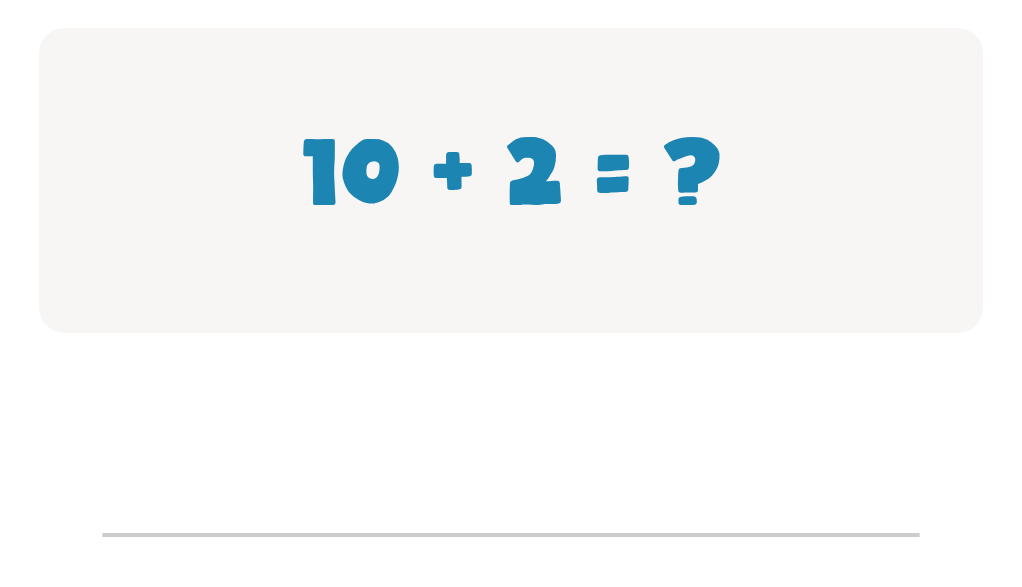

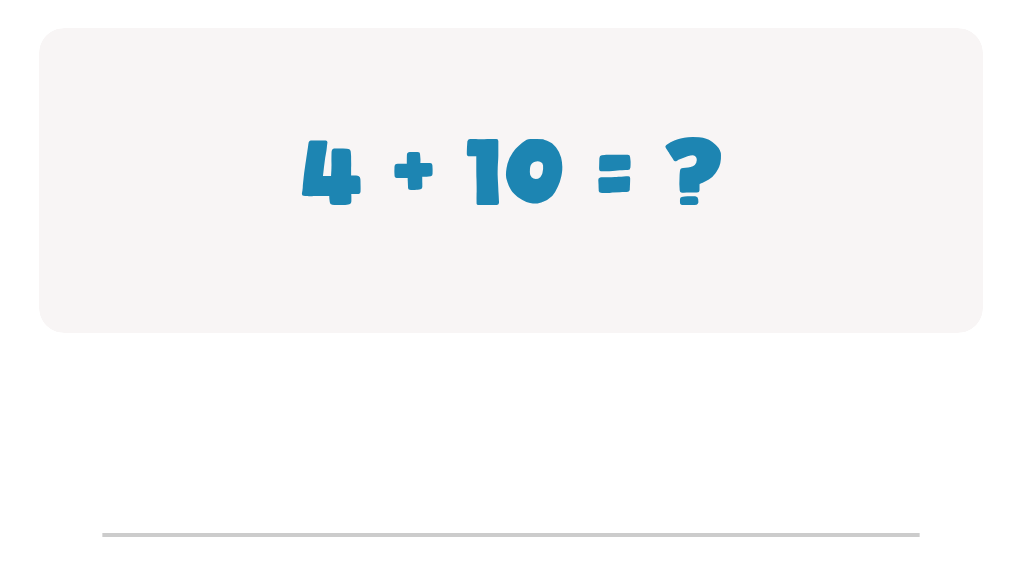
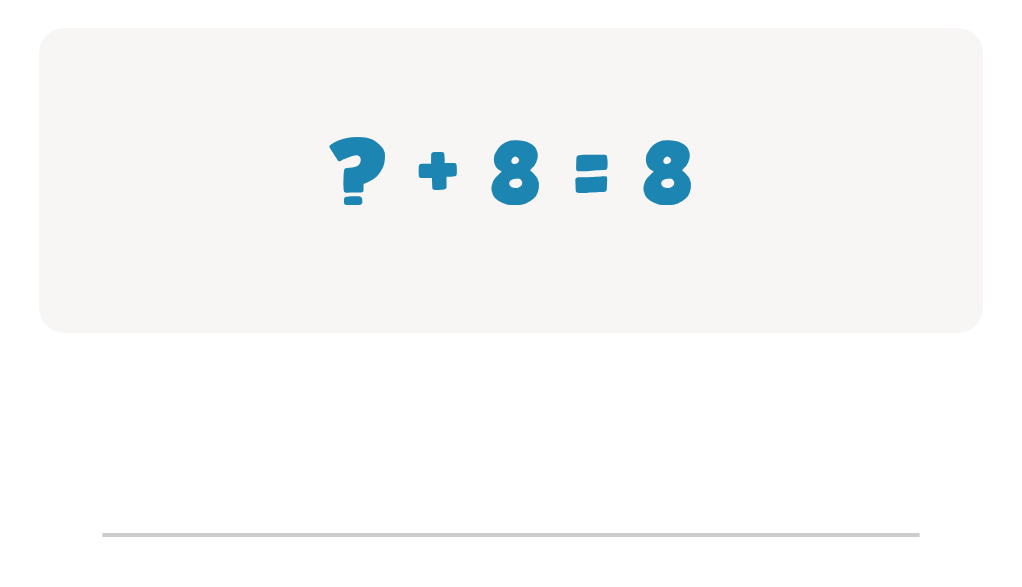
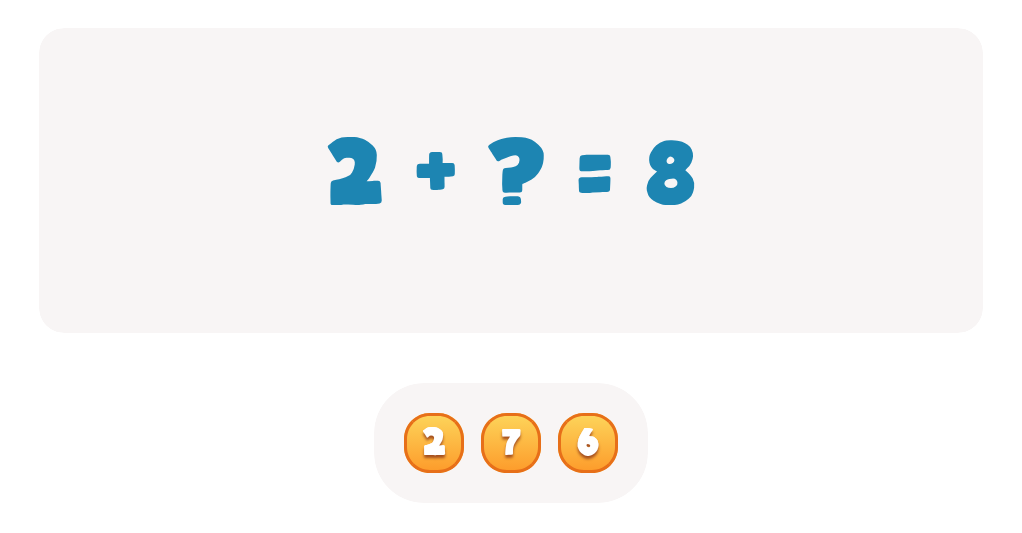
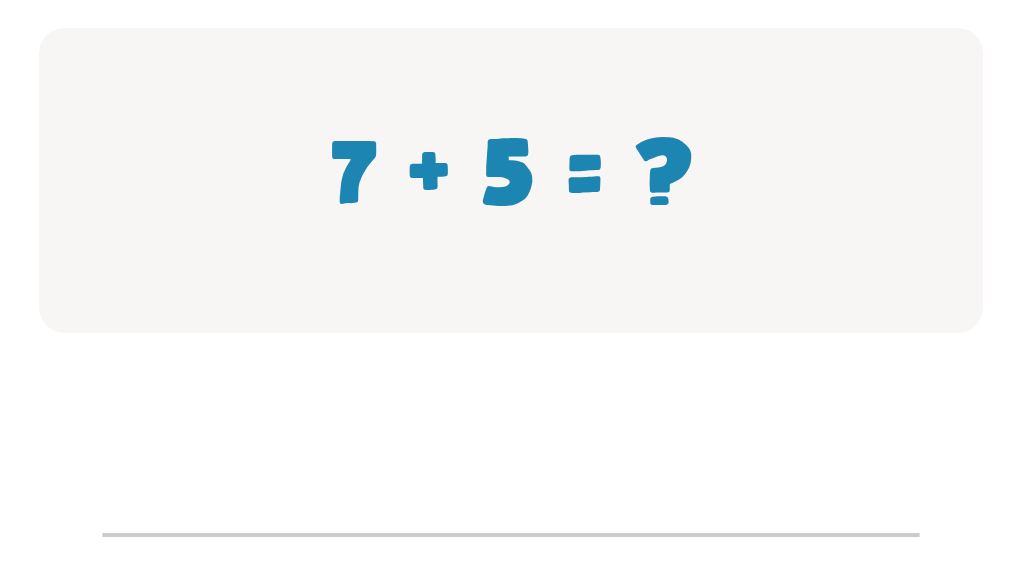
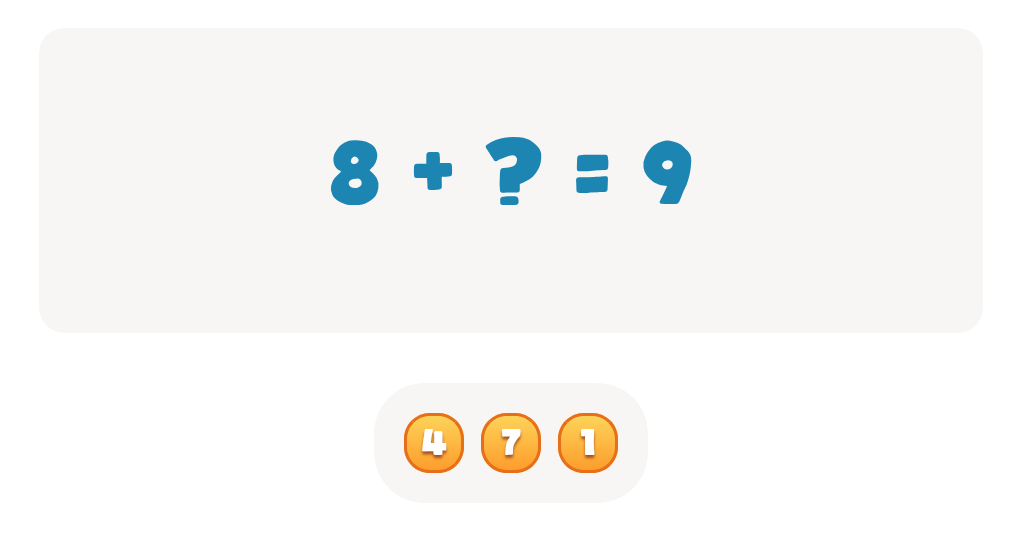

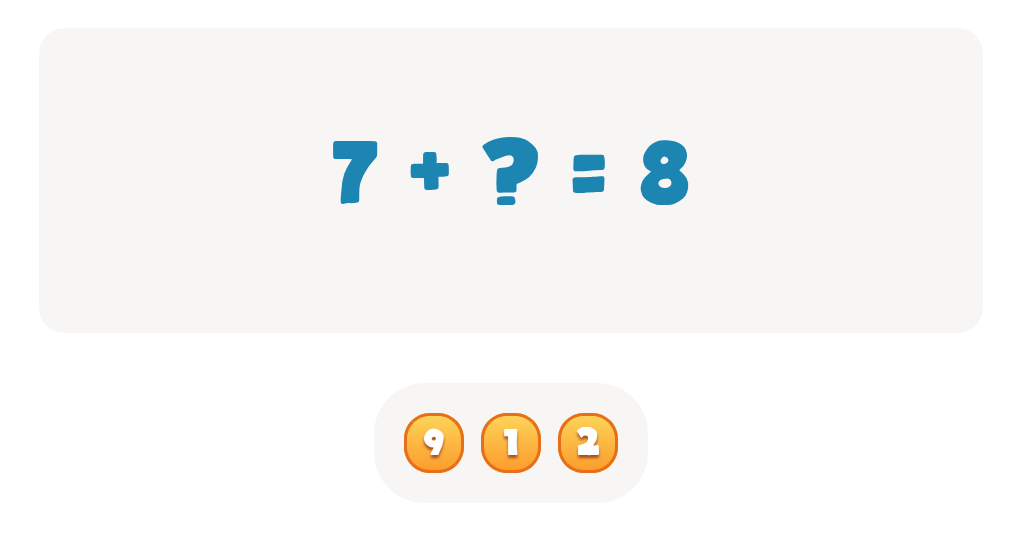
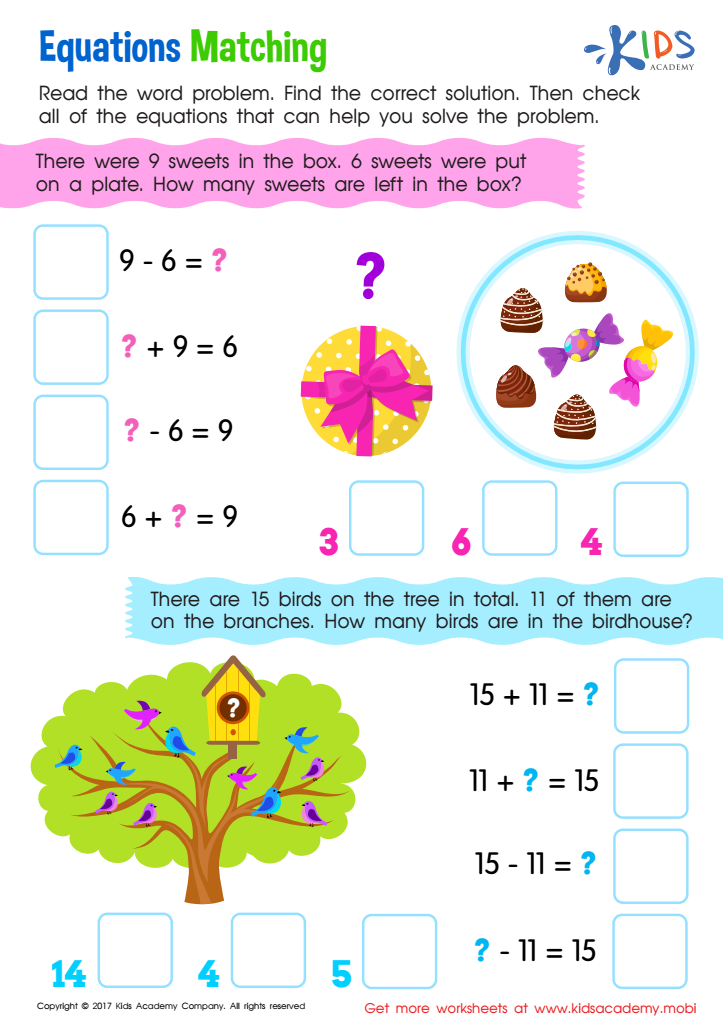
Equations Matching Word Problems Worksheet








Introducing young children to addition facts at ages 3-4 sets a solid foundation for their future mathematical understanding. During these formative years, their brains are highly receptive to new information and establishing early numeracy skills can greatly benefit their cognitive development. Familiarity with simple addition helps kids develop critical thinking and problem-solving skills. Additionally, early engagement with math concepts fosters a positive attitude toward the subject and can reduce math anxiety later in life.
Learning addition facts at an early age can be seamlessly integrated into play and everyday activities, making the process enjoyable and less intimidating. For example, counting toys, adding objects, and interactive games make learning fun and memorable. This early exposure improves memory retention and helps children see math as a part of their daily life.
Educators and parents play a crucial role in nurturing this early interest. Providing age-appropriate, hands-on experiences and encouragement helps children develop confidence in their abilities. A strong mathematical foundation not only prepares children for more complex math concepts in school but also supports their overall academic success. In summary, caring about addition facts for young children encourages a lifelong positive relationship with math, ultimately supporting their educational and personal growth.








