Time Worksheets for Ages 3-6 - Page 2
25 filtered results
-
From - To
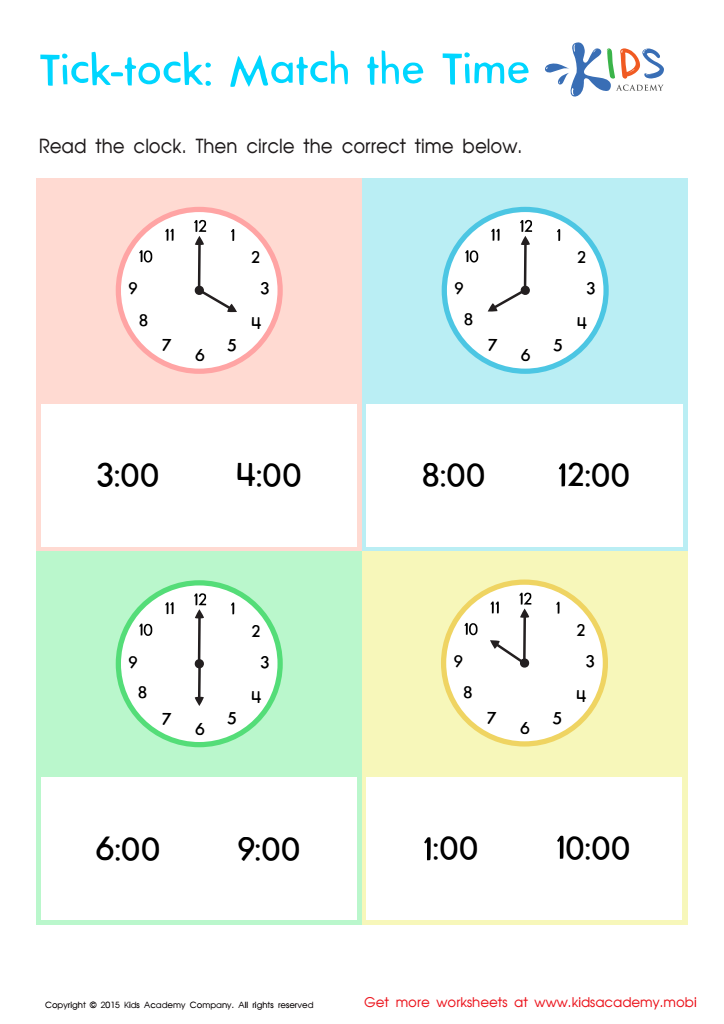
Telling The Time Worksheet: Part 4
 Assign to My Students





.jpg)

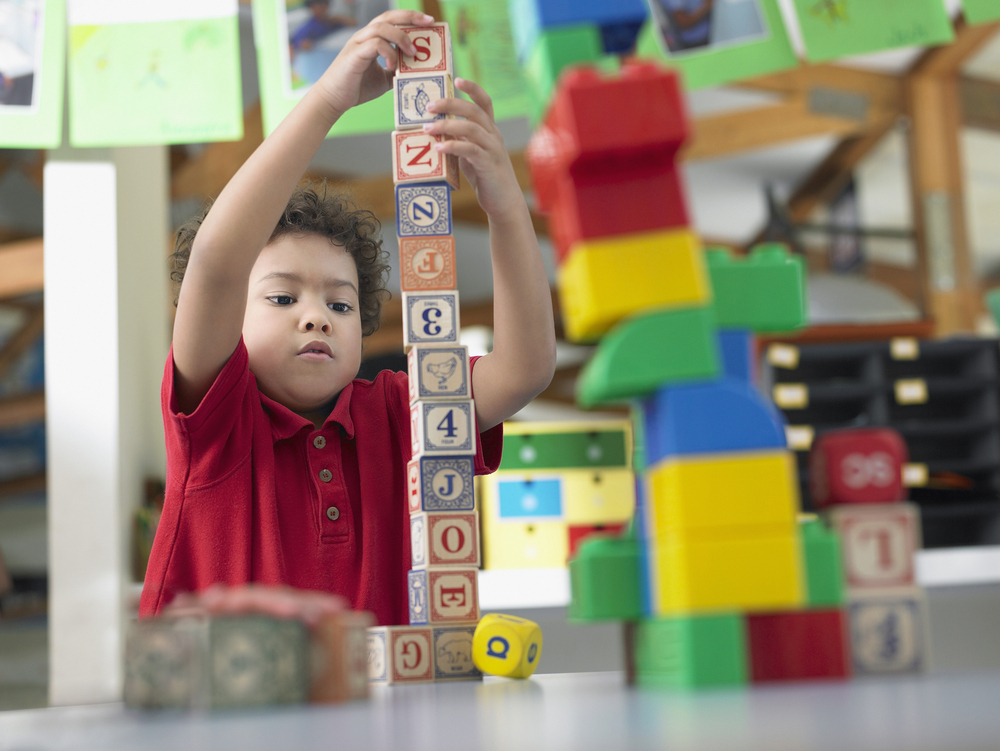
Understanding the concept of time is crucial for children ages 3-6 as it lays a foundation for their cognitive development and daily functioning. During this stage, children begin to grasp daily routines and schedules, which helps them feel secure and fosters independence. By learning about time, they can recognize the importance of sequences and deadlines, essential skills for future learning.
Parents and teachers should be concerned with time management as it encourages responsibility. Integrating time-related activities into the curriculum, like using timers for tasks or discussing daily events, helps children understand the flow of time and enhances their organizational skills. Moreover, recognizing measures such as "morning," "afternoon," and "night" introduces the natural rhythms of life, aiding their comprehension of the world around them.
Additionally, giving children a sense of time enhances their ability to plan and adjust to new situations, reducing anxiety over transitions. For parents, teaching time can also improve family dynamics as routines create predictable environments. In short, fostering an understanding of time prepares children for academic success and helps cultivate life skills that are indispensable in their day-to-day interactions and long-term achievements.








