Physical Science Worksheets for Ages 3-6 - Page 3
50 filtered results
-
From - To
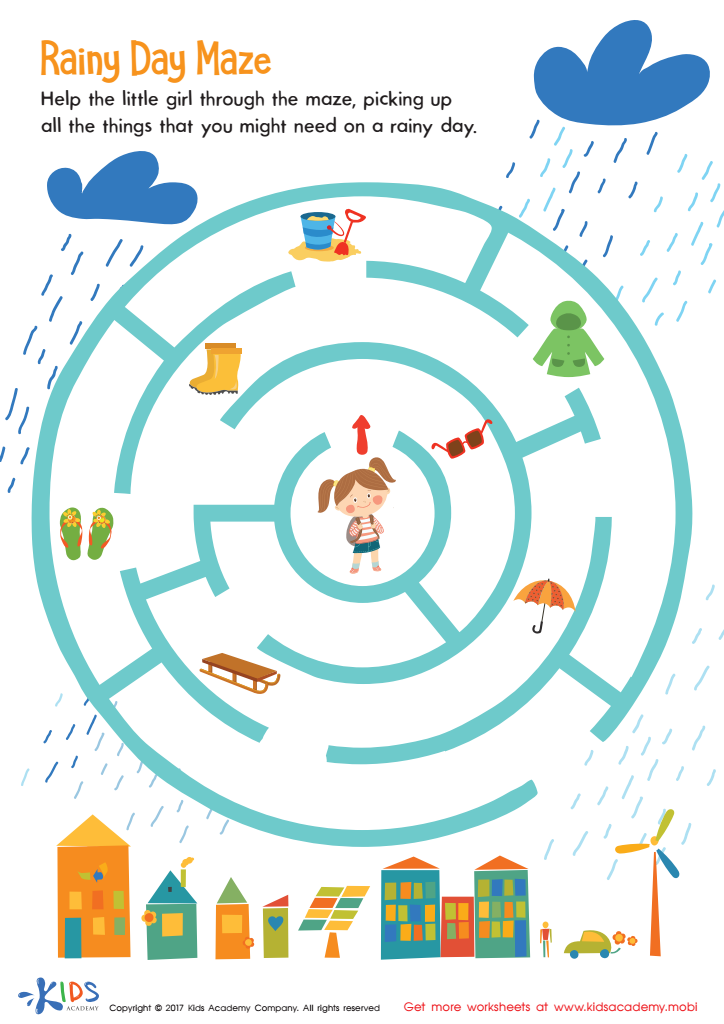
Rainy Day Maze Worksheet
 Assign to My Students
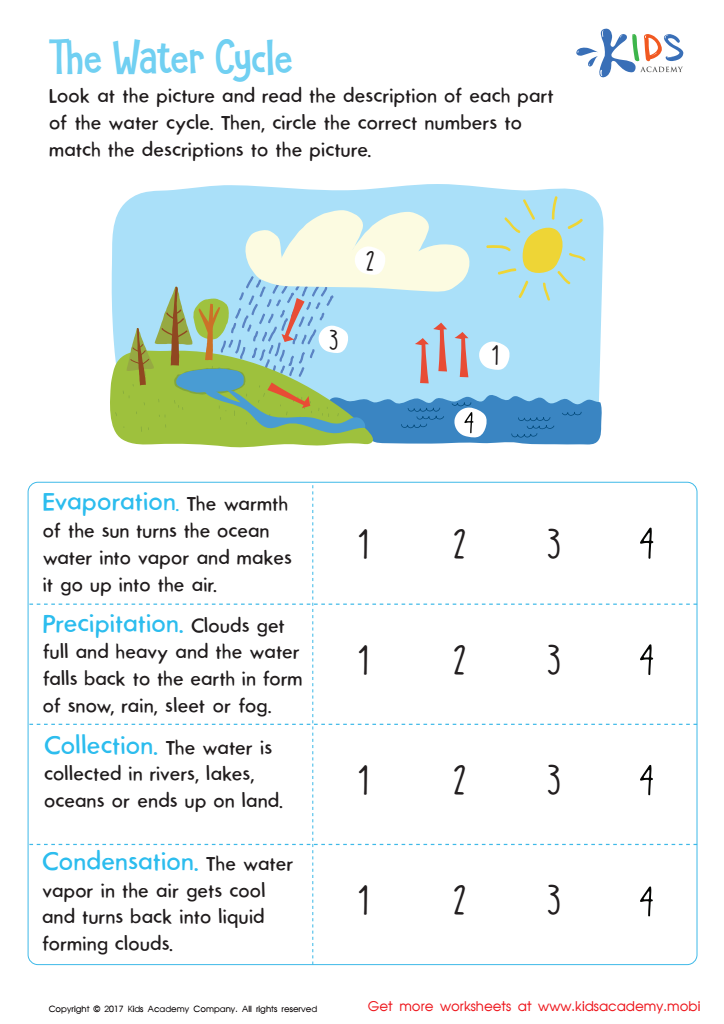
The Water Cycle Worksheet




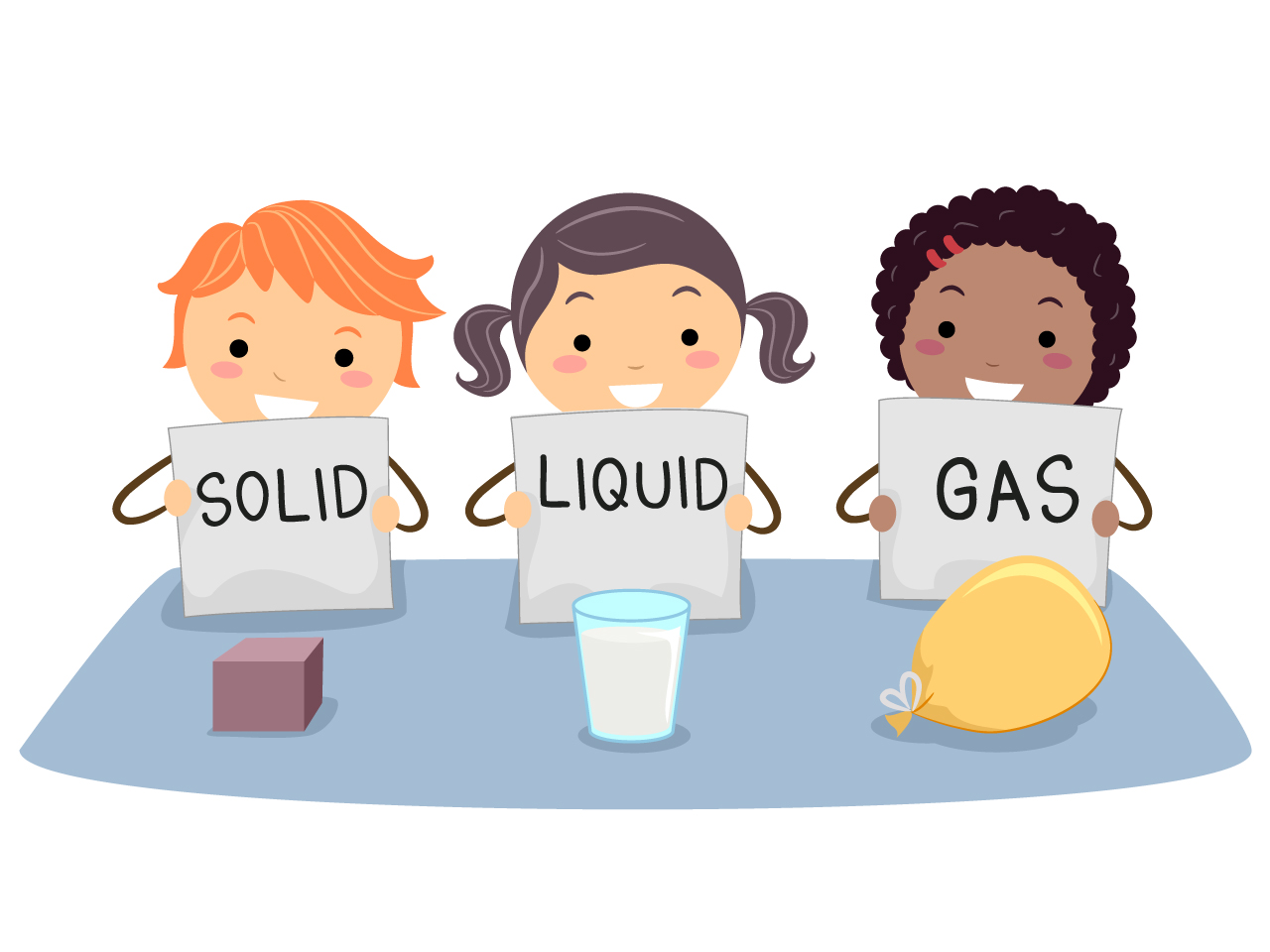
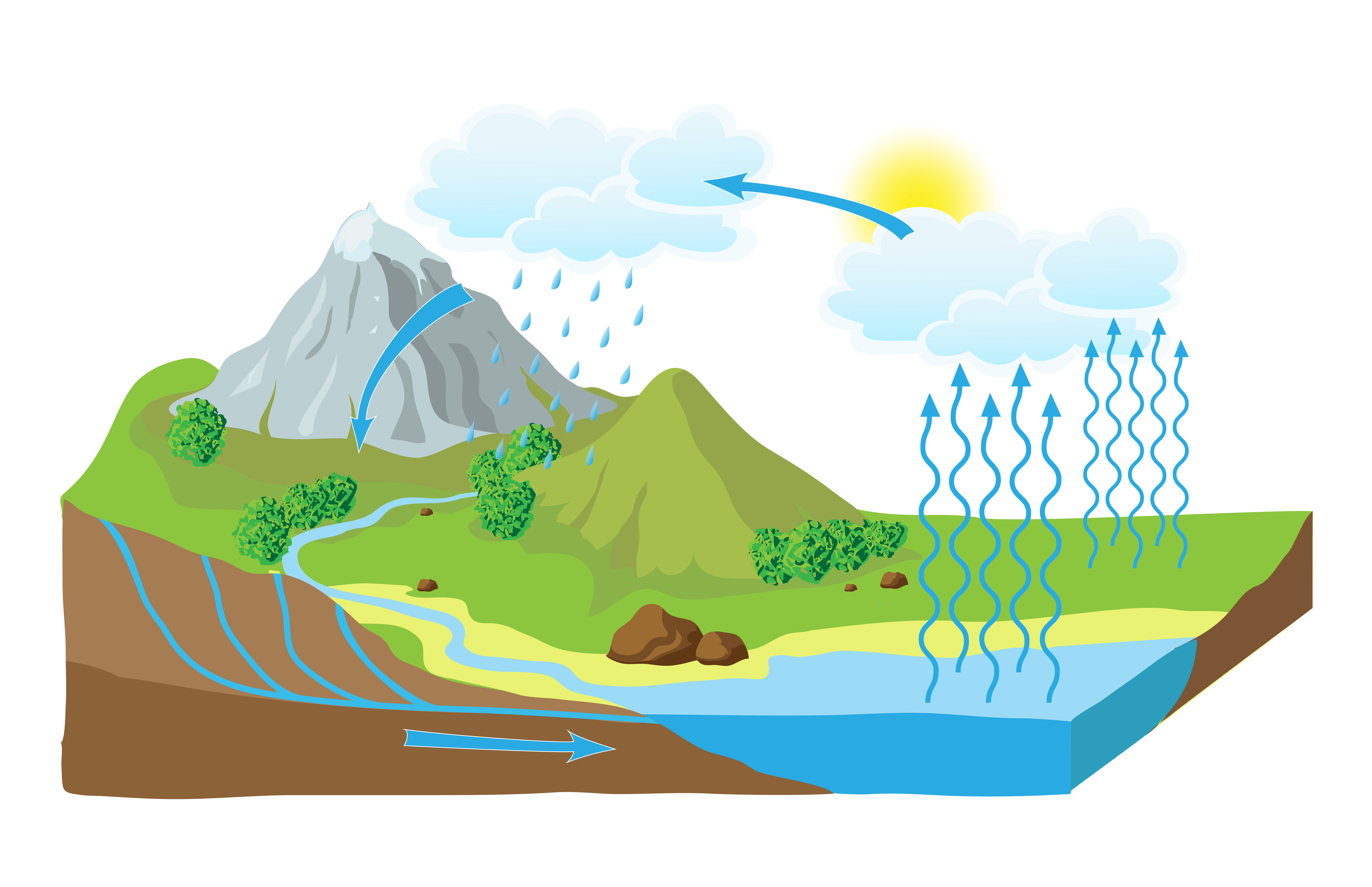


Parents and teachers should care about Physical Science education for children aged 3-6 because it lays the foundation for critical thinking and curiosity about the world. Early exposure to concepts like matter, energy, and motion helps children understand the principles governing their everyday experiences. Engaging in simple experiments and explorations encourages hands-on learning, fostering a sense of inquiry and discovery.
At this age, children are naturally curious. Introducing them to basic Physical Science concepts satisfies their innate desire to explore and ask questions. It nurtures creativity and enhances problem-solving skills, which are essential for their future academic success. Moreover, learning through play, such as building simple structures or exploring the properties of water, promotes cognitive development while enhancing fine motor skills.
Furthermore, a solid foundation in science leads to better retention of knowledge and fosters positive attitudes toward learning. Encouraging scientific inquiry also prepares children to think critically, an essential skill in our increasingly complex world. By integrating Physical Science into early education, parents and teachers equip young learners with the tools they need to navigate and understand their environment, ultimately fostering lifelong learning and a deeper appreciation for the natural world.







