Consonants Worksheets for Ages 3-7 - Page 2
31 filtered results
-
From - To
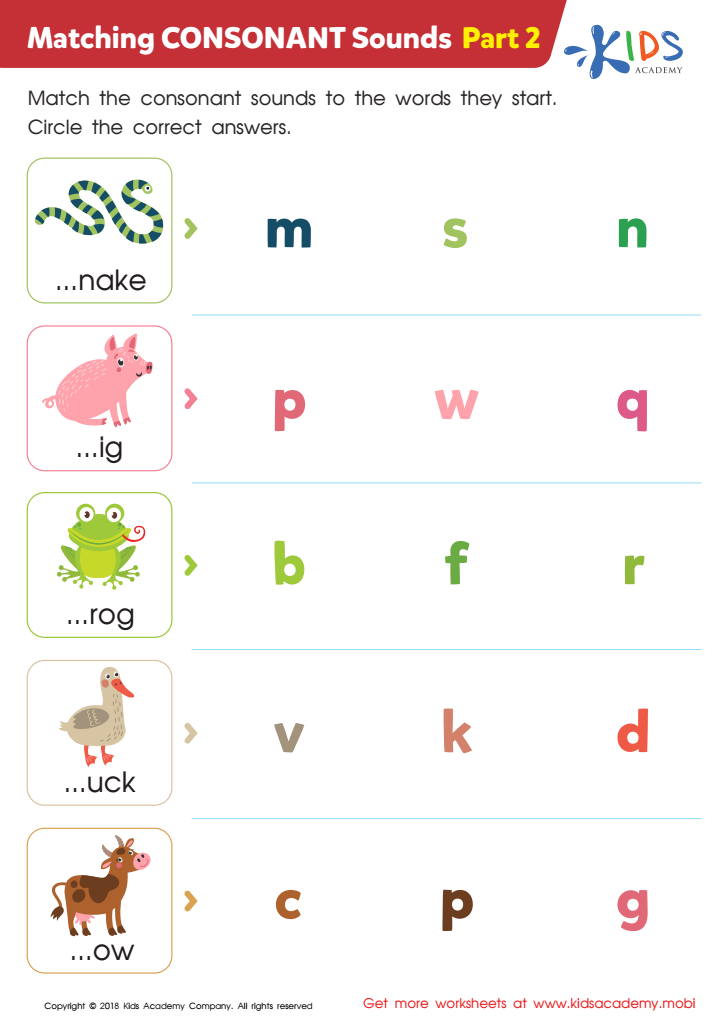
Matching Consonant Sounds: Part 2 Worksheet
 Assign to My Students
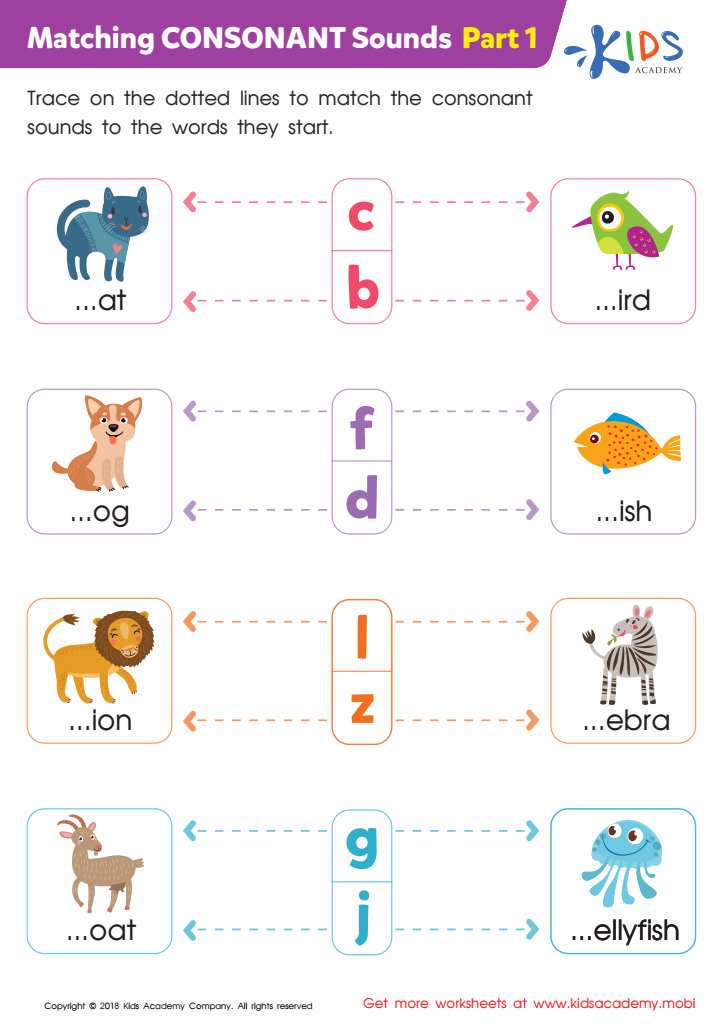
Matching Consonant Sounds: Part 1 Worksheet
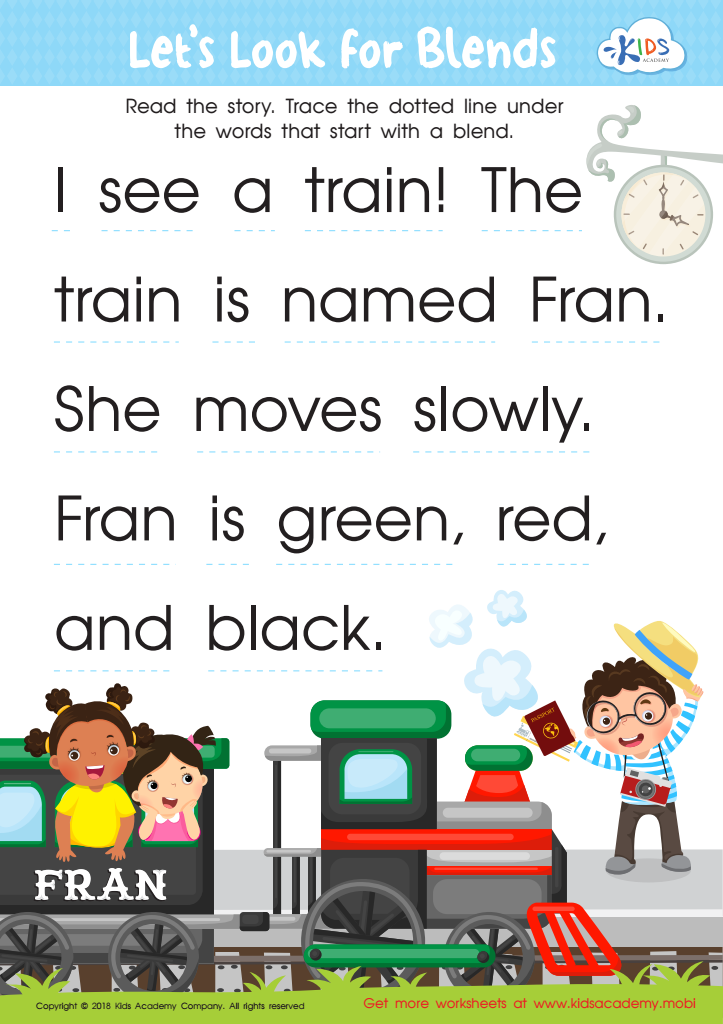
Let's Look for Blends Worksheet
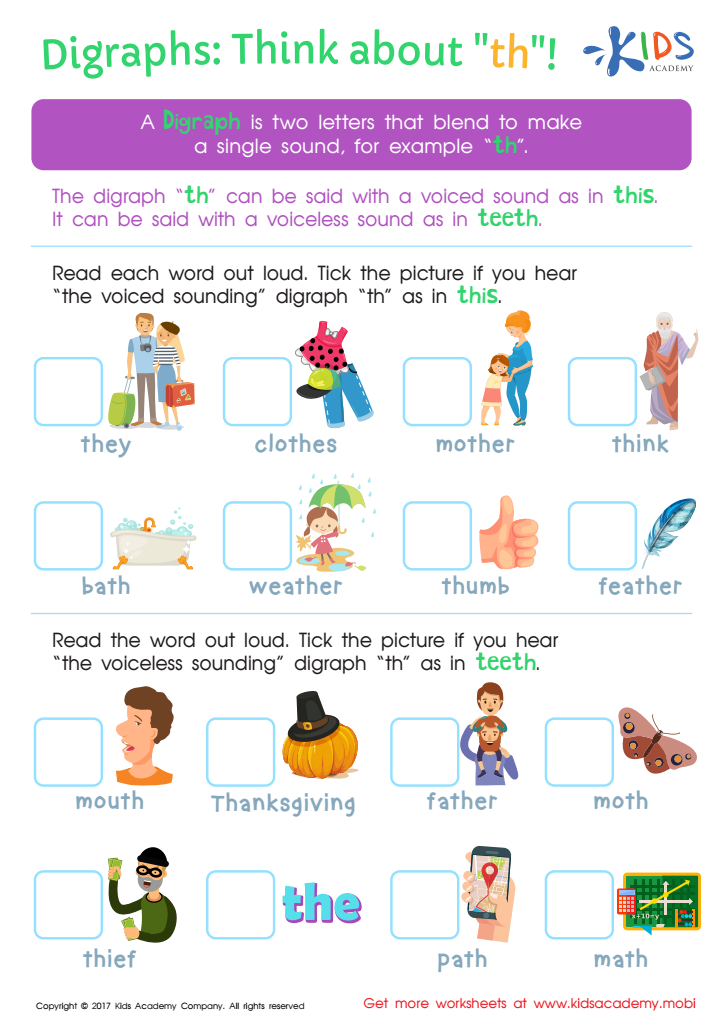
Digraphs: Think About "th" Worksheet
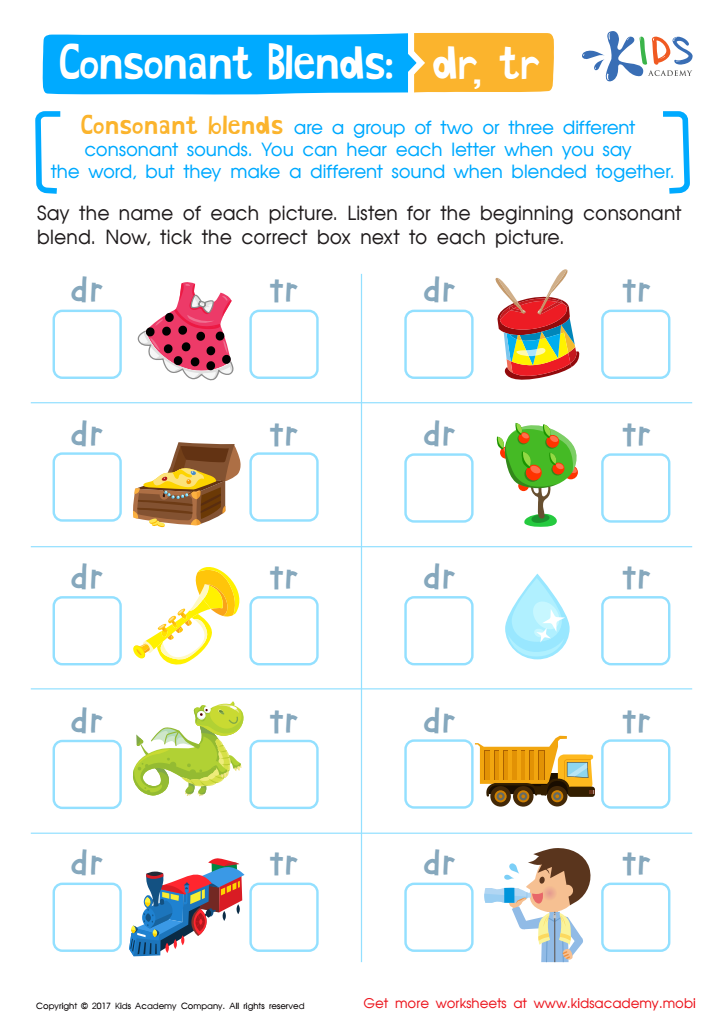
Consonant Blends: "Dr" and "Tr" Printable
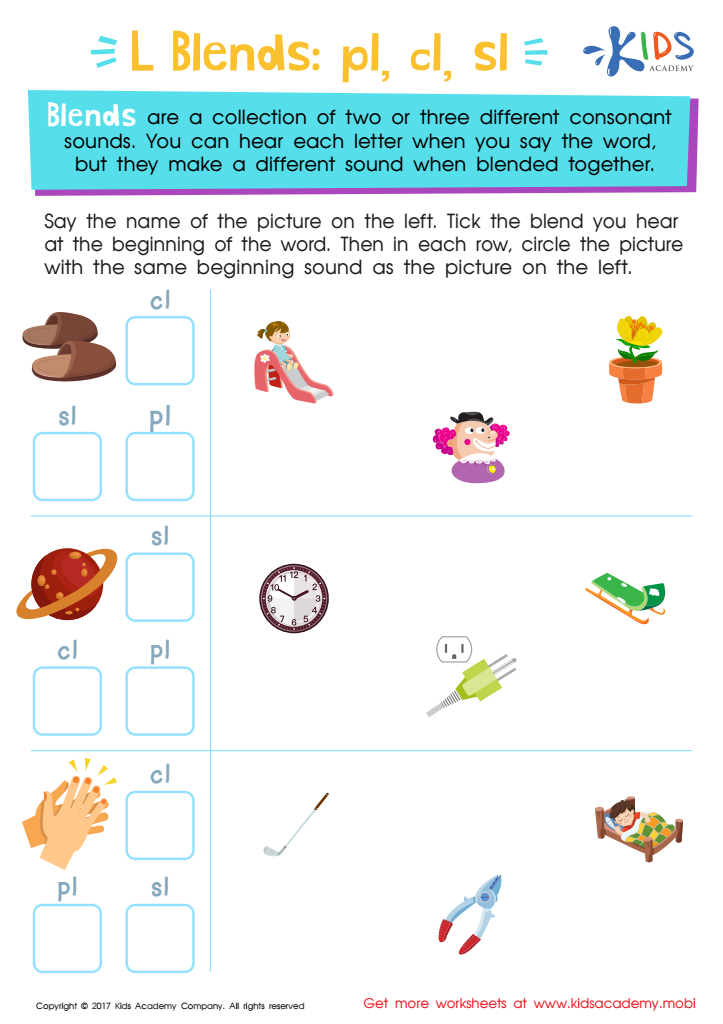
L Blends: "Pl", "Cl" and "Sl" Printable
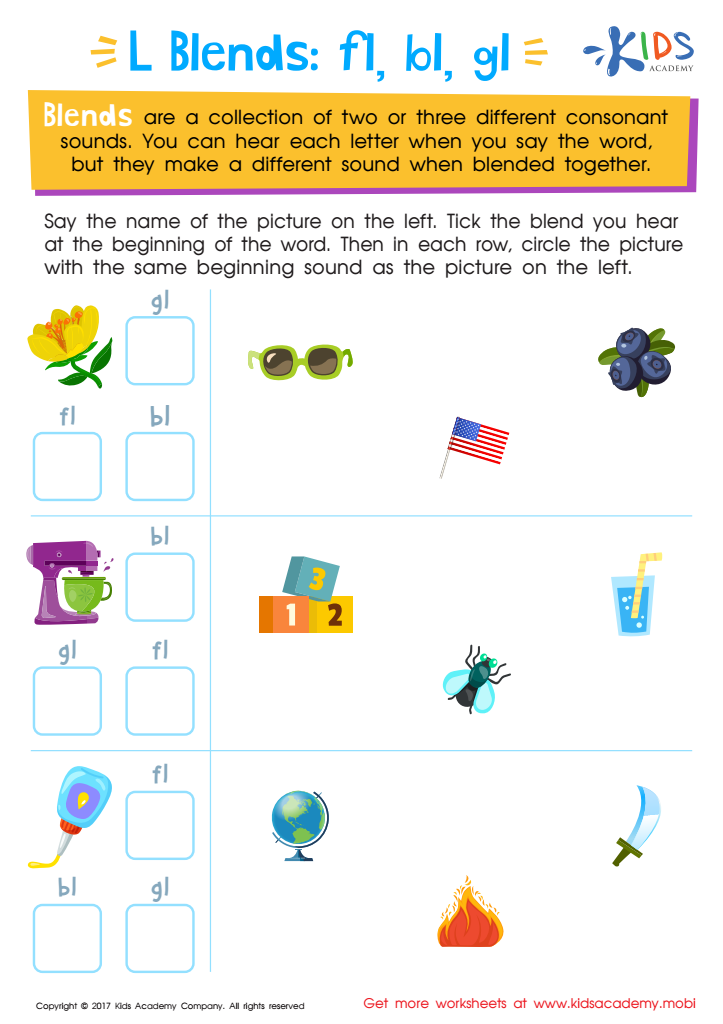
Blending Consonants: "Fl", "Bl" and "Gl" Printable



Parents and teachers should prioritize consonant knowledge for children ages 3-7 as it lays the foundation for literacy and language development. Consonants, as the building blocks of words, play a critical role in phonemic awareness, which is crucial for learning to read and write. When children understand the sounds associated with consonants, they can blend these sounds to form words, a skill necessary for reading fluency.
Additionally, mastery of consonants enhances verbal communication. It helps children articulate thoughts clearly, facilitating interactions with peers and adults. In the classroom, recognizing and pronouncing consonants correctly aids in vocabulary development, enabling children to express themselves effectively.
Furthermore, early exposure to consonant sounds can promote confidence in literacy activities and mitigate the risk of later reading difficulties. Engaging with consonants through playful activities—such as songs, games, and storytelling—makes learning enjoyable and memorable, setting a positive tone towards education.
Overall, understanding consonants equips young learners with essential skills for academic success and promotes a lifelong love for reading and language. Investing time in consonant development helps establish a solid educational foundation that positively impacts future learning experiences.







