Letter Recognition Worksheets for Ages 3-7 - Page 5
99 filtered results
-
From - To
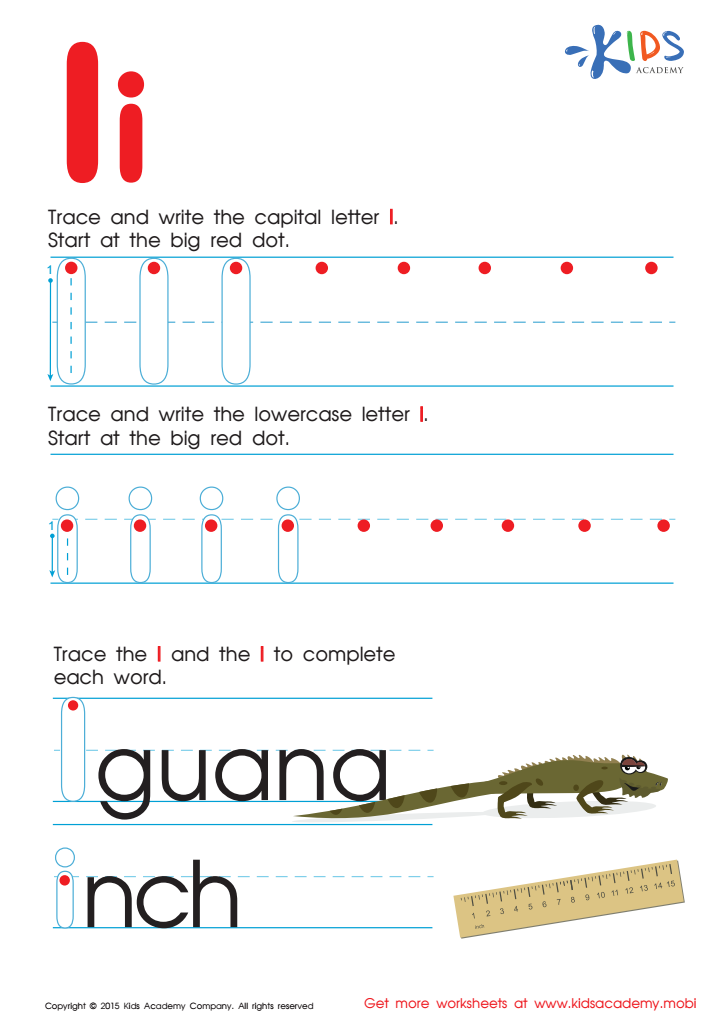
Letter I Tracing Page
 Assign to My Students

Letter H Tracing Page
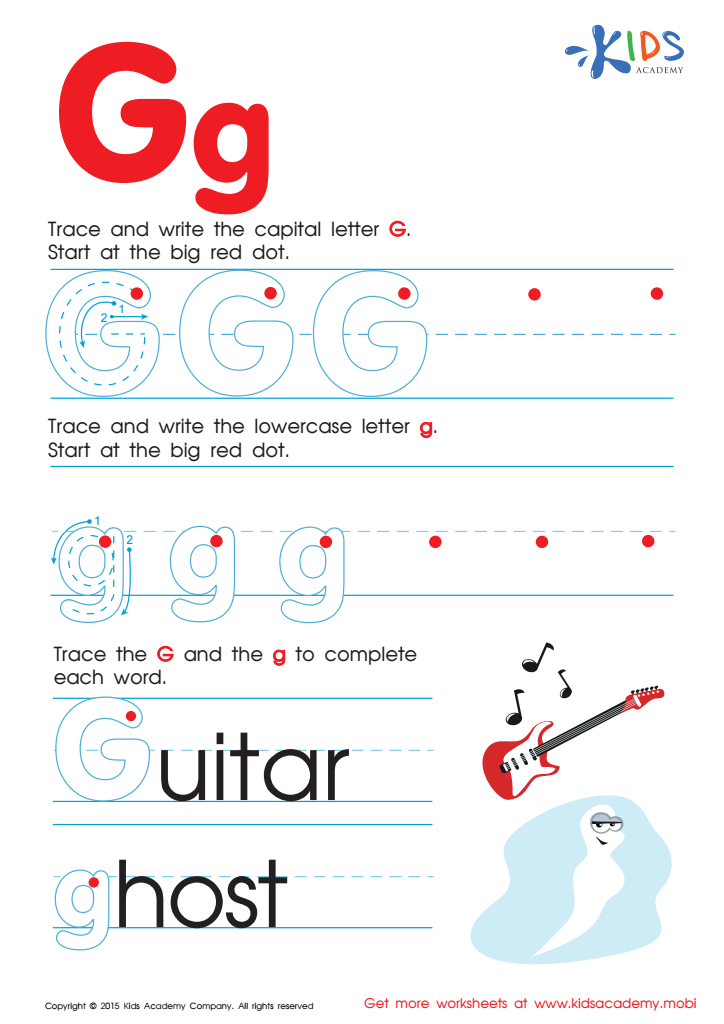
Letter G Tracing Page








Letter recognition is a foundational skill critical for early literacy development in children ages 3-7. It forms the cornerstone for reading and writing, significantly impacting a child's academic success. When young learners can identify and recognize letters, they become more confident in their abilities to decode words and understand language.
Parents and teachers should prioritize letter recognition because it influences a child's cognitive development. Recognizing letters helps children make connections between sounds and symbols, leading to better phonemic awareness. This skill not only enhances reading fluency but also prepares children to tackle more complex literacy tasks as they progress in their education.
Furthermore, early letter recognition contributes to a child’s self-esteem and motivation. As they successfully identify letters, children begin to appreciate the wonders of reading, fostering a lifelong love of books and learning.
Engaging in fun activities like letter games, storytelling, and interactive reading sessions can create a positive learning environment. Ultimately, supporting letter recognition at this crucial developmental stage sets the stage for strong communication skills, critical thinking abilities, and a realm of possibilities as children embark on their educational journeys. In short, investing time in letter recognition is essential for cultivating confident, capable, and literate young learners.







