Long Vowels Worksheets for Ages 3-7 - Page 2
29 filtered results
-
From - To
 Assign to My Students
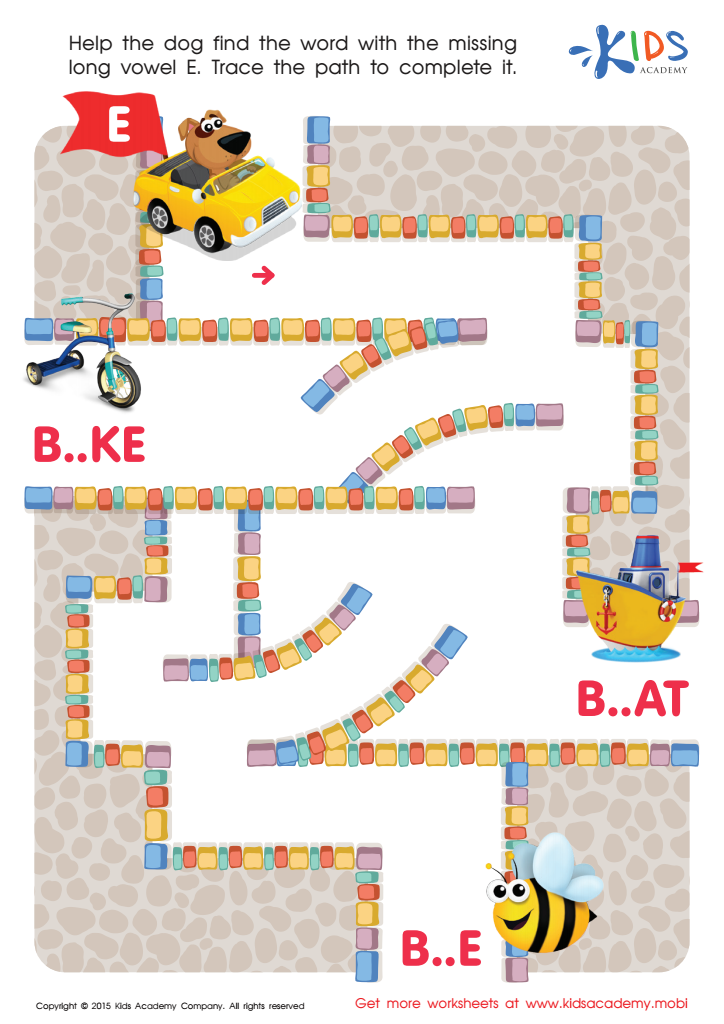
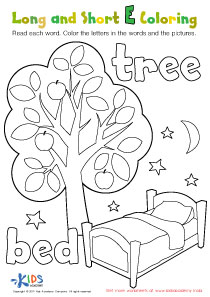
Long Vowel Sound E Worksheet
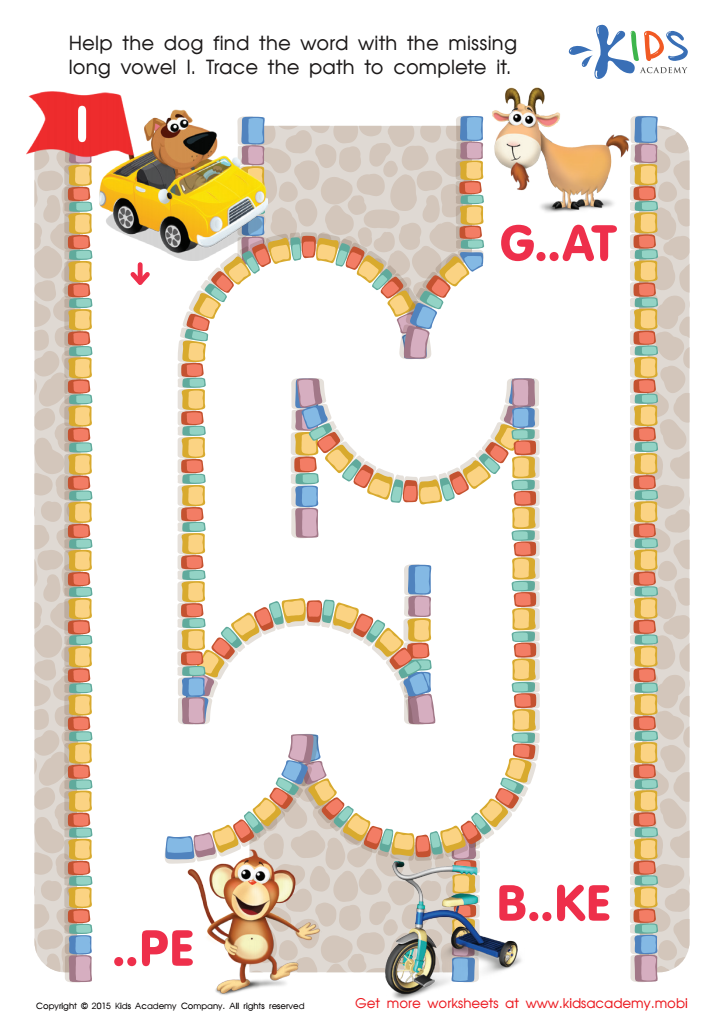
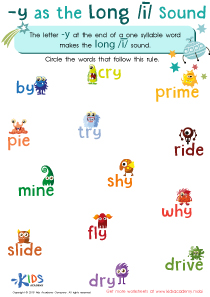
Long Vowel Sound I Worksheet
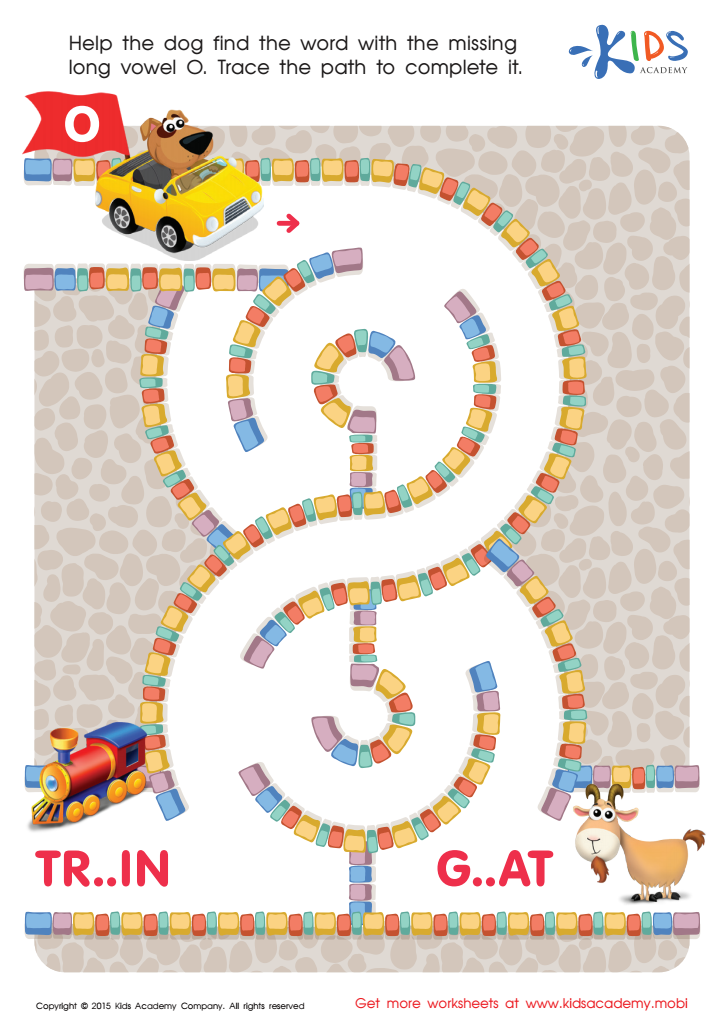
Long Vowel Sound O Worksheet
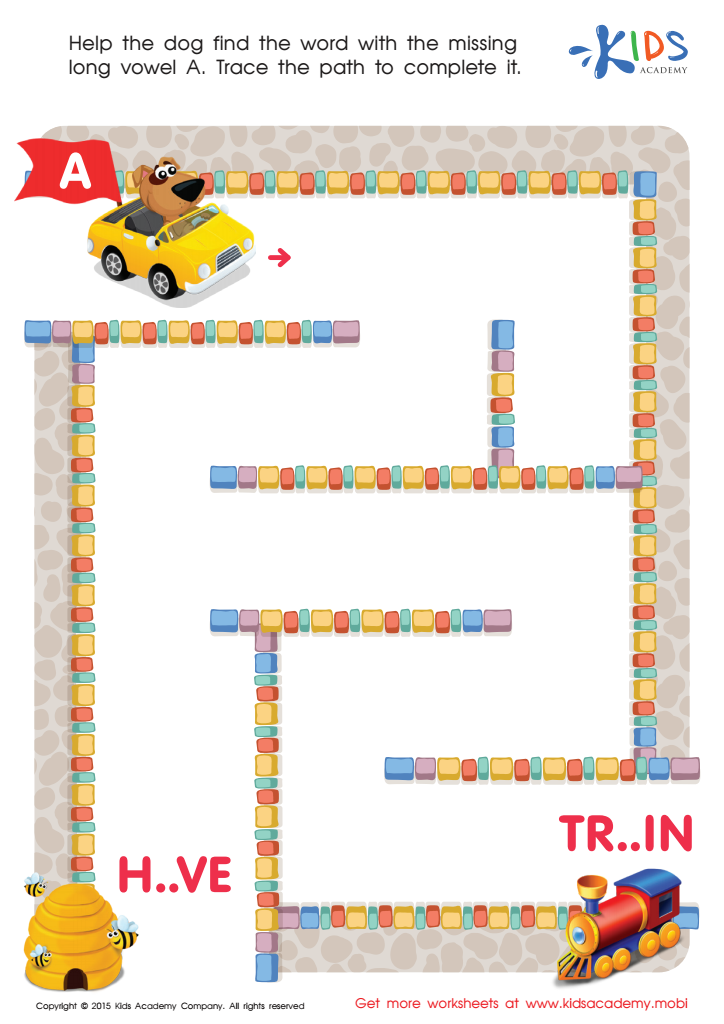
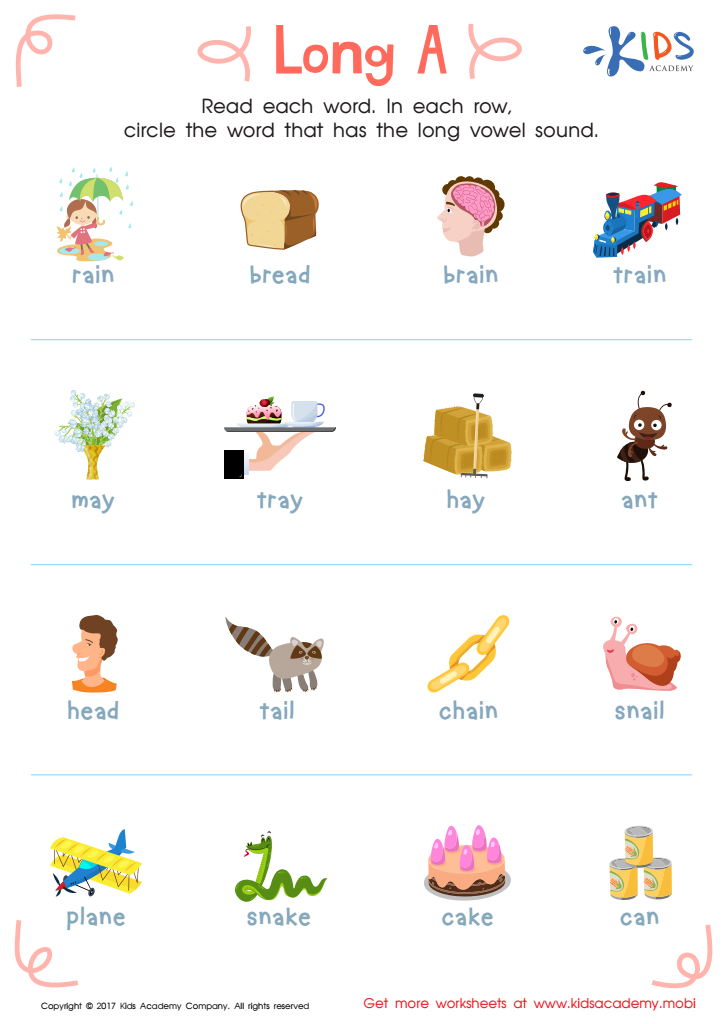
Long Vowel Sound A Worksheet



Teaching Long Vowels to children ages 3-7 is crucial for their literacy development. Long vowels are sounds where the vowel letter "says its name" (like "a" in "cake" or "o" in "home"). Understanding long vowels forms the foundation for effective reading and writing, enabling children to decode words and recognize patterns in the English language.
For parents and teachers, focusing on long vowels enhances children's phonemic awareness—an essential skill that allows them to manipulate sounds and recognize word structures. This knowledge leads to improved vocabulary, spelling, and reading fluency. Mastering long vowel sounds early on can foster a child's confidence in their language skills and cultivate a positive attitude toward reading.
Additionally, early exposure to long vowel patterns allows for easier comprehension of more complex texts as children progress, supporting them in a successful transition into higher grade levels. Incorporating playful activities such as songs, games, and storybooks can make learning about long vowels fun and engaging for young learners.
In short, prioritizing long vowels in early education empowers children with foundational skills that benefit them throughout their academic journey and beyond, paving the way for lifelong literacy and effective communication.