Reading Worksheets for Ages 3-7 - Page 18
411 filtered results
-
From - To
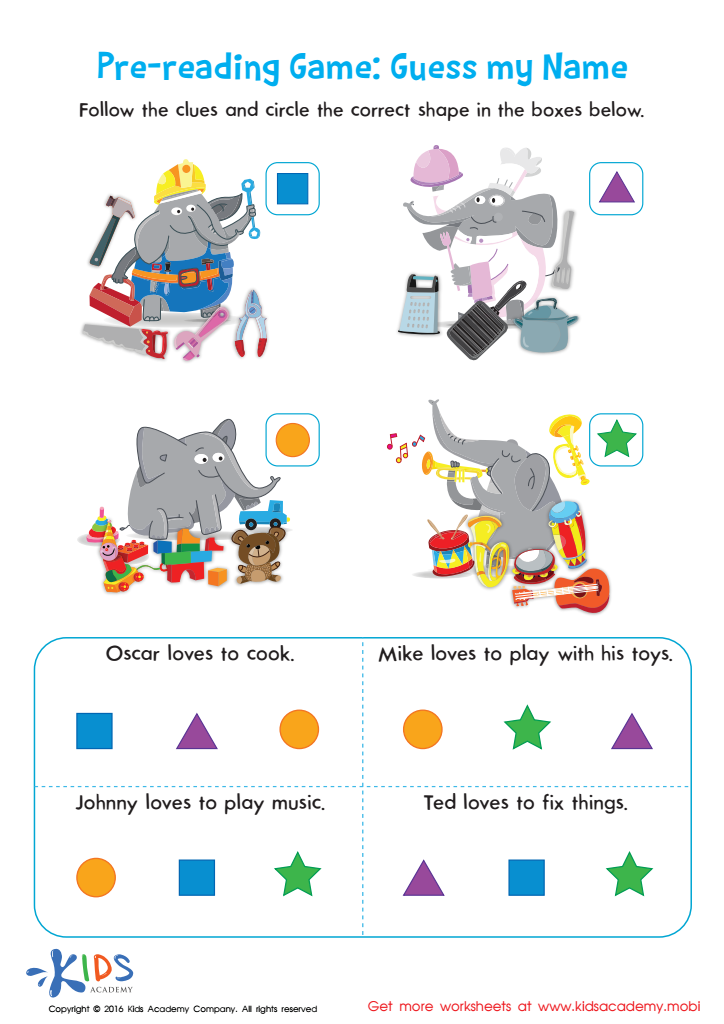
Pre Reading Worksheet Guess My Name
 Assign to My Students
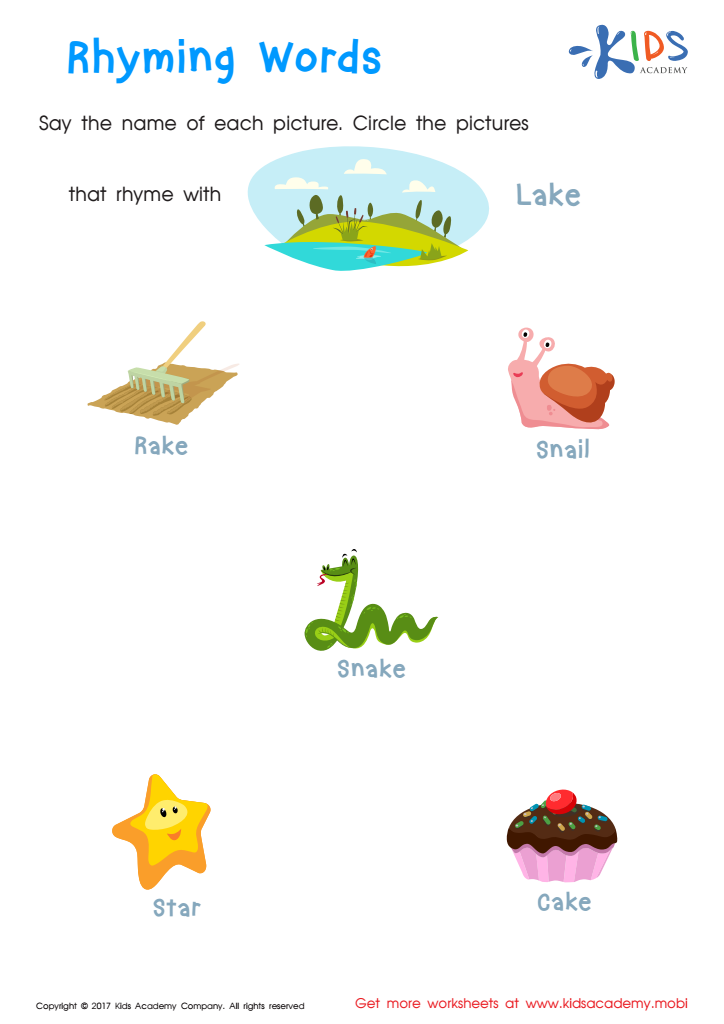
Rhyming Words Rhyming Worksheet
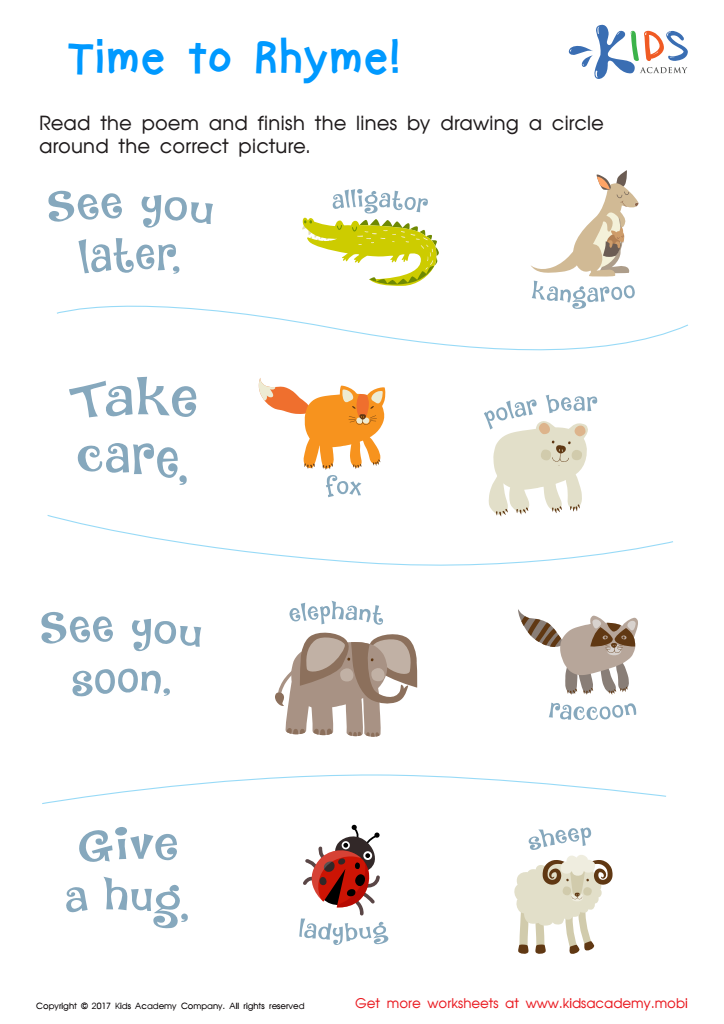
Time to Rhyme Rhyming Worksheet








Reading for children aged 3-7 is crucial for their overall development and sets the foundation for lifelong learning and literacy. This period, often called the “early literacy developmental stage,” is when children are most receptive to acquiring new language skills and concepts.
Engaging with children through reading fosters their vocabulary, comprehension, and communication skills. It introduces them to new words and phrases, helping to build a rich vocabulary that lays the groundwork for effective speaking and writing. Additionally, reading improves their listening skills and attention span, both of which are essential for success in school and beyond.
Reading to young children also stimulates cognitive development, enhancing their ability to think critically, solve problems, and understand complex concepts. Moreover, regular reading sessions cultivate a love for books and learning, promoting curiosity and imagination.
For parents and teachers, reading can serve as a bonding activity that strengthens the emotional connection with the child. It provides a sense of security and comfort, making the child feel supported and valued.
Ultimately, prioritizing reading for children aged 3-7 is an investment in their future, equipping them with essential skills and a passion for learning that will benefit them throughout their educational journeys and their lives.








