Geography Worksheets for Ages 3-7 - Page 3
51 filtered results
-
From - To
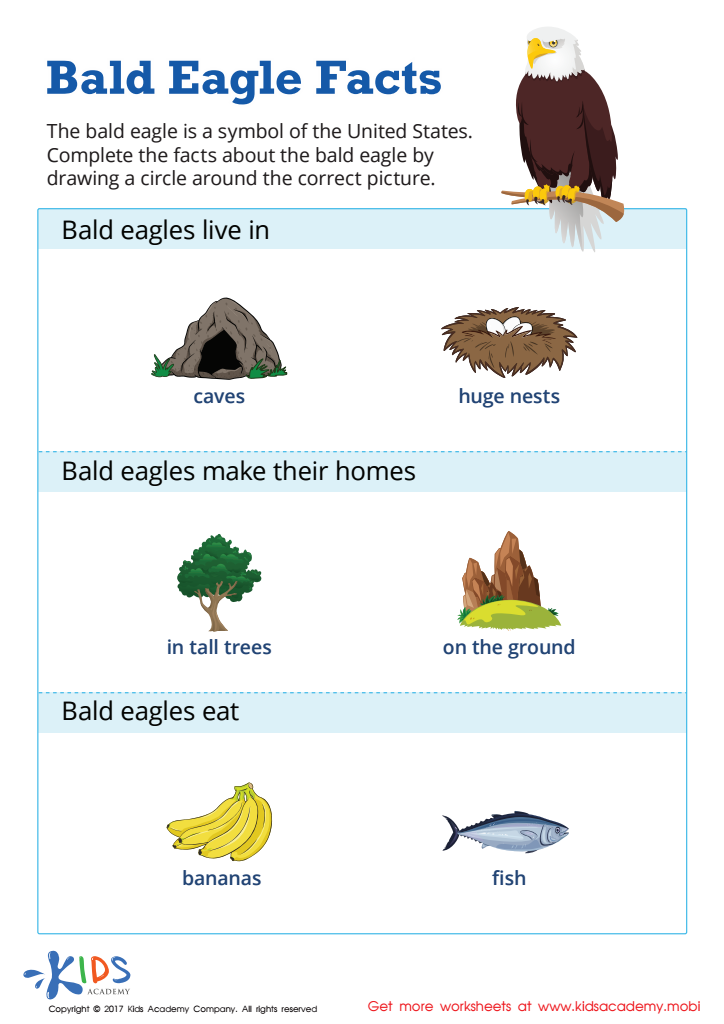
Bald Eagle Facts Worksheet
 Assign to My Students
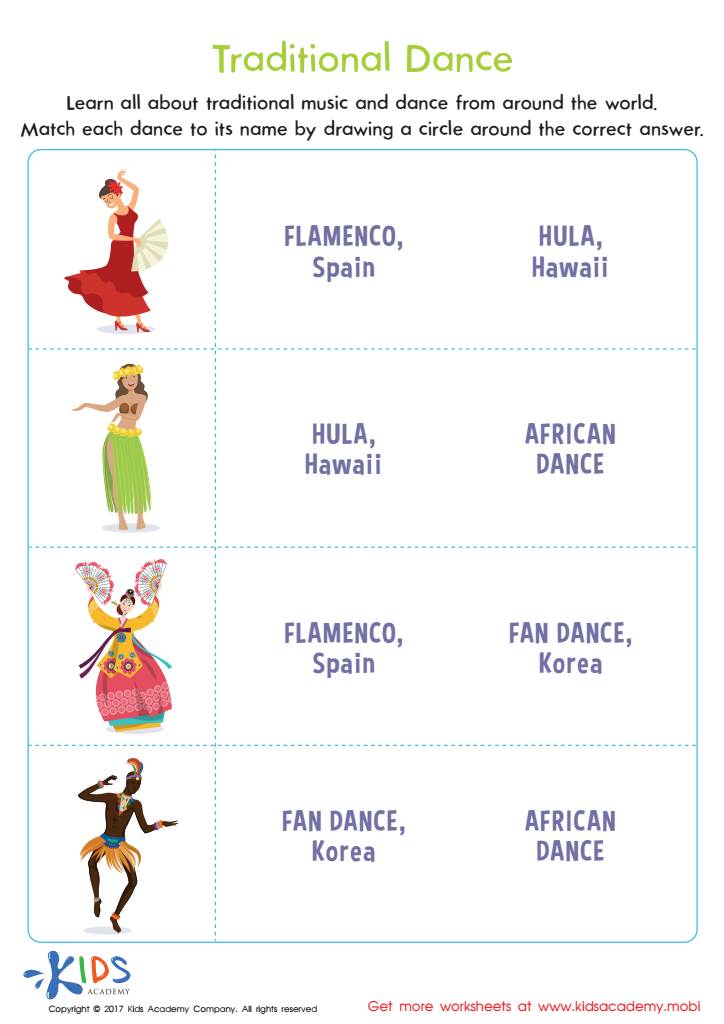
Traditional Dance Printable


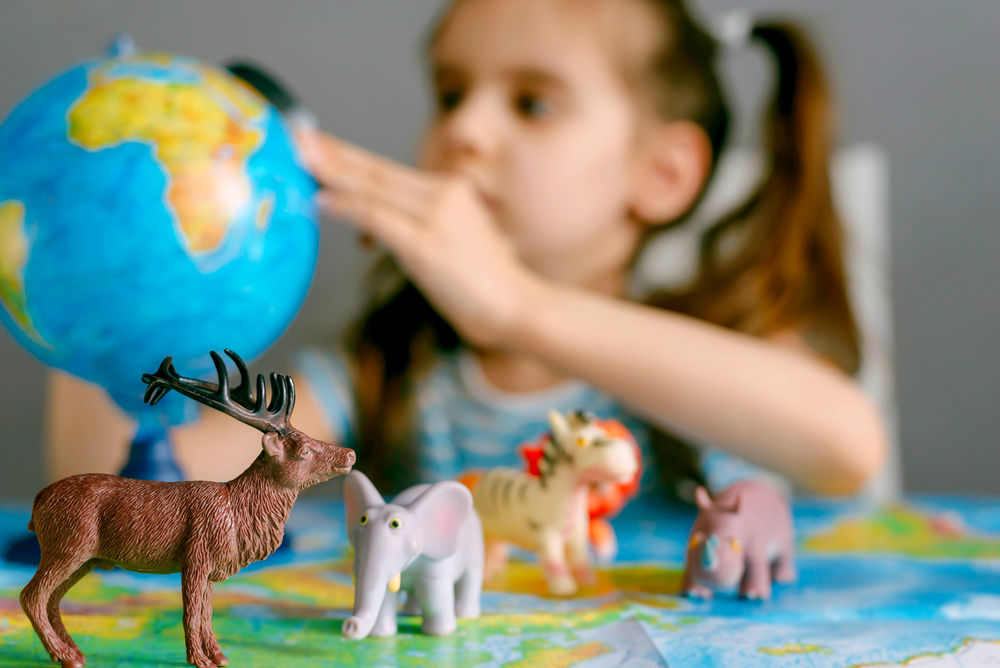




Parents and teachers should prioritize geography for children ages 3-7 because it lays the foundation for spatial awareness, cultural understanding, and global citizenship. Early exposure to geography helps children develop a sense of place, enabling them to understand their environment and their role within it. By learning about different cultures, landscapes, and communities, children cultivate curiosity and empathy for others, which is essential in today’s interconnected world.
Geography also fosters critical thinking skills. Young learners can engage in hands-on activities, such as map-reading or exploring local neighborhoods, which enhance their observational skills. These activities encourage questions about “where” and “why,” inspiring children to think critically about their surroundings.
Moreover, understanding geography supports literacy and math skills. Learning about maps, locations, and directions involves vocabulary expansion and measurement concepts. Interactive experiences with geography are playful and engaging, making learning enjoyable.
Ultimately, teaching geography at an early age paints a broader picture of the world, allowing children to appreciate diversity and nurturing informed global citizens who are aware of and ready to engage with real-world issues. Investing in geography education at this stage is an investment in their cognitive and social development.