Geography Worksheets for Ages 4-7 - Page 3
51 filtered results
-
From - To
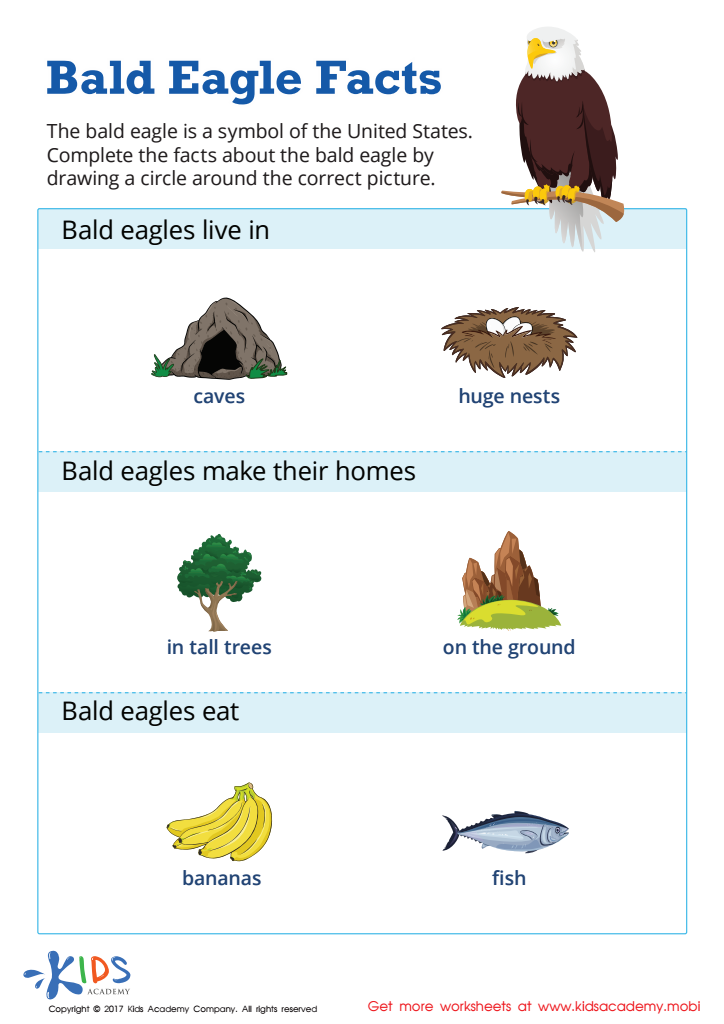
Bald Eagle Facts Worksheet
 Assign to My Students
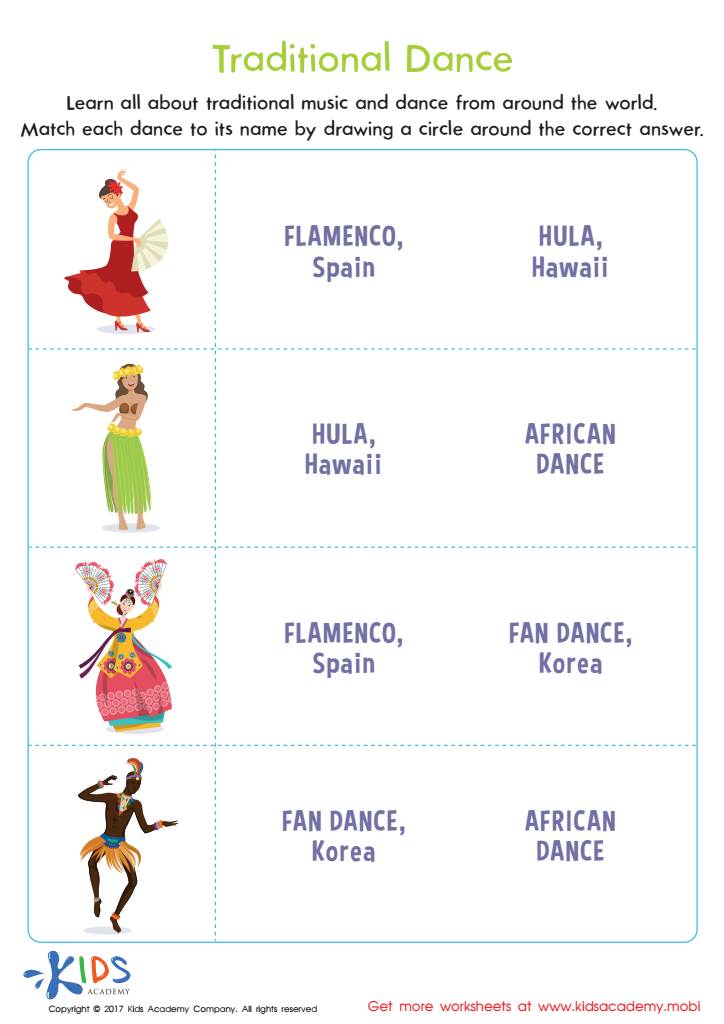
Traditional Dance Printable
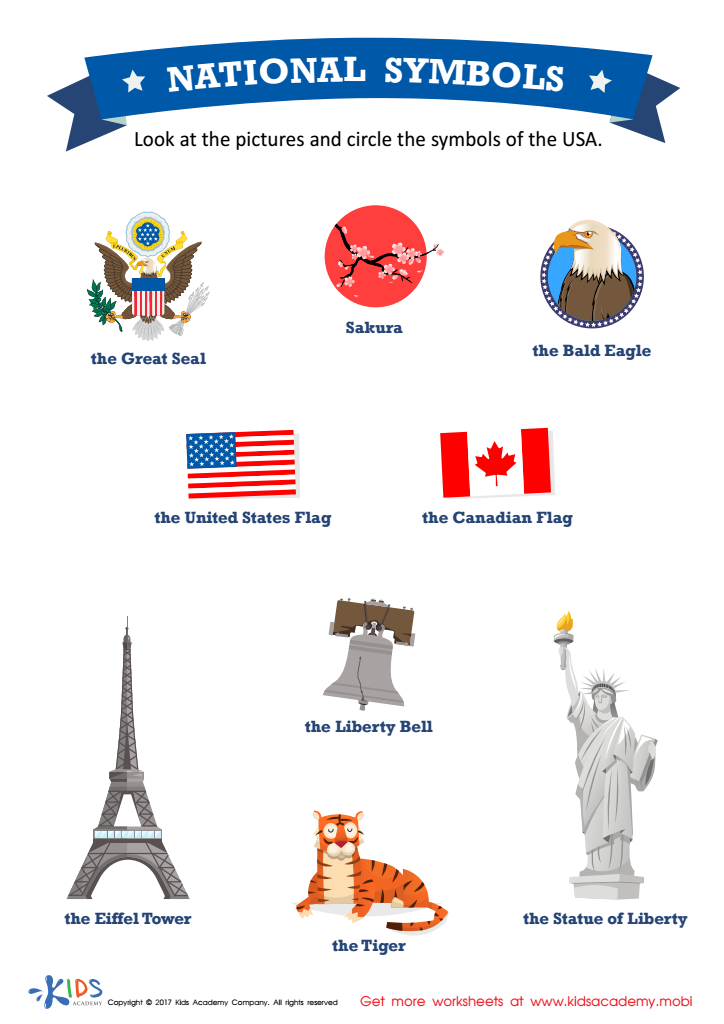



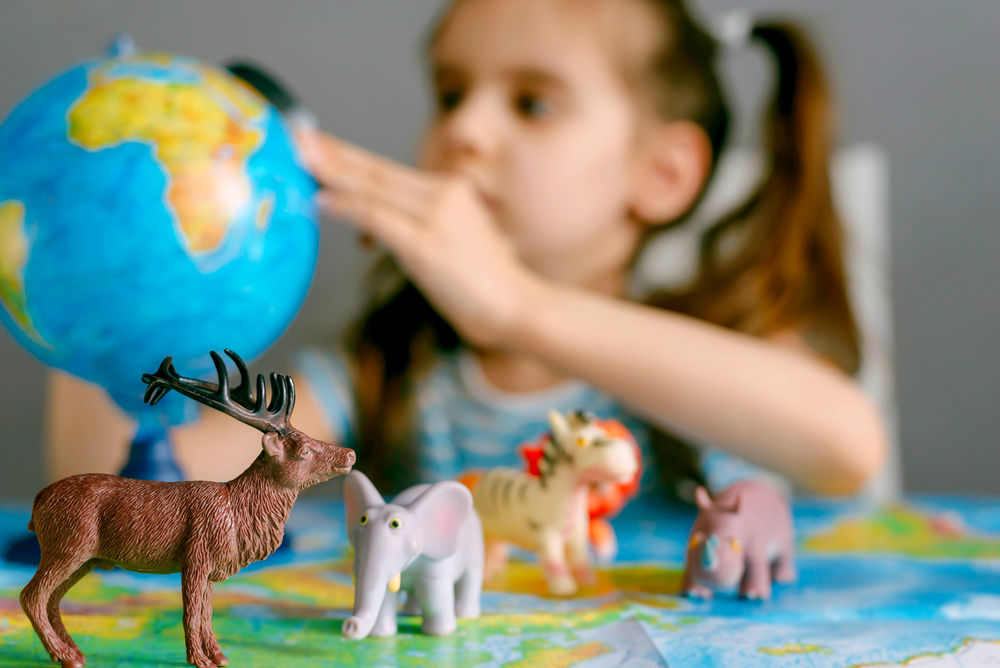



Understanding geography is vital for children aged 4-7 as it lays the foundation for their knowledge of the world around them. At this young age, children are naturally curious about their environment, and geography taps into that curiosity, helping them make sense of their immediate surroundings and the broader world.
Engaging with geography promotes critical thinking, as children begin to learn about different places, cultures, and the significance of maps. It nurtures emotional connections to spatial knowledge, encouraging empathy for diverse communities and awareness of global issues, fostering future responsible citizens.
Additionally, geography enhances various skills in young learners. Activities such as exploring local landmarks, discussing different climates, or identifying continents can improve literacy, numeracy, and observational skills. These experiences not only enrich their cognitive development but also help them develop problem-solving abilities.
Finally, knowledge of geography helps children gain a sense of identity and belonging. It empowers them to understand their place in the world, making them more aware of their impact on the environment and others. Therefore, parents and teachers should prioritize geography to cultivate informed, compassionate, and globally-minded individuals from an early age.








