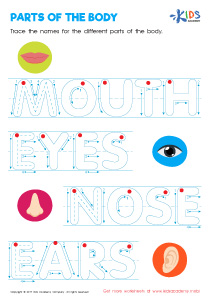
World Around Us Worksheets for Ages 4-7 - Page 5
101 filtered results
-
From - To
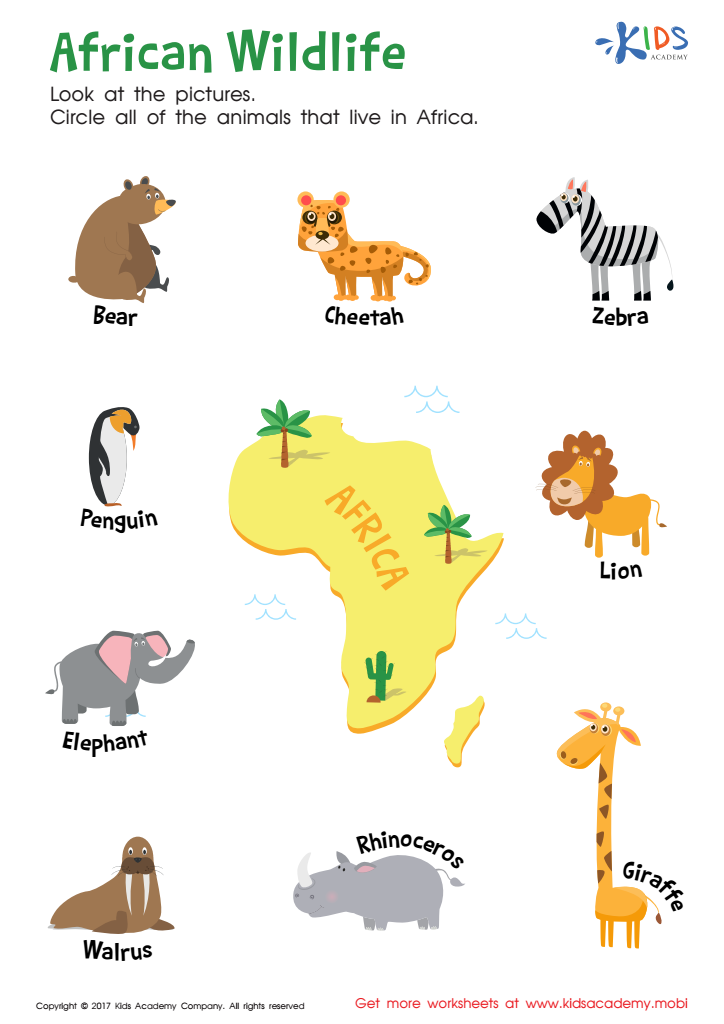
 Assign to My Students
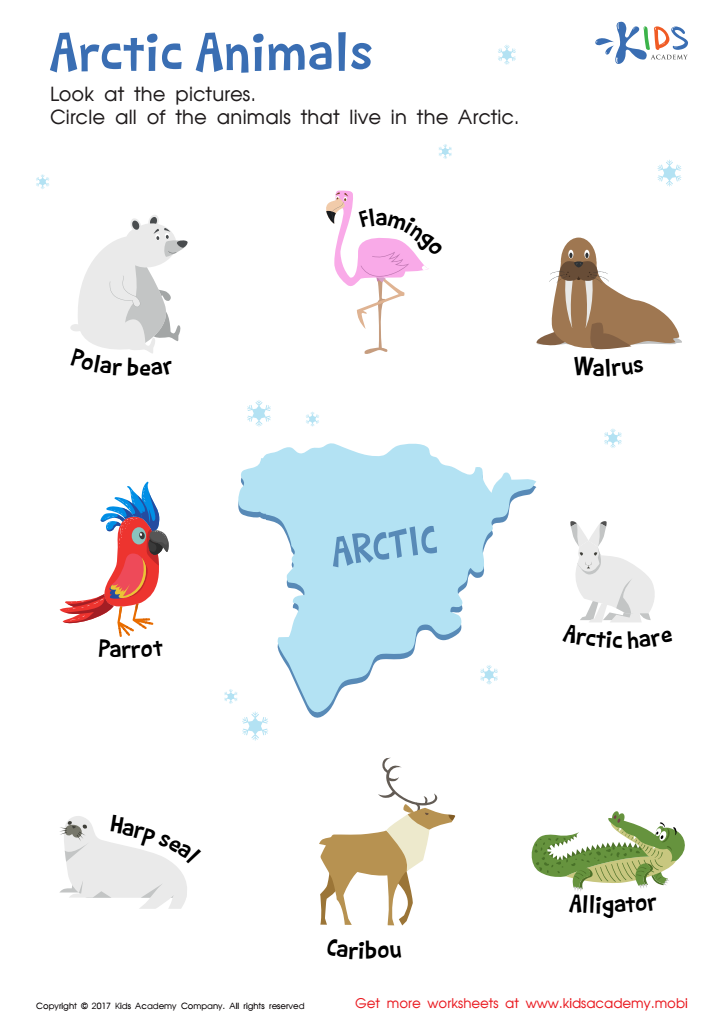
Arctic Animals Worksheet
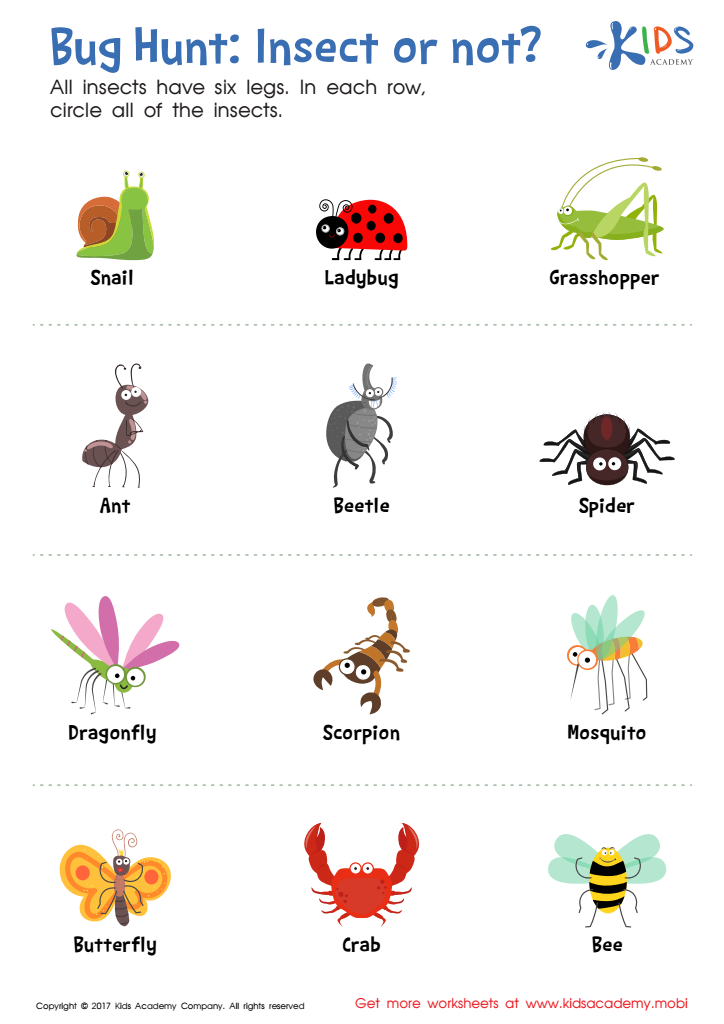
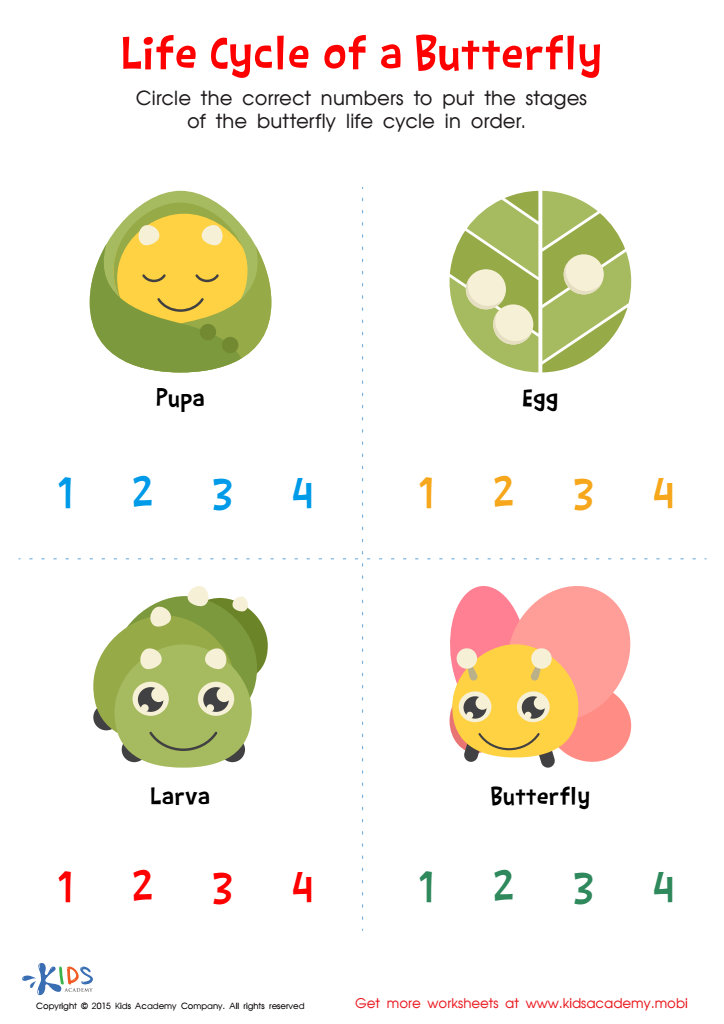
Life Cycle of Butterfly Printable



.jpg)
.jpg)


Parents and teachers should prioritize the "World Around Us" for children ages 4-7 because early learning about their environment fosters curiosity and a sense of connection to the world. At this stage, children are naturally inquisitive, and exploring topics related to the world encourages observation and the development of critical thinking skills. Learning about nature, community, weather, and cultures enhances their understanding and appreciation of diversity, helping to build empathy and respect for others.
Moreover, exploring the "World Around Us" promotes vocabulary development and language skills. As children describe their surroundings and experiences, they expand their language and communication abilities, vital for their academic growth. This approach also supports social skills, as children engage in discussions and collaborations with peers to share their thoughts and findings.
Finally, fostering an appreciation for the environment instills a sense of responsibility toward nature and sustainability. Educating young learners about ecosystems and the importance of conservation empowers them to act as stewards of the planet. Overall, an early focus on the "World Around Us" equips children with essential knowledge and skills that lay the foundation for lifelong learning and responsible citizenship.