Community Worksheets for Ages 4-7 - Page 2
30 filtered results
-
From - To
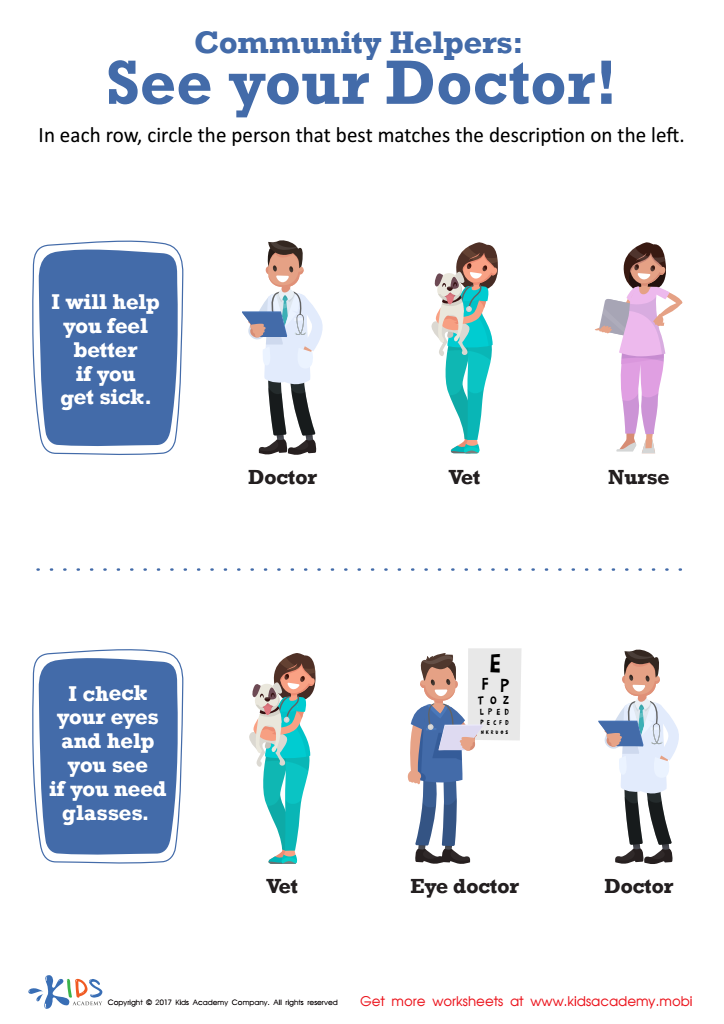
See Your Doctor (Part 1) Printable
 Assign to My Students

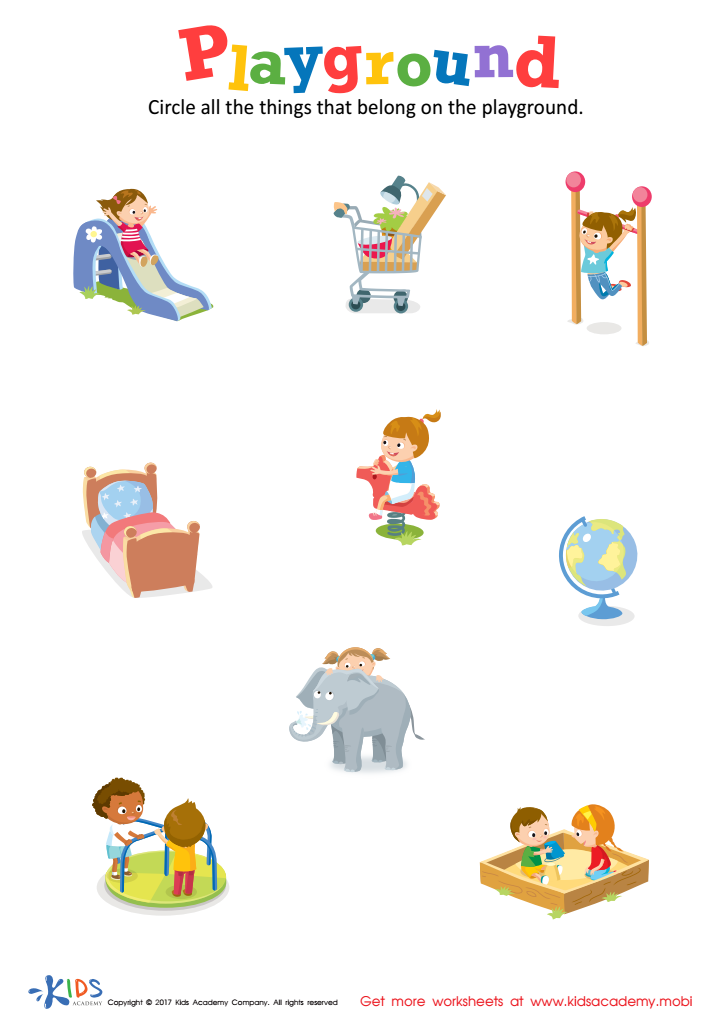
Playground Worksheet

Grocery Store Worksheet
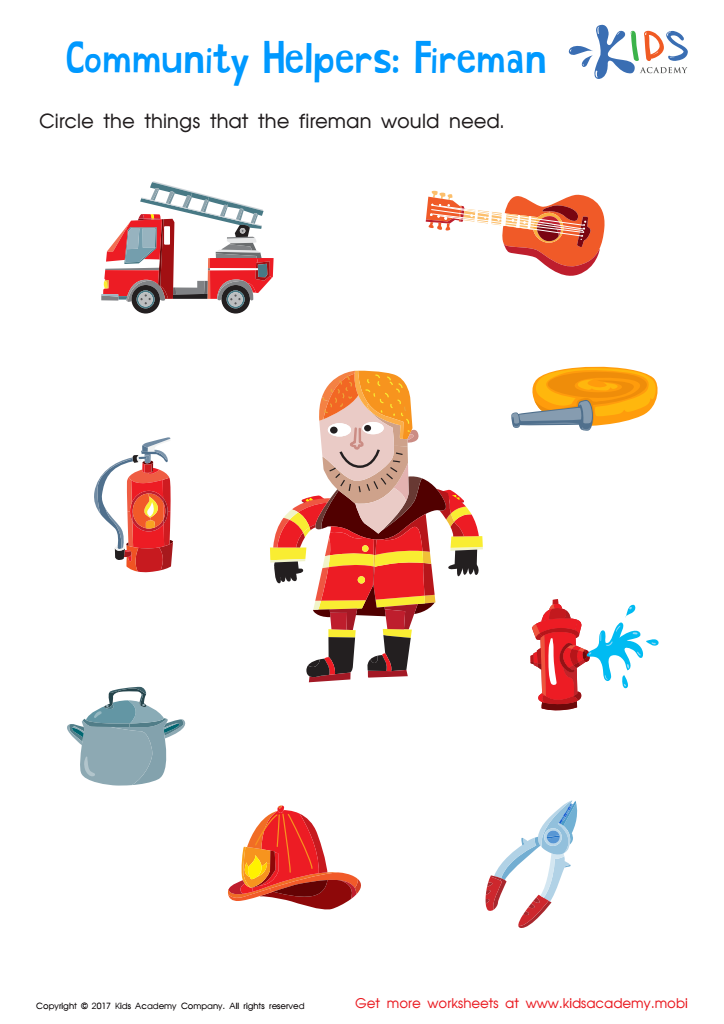
Fireman Worksheet
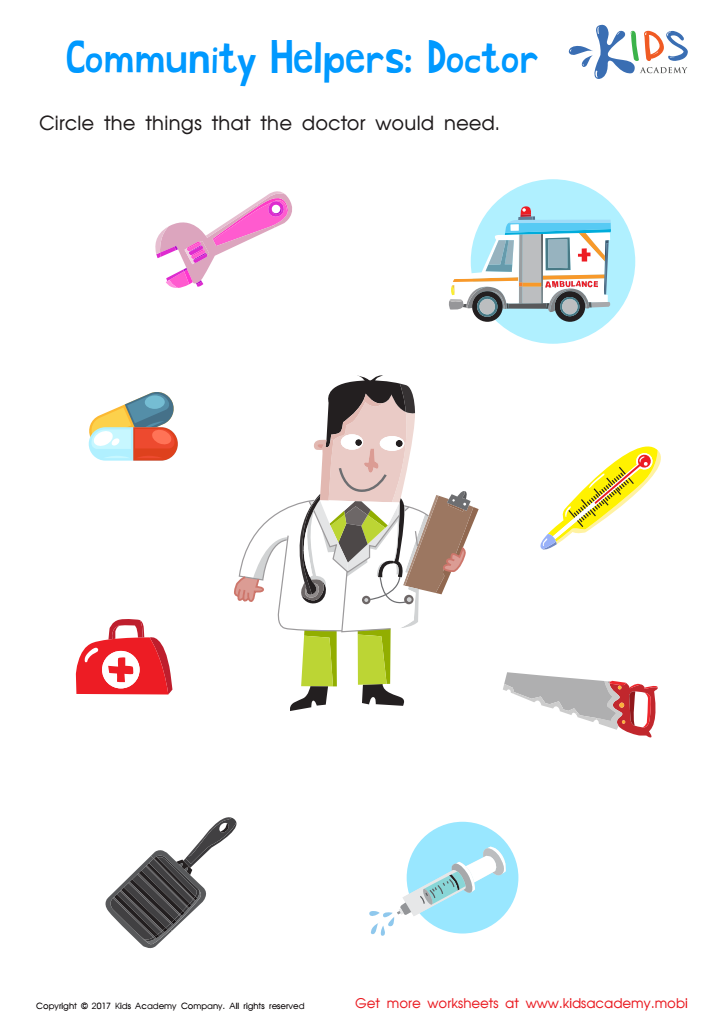








Community is fundamental for the development of children aged 4-7 because it nurtures their social, emotional, and cognitive growth. During these early years, children start to explore social relationships beyond their immediate family. Being part of a community offers them a sense of belonging and helps them learn essential social skills—like cooperation, empathy, and communication—through interactions with peers and adults.
For parents and teachers, focusing on community means creating environments where children feel safe and included. It teaches children about shared values, respect for others, and the importance of contributing to a group. These lessons lay the groundwork for good citizenship and social responsibility later in life.
At this stage, children's brains are incredibly receptive, and positive community experiences can shape their attitudes and behaviors. These experiences can boost their self-esteem and provide a support system that encourages exploration and learning. A strong community act as an extended family, offering various perspectives and role models for children.
In academic settings, community-oriented activities enhance learning by fostering collaboration and a positive atmosphere, which makes learning enjoyable and effective. Therefore, investing time and effort into building a vibrant community can have long-lasting benefits on a child's social and intellectual development.