Letter U Worksheets for Ages 4-8
5 filtered results
-
From - To
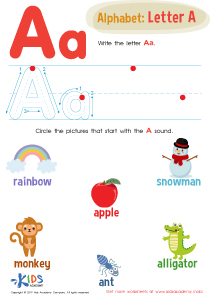
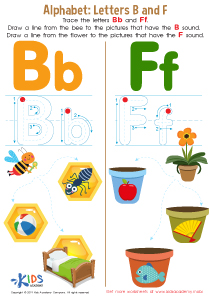
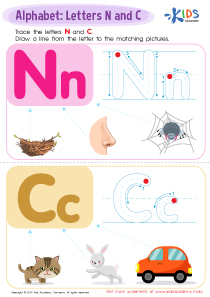
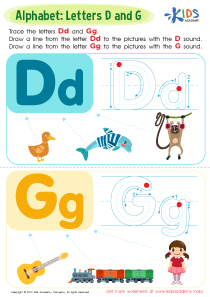
Discover our engaging "Letter U Worksheets for Ages 4-8," designed to enhance early literacy skills in young learners. These fun, interactive worksheets incorporate a variety of activities, including tracing, letter recognition, and sound identification, making learning the letter U enjoyable and effective. Perfect for preschool through second grade, our resources help children master the uppercase and lowercase forms of the letter while developing important fine motor skills. Captivating illustrations and age-appropriate tasks ensure a delightful learning experience. Explore our collection today to support your child's journey to reading proficiency and foster a love for learning through exciting activities!
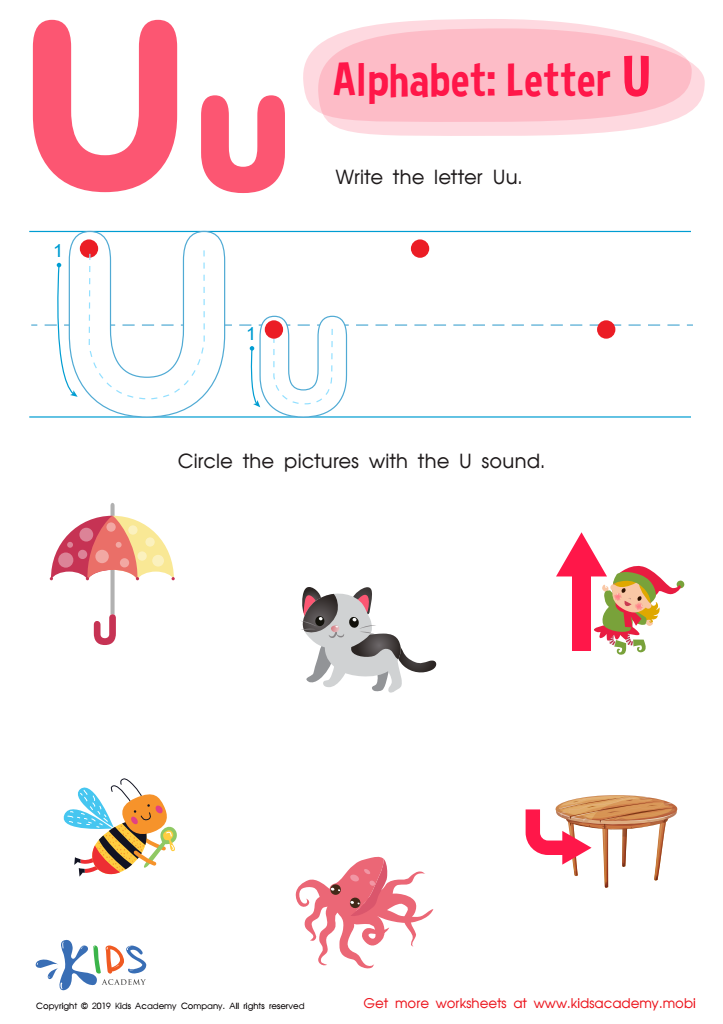
Letter U Tracing Worksheet
 Assign to My Students
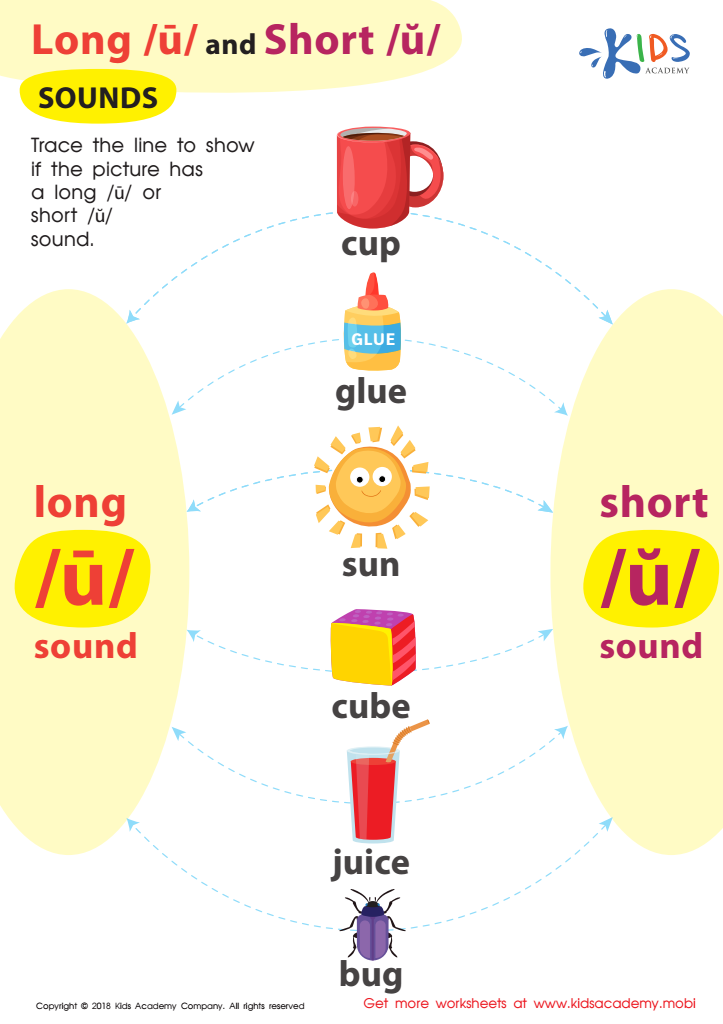
Reading: Long U and Short U Sounds Worksheet
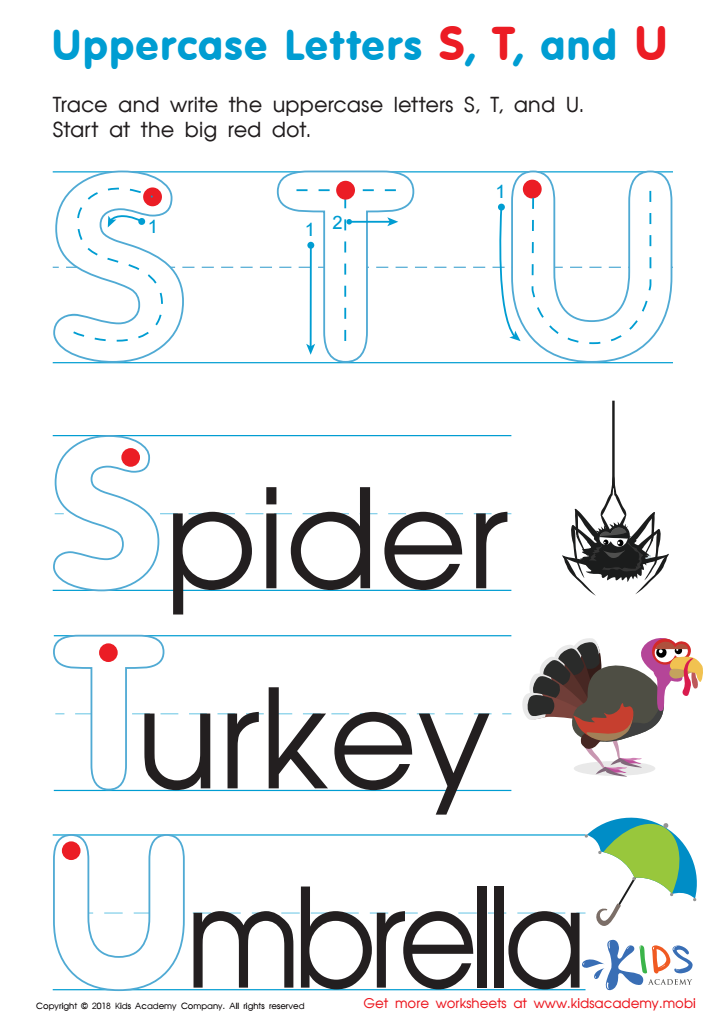
Uppercase Letters S, T, and U Worksheet
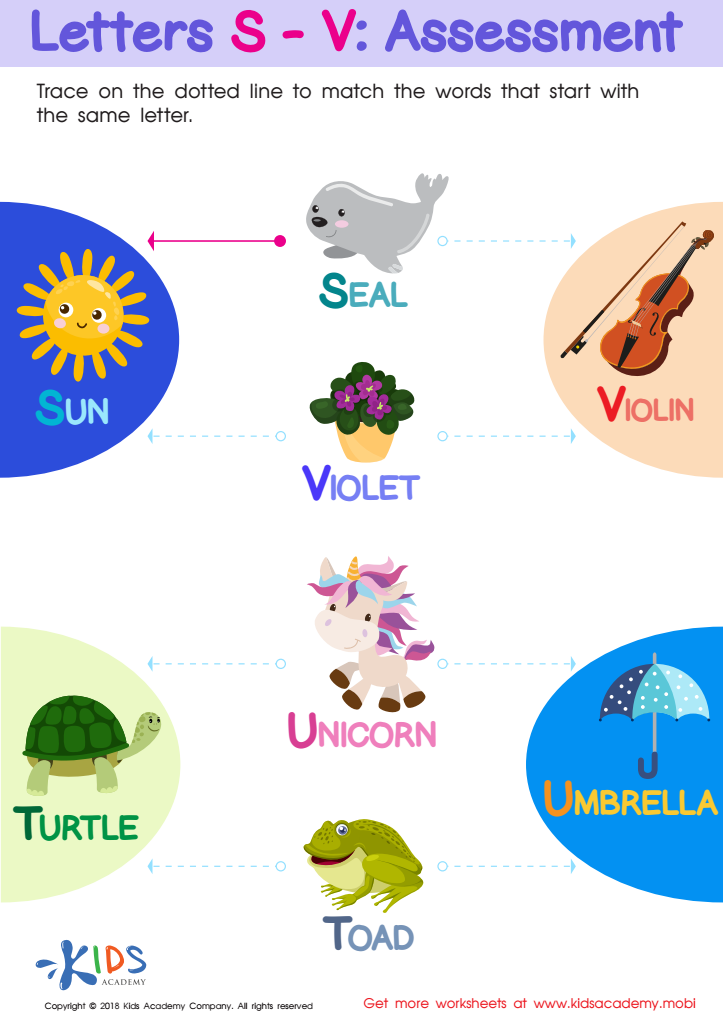
Letters S - V Tracing Worksheet
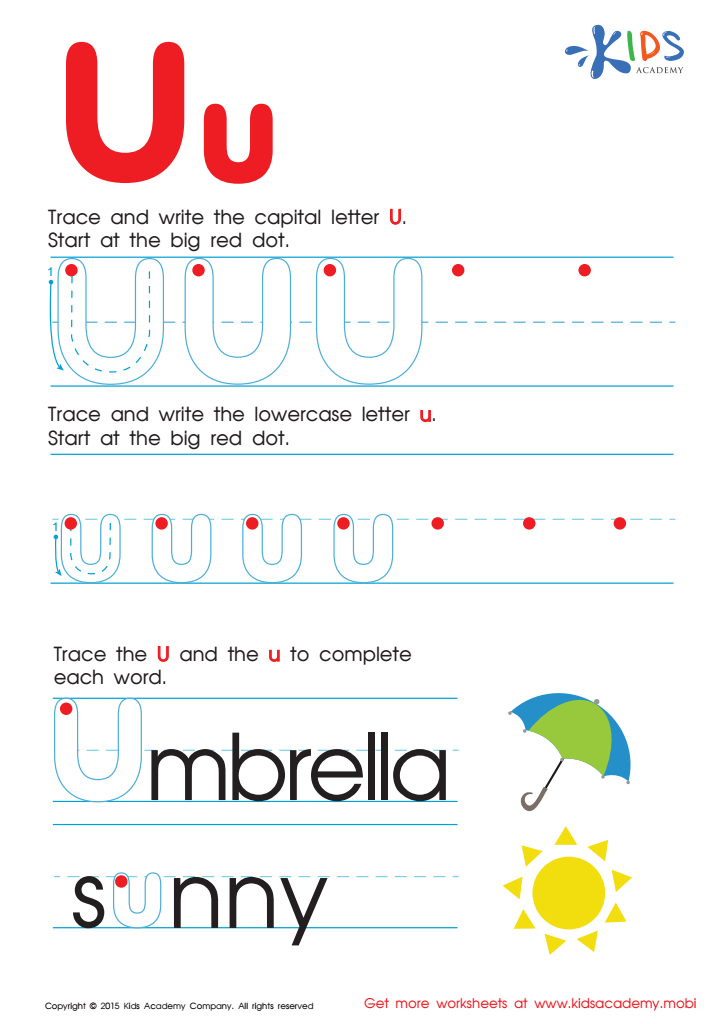
Letter U Tracing Page





Teaching the letter "U" is crucial for children aged 4-8 as it forms a foundation for their reading and writing skills. At this age, children are beginning to connect letters with the sounds they make, and "U" introduces them to the familiar vowel sounds essential for language development. Understanding "U" aids in recognizing and pronouncing words, boosting both phonetic awareness and vocabulary.
Additionally, "U" is prevalent in many common words such as "up," "under," and "umbrella," which provides children a context for understanding both written and spoken language. Discovering words that begin with "U" and practicing its writing can stimulate curiosity and support alphabet recognition, making learning engaging and enjoyable.
Moreover, learning "U" can foster creativity through activities like storytelling, where children can invent tales that include "U" words, helping them express themselves with language.
Ultimately, parents and teachers should prioritize the learning of the letter "U" as it not only supports literacy skills but also contributes to broader cognitive and social development, allowing children to become confident communicators early on.