Phonics Worksheets for Ages 4-8 - Page 11
242 filtered results
-
From - To
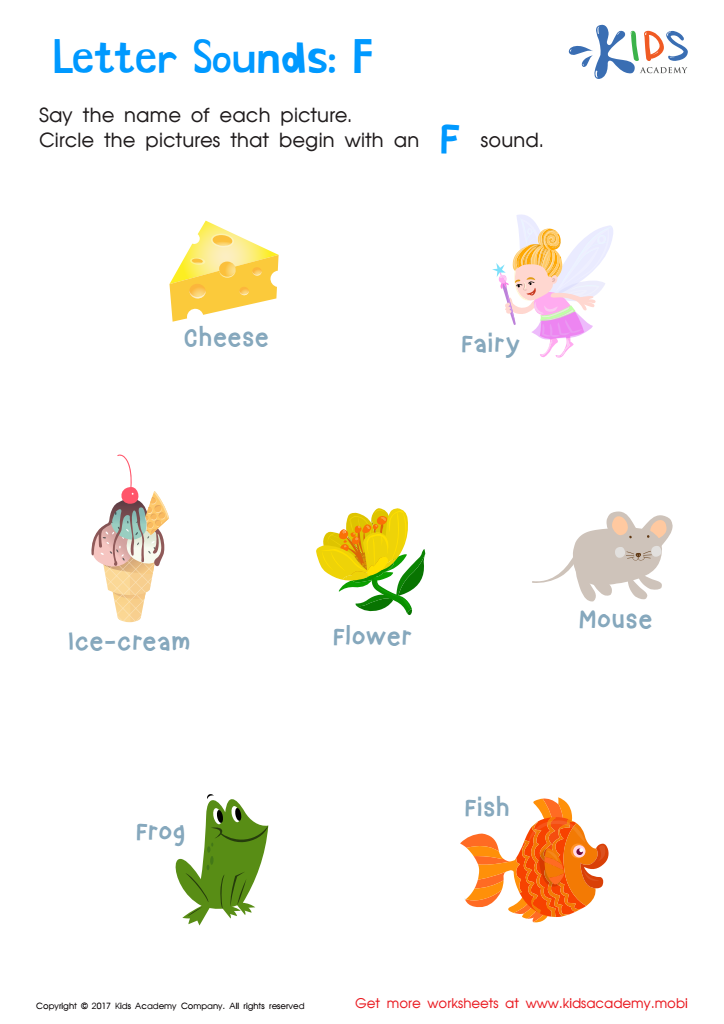
Letter F Sounds Worksheet
 Assign to My Students
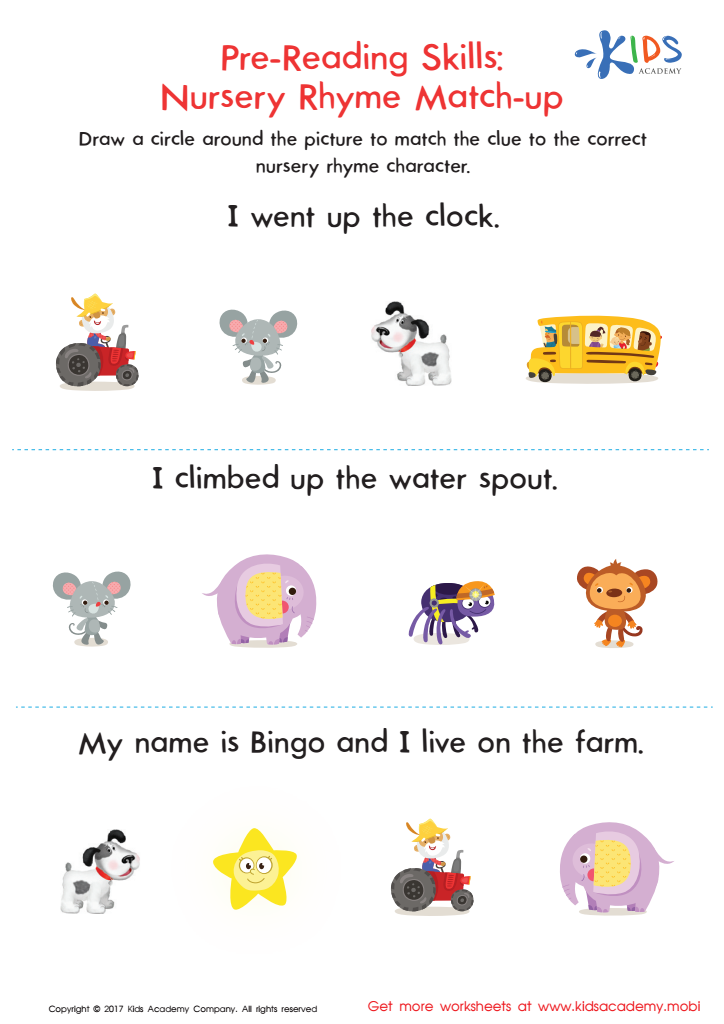
Nursery Rhyme Match–Up Worksheet








Phonics is fundamentally important for children aged 4 to 8 as it serves as the building block for literacy development. During these formative years, children learn to connect sounds (phonemes) with letters (graphemes), enabling them to decode and read words independently. This skill not only fosters reading fluency but also enhances comprehension, paving the way for lifelong learning.
Parents and teachers should prioritize phonics instruction because it lays the groundwork for future academic success. Mastering phonics equips children with the tools to tackle increasingly complex texts and subjects in later grades. Additionally, children who struggle with phonics may risk falling behind in reading, leading to gaps in their education that can have long-lasting effects.
Moreover, engaging in phonics activities can be a fun way for parents to bond with their children, making learning enjoyable. When teachers consistently apply phonics strategies in the classroom, they create an interactive environment that supports diverse learning styles, nurturing a love for reading.
Ultimately, fostering phonics skills at an early age empowers children, boosting their confidence and encouraging curiosity in the world around them. By prioritizing phonics, parents and teachers play a crucial role in shaping strong, competent readers for the future.







