Fine Motor Skills Upper & Lowercase Letters Worksheets for Ages 4-8
22 filtered results
-
From - To
Enhance your child's fine motor skills with our Upper & Lowercase Letters Worksheets, designed specifically for ages 4-8. These engaging, educational worksheets help children develop essential handwriting abilities while learning to identify and write both uppercase and lowercase letters. Each activity encourages proper pencil grip and control to boost dexterity and coordination, setting your child on the path to academic success. Perfect for home or classroom use, these worksheets make learning an enjoyable and effective experience. Visit Kids Academy to explore our comprehensive selection and give your child the tools they need for confident, clear handwriting.
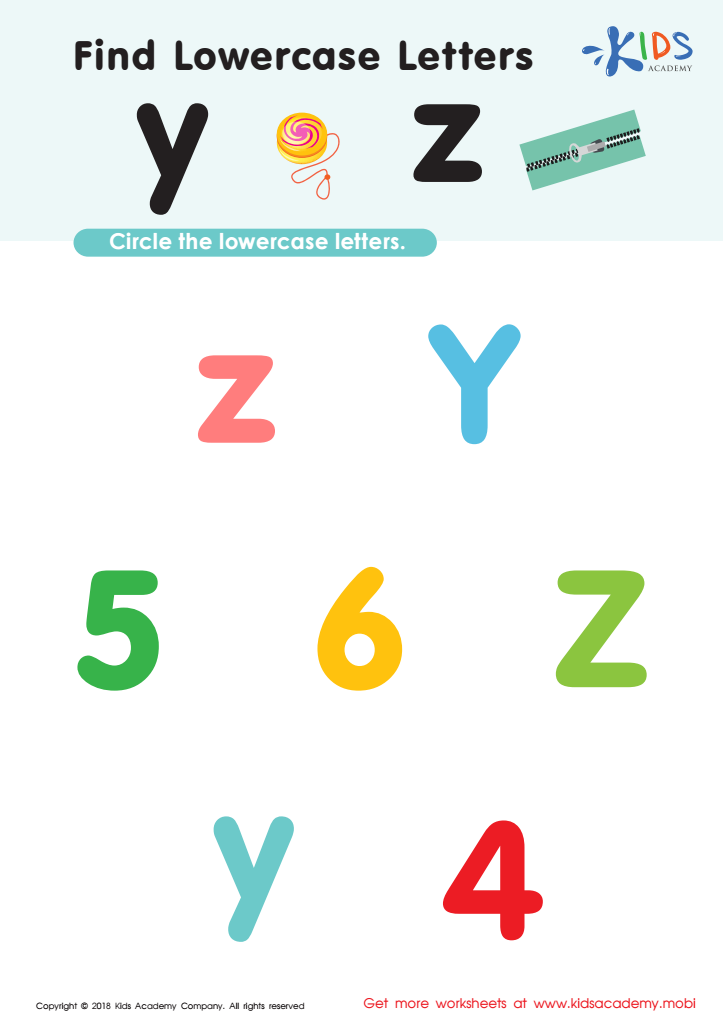
Find Lowercase Letters y z Worksheet
 Assign to My Students





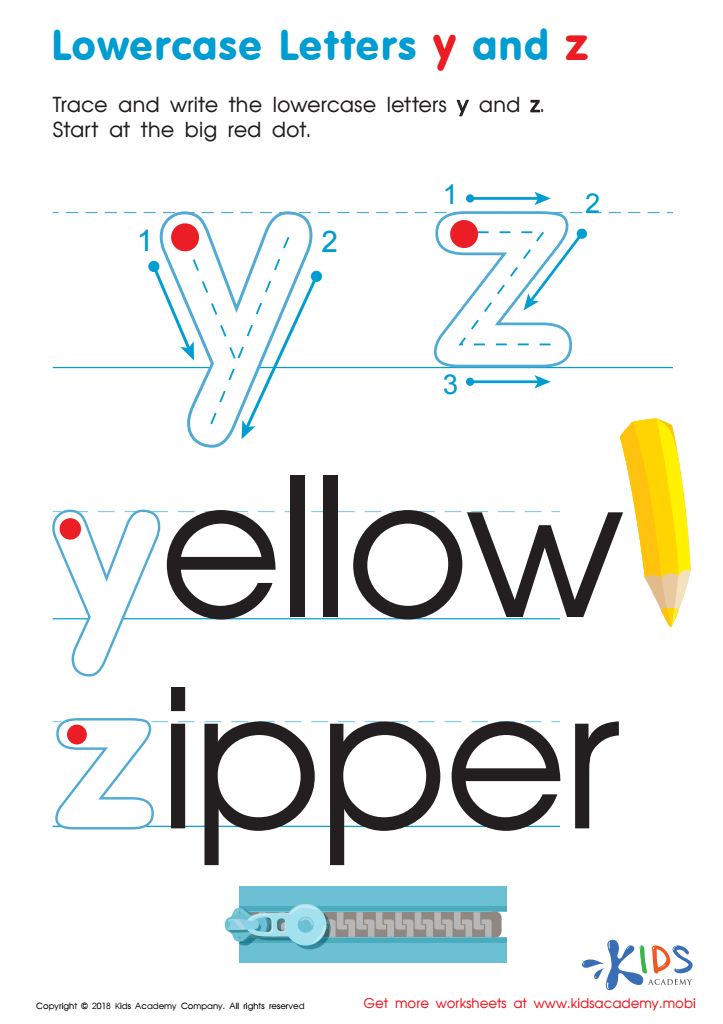
Lowercase Letters y z Worksheet
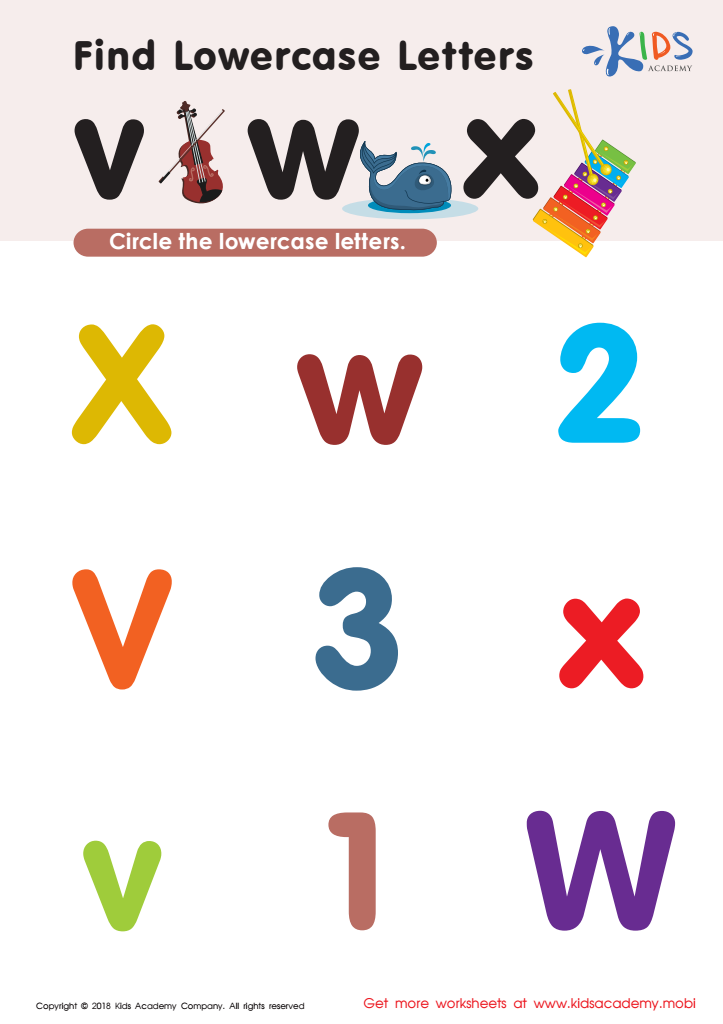
Find Lowercase Letters v w x Worksheet
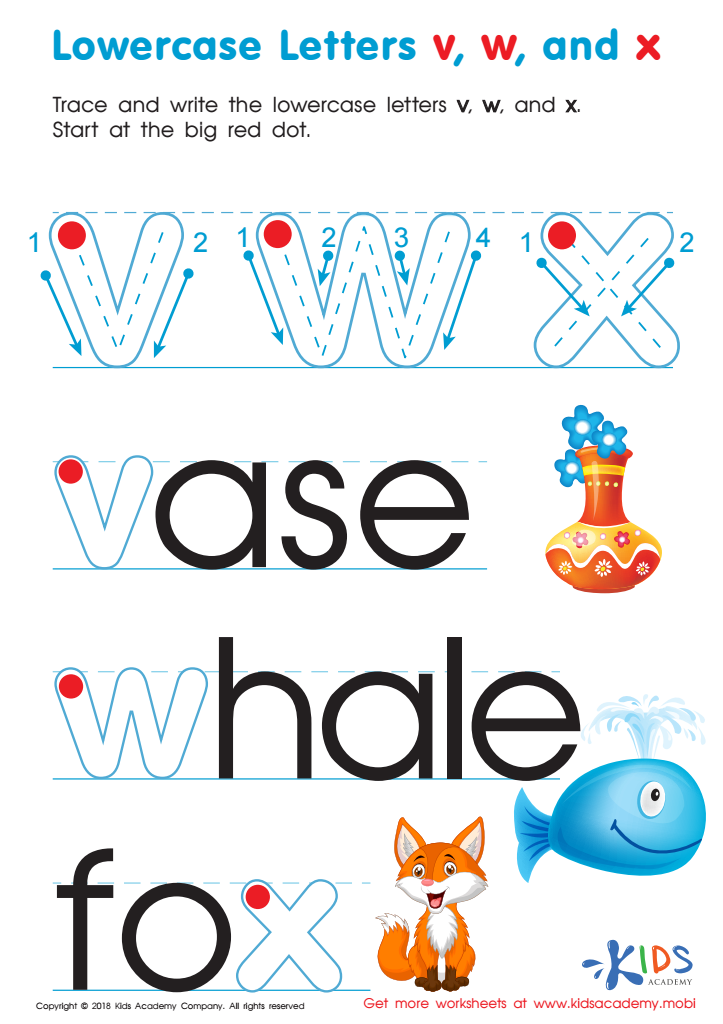
Lowercase Letters v w x Worksheet
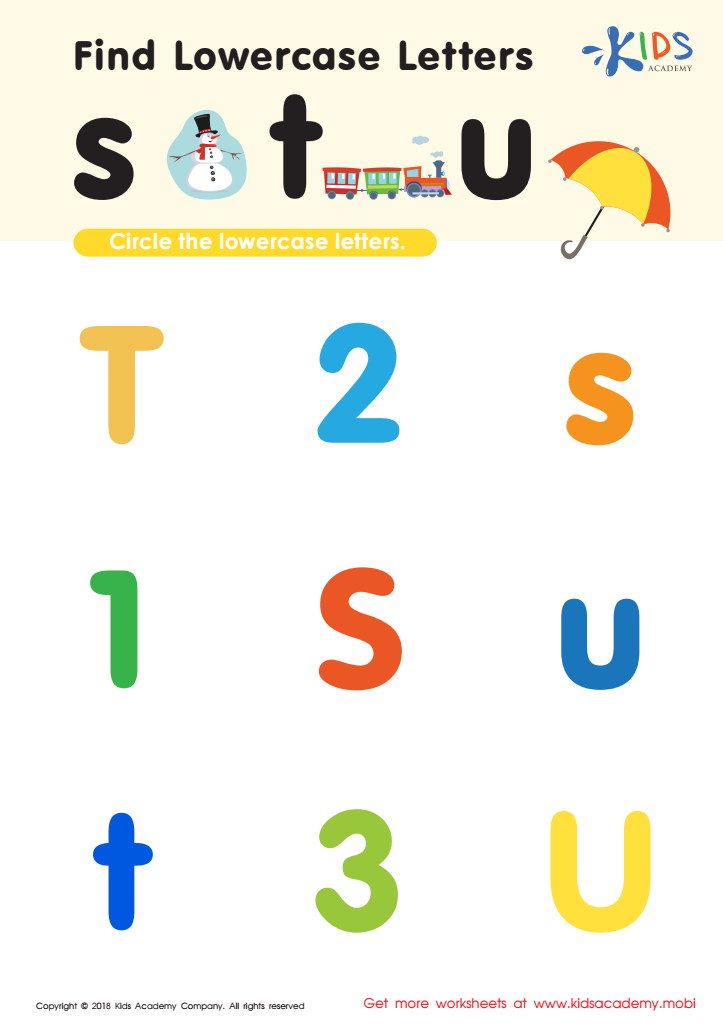
Find lowercase Letters s t u Worksheet
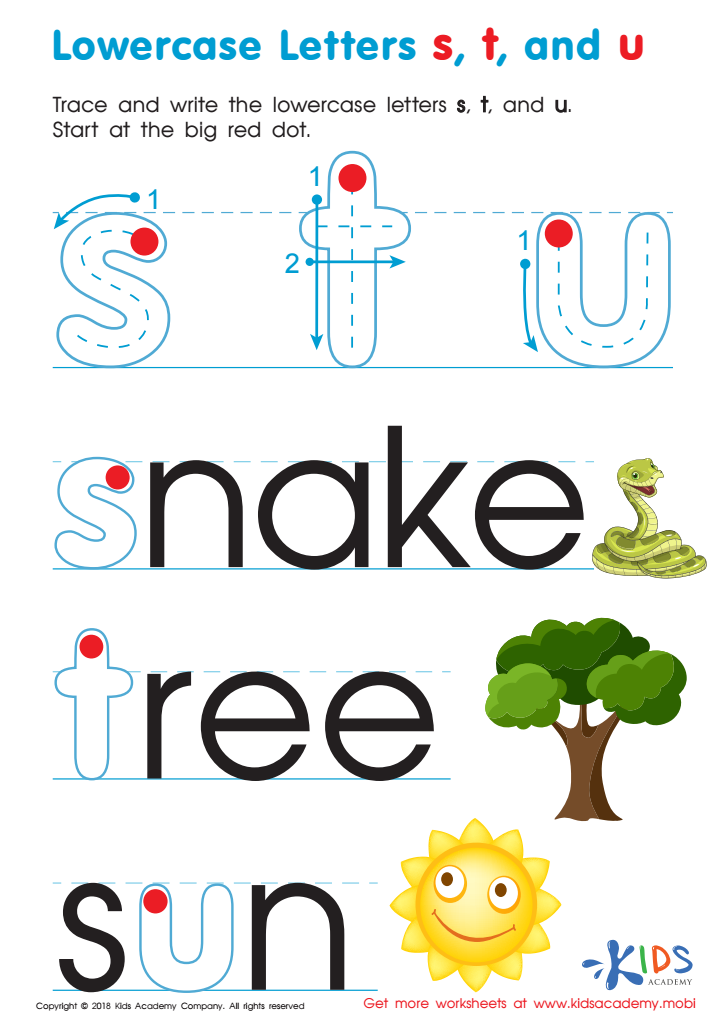
Lowercase Letters s t u Worksheet
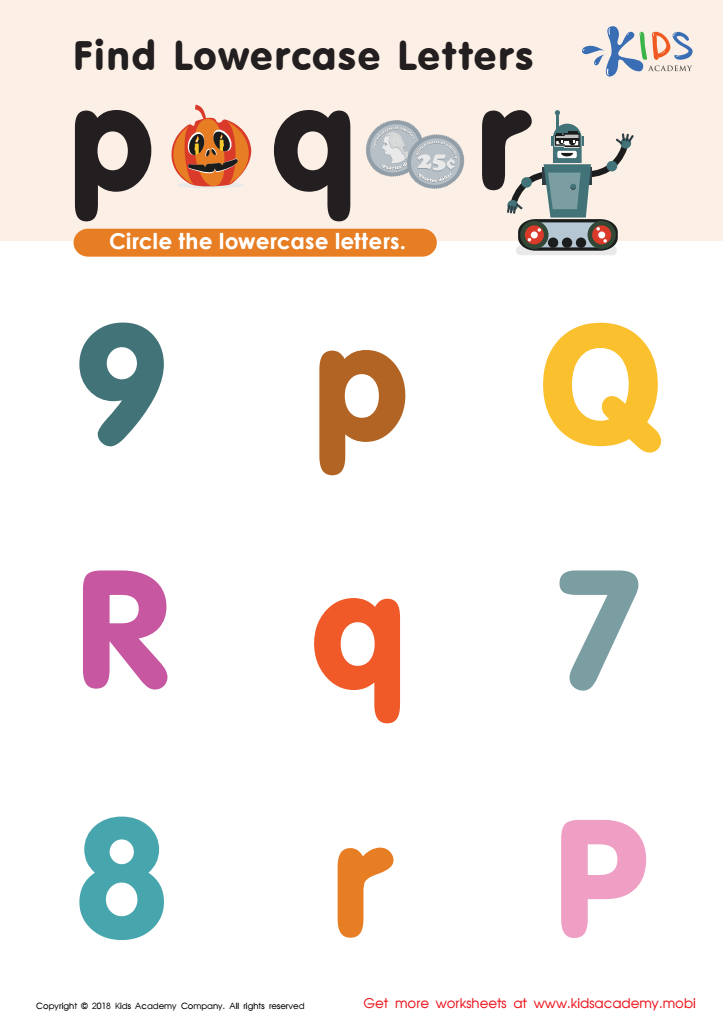
Find lowercase Letters p q r Worksheet
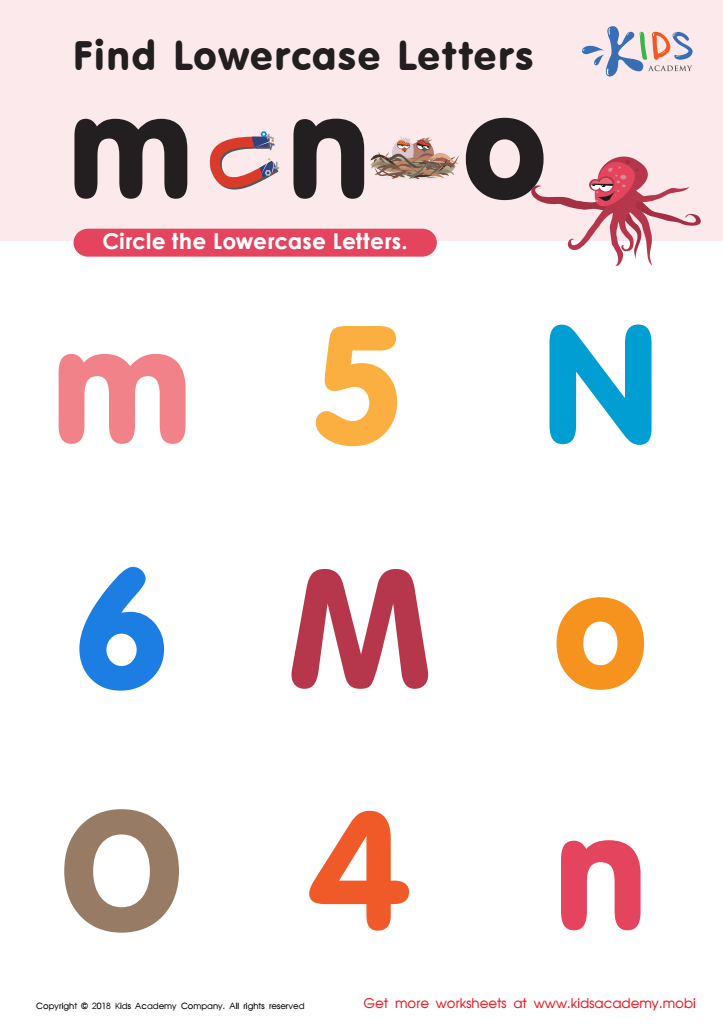
Find Lowercase Letters m n o Worksheet
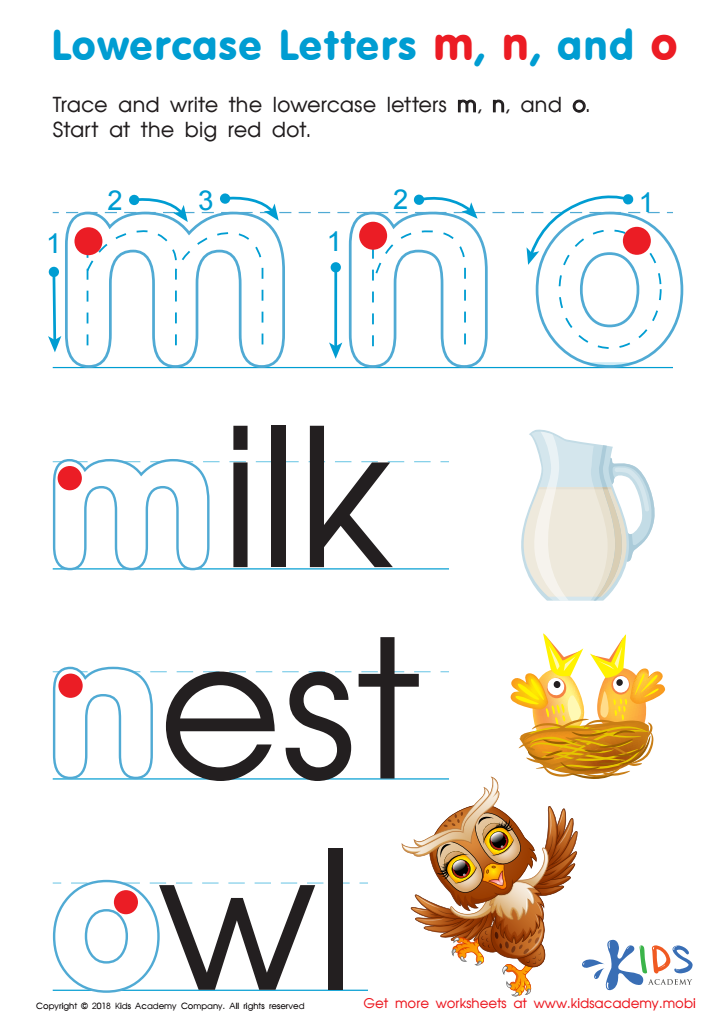
Lowercase Letters m n o Worksheet

Lowercase Letters j k l Worksheet
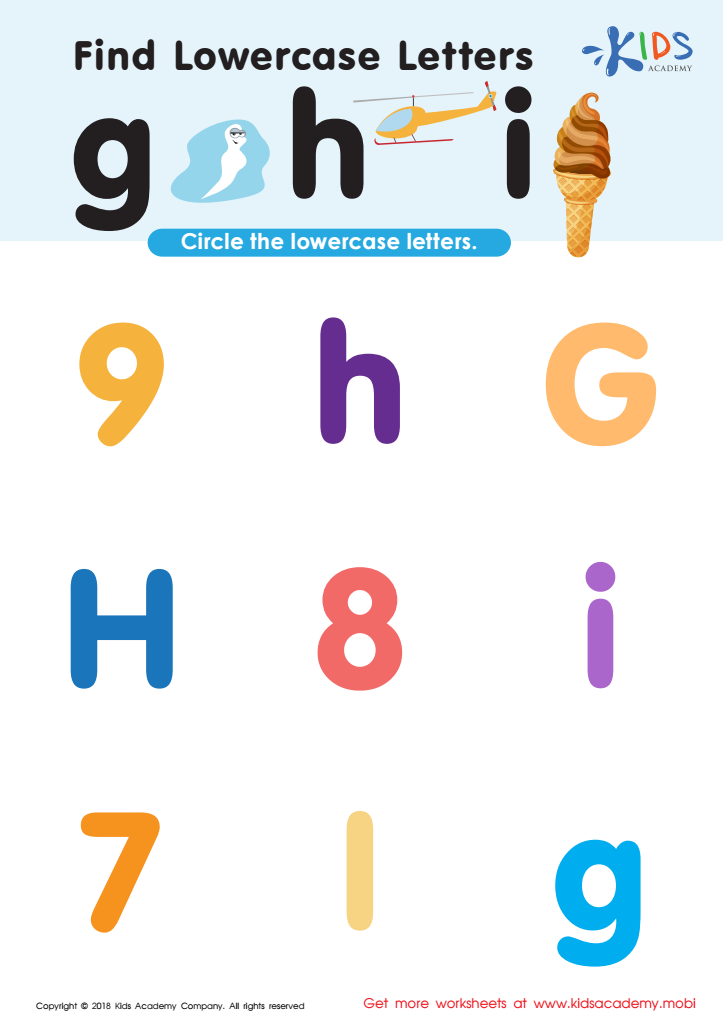
Find Lowercase Letters g h i Worksheet
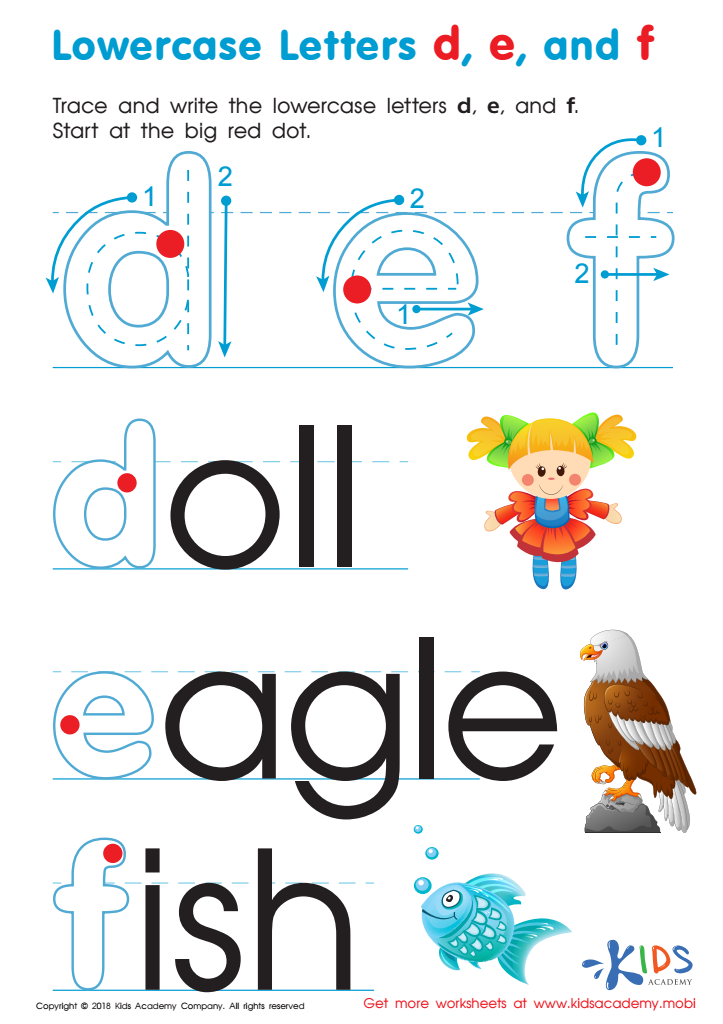
Lowercase Letters d e f Worksheet
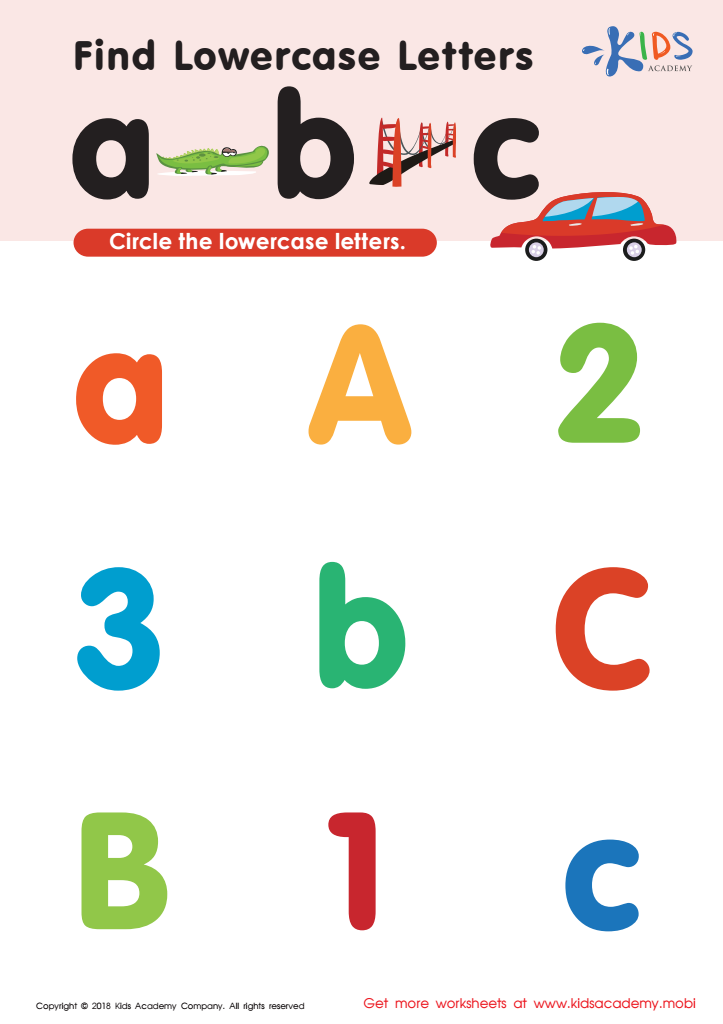
Find lowercase letters a b c Worksheet
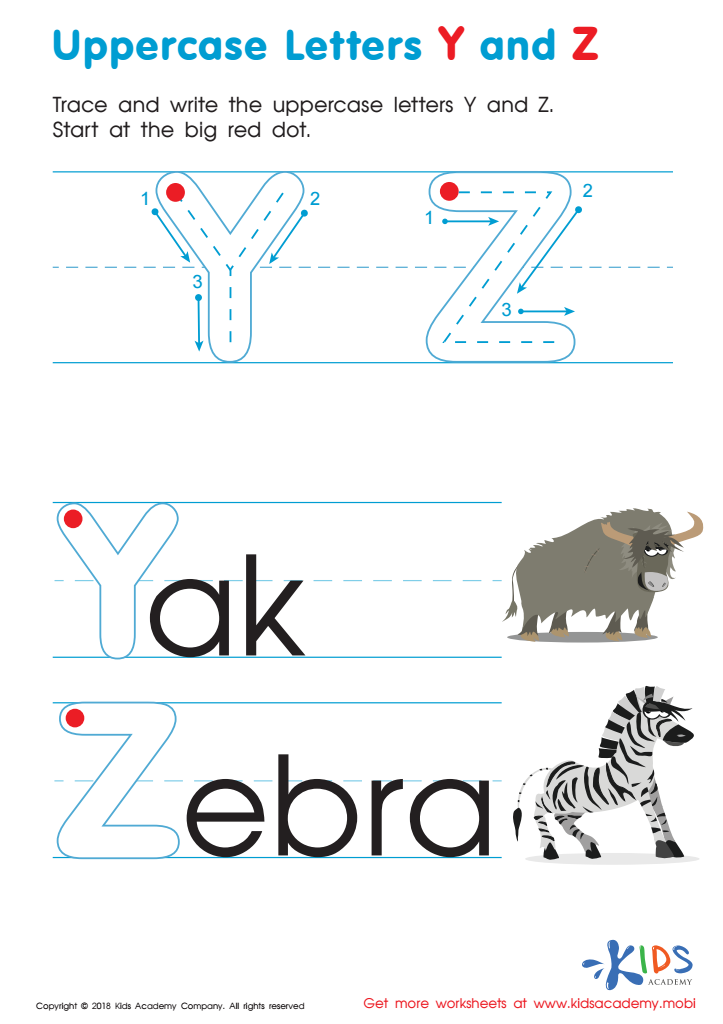
Uppercase Letters Y Z Worksheet
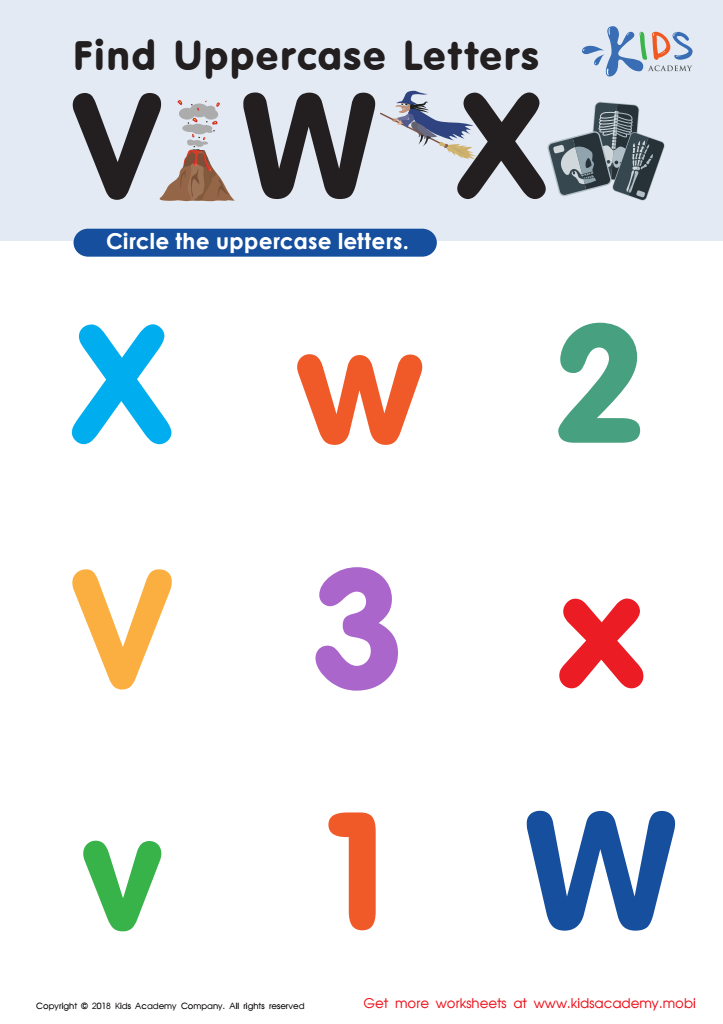
Find Uppercase Letters V, W, X Worksheet
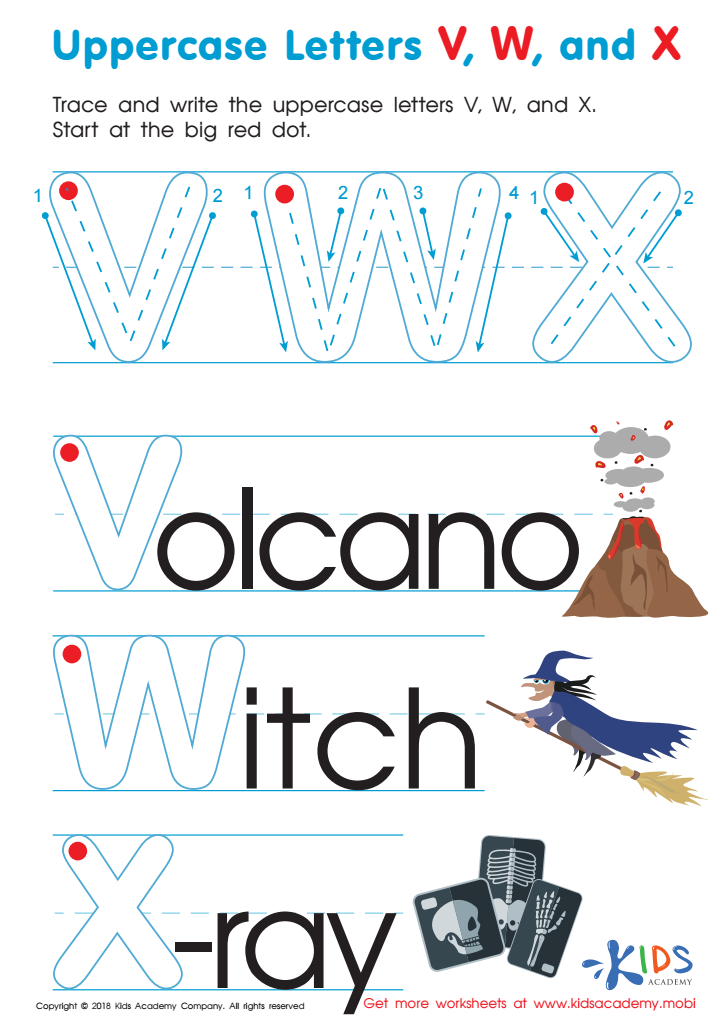
Uppercase Letters V, W, and X Worksheet
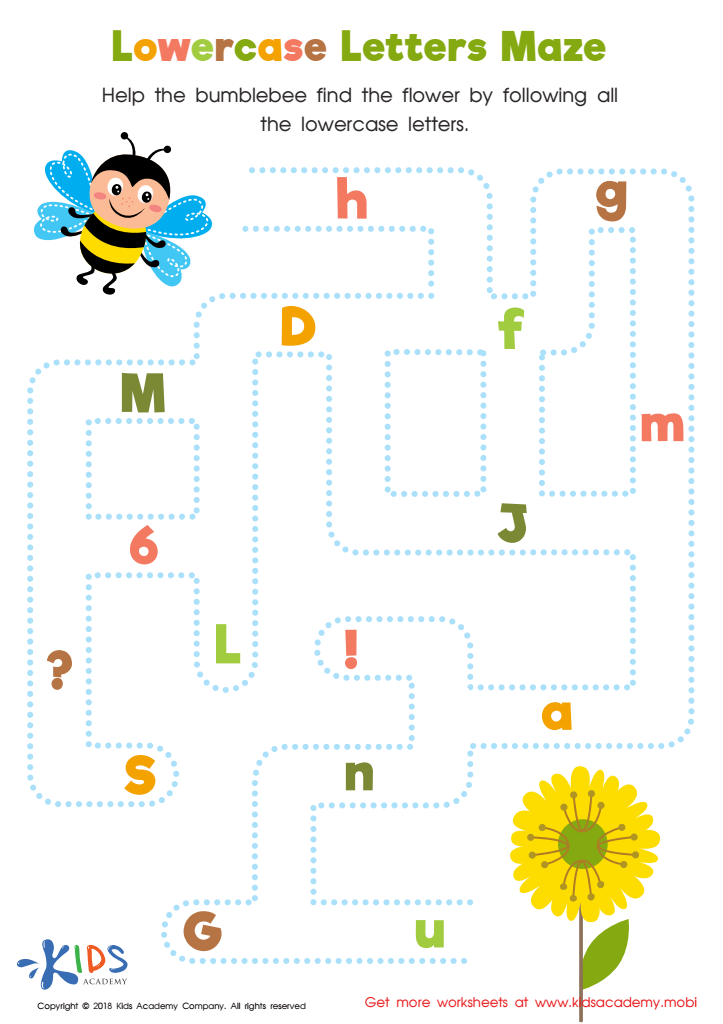
Lowercase Letters Maze Worksheet
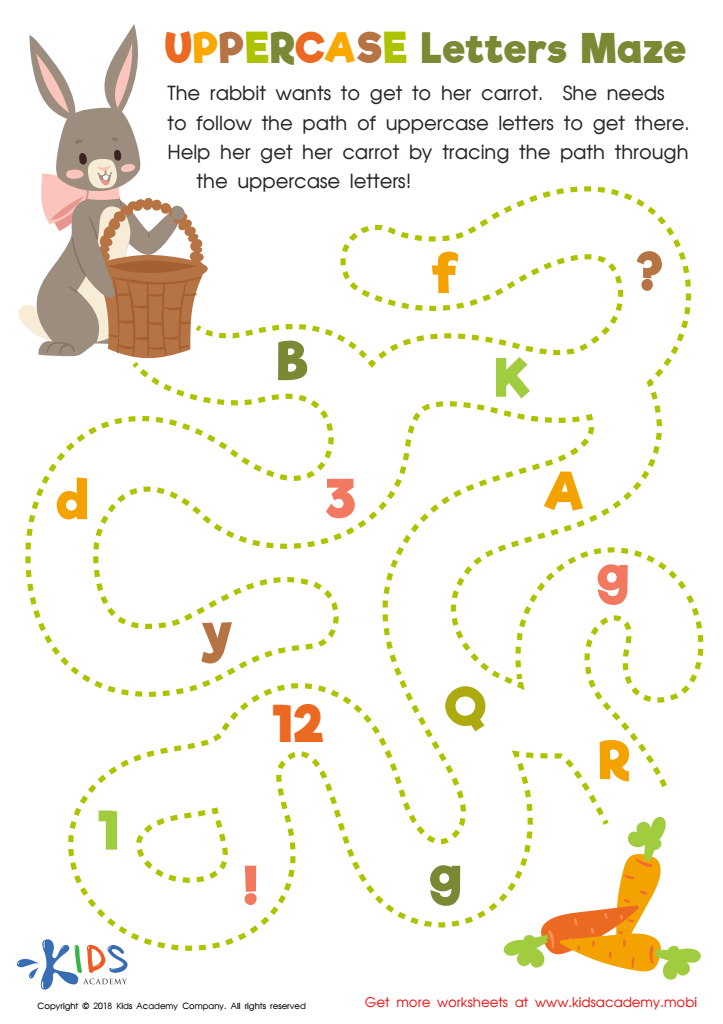
Uppercase Letters Maze Worksheet
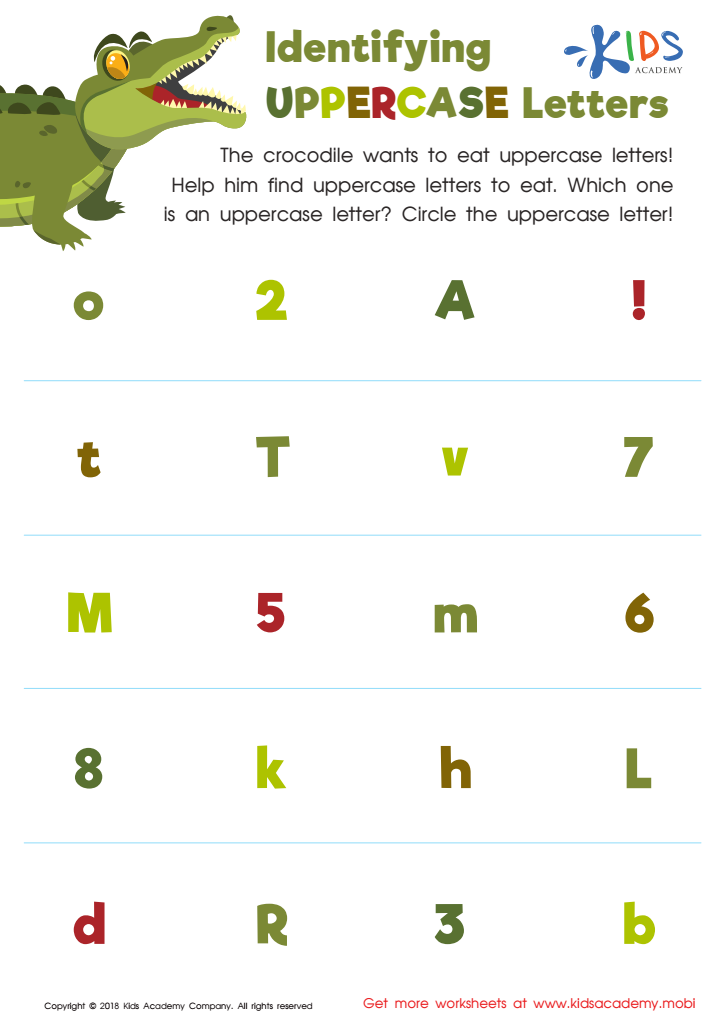
Identifying Uppercase Letters Worksheet
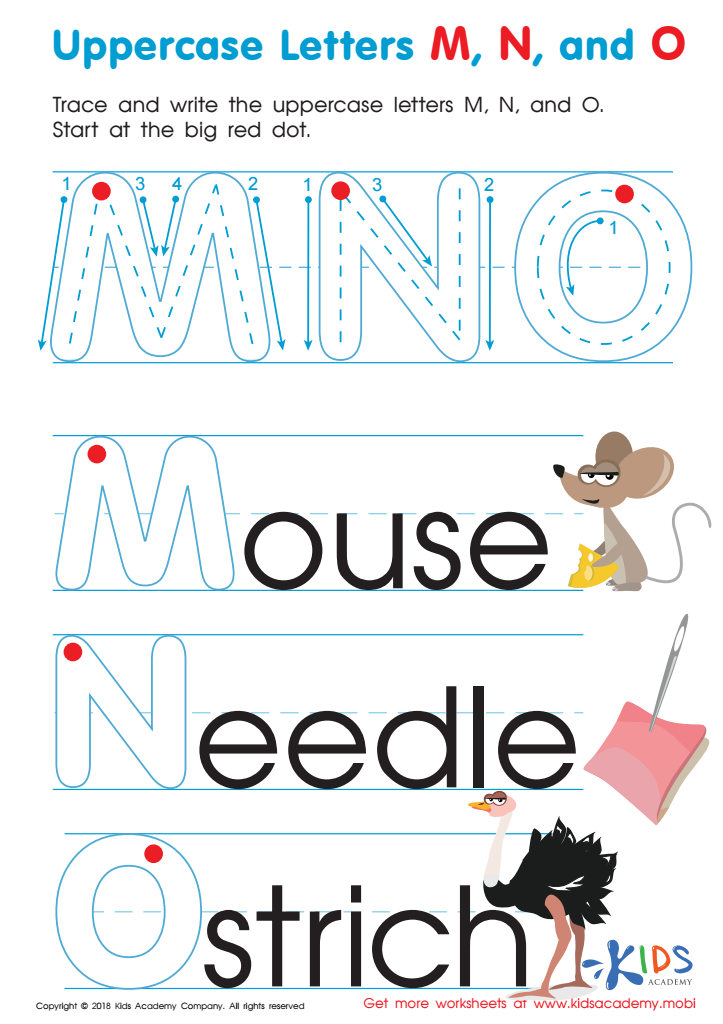
Uppercase Letters M, N, and O Worksheet

Find Uppercase Letters A, B, and C Worksheet
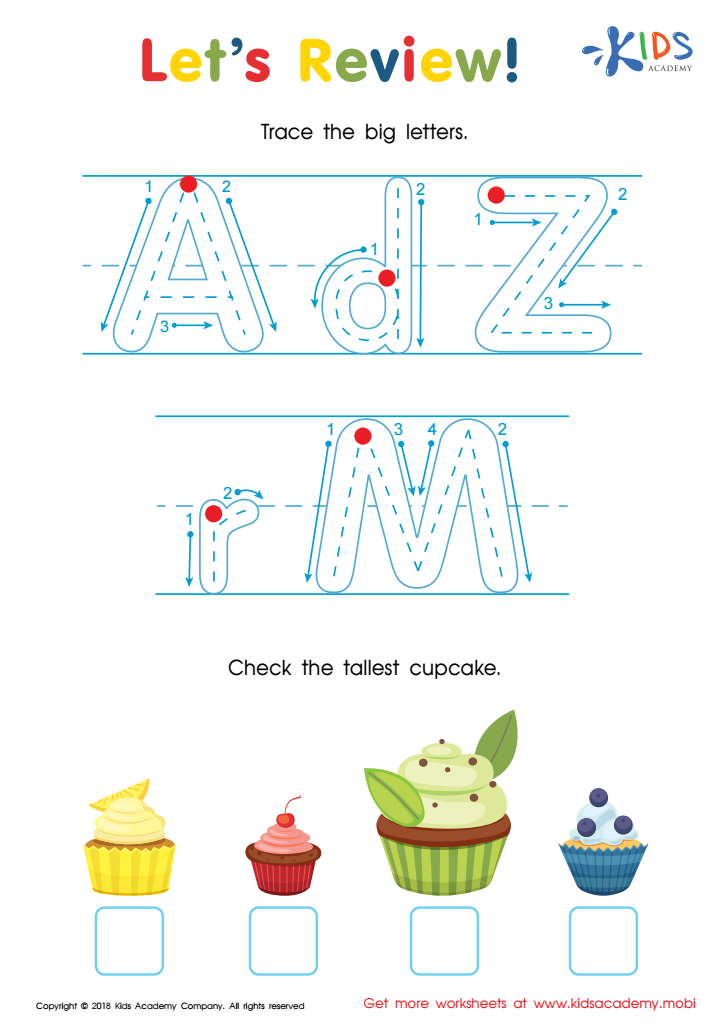
Let's Review! Big Letters Worksheet






Fine motor skills are essential for young children, especially between the ages of 4 and 8, because they lay the foundation for crucial daily activities like writing, cutting, and dressing. Developing these skills helps children gain better control over their small muscle movements, which in turn can enhance their hand-eye coordination and dexterity.
Focusing on uppercase and lowercase letter formation is particularly important. Practicing both cases builds a child's understanding of letter recognition and literacy fluency. Accurate and neat writing skills are not just about forming letters correctly— they also impact overall academic performance. Good fine motor skills promote confidence and encourage children to participate fully in classroom activities, reducing frustration and improving persistence.
For teachers, well-developed fine motor skills make teaching more effective and less time-consuming. Students who have robust fine motor abilities can perform tasks more independently, allowing the teacher to focus on teaching more complex ideas and personalized instruction. For parents, working on these skills at home enhances learning consistency and reinforces classroom lessons, contributing to a child’s readiness for more advanced tasks as they grow.
Parents and teachers should cooperate to nurture these skills through engaging, age-appropriate activities like playdough manipulation, tracing letters, and using safe scissors. Investing in this aspect of early childhood development can yield long-term educational and life skills benefits.







