Comparing Numbers Worksheets for Ages 4-8 - Page 3
52 filtered results
-
From - To
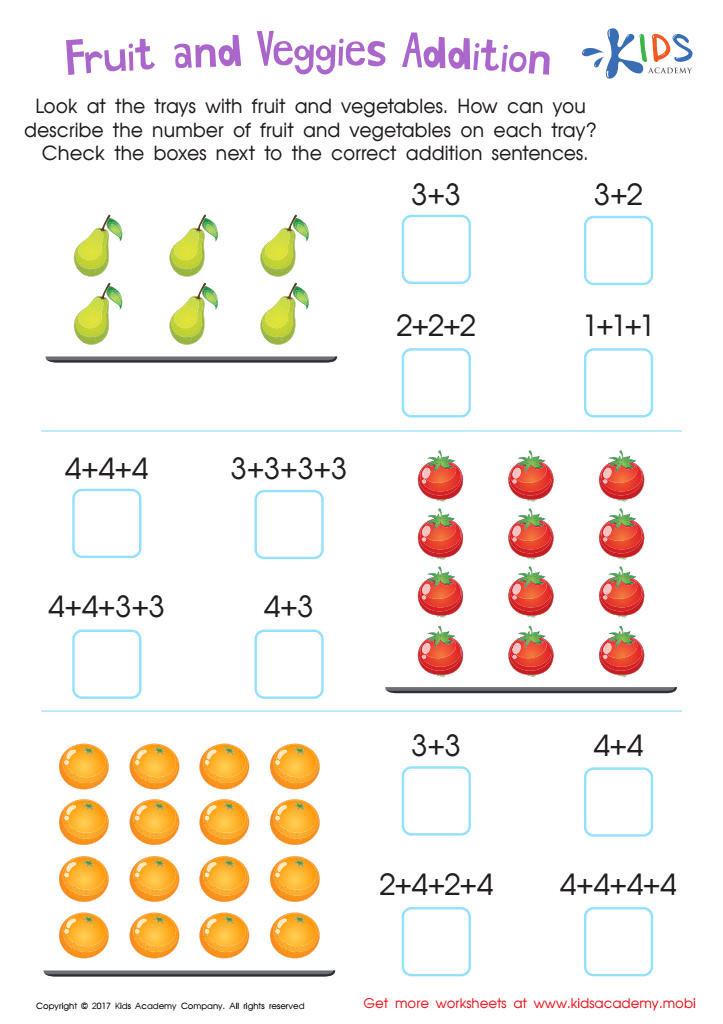
Fruit and Veggies Worksheet
 Assign to My Students
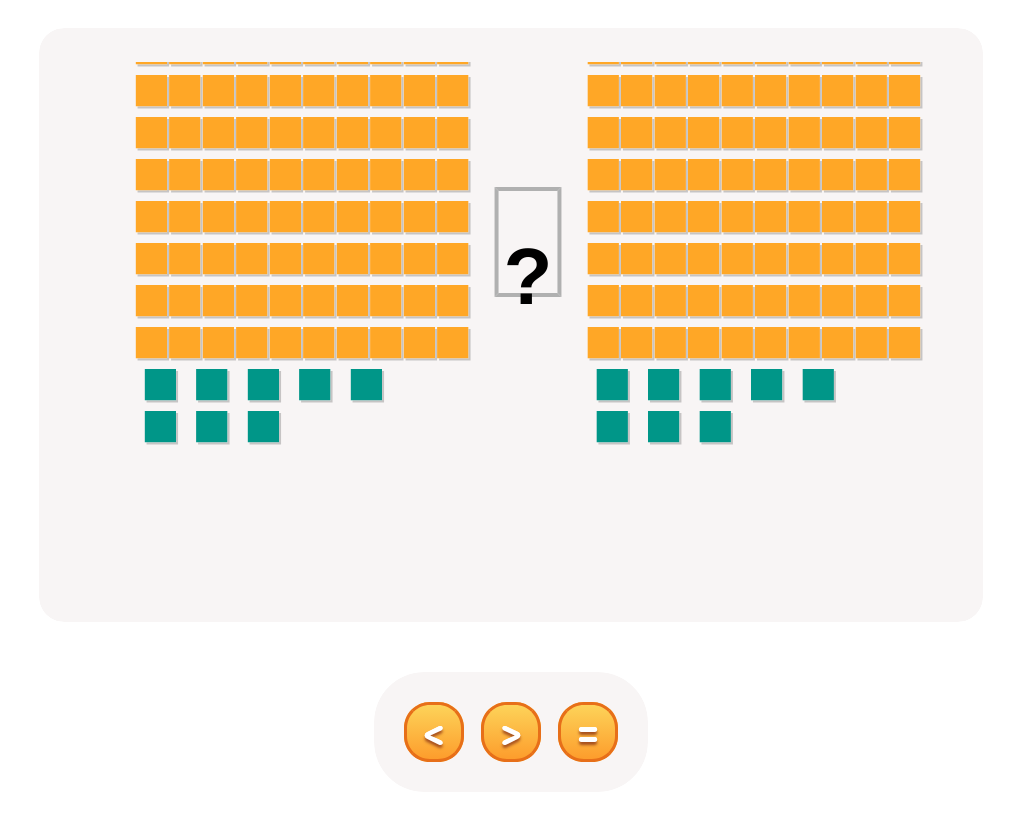

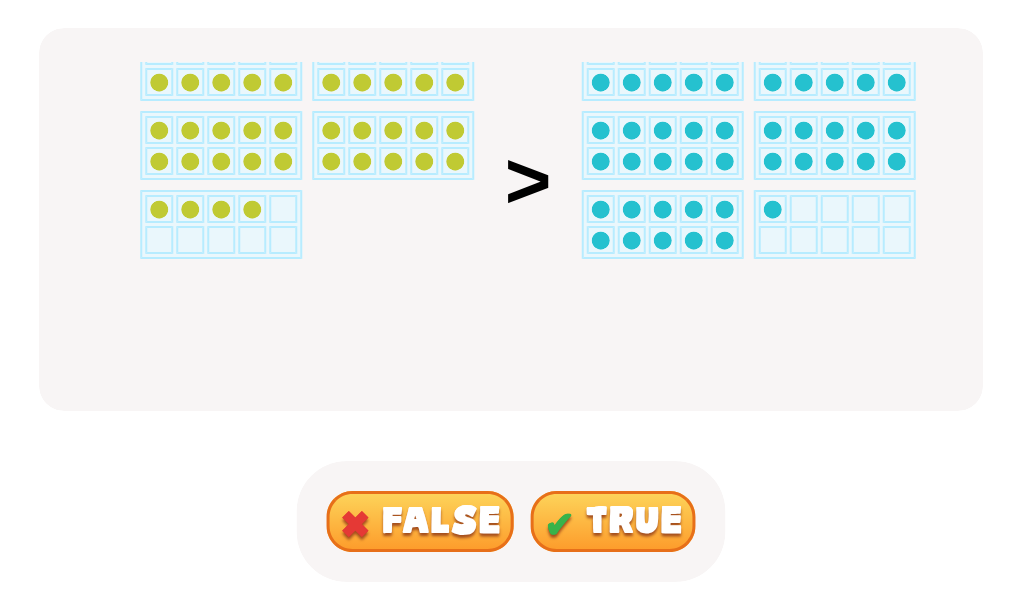
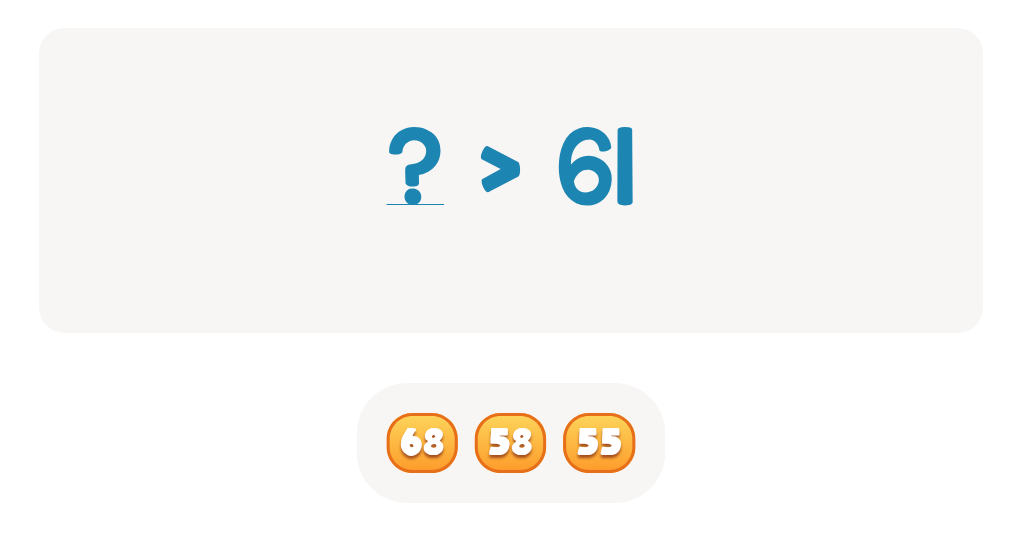
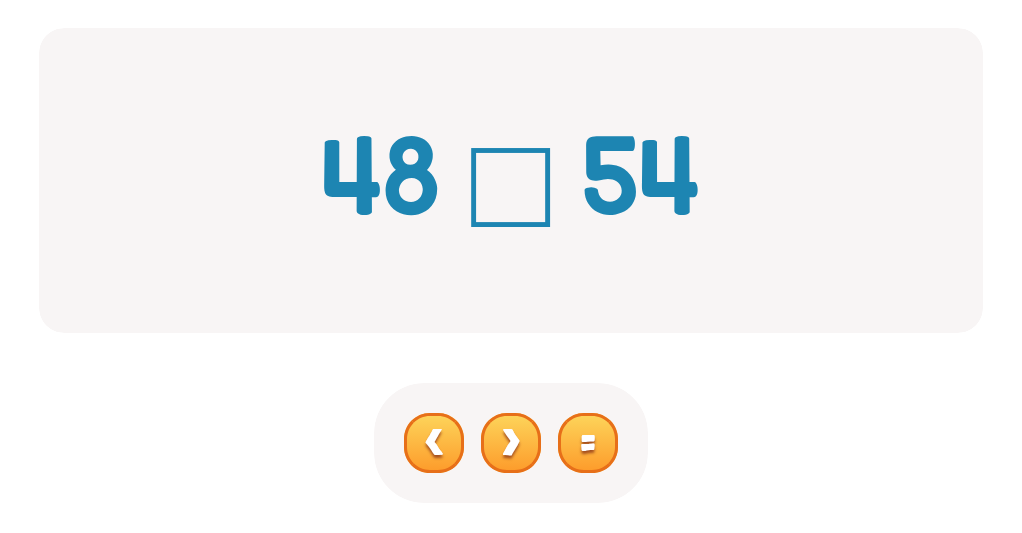
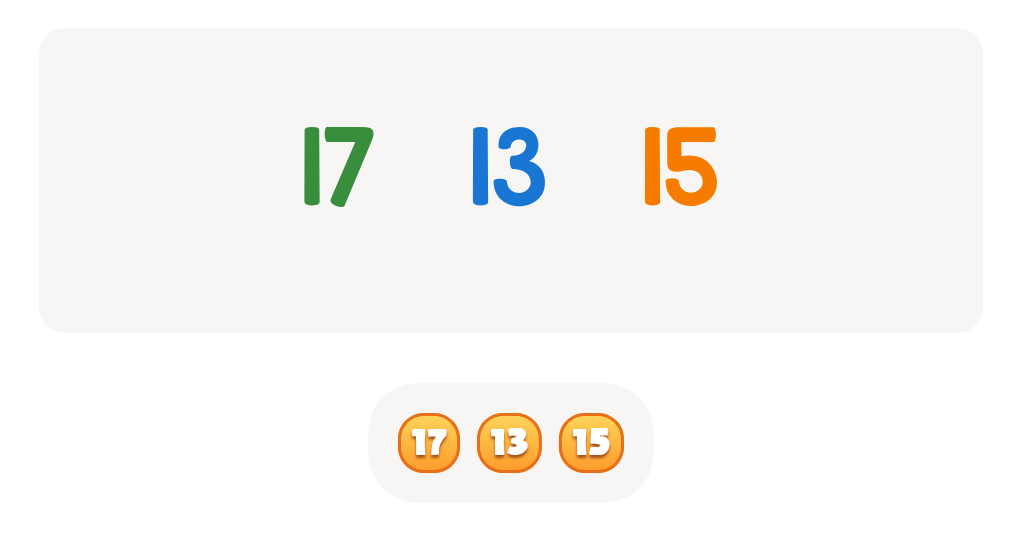
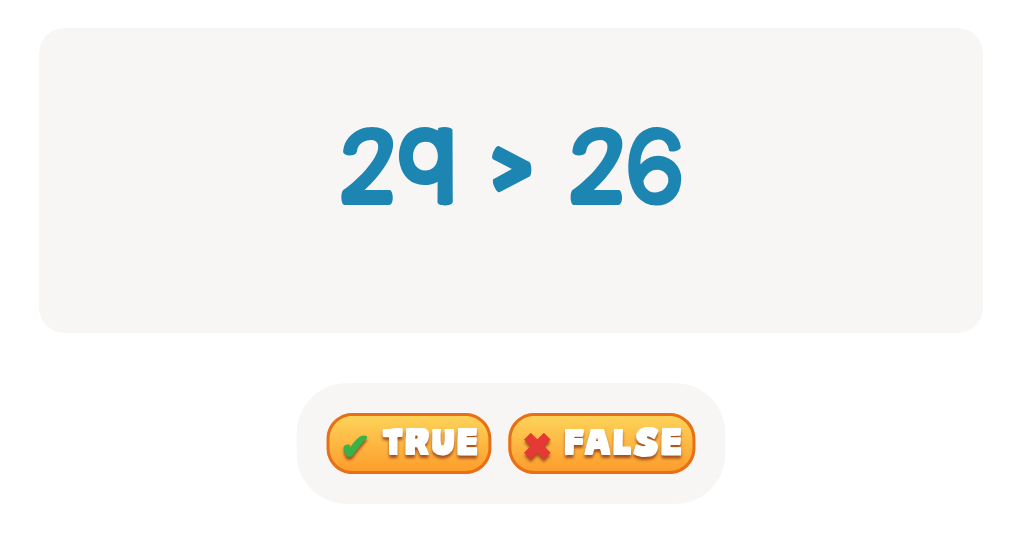
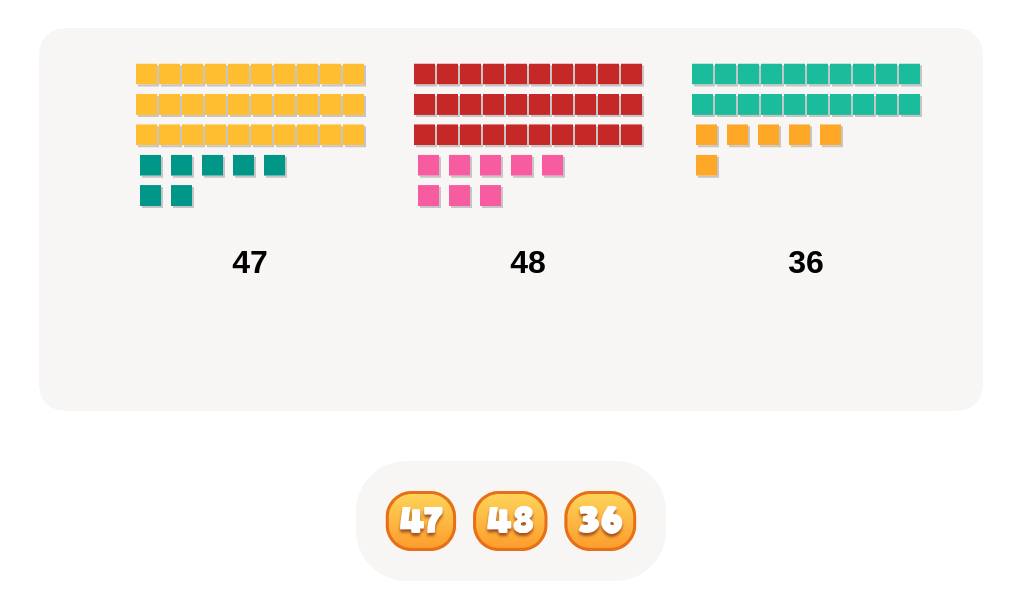
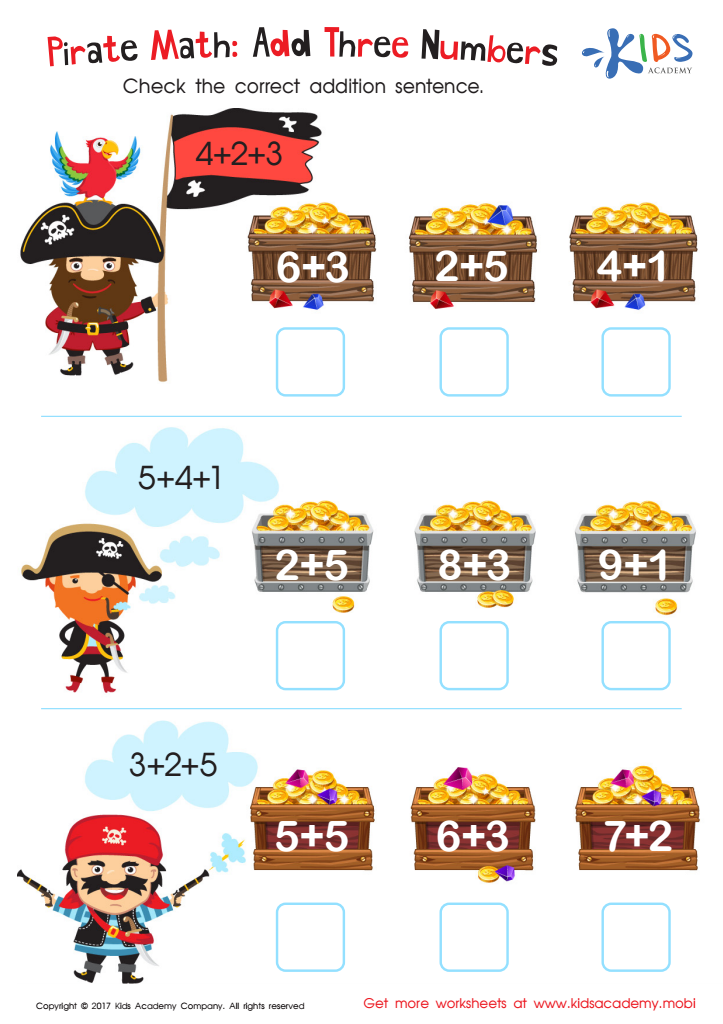
Pirate Math Printable
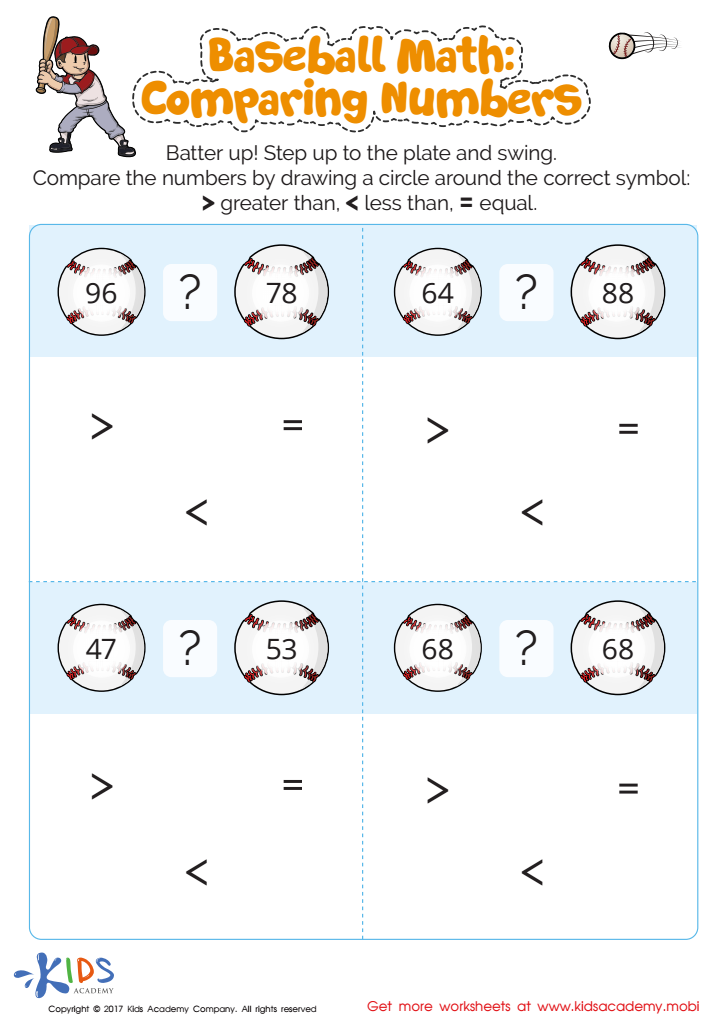
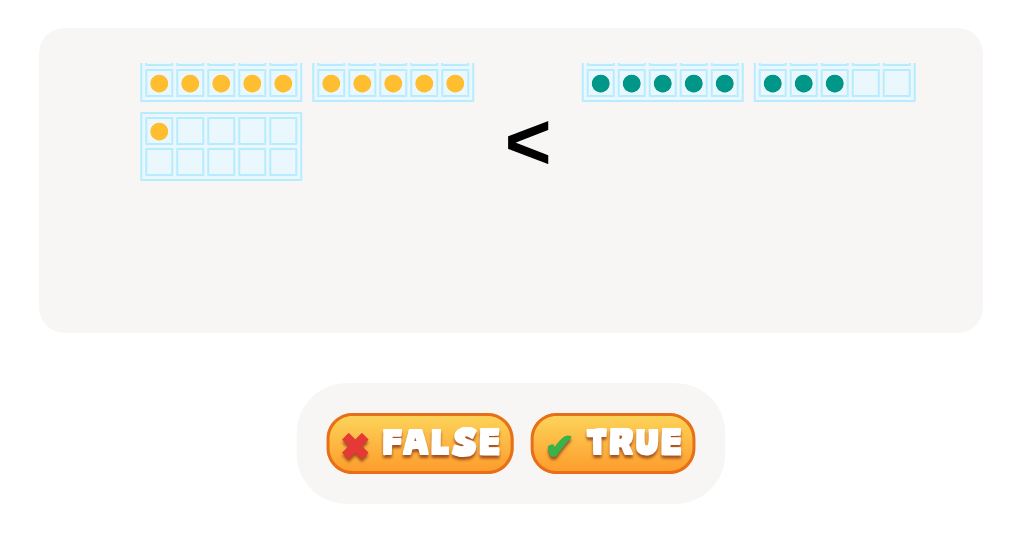
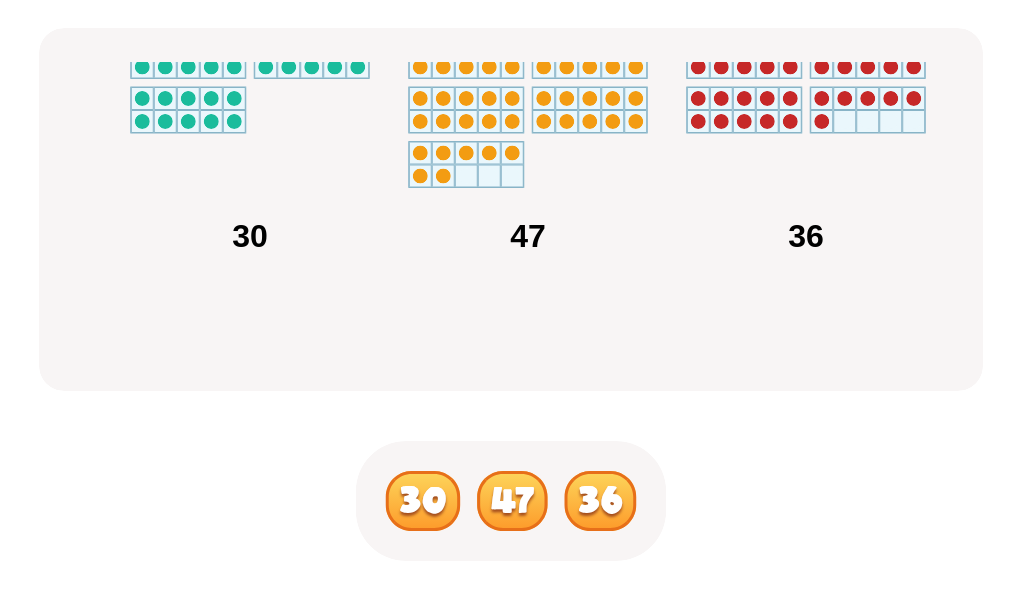
Compare Numbers Printable
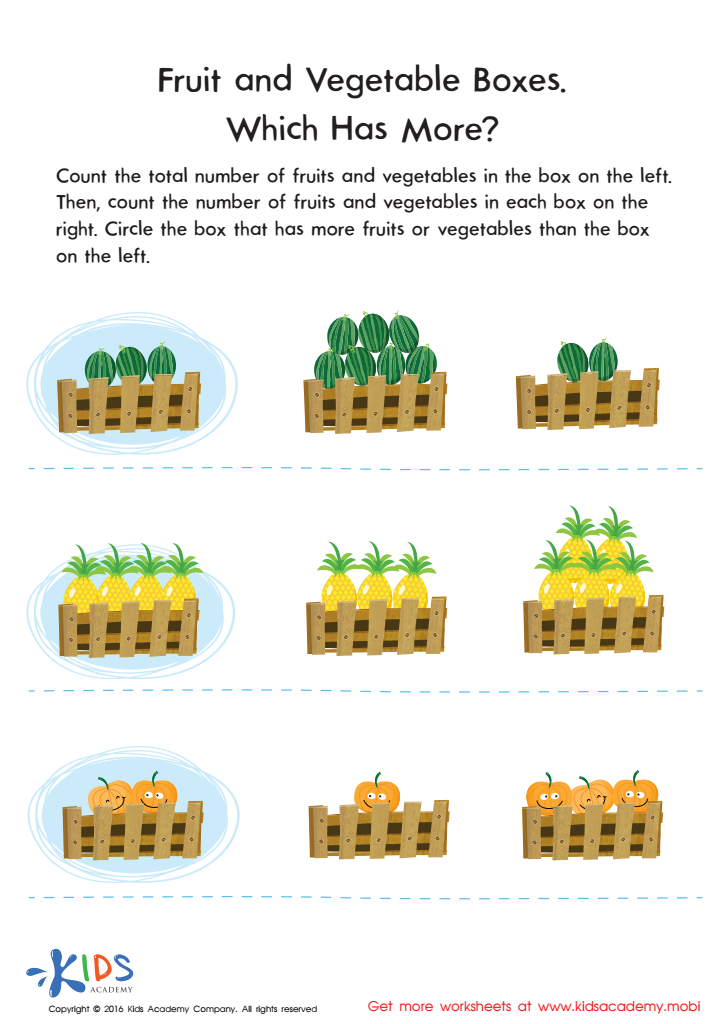
Which Has More? Size Worksheet







Comparing numbers for children aged 4-8 is foundational for building their mathematical understanding. At this crucial stage, comparing quantities fosters number sense, which is the intuitive grasp of numbers, their relationships, and their magnitudes. This early skill is pivotal because it lays the groundwork for more complex arithmetic operations and problem-solving strategies that children will encounter later.
When parents and teachers prioritize activities that involve comparing numbers, they help children develop essential cognitive skills including critical thinking and reasoning. These children learn to make connections between numbers and real-world concepts like size, quantity, and patterns, which enhances their holistic development. For example, knowing that 7 is greater than 5 leads children to apply this knowledge in everyday situations, such as recognizing that a toy costing 7 coins is more expensive than one costing 5.
Moreover, engaging in number comparison activities aids in vocabulary development, introducing children to terms like "more than," "less than," and "equal to." This language proficiency supports their academic success beyond mathematics. Proactive involvement by parents and teachers in teaching these fundamental concepts nurtures a positive attitude towards math, making the subject approachable and enjoyable. By embedding these essential early practices, adults set children on a path towards confident, successful mathematical learning, benefiting their long-term academic journey.








