Word Problems Worksheets for Ages 4-8 - Page 5
123 filtered results
-
From - To
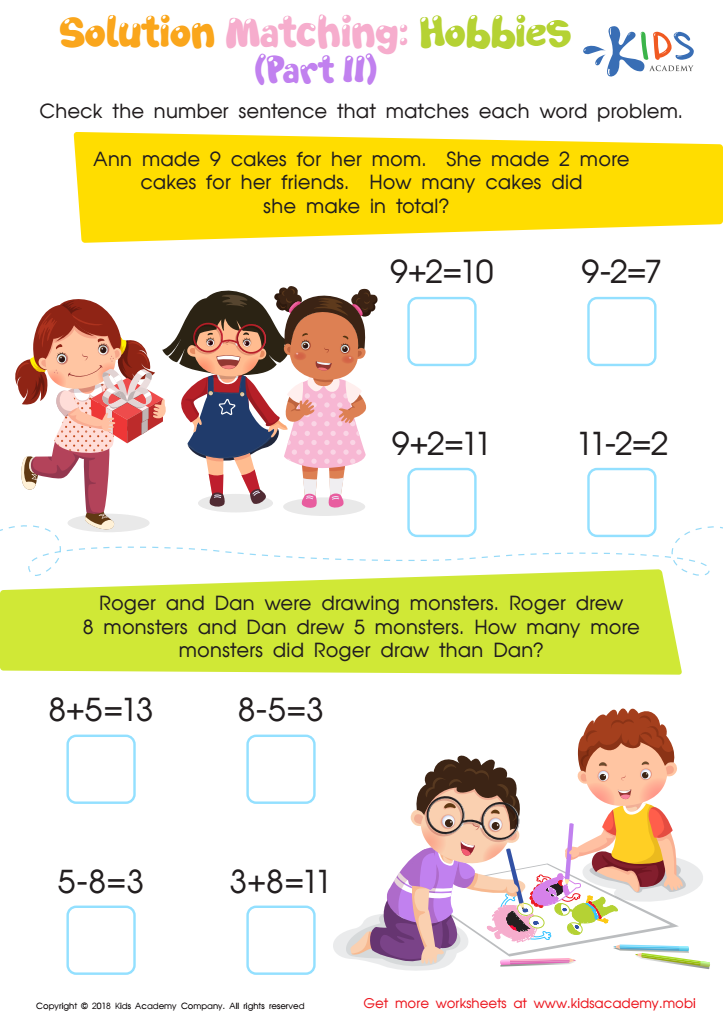
Solution Matching: Hobbies. Part 2 Worksheet
 Assign to My Students
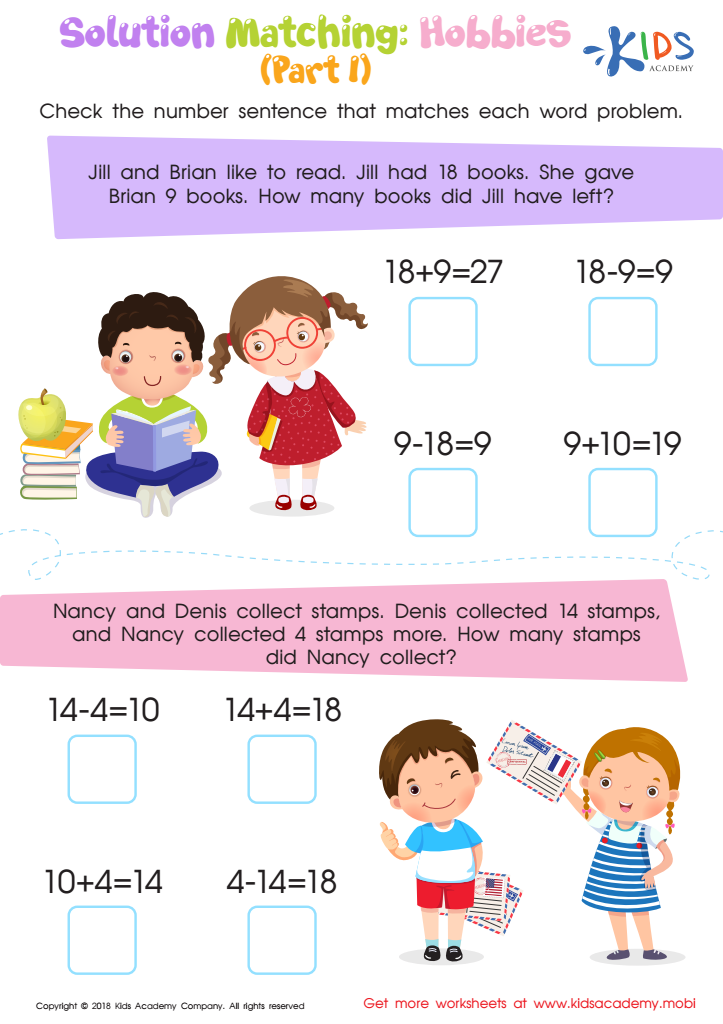
Solution Matching: Hobbies. Part 1 Worksheet
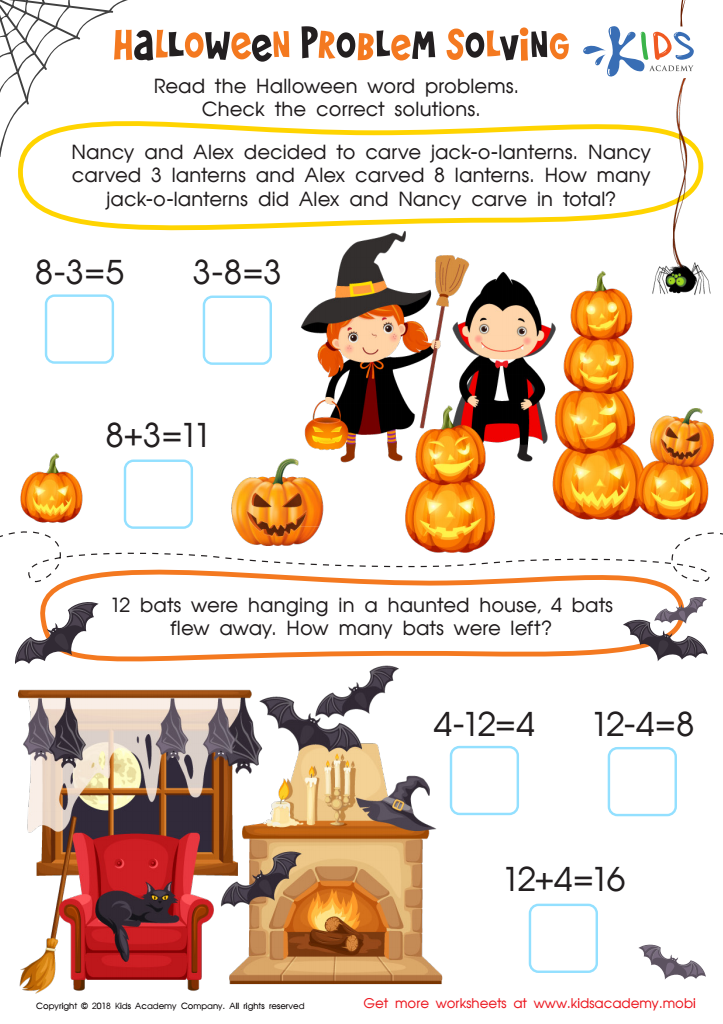
Halloween Problem Solving Worksheet
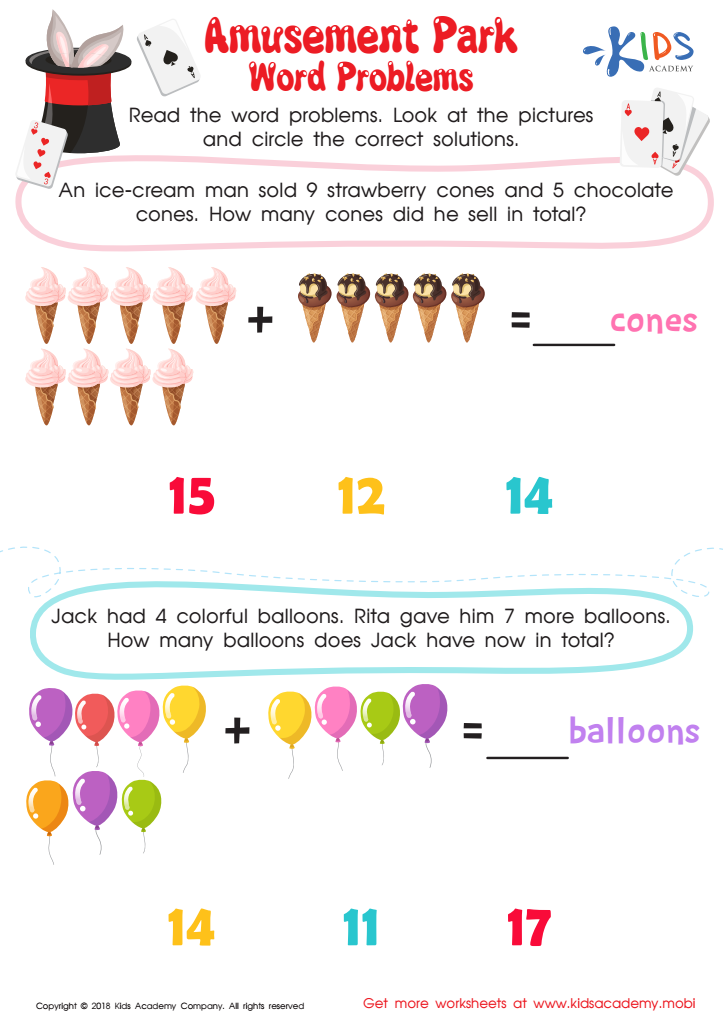
Amusement Park Word Problems Worksheet
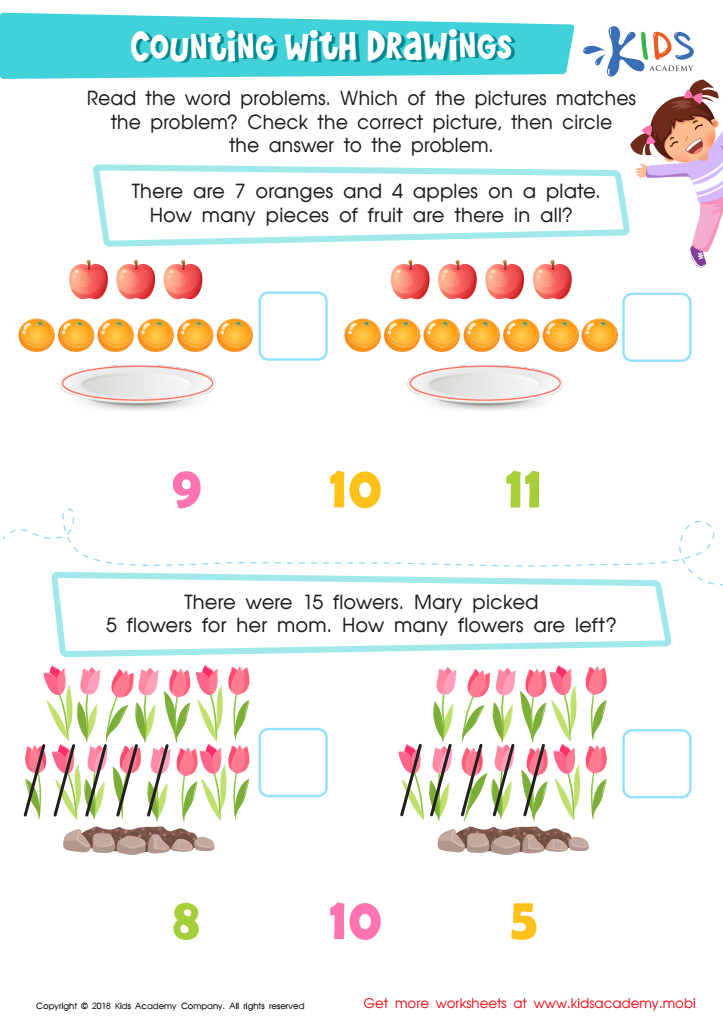
Counting with Drawings:Fruits & Flowers Worksheet
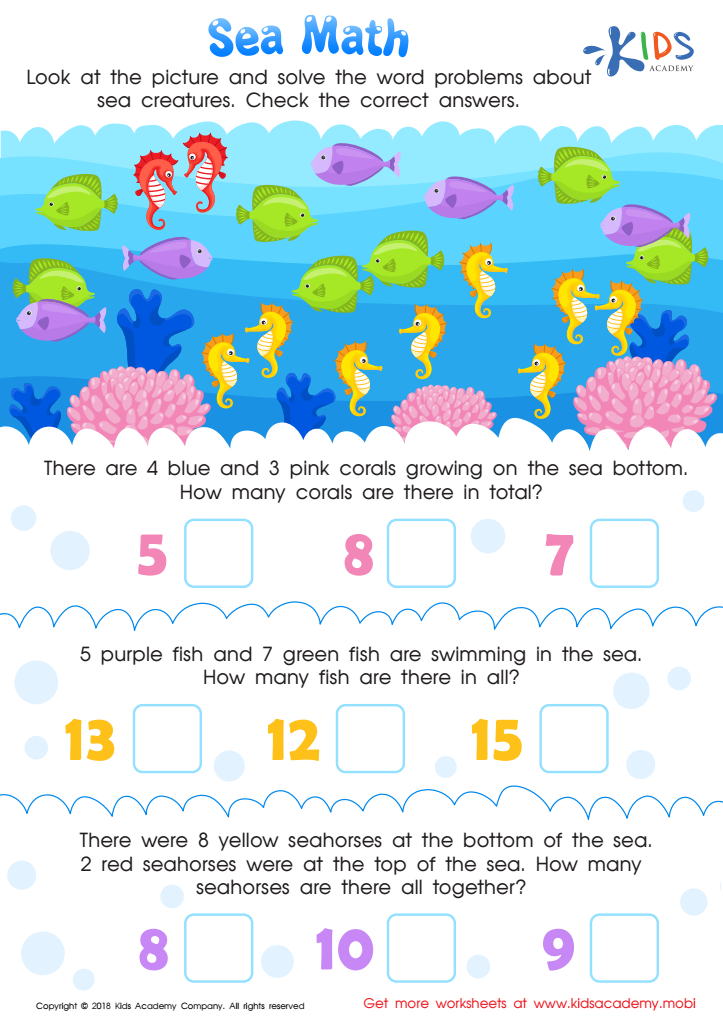
Sea Math Worksheet
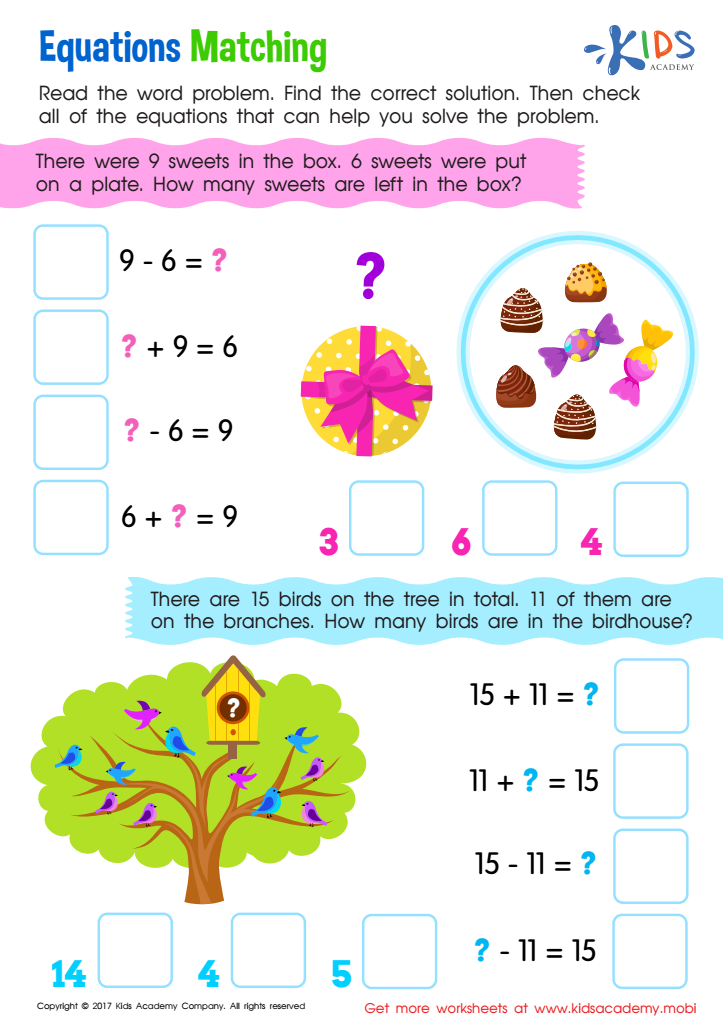
Equations Matching Word Problems Worksheet
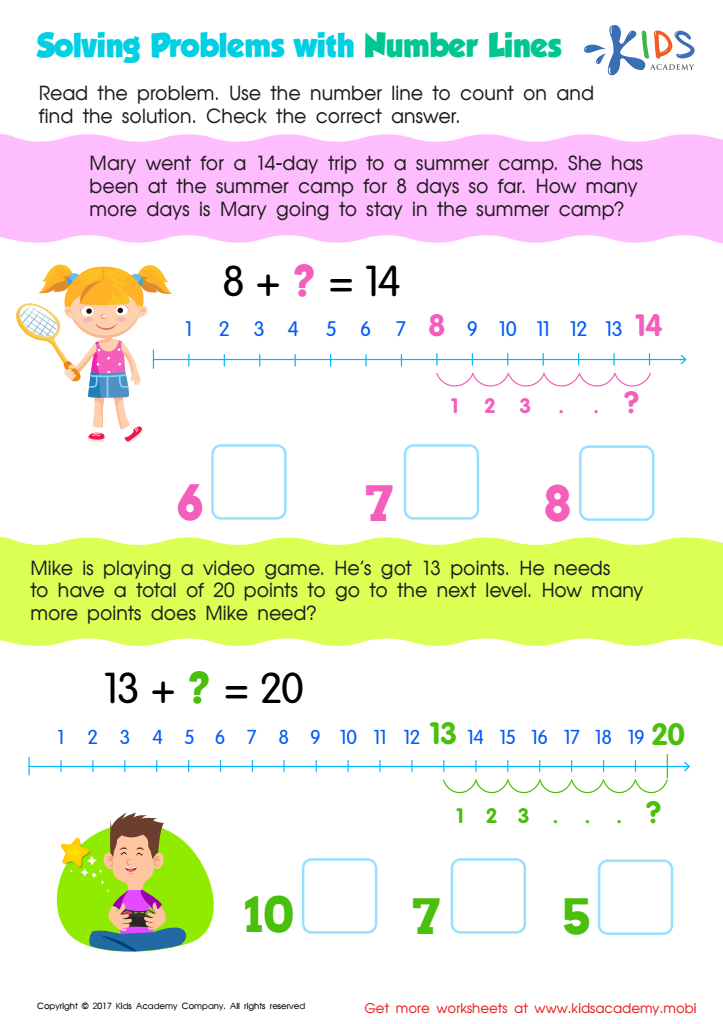
Solving Problems: Number Lines Worksheet
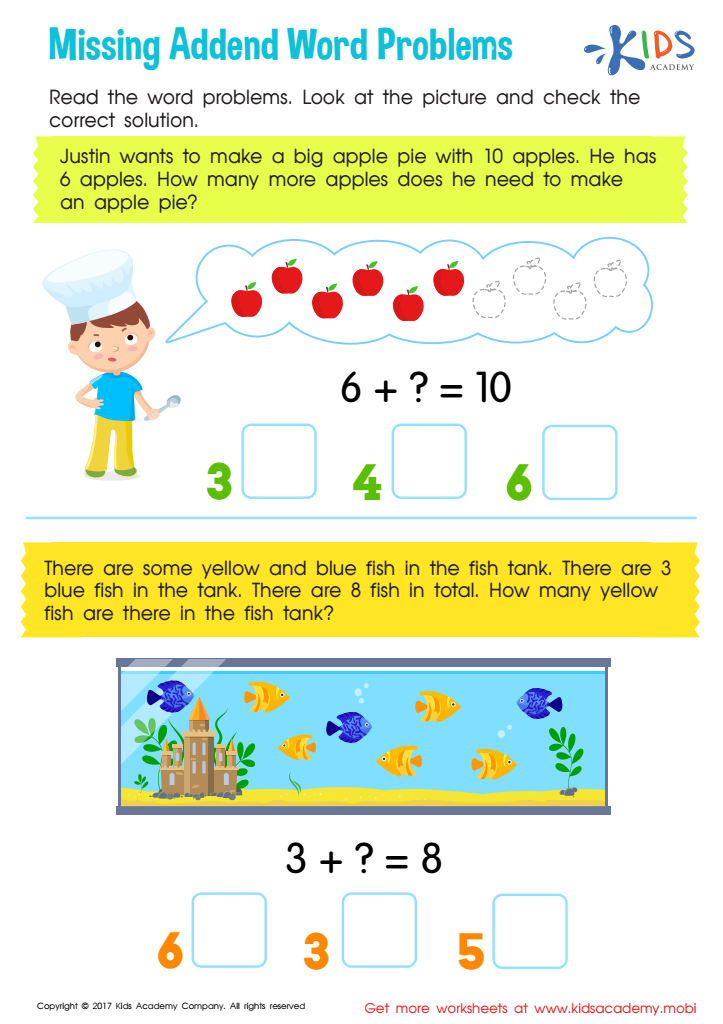
Missing Addend Word Problems Worksheet
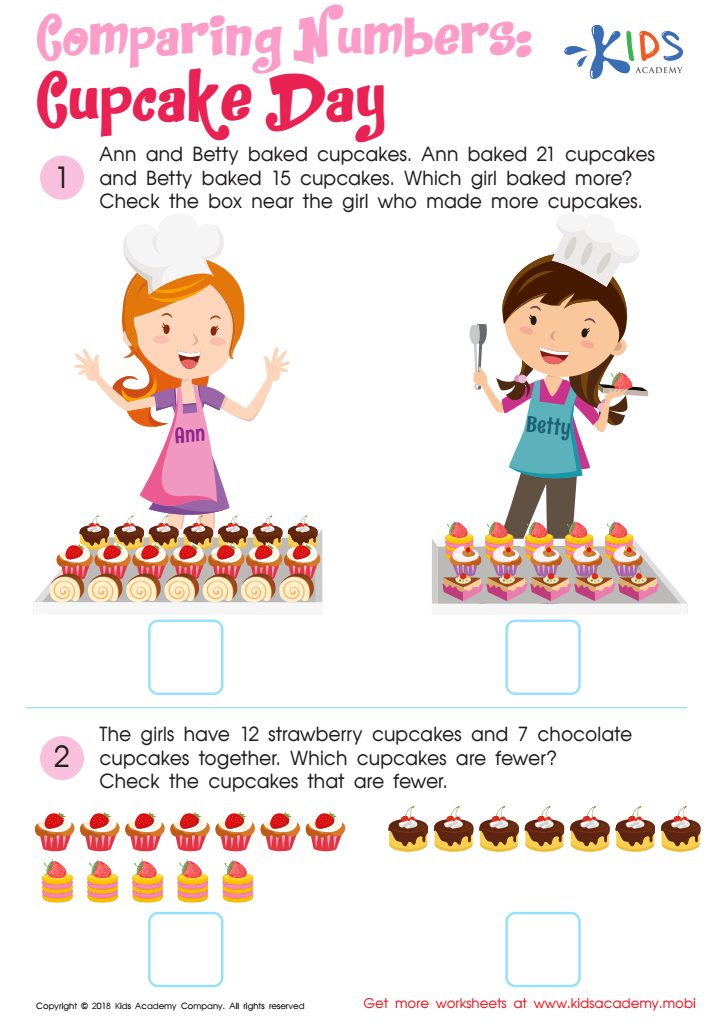
Cupcake Day Worksheet
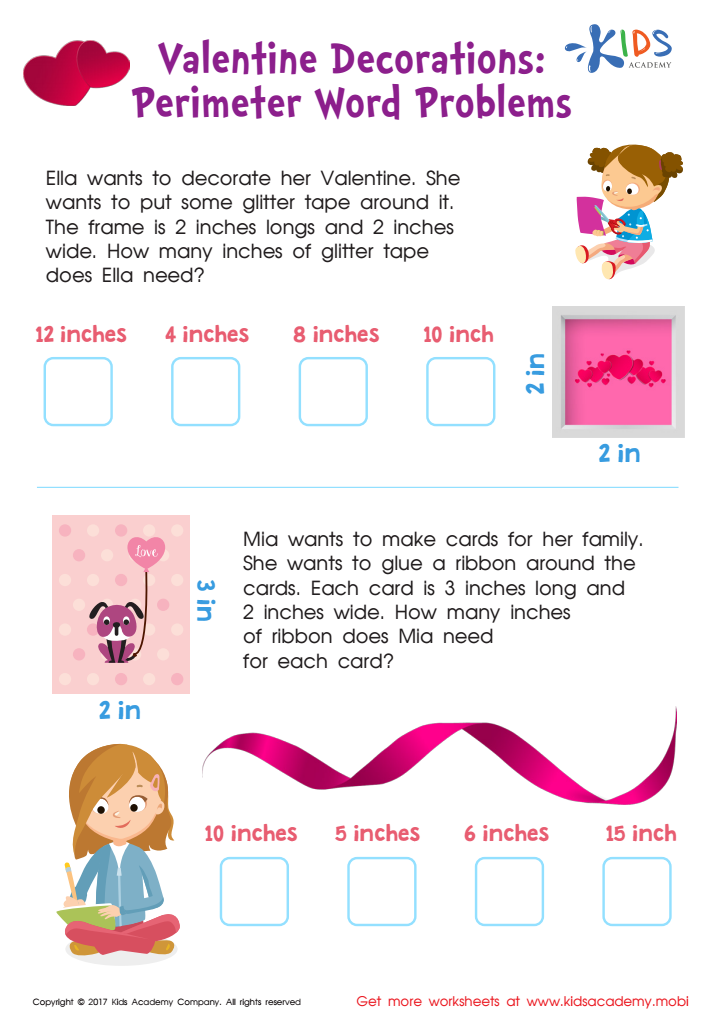
Perimeter Word Problems Worksheet
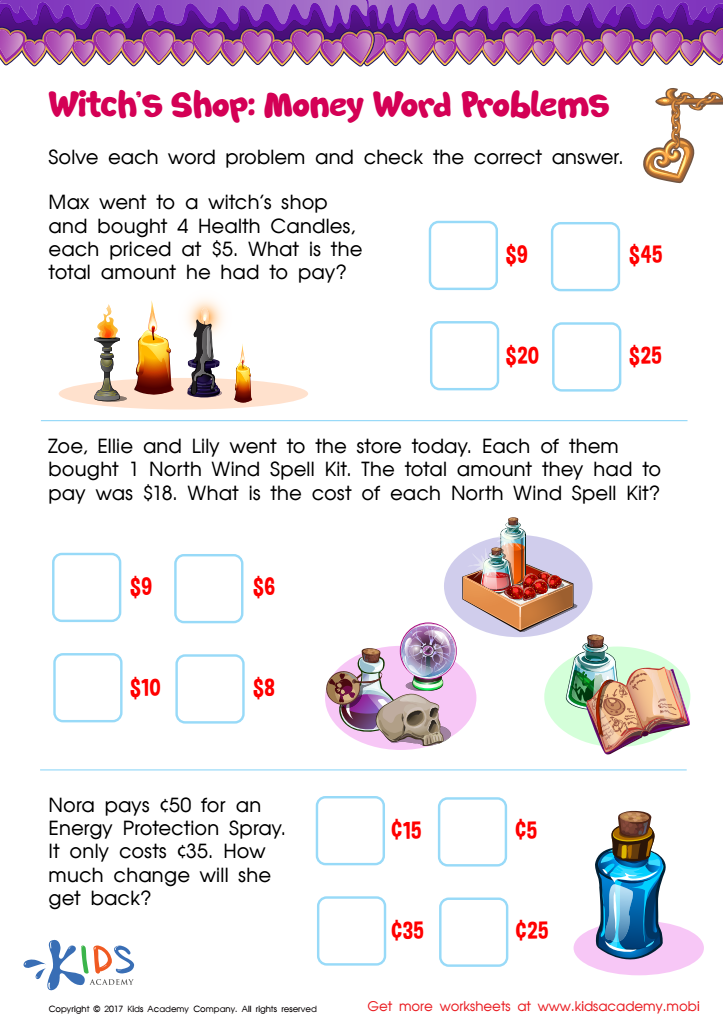
Money Word Problems Printable
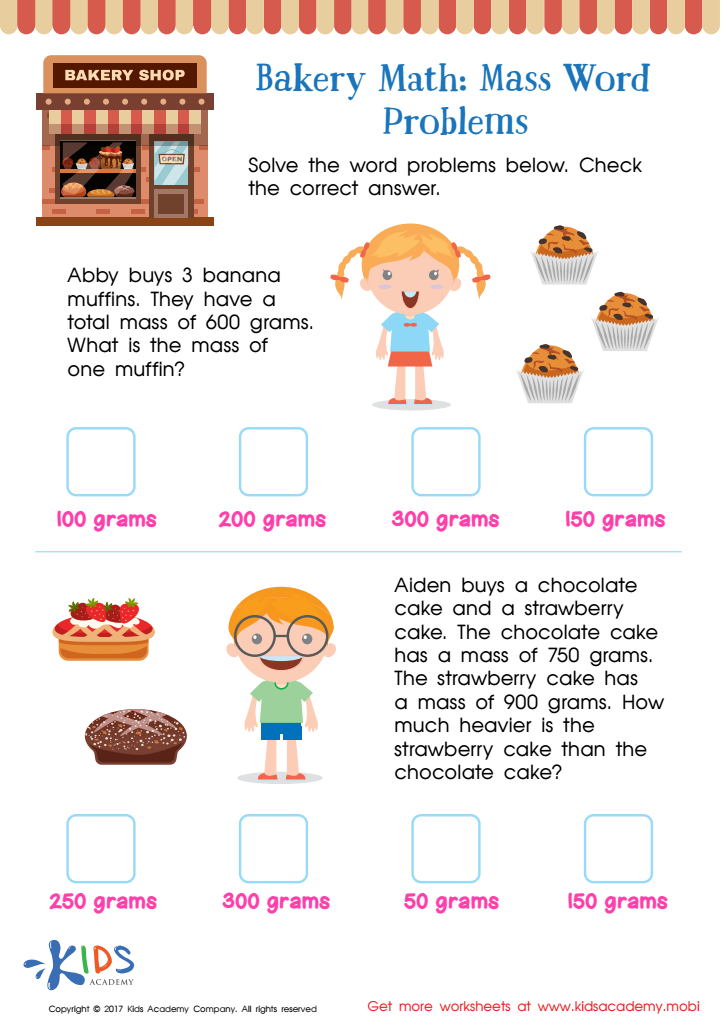
Mass Word Problems Worksheet
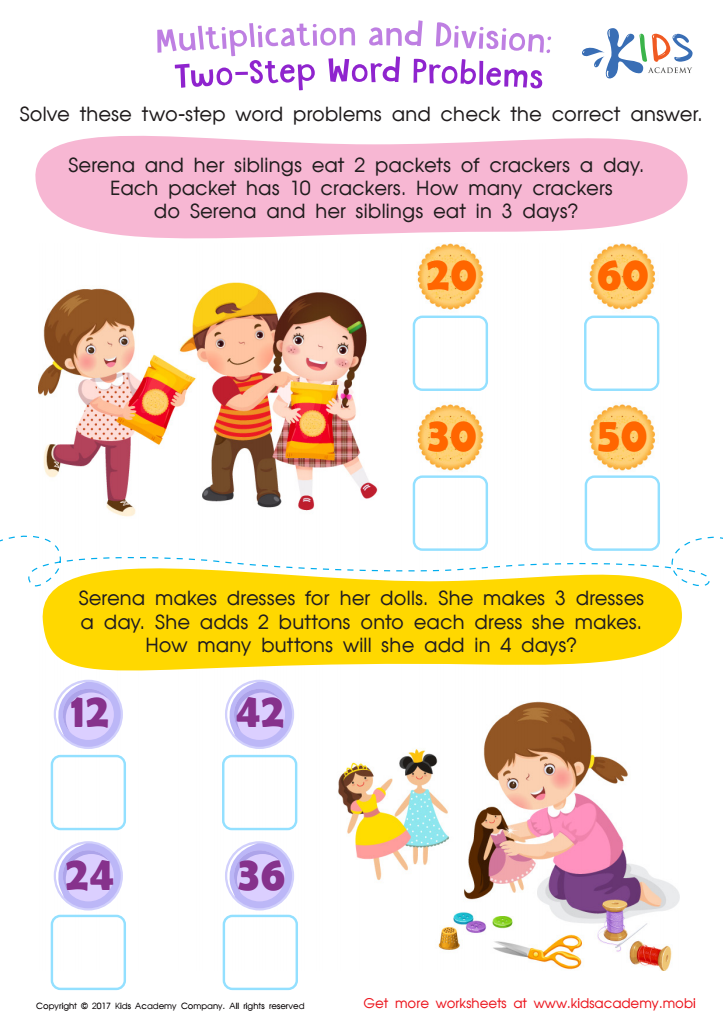
Two Step Word Problems Worksheet
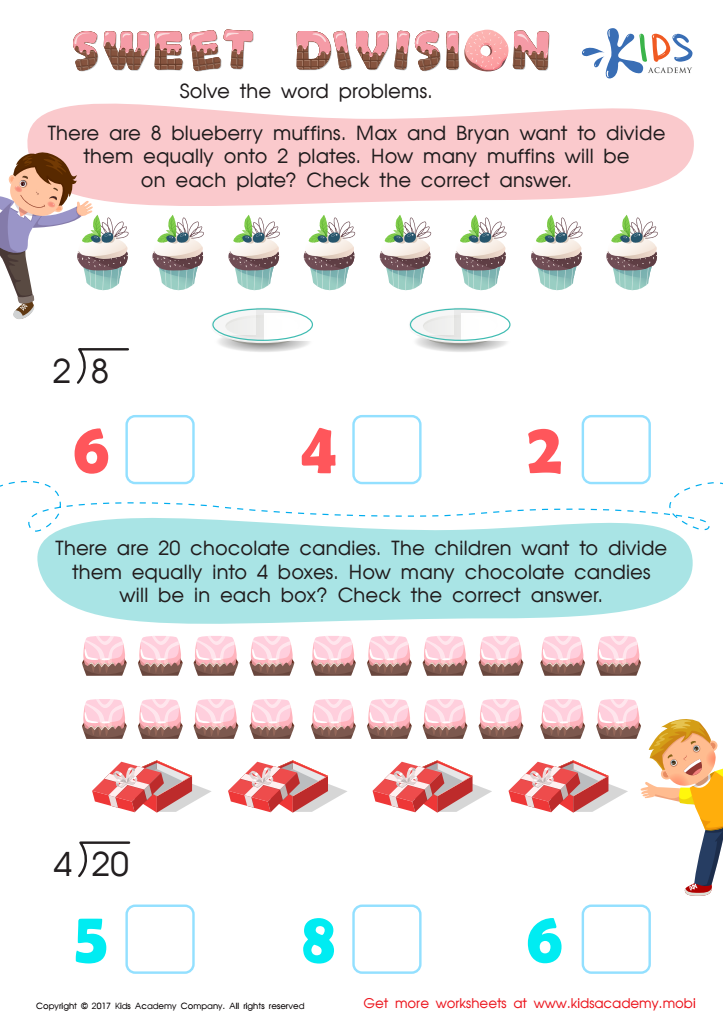
Division Word Problems Worksheet
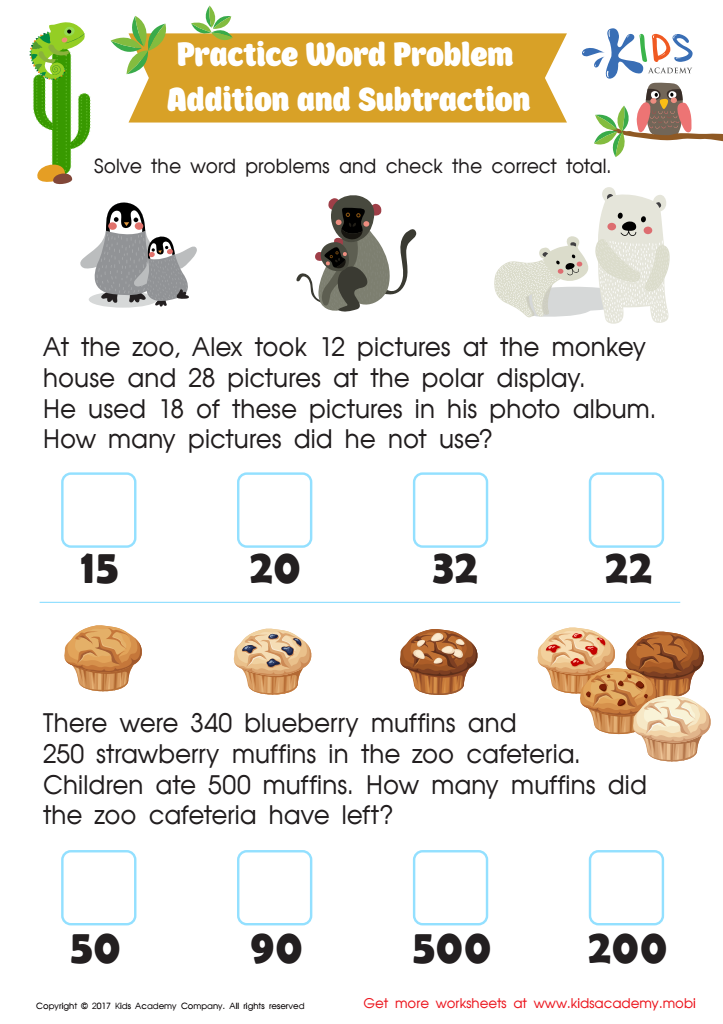
Addition and Subtraction: Word Problems Worksheet
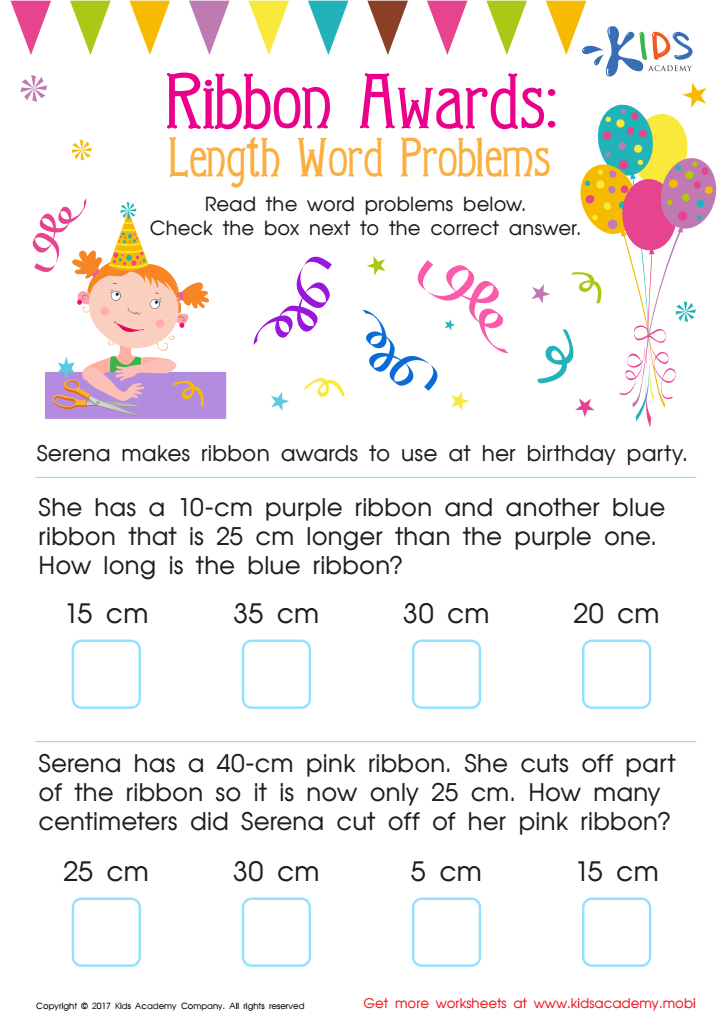
Length Word Problems Worksheet
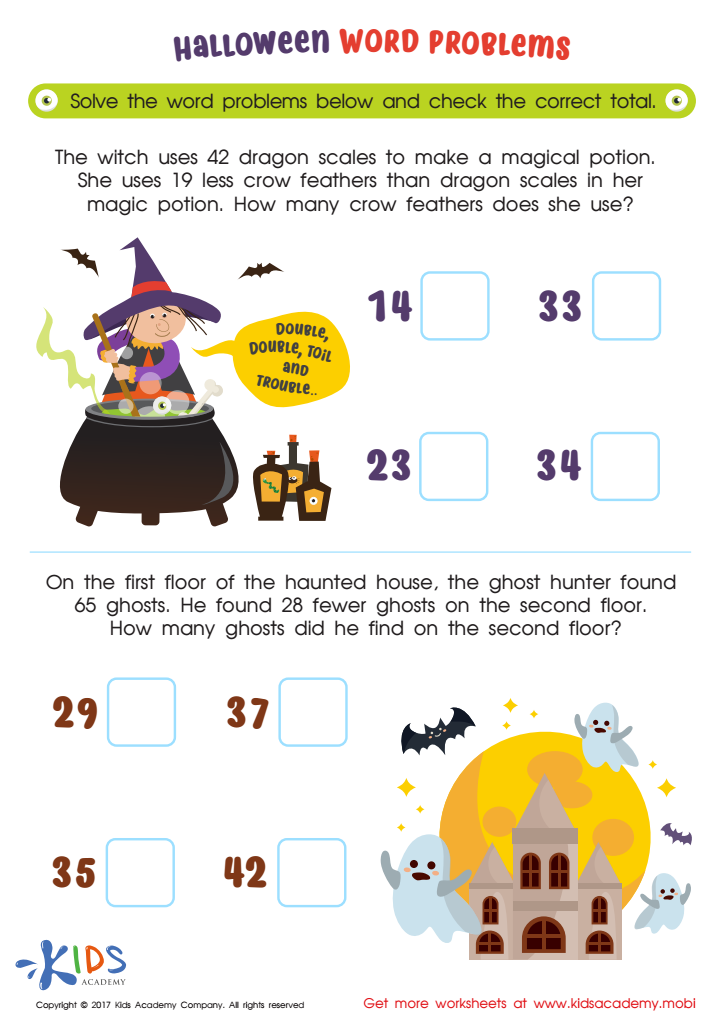
Halloween Word Problems Printable
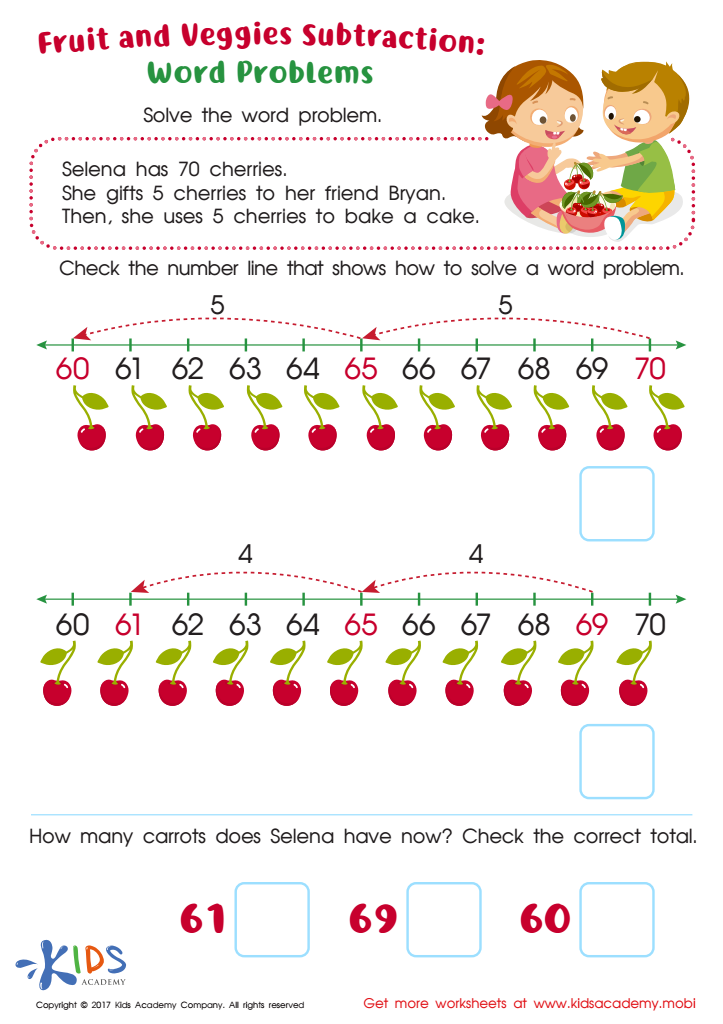
Subtraction Word Problems Free Printable
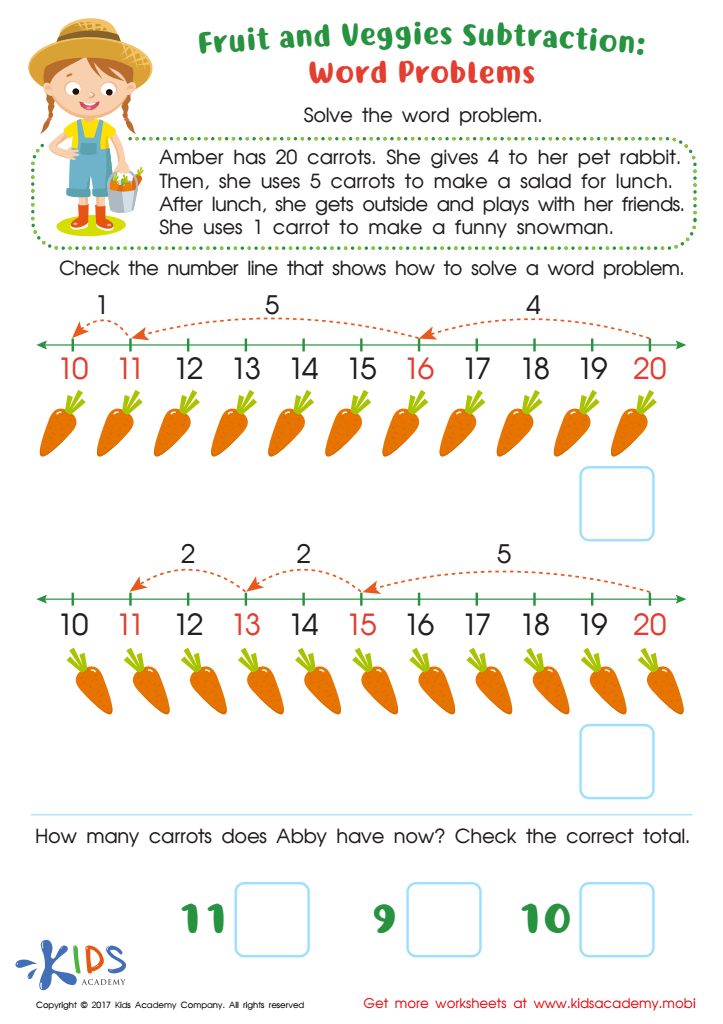
Subtraction Word Problems Printable
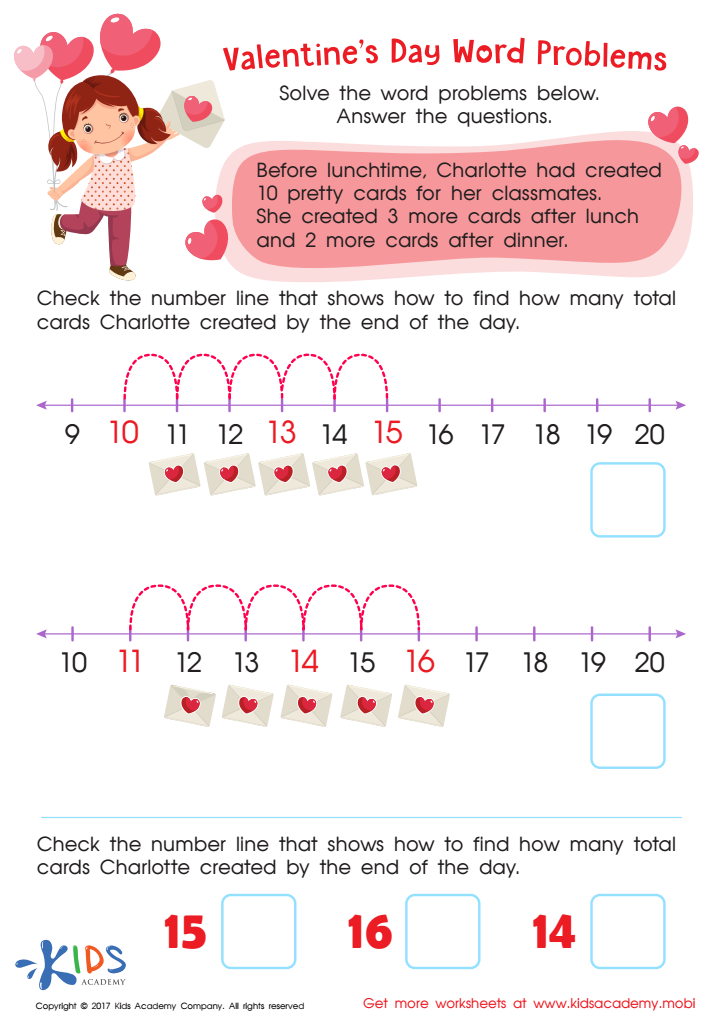
Valentines Day Word Problem Worksheet
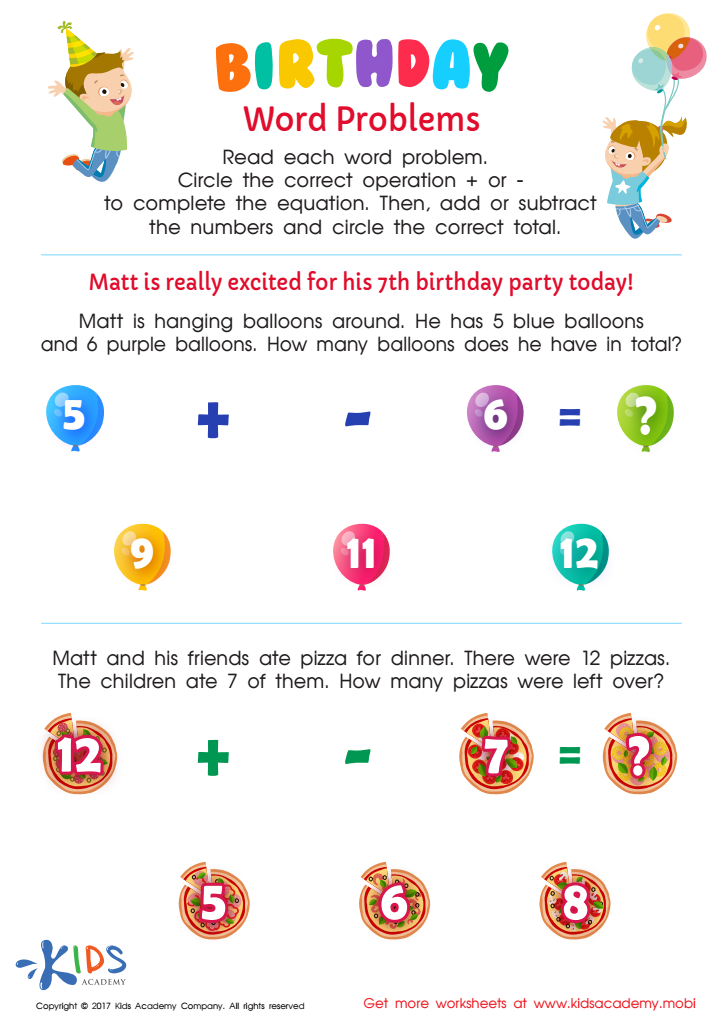
Birthday Word Problems Substraction Worksheet
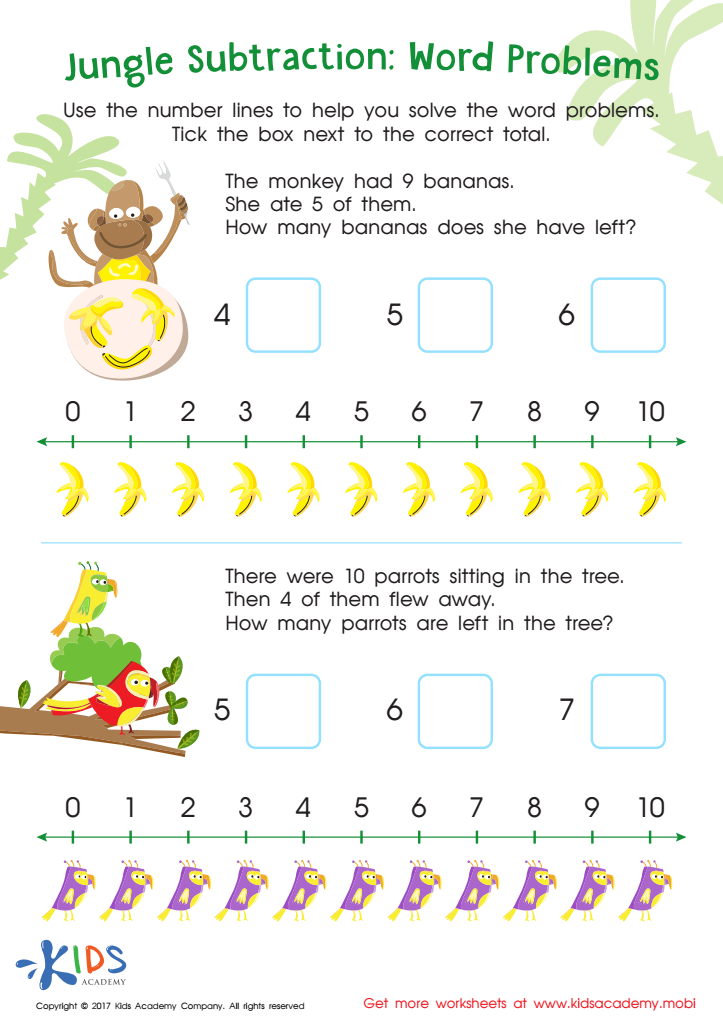
Jungle Subtraction Word Problems Substraction Worksheet
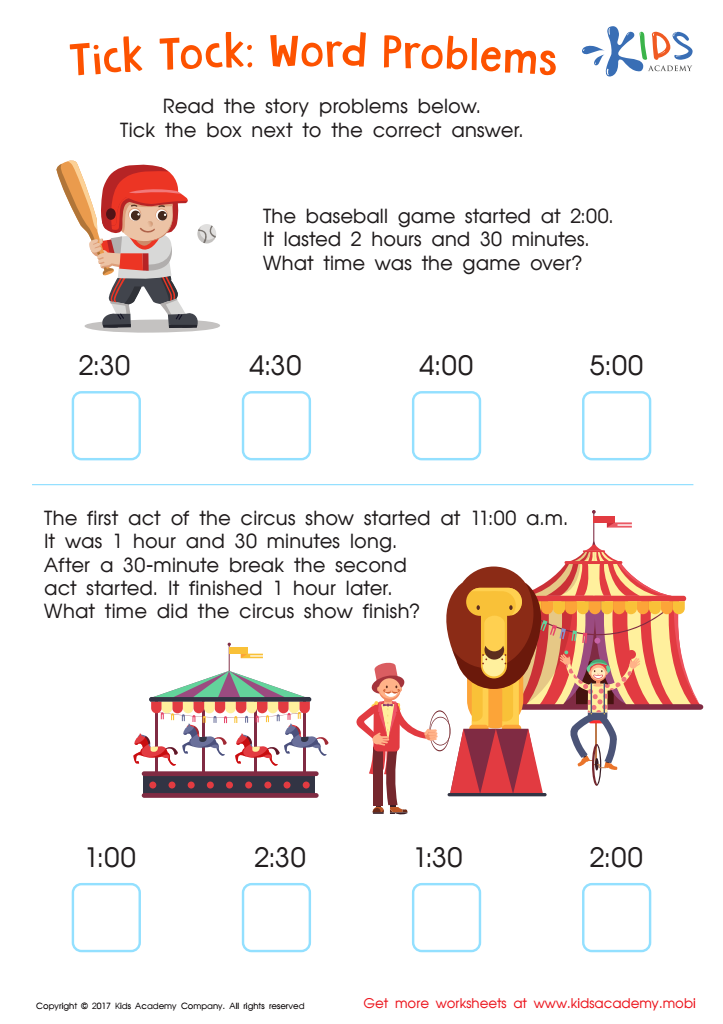
Tick Tock Word Problems Time Worksheet








Word problems play a vital role in early mathematics education for children aged 4-8, and both parents and teachers should emphasize their importance. First, word problems cultivate critical thinking and problem-solving skills, which are essential for children’s overall cognitive development. By engaging with these problems, children learn to analyze information and make connections between various concepts.
Additionally, word problems encourage the application of math in real-life situations. When children see how math relates to their everyday experiences—like sharing snacks or counting toys—they become more motivated to learn. This relevance fosters a positive attitude toward mathematics, dispelling the notion that it is merely rote memorization of numbers and operations.
Word problems also enhance language and comprehension skills. As children read and interpret these problems, they develop their language abilities while practicing how to articulate their thought processes clearly. Moreover, collaboration between parents and teachers in guiding children through word problems can strengthen their ability to communicate and reason together.
Finally, consistent exposure to word problems builds resilience, as children learn that making mistakes is part of the learning process. Overall, prioritizing word problems in the early years prepares children to approach challenges with confidence throughout their educational journey.








