Reading Non-Fiction Worksheets for Ages 4-8 - Page 3
97 filtered results
-
From - To
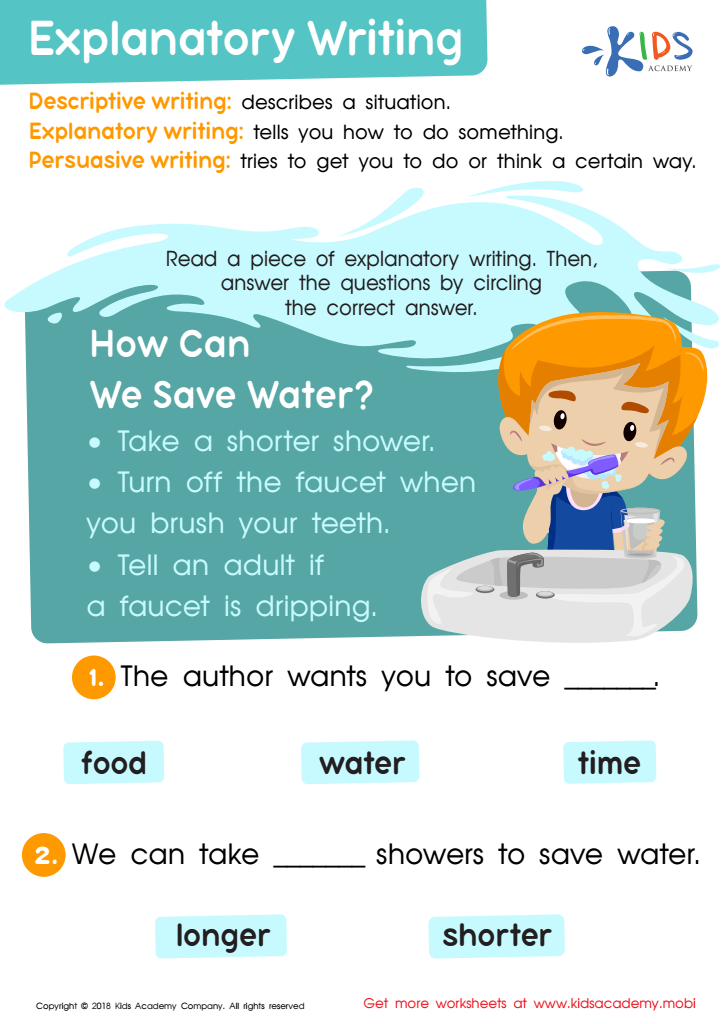
Explanatory Writing Worksheet
 Assign to My Students
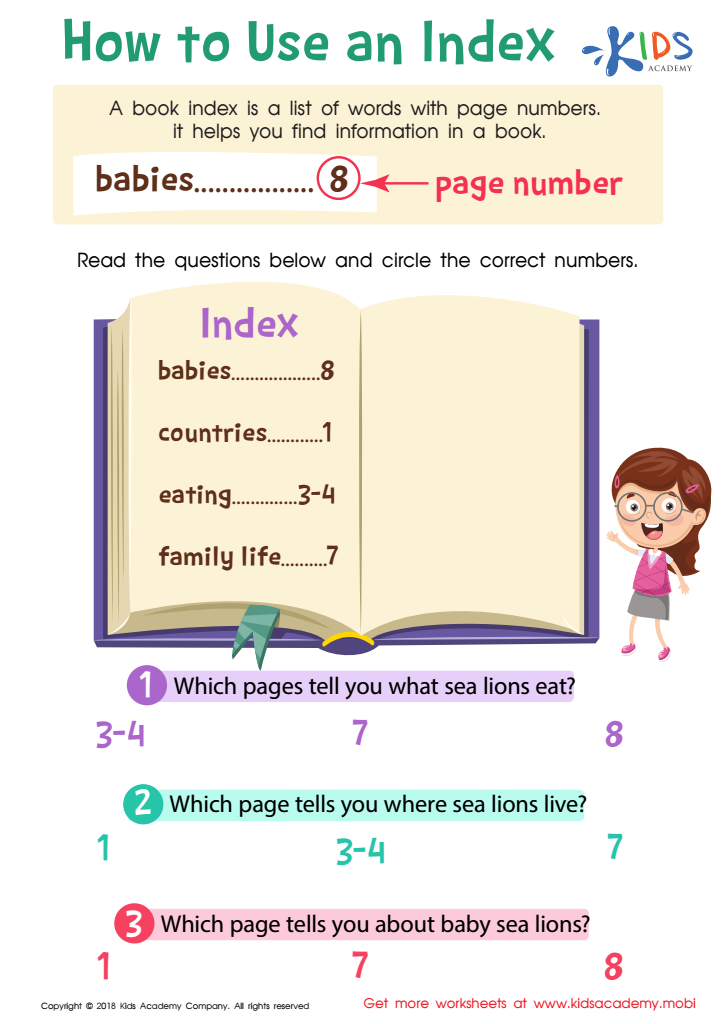
How Use Index Worksheet
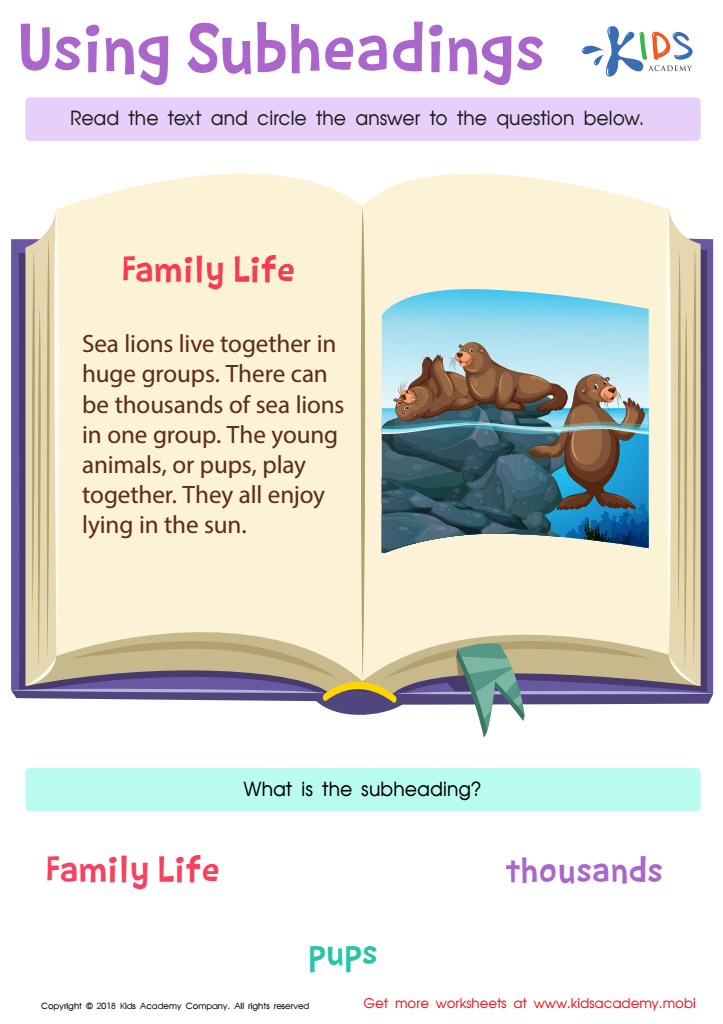
Using Subheadings Worksheet
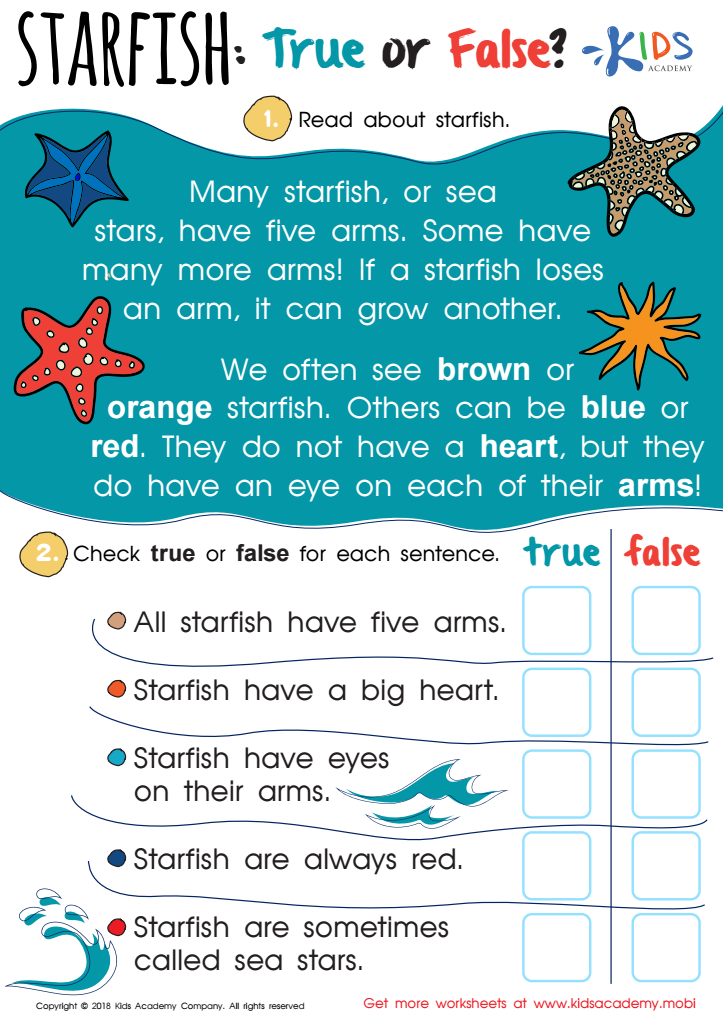
Starfish: True or False Worksheet
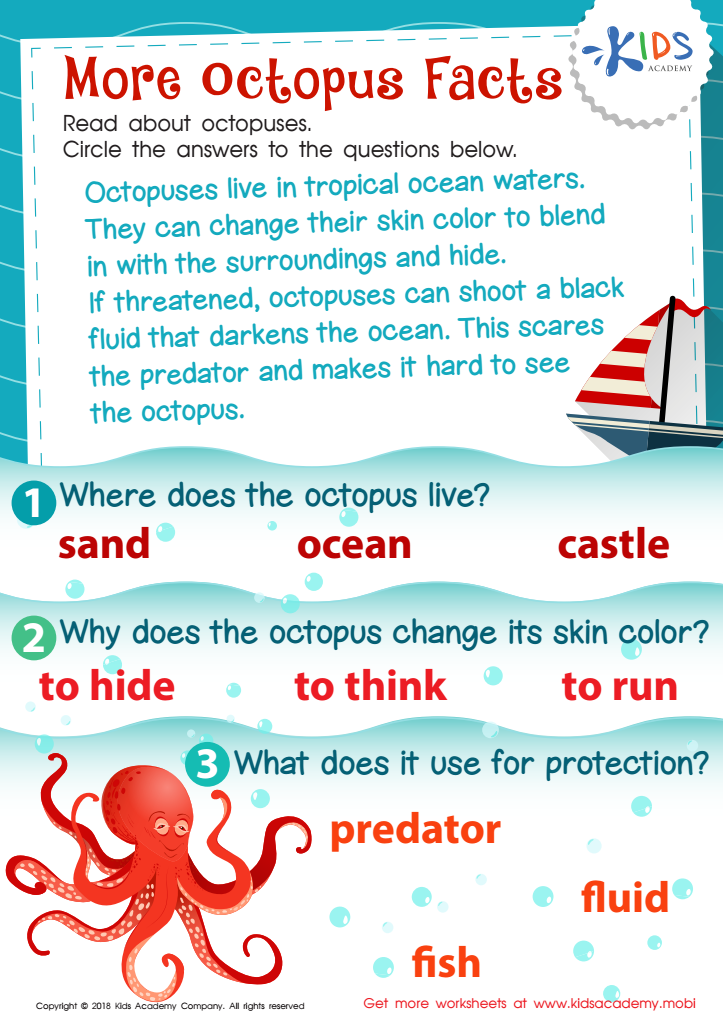
More Octopus Facts Worksheet
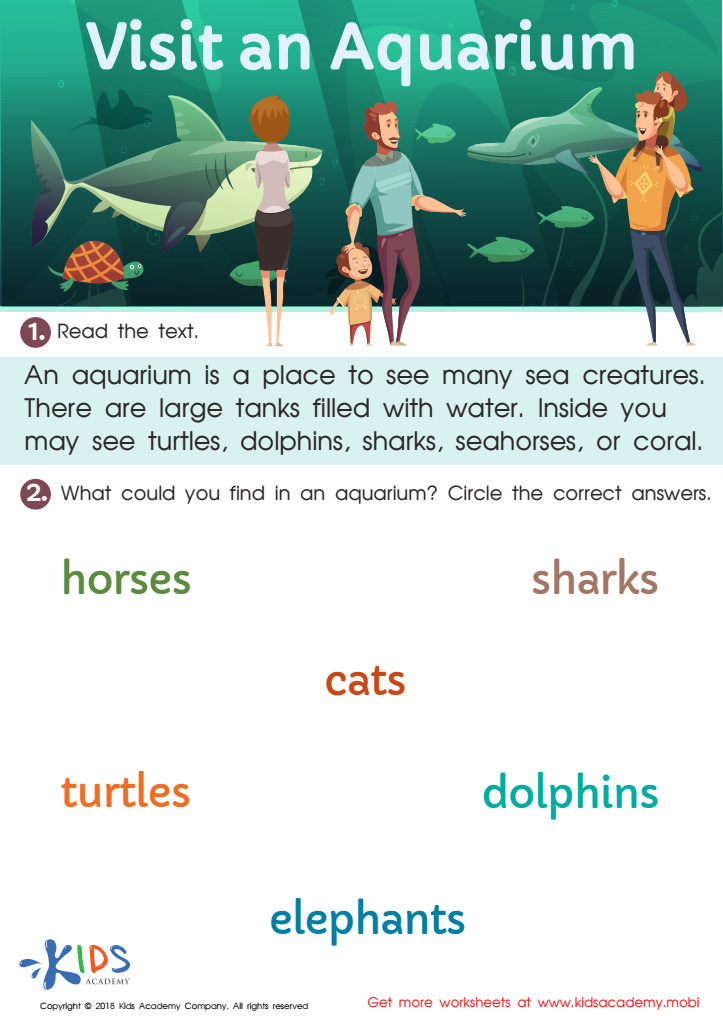
Visit an Aquarium Worksheet
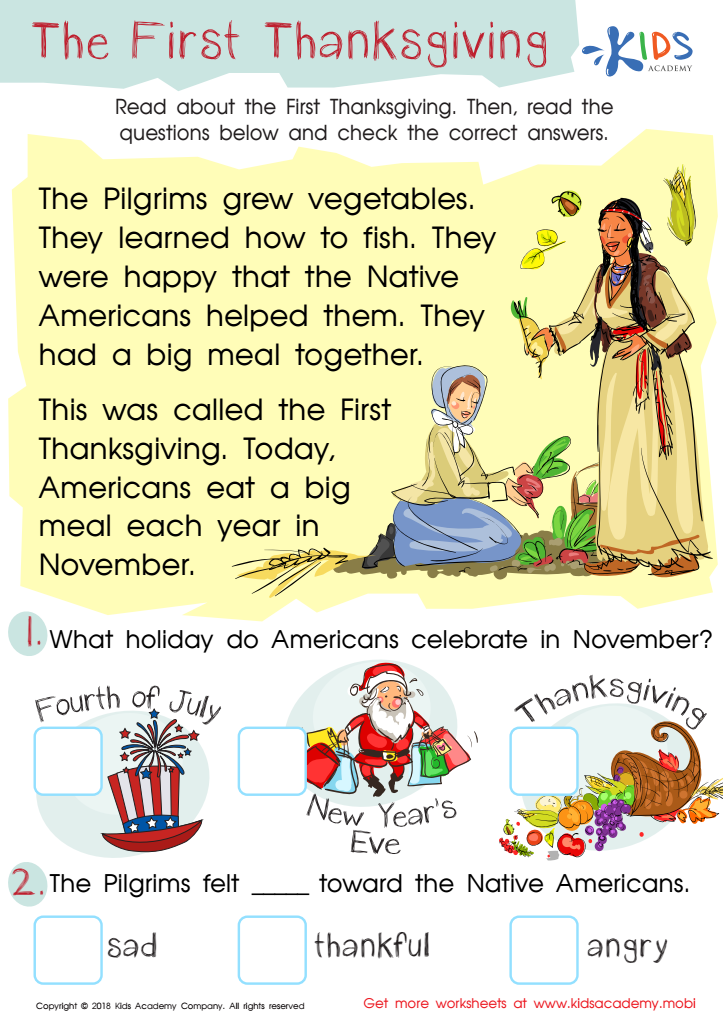
Assessment: First Thanksgiving Worksheet
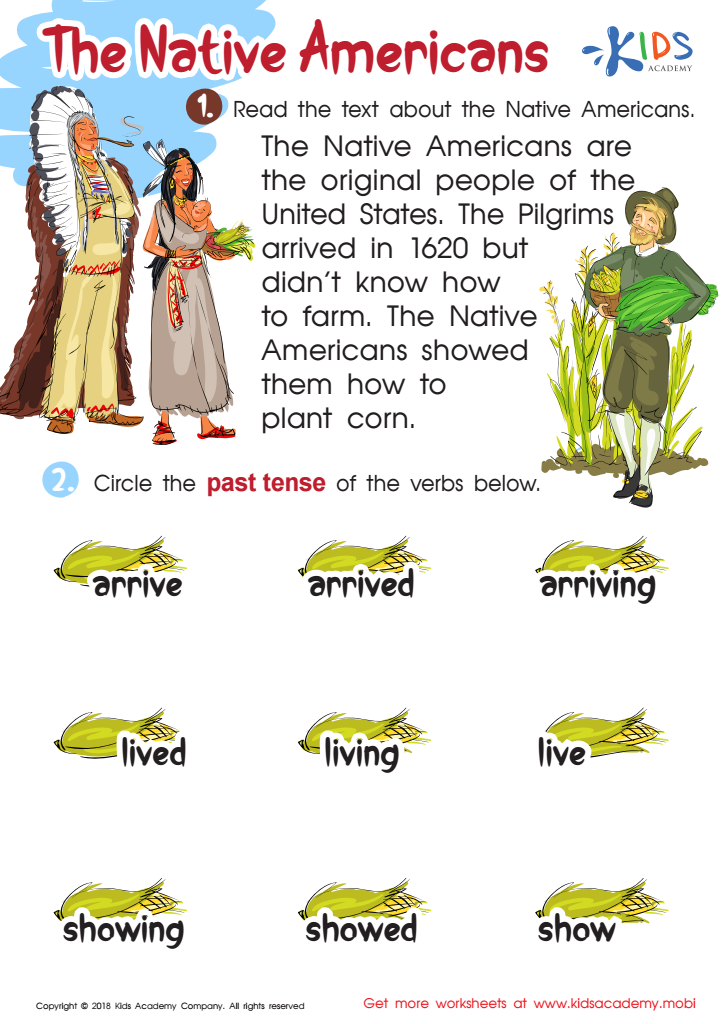
The Native Americans Worksheet
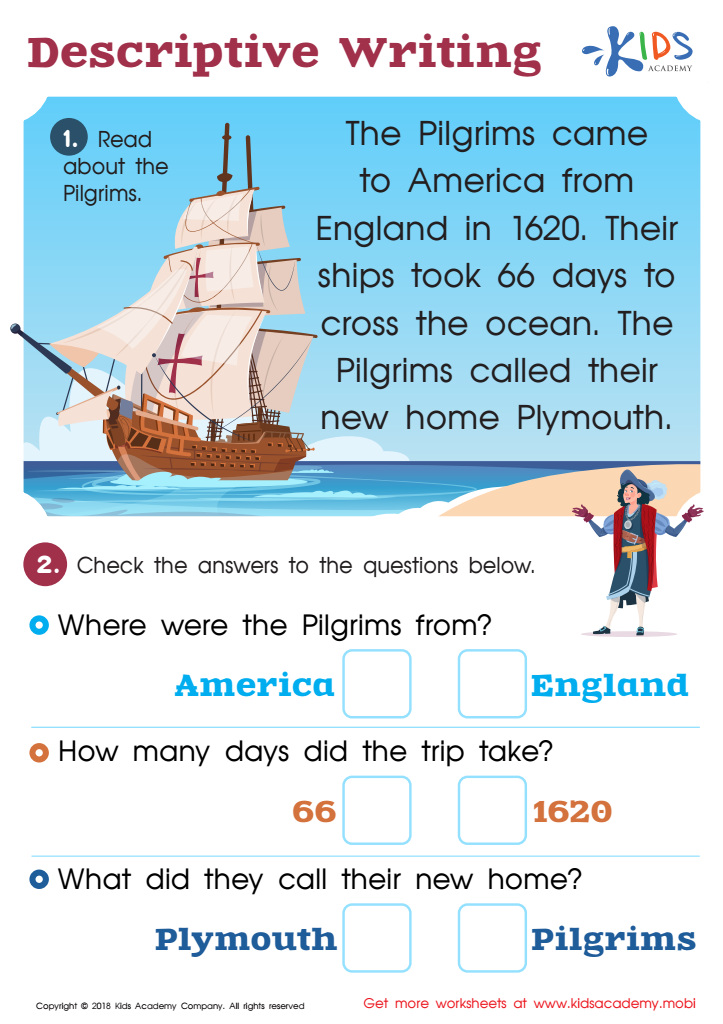
Descriptive Writing Worksheet: Part 1
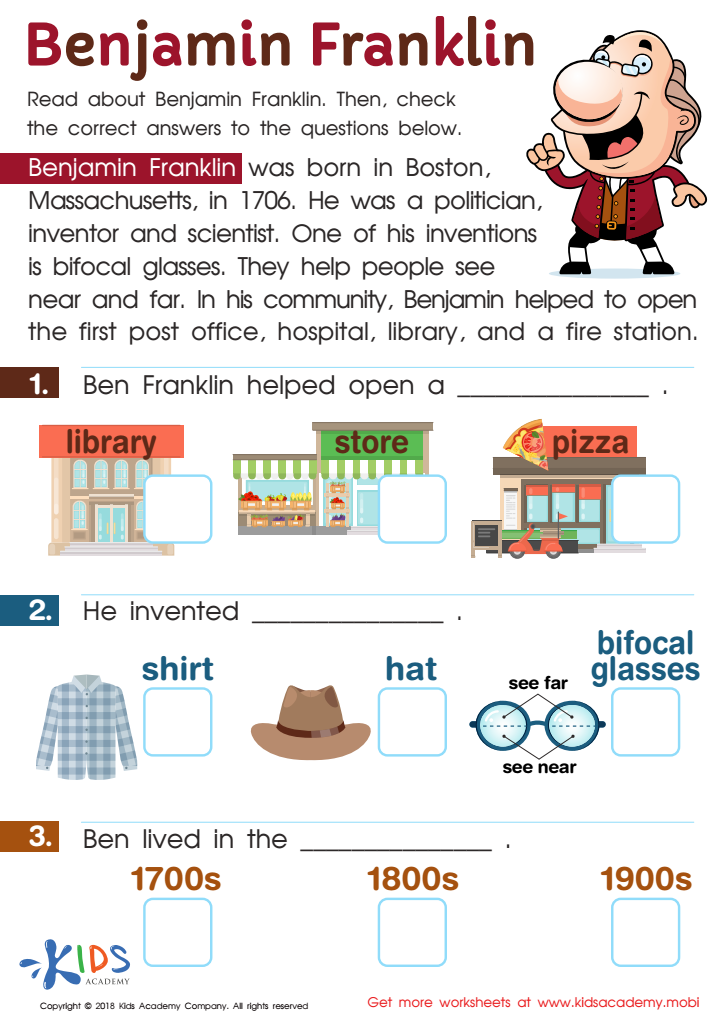
Benjamin Franklin Worksheet
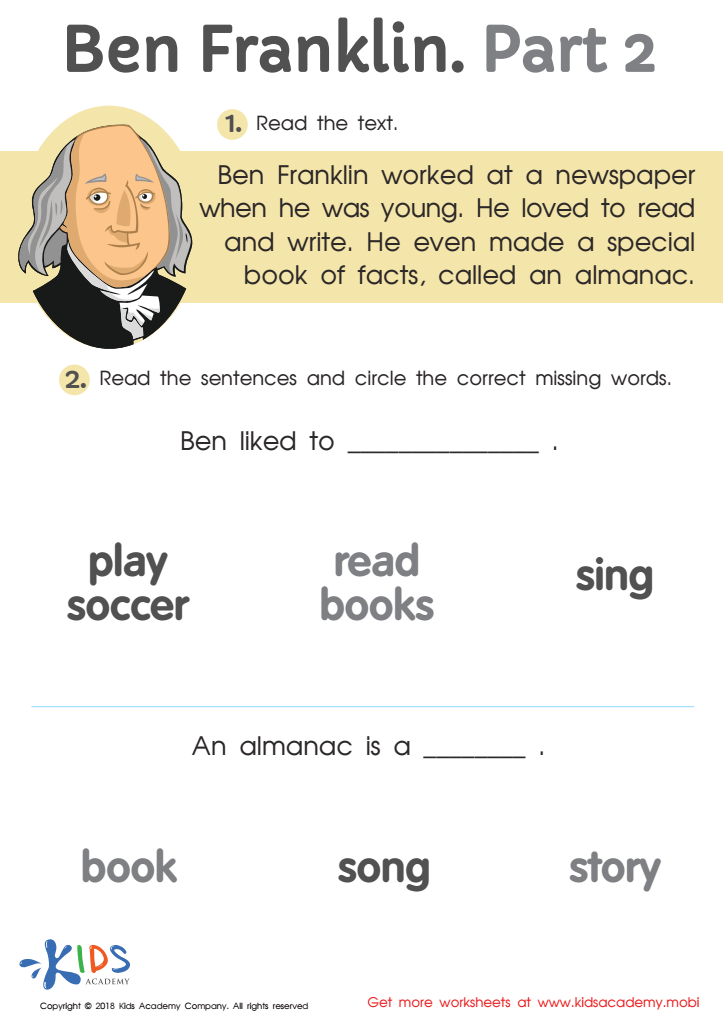
Ben Franklin Part 2 Worksheet
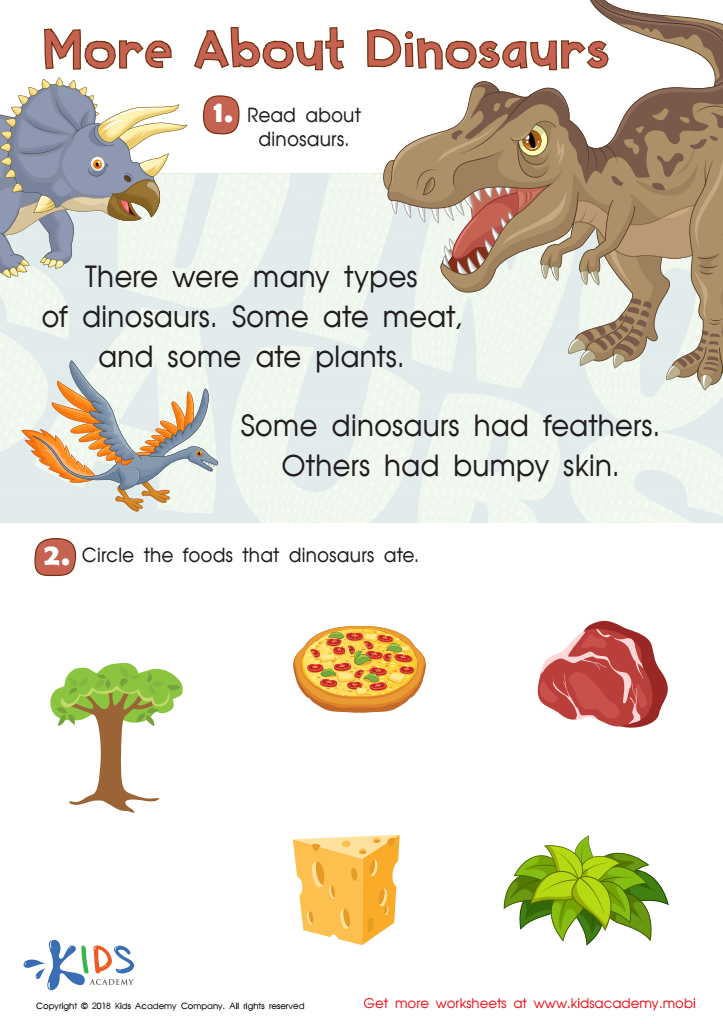
More About Dinosaurs Worksheet
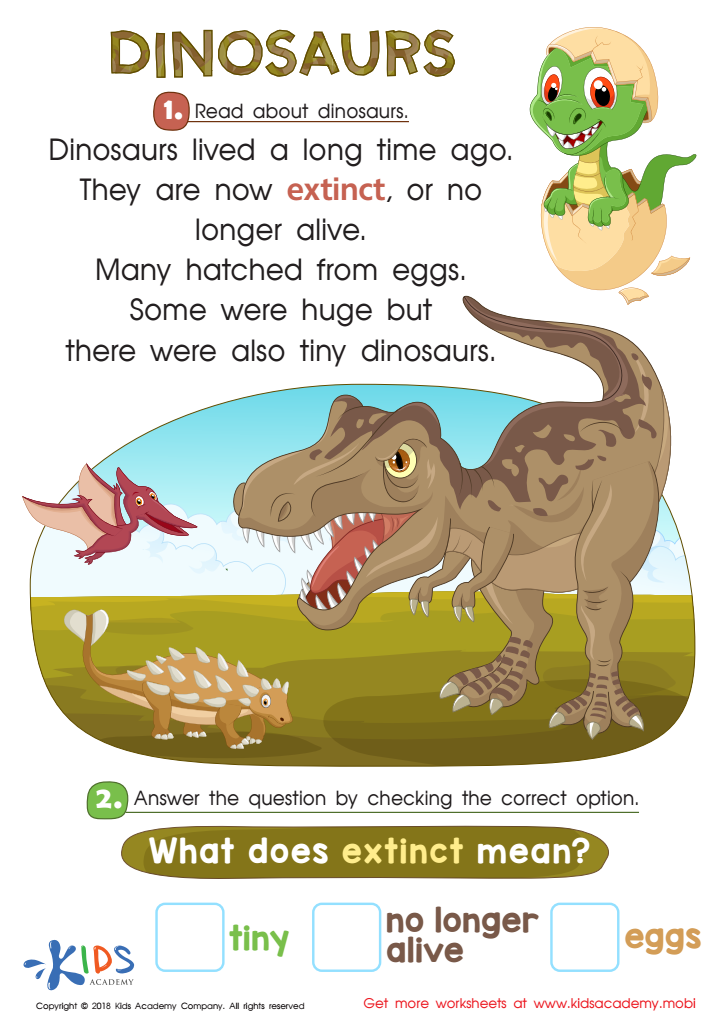
Dinosaurs Worksheet
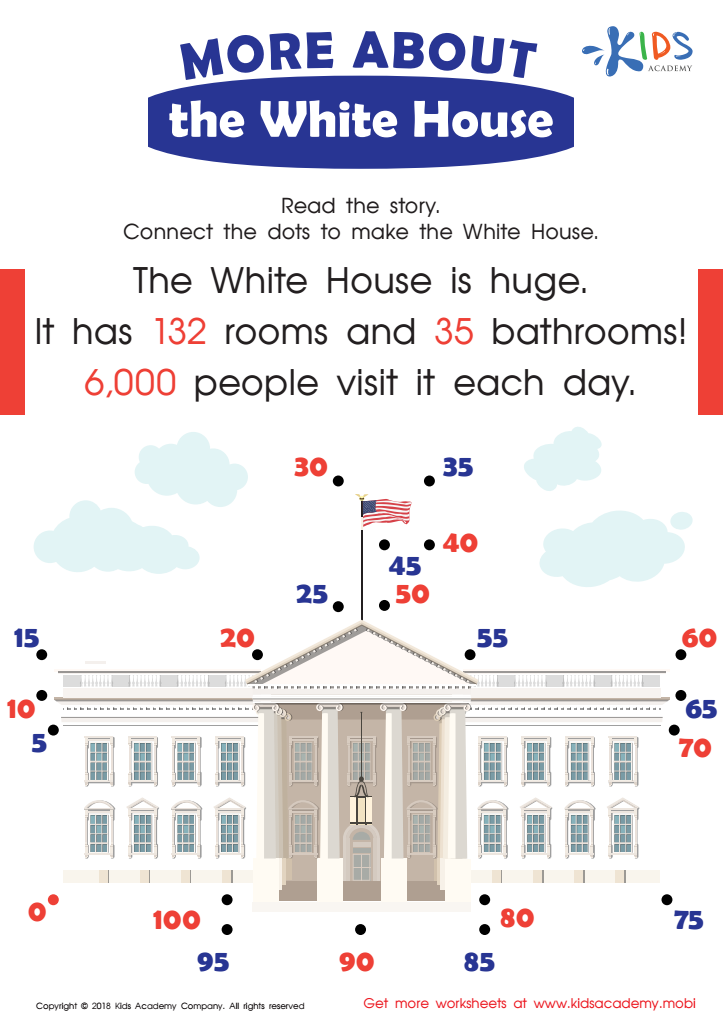
More About the White House Worksheet
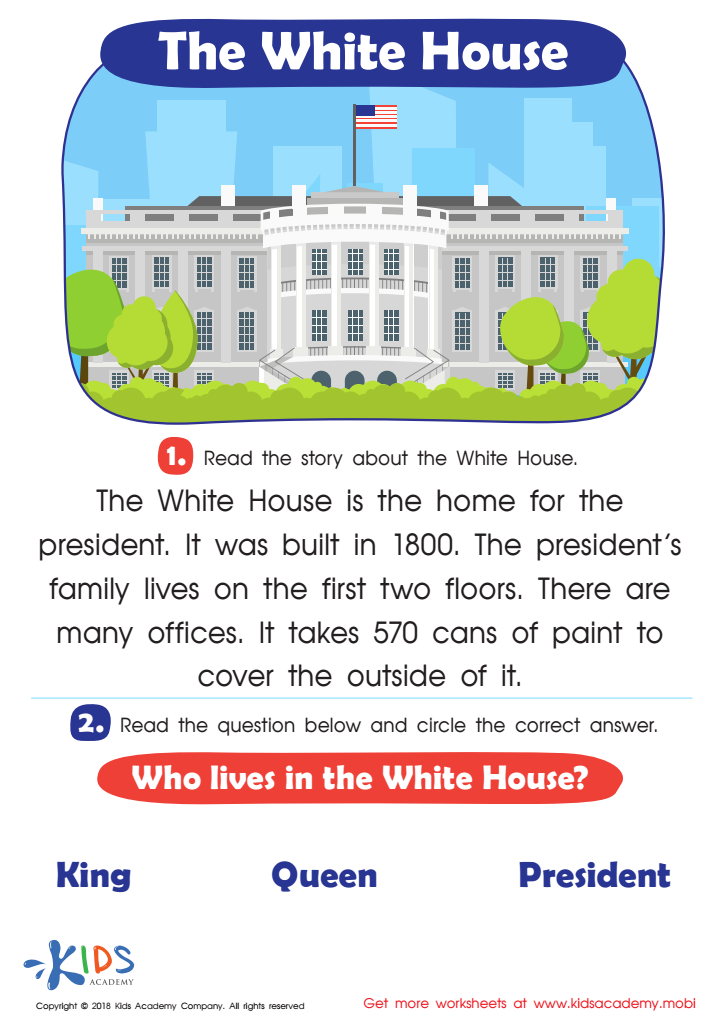
White House Worksheet
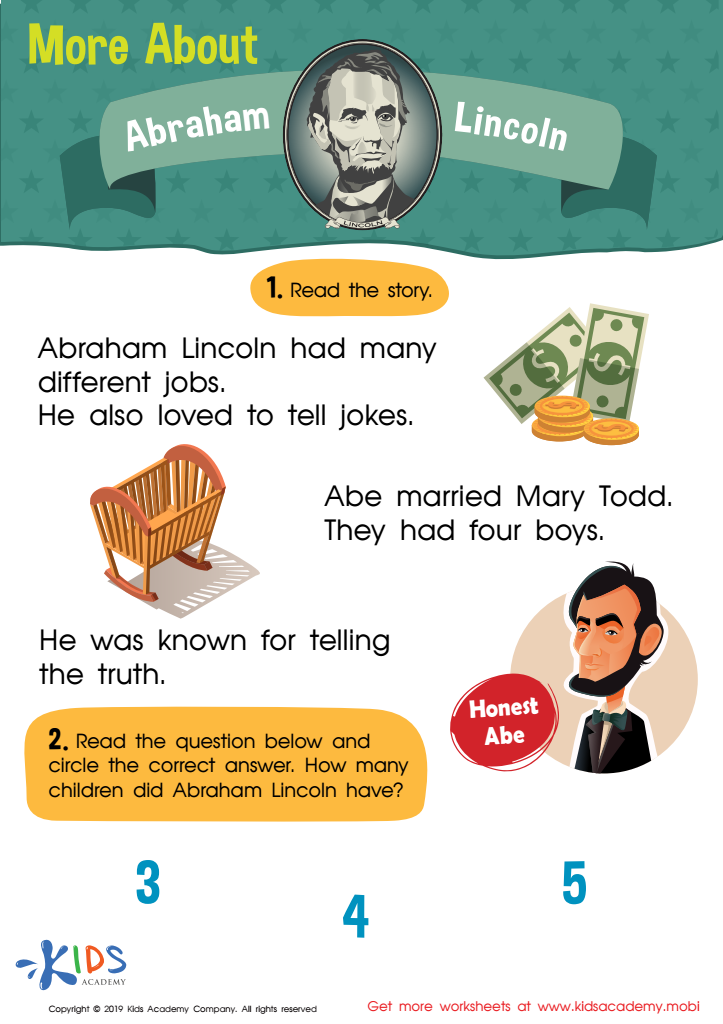
More About Abraham Lincoln Worksheet
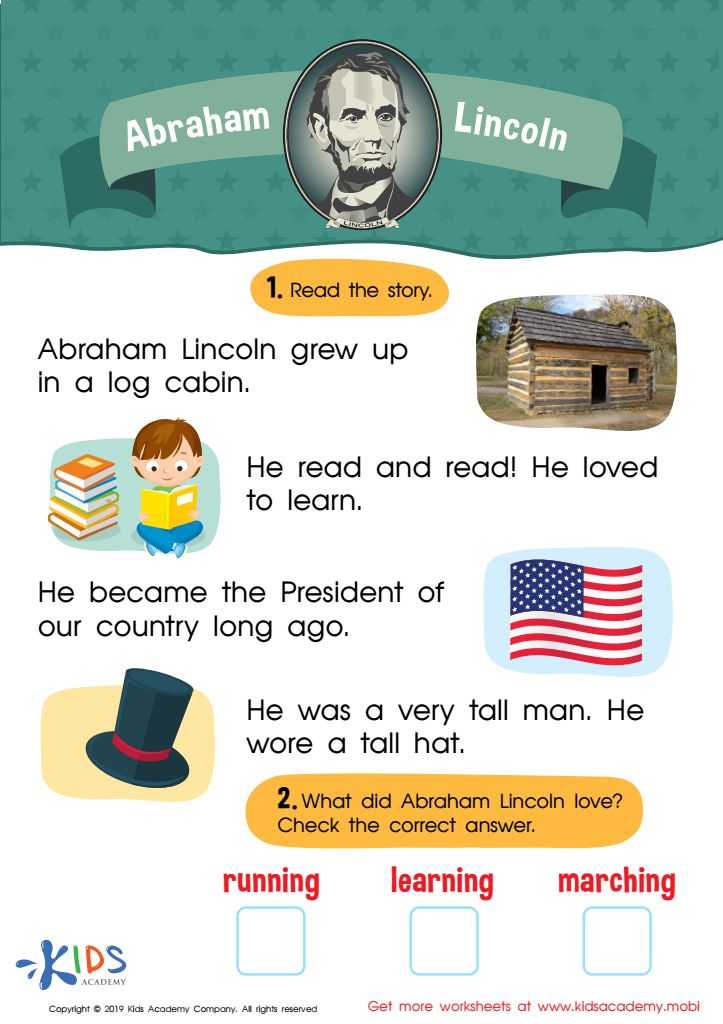
Abraham Lincoln Worksheet
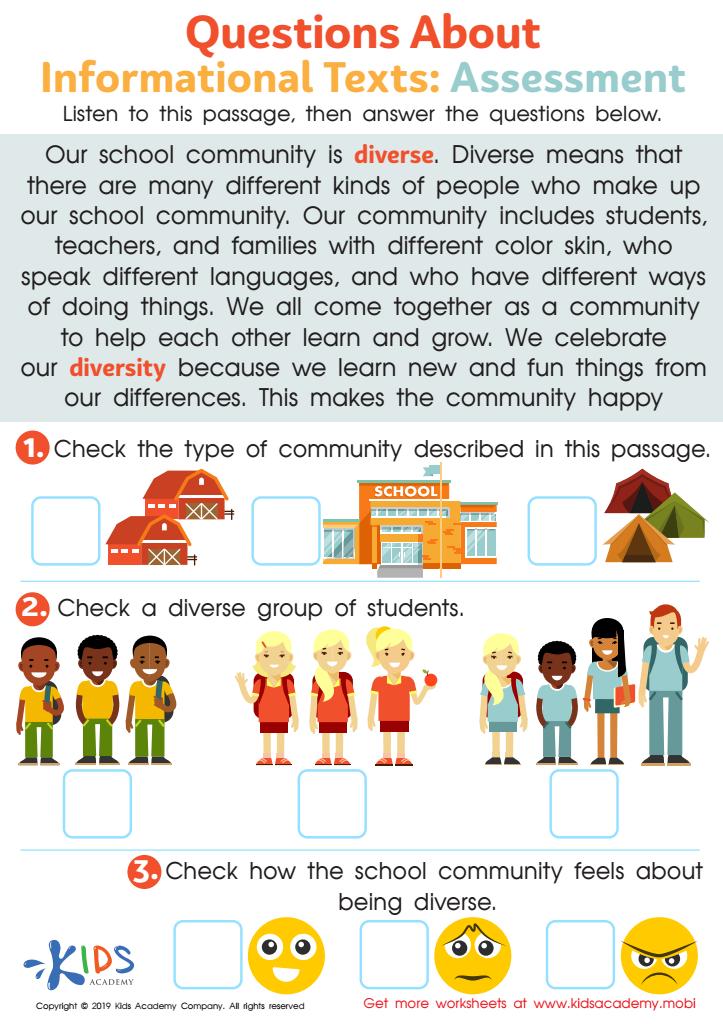
Questions About Informational Texts: Assessment 1 Worksheet
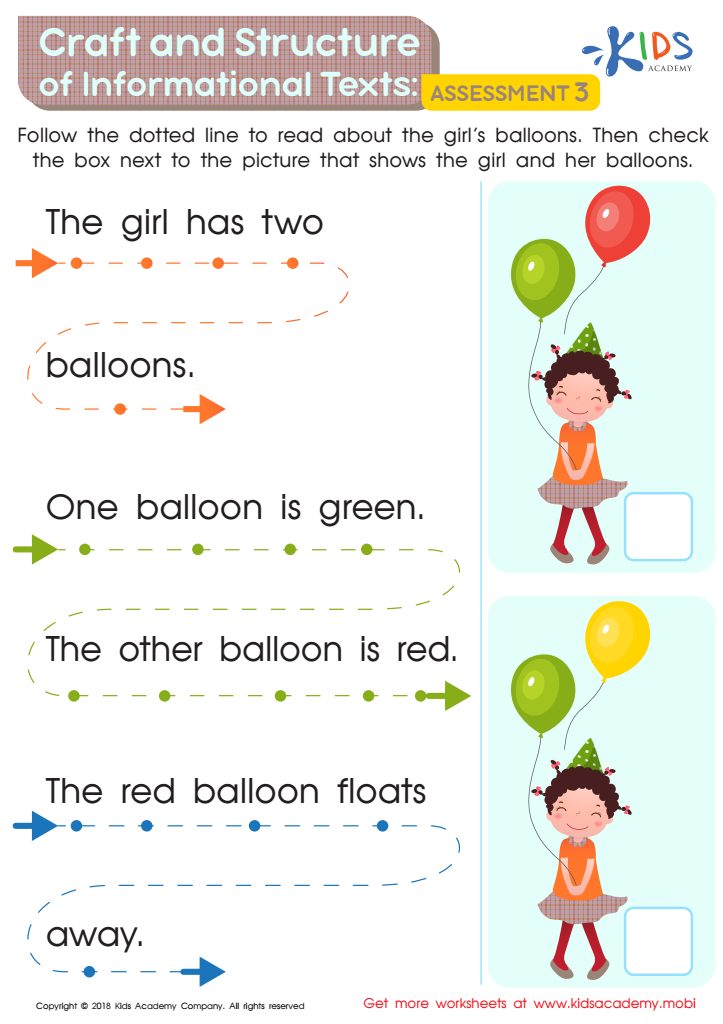
Craft and Structure of Informational Texts: Assessment 3 Worksheet
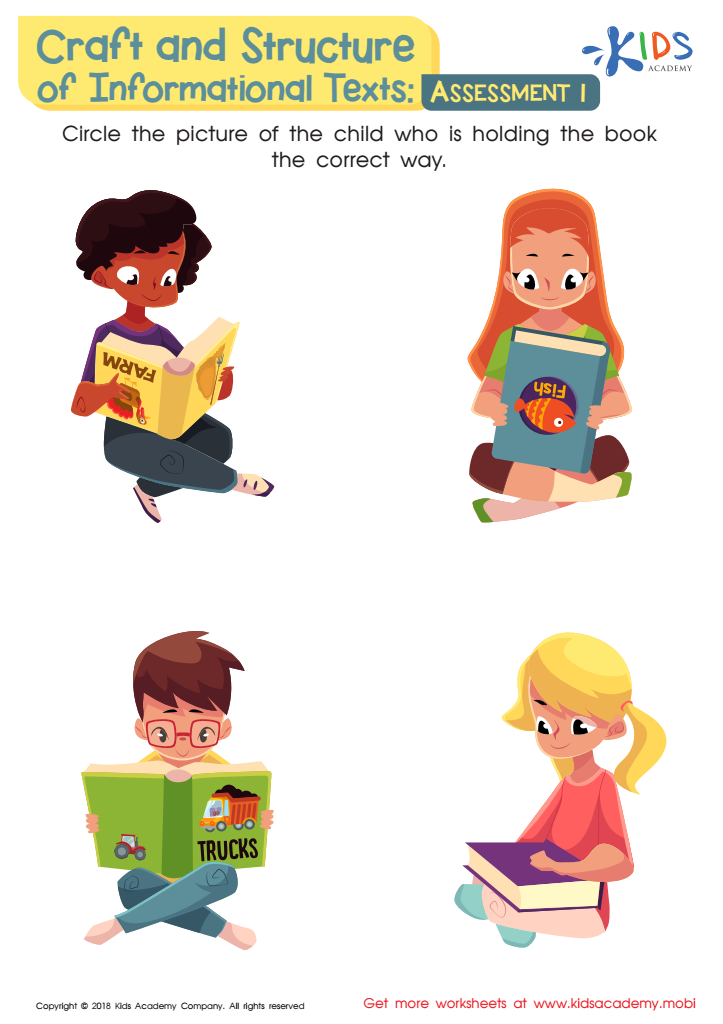
Craft and Structure of Informational Texts: Assessment 1 Worksheet
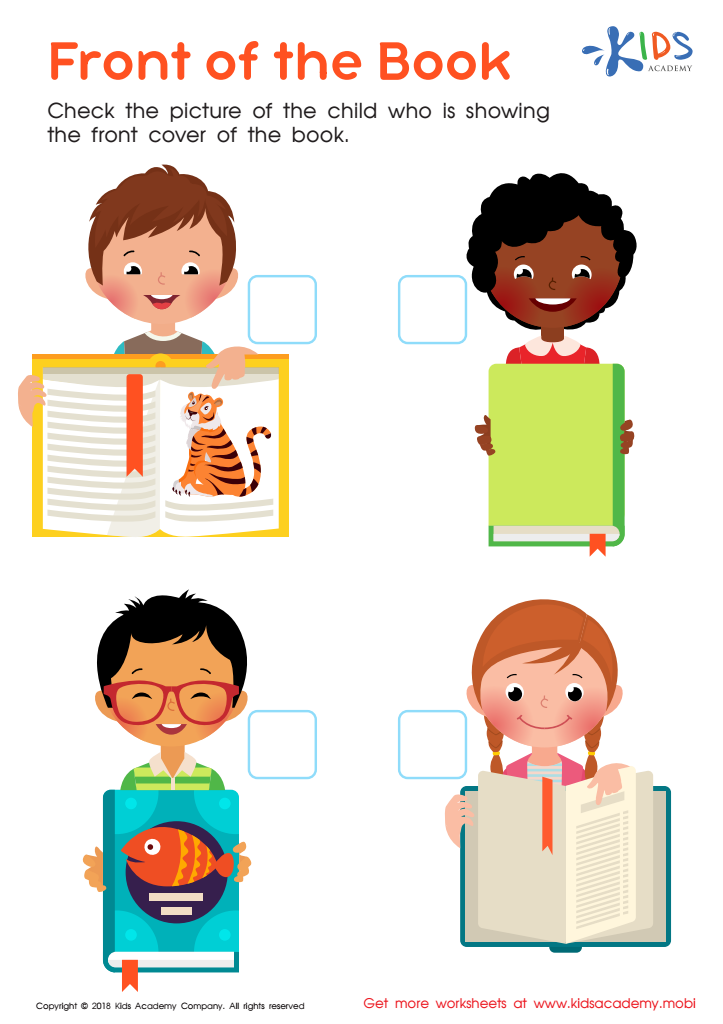
Front of the Book Worksheet
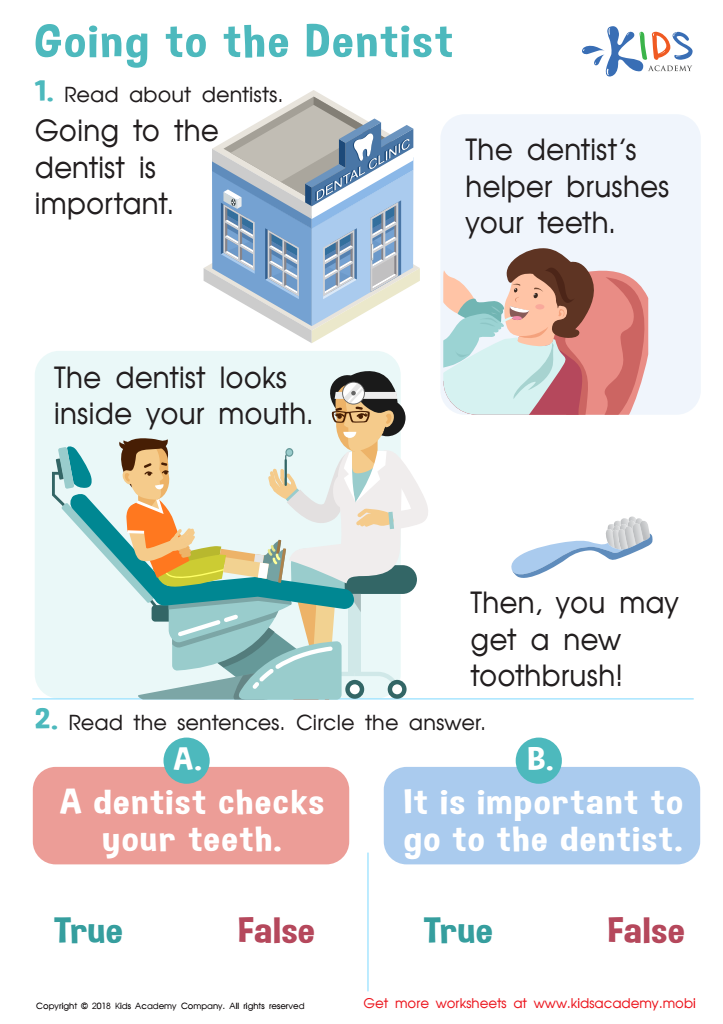
Going to the Dentist Part 2 Worksheet
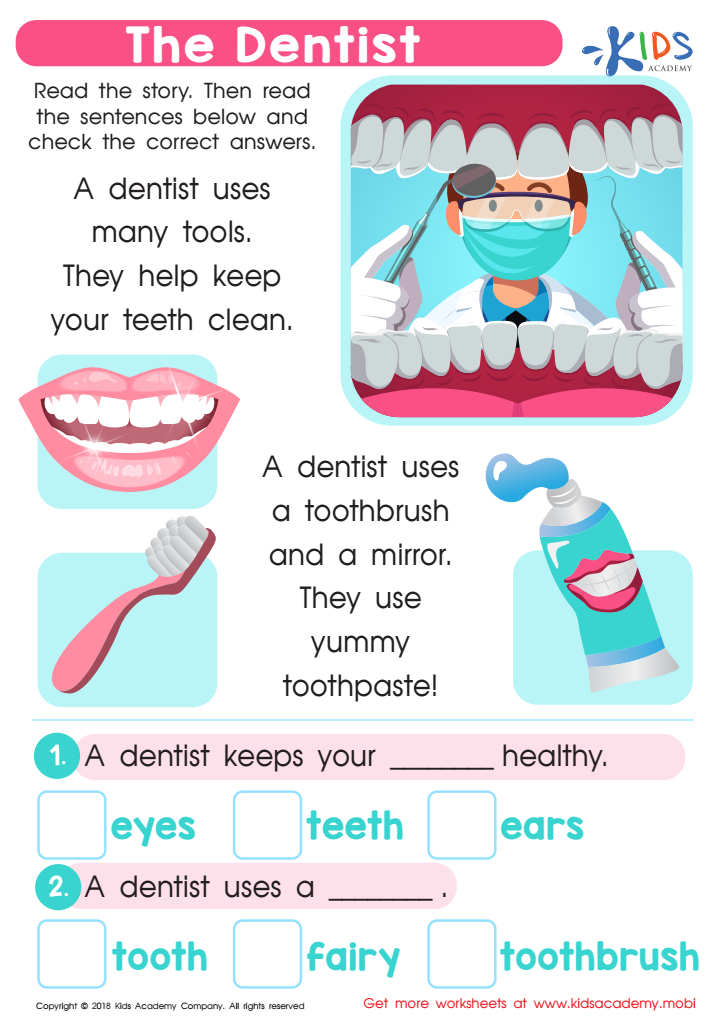
The Dentist Worksheet
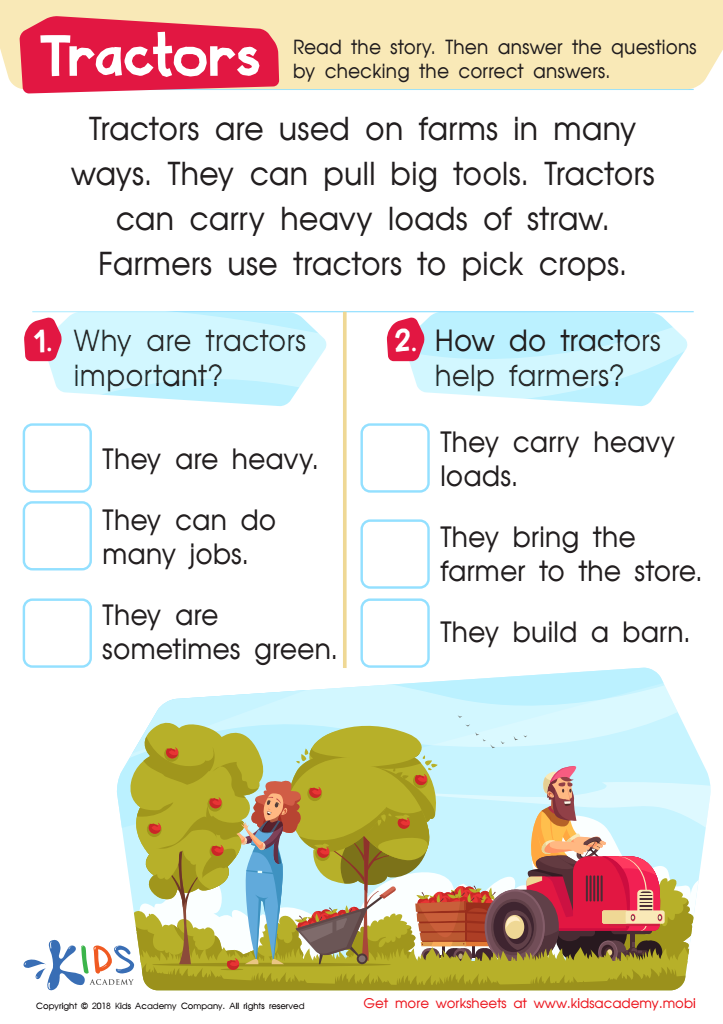
Tractors Worksheet







Reading non-fiction for ages 4-8 is crucial for cognitive and emotional development. During these formative years, children are naturally curious about the world around them, and non-fiction books satisfy this curiosity by introducing them to real-life concepts, phenomena, and knowledge. Parents and teachers should advocate for non-fiction literature because it fosters critical thinking skills. Children learn to differentiate between fact and fiction, and develop analytical skills as they explore real-life topics.
Non-fiction texts also improve vocabulary and language skills. These books often introduce terminology specific to various subjects, enhancing children's understanding while widening their vocabulary range. Furthermore, non-fiction supports the development of comprehension skills as young readers learn to engage with text features such as headings, charts, and glossaries.
Encouraging a love for non-fiction also nurtures a sense of agency and exploration, empowering students to ask questions about their interests. It helps promote various life skills including research capabilities, sensitivity towards diverse cultures and perspectives, and a lifelong love for learning.
In summary, including non-fiction in reading experiences can significantly enhance literacy, critical thinking, and emotional engagement, equipping children with essential tools for academic success and personal growth.








