Long Vowels Worksheets for Ages 4-9 - Page 2
29 filtered results
-
From - To
 Assign to My Students
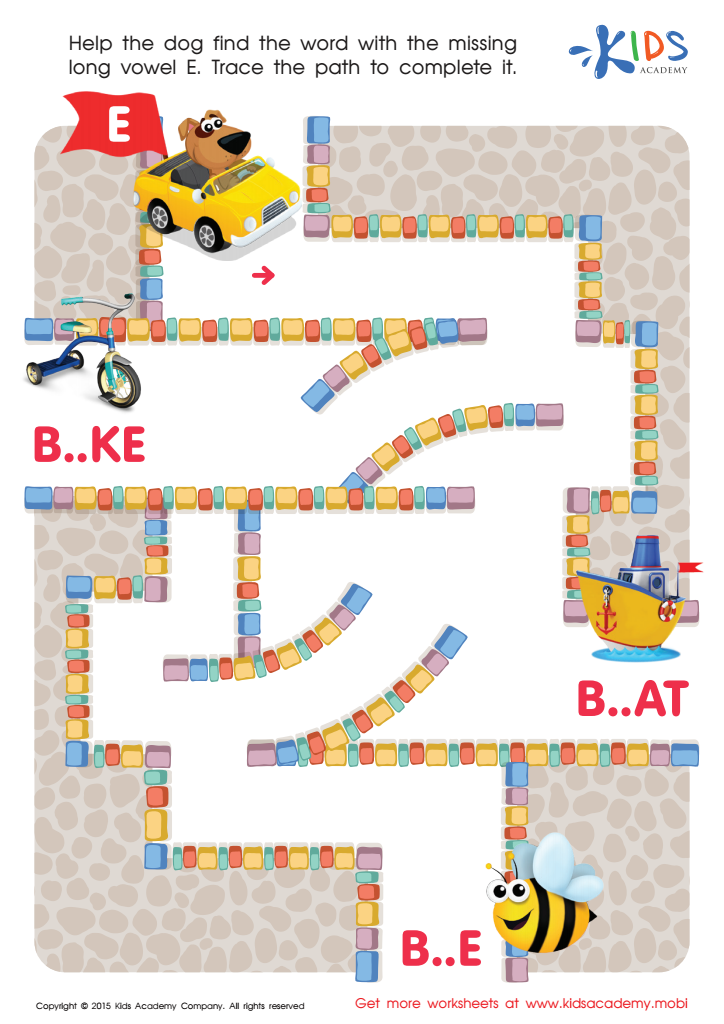
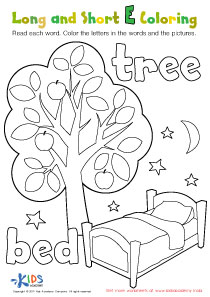
Long Vowel Sound E Worksheet
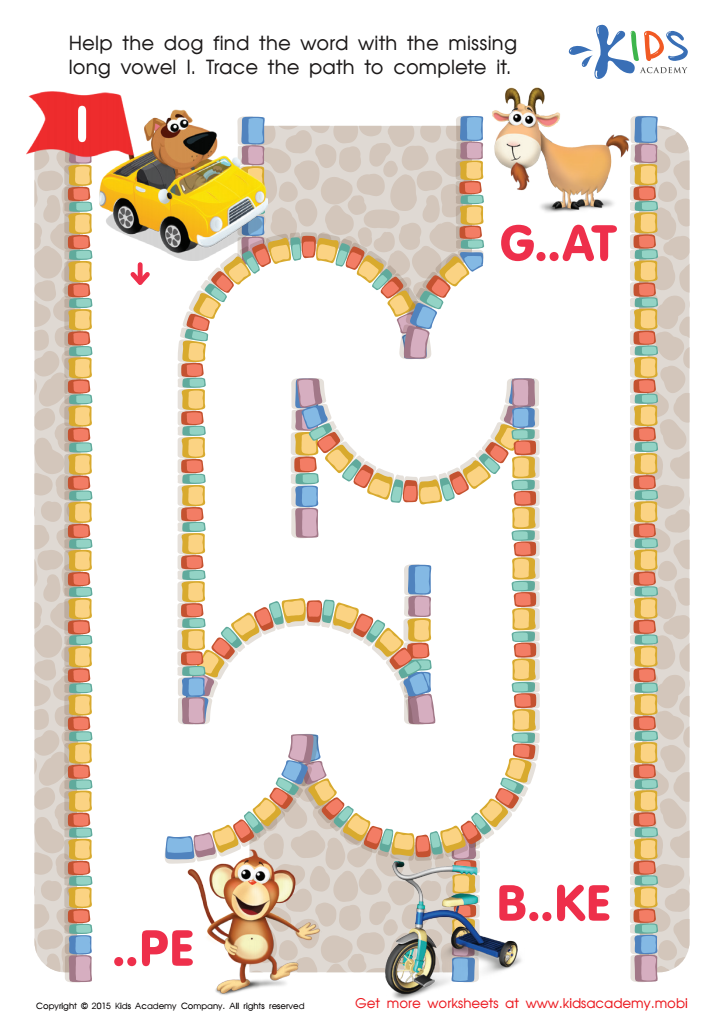
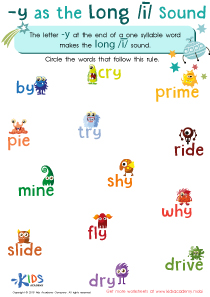
Long Vowel Sound I Worksheet
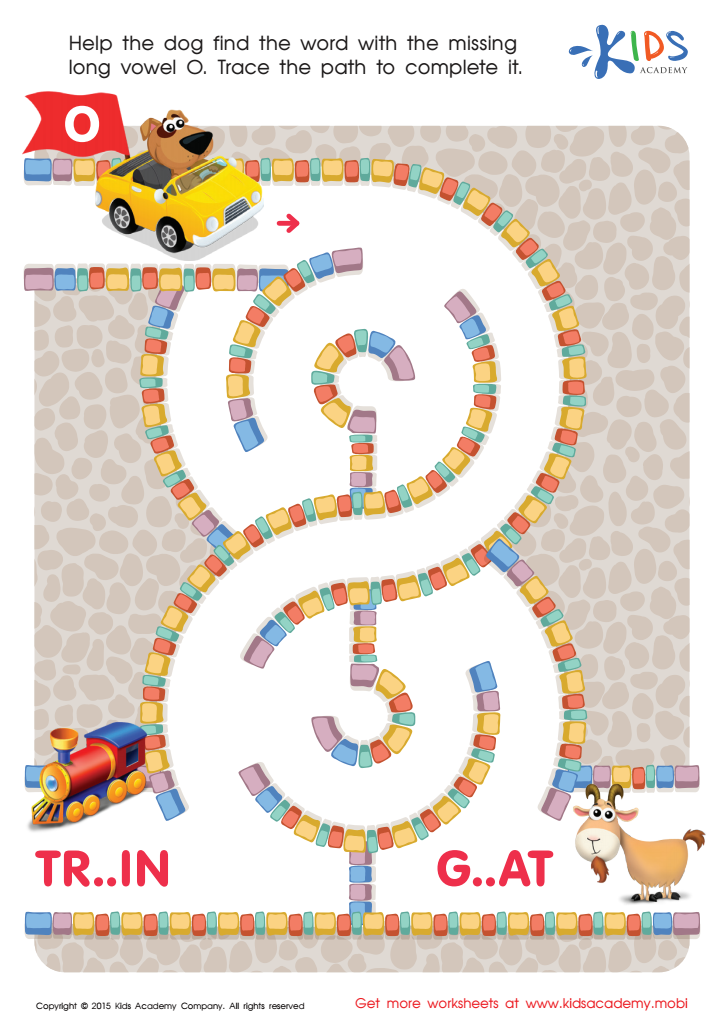
Long Vowel Sound O Worksheet
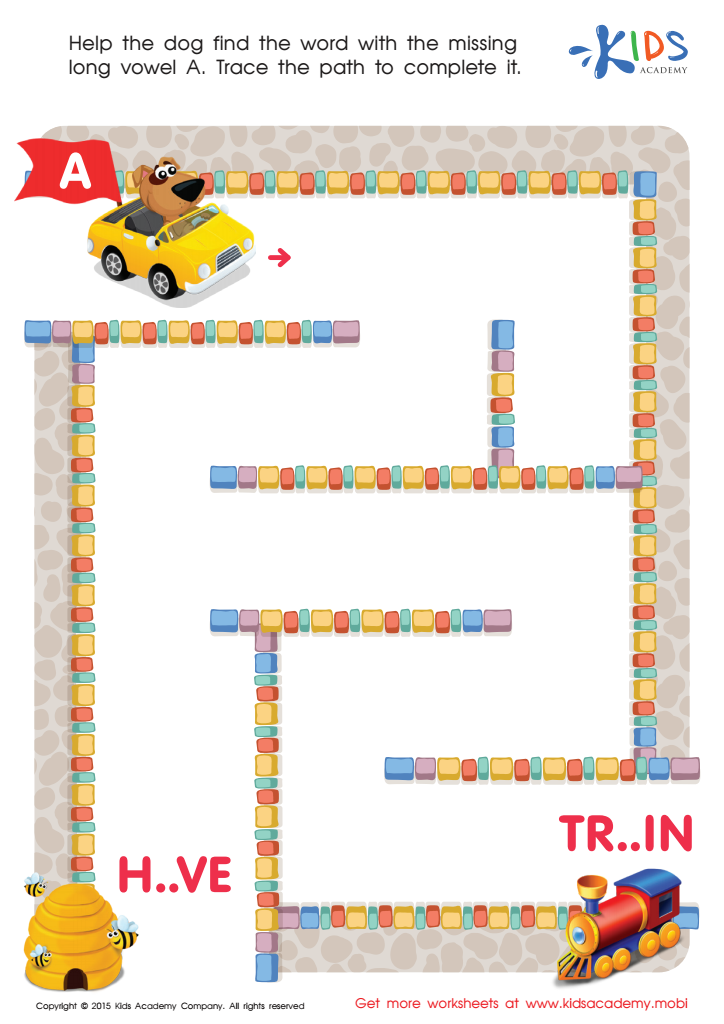
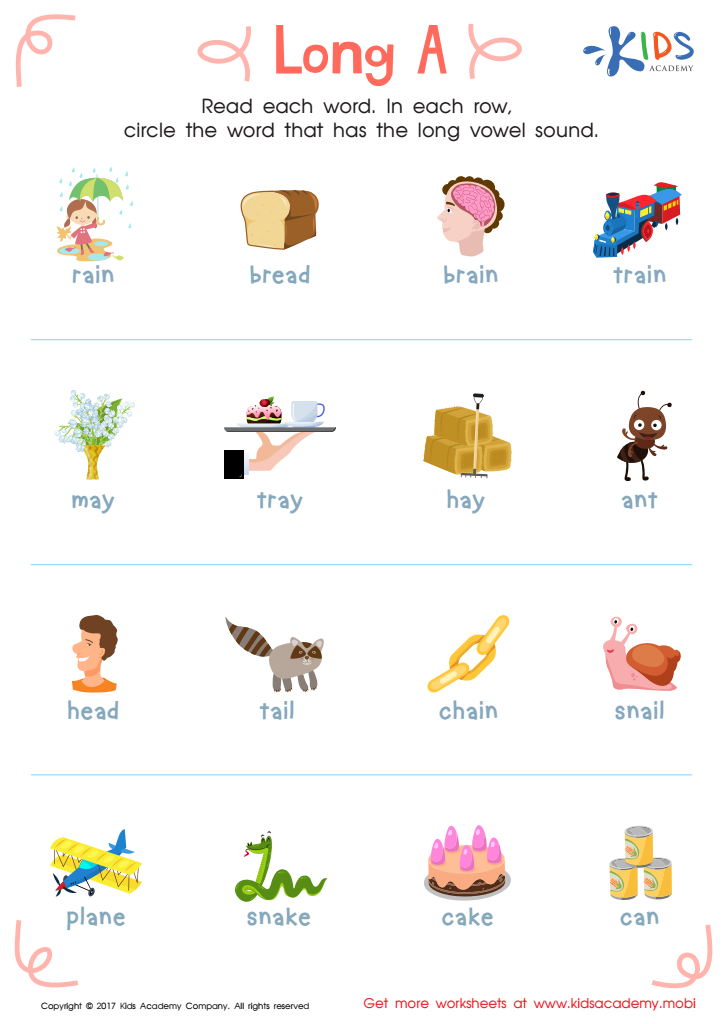
Long Vowel Sound A Worksheet



Understanding long vowels is crucial for children aged 4-9 as it lays the foundation for their reading and writing skills. Long vowels, which sound like their names (e.g., the 'a' in "cake" or the 'e' in "he"), are essential for decoding words. Mastery of long vowel patterns helps children recognize words faster, improving their reading fluency and comprehension.
Parents and teachers should prioritize long vowel instruction because these skills significantly impact literacy development. As children progress through early education, they encounter more complex texts; strong decoding skills alleviate reading frustration and enable them to focus on understanding content rather than struggling with words.
Additionally, an awareness of long vowels fosters confidence in students as they identify and harvest new vocabulary. It also enhances their spelling abilities, making it easier to recognize phonetic patterns.
Incorporating fun activities centered around long vowels supports engagement and motivation, creating a positive learning environment. By emphasizing the importance of long vowels, parents and teachers can help children become proficient readers and writers, paving the way for future academic success. Ultimately, investing in this fundamental skill nurtures a lifelong love for reading, sparking curiosity and learning.