Numbers Worksheets for Ages 4-9 - Page 2
510 filtered results
-
From - To
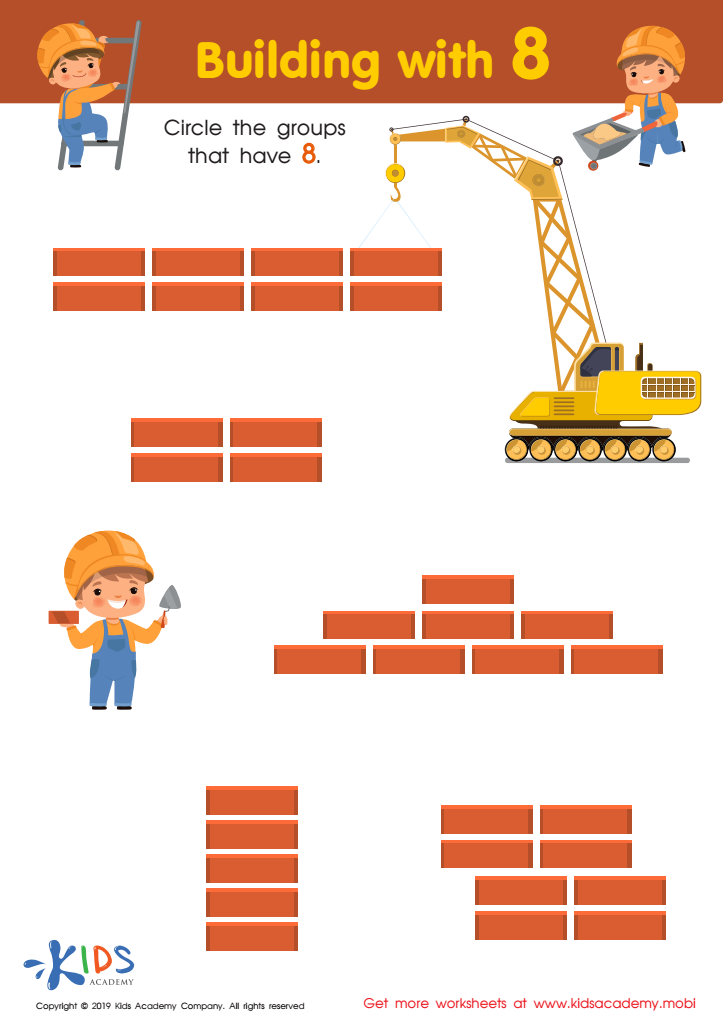
Building with 8 Worksheet
 Assign to My Students

3 Little Pigs Step Up Worksheet
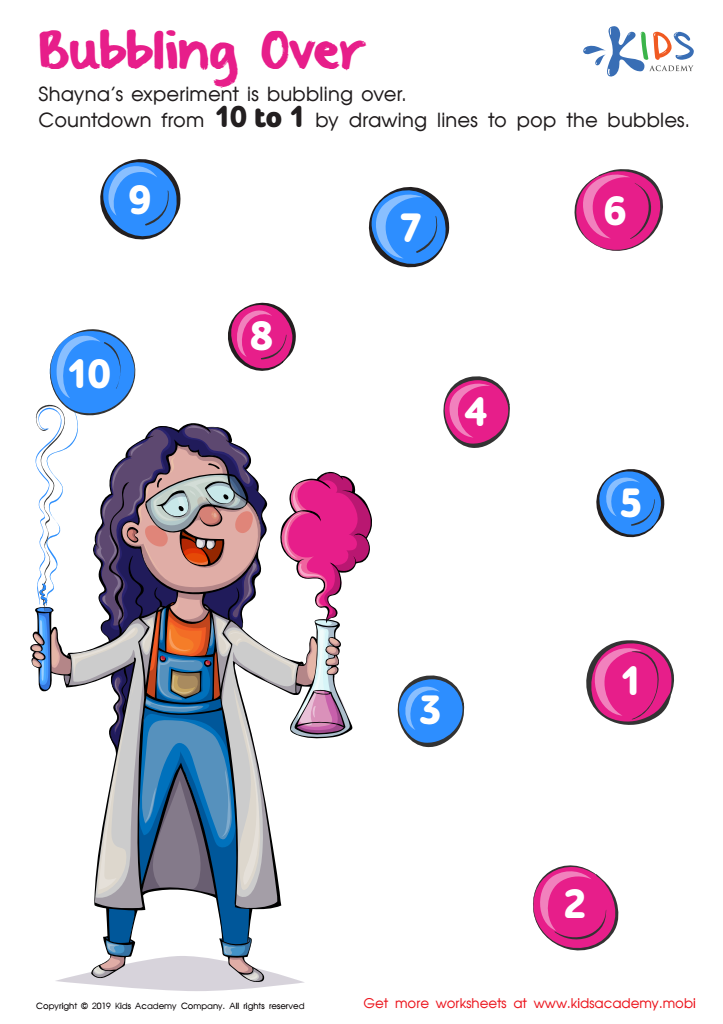
Bubbling Over Worksheet

One Less in the Family Worksheet
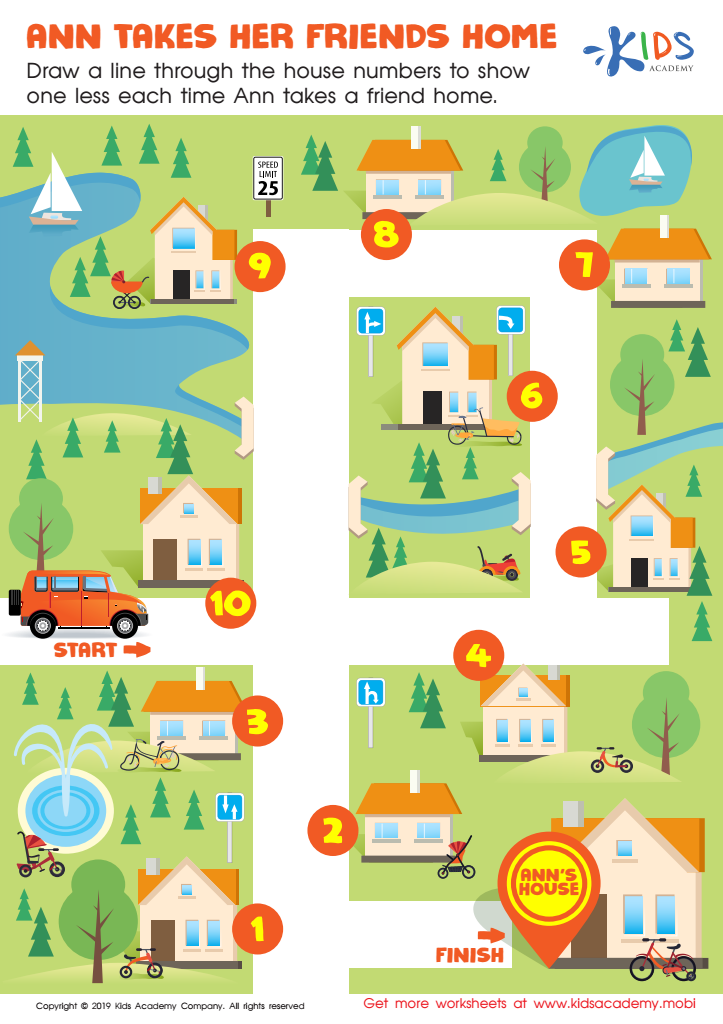
Ann Takes her Friends Home Worksheet
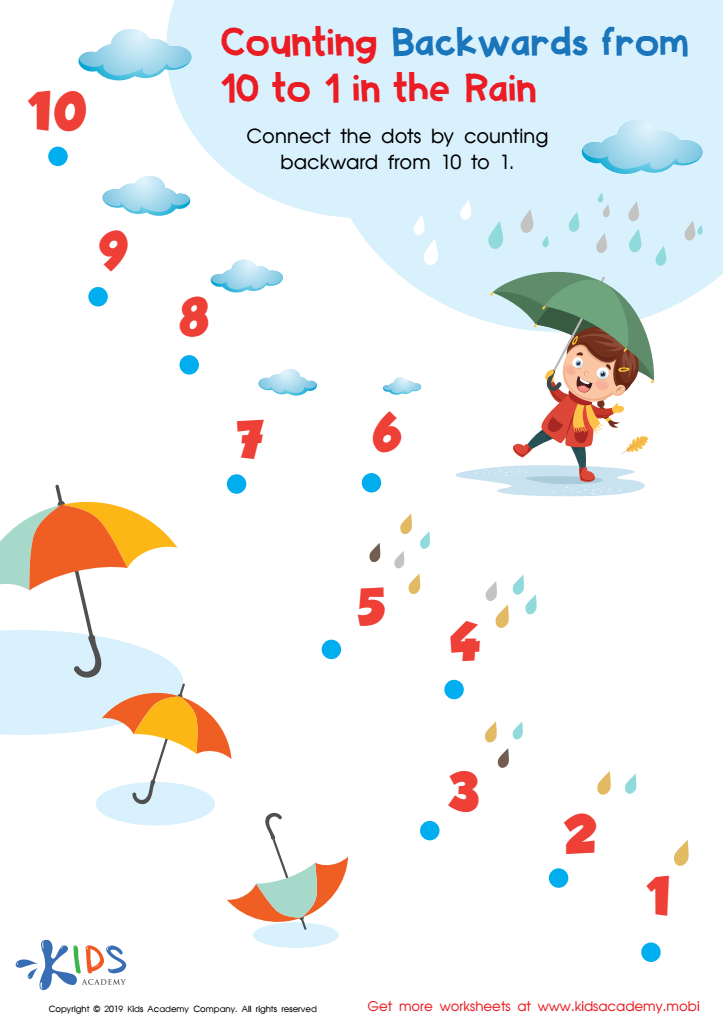
Counting Backwards from 10 to 1 in the Rain Worksheet
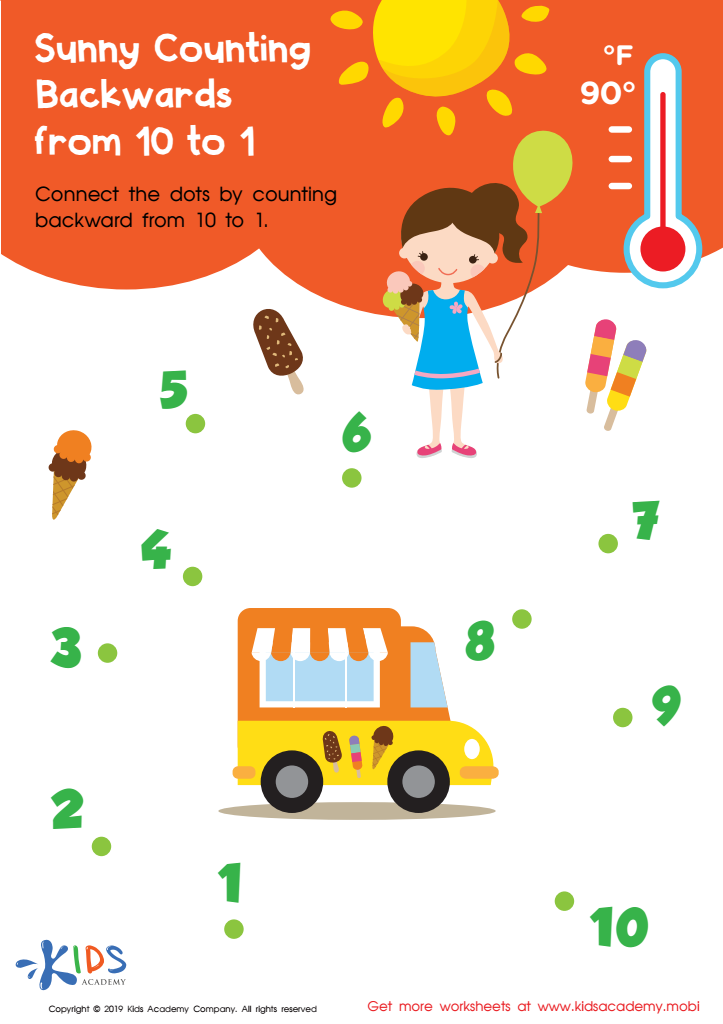
Sunny Counting Backwards from 10 to 1 Worksheet

Transportation: Steps Worksheet
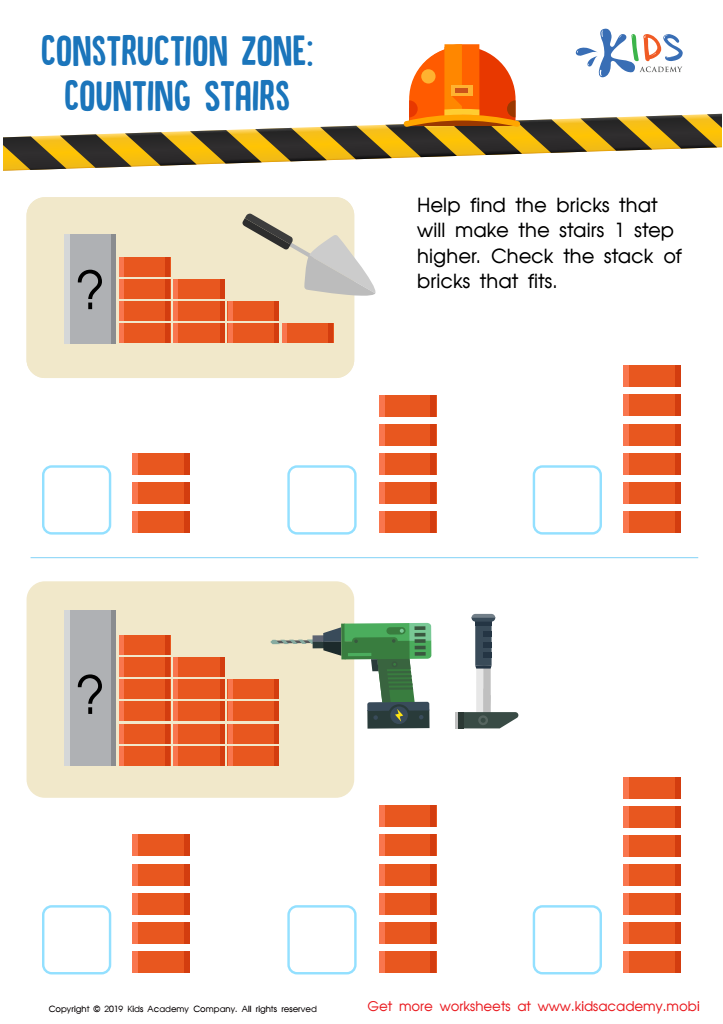
Construction Zone: Counting Stairs Worksheet
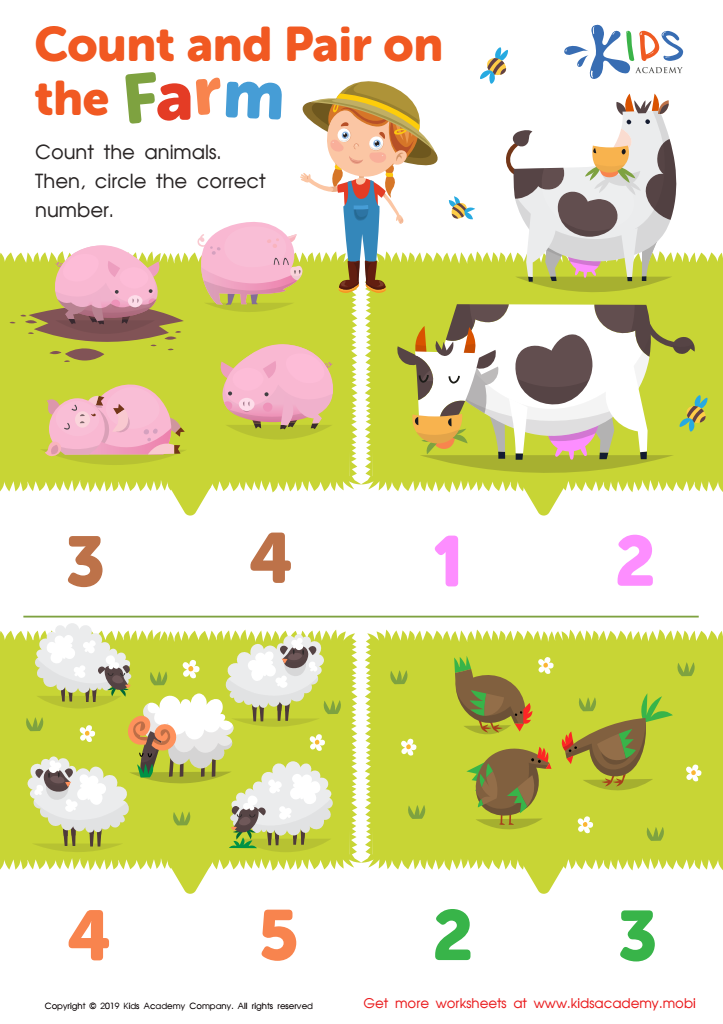
Count and Pair on the Farm Worksheet
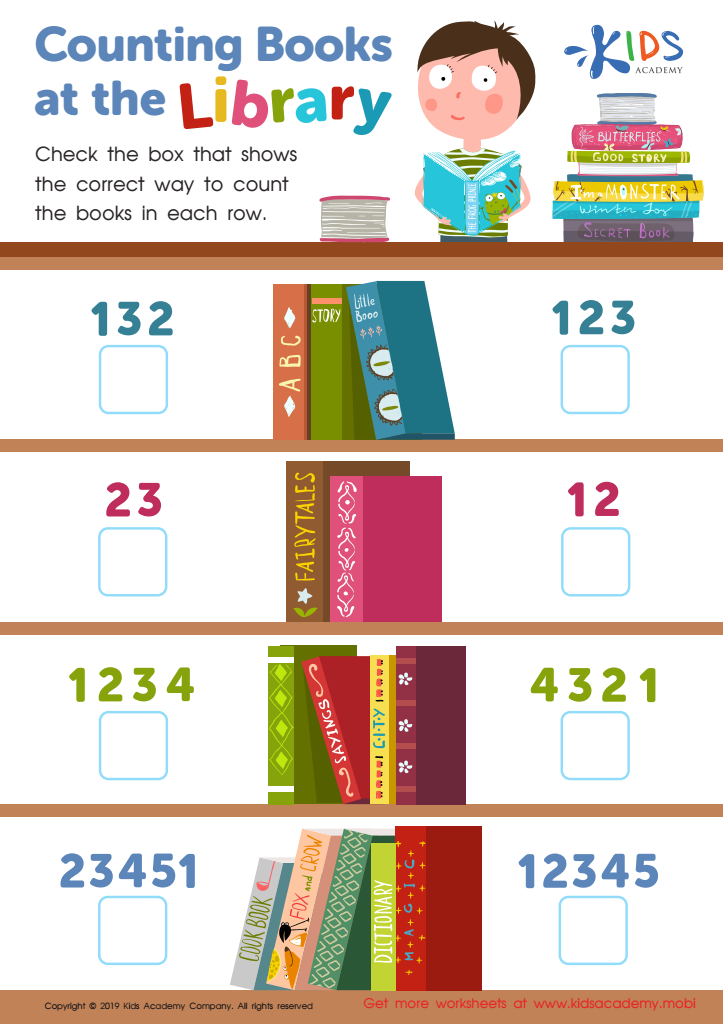
Counting Books at the Library Worksheet
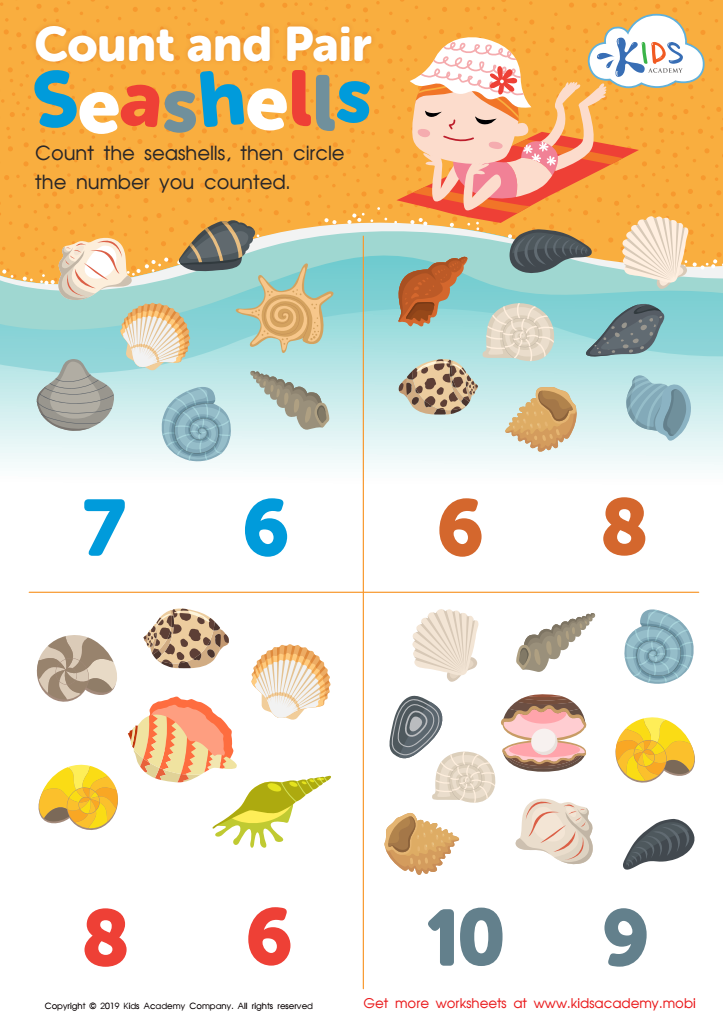
Count and Pair Seashells Worksheet
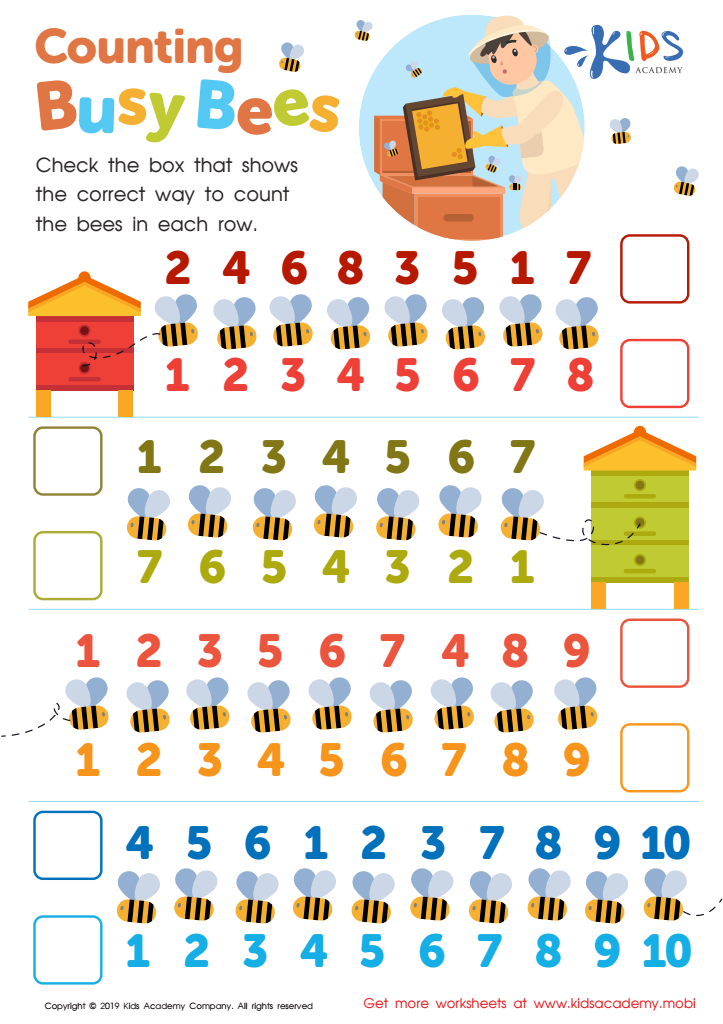
Counting Busy Bees Worksheet
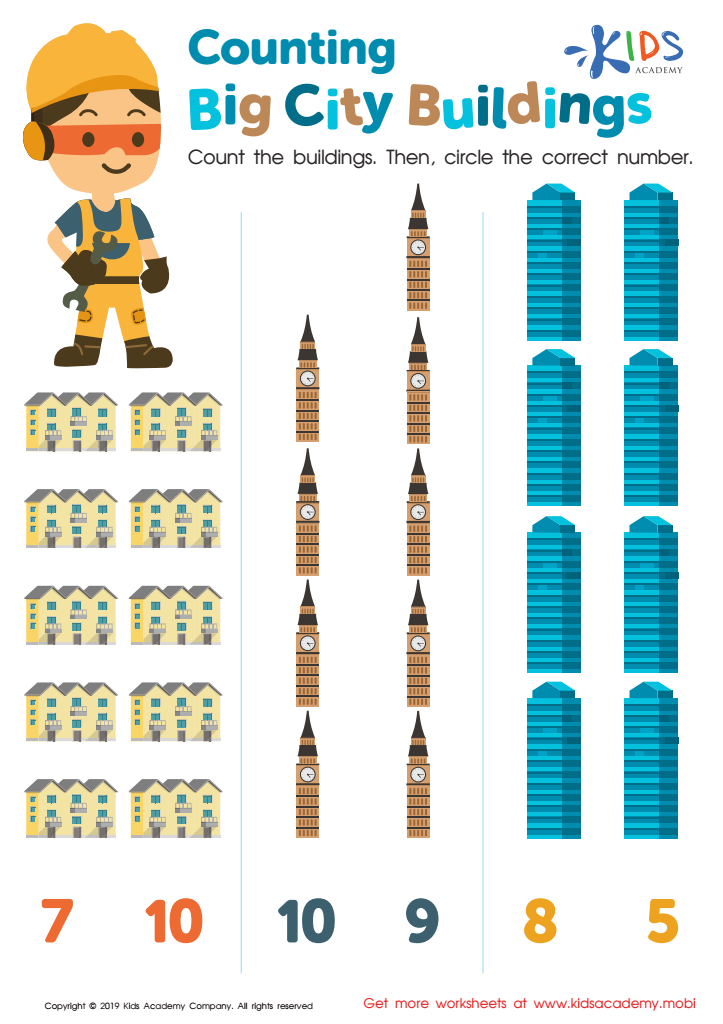
Counting Big City Buildings Worksheet
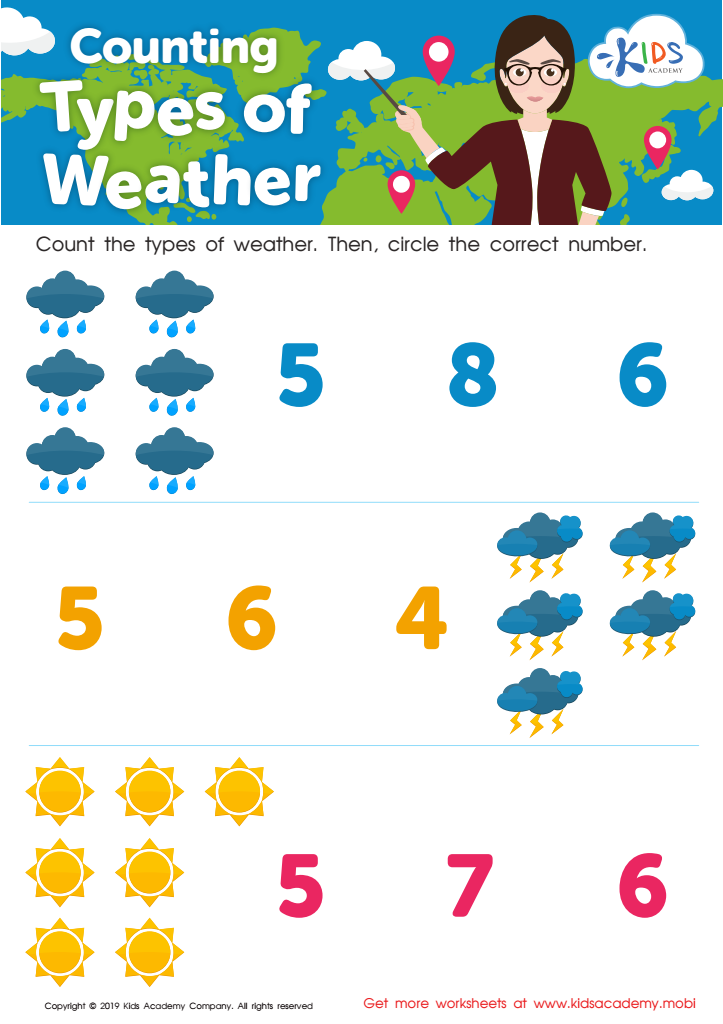
Counting Types of Weather Worksheet
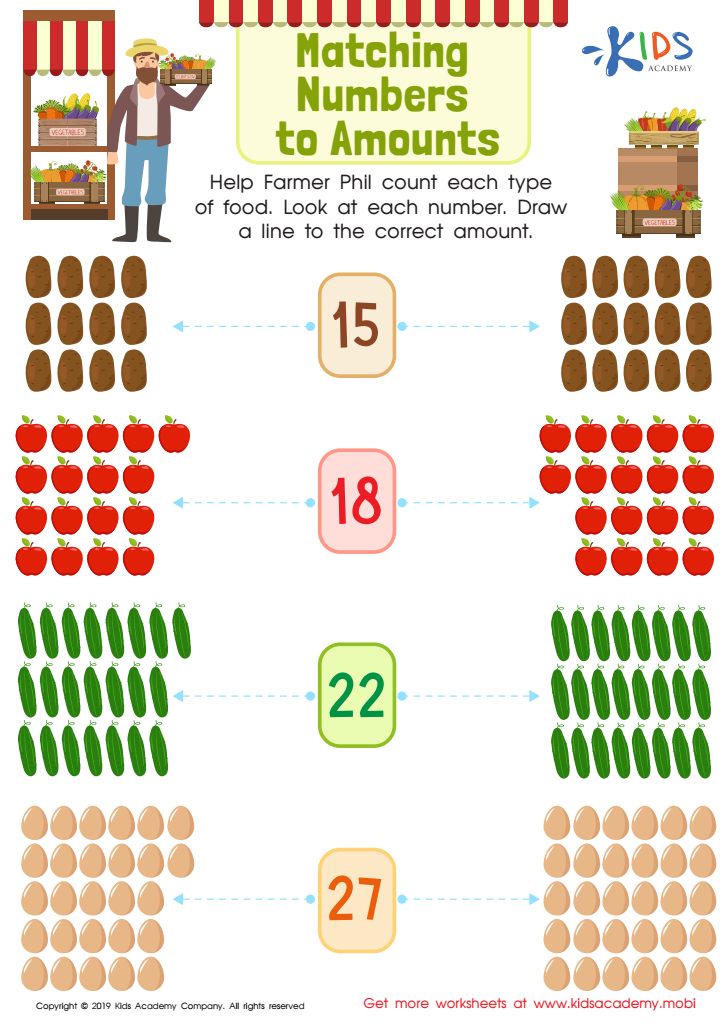
Matching Numbers to Amounts Worksheet
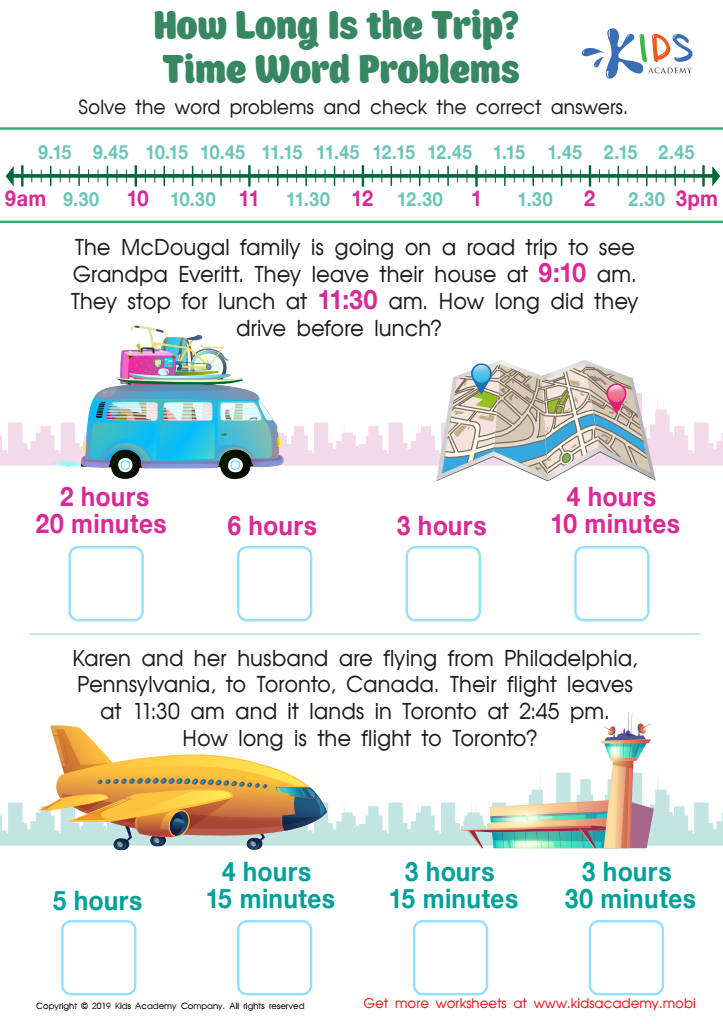
How long is the Trip? Time Word Problems Worksheet
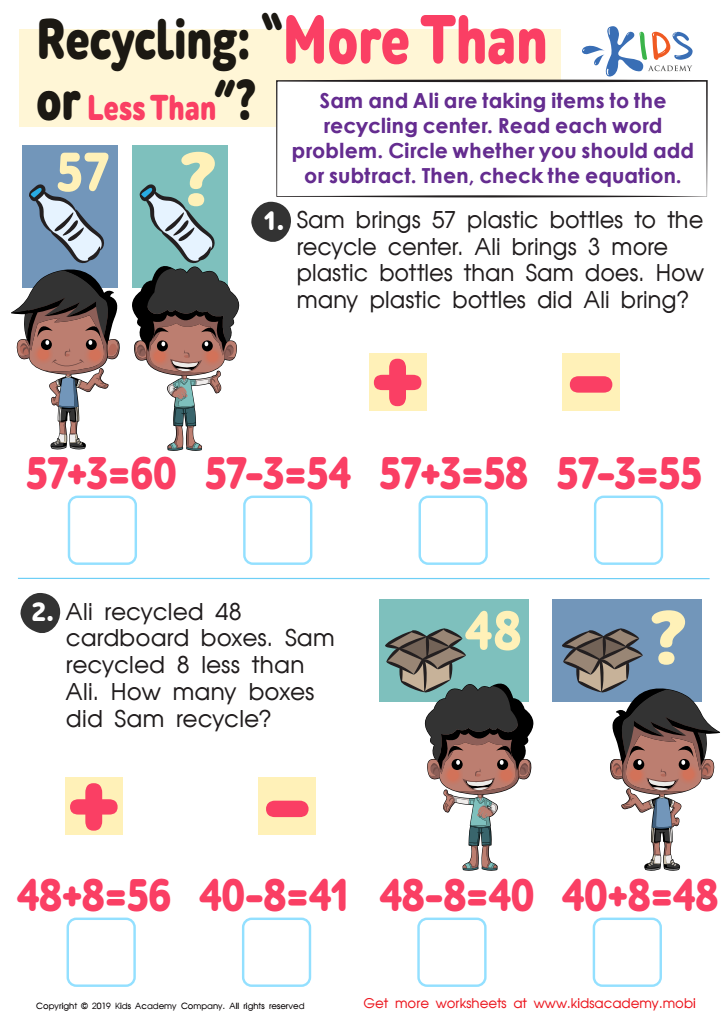
Recycling - More or Less Worksheet
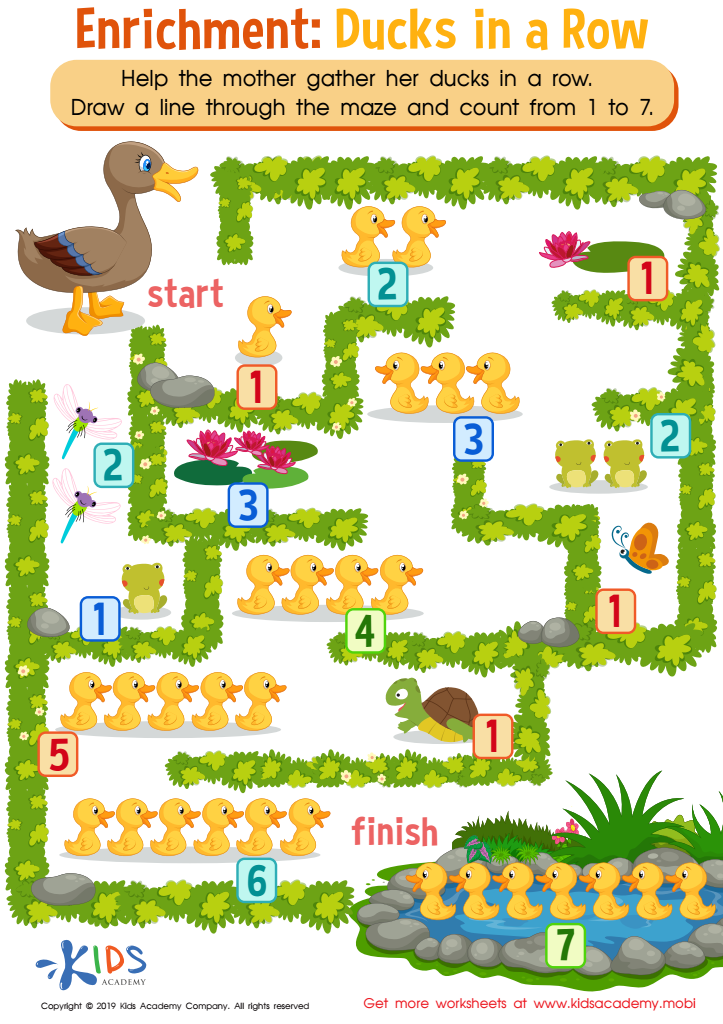
Ducks in a Row Worksheet
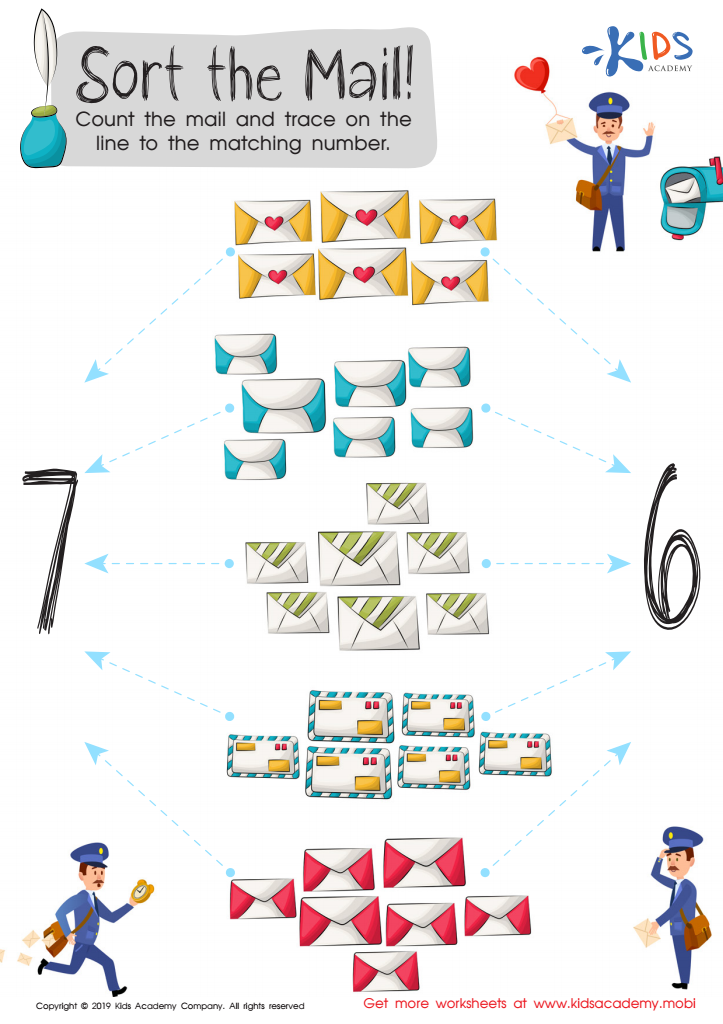
Sort the Mail Worksheet
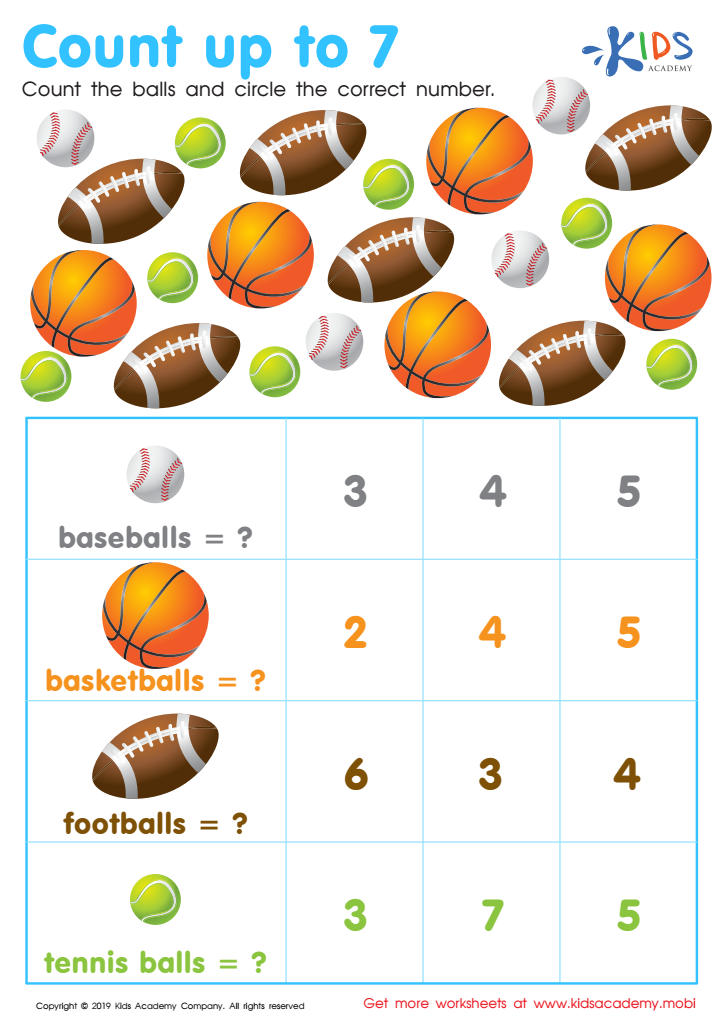
Count up to 7 Worksheet

Find 7 Eggs Worksheet
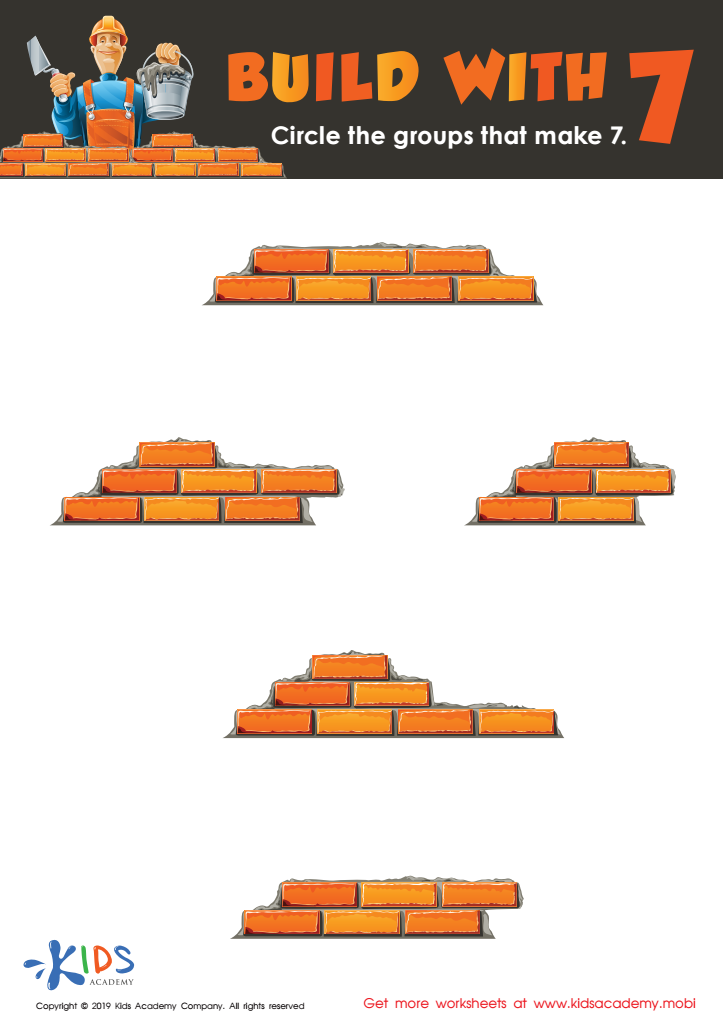
Build with 7 Worksheet
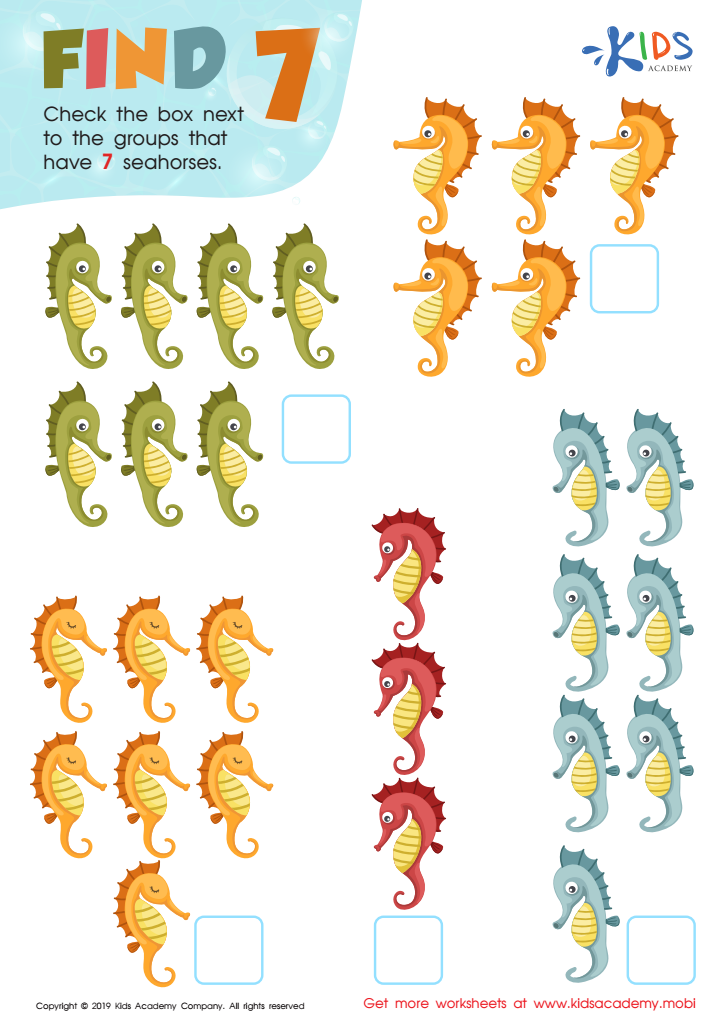
Find 7 Worksheet








Understanding numbers at an early age is foundational for children's overall cognitive development and academic success. For ages 4-9, numeracy skills pave the way for more complex mathematical concepts essential for further education. When parents and teachers nurture a child's ability to recognize, understand, and manipulate numbers, they cultivate critical thinking, problem-solving, and logical reasoning abilities.
Early exposure to numbers helps children develop a positive attitude toward mathematics, reducing future math anxiety. Engaging with numbers in everyday activities like counting objects, identifying patterns, or understanding time fosters a natural and enjoyable learning experience. This early familiarity ensures children are not only prepared for formal schooling but are also able to relate mathematical concepts to the real world, enhancing financial literacy and decision-making skills later in life.
Educators and parents play pivotal roles in igniting curiosity and enthusiasm for numbers. Active involvement through games, storytelling, and practical applications makes learning interactive and enjoyable. Early interventions in numeracy create a robust educational foundation, promoting confidence and academic resilience. Simply put, a strong grasp of numbers between ages 4 and 9 sets the stage for a child's lifelong learning journey, empowering them with tools to succeed in various aspects of life.








