Matching Worksheets for Ages 4-9 - Page 4
82 filtered results
-
From - To
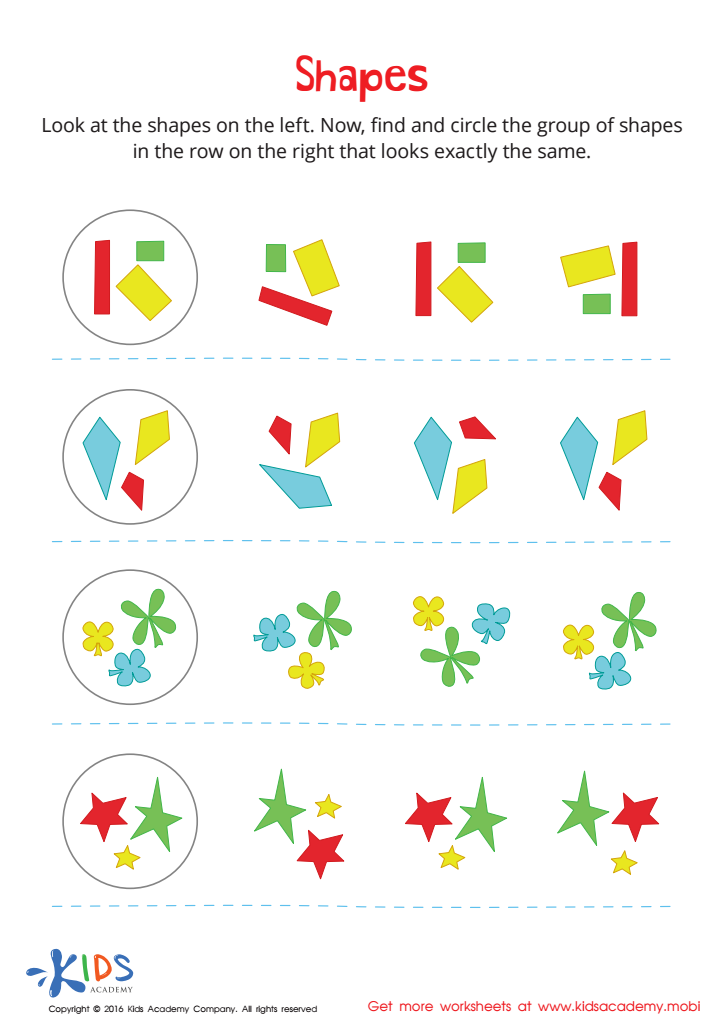
Shapes Worksheet
 Assign to My Students
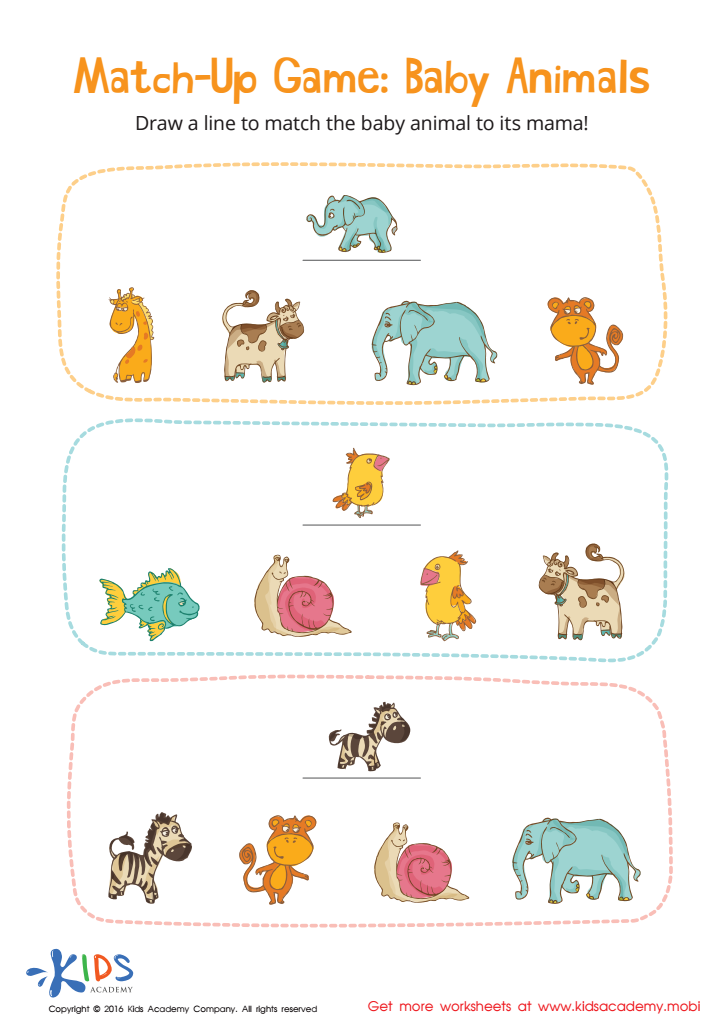
Baby Animals Match-Up Worksheet
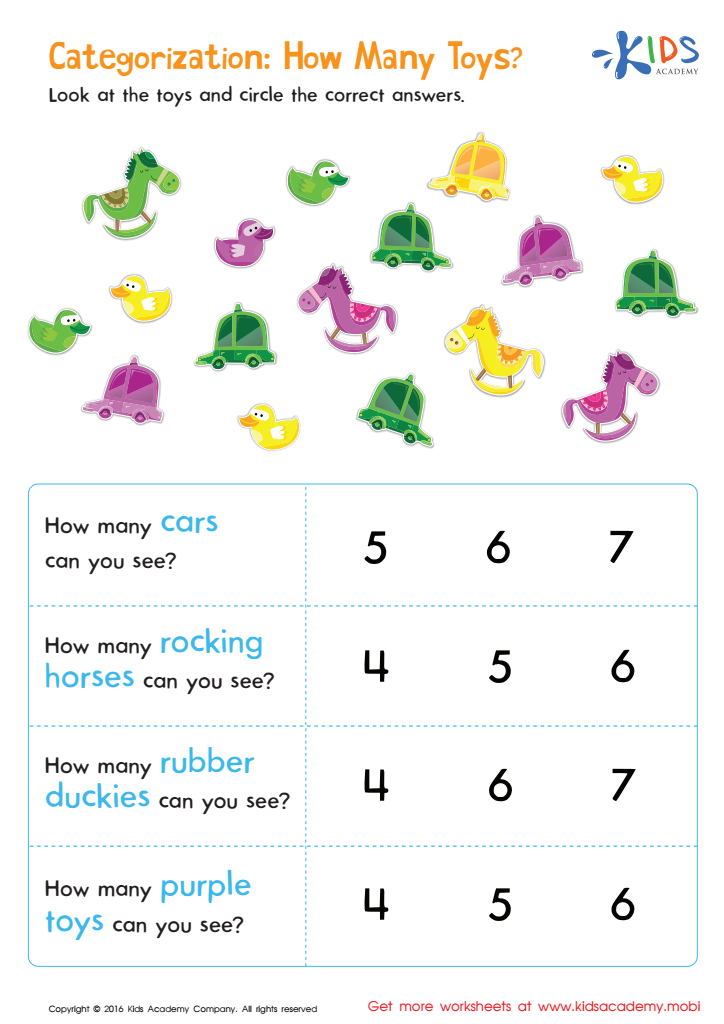
Classifying Toys by Type and Color Sorting Worksheet
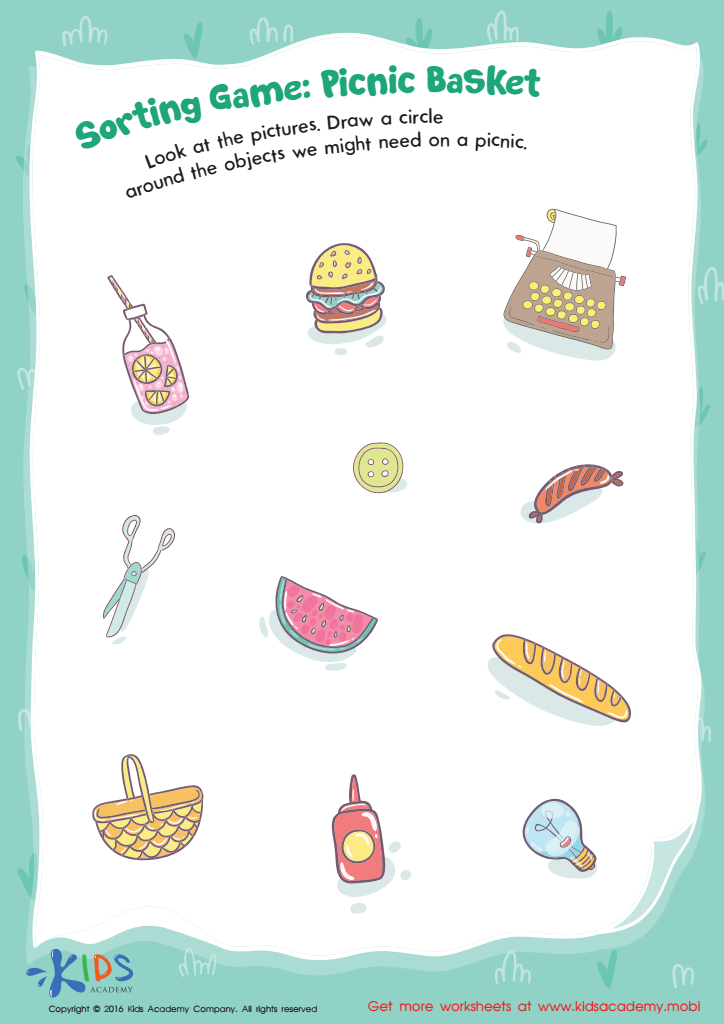
Picnic Basket Sorting Worksheet
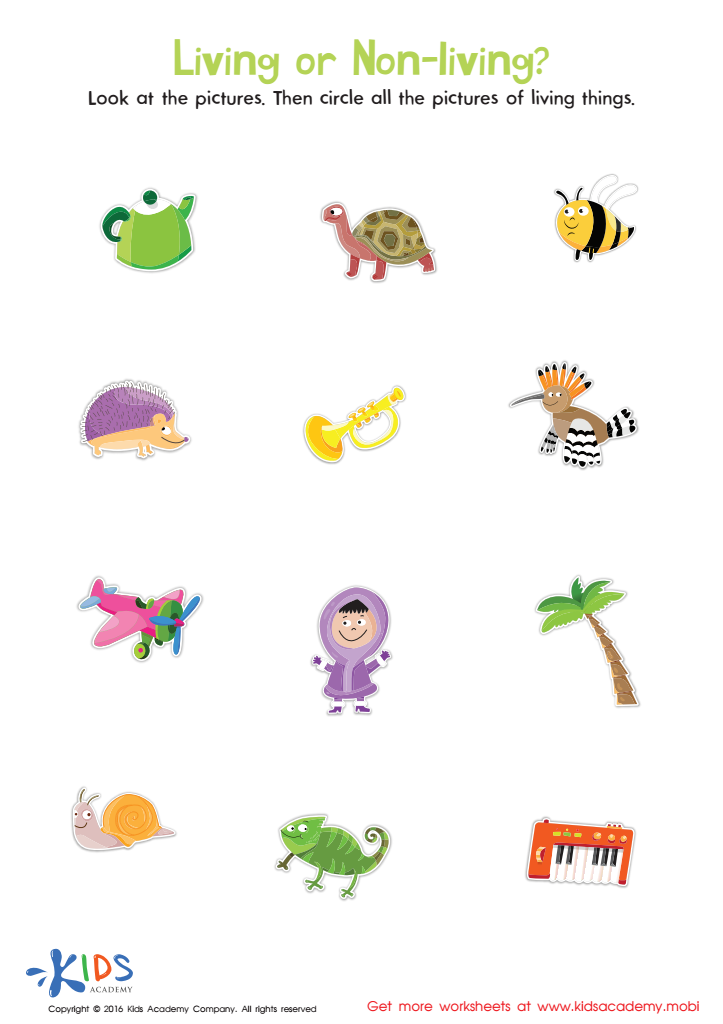
Identifying Living and Non–living Things Sorting Worksheet
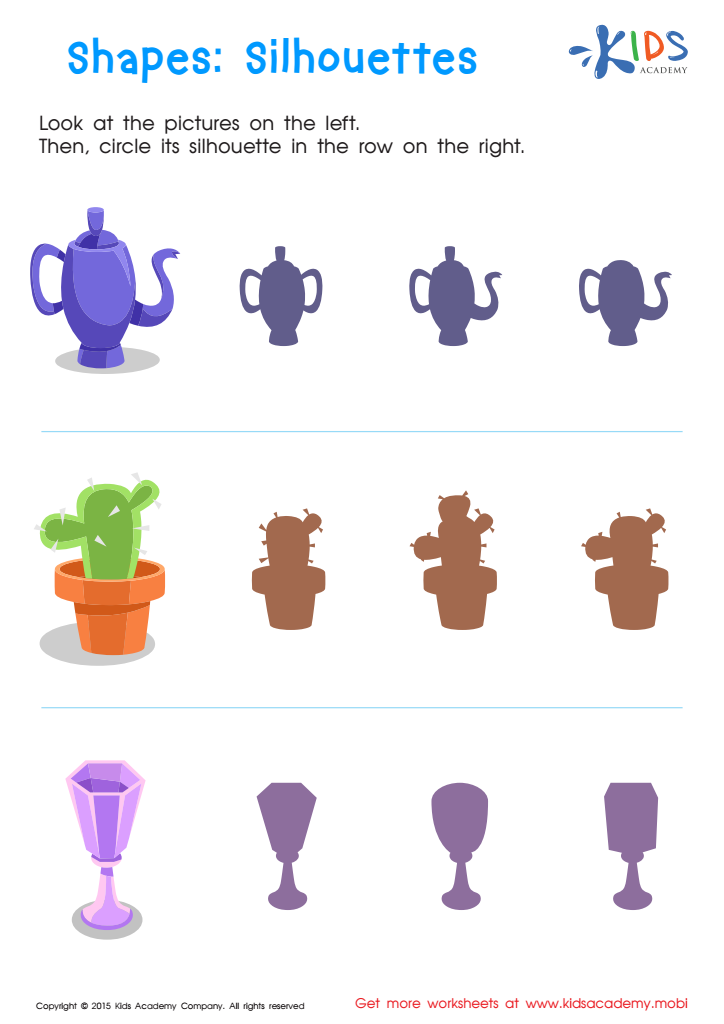
Silhouettes – Shapes Worksheet
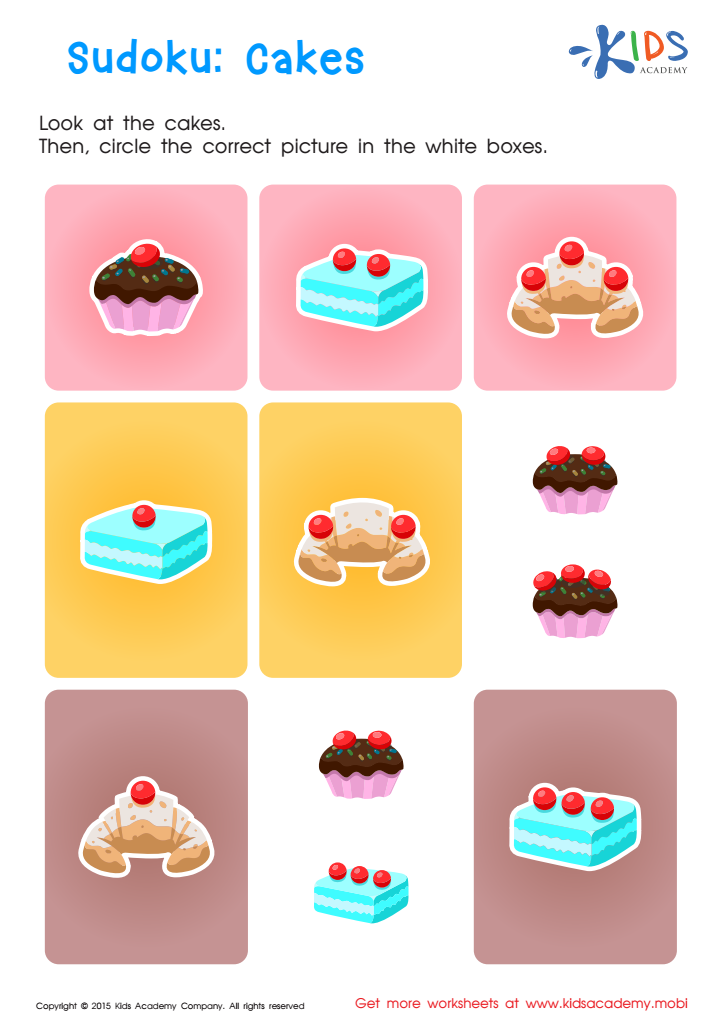
Sudoku Worksheet
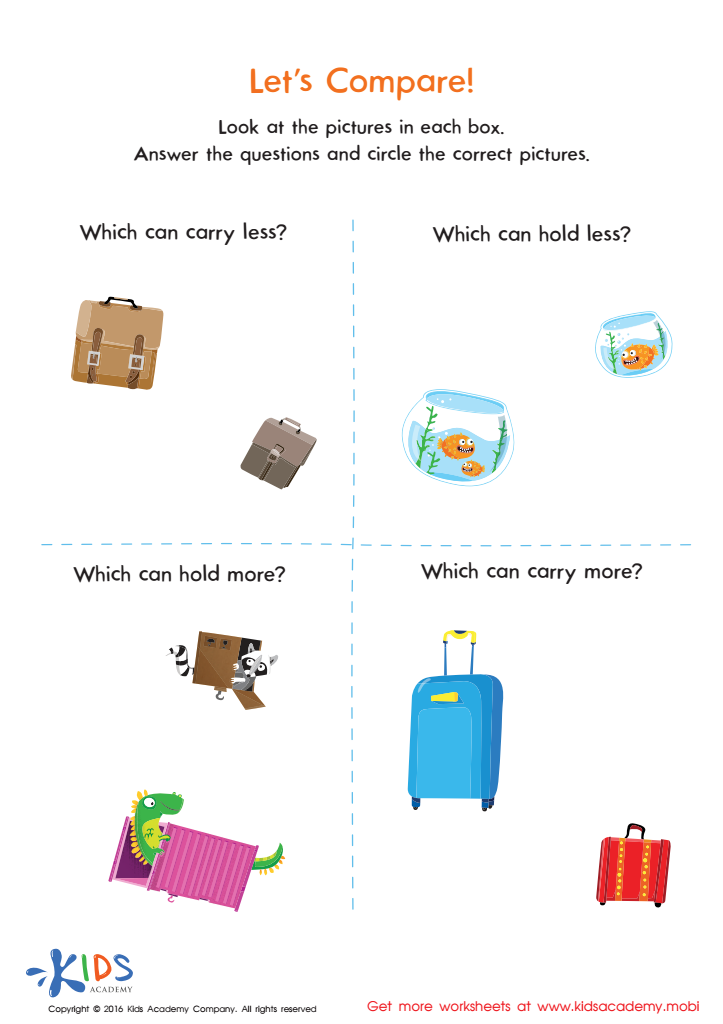
Let's Compare Worksheet: Big or Small








Matching activities for children aged 4-9 are essential for several reasons. Firstly, these activities enhance cognitive development by fostering critical thinking and problem-solving skills. When children are engaged in matching tasks, such as pairing pictures or cards, they learn to recognize patterns, categorize items, and recall information, all of which are foundational skills for later academic success.
Secondly, matching promotes language development. As children describe what they are matching or discuss the similarities and differences, they expand their vocabulary and improve their communication skills. This early exposure to language helps set the stage for reading and writing proficiency.
Additionally, matching activities can boost social skills. When children engage in these tasks together, they learn to cooperate, take turns, and resolve disagreements, which fosters emotional intelligence and interpersonal relationships.
Moreover, matching offers a fun and engaging way to reinforce essential concepts, such as numbers, letters, shapes, or colors, making learning enjoyable and interactive. For parents and teachers, incorporating matching activities into learning environments supports diverse learning styles and keeps students motivated. Ultimately, fostering these skills at an early age build the foundation for lifelong learning and resilience in an ever-changing world.








