Sorting Worksheets for Ages 4-9 - Page 2
27 filtered results
-
From - To
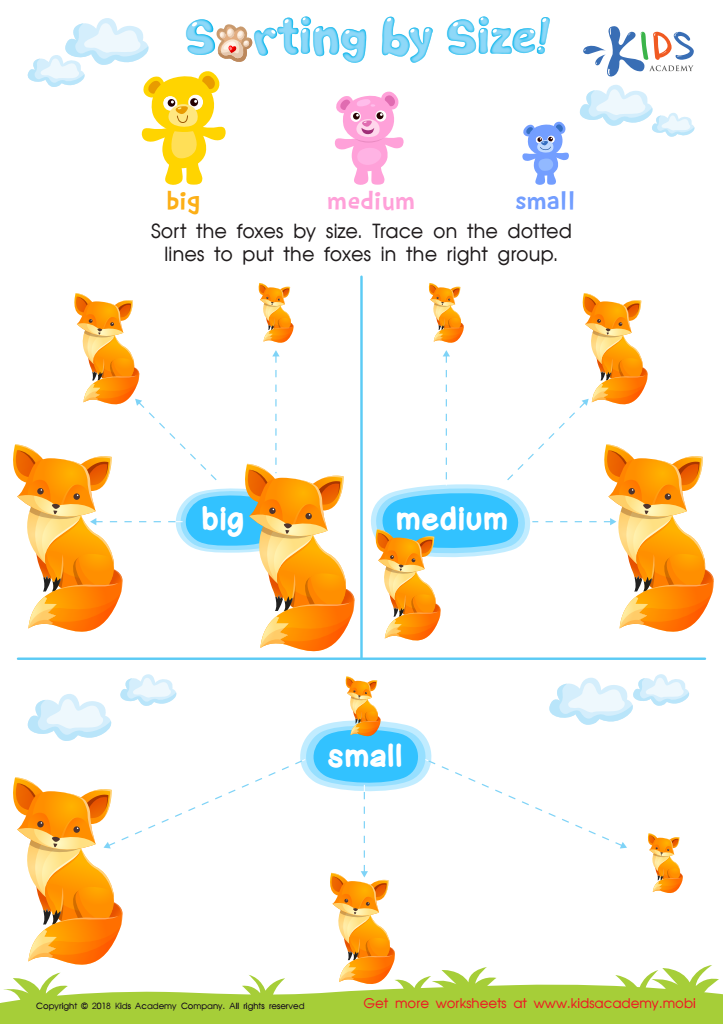
Sorting by Size Worksheet
 Assign to My Students
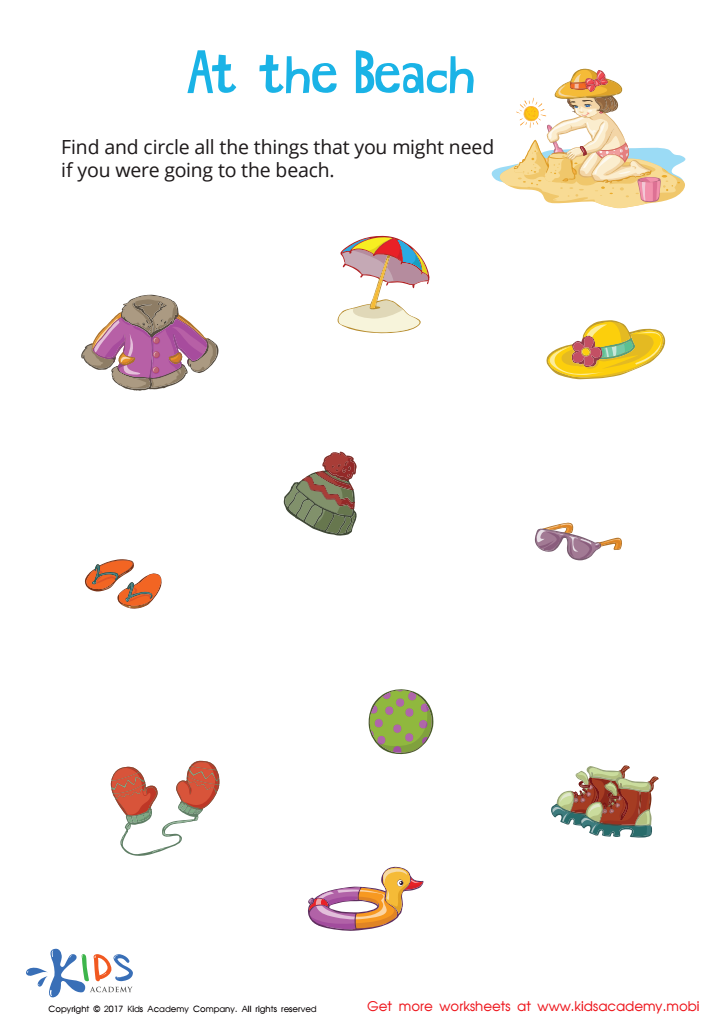
At the Beach Sorting Worksheet
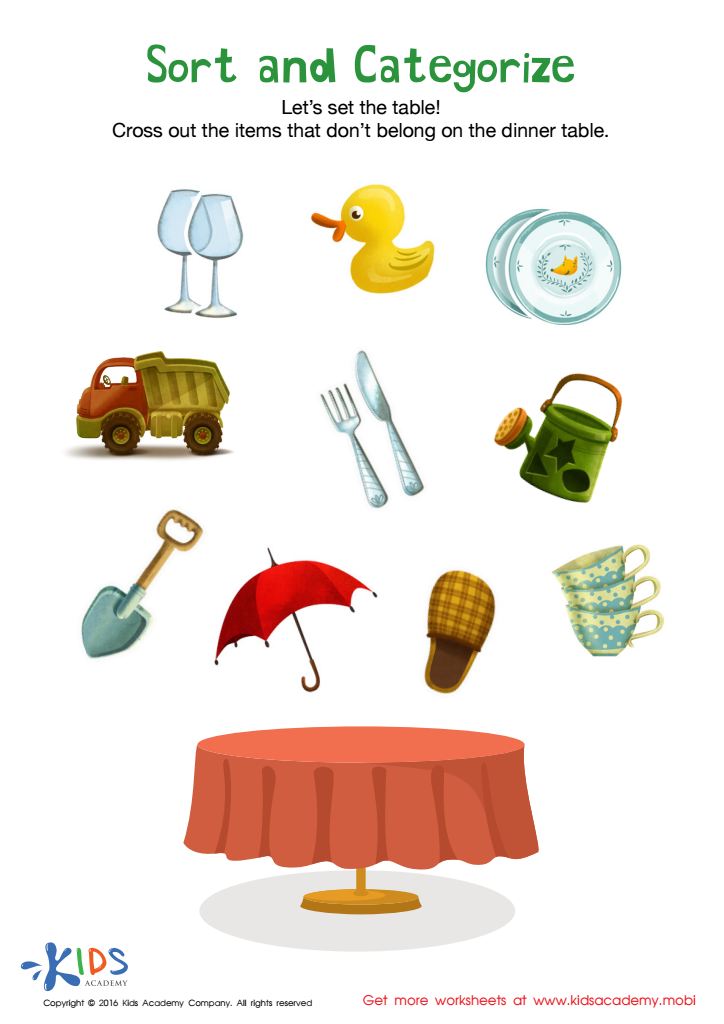








Sorting is a fundamental cognitive skill that plays a crucial role in a child's overall development, particularly for ages 4 to 9. During these formative years, children are naturally curious and eager to explore their surroundings. Engaging in sorting activities helps them make sense of the world by grouping objects based on attributes like color, shape, size, or type. This not only enriches their observational skills but also strengthens their critical thinking and problem-solving capabilities.
Parents and teachers should care about sorting because it lays the foundation for more complex mathematical concepts such as classification, categorization, and comparison, which are vital for math literacy. It also enhances language development as children learn to describe their sorting criteria and explain their reasoning.
Additionally, sorting activities foster social skills when children collaborate in group tasks, promoting teamwork and cooperation. Introducing sorting in creative ways, like through games or hands-on activities, makes learning enjoyable and interactive. Ultimately, prioritizing sorting in early education supports a holistic approach to cognitive, linguistic, and social development, equipping children with essential skills that will benefit them throughout their academic journey and beyond.








