Life Science Worksheets for Ages 4-9 - Page 2
36 filtered results
-
From - To
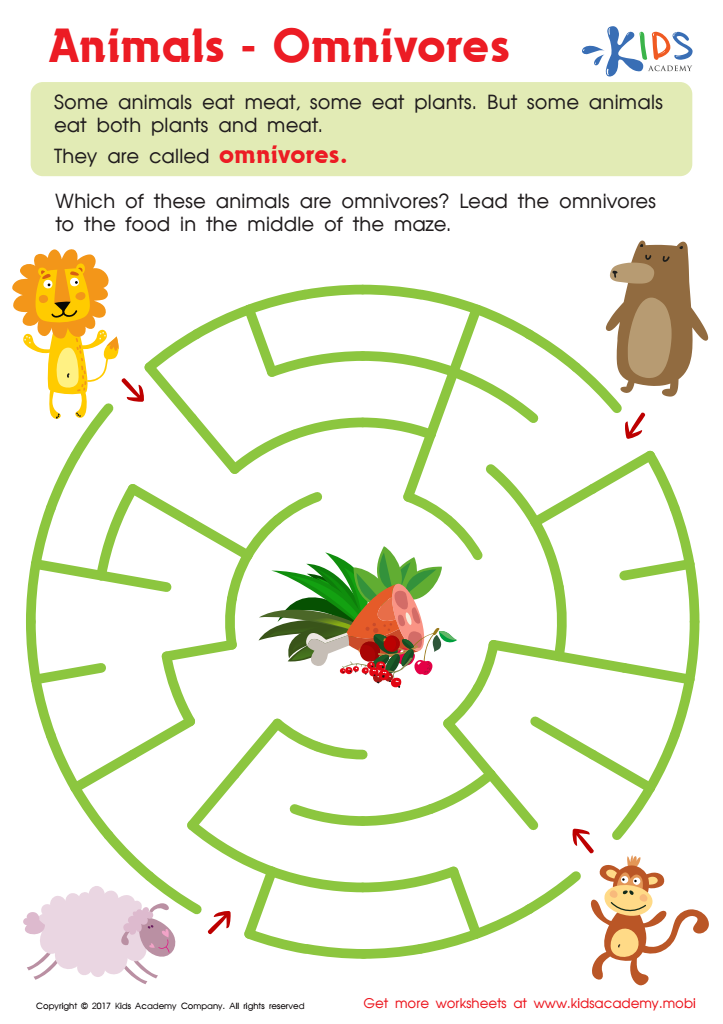
Omnivores Animals Worksheet
 Assign to My Students
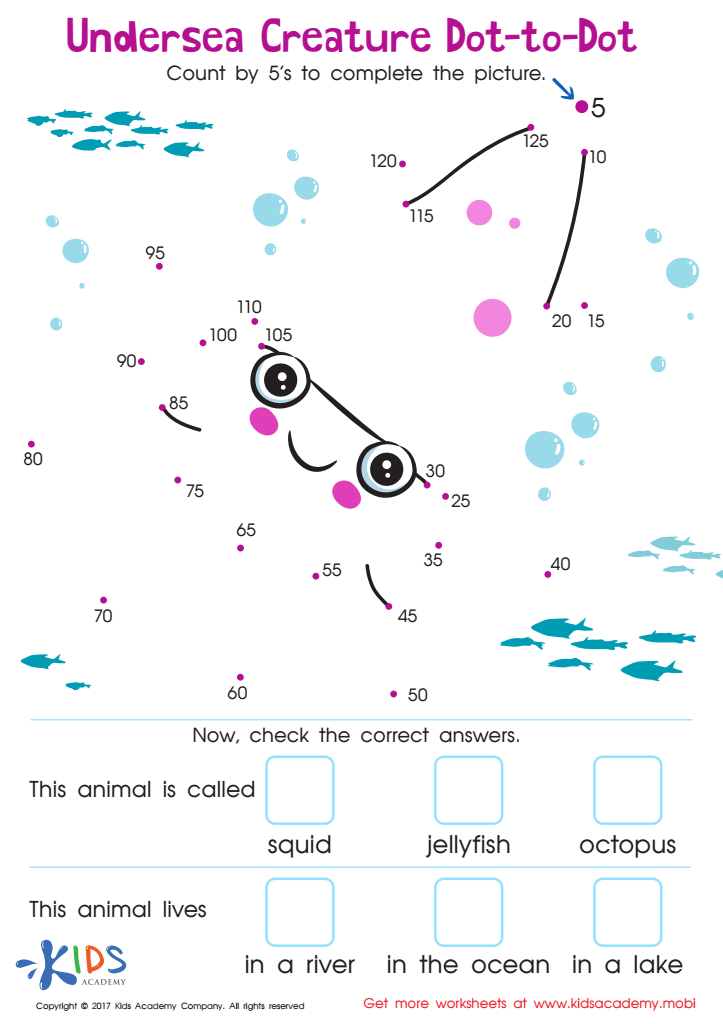
Undersea: Dot To Dot Worksheet
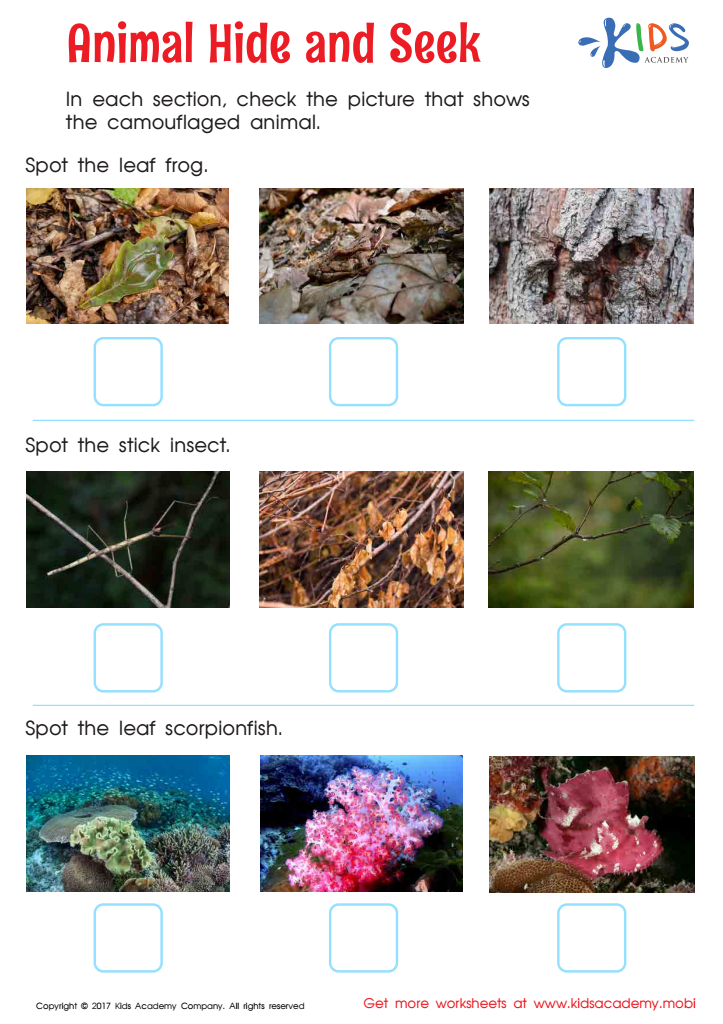
Animal Hide and Seek Worksheet
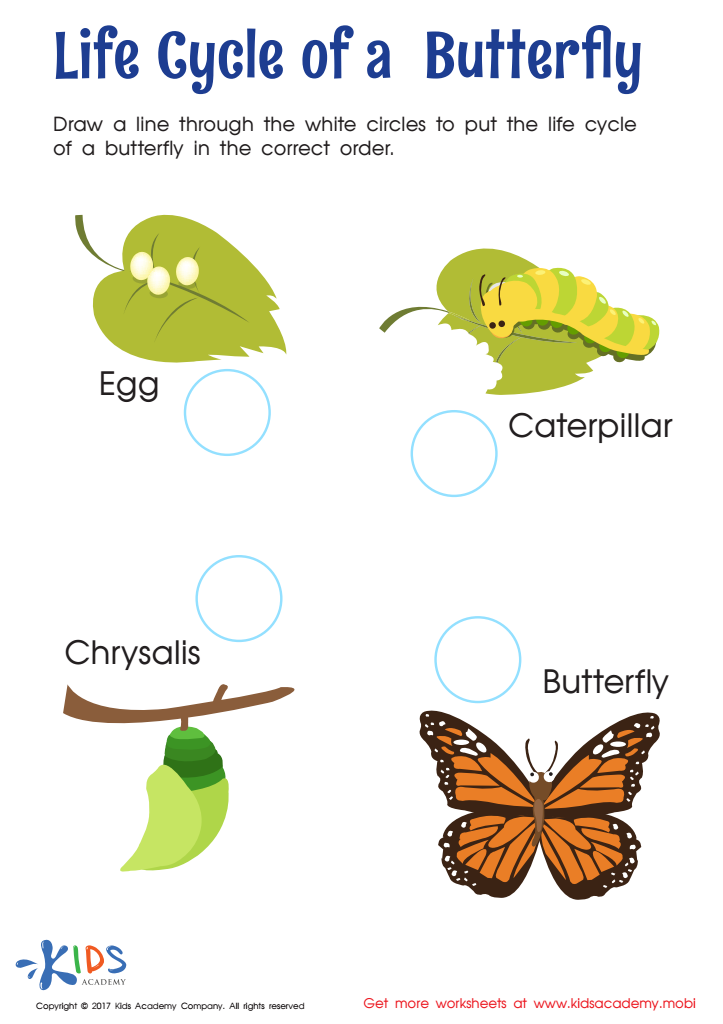
Life Cycle of Butterfly Worksheet
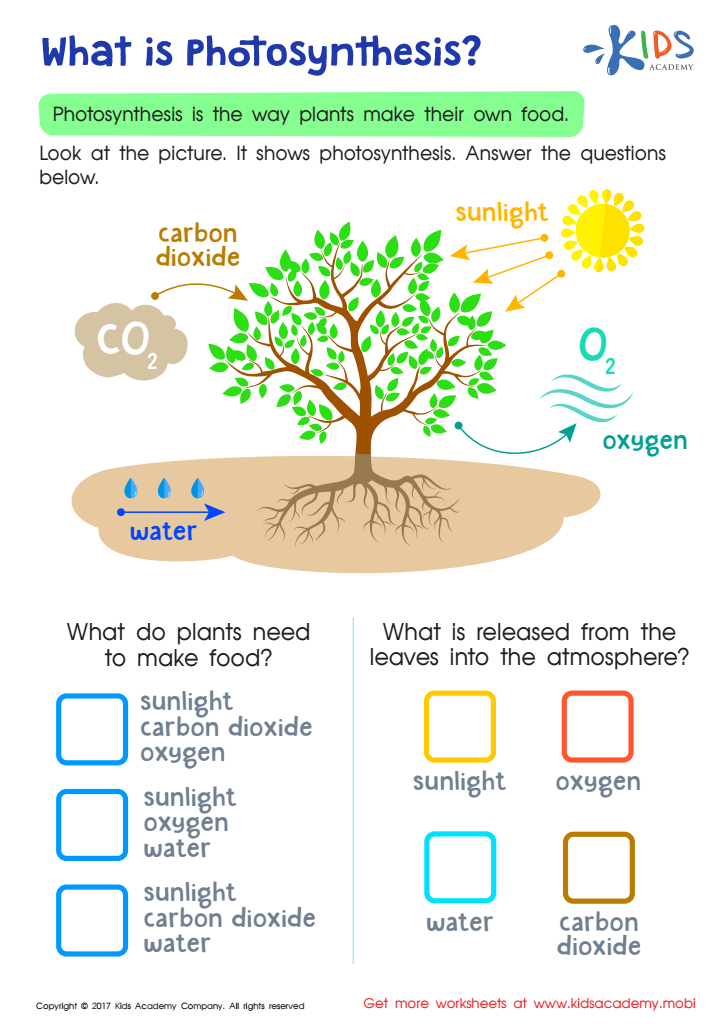
What is Photosynthesis Printable
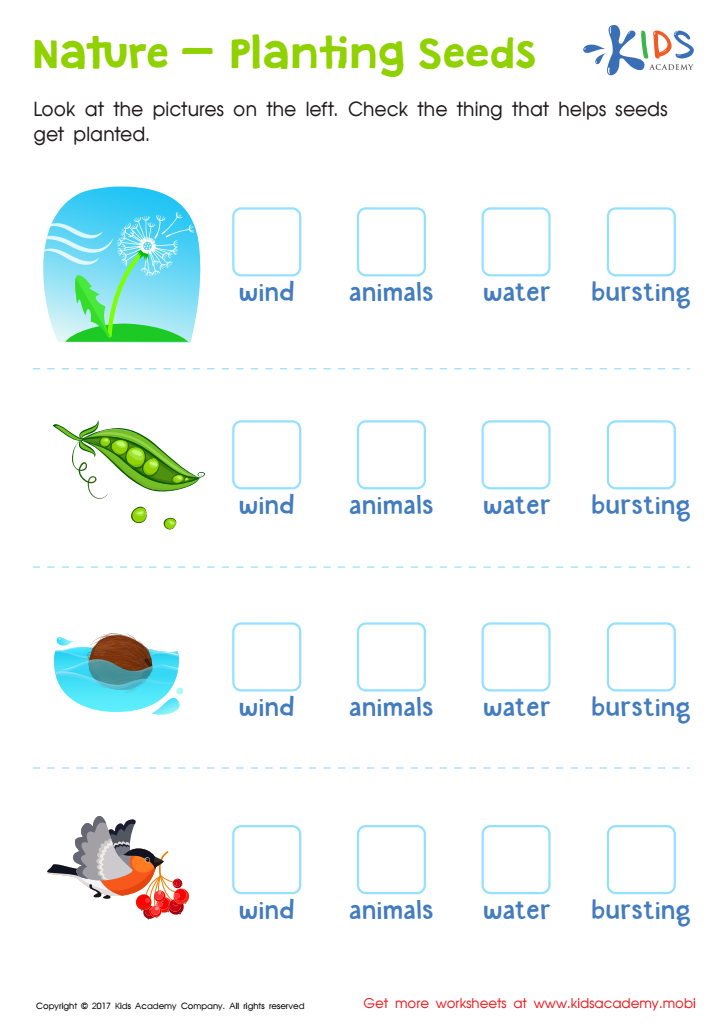
Nature Planting Seeds Worksheet
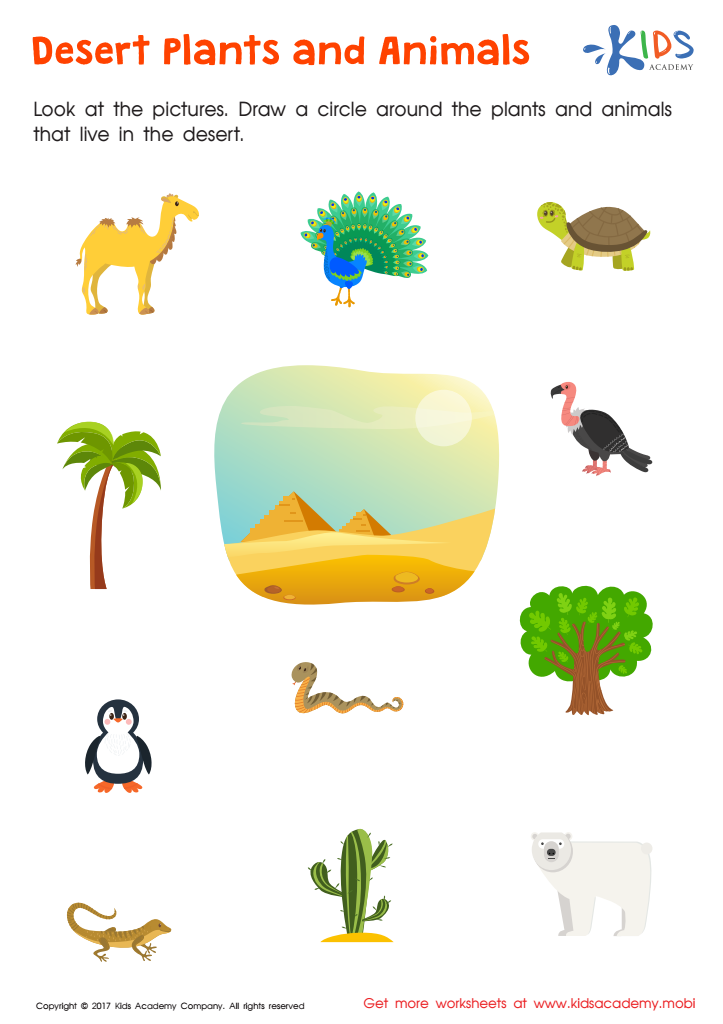
Desert Plants Animals Printable
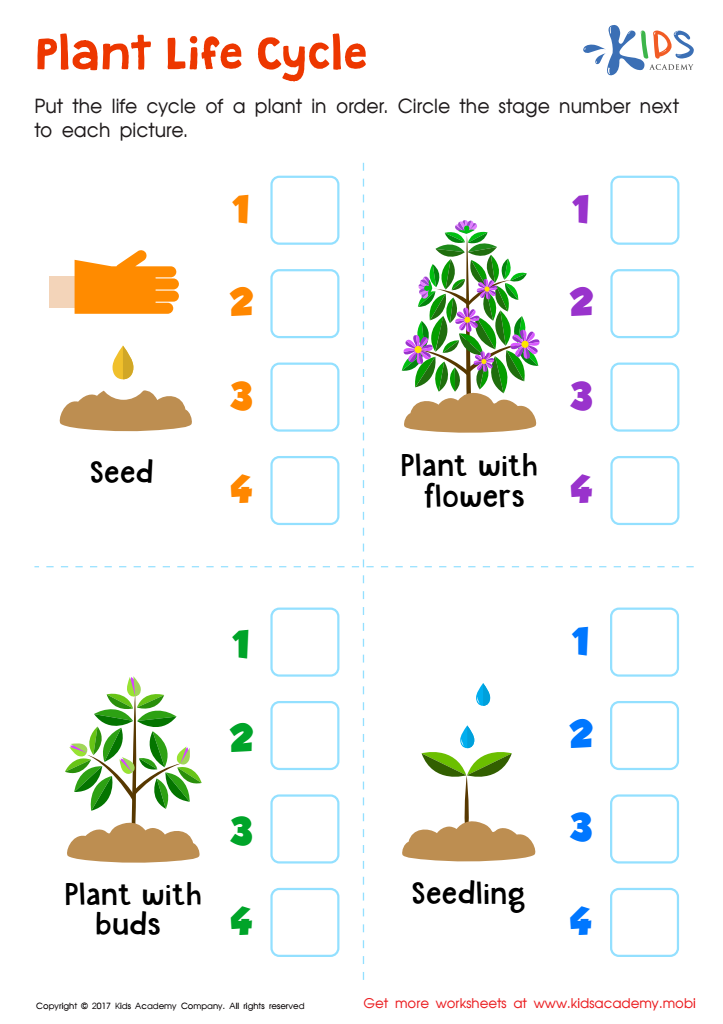
Plant Life Cycle Printable
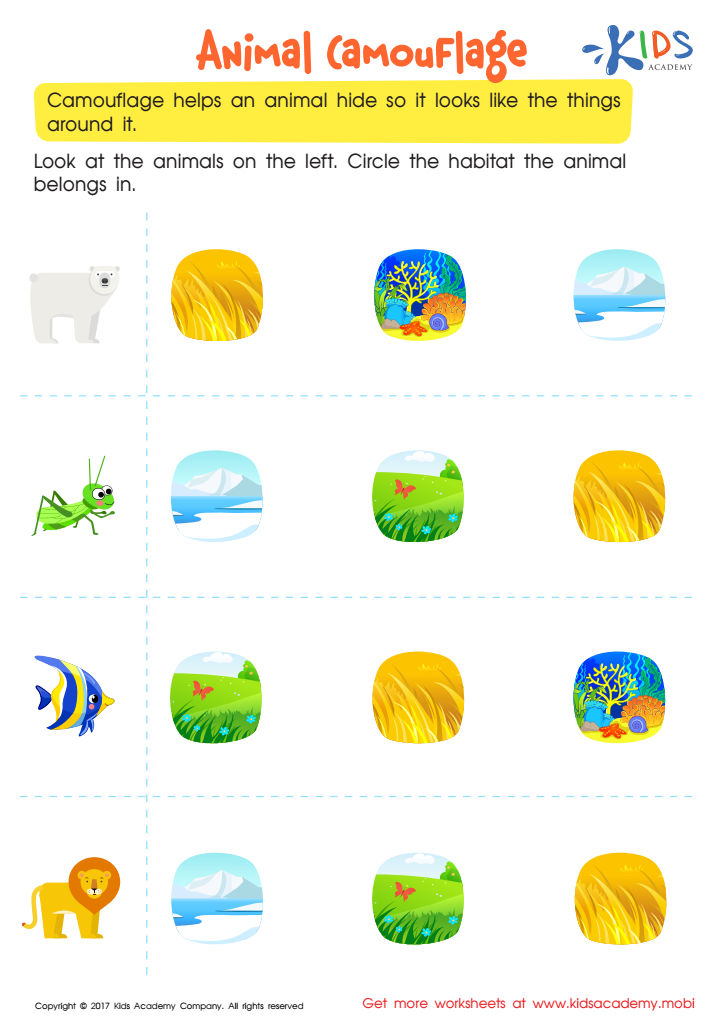
Animal Camouflage Worksheet
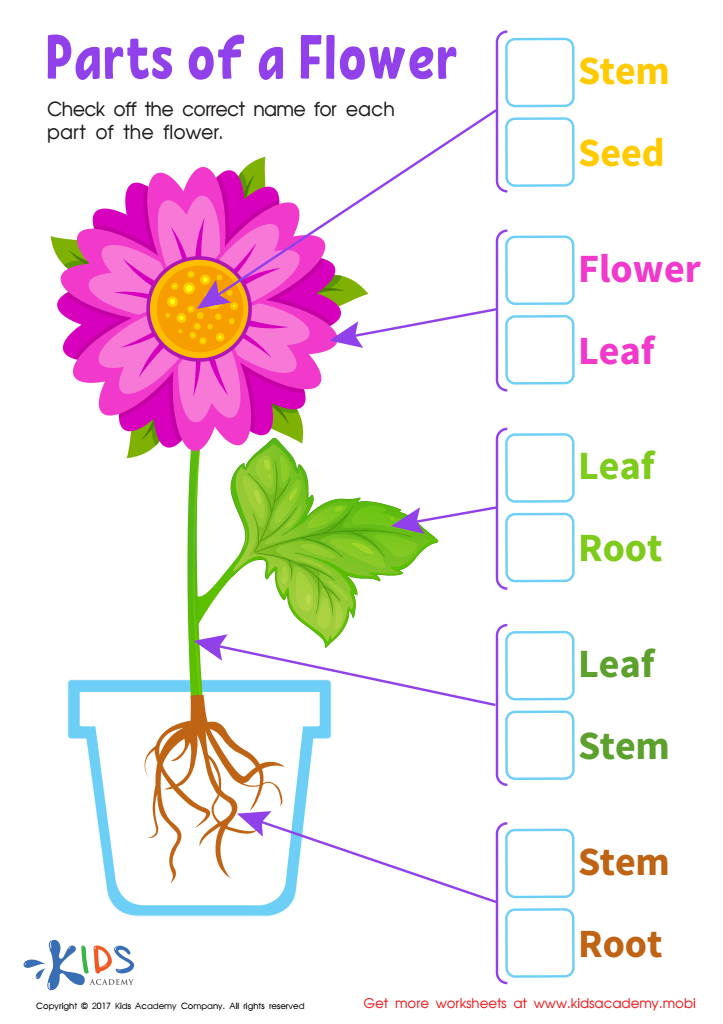
Parts Flower Printable
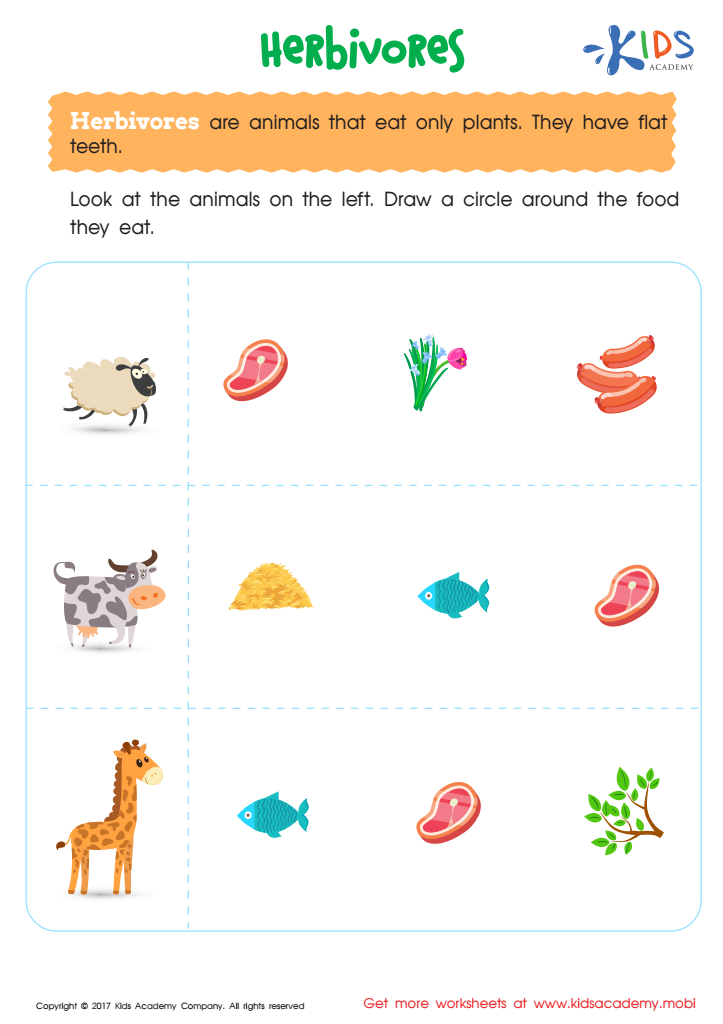
Herbivores Printable
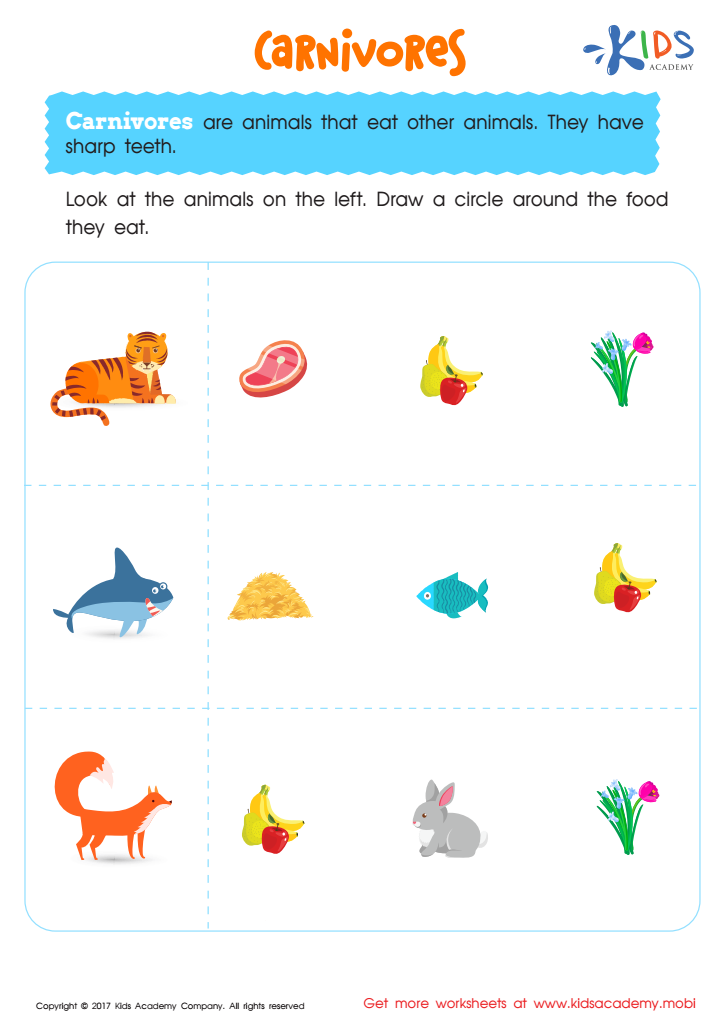
Carnivores Worksheet







Parents and teachers should prioritize Life Science for children ages 4-9 as it lays the foundation for understanding the world around them. At this young age, children are naturally curious about living things, including plants, animals, and their ecosystems. Engaging them in Life Science nurtures this curiosity and cultivates a sense of wonder.
Learning about Life Science enhances critical thinking and observational skills. Kids begin to ask questions like “Why do leaves change color?” or “How does an animal adapt to its environment?” Such inquiries encourage exploration, observation, and experimentation, which are essential skills in both scientific and everyday contexts.
Moreover, early exposure to Life Science promotes environmental awareness. As children learn about ecosystems, food webs, and biodiversity, they become more conscious of their role in nature and the importance of conservation. This sense of responsibility fosters empathy towards living organisms and encourages sustainable practices in the future.
Integrating Life Science into early education supports holistic development. It connects with other subjects like math (counting animals), literacy (reading about habitats), and art (drawing plants), creating a well-rounded educational experience. Ultimately, understanding Life Science helps children develop a lifelong appreciation for nature and science, shaping them into informed, responsible adults.








