Filters

125 filtered results

Clear all filters
Favorites
With answer key
Interactive

125 filtered results

Difficulty Level

Grade


Check out this FREE Trial Lesson on Community for age 4-9!

Conservation

Favorites
With answer key
Interactive
  • 4-9
  • Interactive
  • Community
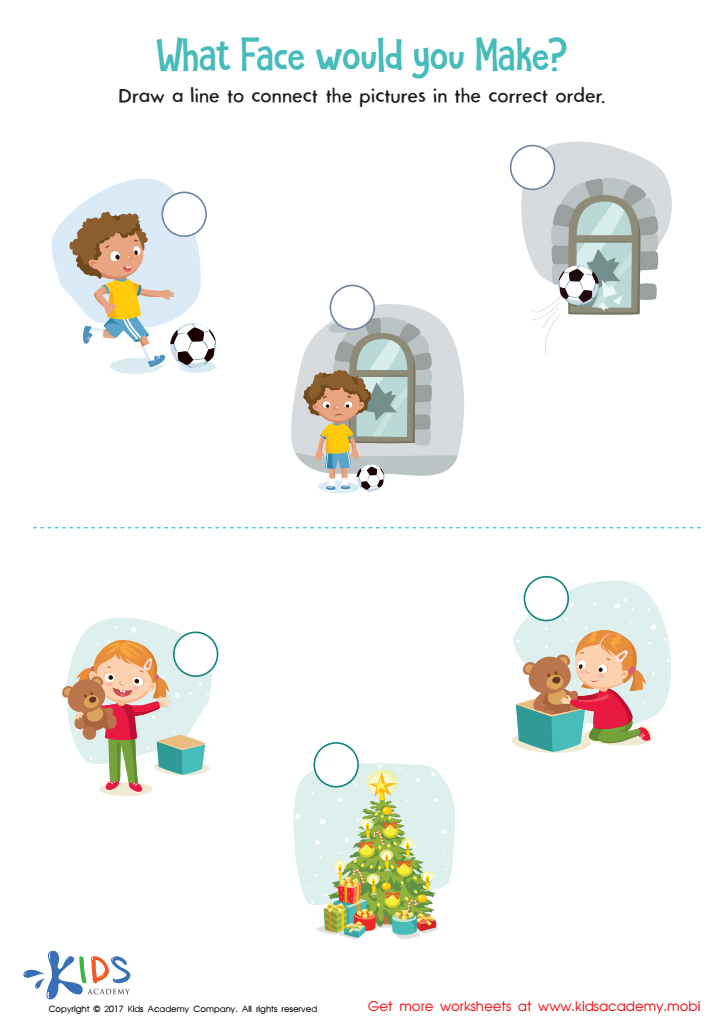
Understanding emotions printable worksheet

Understanding Emotions Worksheet

This worksheet helps children build social and emotional skills. As they complete it, they imagine themselves in the boy's situation, practicing empathy. It's an engaging and meaningful way to learn.
Understanding Emotions Worksheet
Worksheet
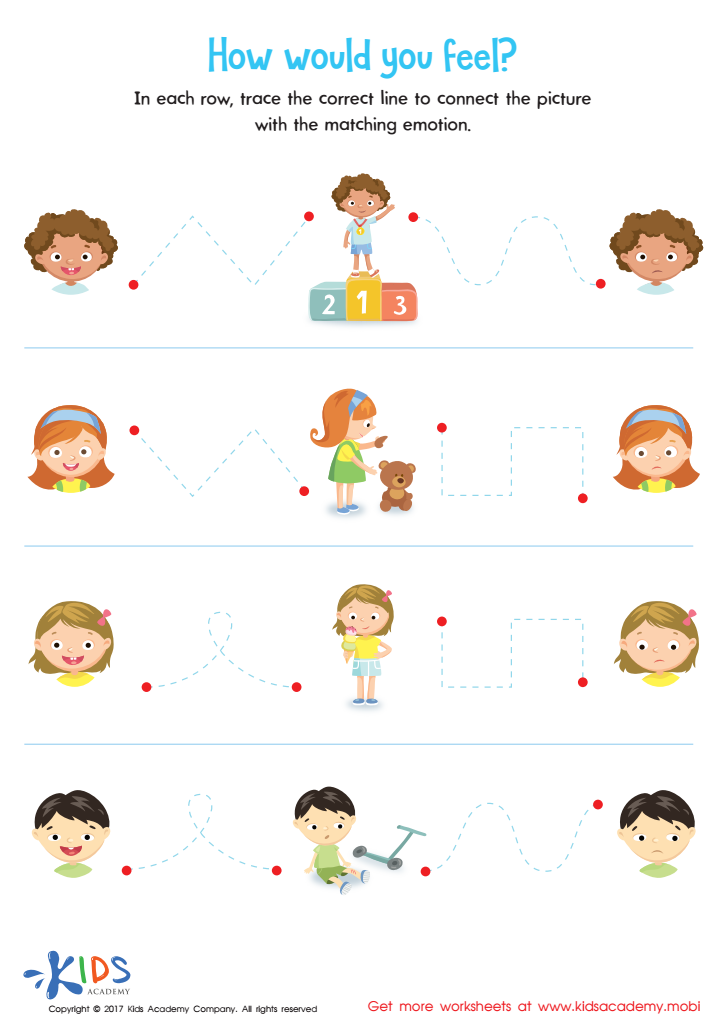
Feelings and emotions worksheet

Feelings and Emotions Worksheet

Kids must learn how to deal with situations and handle their own emotions. This worksheet helps them practice empathy and resilience, making them more self-aware and confident. It also helps them to relate their life experiences to common disappointments and develop coping mechanisms.
Feelings and Emotions Worksheet
Worksheet
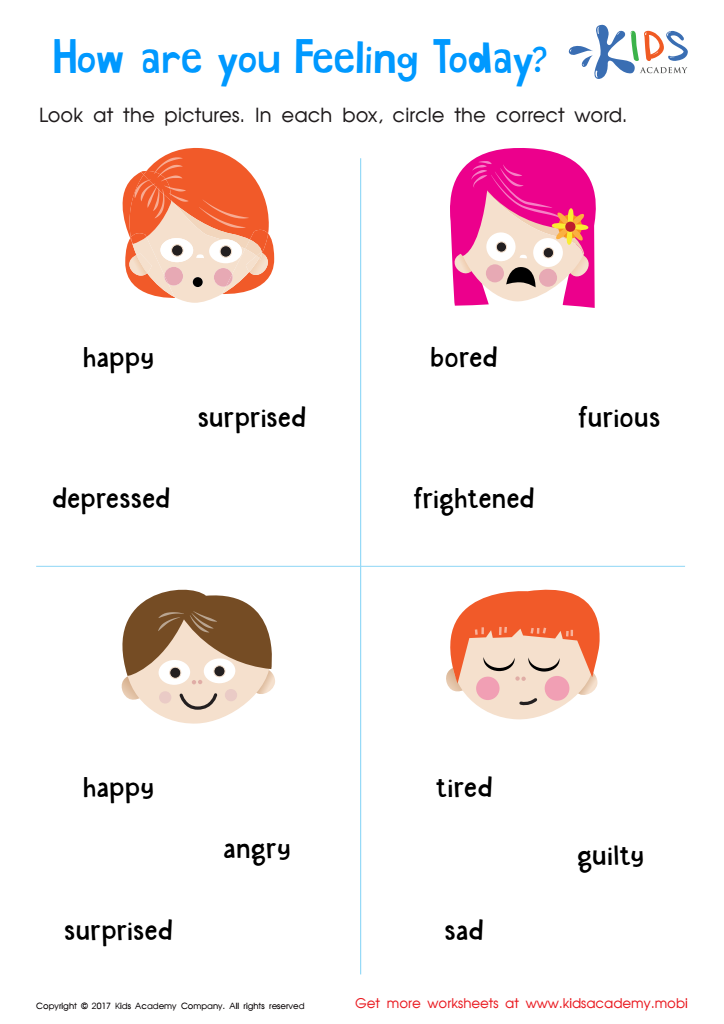
Understanding feelings worksheet

Understanding Feelings Worksheet
It helps them learn to empathize with others and regulate their own emotions. Try it today! Develop your child's understanding of empathy and emotional regulation with this worksheet! It is a great way to help them acquire important life skills beyond academic knowledge. Print it and start using it to take their social and emotional skills to the next level. Try it now!
Understanding Feelings Worksheet
Worksheet
none
none

Feelings Chart Worksheet

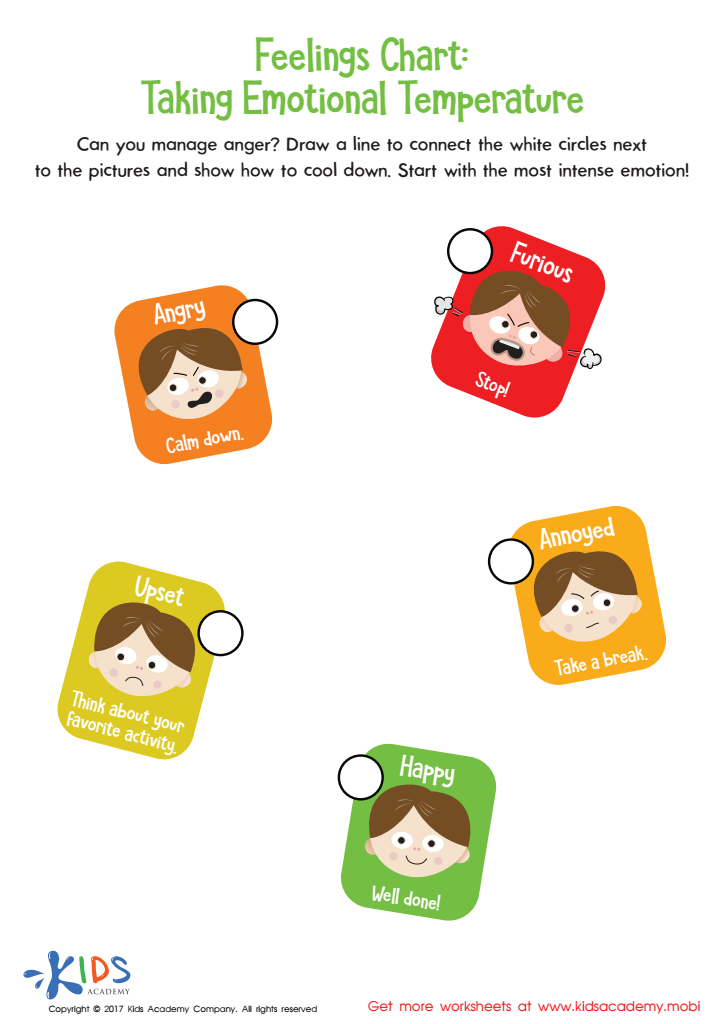
Anger can be tricky to manage, so help your child learn techniques for coping. Use this feelings chart worksheet which leads them through identifying the most intense face and connecting the dots to help them calm down.
Feelings Chart Worksheet
Worksheet
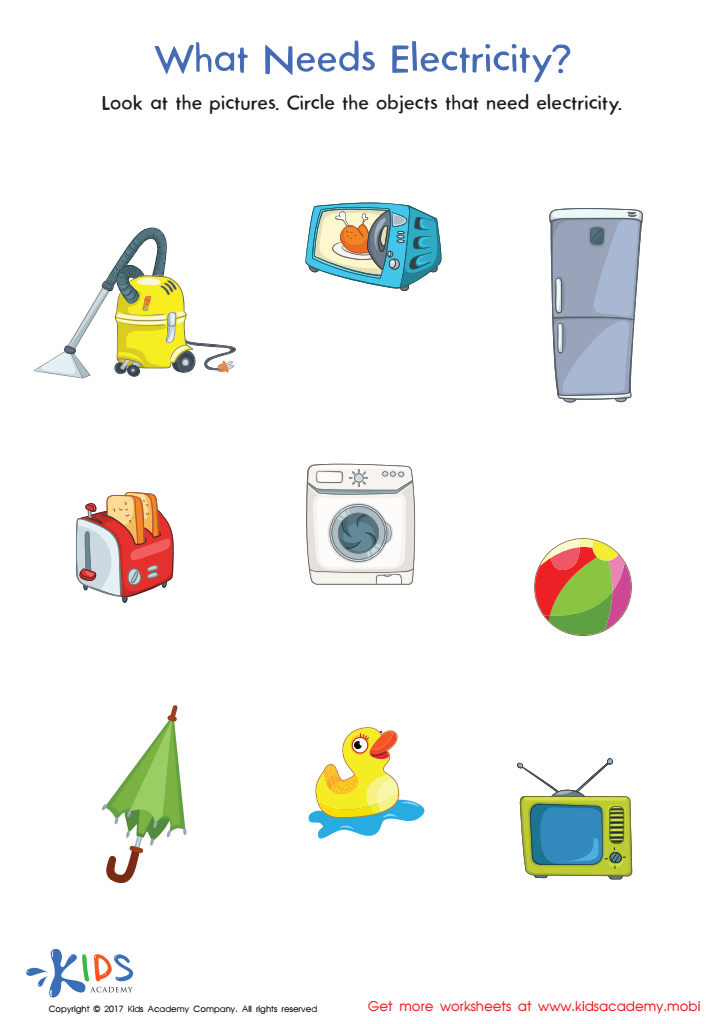
Electricity Worksheet for Kids

What Needs Electricity Printable

Up to 80 words: This worksheet will help your child use sorting skills to find the right objects that need electricity, strengthen problem solving skills, and learn more about electricity and electrical appliances. Let this fascinating science topic teach your little learner about the objects in their lives that need electricity!
What Needs Electricity Printable

Worksheet


... 5 6

Parents and teachers should prioritize community for children ages 4-9 because it plays a crucial role in their social, emotional, and cognitive development. During these formative years, children learn vital skills such as communication, cooperation, and empathy. Being part of a community helps them develop a sense of belonging, which fosters self-esteem and resilience.

Engaging with a diverse group of peers and adults exposes children to different perspectives and cultures, promoting inclusivity and understanding. This not only enriches their social experiences but also prepares them for the diverse world they will navigate as they grow.

Furthermore, strong community ties encourage cooperation among parents and educators, creating a supportive network where resources and information can be shared. This collaboration enriches educational opportunities, ensuring that children have access to varied experiences that enhance their learning.

Finally, a strong community environment reduces feelings of isolation and stress, providing emotional security for children. Activities like group events, playdates, and collaborative learning enhance children's interpersonal skills and provide structured environments where they can thrive. In summary, nurturing a sense of community offers young learners invaluable benefits, laying a solid foundation for their future social interactions and academic success.