Community Worksheets for Ages 4-9 - Page 5
125 filtered results
-
From - To
 Assign to My Students
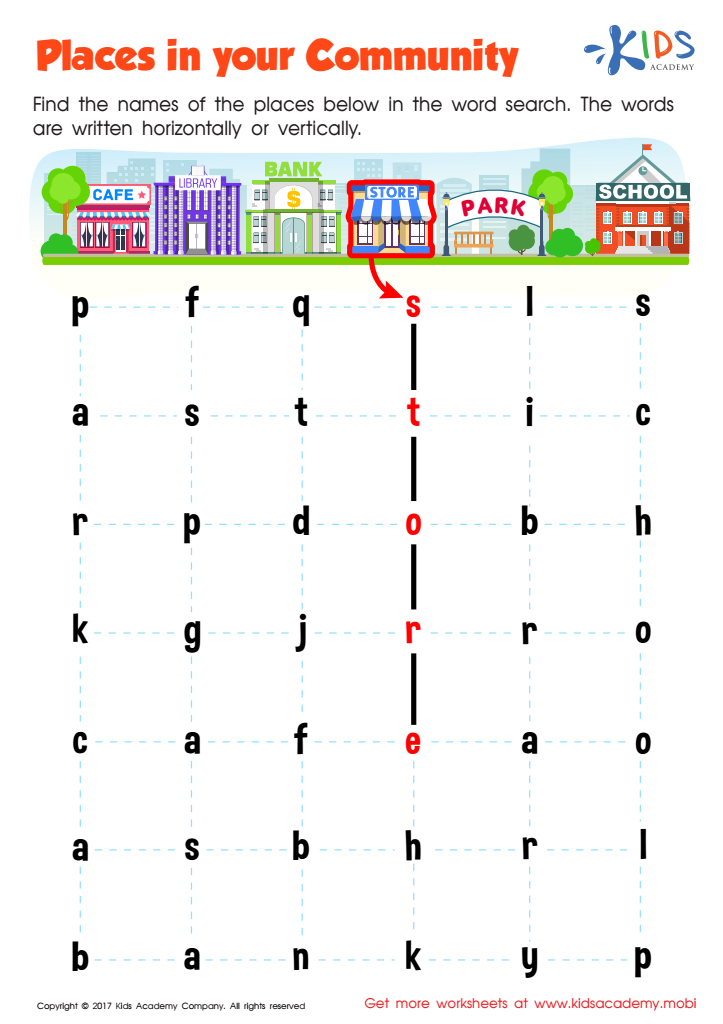
Places in Your Community Worksheet
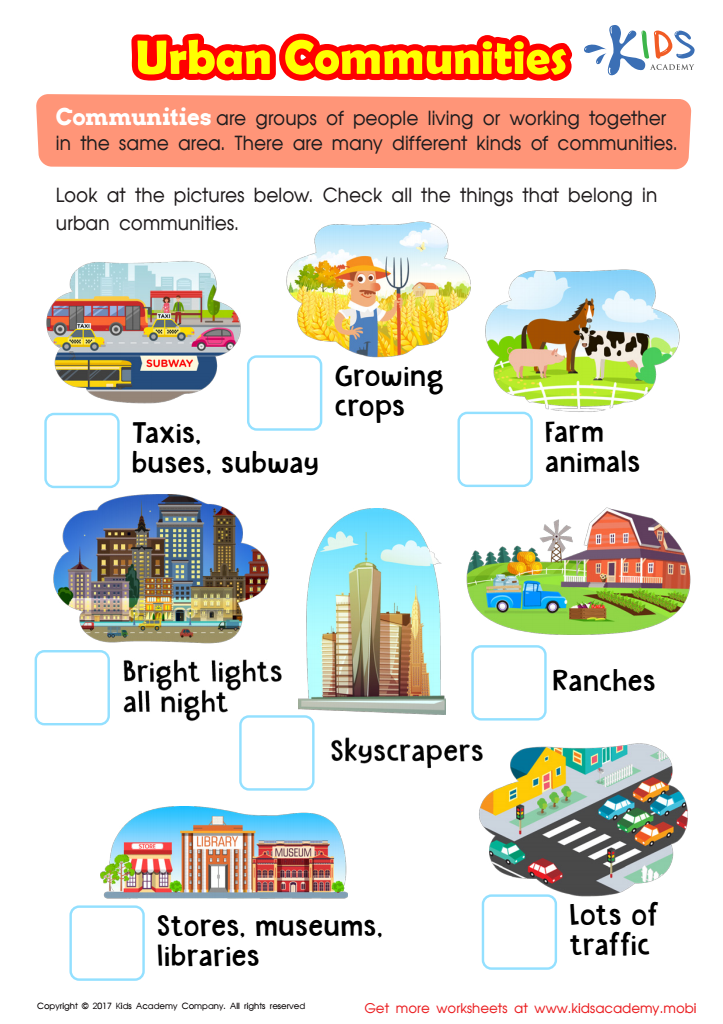
Urban Communities Printable
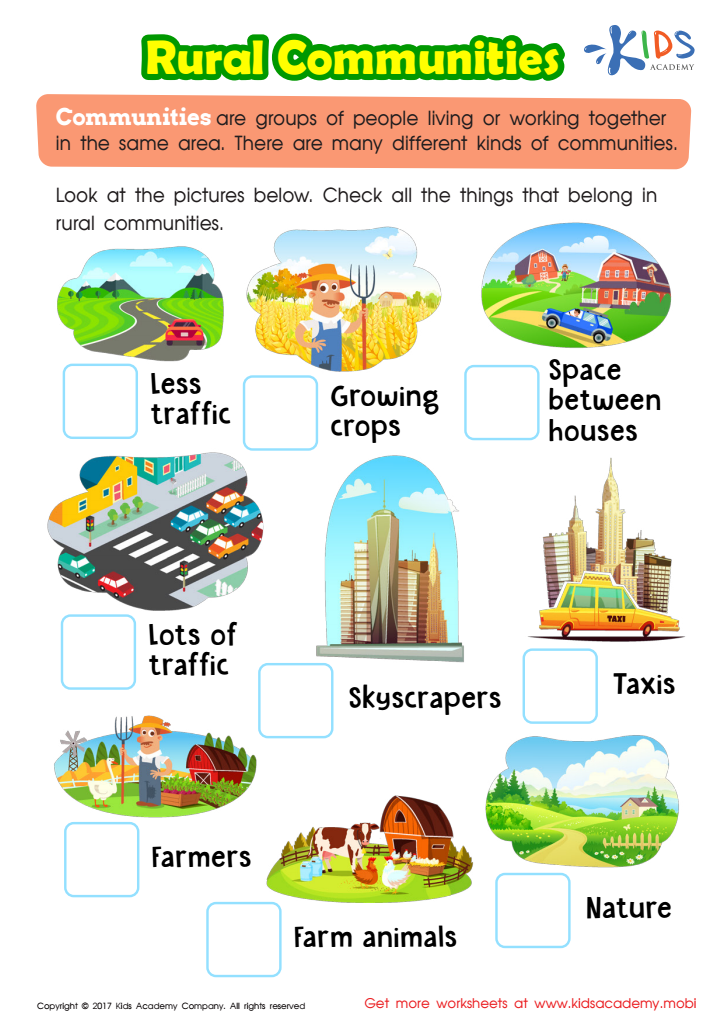
Rural Communities Printable
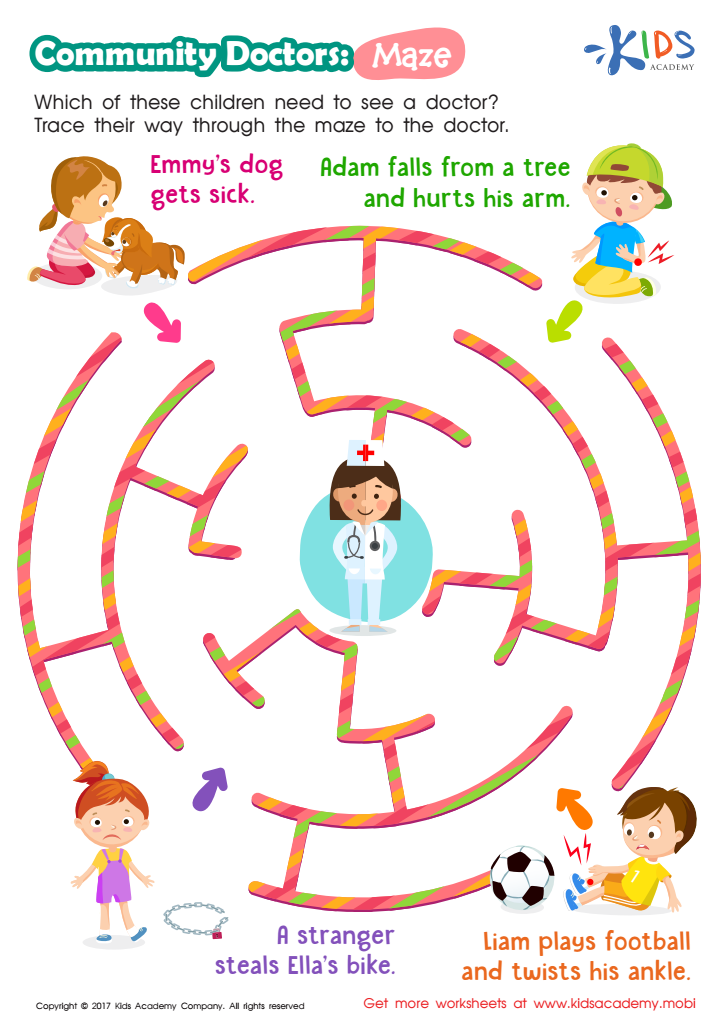
Community Doctors: Maze Printable
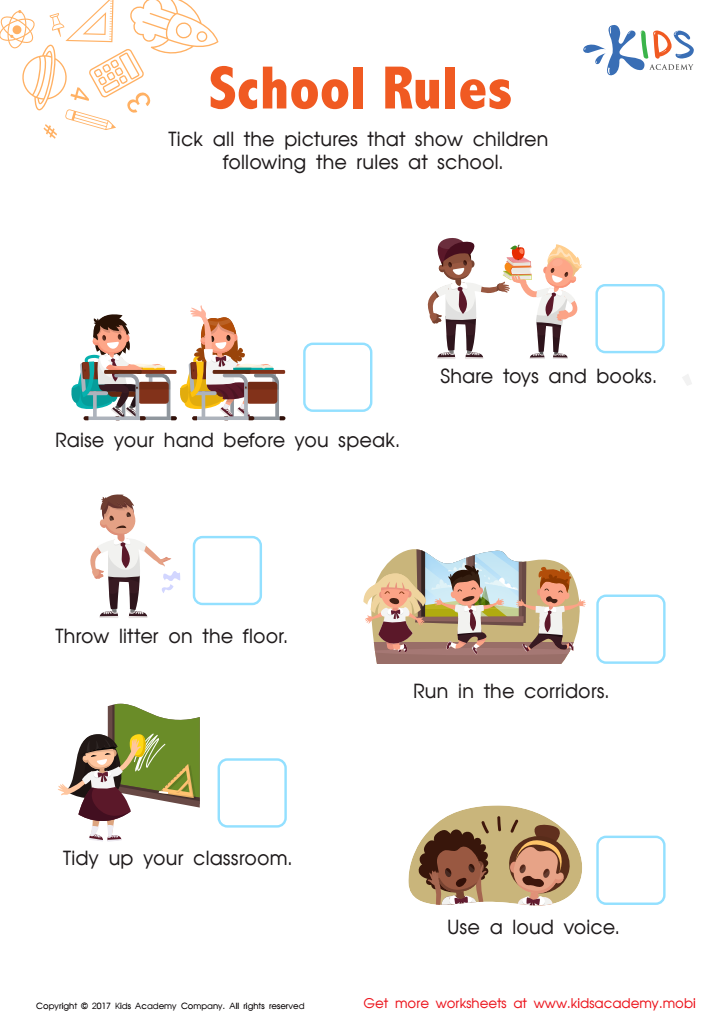
School Rules Worksheet
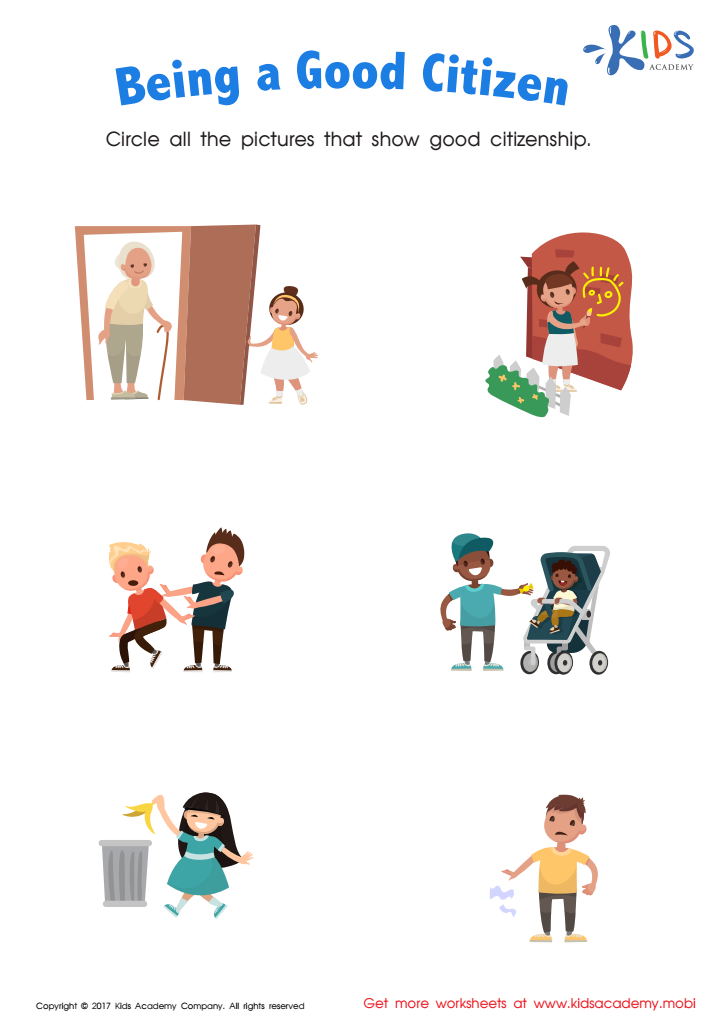
Being a Good Citizen Printable
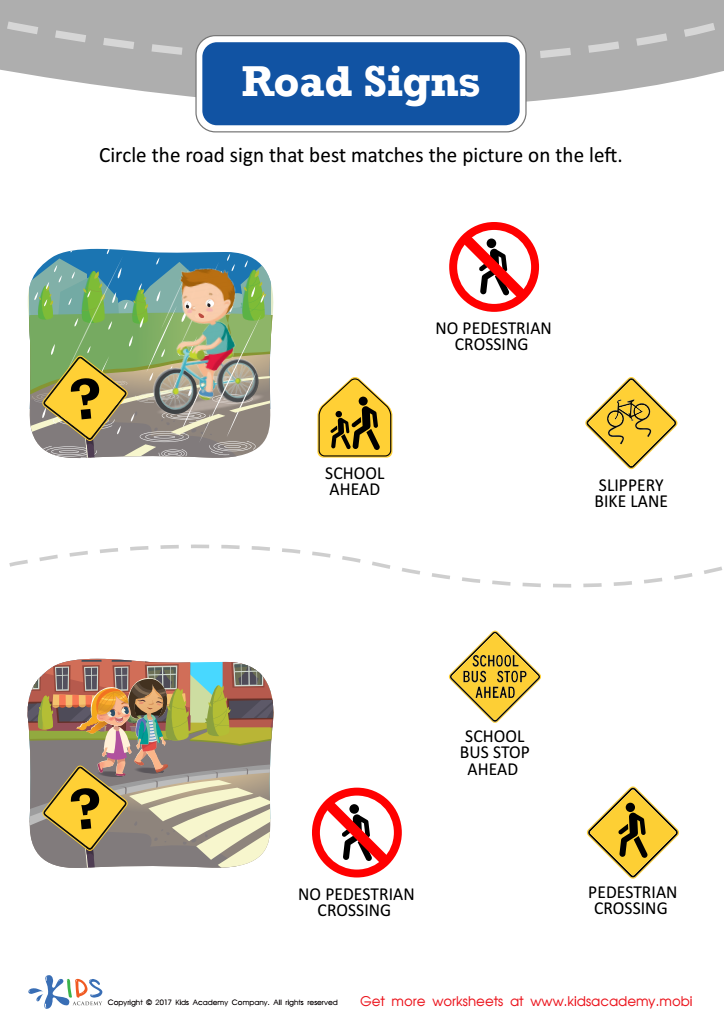
Road Signs (Part 2) Printable
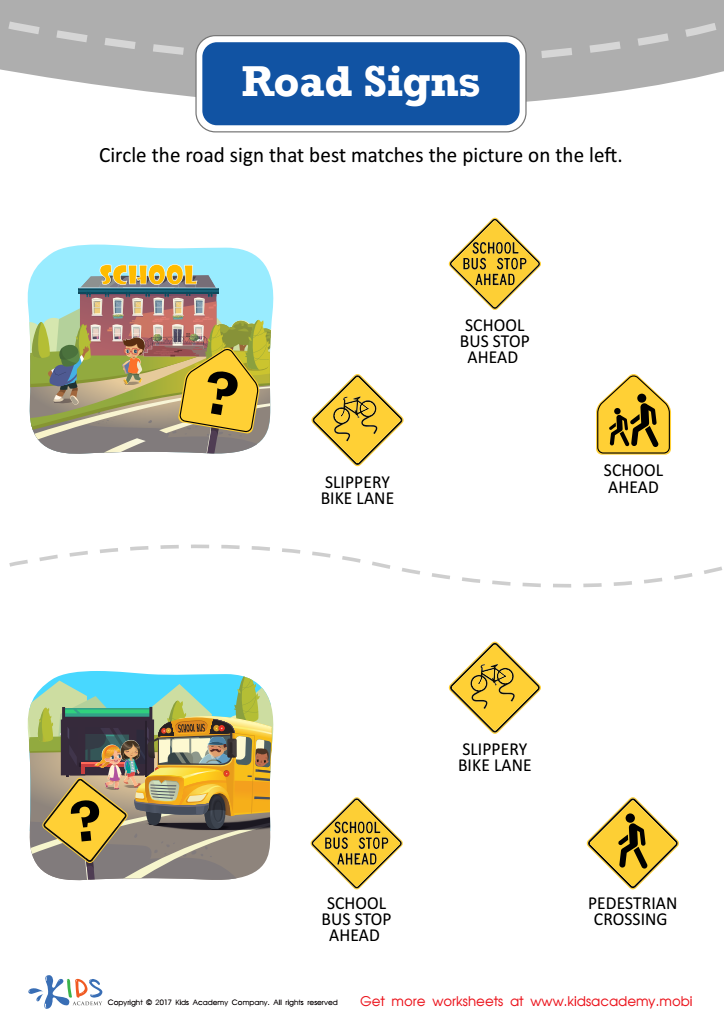
Road Signs (Part 1) Worksheet
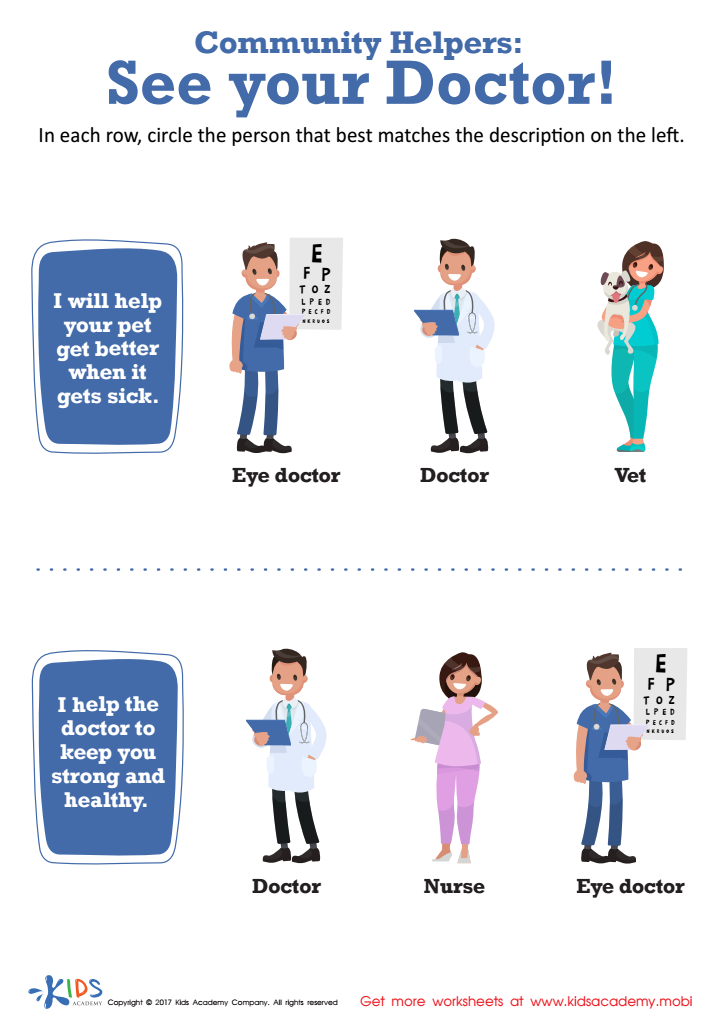
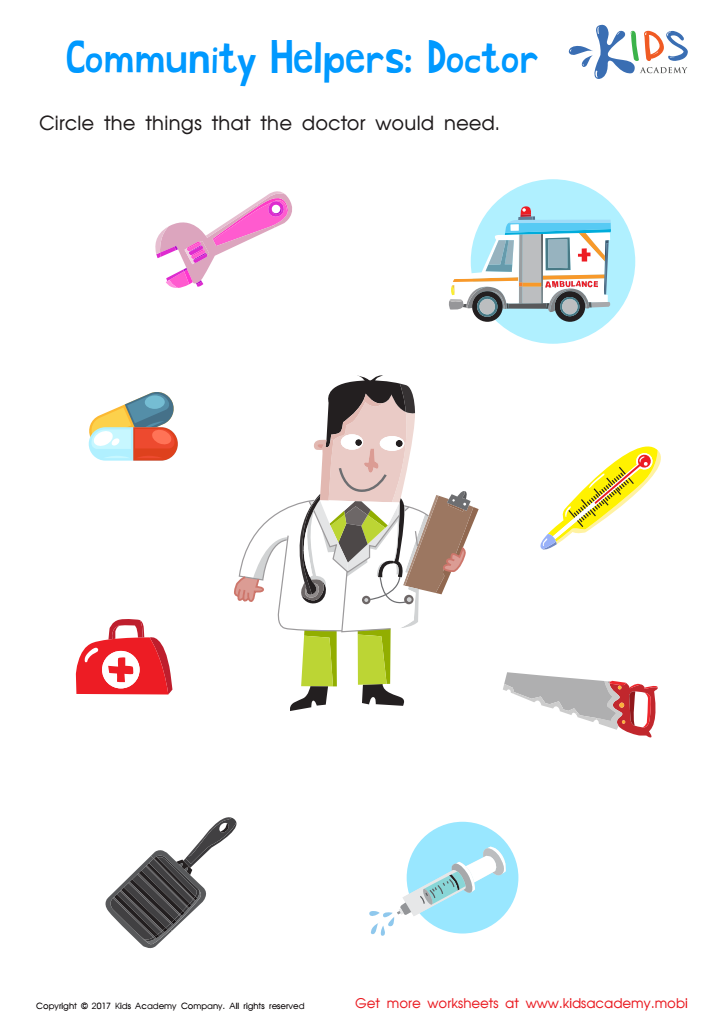
See Your Doctor (Part 2) Printable
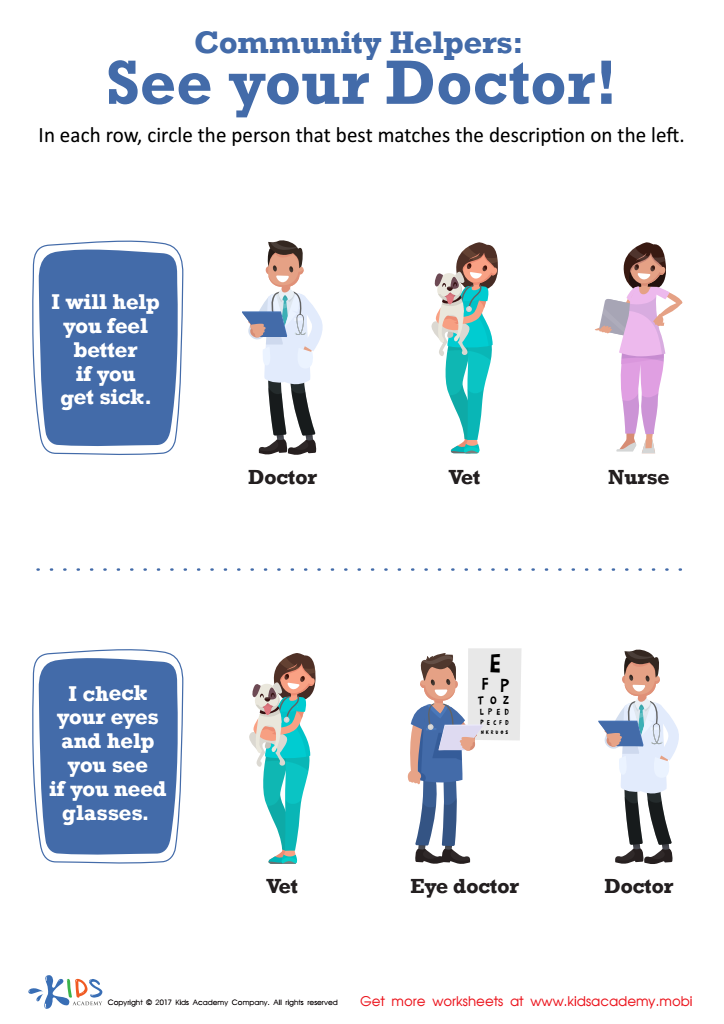
See Your Doctor (Part 1) Printable
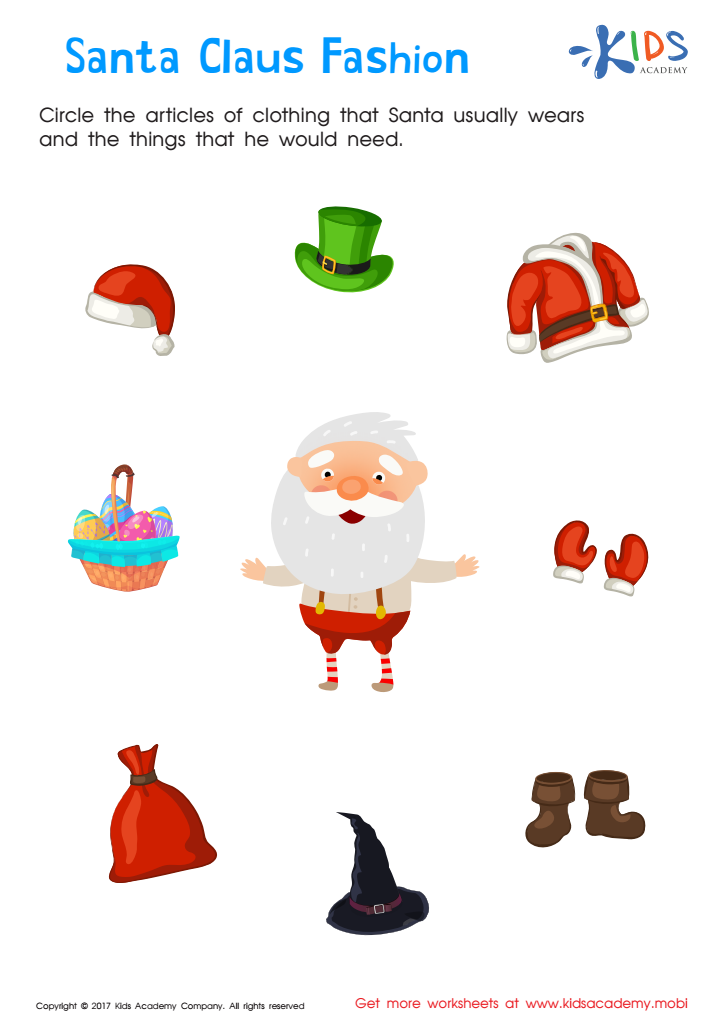
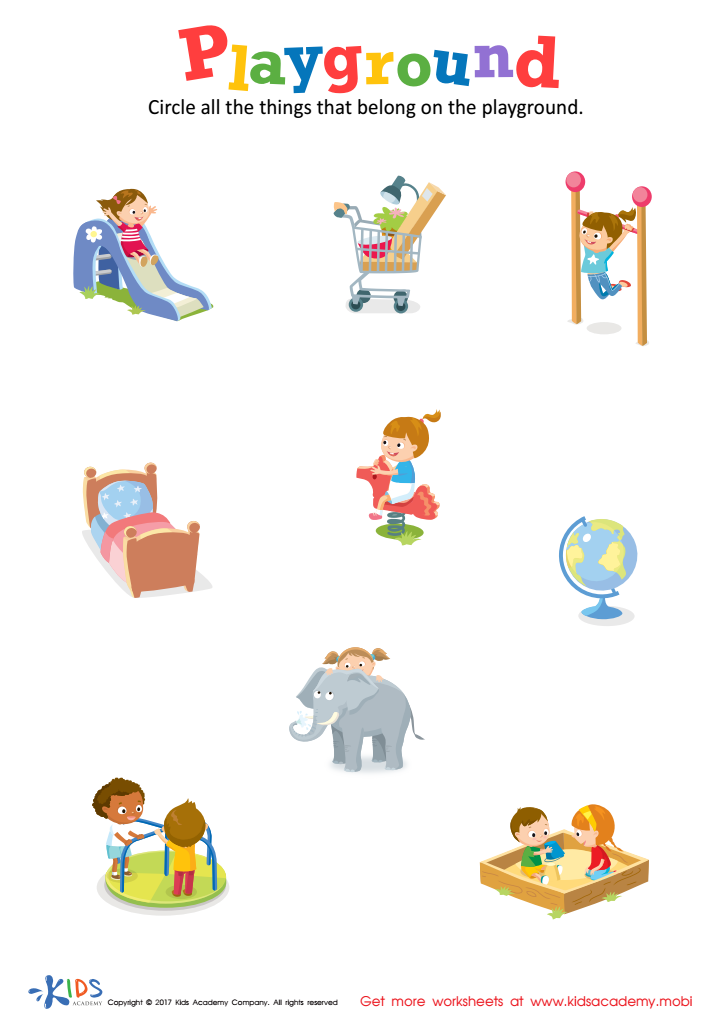
Playground Worksheet
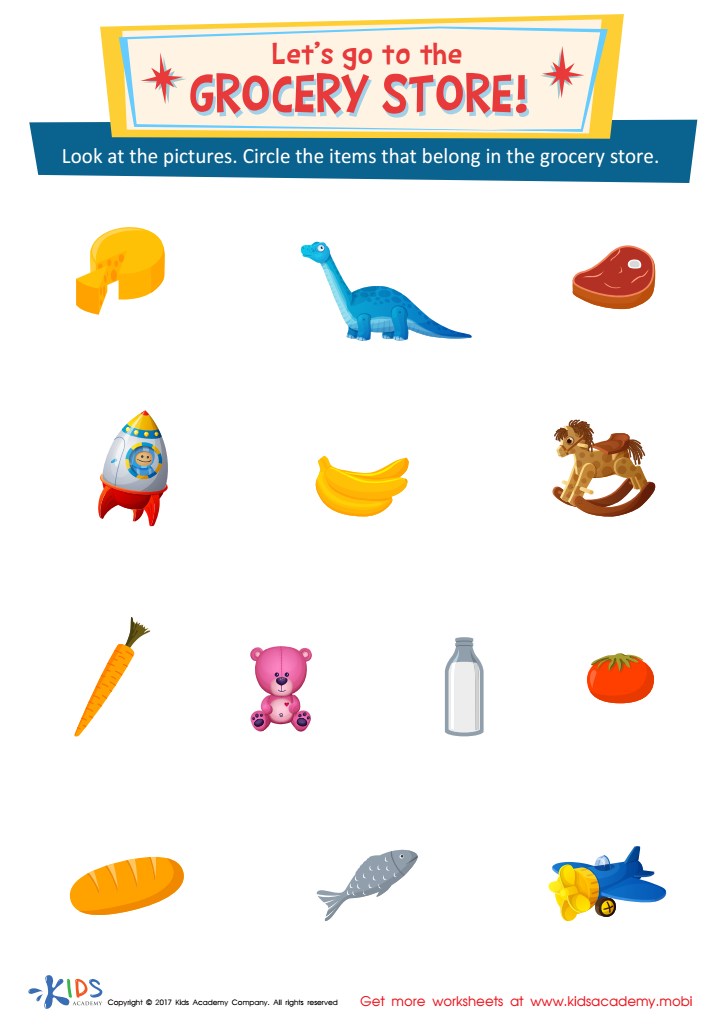
Grocery Store Worksheet
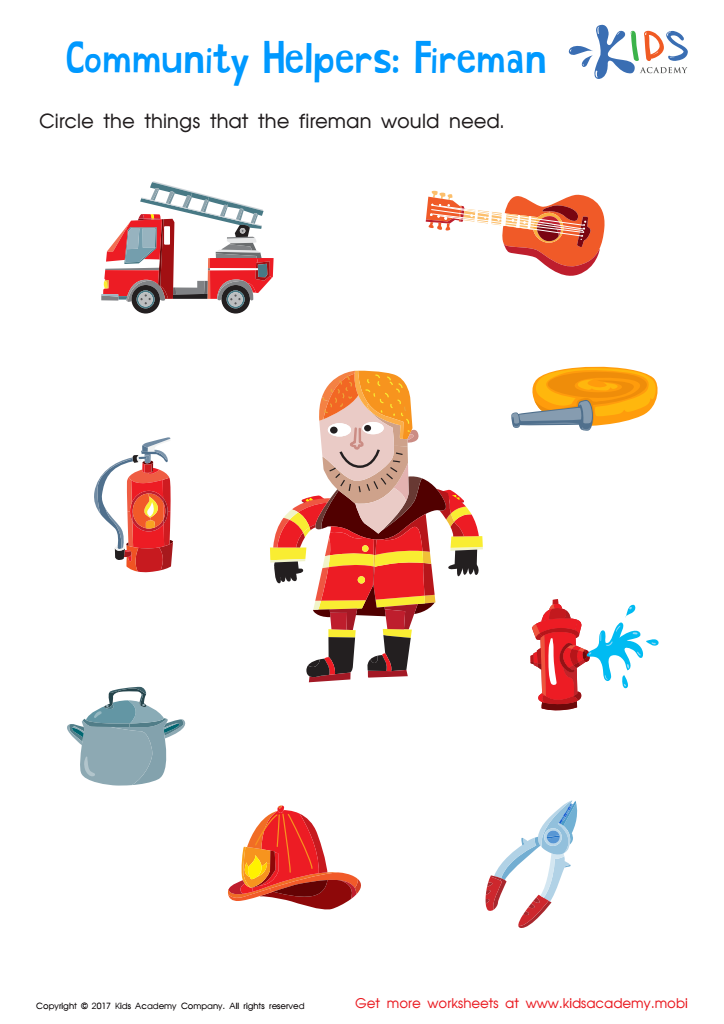
Fireman Worksheet
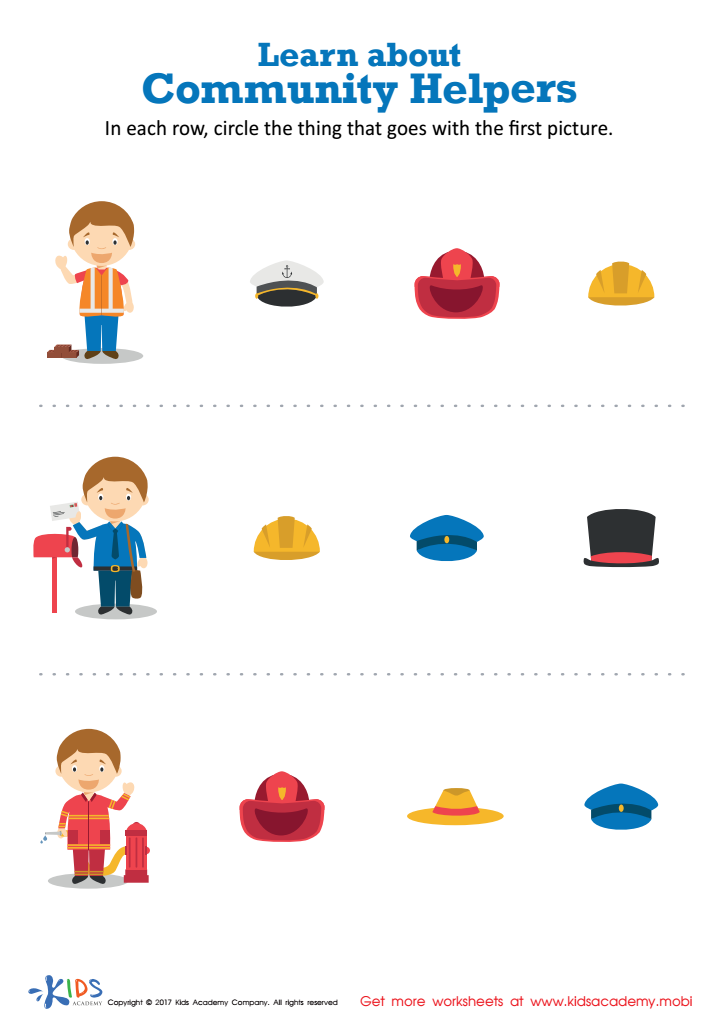
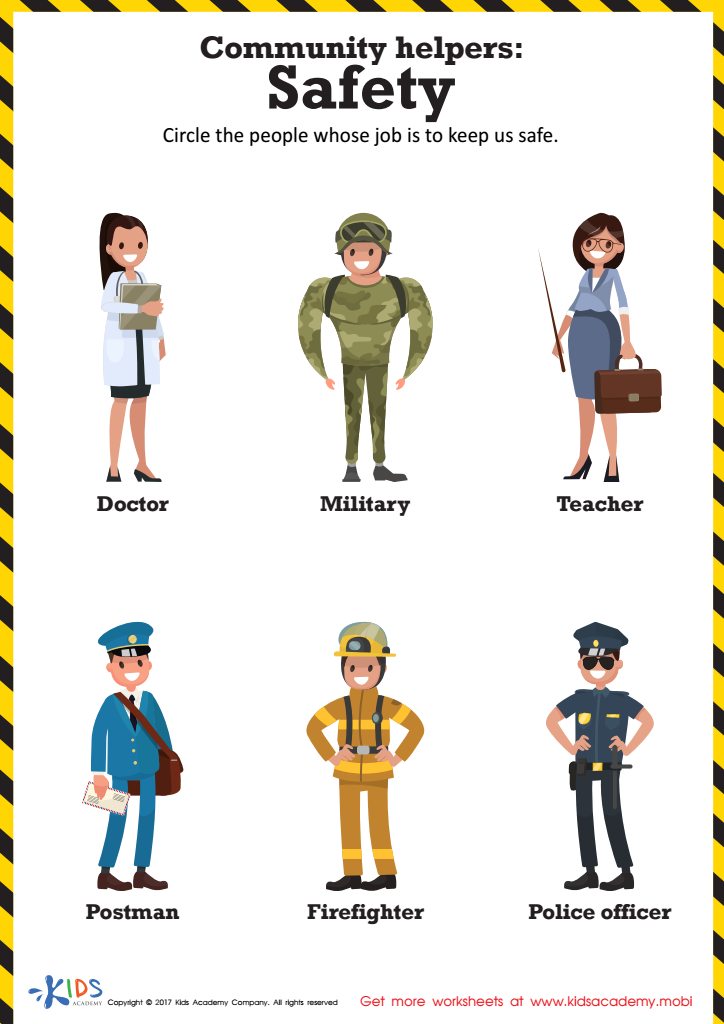
Learn about Community Helpers Printable
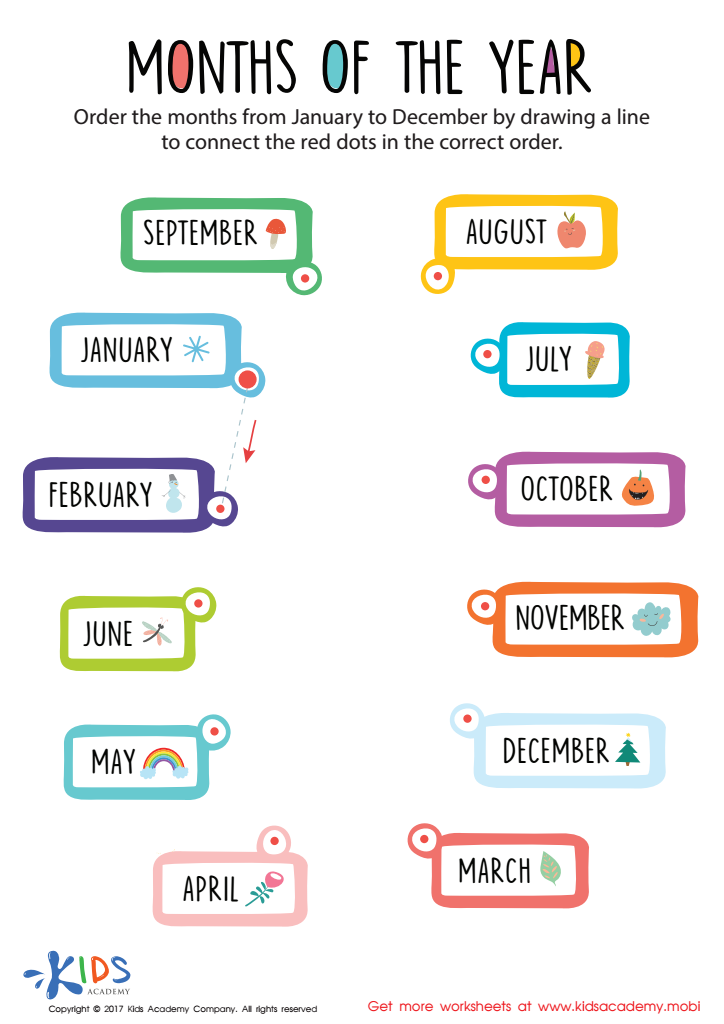
Months of the Year Worksheet
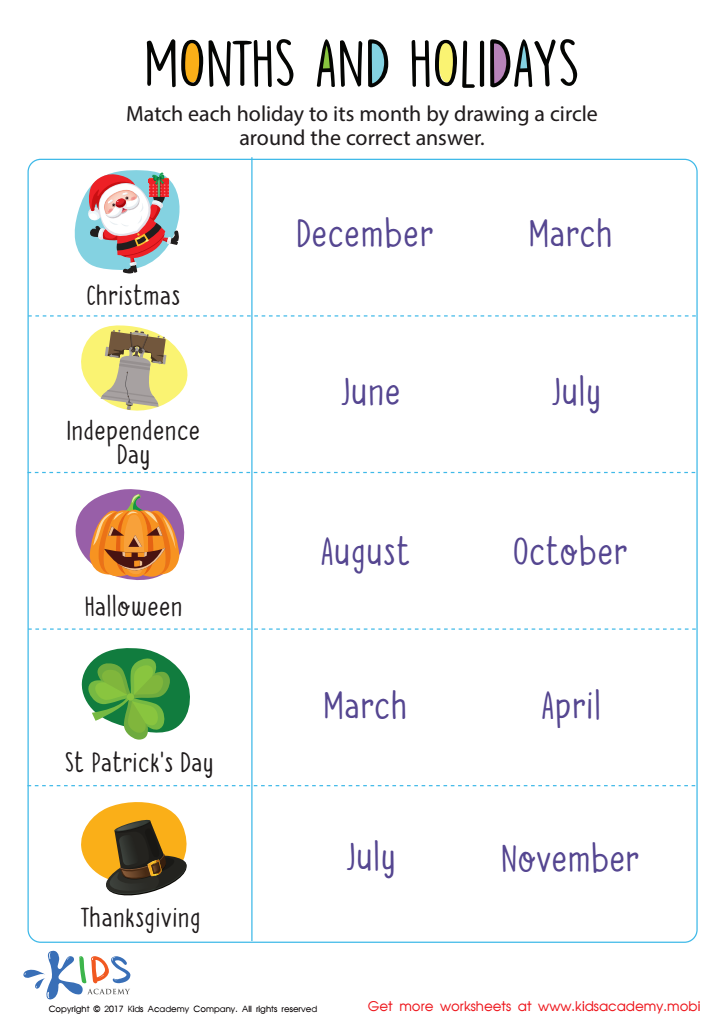
Months and Holidays Worksheet
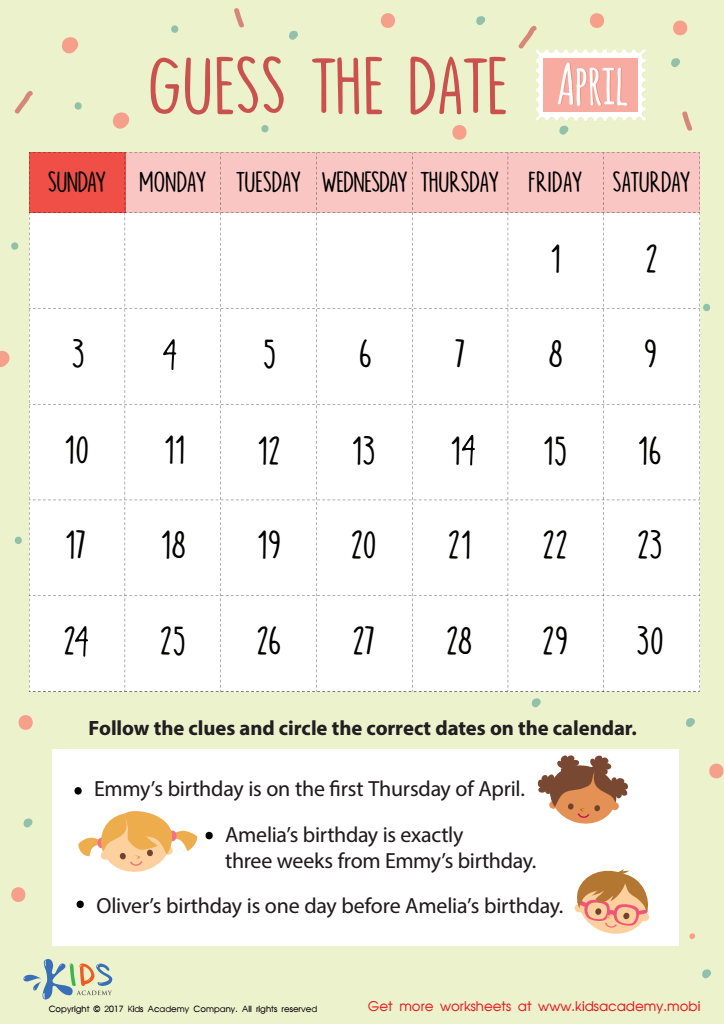
Guess the Date Worksheet
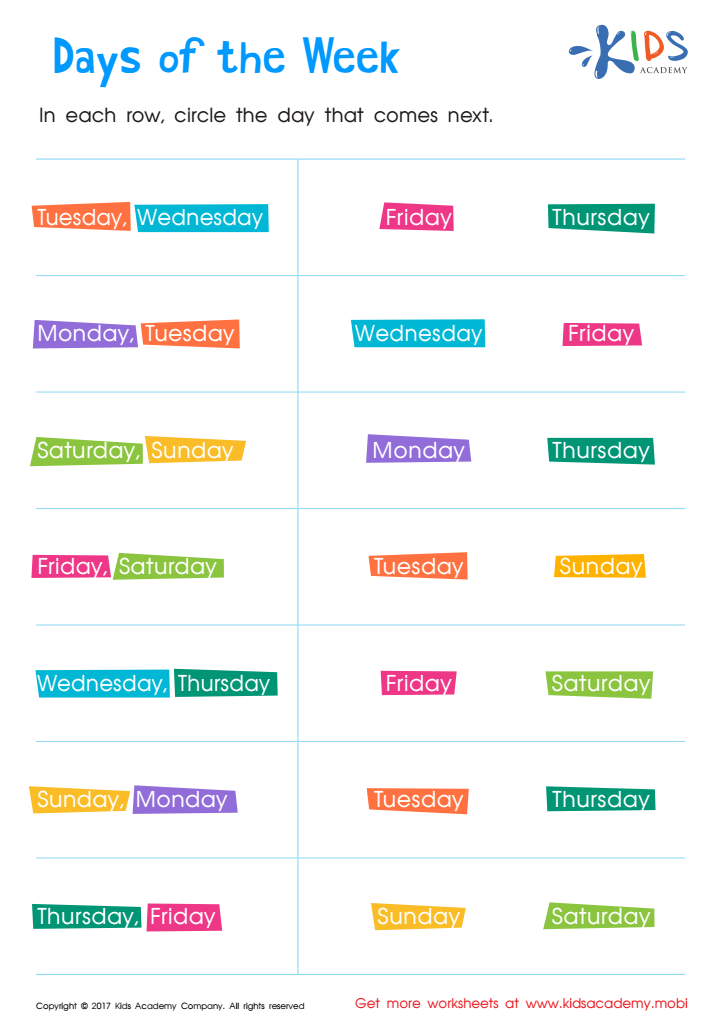
Days of the Week Worksheet








Parents and teachers should prioritize community for children ages 4-9 because it plays a crucial role in their social, emotional, and cognitive development. During these formative years, children learn vital skills such as communication, cooperation, and empathy. Being part of a community helps them develop a sense of belonging, which fosters self-esteem and resilience.
Engaging with a diverse group of peers and adults exposes children to different perspectives and cultures, promoting inclusivity and understanding. This not only enriches their social experiences but also prepares them for the diverse world they will navigate as they grow.
Furthermore, strong community ties encourage cooperation among parents and educators, creating a supportive network where resources and information can be shared. This collaboration enriches educational opportunities, ensuring that children have access to varied experiences that enhance their learning.
Finally, a strong community environment reduces feelings of isolation and stress, providing emotional security for children. Activities like group events, playdates, and collaborative learning enhance children's interpersonal skills and provide structured environments where they can thrive. In summary, nurturing a sense of community offers young learners invaluable benefits, laying a solid foundation for their future social interactions and academic success.








