Plants Worksheets for 4-Year-Olds
6 filtered results
-
From - To
Dive into the vibrant world of flora with our specially designed Plants worksheets for 4-Year-Olds! Created to spark curiosity and love for nature in young minds, these worksheets are the perfect blend of fun and learning. Children will embark on a green journey, exploring different types of plants, their parts, and their growth processes through engaging activities. Each sheet is filled with colorful illustrations and interactive tasks tailored for little learners, making plant education both accessible and exciting. Watch as your 4-year-old grows their knowledge alongside the plants they learn about, nurturing a budding interest in the natural world around them.
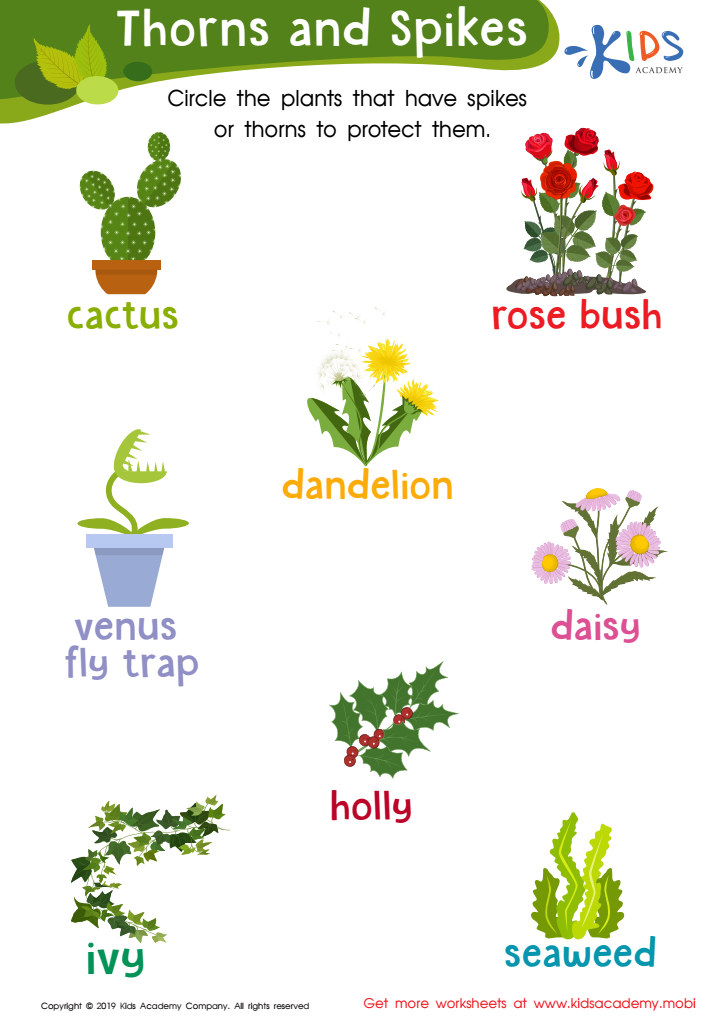
Thorns and Spikes Worksheet
 Assign to My Students
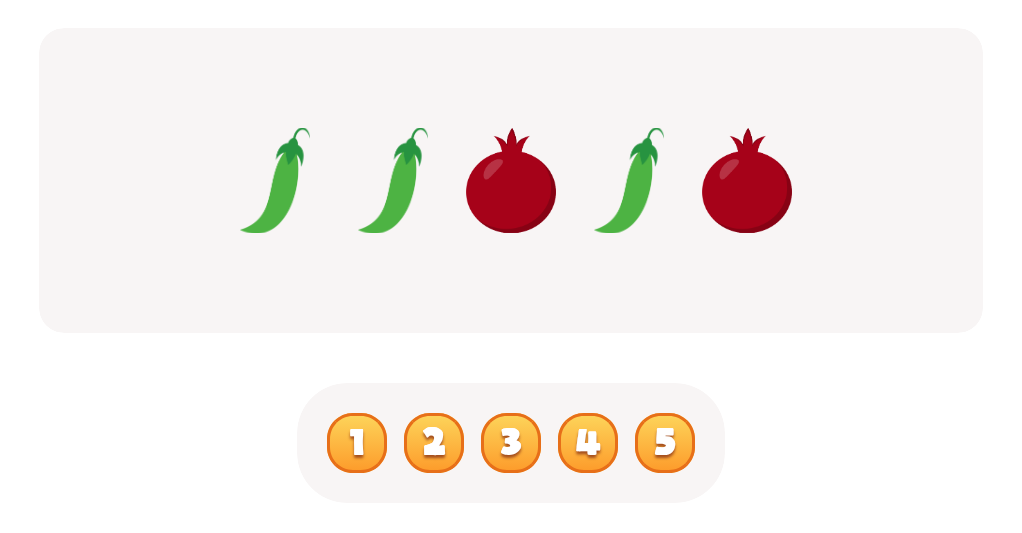

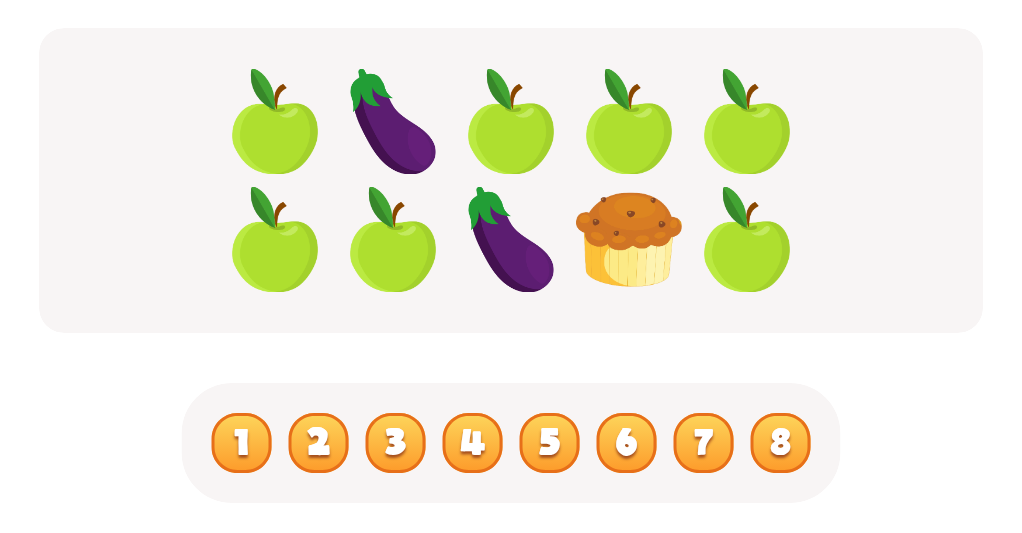
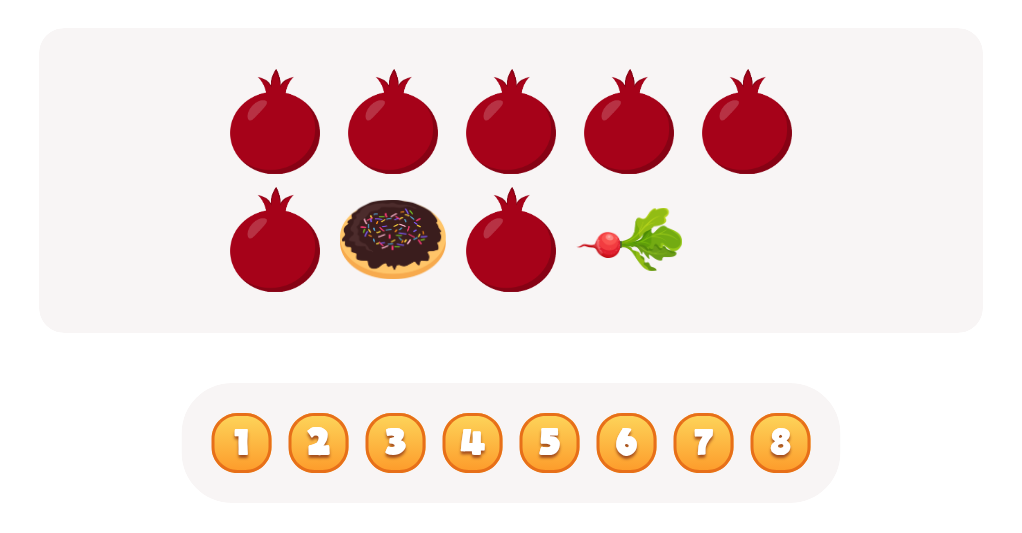
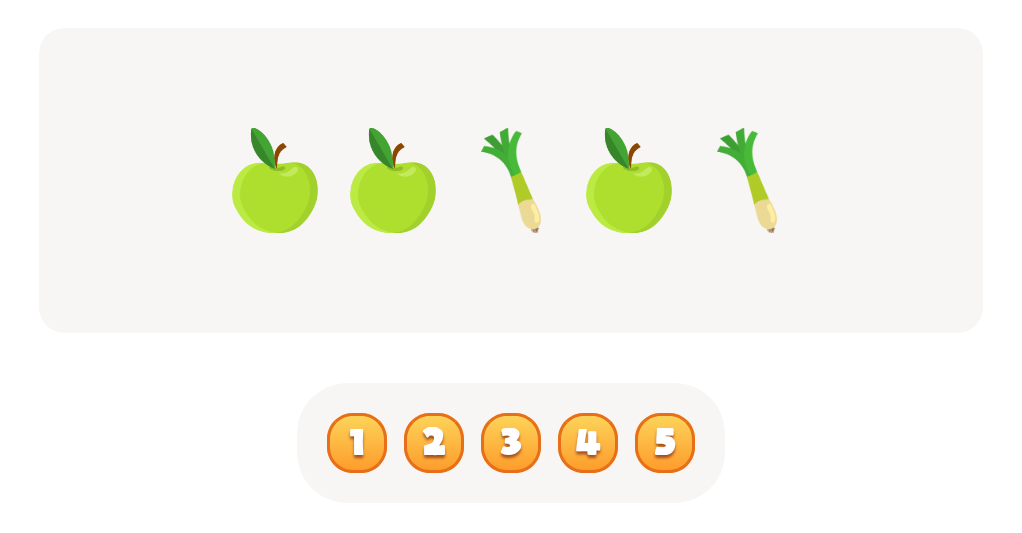
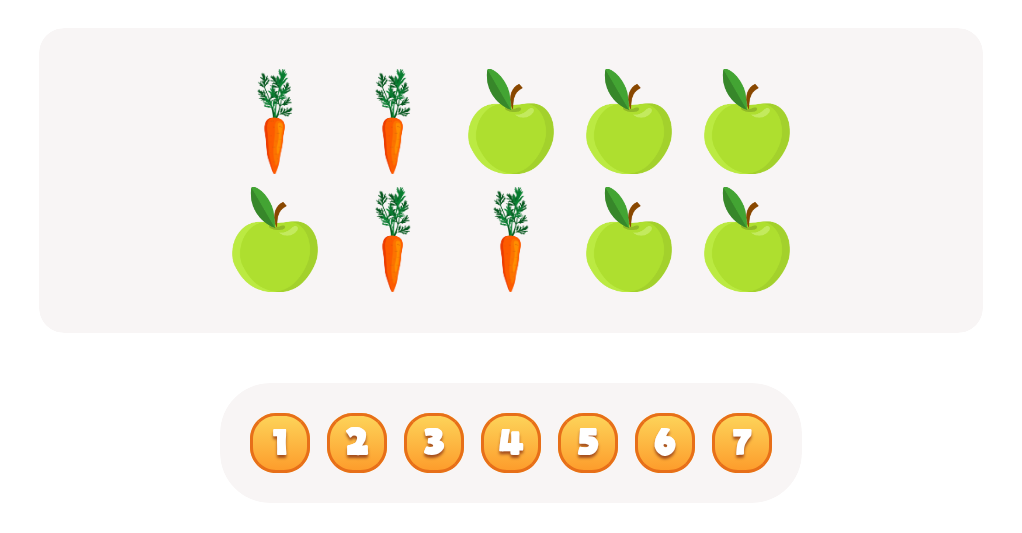
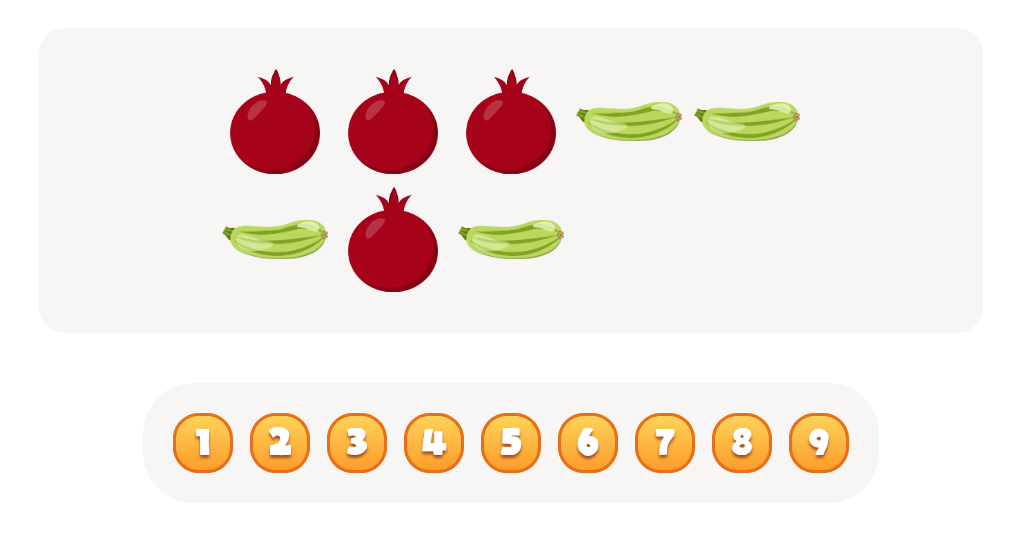
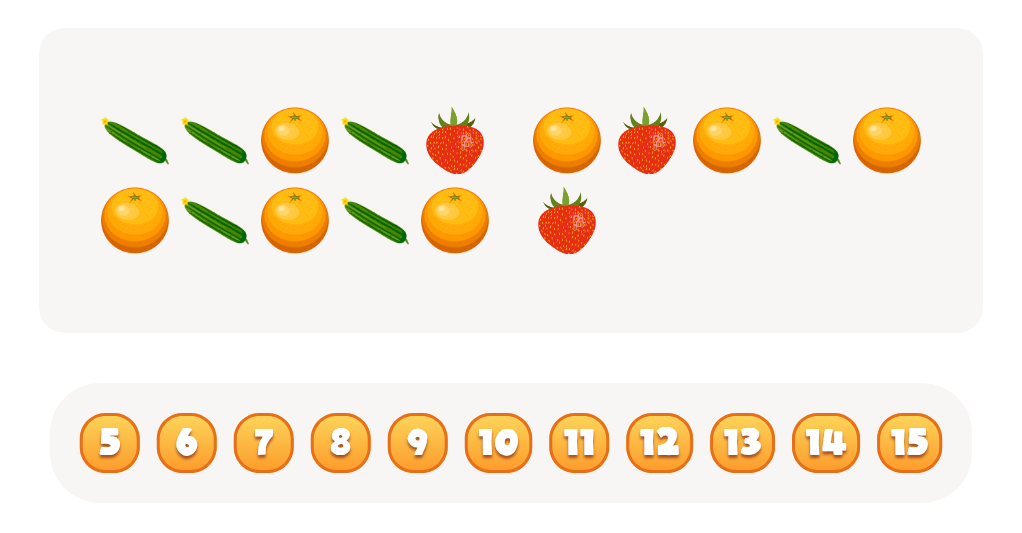
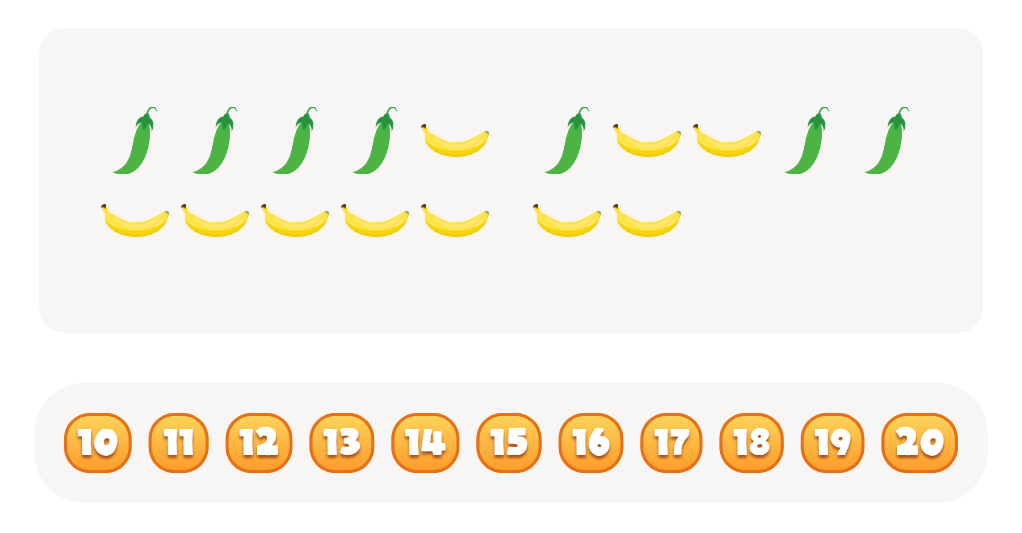
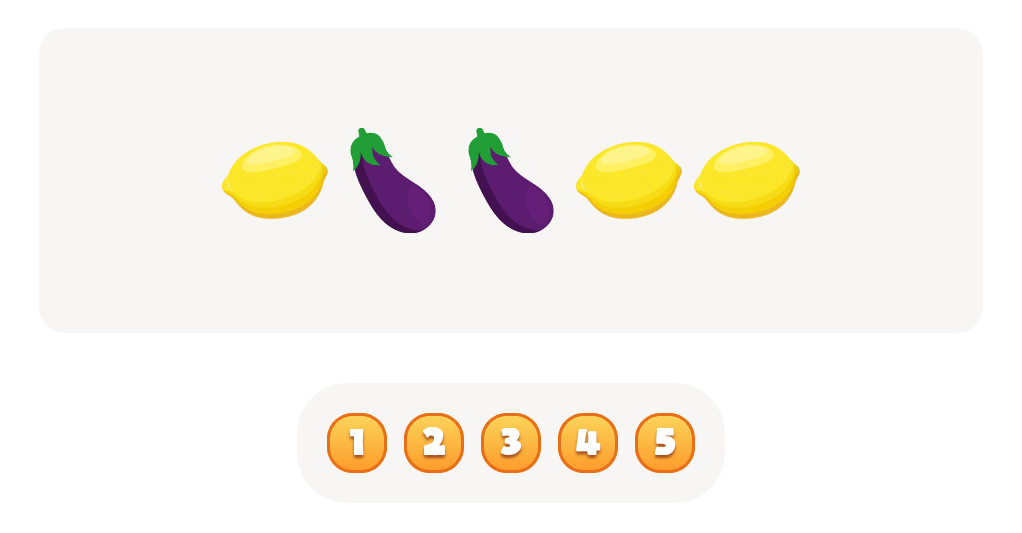
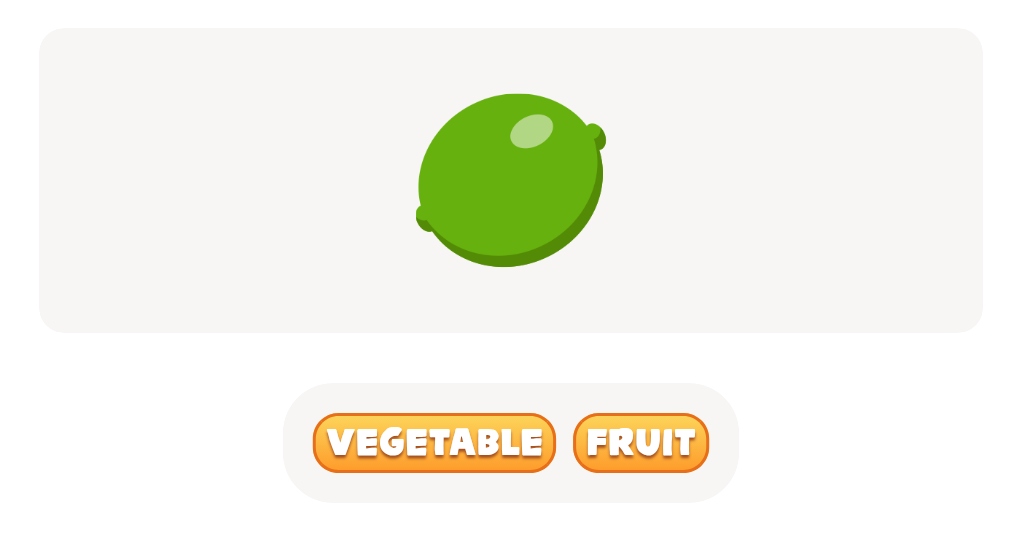
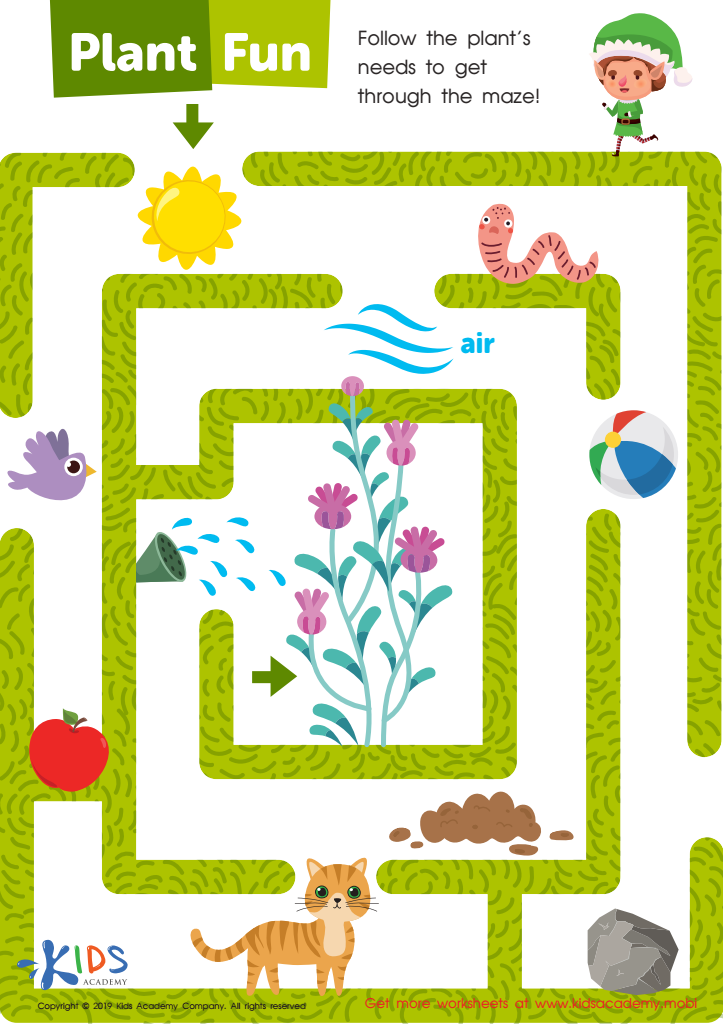
Plant Fun Worksheet
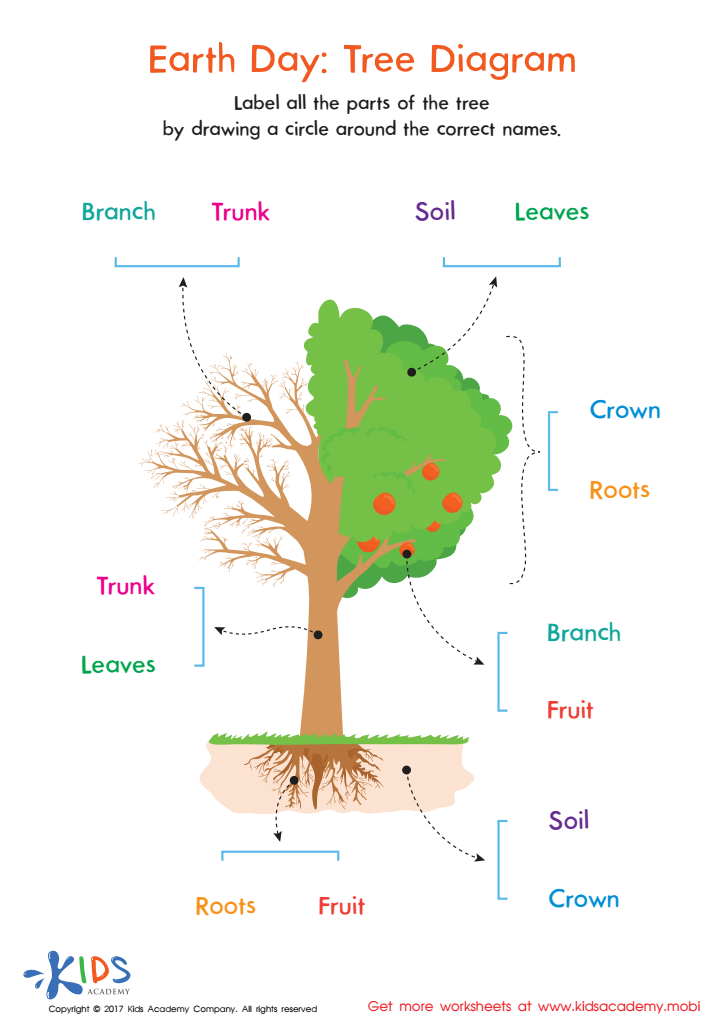
Earth Day: Tree Diagram Worksheet
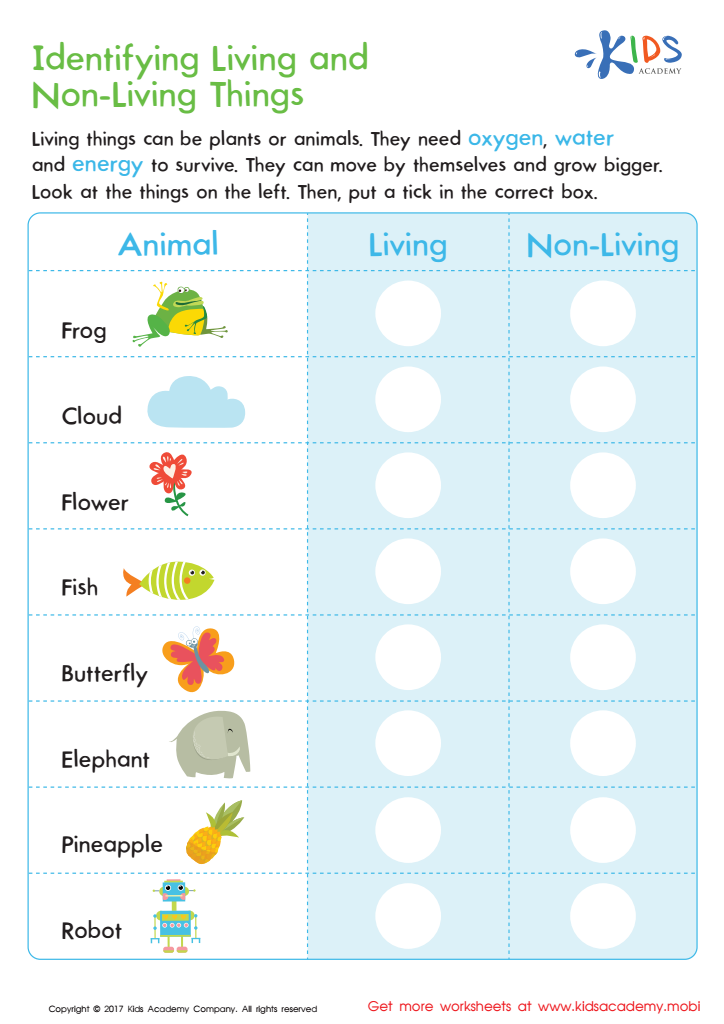
Identifying Living or Non–living Worksheet
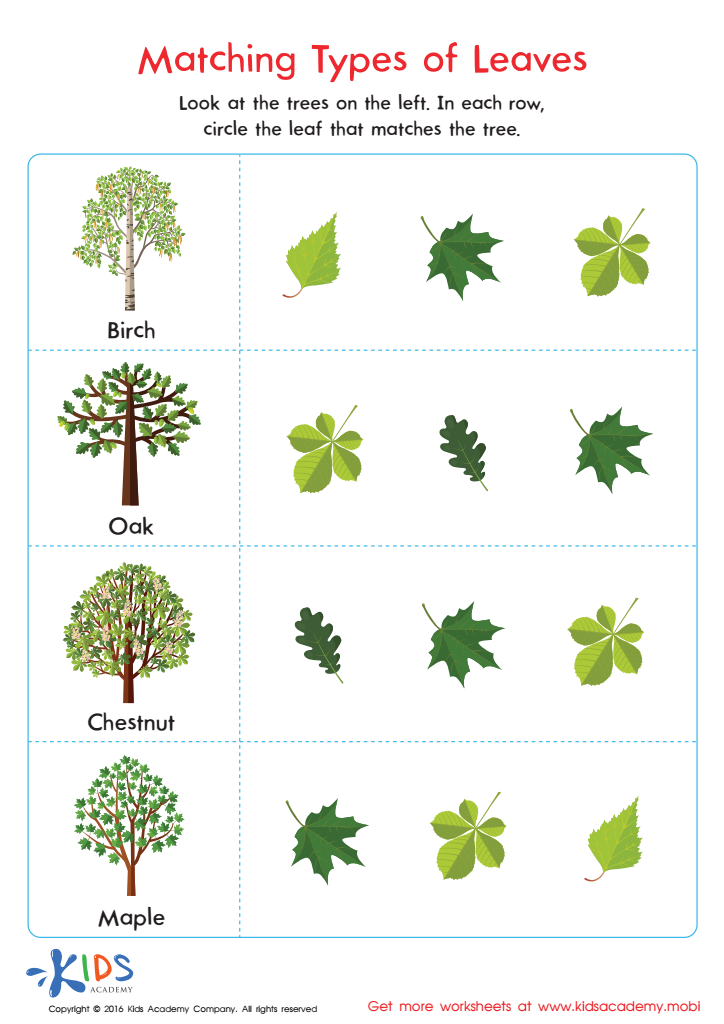
Matching Types of Leaves Printable
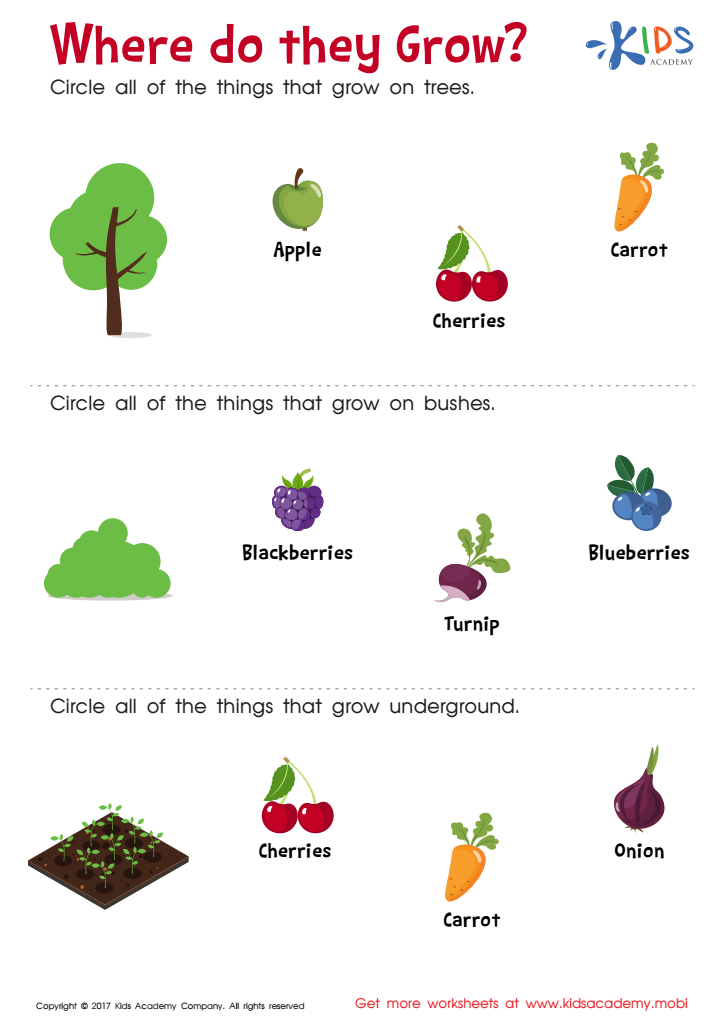
Where Do They Grow Worksheet








Worksheets on plants for 4-year-olds serve as an invaluable tool for early childhood education, sparking curiosity and laying the foundation for a lifelong interest in science. At this pivotal age, young minds are incredibly receptive and eager to explore the world around them. Plants, being an essential part of our ecosystem, offer a perfect subject to captivate their interest.
Through engaging and interactive worksheets, 4-year-olds can start understanding the basics of plant life, including their parts, functions, and the vital role they play in our environment. Such activities not only enhance their knowledge but also develop critical thinking and observation skills. By identifying different plants, learning how they grow, and understanding their importance, children begin to foster a sense of responsibility towards nature.
Moreover, worksheets on plants for 4-year-olds are designed to be fun and interactive. They often include coloring, matching, and simple puzzle-solving activities that improve hand-eye coordination and fine motor skills. This hands-on approach ensures that learning about plants is not just educational but also thoroughly enjoyable for young children.
In essence, worksheets on plants offer a holistic learning experience for 4-year-olds, blending scientific knowledge with essential developmental skills. They serve as a stepping stone, encouraging young learners to ask questions, explore, and develop a lasting appreciation for the natural world.