Number Recognition Addition Worksheets for Ages 5-6
38 filtered results
-
From - To
Introducing our "Number Recognition Addition Worksheets for Ages 5-6", designed to build a foundation in math through engaging activities. These worksheets help young learners recognize numbers and understand basic addition with fun, age-appropriate exercises. Featuring bright illustrations and simple tasks, children will enjoy while mastering early math skills. Ideal for parents and educators looking to reinforce classroom lessons or supplement learning at home. Perfect for making math both educational and entertaining. Boost your child’s confidence and ability with these expertly crafted worksheets that cater to developing strong, foundational math skills. Explore, enjoy, and learn!
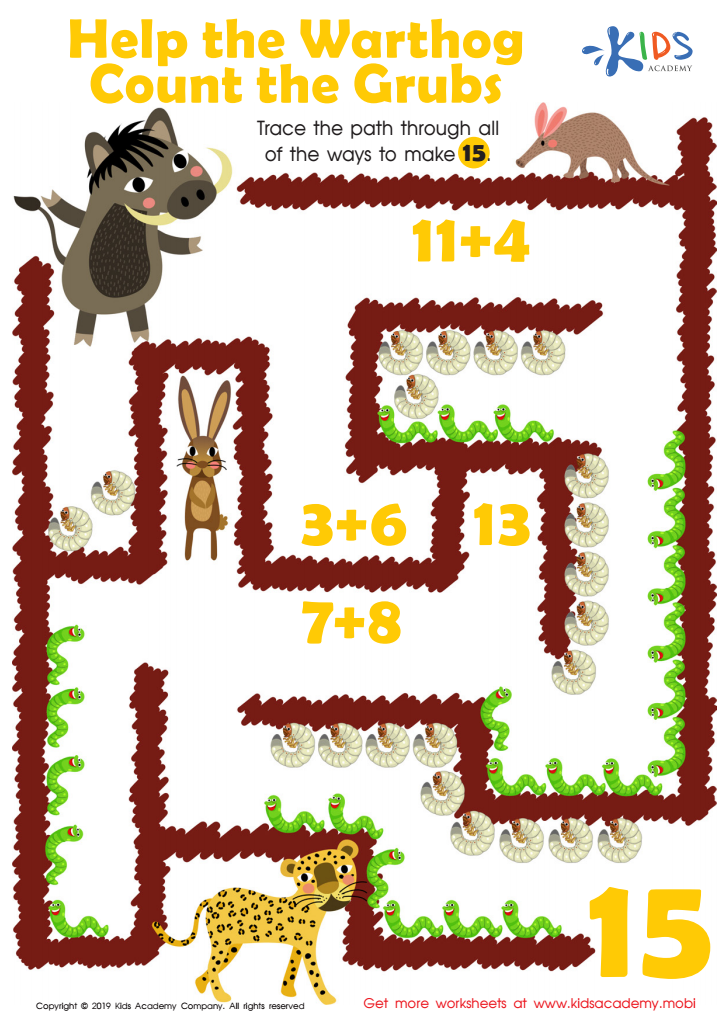
Help the Warthog Count the Grubs Worksheet
 Assign to My Students
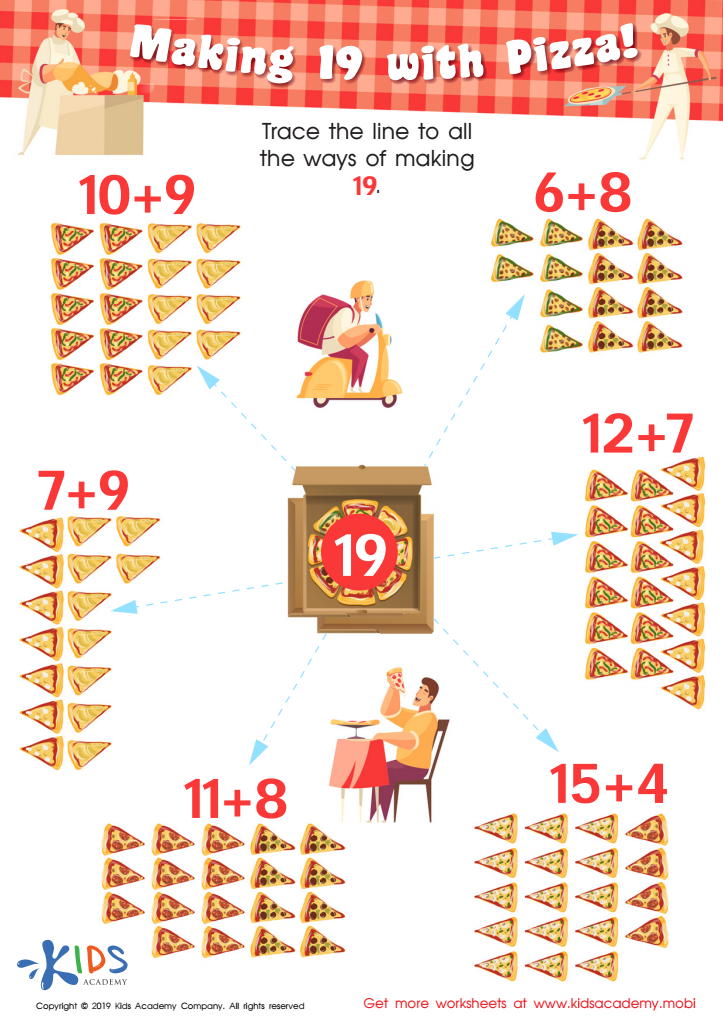
Making 19 with Pizza! Worksheet
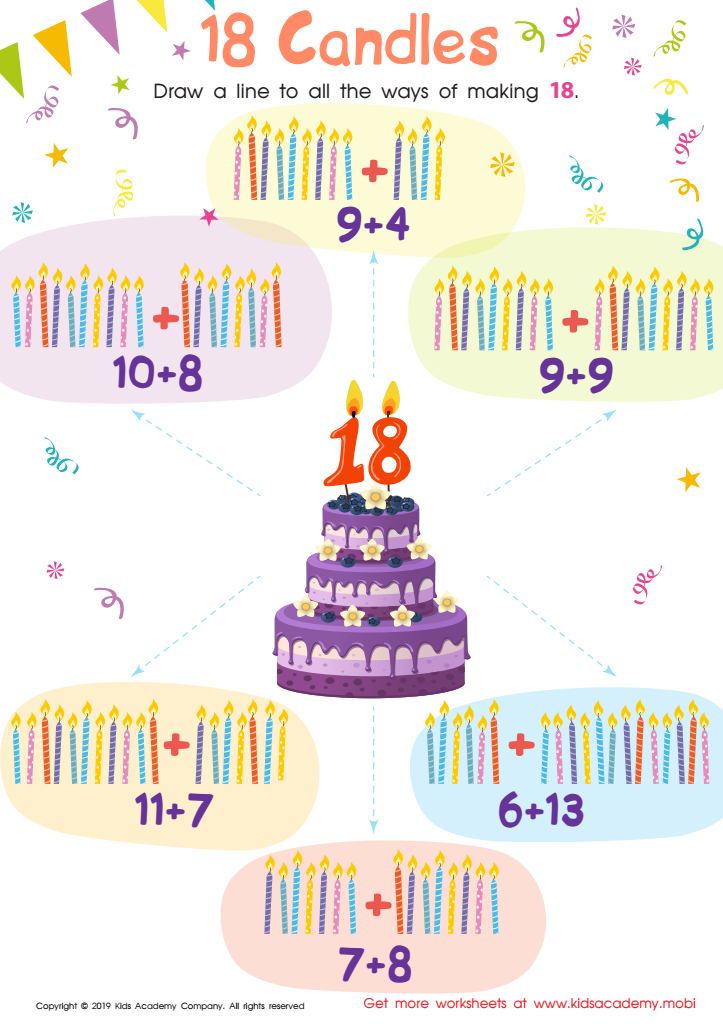
18 Candles Worksheet
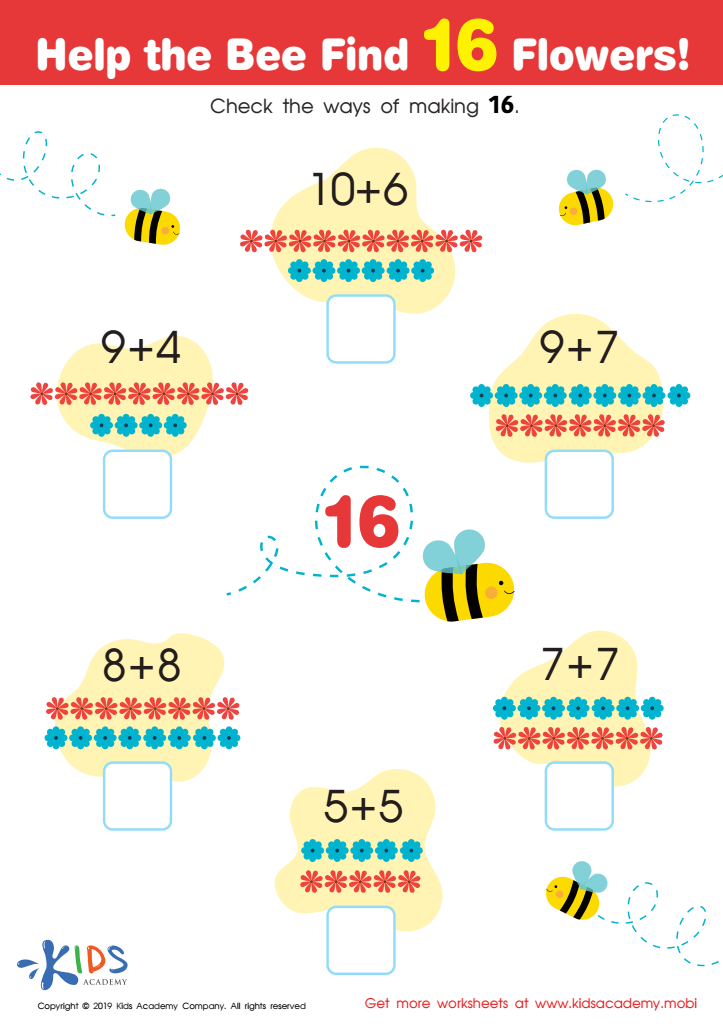
Help the Bee Find 16 Flowers Worksheet
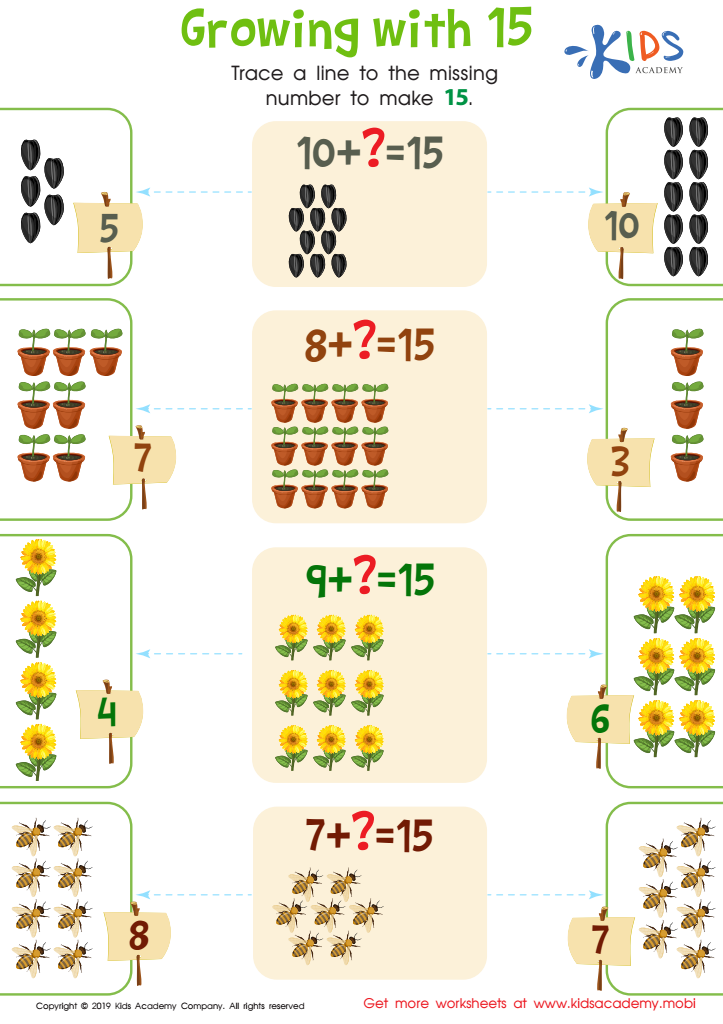
Growing with 15 Worksheet
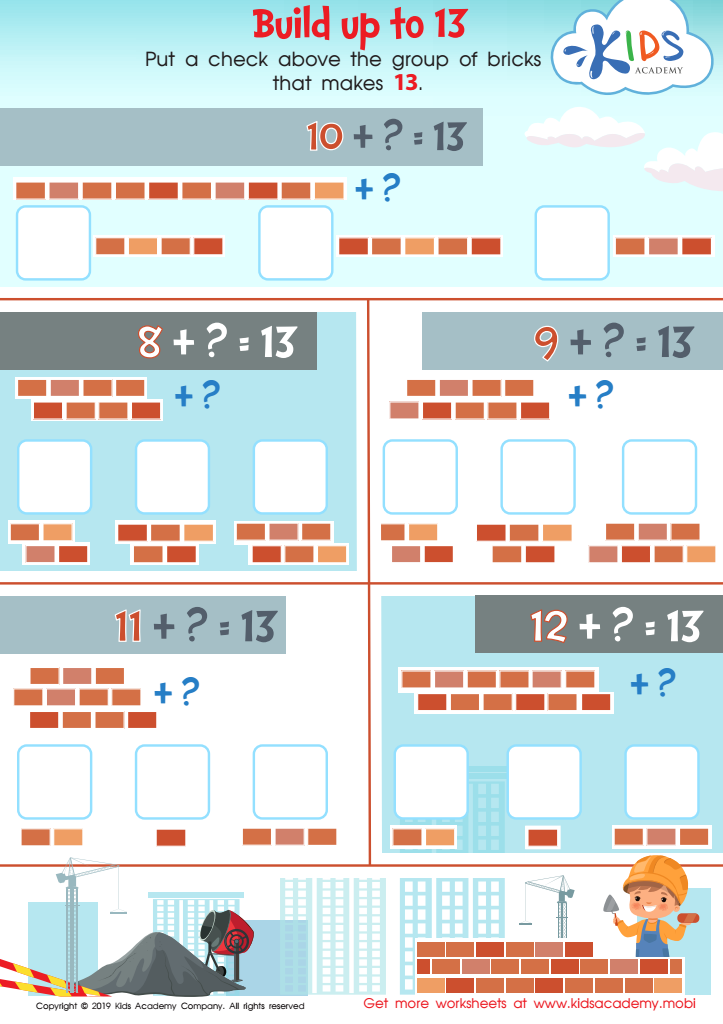
Build up to 13 Worksheet
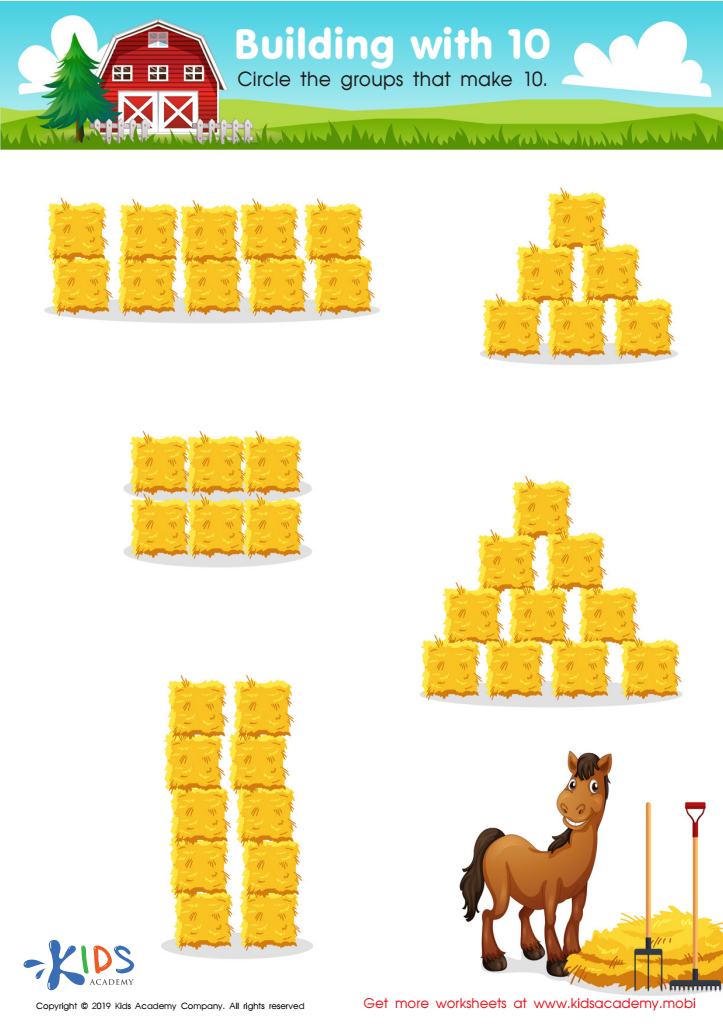
Building with 10 Worksheet
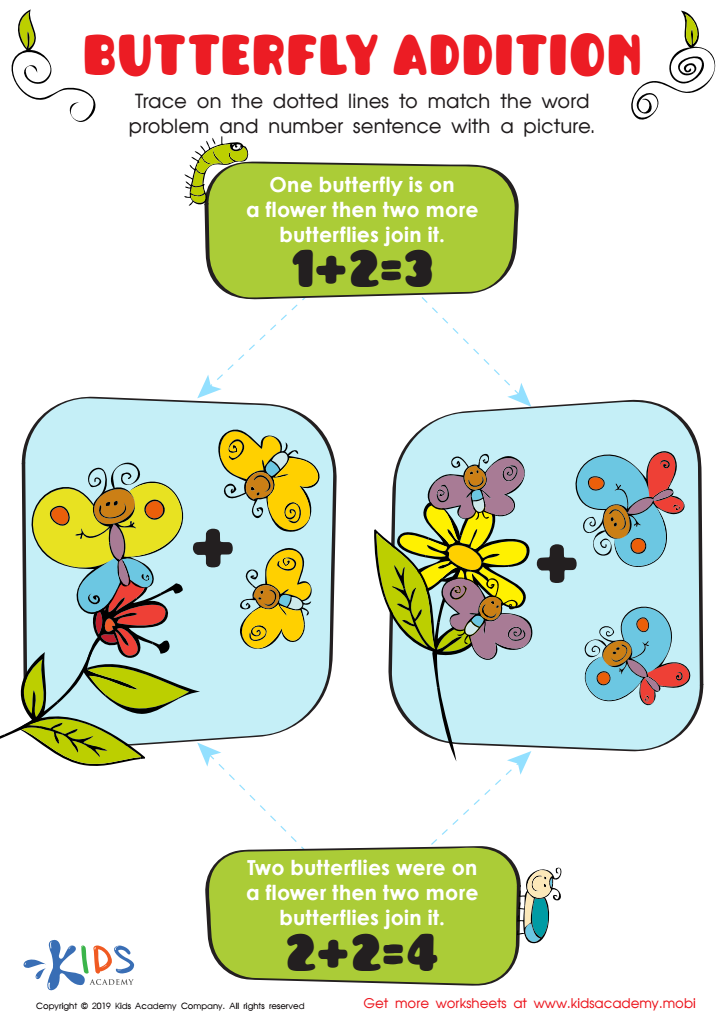
Butterfly Addition Worksheet
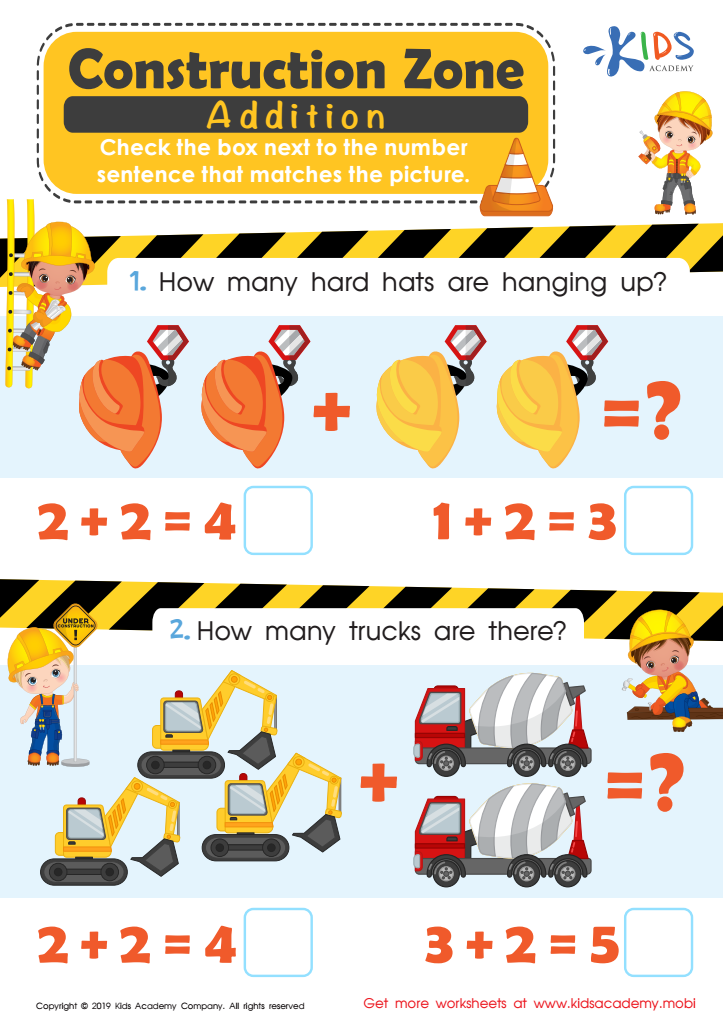
Construction Zone Addition Worksheet
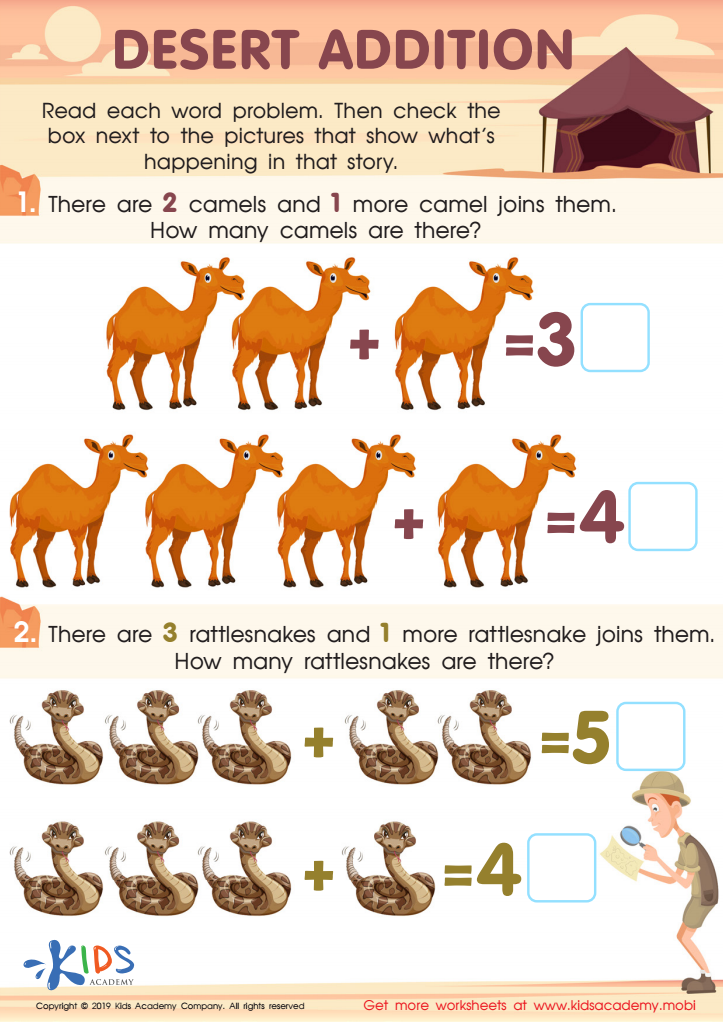
Desert Addition Worksheet
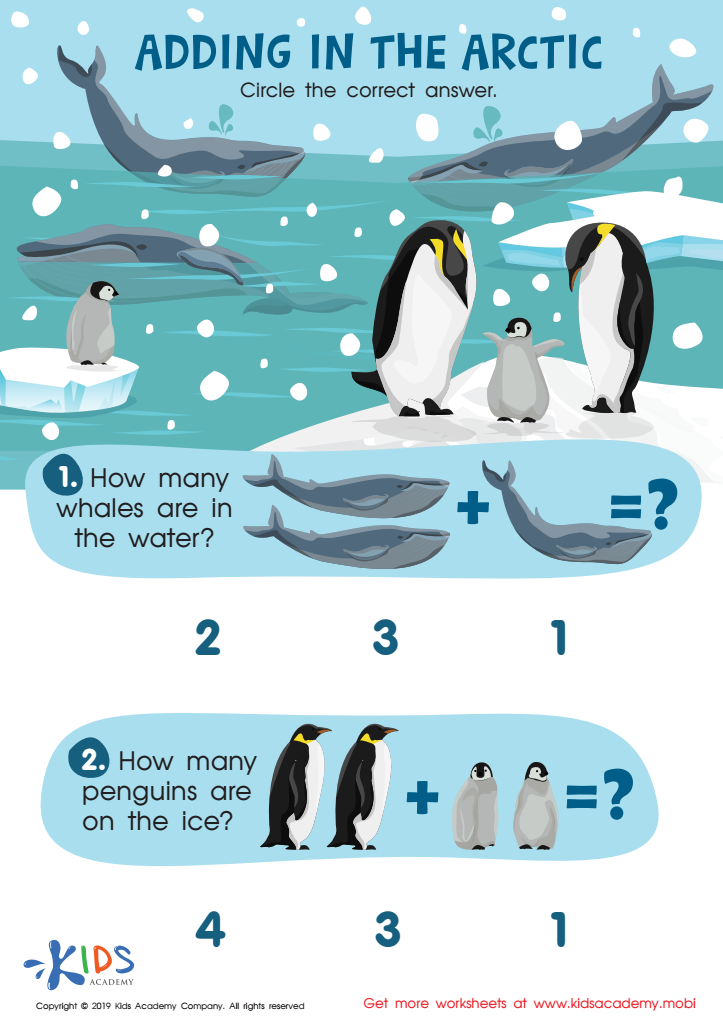
Adding in the Arctic Worksheet
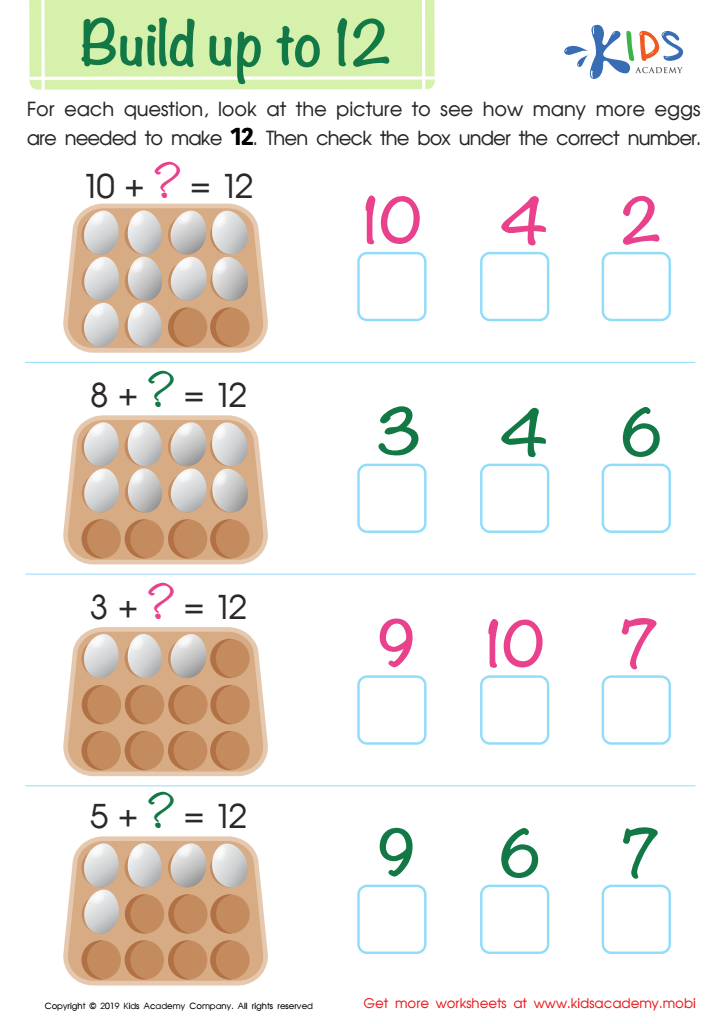
Build up to 12 Worksheet
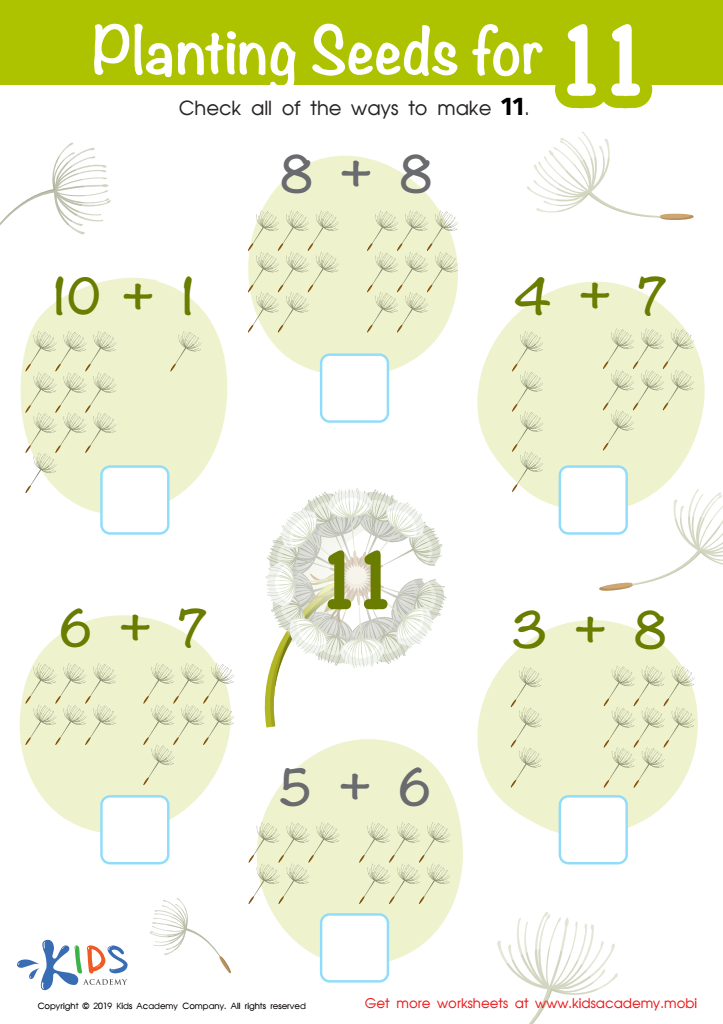
Planting Seeds for 11 Worksheet
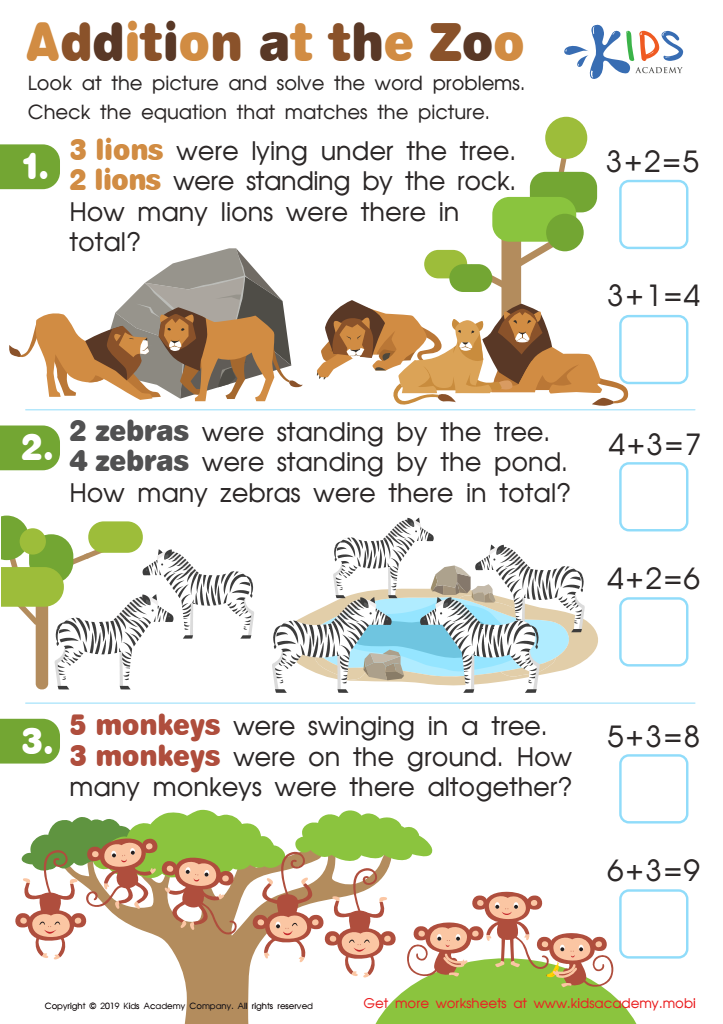
Addition at the Zoo Worksheet
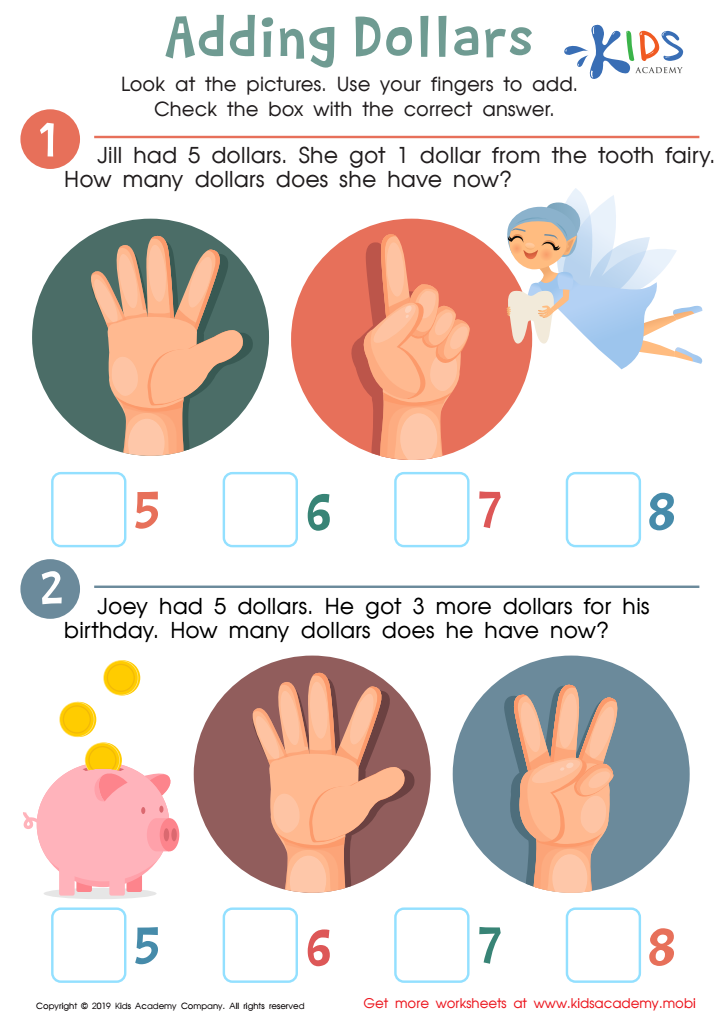
Tooth Fairy Addition Worksheet
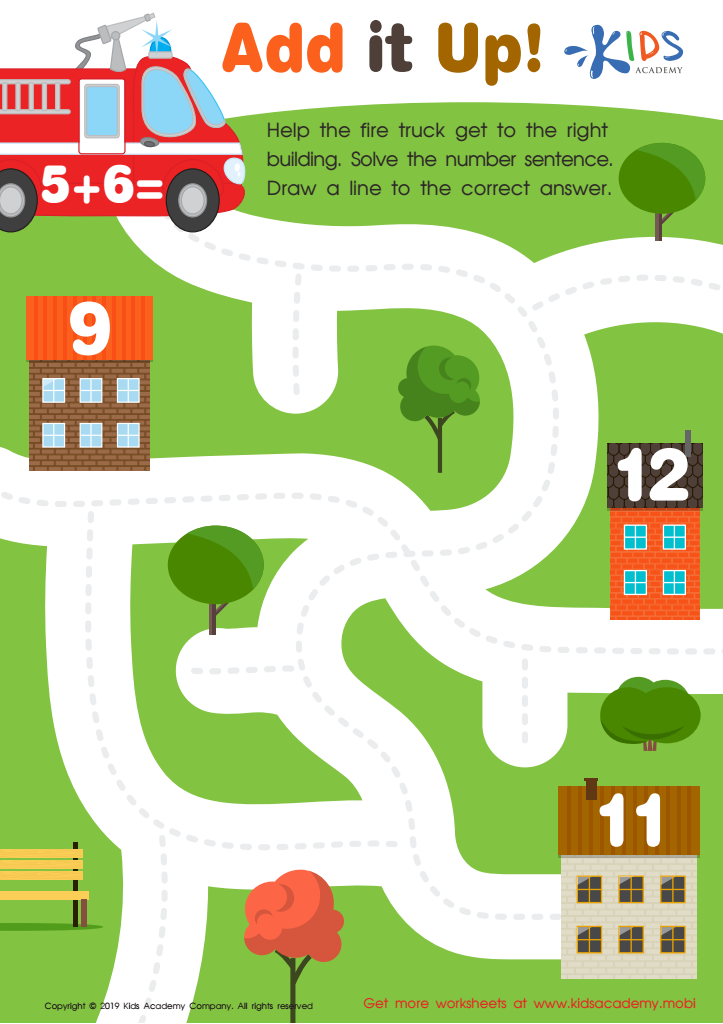
Add it Up Worksheet
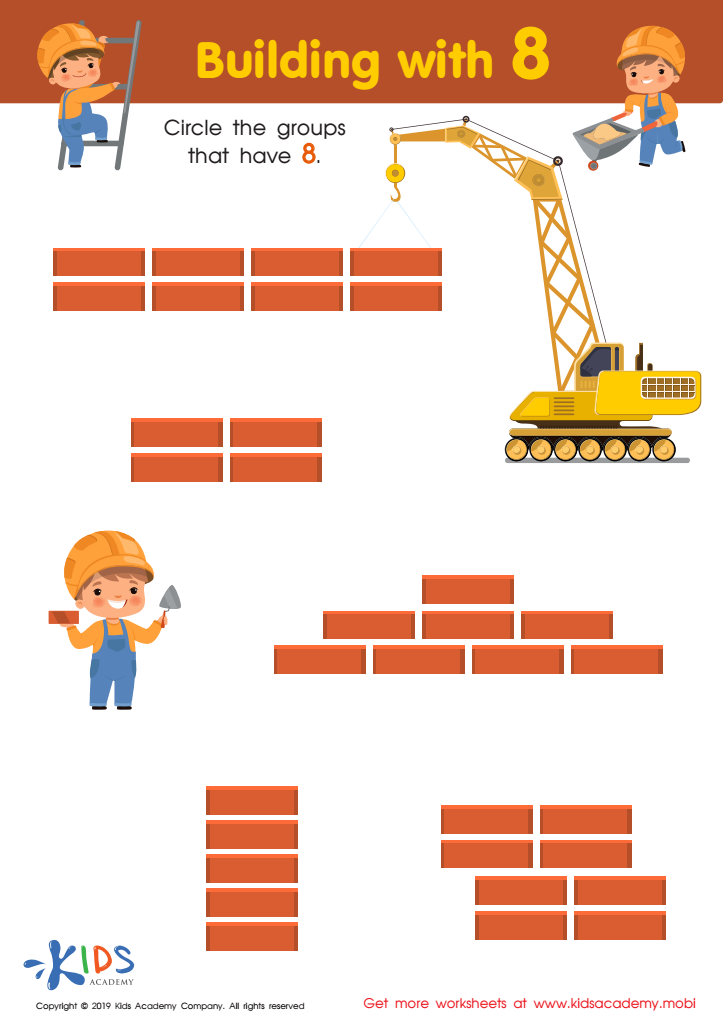
Building with 8 Worksheet
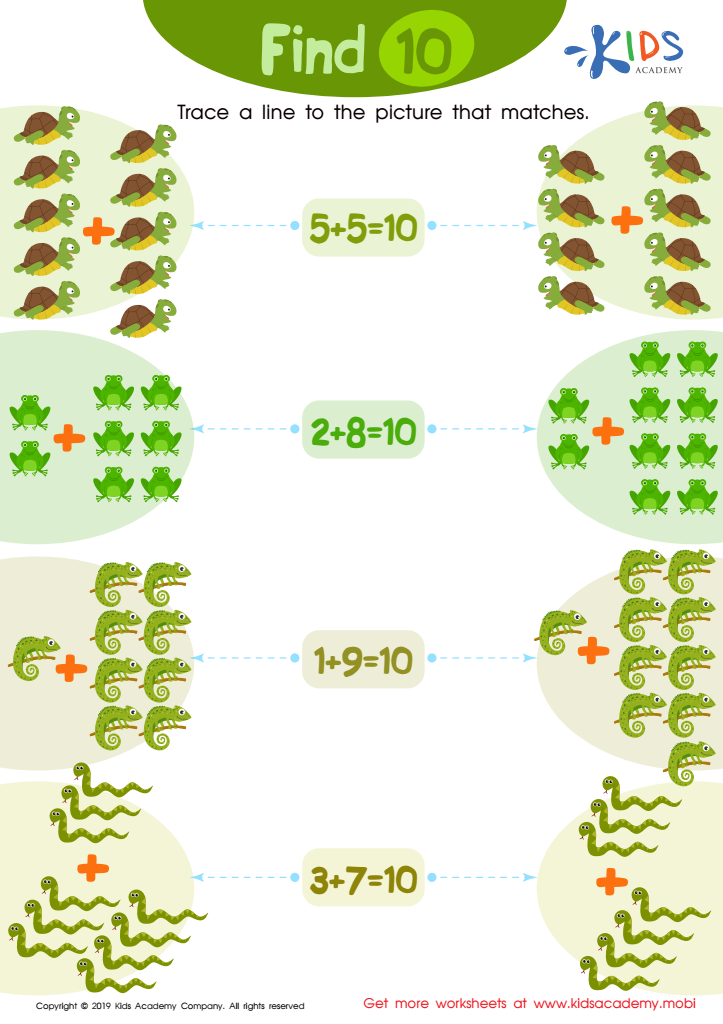
Find 10 Worksheet
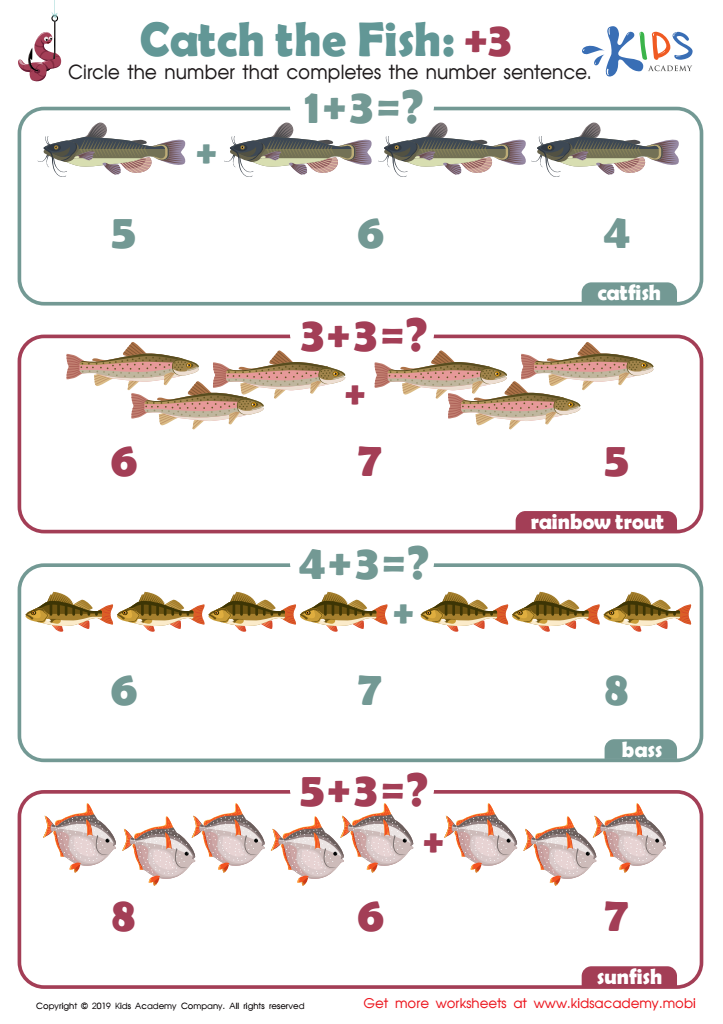
Catch the Fish: +3 Worksheet
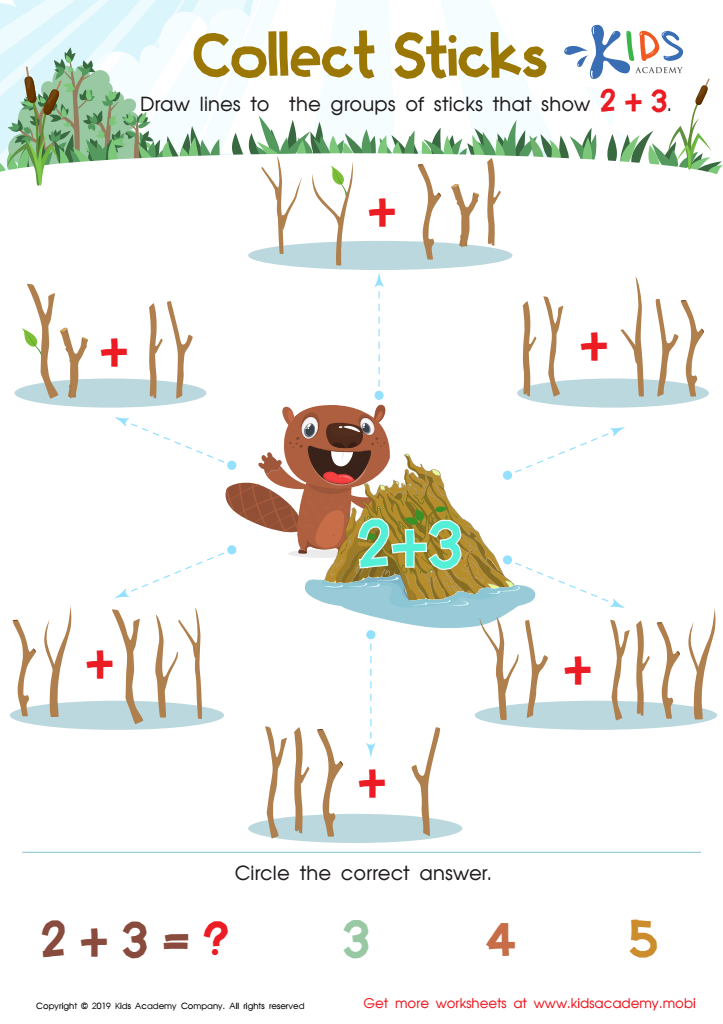
Collect Sticks Worksheet
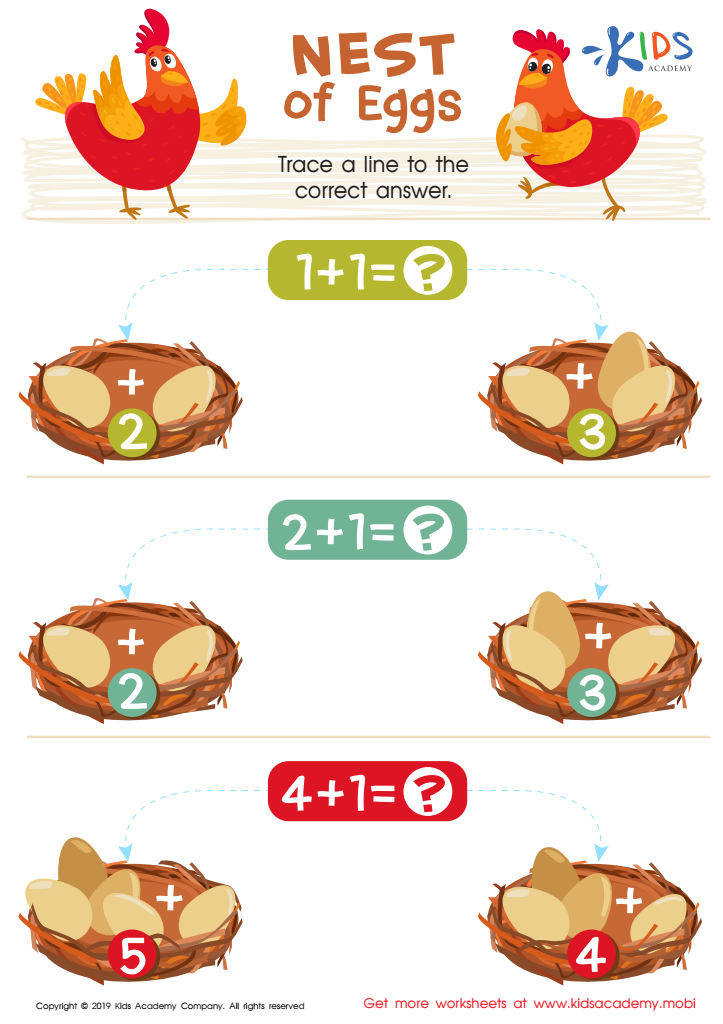
Nest of Eggs Worksheet
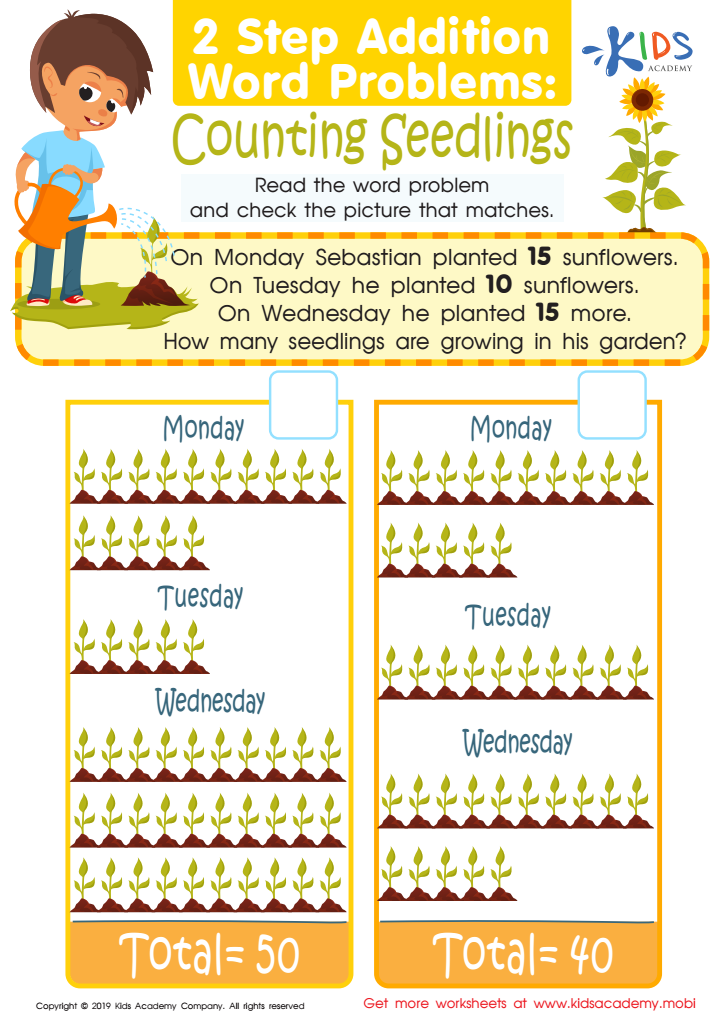
Counting Seedlings Worksheet
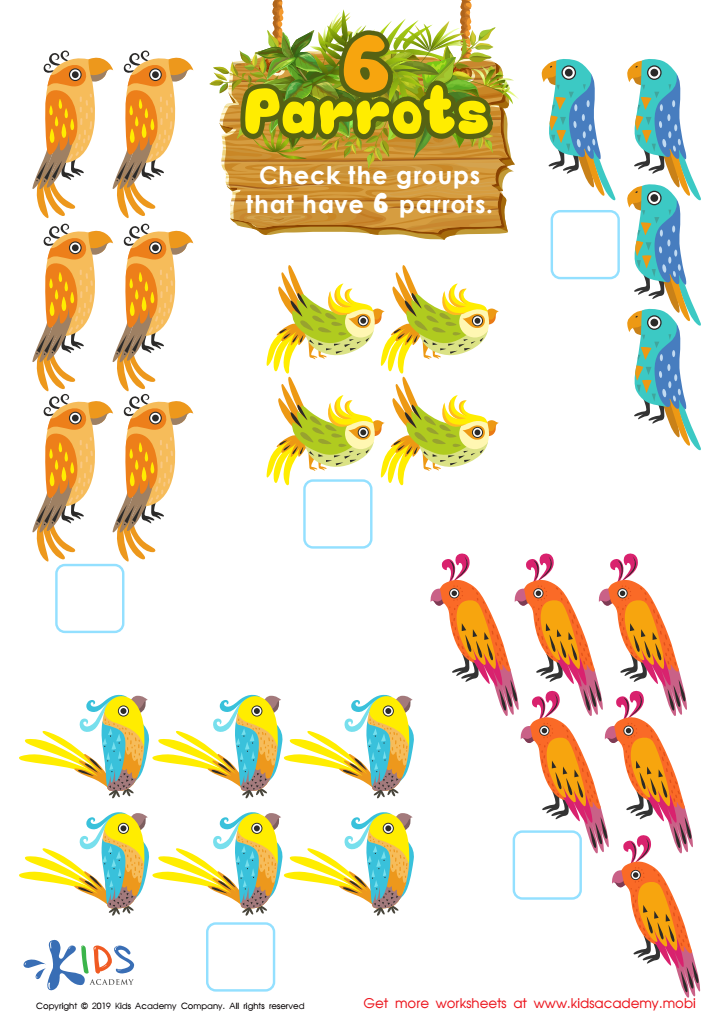
6 Parrots Worksheet
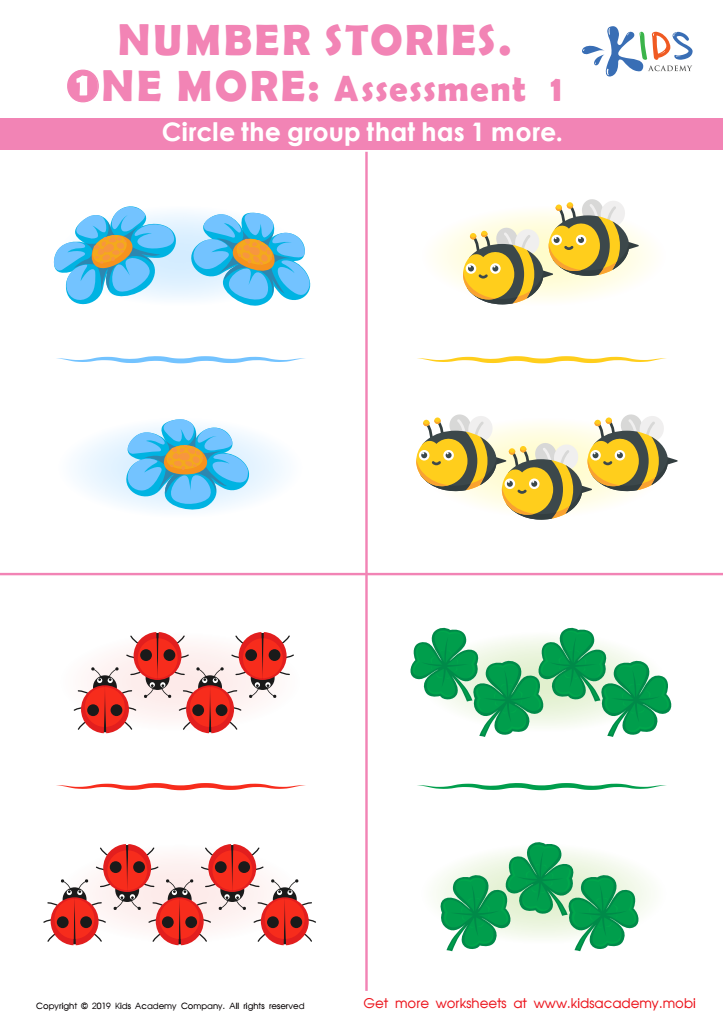
Number Stories One More – Assessment 1 Worksheet








Number Recognition and Addition for children ages 5-6 are fundamental building blocks for their future math success. Developing early number recognition helps children understand that numbers represent quantities, which is crucial for basic counting and simple calculations. Recognizing numbers also enhances their ability to differentiate between various symbols, enhancing reading skills and broader cognitive development.
Furthermore, mastering addition at a young age fosters critical problem-solving skills. Addition serves as the foundation for more complex mathematical concepts, from subtraction to multiplication and beyond. By solidifying these basics early, parents and teachers set up children for better performance in later grades and reduce math anxiety.
When children grasp these early math concepts, they build confidence in their academic abilities. Positive reinforcement in these formative years can make learning enjoyable and instills a lifelong appreciation for math. Additionally, number recognition and basic arithmetic strengthen logical thinking and pattern recognition, skills beneficial beyond the classroom in day-to-day life endeavors such as managing money, time, and measurements.
Given that early math skills are strong predictors of later academic achievement, prioritizing number recognition and addition activities, like math games, story problems, and hands-on counting exercises, becomes essential for parents and teachers striving to provide a sound educational foundation.








