Comparing Numbers Worksheets for Ages 5-7 - Page 2
40 filtered results
-
From - To
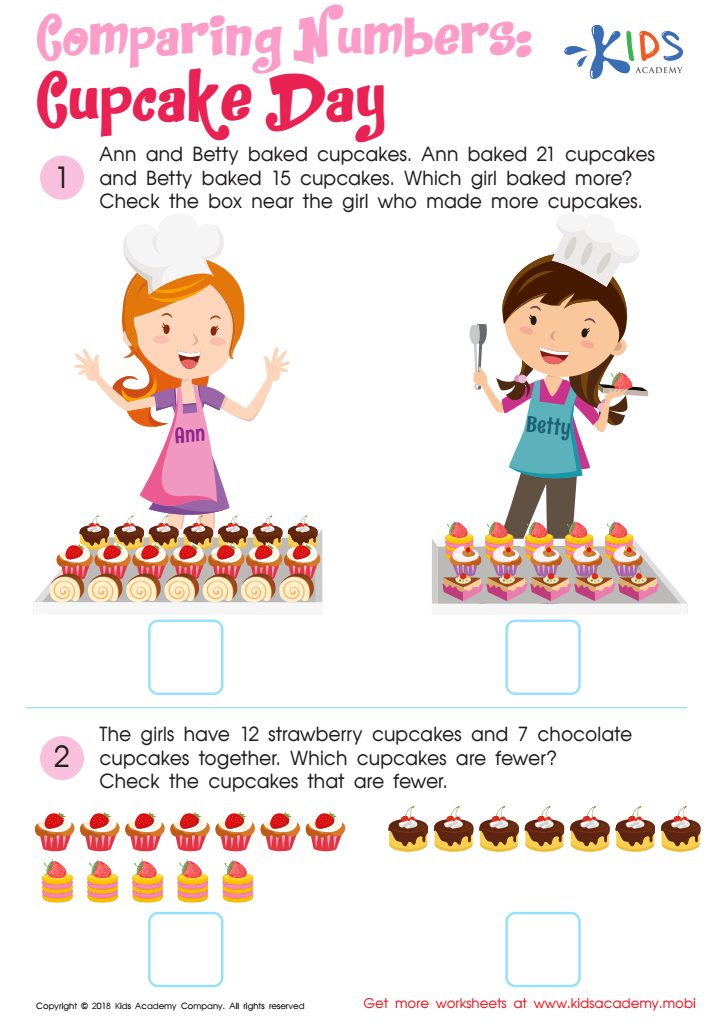
Cupcake Day Worksheet
 Assign to My Students
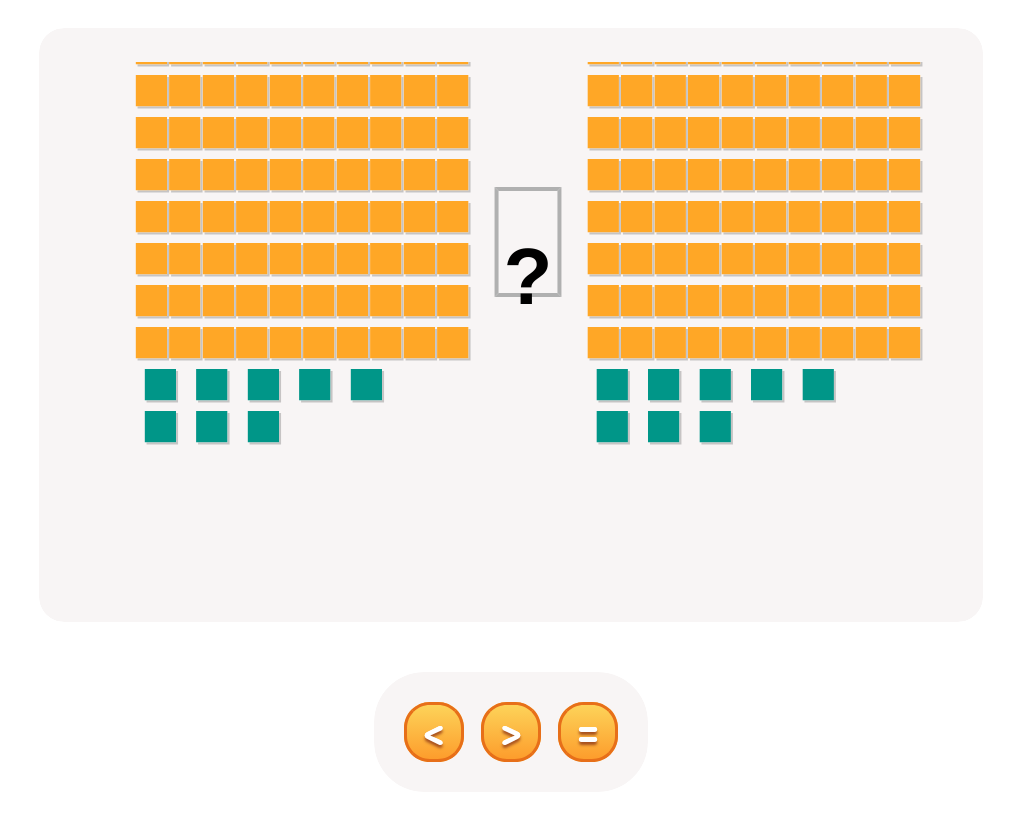

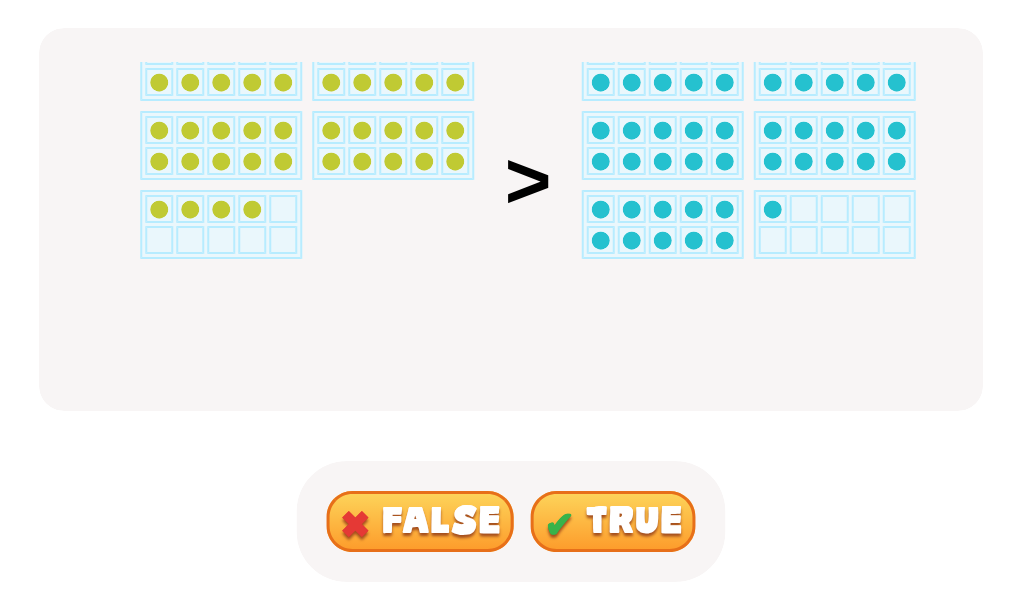
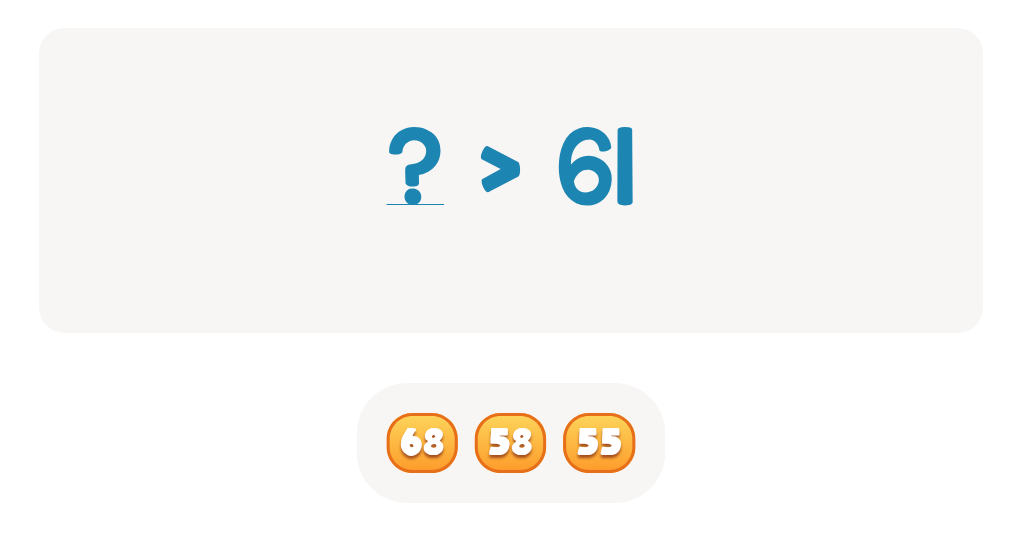
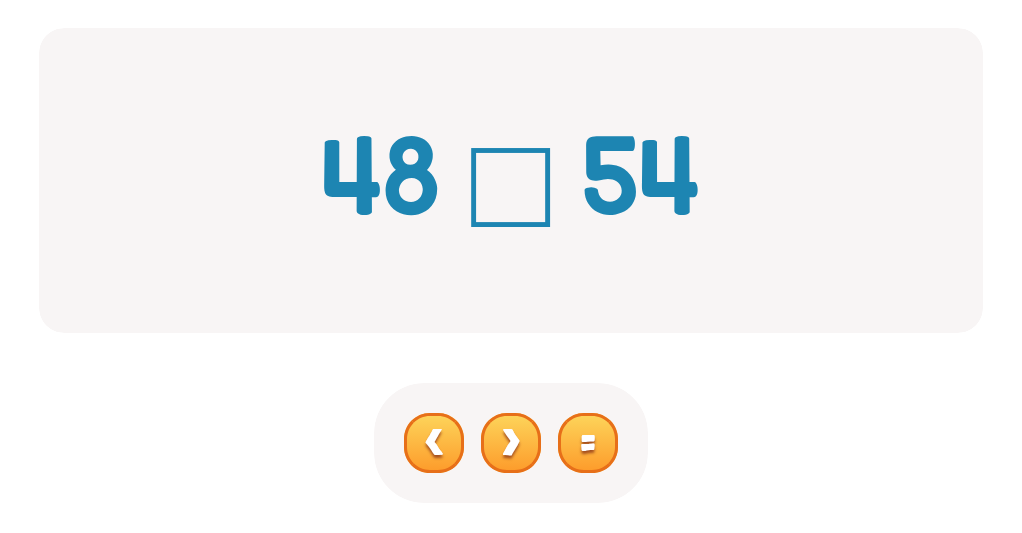
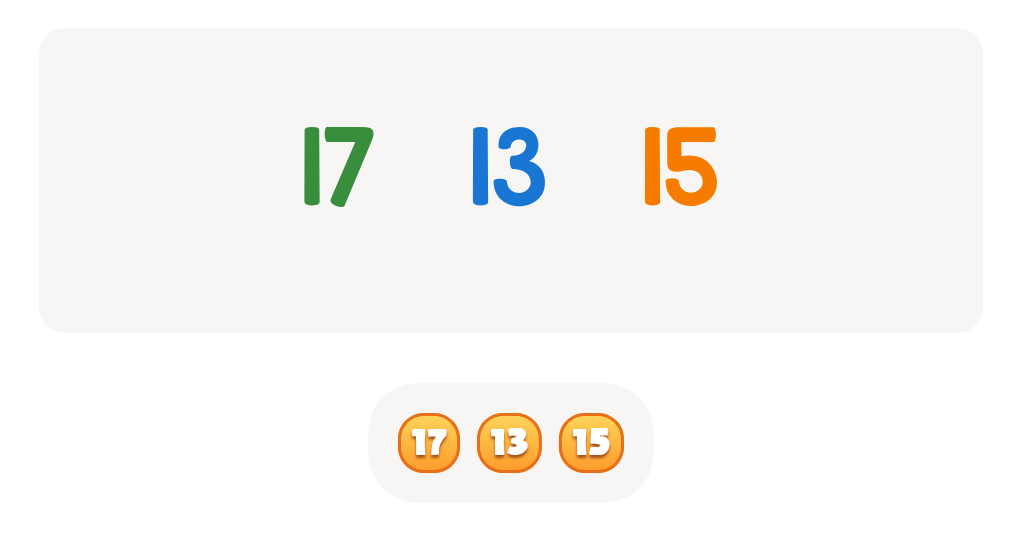
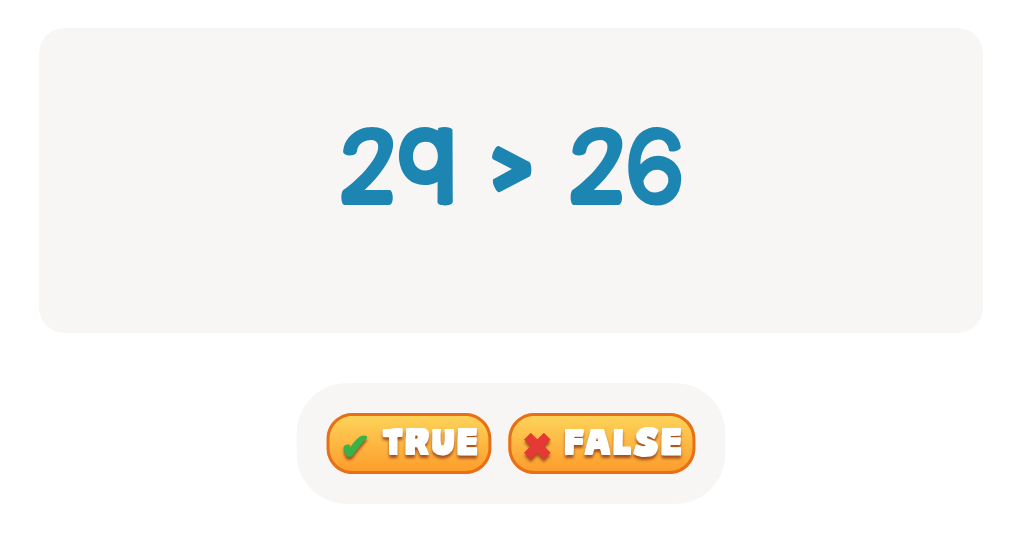
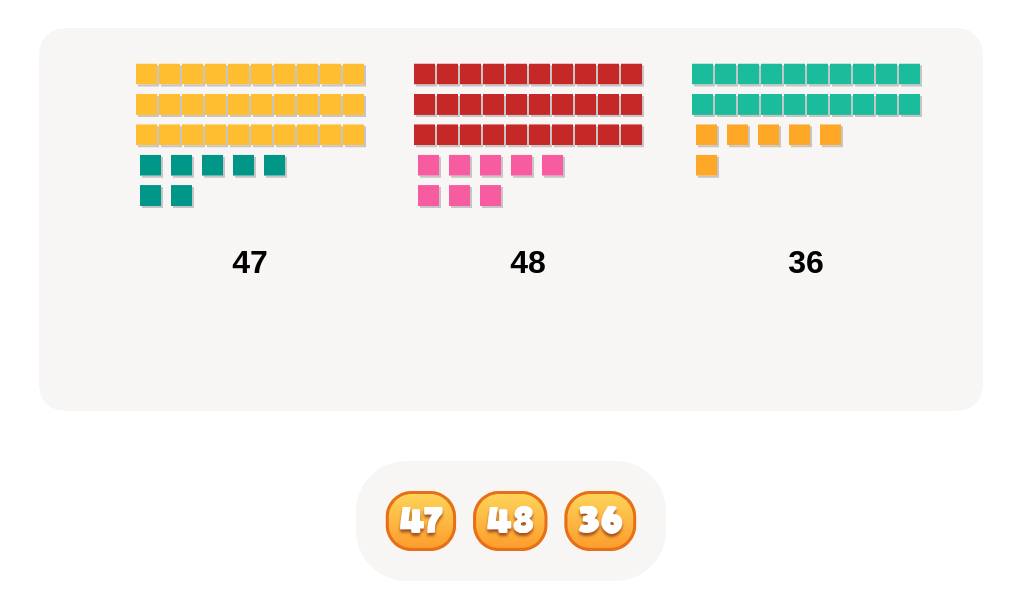
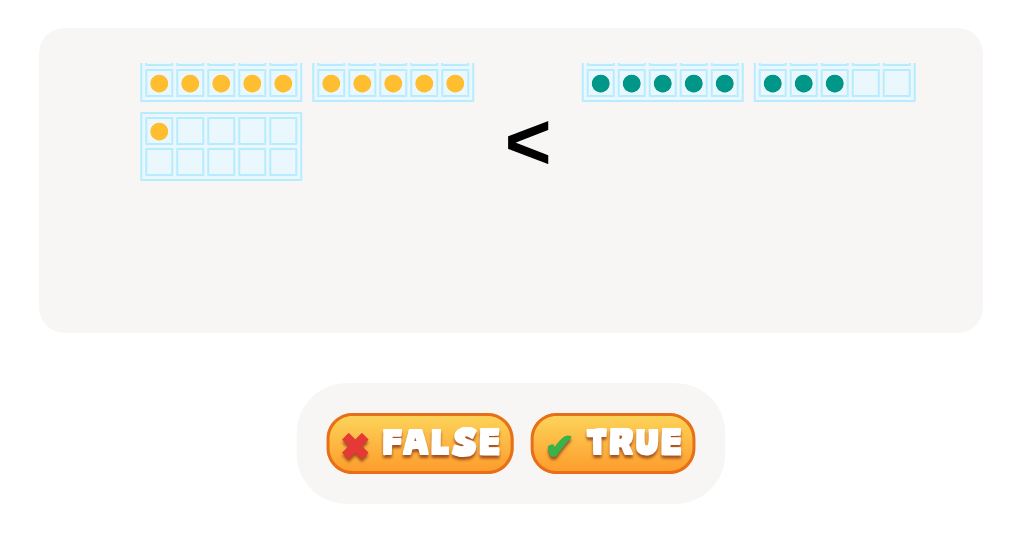
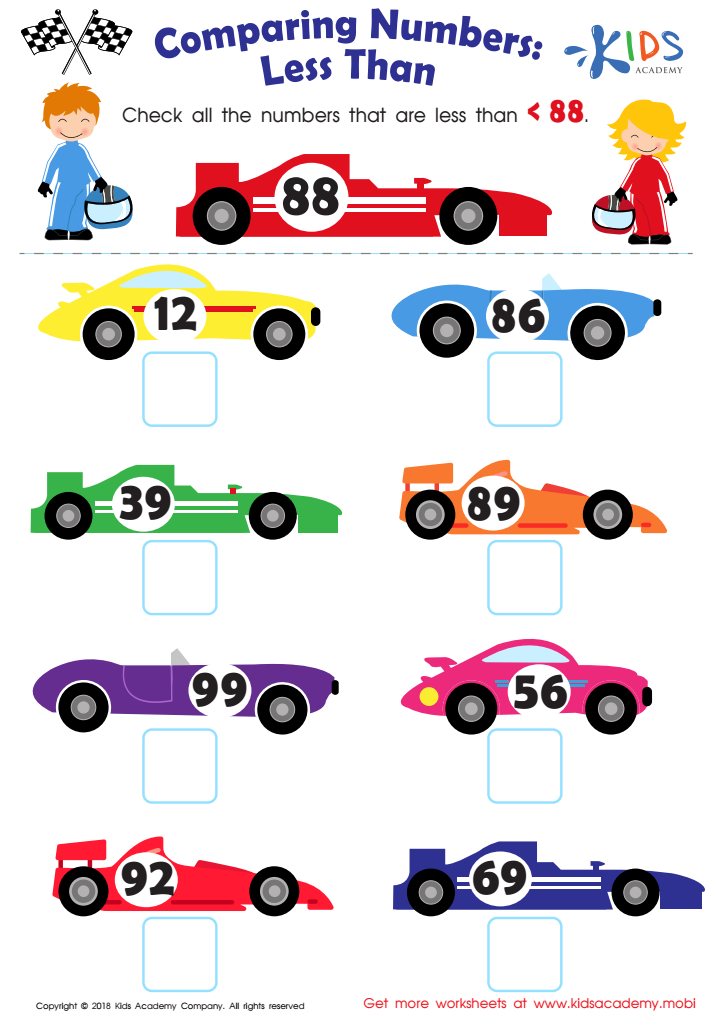
Less Than Worksheet
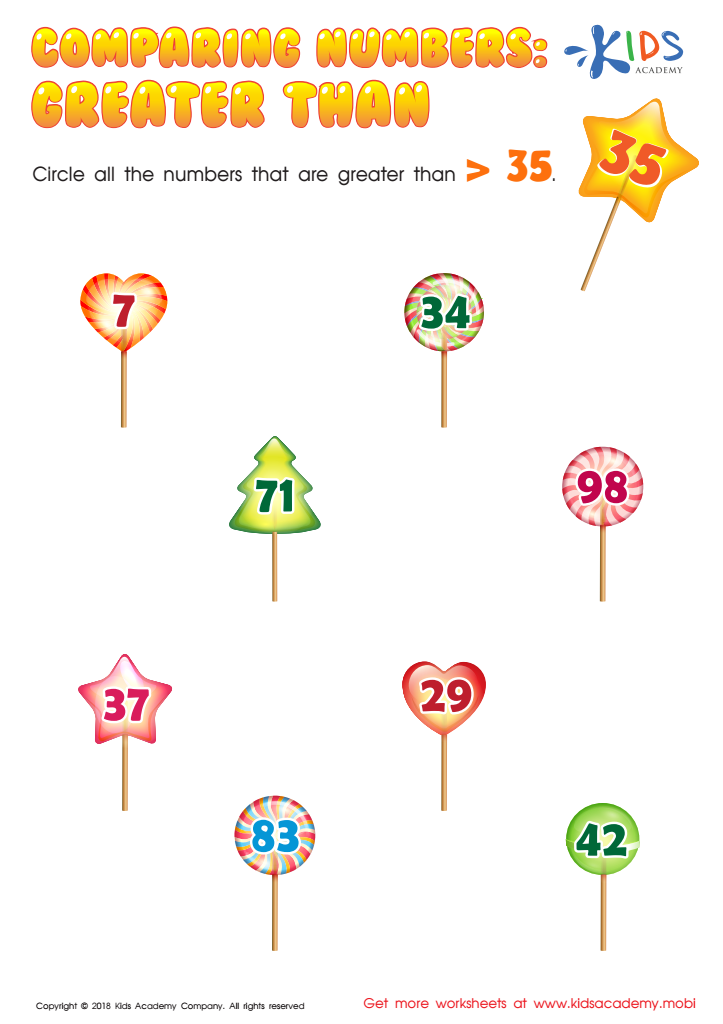
Greater Than Worksheet
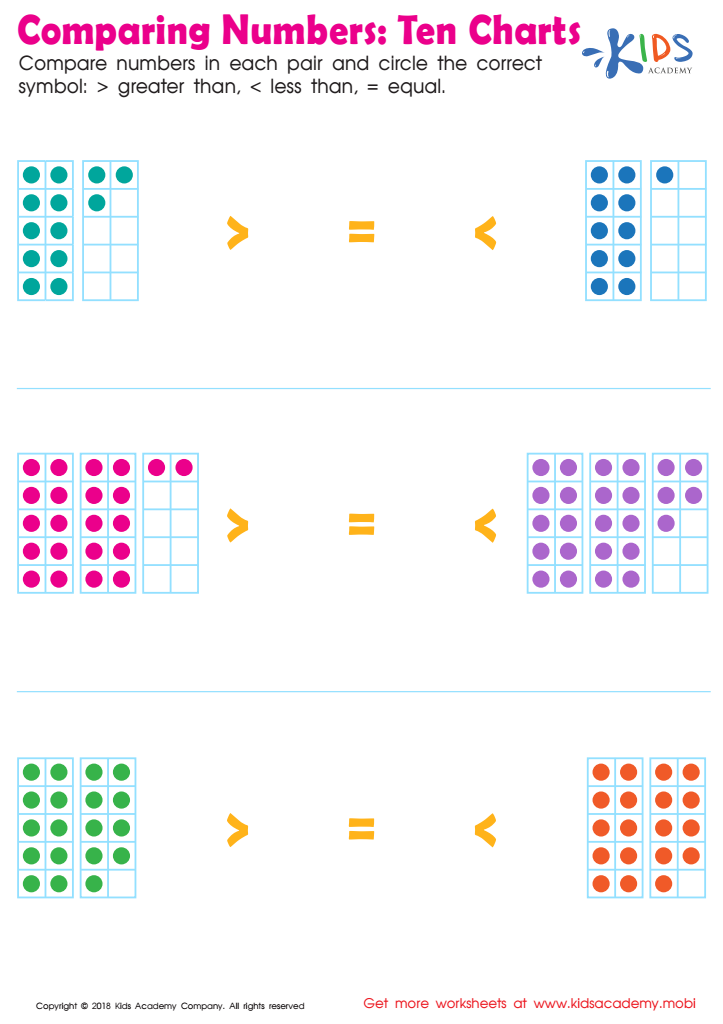
Ten Charts Worksheet
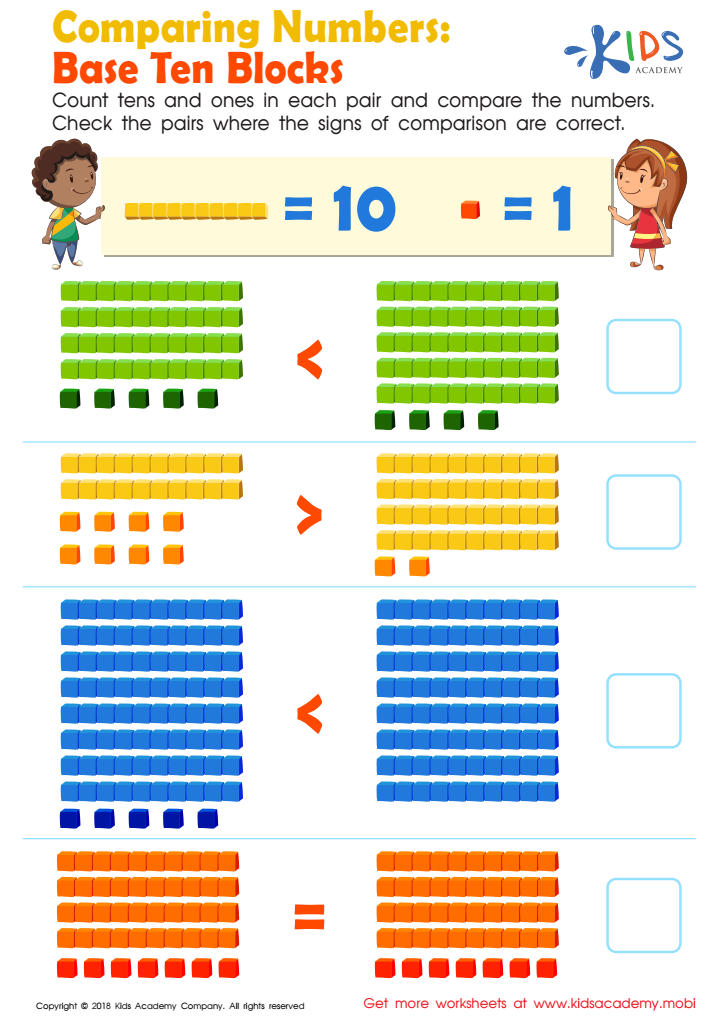
Comparing Numbers: Base Ten Blocks Worksheet
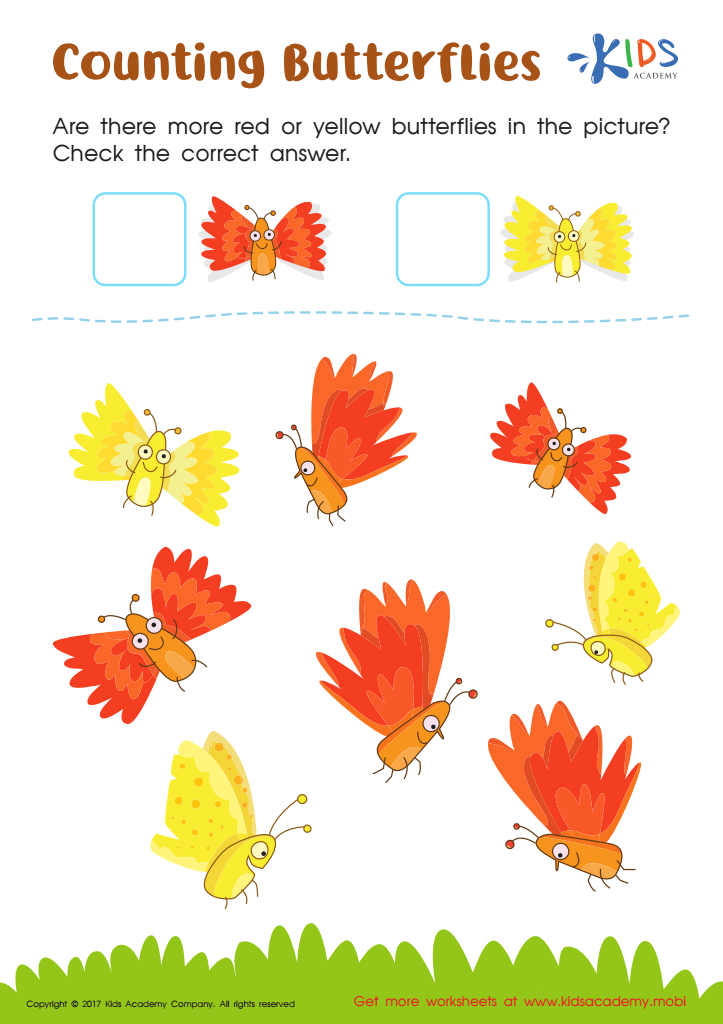
Counting Butterflies Worksheet
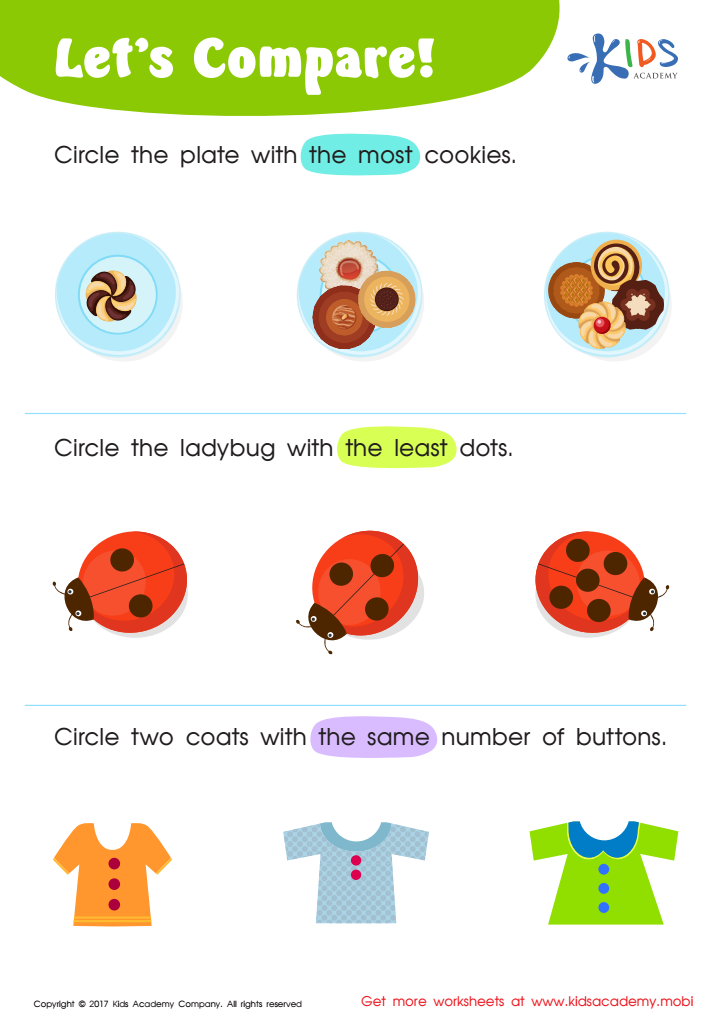
Matching: Classifying Toys by Size Worksheet
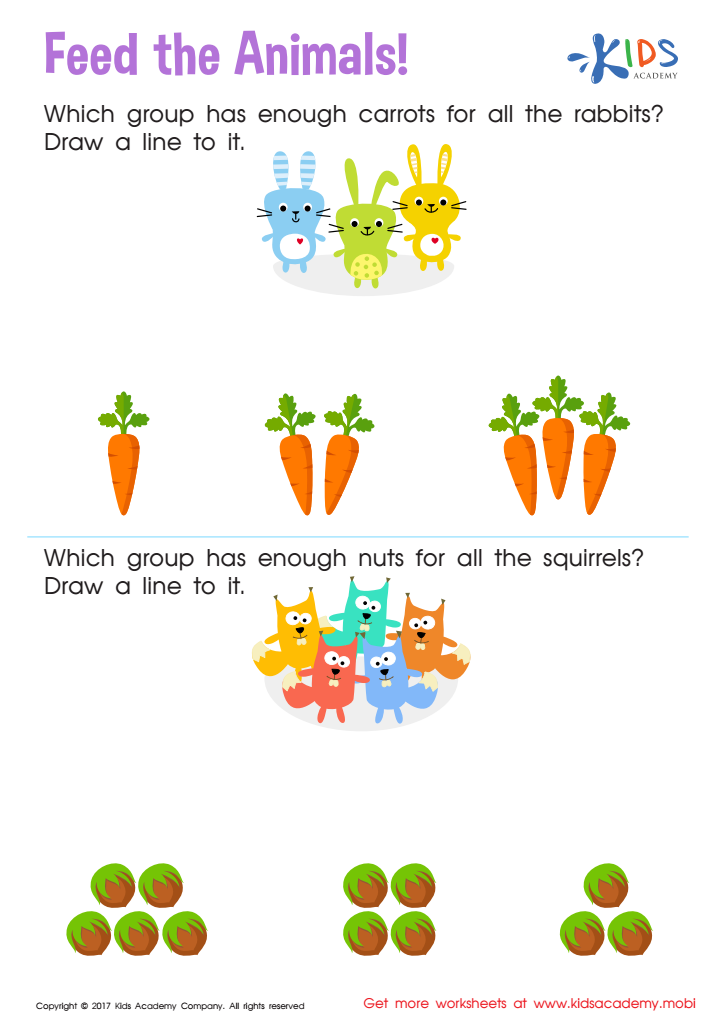
Count and Match: Feed the Animals Worksheet
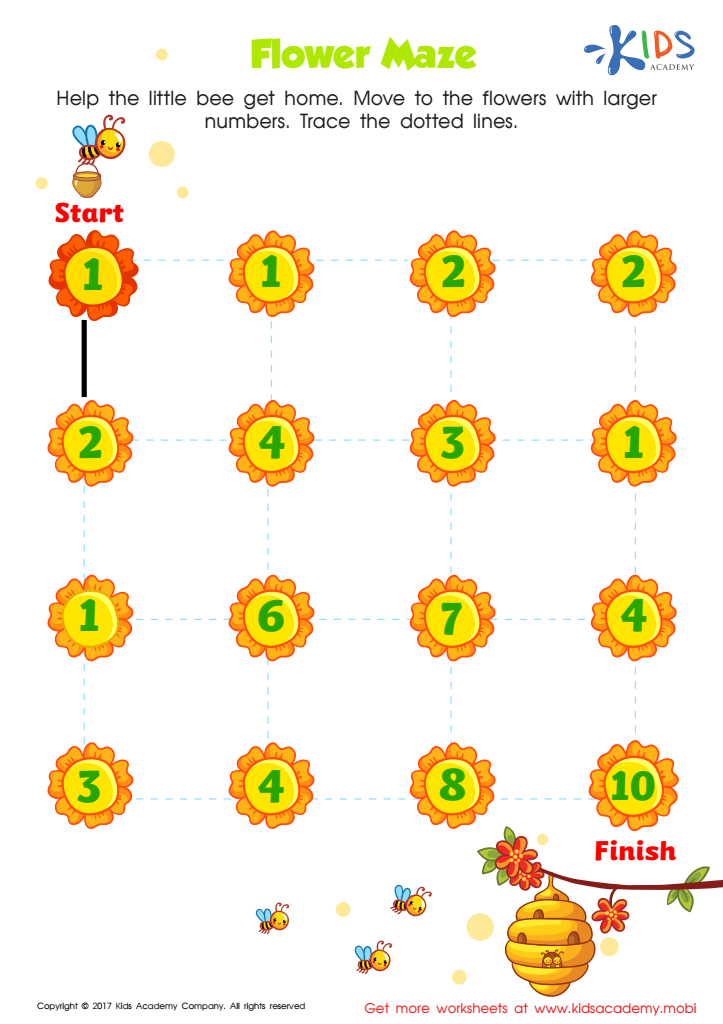
Number Maze For Kindergarten Printable
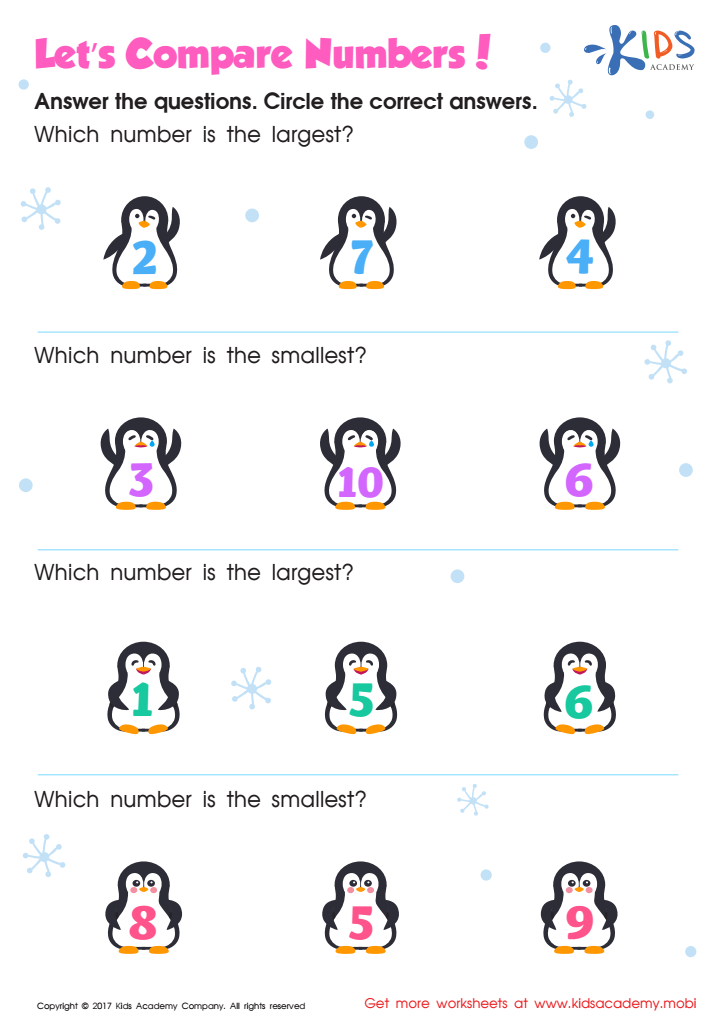
Comparing Numbers 1–10 Worksheet Kindergarten
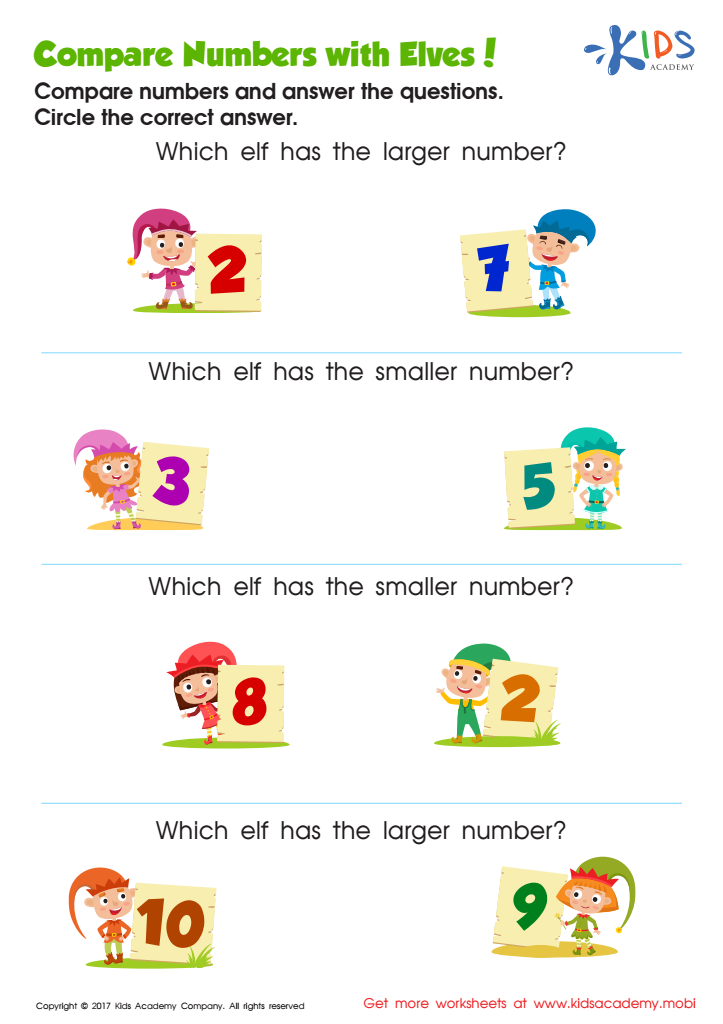
Comparing Numbers Worksheet for Kindergarten
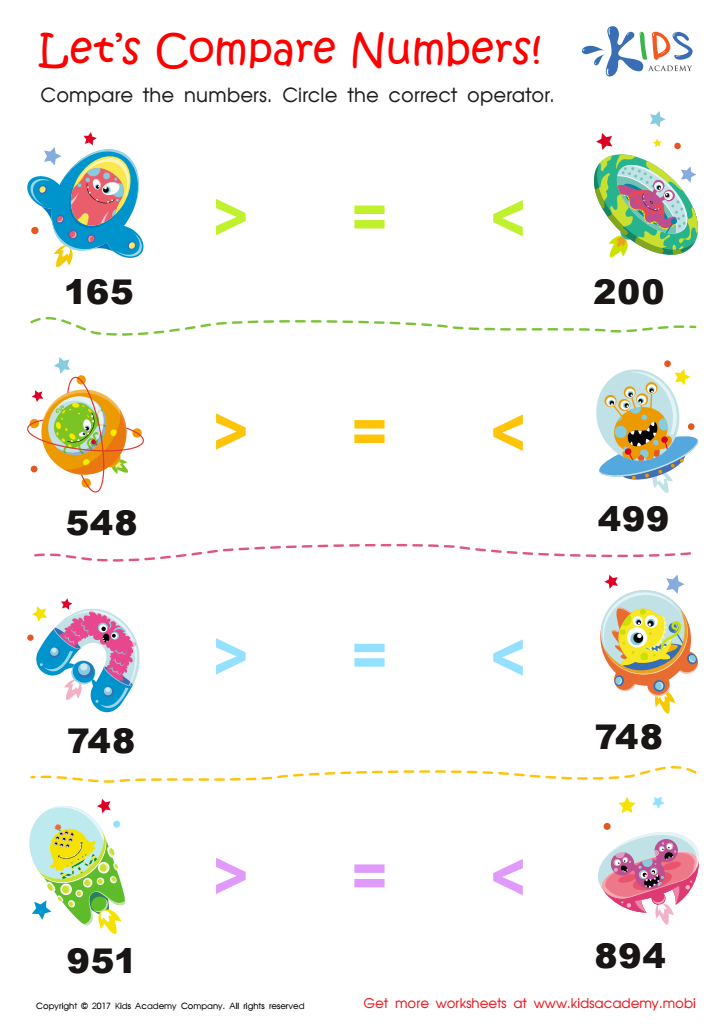
Comparing Numbers Worksheet for 2nd Grade
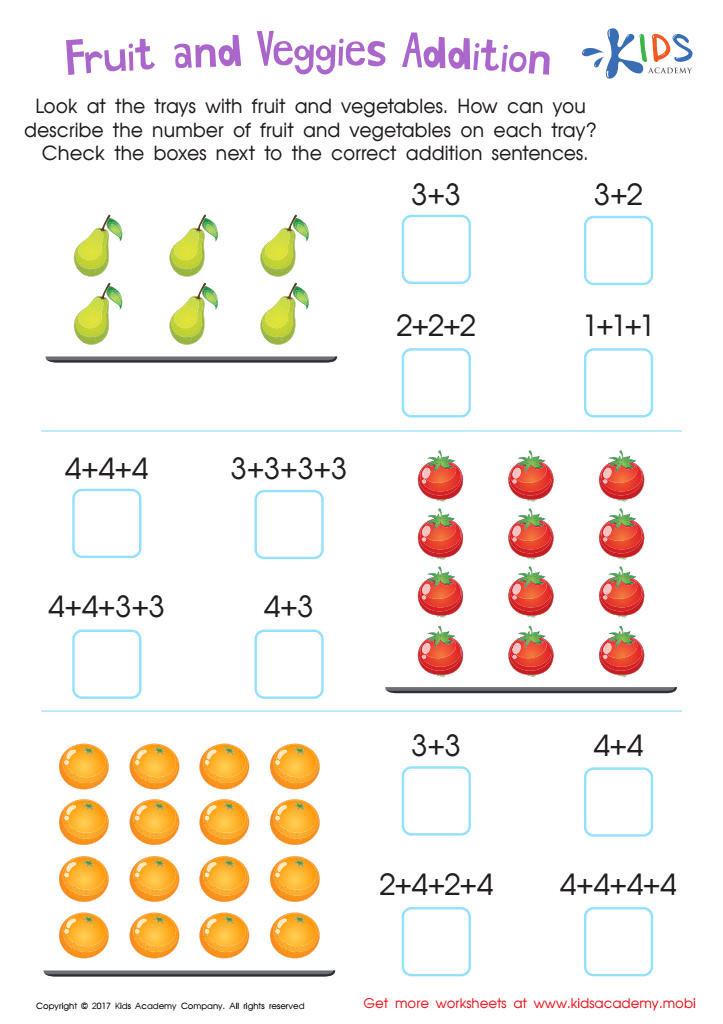
Fruit and Veggies Worksheet
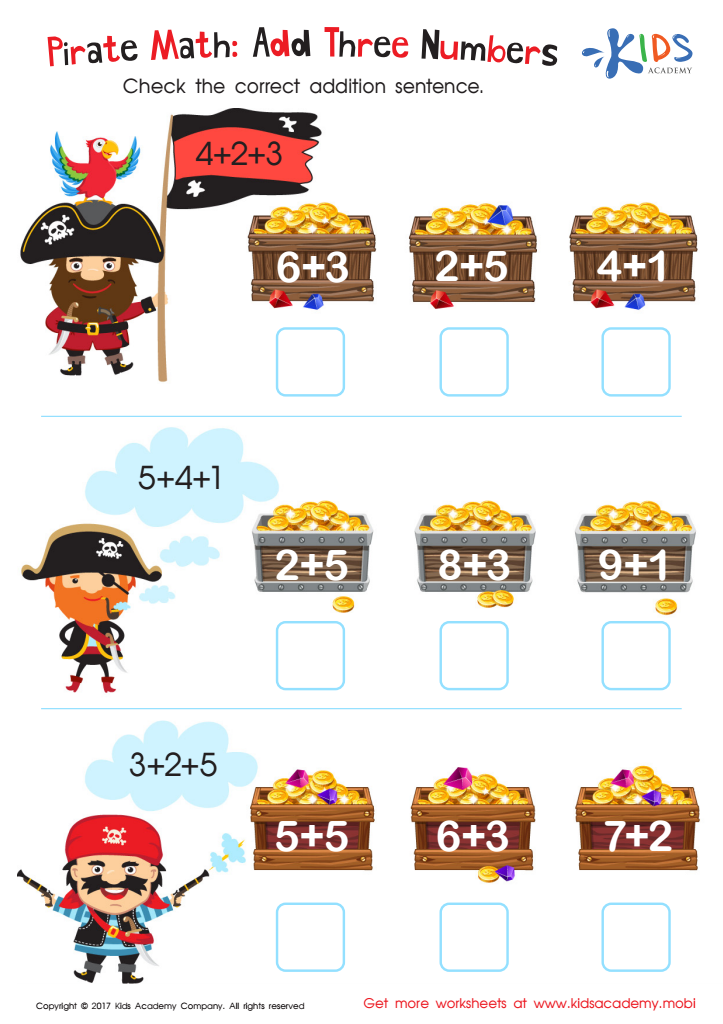
Pirate Math Printable
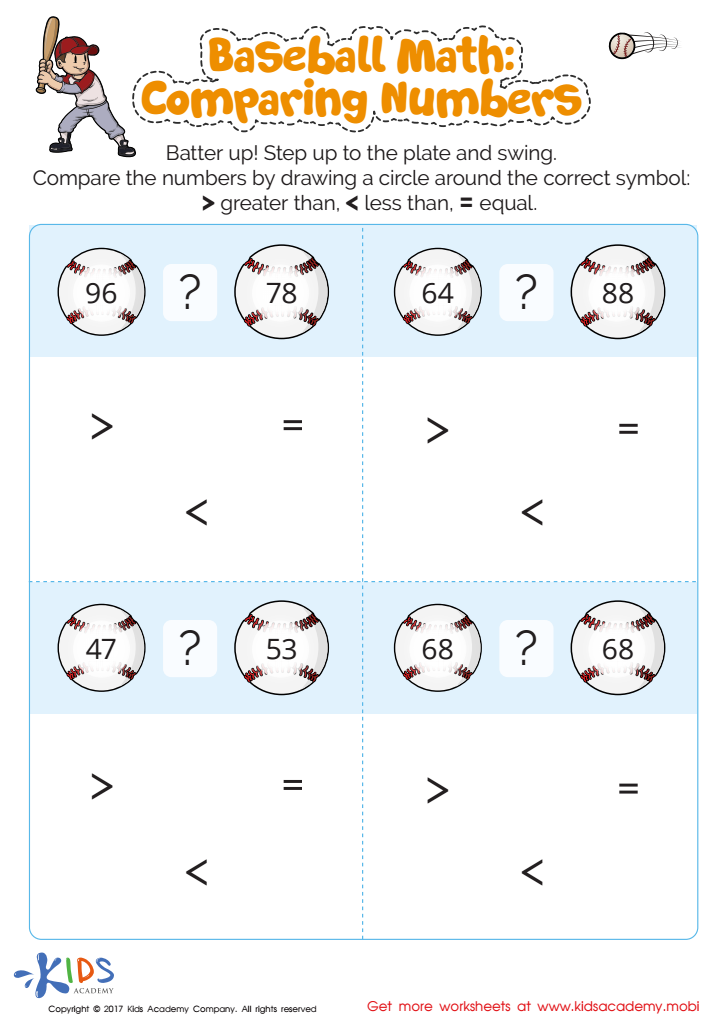
Compare Numbers Printable
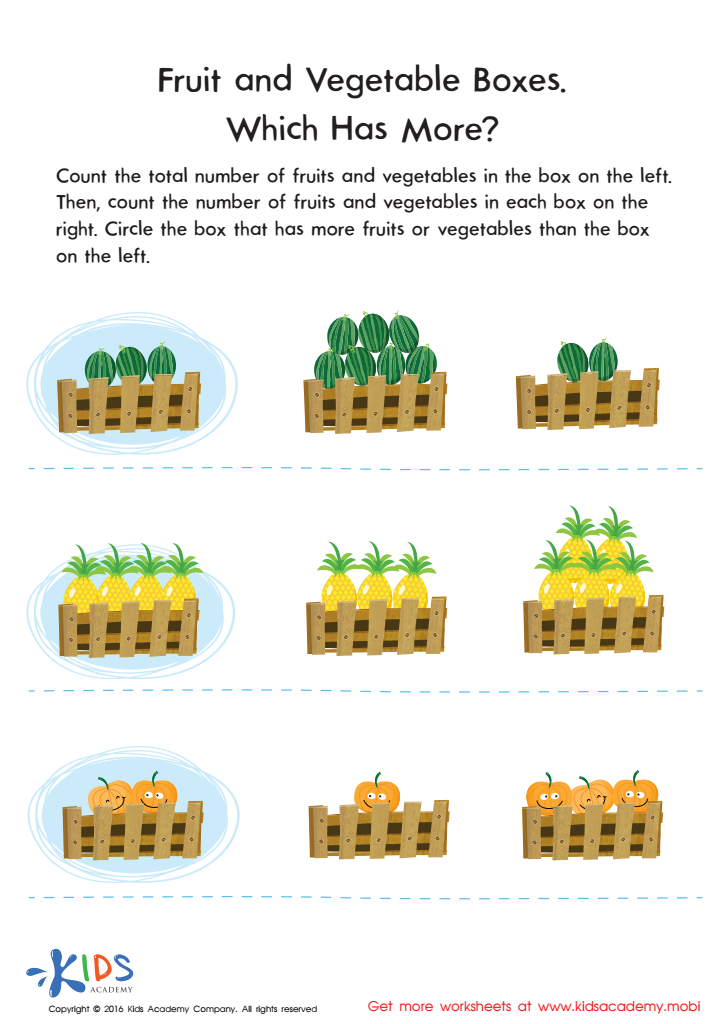
Which Has More? Size Worksheet



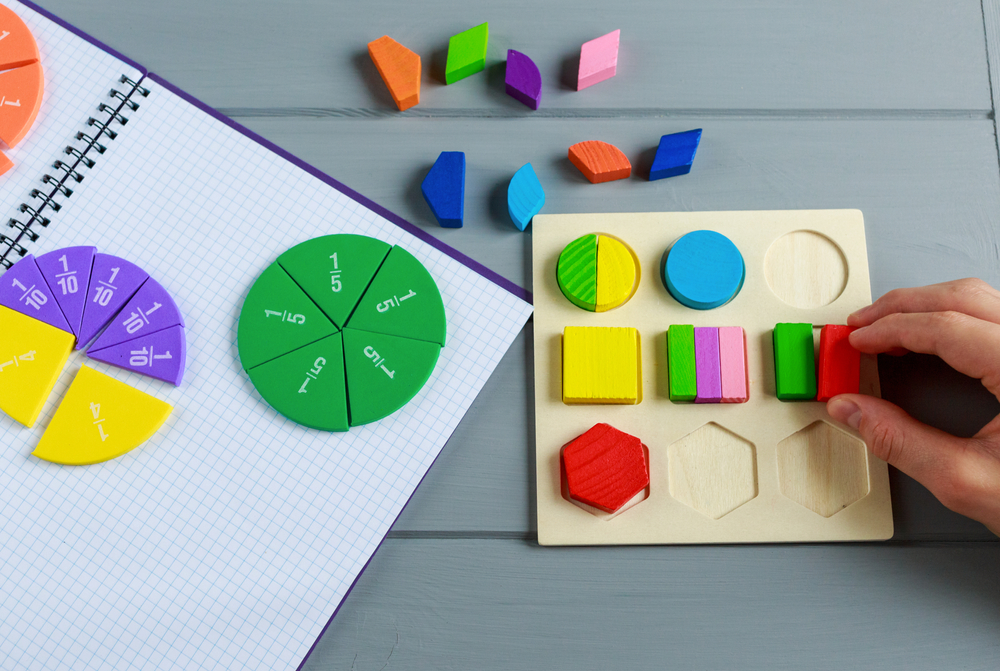




Comparing numbers is a foundational skill that is crucial for young children, particularly those aged 5-7, as it sets the stage for higher mathematical learning and everyday decision-making. At this age, children are developing cognitive abilities that allow them to understand basic concepts of size, quantity, and number relationships. By practicing comparing numbers, children enhance their ability to discern more from less, bigger from smaller, and higher from lower, which is fundamental in grasping arithmetic operations like addition and subtraction.
Moreover, comparing numbers strengthens logical thinking and problem-solving skills. When children learn to compare numbers, they must engage in reasoning and justify their understanding of why one number is greater or less than another. This process nurtures critical thinking skills that are not only vital in mathematics but are also transferable across various academic subjects and real-life situations.
For teachers and parents, focusing on comparing numbers helps identify a child’s grasp of numerical concepts and their readiness for more complex mathematical tasks. It’s also an opportunity to nurture a positive attitude towards math by incorporating fun and engaging activities, thereby reducing math anxiety. Overall, comparing numbers at an early age is an essential stepping stone towards academic success and practical life skills.