World Around Us Worksheets for Ages 5-7 - Page 5
101 filtered results
-
From - To
 Assign to My Students
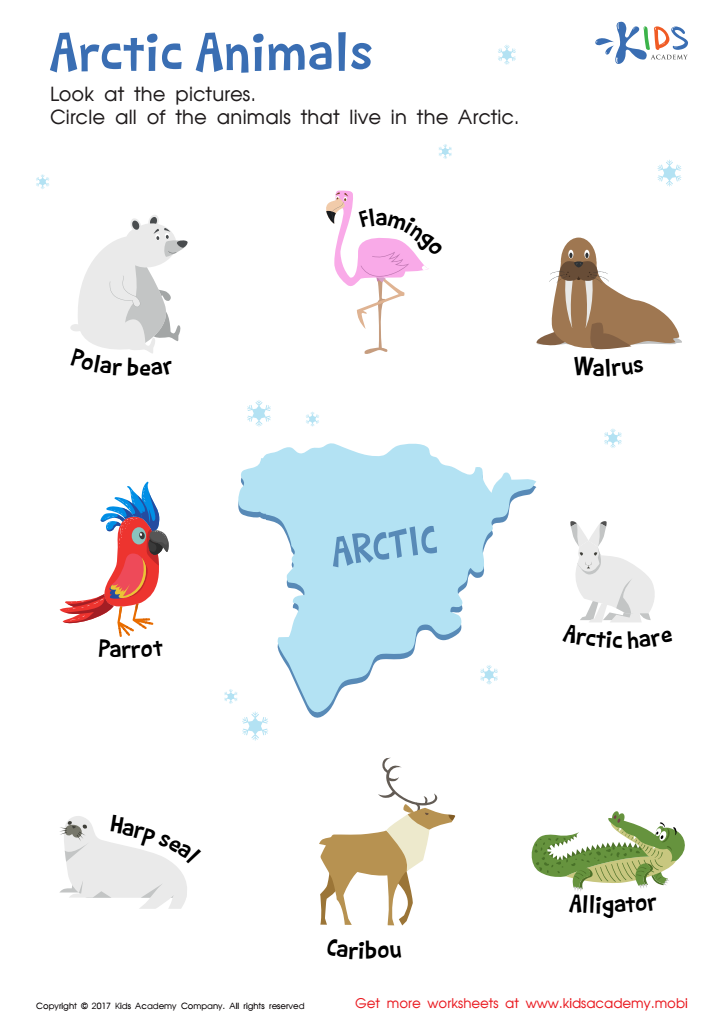
Arctic Animals Worksheet
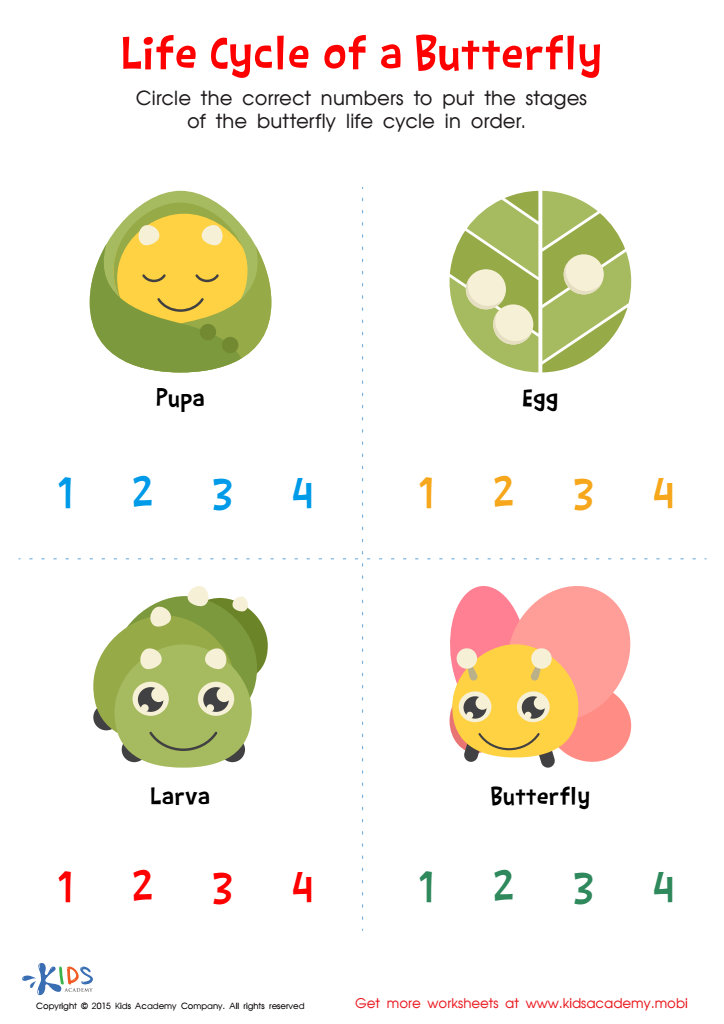
Life Cycle of Butterfly Printable








Understanding the World Around Us is crucial for children aged 5-7, as it lays the foundational framework for their developmental and cognitive growth. At this age, children are naturally curious, eager to explore their environment, and learn about the world they live in. Engaging with topics related to nature, culture, and society helps to instill a sense of wonder and encourages critical thinking.
Parents and teachers play a vital role in nurturing this curiosity. By exposing young learners to various aspects of their surroundings—such as animals, plants, community roles, and basic scientific concepts—they not only enhance children’s knowledge but also foster essential skills like observation, reasoning, and problem-solving. This engagement supports their social-emotional development too, as learners begin to understand their place in the world, the importance of diversity, and the concept of community.
Moreover, lessons that emphasize the World Around Us can promote a lifelong love for learning. When adults prioritize this exploration, they cultivate informed, empathetic, and responsible individuals who appreciate their environment and are motivated to contribute positively to society. Therefore, making connections to the world should be a shared priority for parents and teachers alike.