Sorting Worksheets for Ages 5-8 - Page 2
27 filtered results
-
From - To
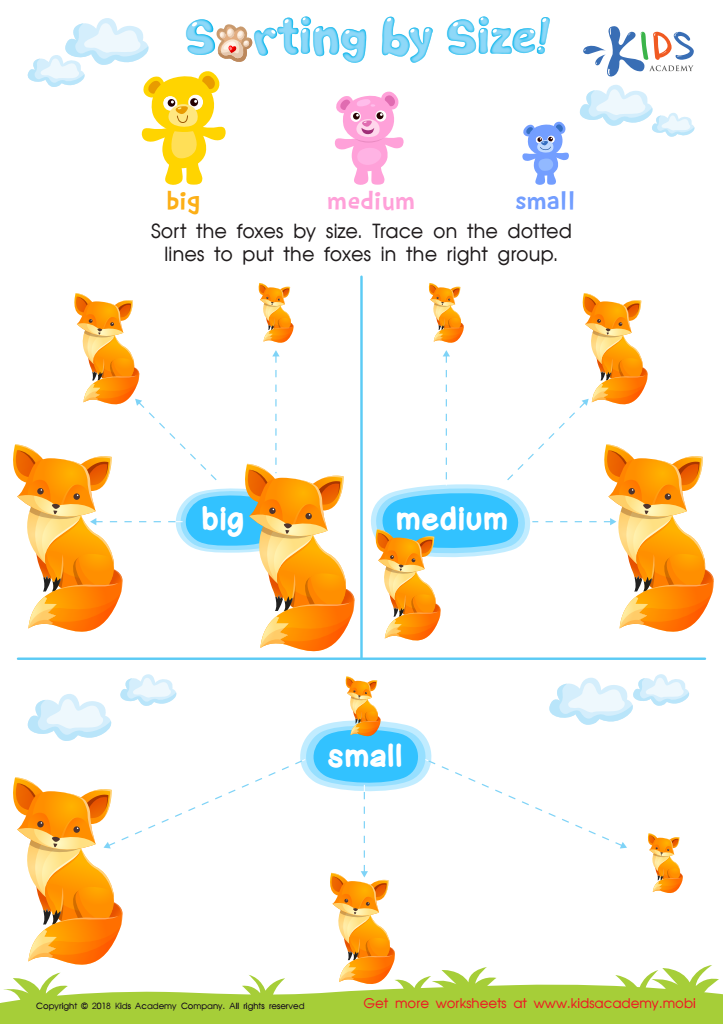
Sorting by Size Worksheet
 Assign to My Students
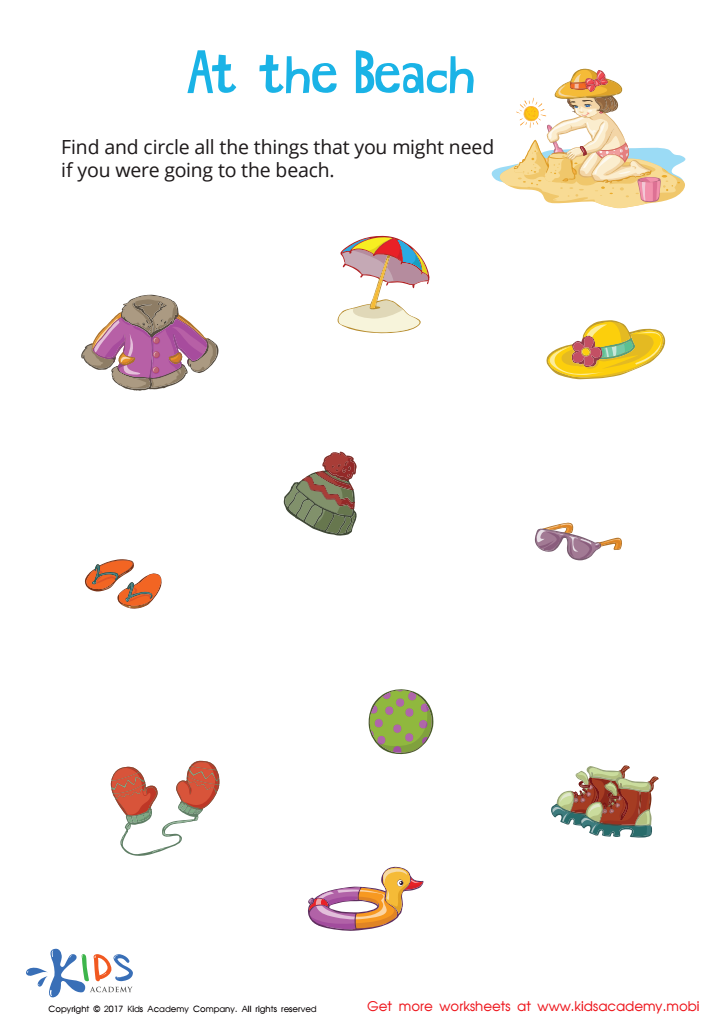
At the Beach Sorting Worksheet
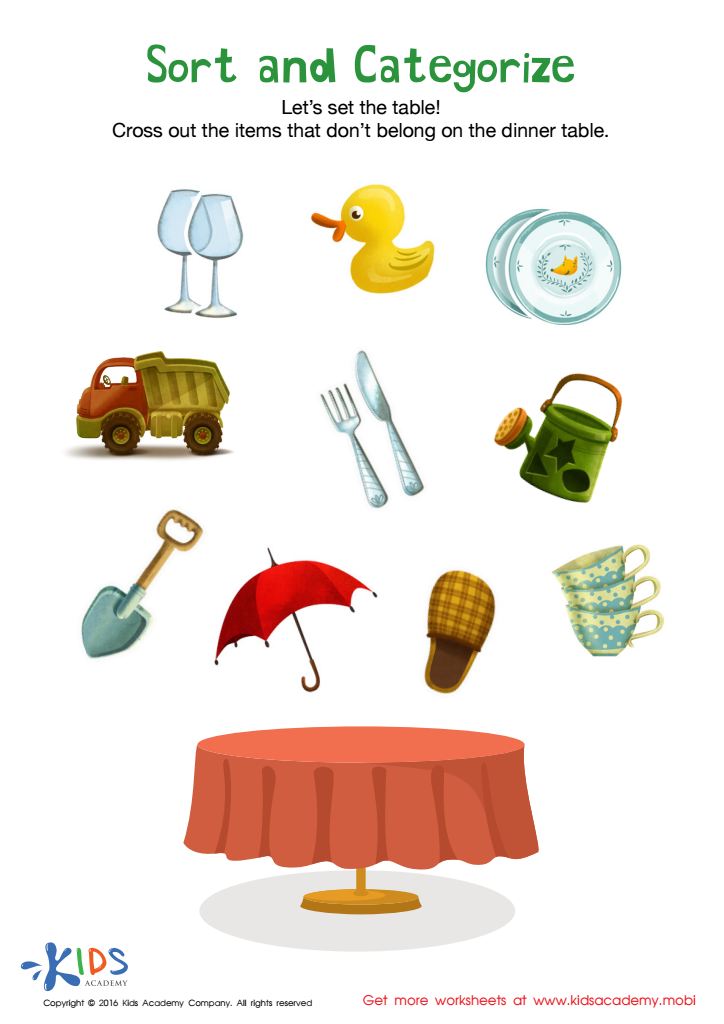








Sorting is a fundamental cognitive skill that plays a crucial role in early childhood development for children aged 5-8. Parents and teachers should care about sorting for several reasons. First, it enhances children’s critical thinking and problem-solving abilities. As they learn to group items by various attributes like size, color, or shape, they exercise their analytical skills, which are essential for future academic success.
Additionally, sorting activities promote fine motor skills and sensory development. Handling different objects helps improve dexterity while engaging their senses. This hands-on experience can anchor learning in a tangible way, making abstract concepts more understandable.
Sorting also supports mathematical foundations. It introduces children to classification, categorization, and early data handling, laying the groundwork for skills like counting, addition, and subtraction. Furthermore, it fosters social skills when done in groups, encouraging teamwork and communication.
Finally, sorting nurtures independence and confidence. As children determine how to categorize items based on their observations, they gain a sense of control and ownership over their learning process. By prioritizing sorting activities, parents and teachers contribute to a well-rounded education that prepares children for various cognitive and social challenges.








