Problem-Solving Skills Reading Comprehension Worksheets for 5-Year-Olds
5 filtered results
-
From - To
Our "Problem-Solving Skills Reading Comprehension Worksheets for 5-Year-Olds" are designed to enhance critical thinking and creativity. These engaging worksheets help young learners develop essential reading and problem-solving abilities through engaging stories and interactive exercises. By blending fun and education, children will improve their comprehension skills while tackling various problem-solving activities. Perfect for early learners, these worksheets foster confidence and a love for learning. Suitable for classroom or at-home practice, they are an excellent resource for parents and educators aiming to support children in developing foundational skills that pave the way for academic success.

Towns Worksheet
 Assign to My Students
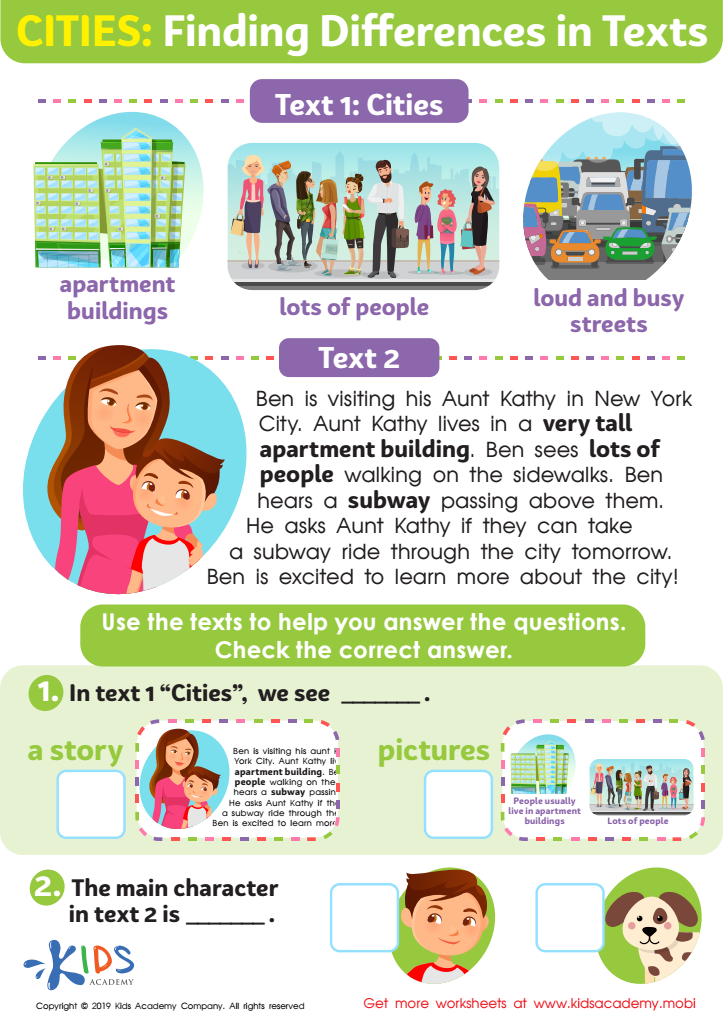
Cities: Finding Differences Worksheet
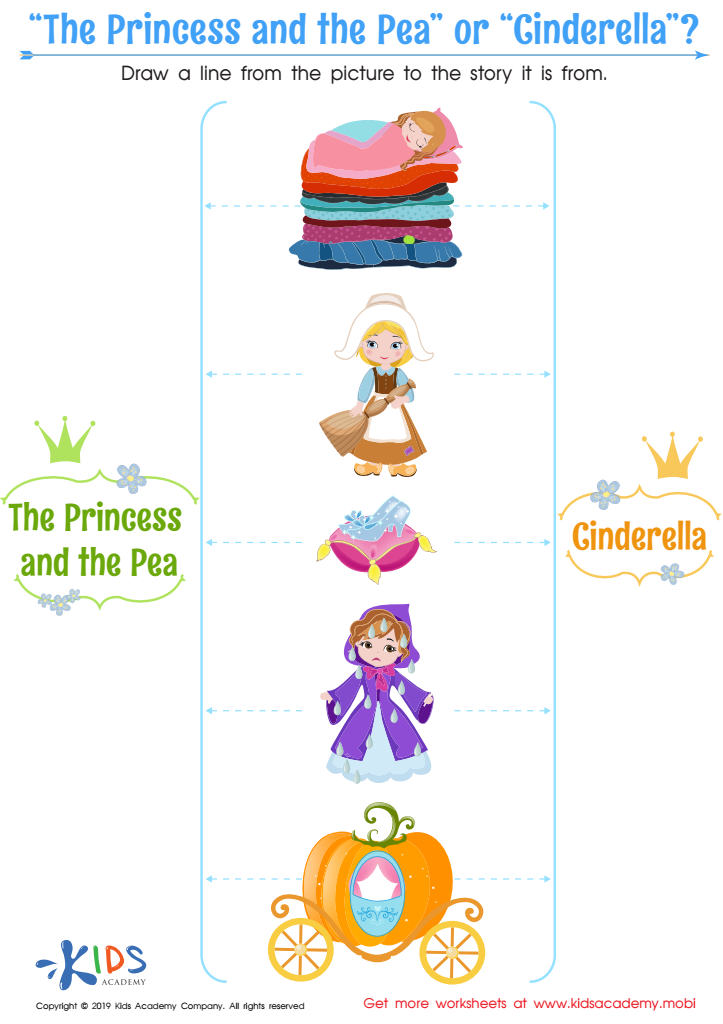
“The Princess and the Pea” or “Cinderella” Worksheet
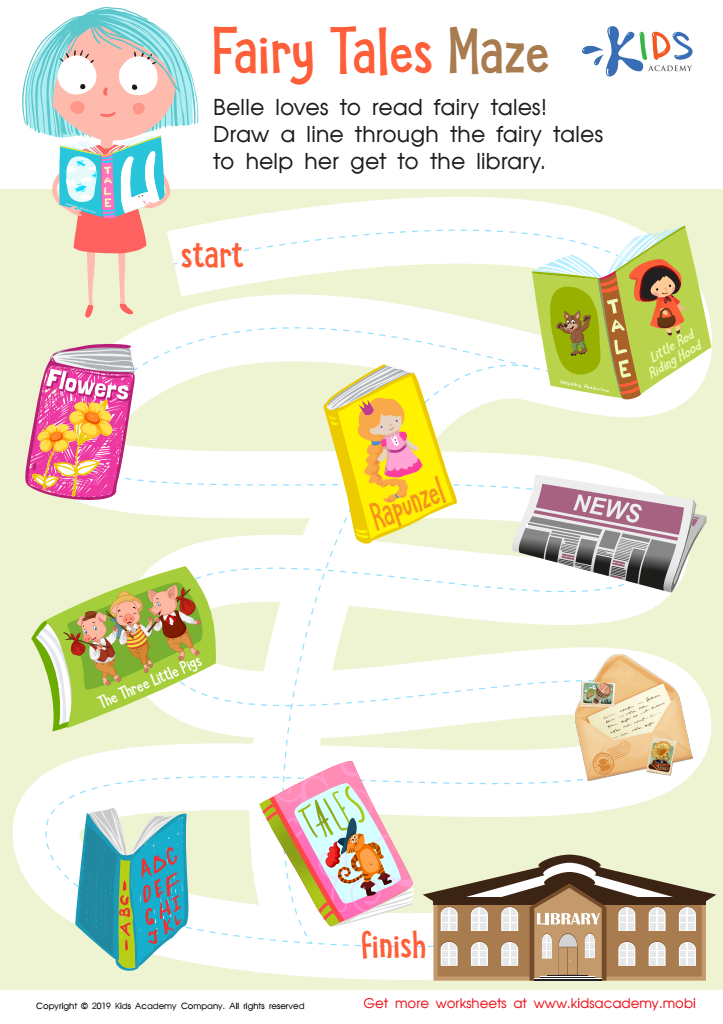
Fairy Tales Maze Worksheet
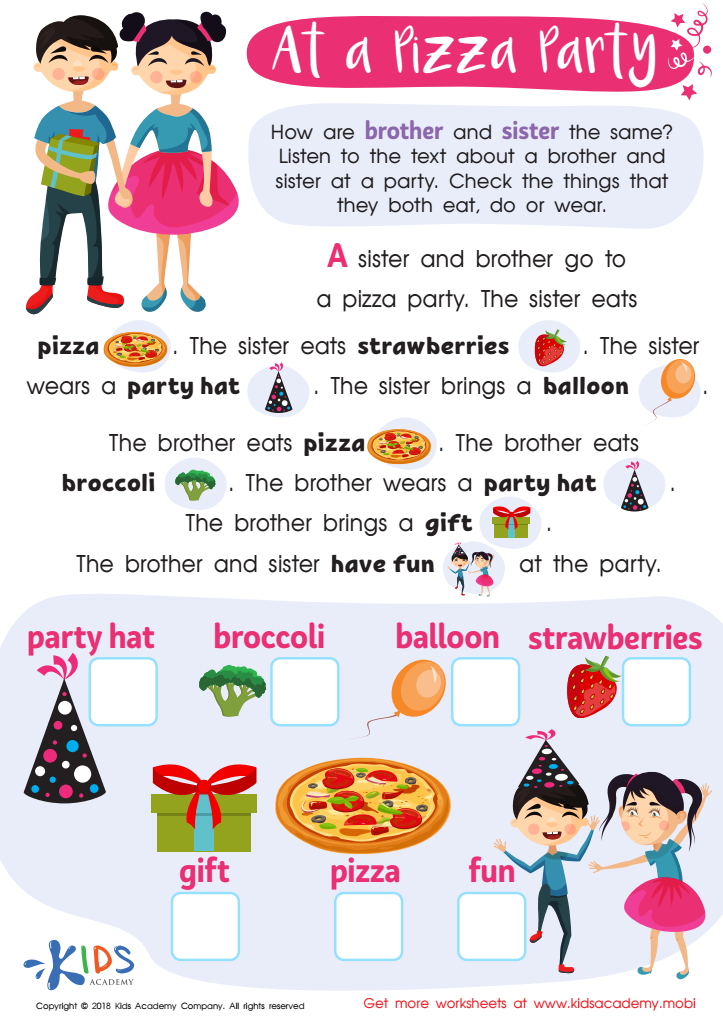
At a Pizza Party Worksheet


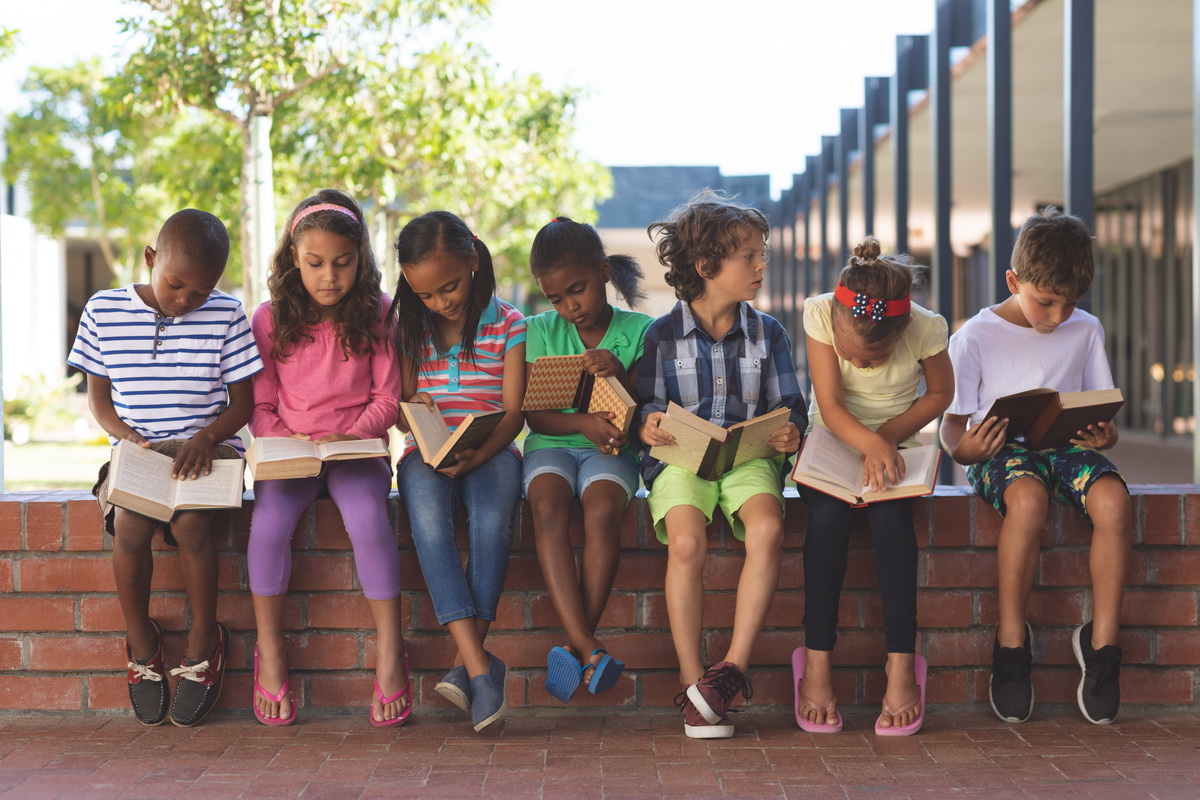





Developing problem-solving and reading comprehension skills in 5-year-olds is crucial for their cognitive and academic growth. These skills lay the foundation for future learning and overall intellectual development. By focusing on problem-solving, children learn to think critically, analyze situations, and arrive at solutions, which are essential abilities for adapting to new challenges and navigating the complexities of the world.
Reading comprehension, on the other hand, enhances their ability to understand and process information from text, which is vital for academic success across all subjects. At this age, engaging with stories and discussing their meanings can significantly improve vocabulary, language skills, and their ability to sequence events logically. It aids in developing memory and attention span, necessary for interactive and structured classroom settings.
Moreover, strong problem-solving and comprehension skills foster independence and confidence in young learners. When children can tackle problems and understand stories, they feel a sense of accomplishment, boosting their self-esteem and motivating a love for learning. These skills also promote social-emotional development as children learn to empathize with characters, understand diverse perspectives, and collaborate with peers in group activities.
Therefore, a strategic focus on these areas by parents and teachers ensures that children are well-equipped with the critical thinking, comprehension, and emotional tools essential for lifelong learning and successful navigation of future academic and social environments.








