Phonics Worksheets for Ages 6-8 - Page 9
198 filtered results
-
From - To
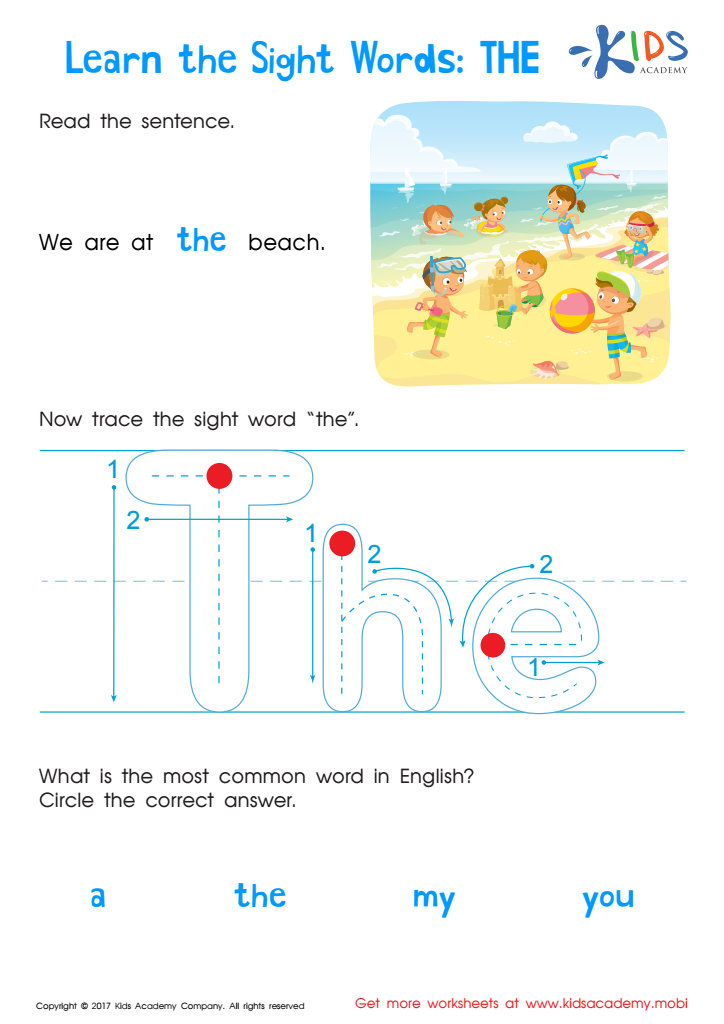
Sight Words: The Worksheet
 Assign to My Students
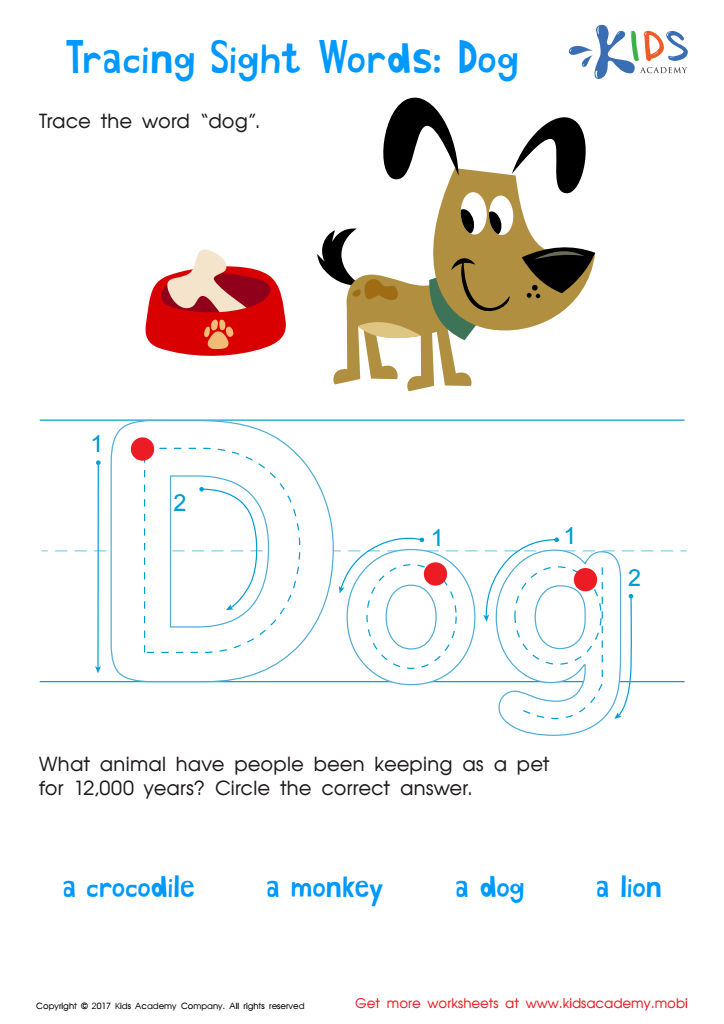
Dog Worksheet Sight Words Worksheet
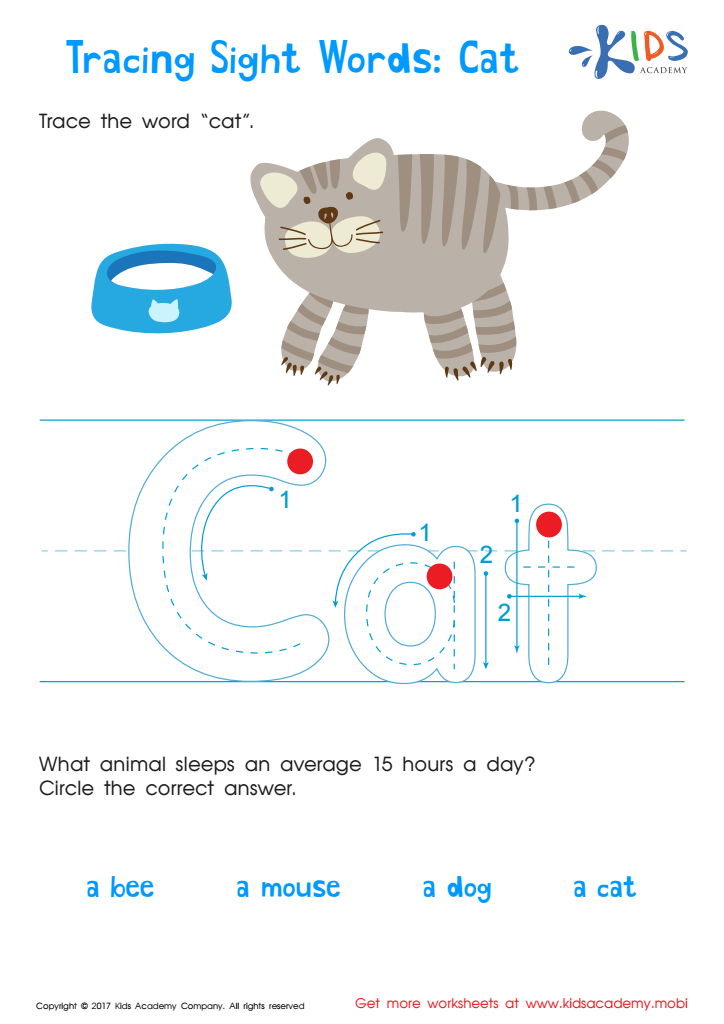
Cat Printable Sight Words Worksheet
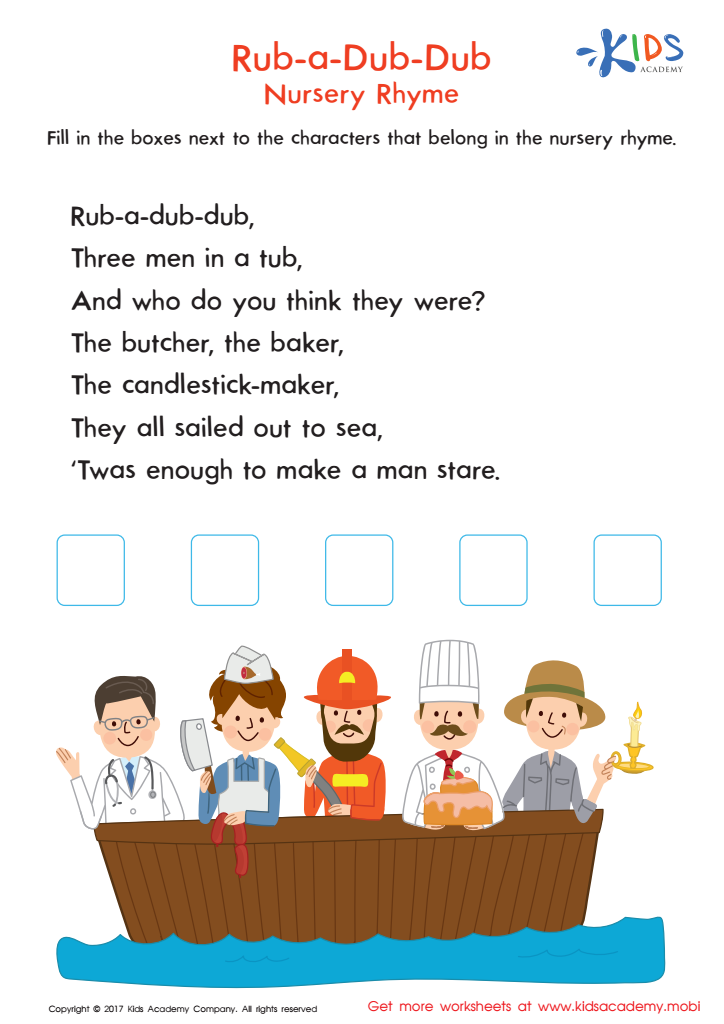
Rub a Dub Dub Printable
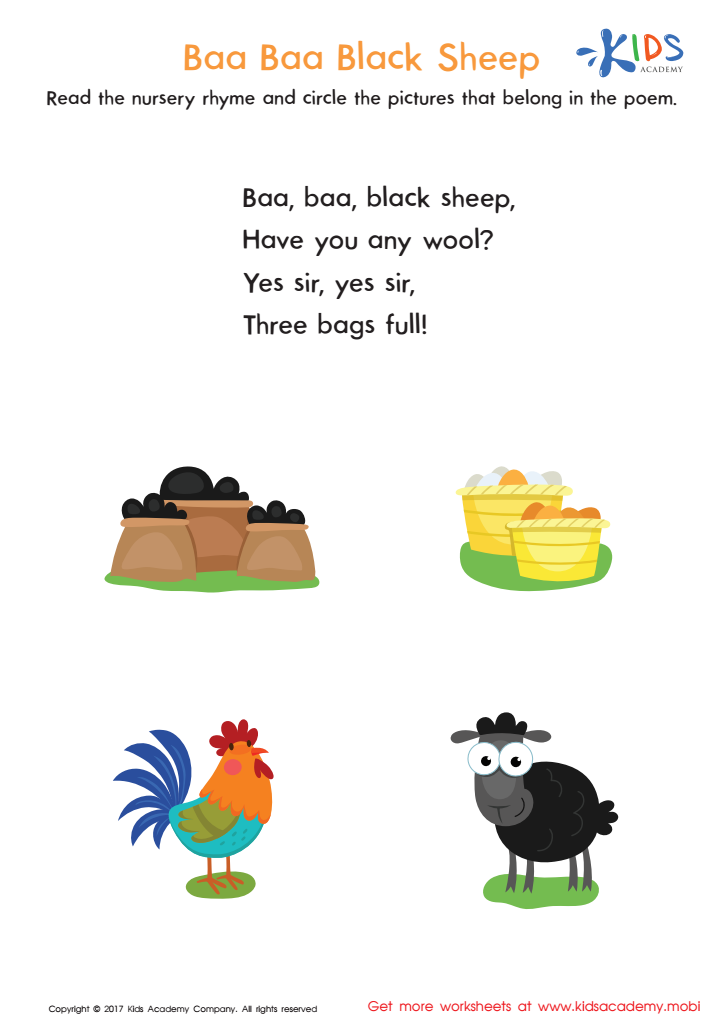
Baa Baa Black Sheep Printable
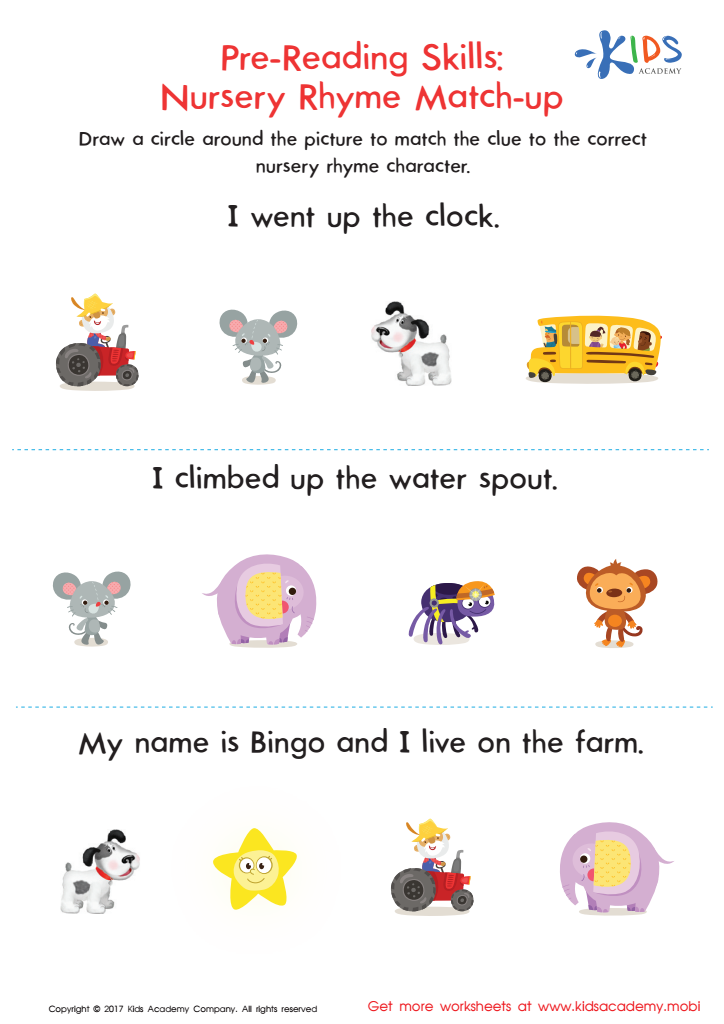
Nursery Rhyme Match–Up Worksheet








Phonics is a fundamental concept in early childhood education, particularly essential for children aged 6-8 as they embark on their reading journeys. This approach to teaching reading skills emphasizes the relationship between letters and sounds, helping kids decode words by sounding them out. It's crucial for several reasons.
Firstly, it lays a strong foundation for future literacy. By understanding phonics principles, children are equipped with the skills to tackle unfamiliar words, thereby enhancing their reading fluency and comprehension. This is vital not just academically but also for everyday communication and knowledge acquisition.
Secondly, phonics instructions can bridge the gap for those who may struggle with reading. It provides a systematic and predictable method for learning, allowing children to build confidence and competence in their reading abilities. This, in turn, fosters a positive attitude towards learning and instills a sense of achievement.
For parents and teachers, focusing on phonics can create a cohesive and consistent learning environment. Activities such as reading aloud, phonics games, and interactive lessons make learning engaging and effective. By investing the time and resources into phonics education, parents and educators are setting children up for academic success and a lifelong love of reading.
In essence, phonics for ages 6-8 is a crucial educational building block that contributes to overall literacy, confidence, and a positive learning trajectory.







