Filters

52 filtered results

Clear all filters
Favorites
With answer key
Interactive

52 filtered results

Difficulty Level

Grade


Subject

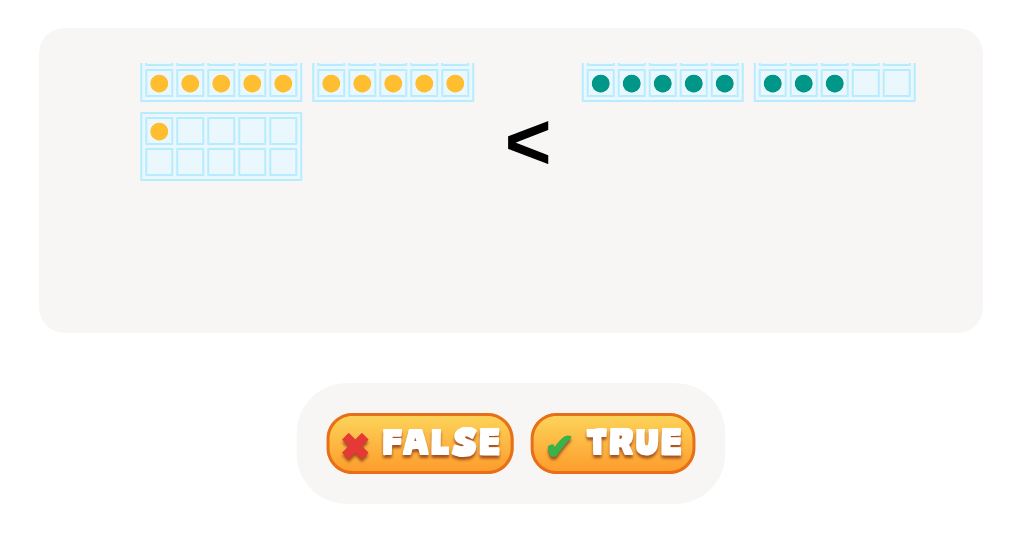
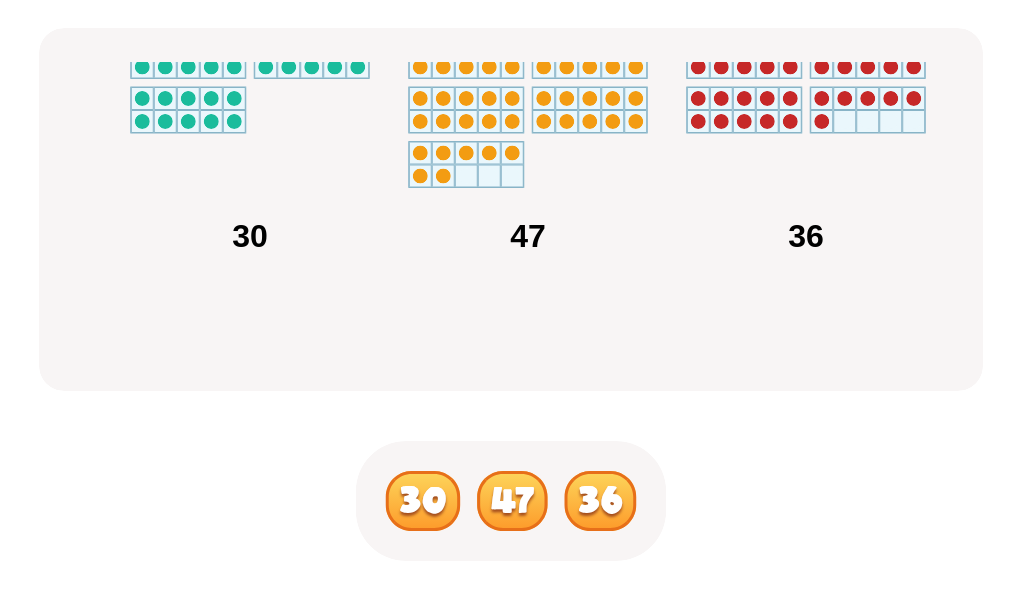
    Check out this FREE Trial Lesson on Comparing Numbers for age 6-8!

    Compare Numbers with 2 digits

    Favorites
    With answer key
    Interactive
    • 6-8
    • Interactive
    • Comparing Numbers
    Simple Addition PDF Worksheet
    Simple Addition PDF Worksheet

    Fruit and Veggies Worksheet

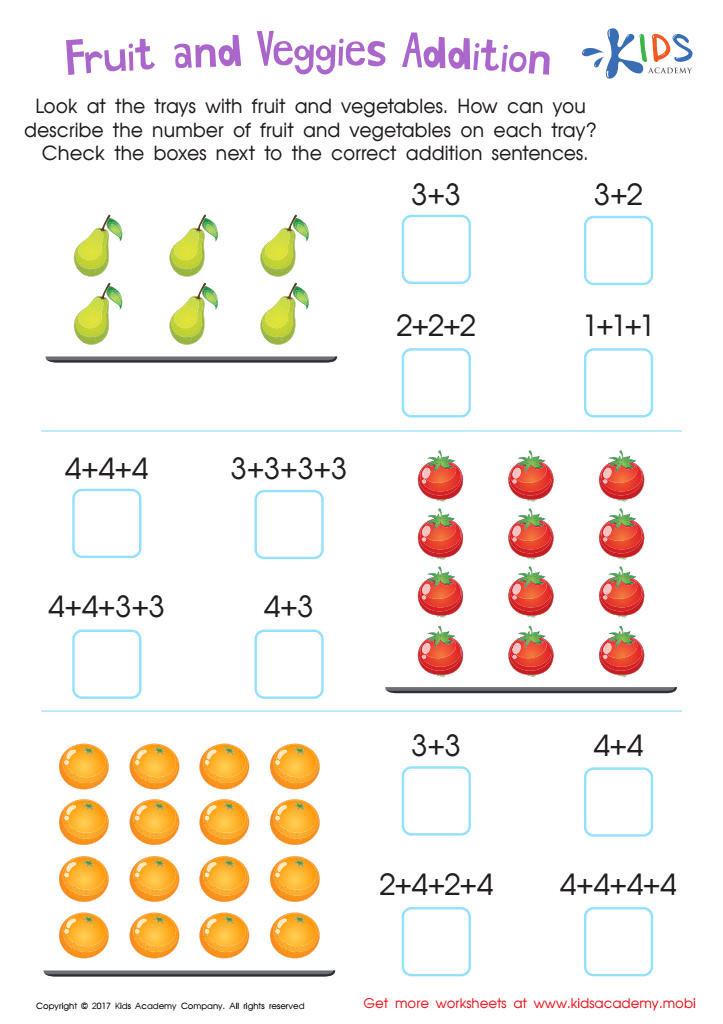
    It promotes problem-solving and analytical skills as kids match pictures to correct addition sentences. Help your child go beyond simple addition with this PDF worksheet!
    Fruit and Veggies Worksheet
    Worksheet
    Three number addition worksheet
    Three number addition worksheet

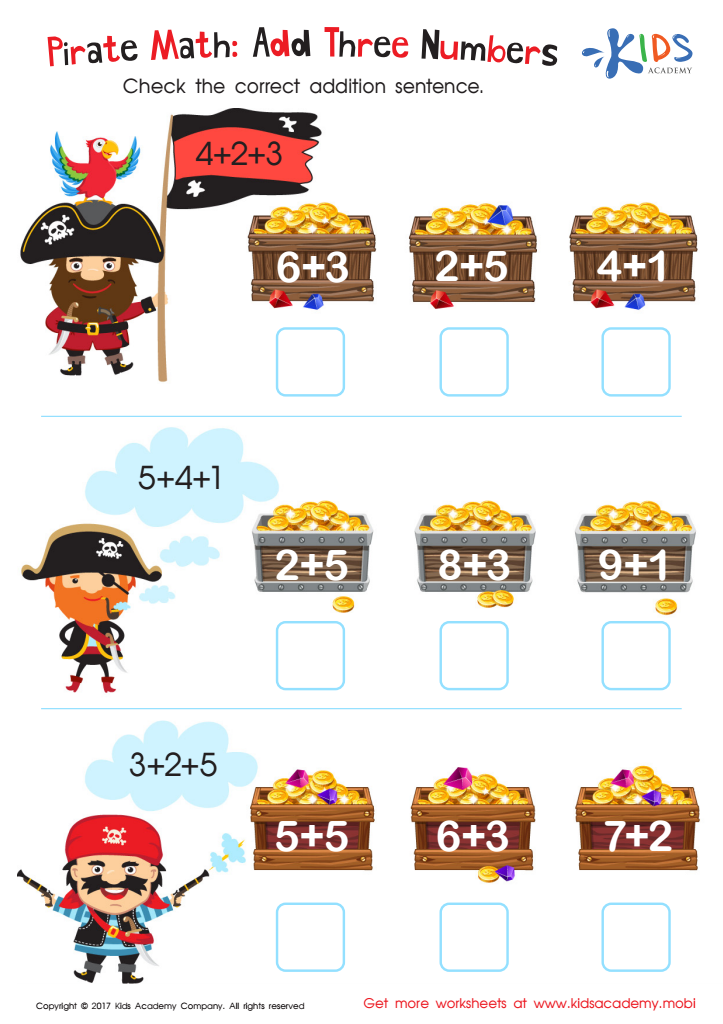
    Pirate Math Printable

    Ahoy, mateys! Your pirate will have a blast adding three numbers and comparing with two number equations. This worksheet fosters analytical and problem solving skills! Let the treasure hunting begin!
    Pirate Math Printable
    Worksheet
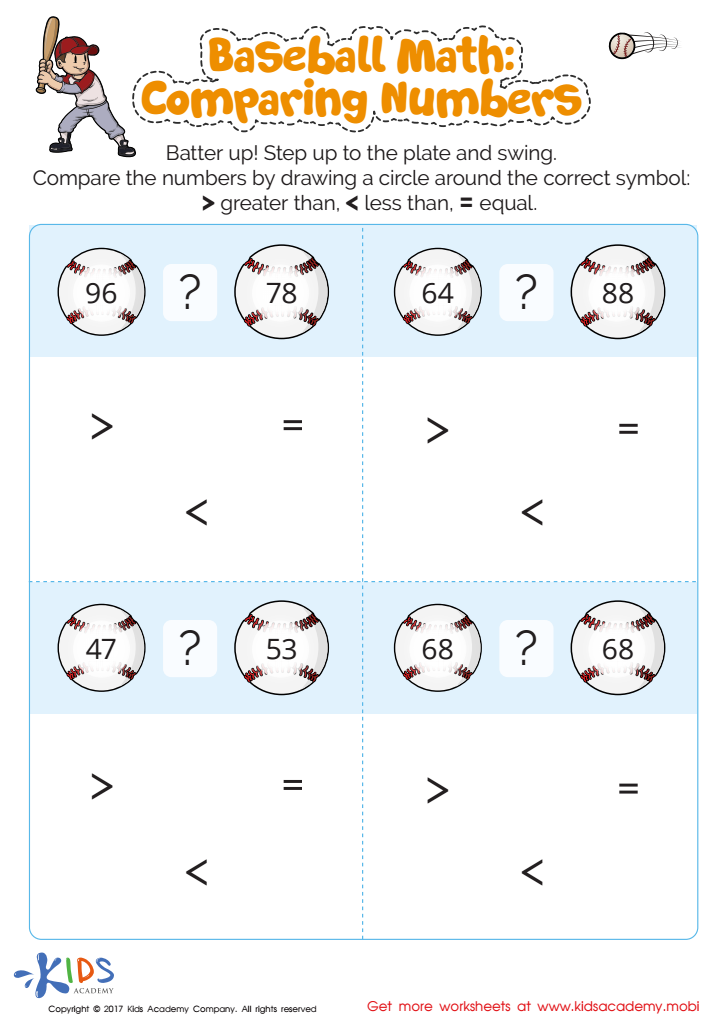
    Fun Worksheet: Baseball Math
    Fun Worksheet: Baseball Math

    Compare Numbers Printable

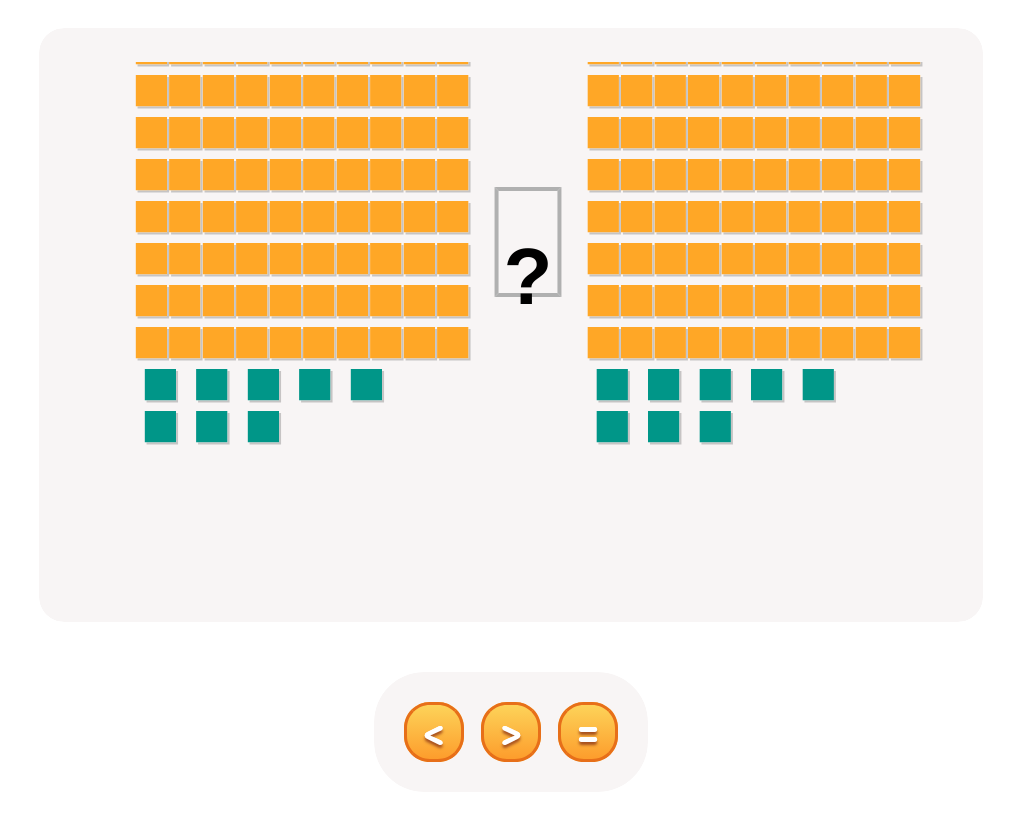
    Encourage your sports fan to strengthen math skills with this fun worksheet: Baseball Math! They'll learn key concepts such as 'greater than', 'less than' and 'equal to', while having a blast. Build their number sense and make learning enjoyable!
    Compare Numbers Printable
    Worksheet
    Comparing Numbers Printable Worksheet
    Comparing Numbers Printable Worksheet

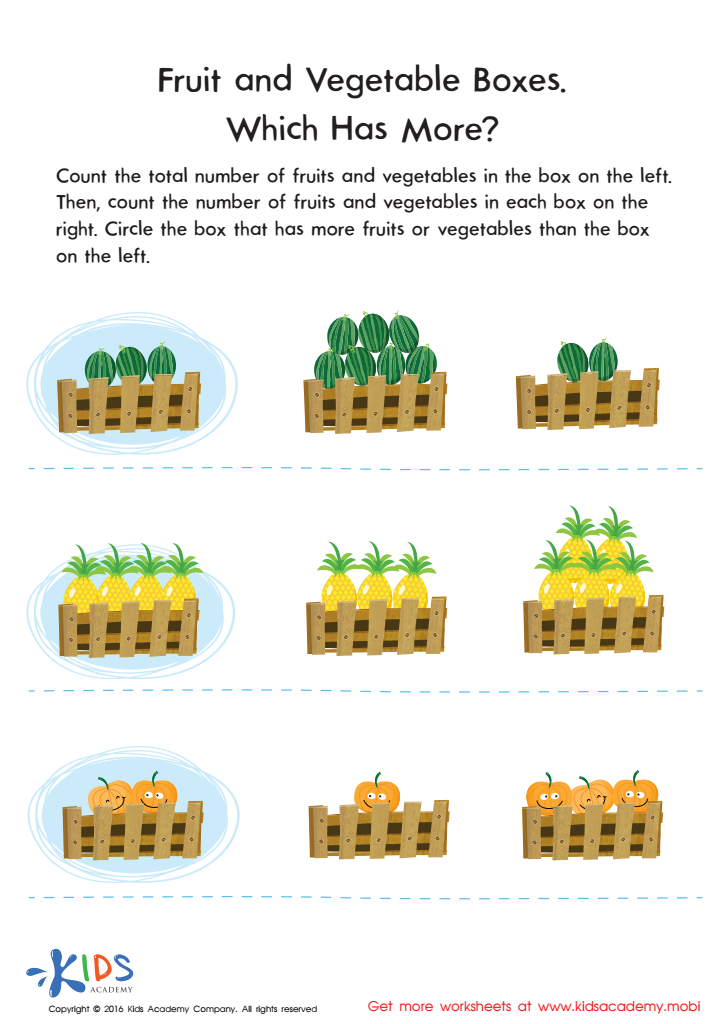
    Which Has More? Size Worksheet

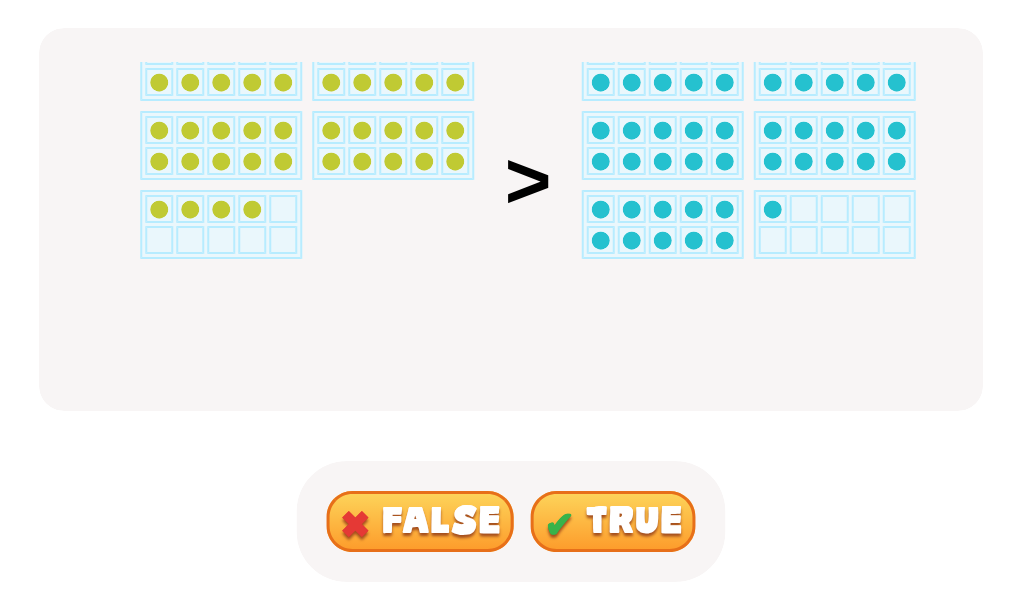
    This worksheet is perfect for your child to practice critical thinking and logical reasoning. Your child will count and compare the fruits and veggies in the crates to decide which one has more. They will use complex cognitive skills and practice following precise rules. Guide them through the directions and help keep their focus, while enjoying the images.
    Which Has More? Size Worksheet
    Worksheet


    ... 2 3

    Comparing numbers is a foundational skill for children ages 6-8 that has significant implications for their mathematical development. At this age, children begin to move beyond simple counting to understanding numerical relationships, which is critical for their success in more advanced math concepts in later years. By grasping how to compare numbers, children learn to recognize greater than, less than, and equal to, thereby enhancing their comprehension of size and value.

    Parents and teachers should care about this skill for several reasons. Firstly, it fosters critical thinking; children learn to analyze and evaluate the numbers they encounter, which builds the groundwork for problem-solving abilities. Secondly, comparing numbers helps in everyday situations, such as understanding time, money, measurements, and data interpretation, which are essential for informed decision-making.

    Additionally, by encouraging discussion around number comparisons, caregivers and educators can help build children's confidence and mathematical language. This early engagement creates a more robust mathematical identity, making children more comfortable with numbers as they progress through their education. Ultimately, supporting the development of these comparisons contributes to a strong foundation for future academic challenges and develops lifelong skills in logical reasoning and analytical thinking.