Numbers Worksheets for Ages 6-8 - Page 22
509 filtered results
-
From - To
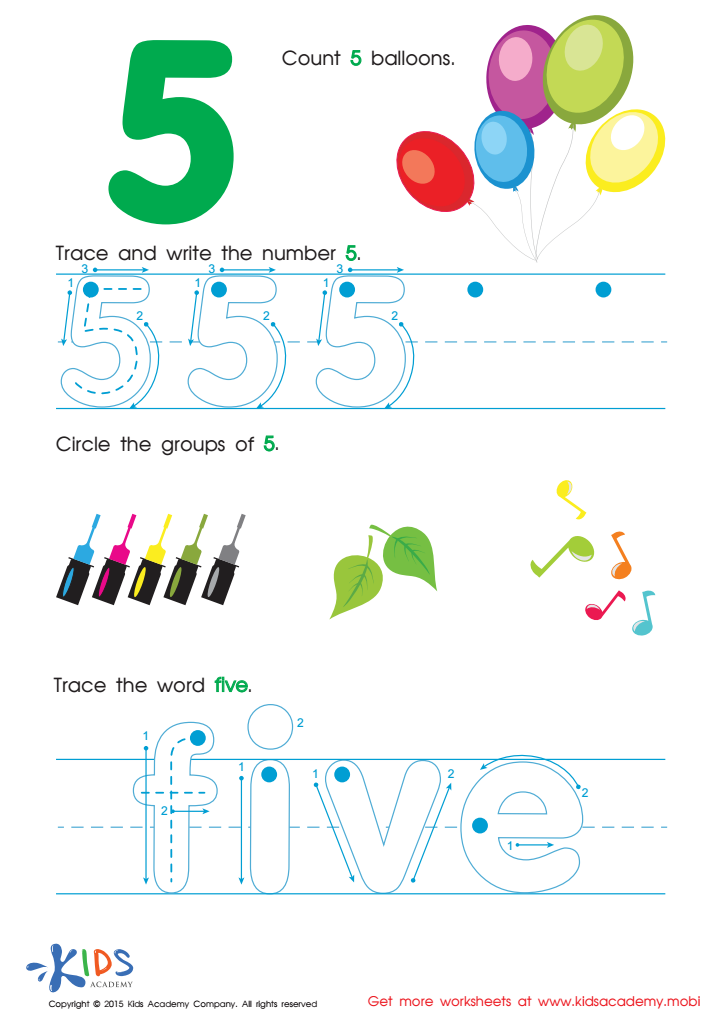
Practice Writing Number 5 Worksheet
 Assign to My Students
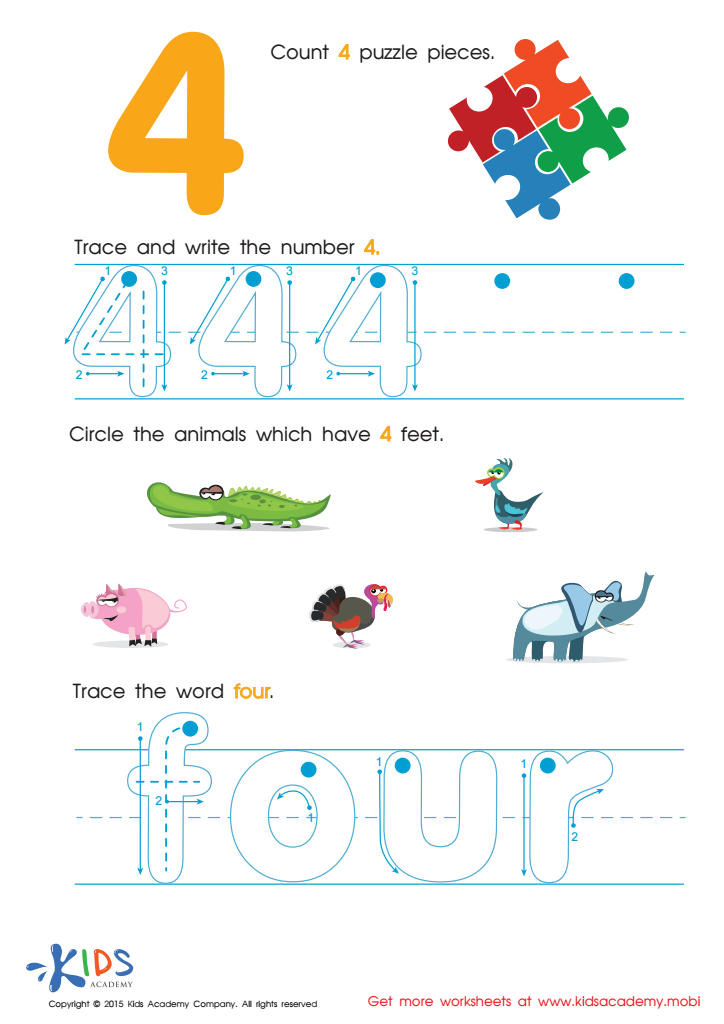
Teaching Children to Write Number 4 Worksheet
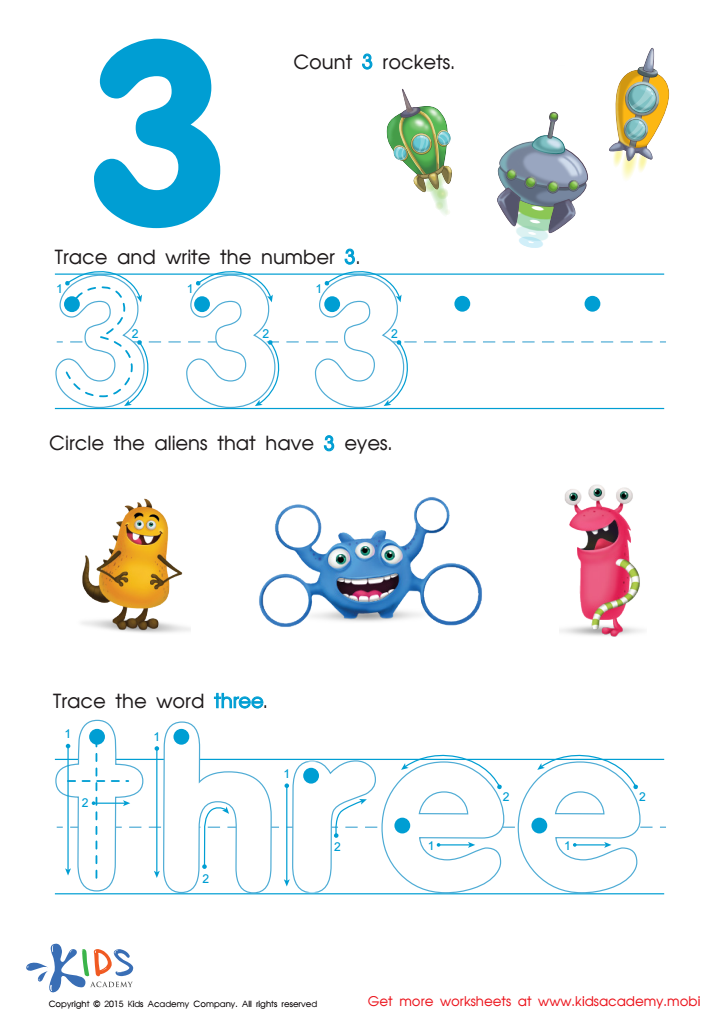
Learning Number Three Worksheet
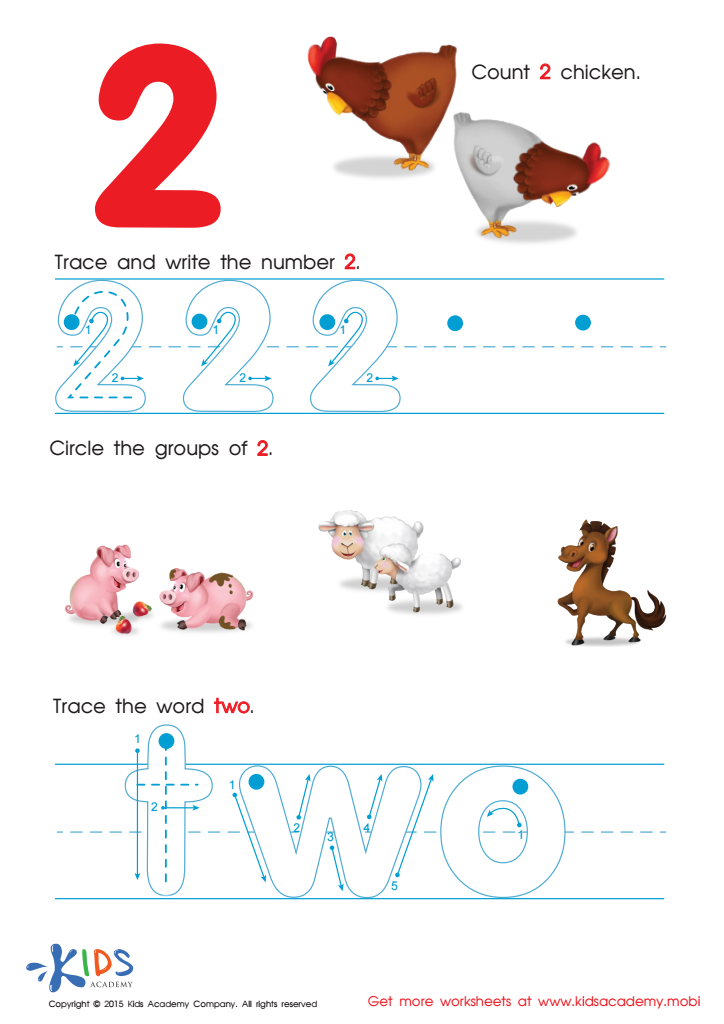
Learn to Write the Number 2 Worksheet
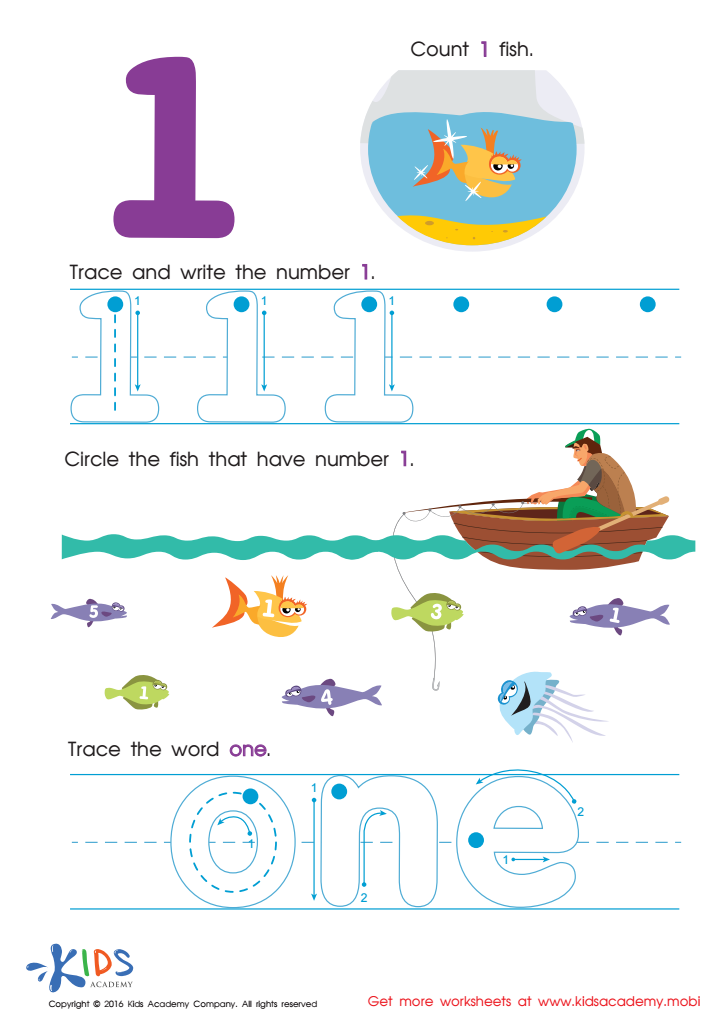
Learning to Write 1 Worksheet








Parents and teachers should prioritize number recognition and basic mathematical concepts for children aged 6-8 because these foundational skills are crucial for overall cognitive development and academic success. During these formative years, children begin to understand concepts such as addition, subtraction, and place value, setting the stage for more advanced math skills later on.
Early math literacy enhances critical thinking, problem-solving, and reasoning abilities, which are essential not just in mathematics but across various subjects. Mastery of numbers fosters confidence in children, making them more willing to tackle challenges, both academically and in real-world situations.
Moreover, a solid grasp of numbers supports the development of financial literacy, paving the way for responsible money management in the future. Children often encounter numbers outside the classroom— from measuring ingredients in cooking to recognizing time on a clock— making it imperative that these skills translate into everyday life.
Finally, early math learning promotes engagement and collaboration among peers, as children often work together in groups to solve problems. By nurturing a love for numbers at this young age, parents and teachers can inspire a lifelong appreciation for learning and equip students with necessary skills for their futures.








