Numbers up to 100 Worksheets for Ages 6-8 - Page 3
50 filtered results
-
From - To
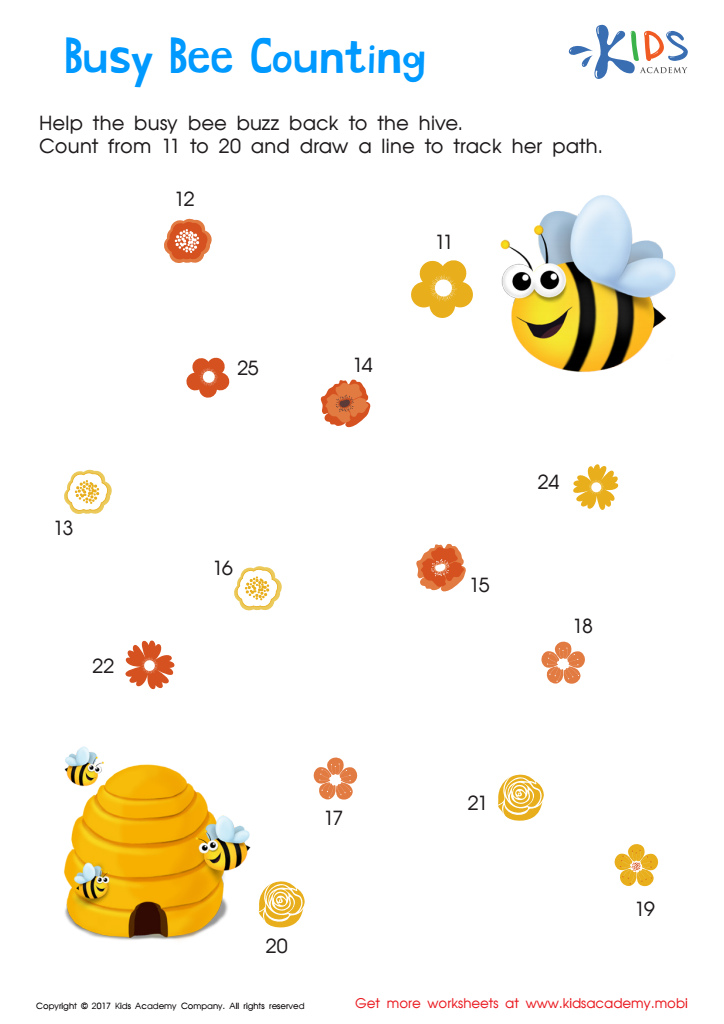
Ordering 11–20: Busy Bee Counting Worksheet
 Assign to My Students
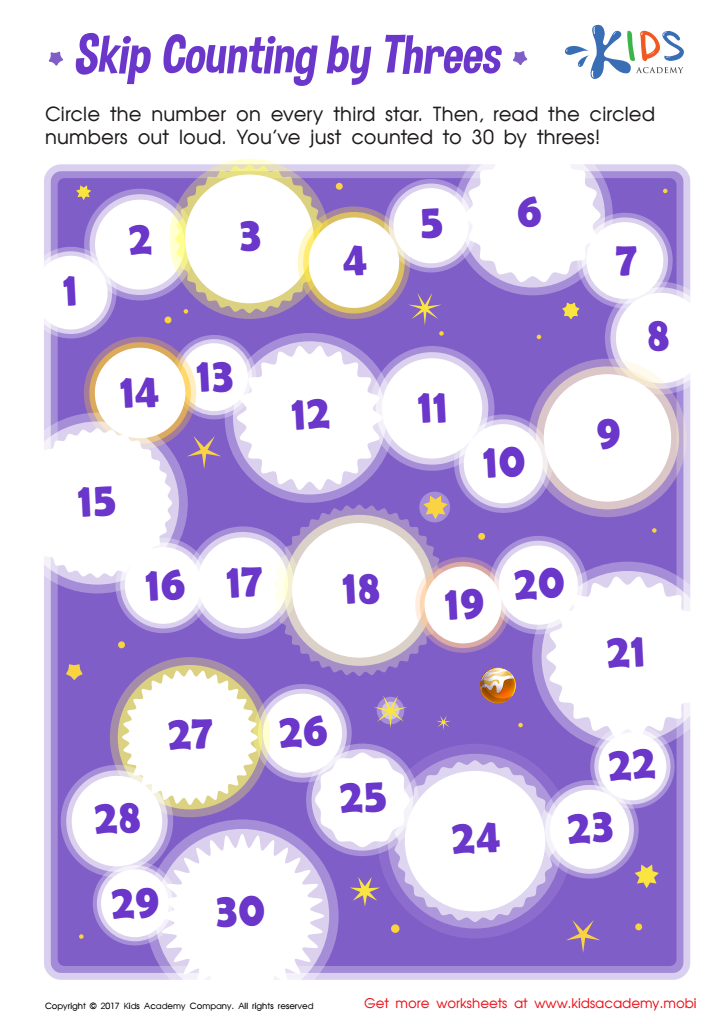
Skip Counting By Three Printable






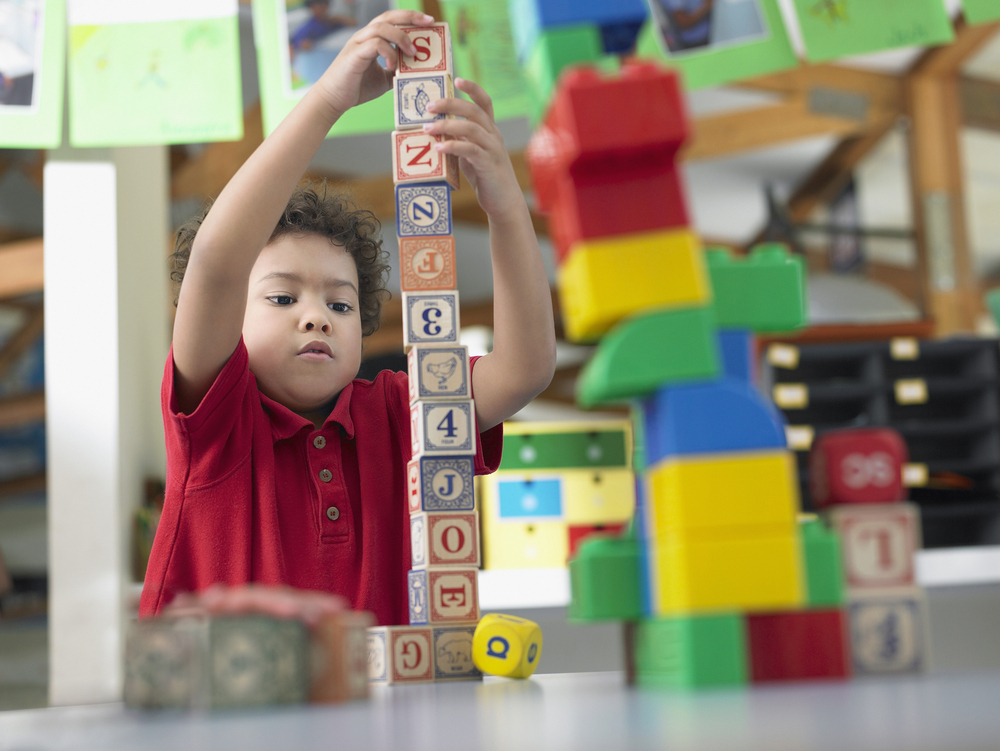
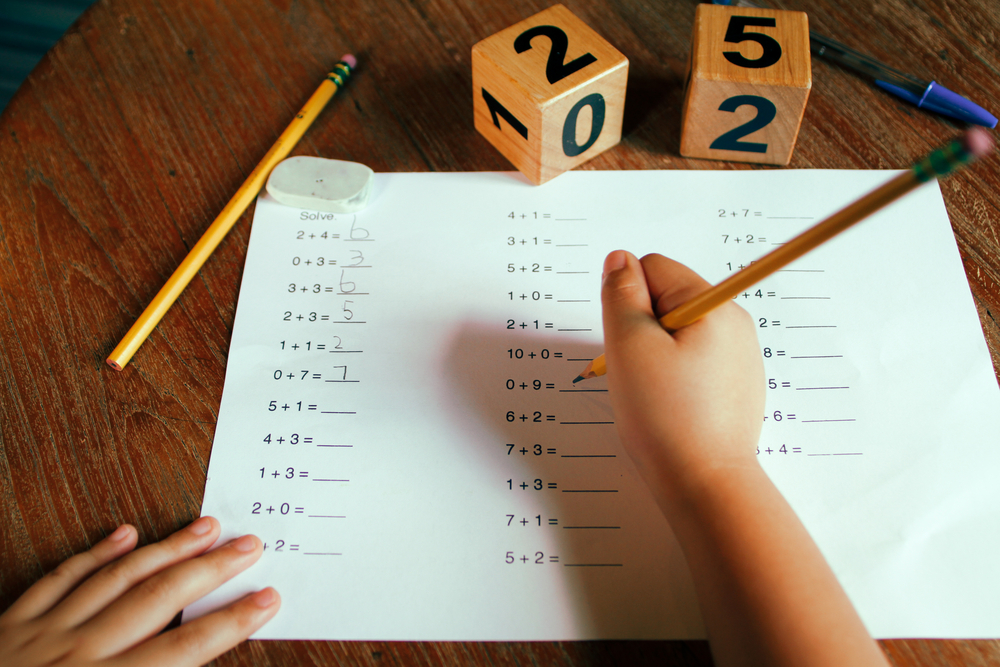
Understanding numbers up to 100 is essential for children aged 6-8, as it forms the foundation of their mathematical skills. This crucial developmental stage involves not just rote memorization, but also grasping the concepts of counting, addition, subtraction, and place value. Mastery of numbers within this range aids in developing cognitive skills, promoting logical thinking, and enhancing problem-solving abilities.
Parents and teachers should prioritize teaching these concepts because early math skills are strongly linked to future academic success. Children who understand numbers and can perform basic operations are better prepared for more complex mathematical concepts in later grades. Additionally, a solid grasp of numbers encourages confidence and a positive attitude toward learning.
Furthermore, engaging with numbers helps learners relate math to everyday experiences, whether counting objects, telling time, or handling money. It also fosters abilities such as critical thinking and pattern recognition. For teachers, establishing a classroom environment focused on numbers up to 100 allows for interactive and meaningful learning experiences. For parents, reinforcing these skills at home ensures consistency and opens up opportunities for enriching family activities, such as games and practical problem-solving, making math both enjoyable and relevant in children's lives.