Spelling practice Vowels Worksheets for Ages 6-9 - Page 2
35 filtered results
-
From - To
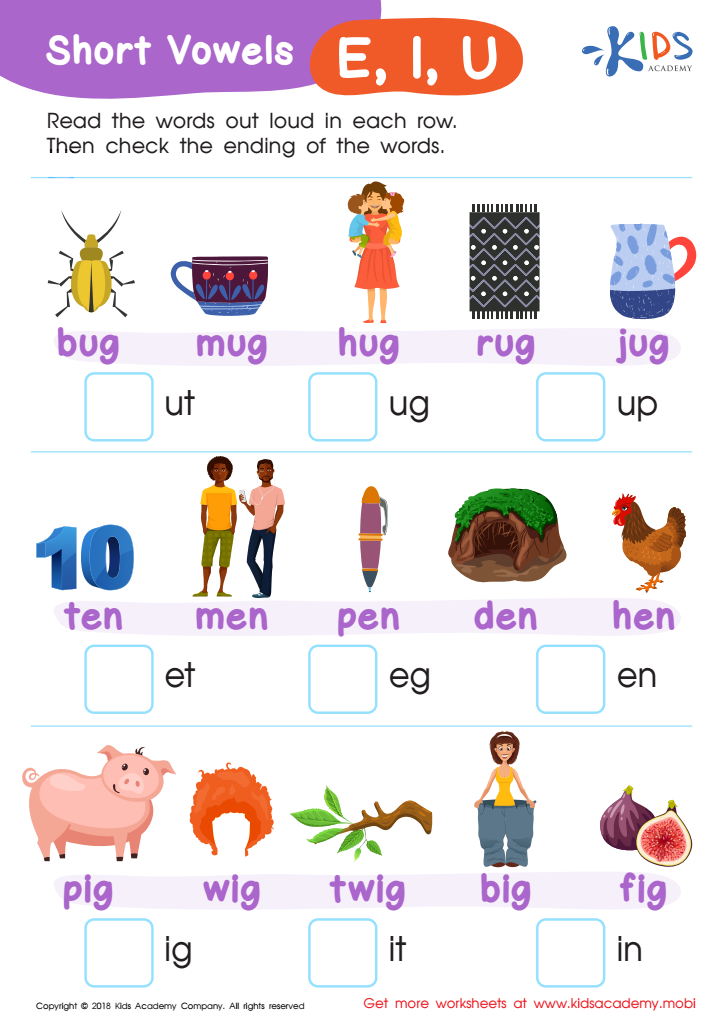
Short Vowels /e/, /i/, and /u/ Worksheet
 Assign to My Students
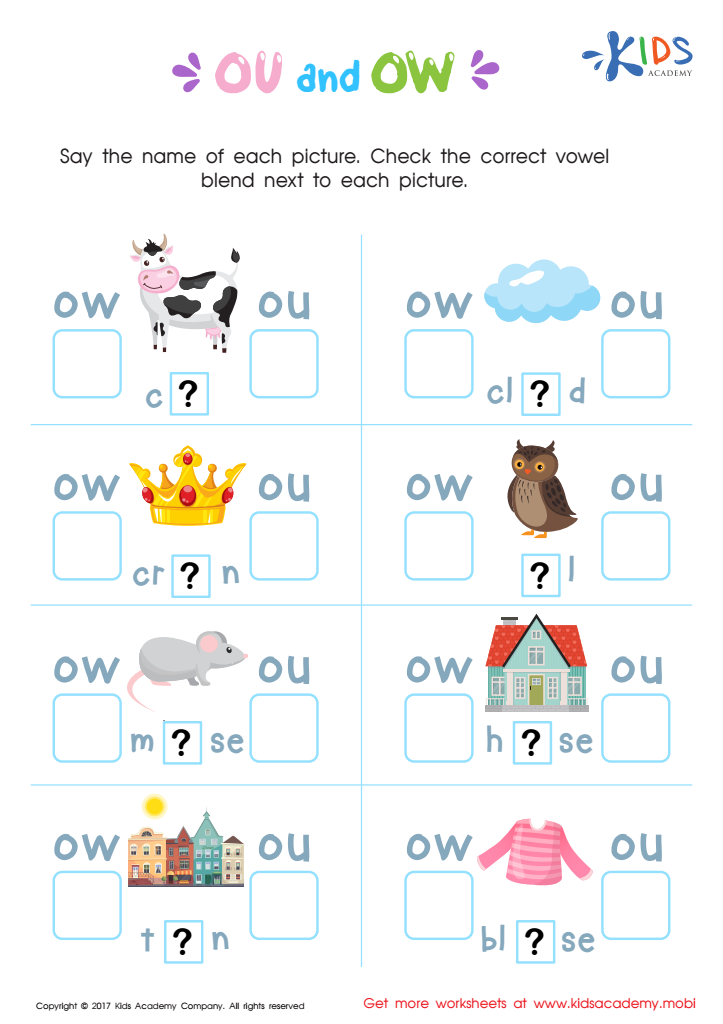
OU and OW Words Worksheet
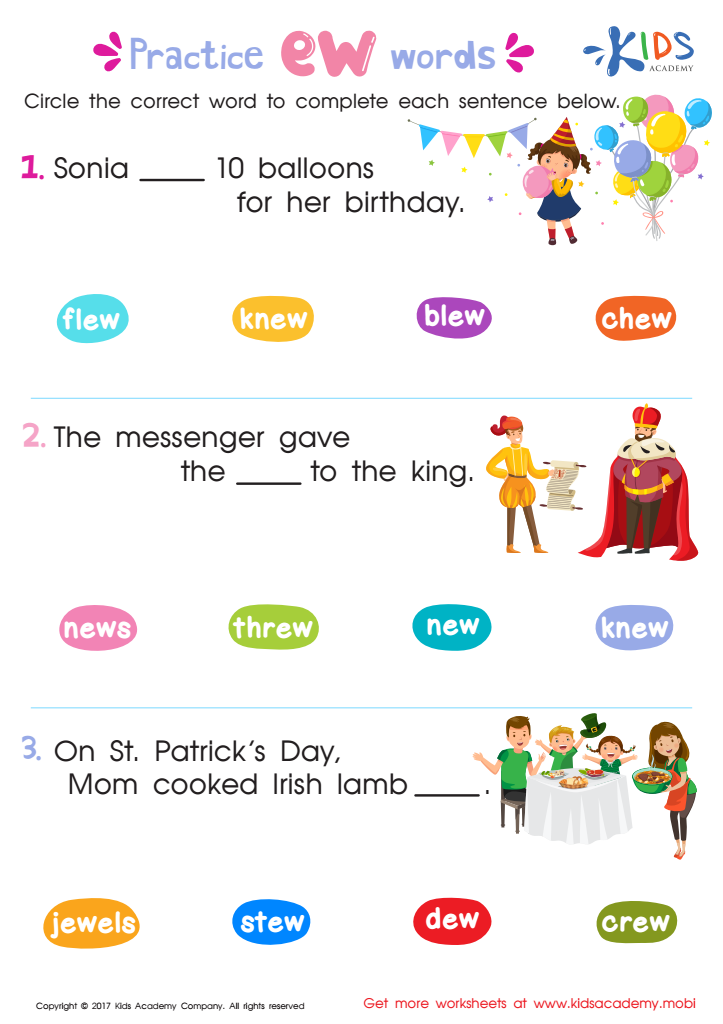
EW Words Worksheet
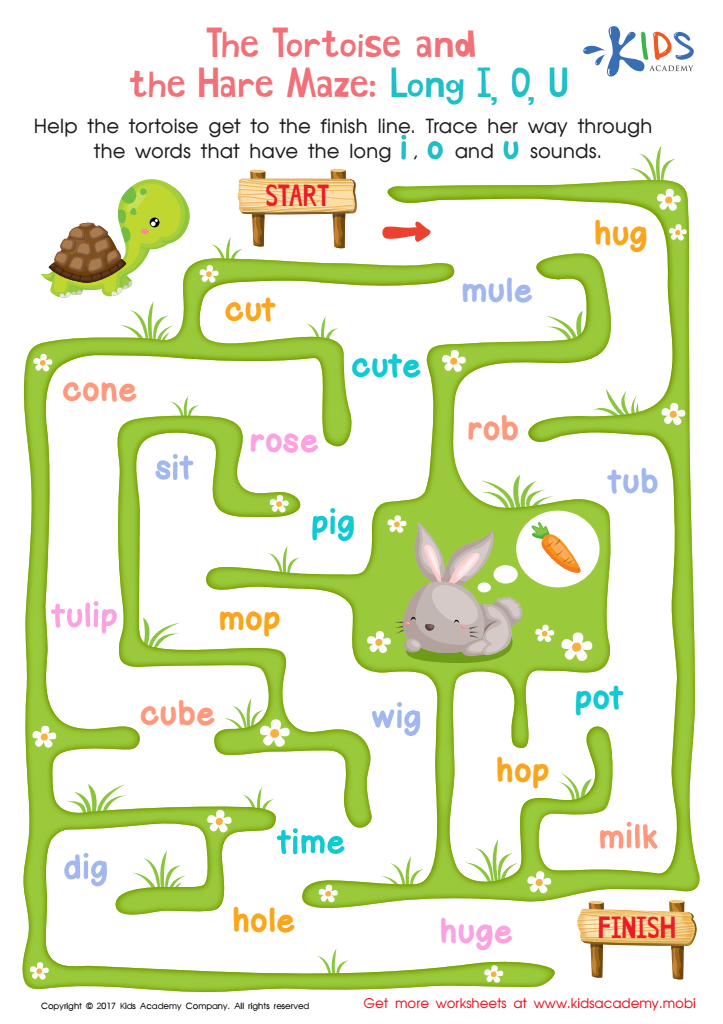
Long I, O, U Words Worksheet
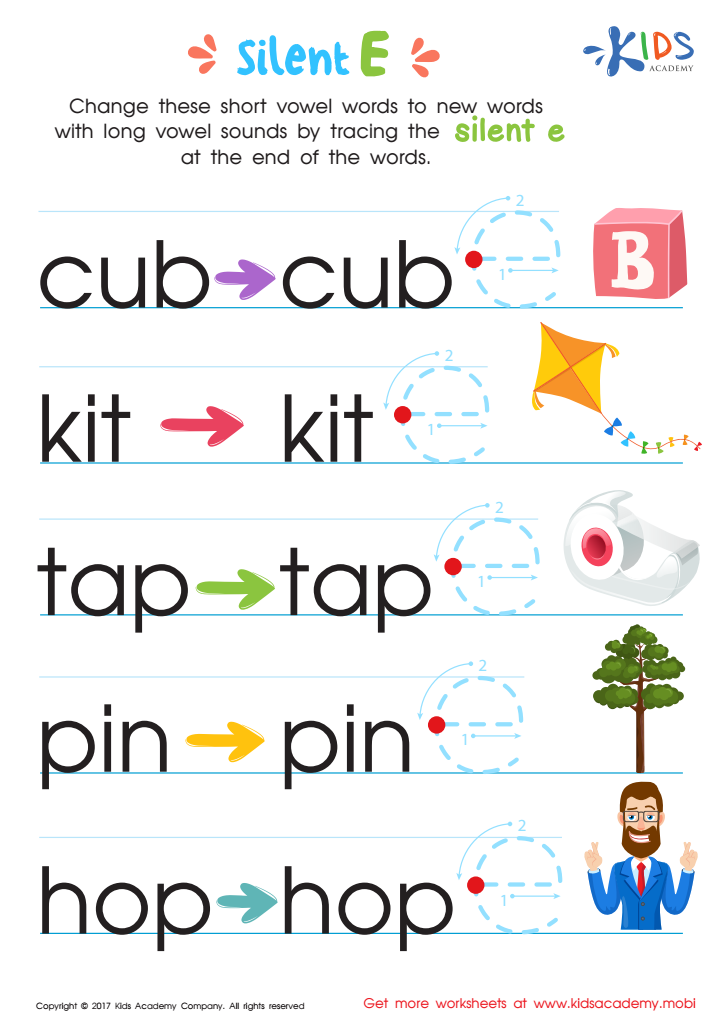
Silent E Words Worksheet
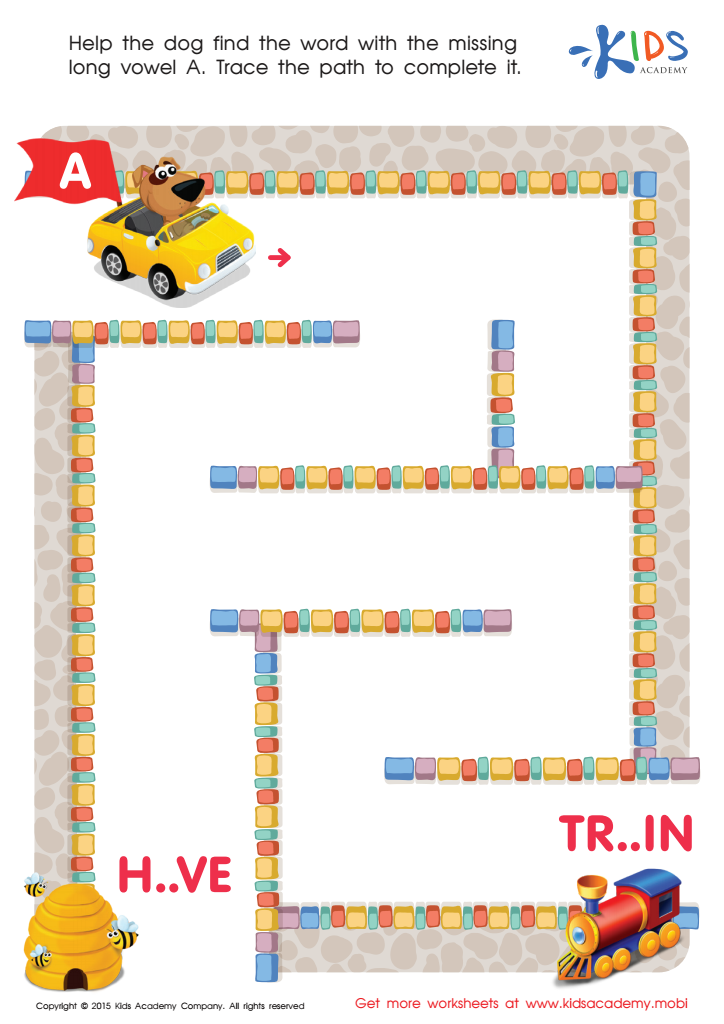
Long Vowel Sound A Worksheet
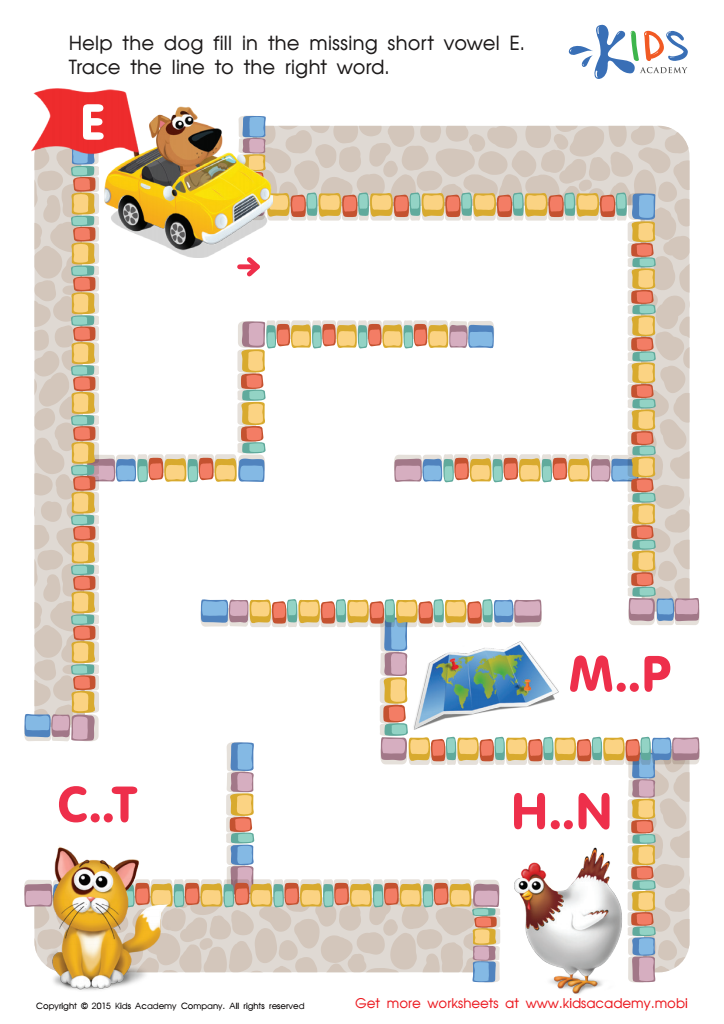
Short Vowel Sound E Worksheet
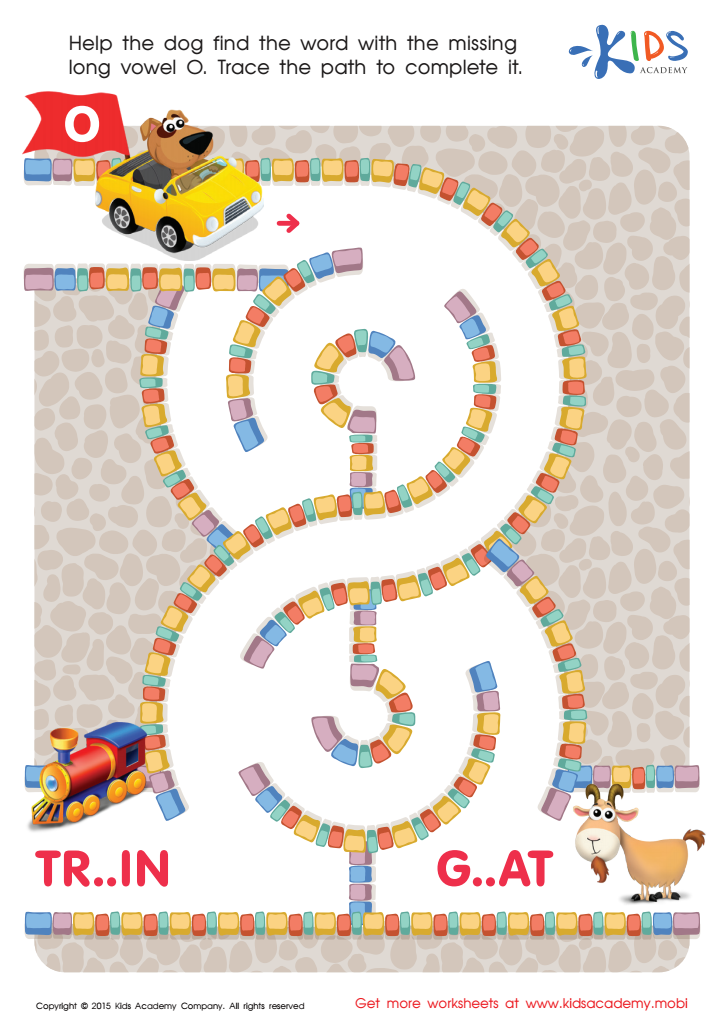
Long Vowel Sound O Worksheet
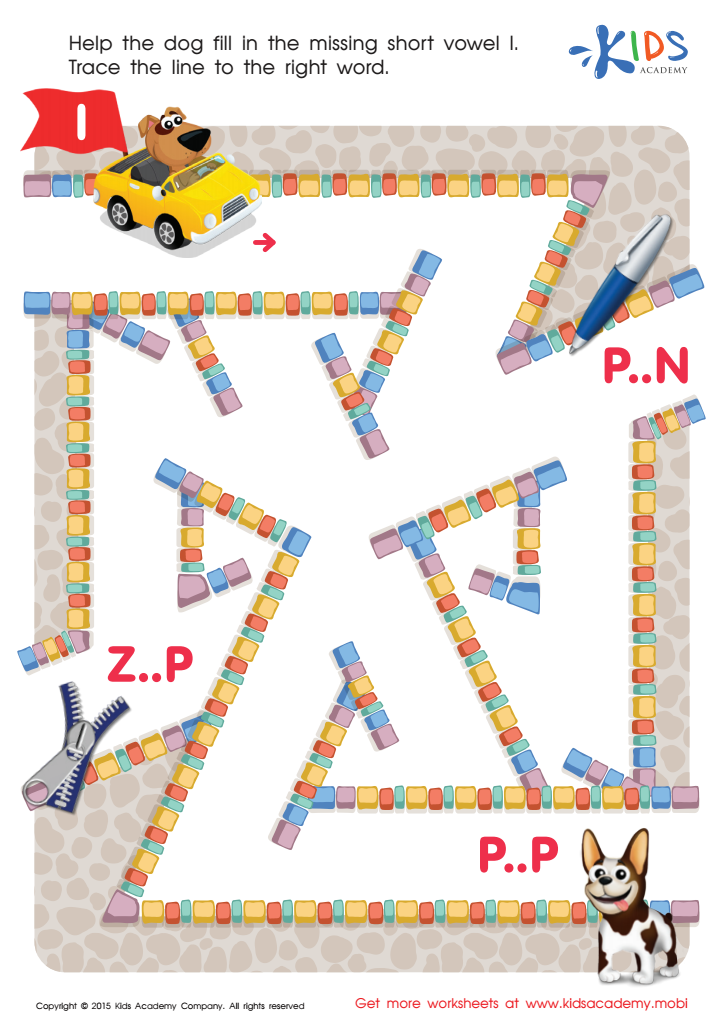
Short Vowel Sound I Worksheet
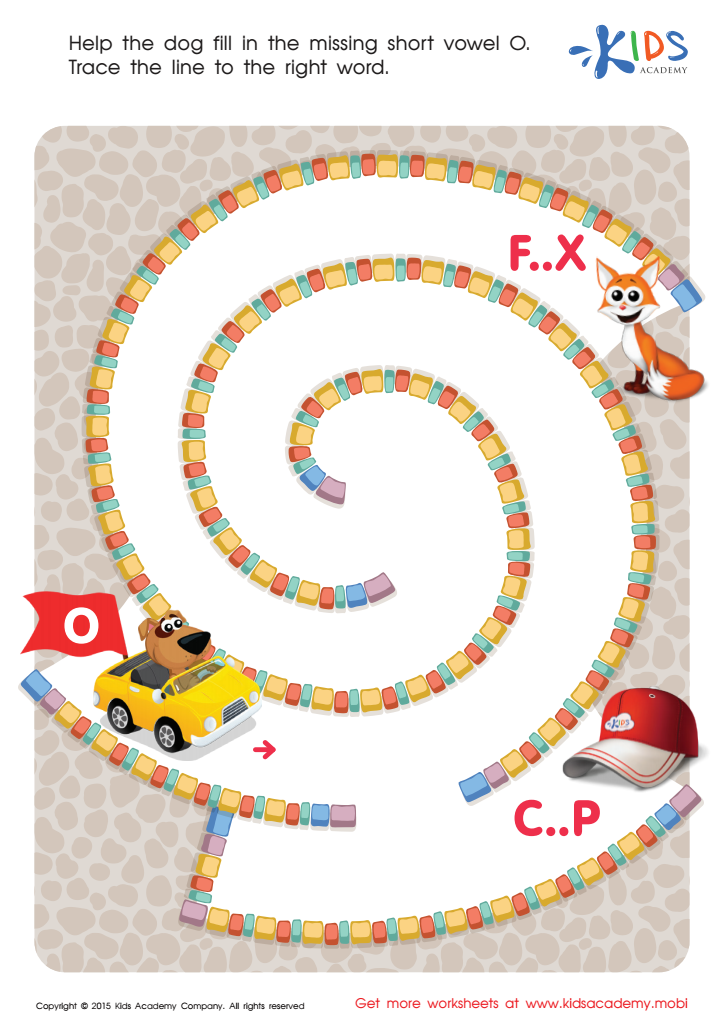
Short Vowel Sound O Worksheet
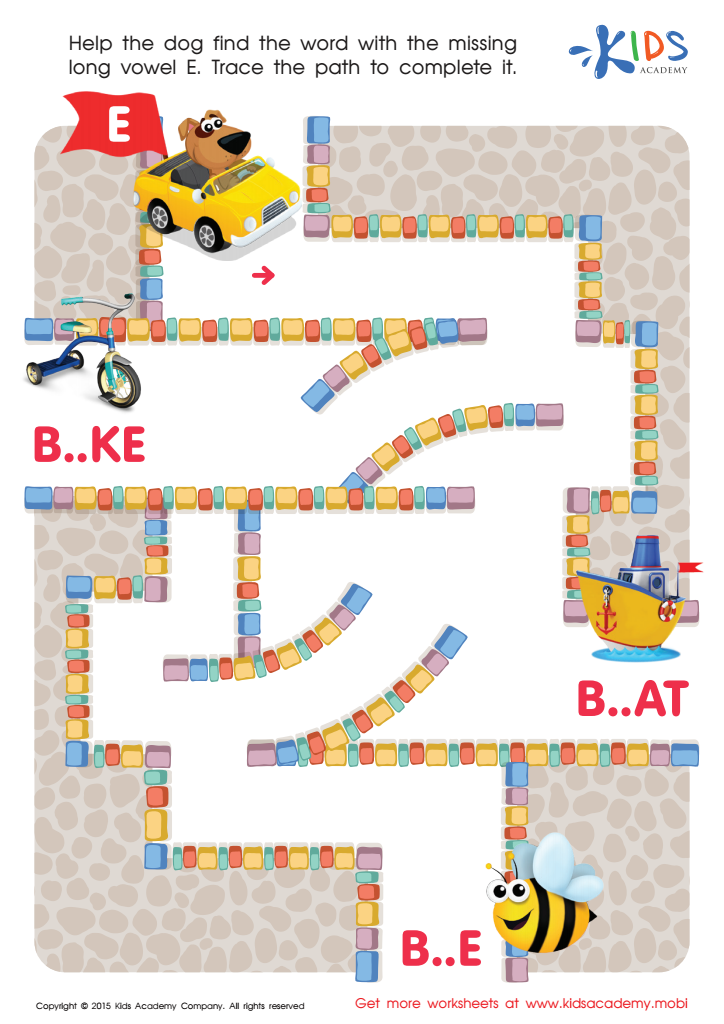
Long Vowel Sound E Worksheet





Mastering vowel sounds is a cornerstone of early literacy, making spelling practice critical for children ages 6-9. At this developmental stage, children are transitioning from learning to read to reading to learn. Vowel sounds form the heart of many words; thus, understanding them is essential for accurate spelling and reading fluency.
Children use predictable spelling patterns to decode (read) and encode (spell) words. Exposure to various vowel combinations, like the difference between short vowels ("cat") and long vowels ("cane"), builds familiarity with these patterns. This practice enhances their ability to automatically recognize and reproduce words correctly, minimizing frustration and boosting confidence.
Moreover, strong spelling skills support broader academic success. Spelling integrates phonics, memory, and vocabulary, anchoring children's understanding of new concepts they’ll encounter in subjects like math and science. For example, a second-grade math word problem involving "addition" versus "audition" could create confusion if vowel sounds aren't correctly understood and applied.
Teachers and parents can play pivotal roles by providing engaging and consistent practice opportunities. Fun activities like word games, spelling bees, or multisensory methods help reinforce these skills, making learning enjoyable. Investing time in vowel spelling practice lays a strong foundation for literacy and academic success, fostering a lifelong love for learning.







