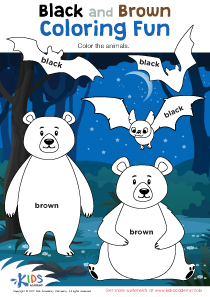
English for Beginners Worksheets for Ages 6-9 - Page 5
101 filtered results
-
From - To
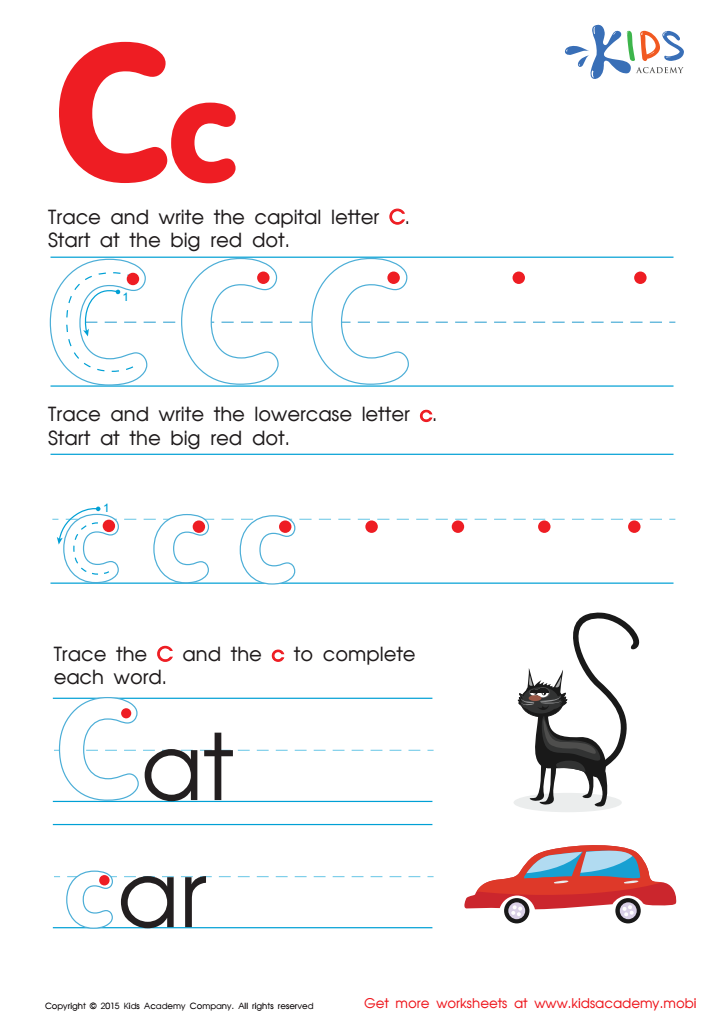
Letter C Tracing Page
 Assign to My Students
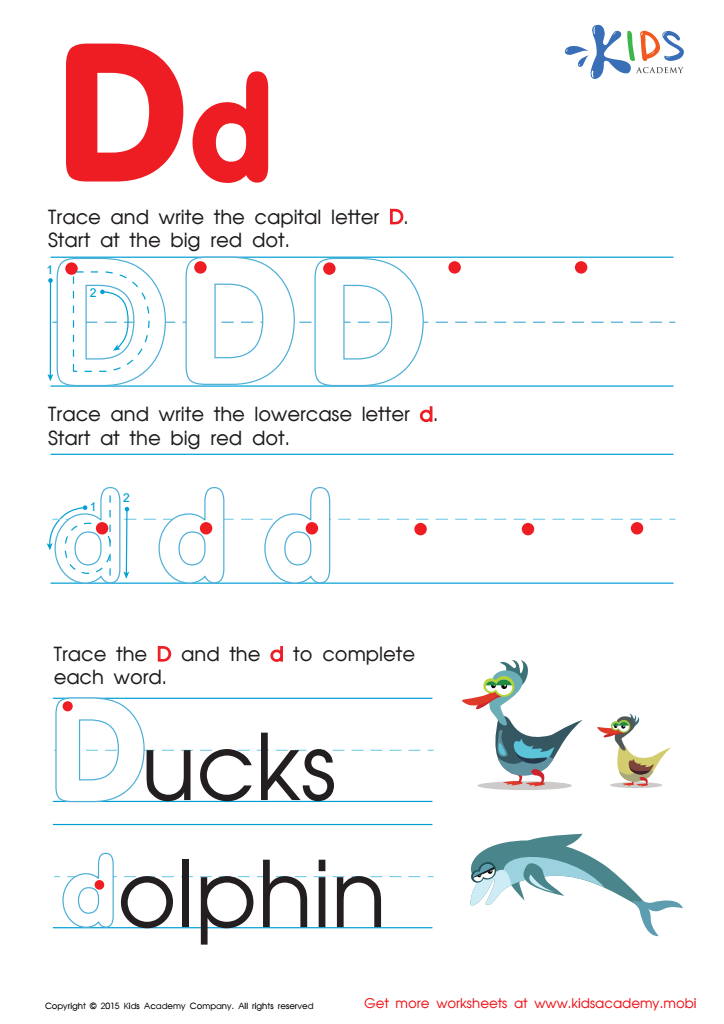
Letter D Tracing Page
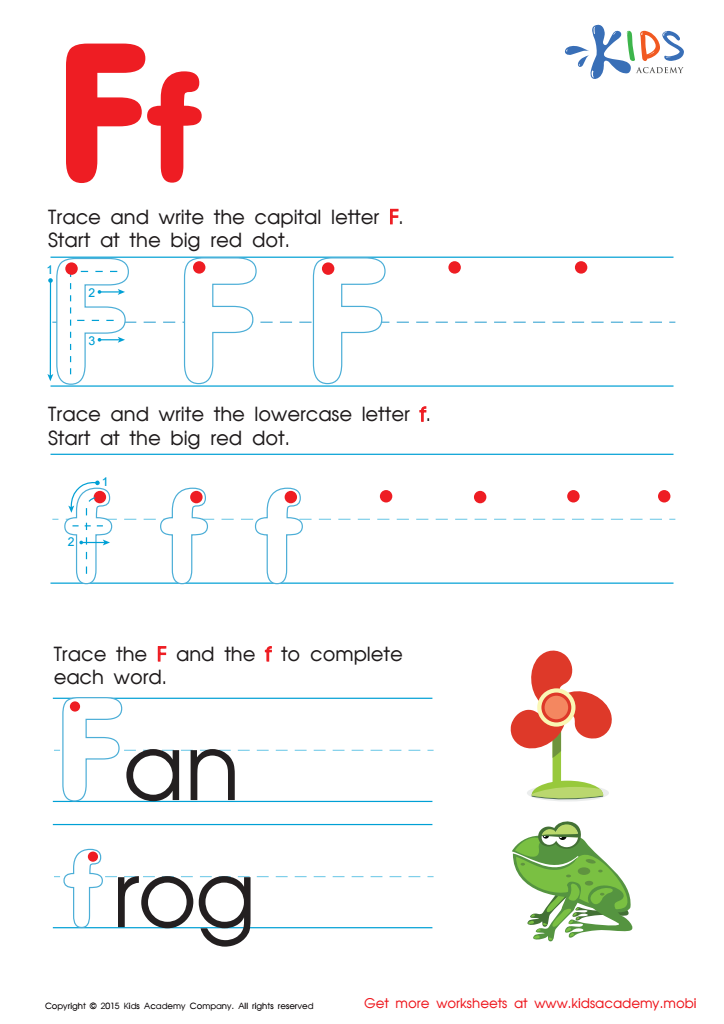
Letter F Tracing Page
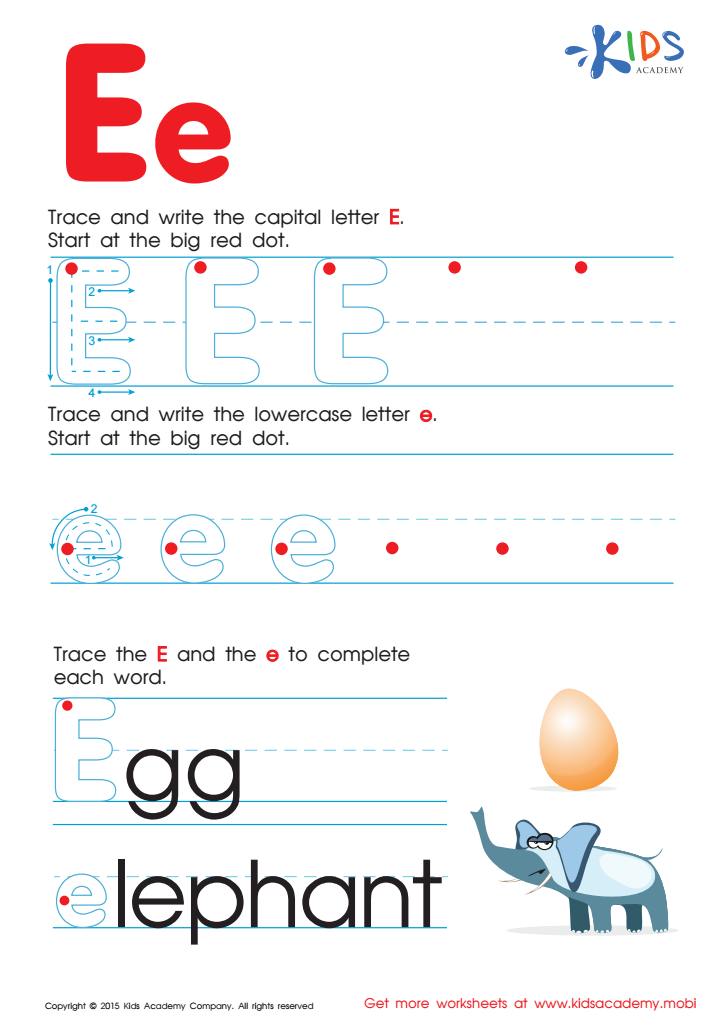
Letter E Tracing Page
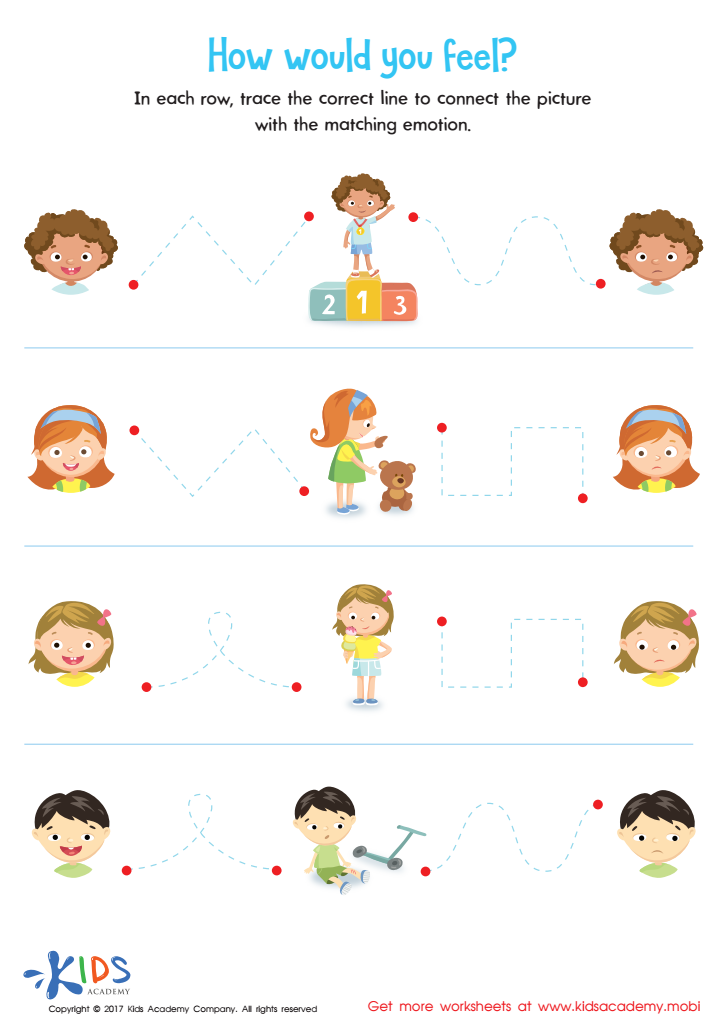
Feelings and Emotions Worksheet





Parents and teachers should prioritize English for Beginners for children aged 6-9 because this foundational stage is critical for language development and overall academic success. In this age group, children are particularly impressionable, absorbing new languages and concepts quickly. Introducing English at an early age not only enhances their communication skills but also boosts cognitive development, as language learning is closely tied to brain growth.
Moreover, English is a global lingua franca, opening doors to a multitude of opportunities in education, travel, and employment in the future. Proficiency in English can enhance children's confidence, encouraging them to participate more actively in social interactions and classroom discussions.
The structured curriculum tailored to beginners fosters a love of learning through engaging activities like storytelling, songs, and games, making the process enjoyable and effective. Early exposure to English also lays the groundwork for more complex language skills, preparing children for more challenging subjects as they progress in school.
Lastly, in a multicultural world, teaching English as a second language promotes inclusivity, fostering understanding and communication among diverse groups. Overall, investing in English education for young learners is an investment in their future potential and well-rounded development.