Short Vowels Worksheets for Ages 8-9
4 filtered results
-
From - To
Discover our engaging short vowels worksheets designed for children ages 8-9! These worksheets help young learners master the fundamental sounds of short vowels through fun activities and exercises. Packed with phonics games, coloring pages, and fill-in-the-blank challenges, our resources make learning enjoyable and effective. As kids practice recognizing and using short vowels in a variety of contexts, they build essential reading and writing skills. Perfect for reinforcing lessons in the classroom or at home, our user-friendly worksheets promote confidence and literacy development. Explore our collection now and give your child the tools they need for phonetic success!
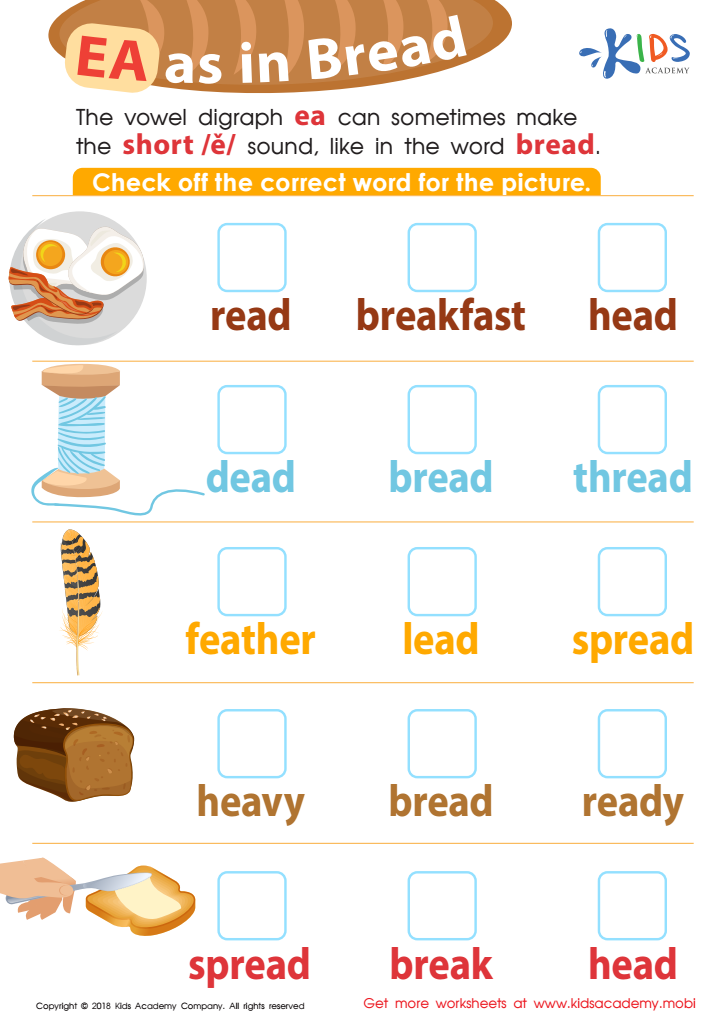
Reading: EA as in Bread Worksheet
 Assign to My Students
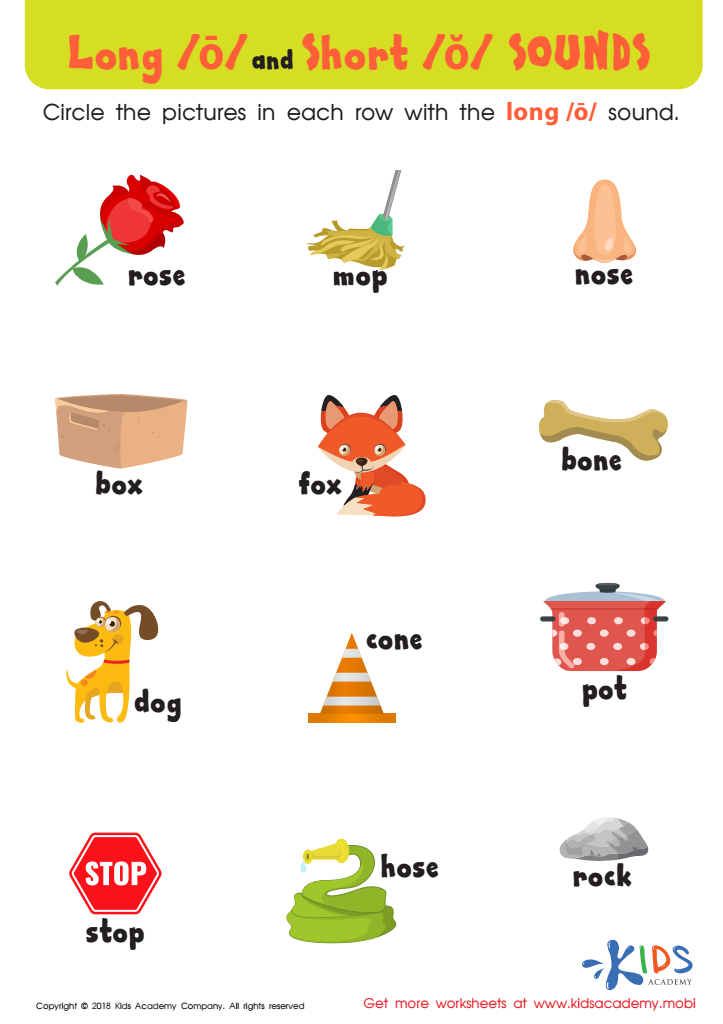
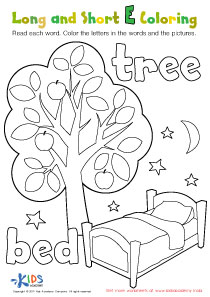
Reading: Long O and Short O Sounds Worksheet
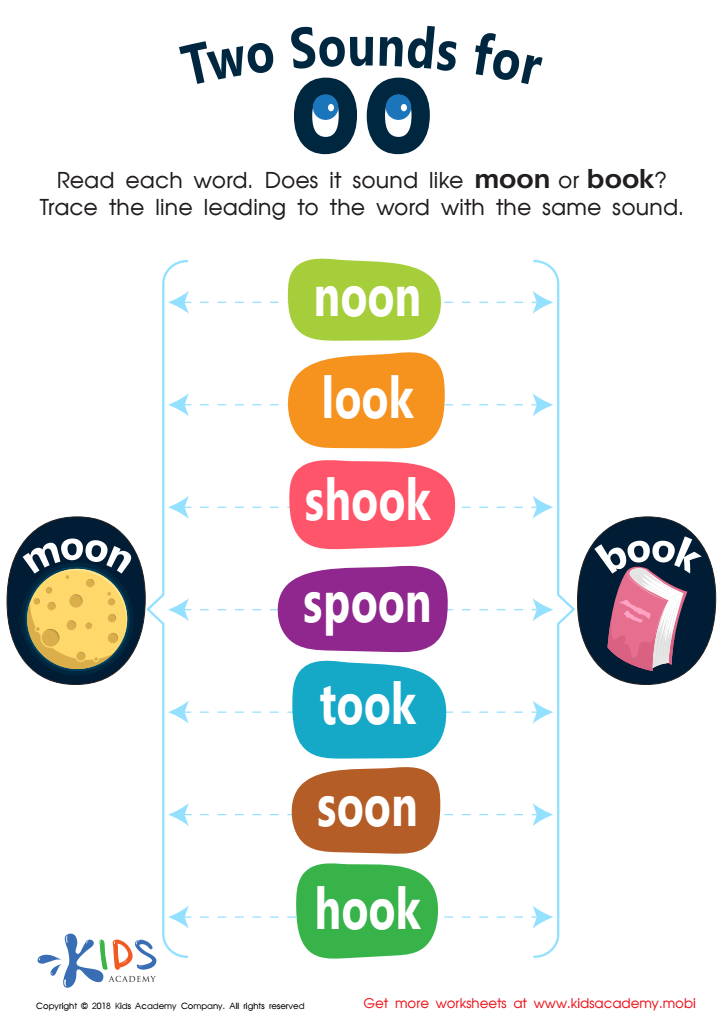
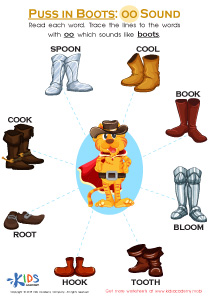
Two Sounds for OO Worksheet
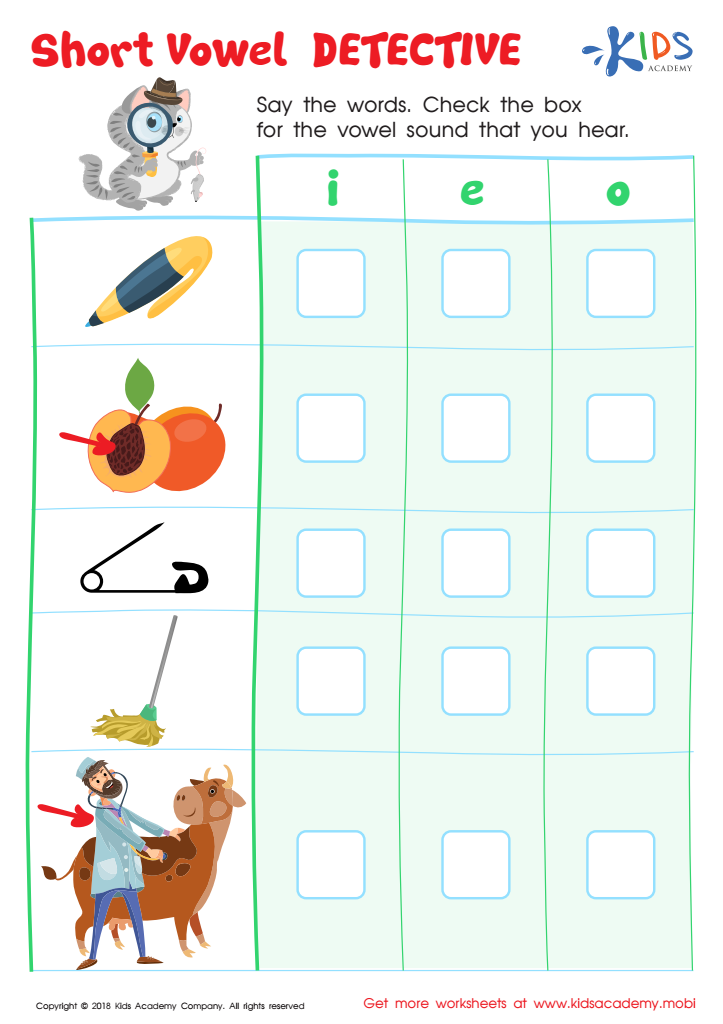
Short Vowel Detective Worksheet



Parents and teachers should care about short vowels for children aged 8-9 because they are fundamental components of reading and writing. At this age, children are developing more complex literacy skills, and understanding short vowels is essential for decoding words accurately. Short vowels—typically represented by the sounds of "a," "e," "i," "o," and "u"—play a critical role in phonics, which helps children sound out unfamiliar words.
By mastering short vowels, children will improve their reading fluency and comprehension, leading to better overall academic performance. This knowledge assists them in distinguishing between similar-sounding words and enhances their spelling abilities. Additionally, recognizing short vowels can help boost children's confidence and enjoyment in reading, making them more likely to engage with literature and other reading materials.
Moreover, a solid foundation in short vowels sets the stage for more advanced literacy skills as children progress in their education. When parents and teachers prioritize this aspect of literacy development, they create a supportive environment for children to thrive academically. Ultimately, fostering a strong grasp of short vowels empowers children to become independent readers and writers, ensuring that they are well-equipped for future learning challenges.