Sequencing Skills Easy Worksheets for Ages 3-5
7 filtered results
-
From - To
Our "Sequencing Skills Easy Worksheets for Ages 3-5" are designed to provide young learners with a fun and effective way to develop important sequencing abilities. Tailored for preschool and early kindergarten children, these vibrant, engaging worksheets help kids understand the order of events, enhance their logical thinking, and improve fine motor skills. Each activity encourages children to place pictures or numbers in a logical sequence, building a fundamental groundwork for reading comprehension and problem-solving. Perfect for both classroom and at-home learning, these worksheets offer a delightful and educational experience for your little ones. Explore now at Kids Academy.
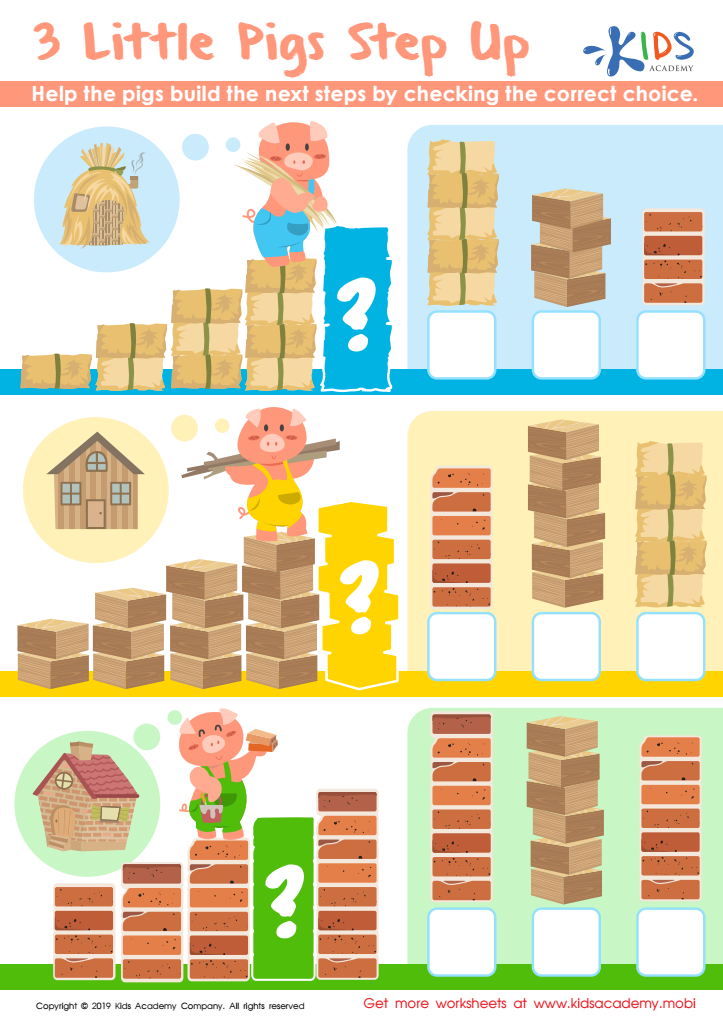
3 Little Pigs Step Up Worksheet
 Assign to My Students
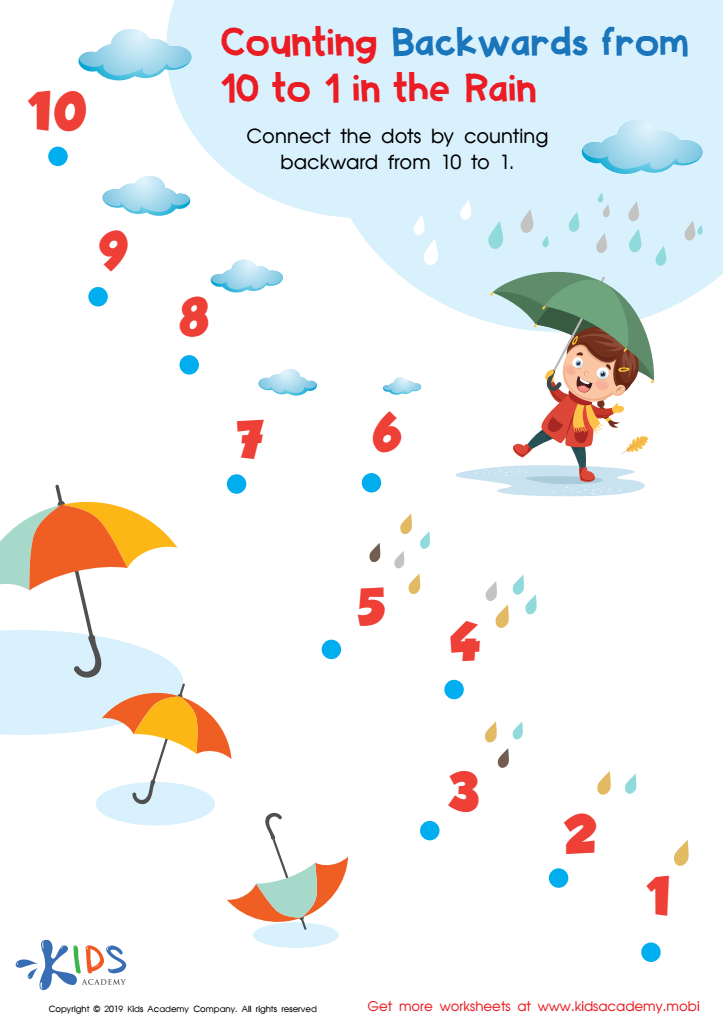
Counting Backwards from 10 to 1 in the Rain Worksheet
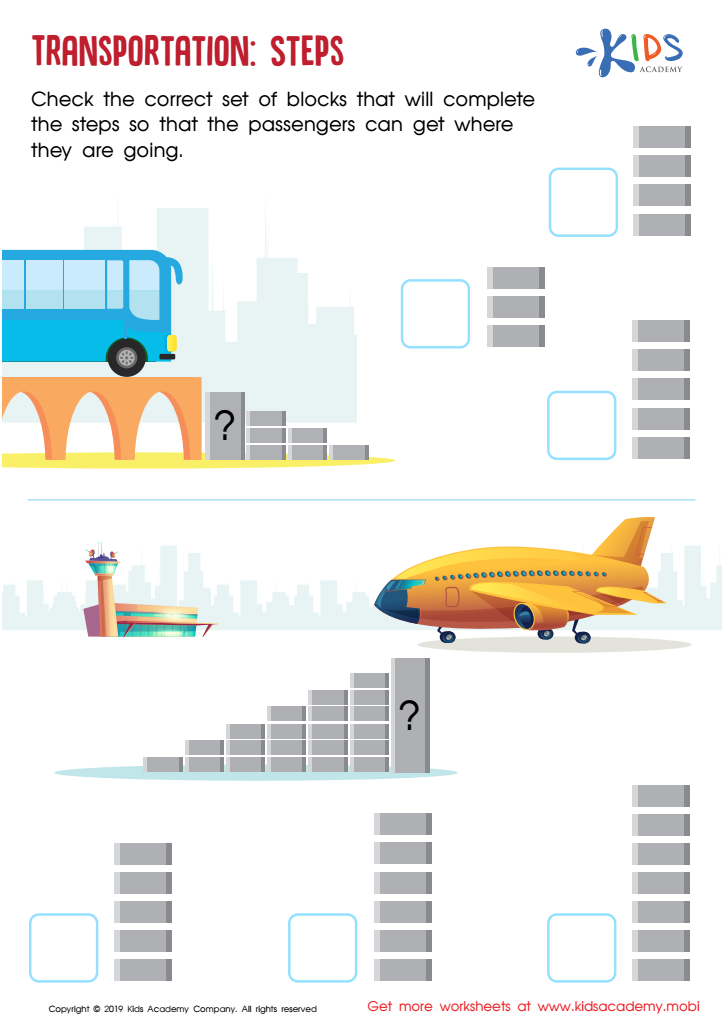
Transportation: Steps Worksheet
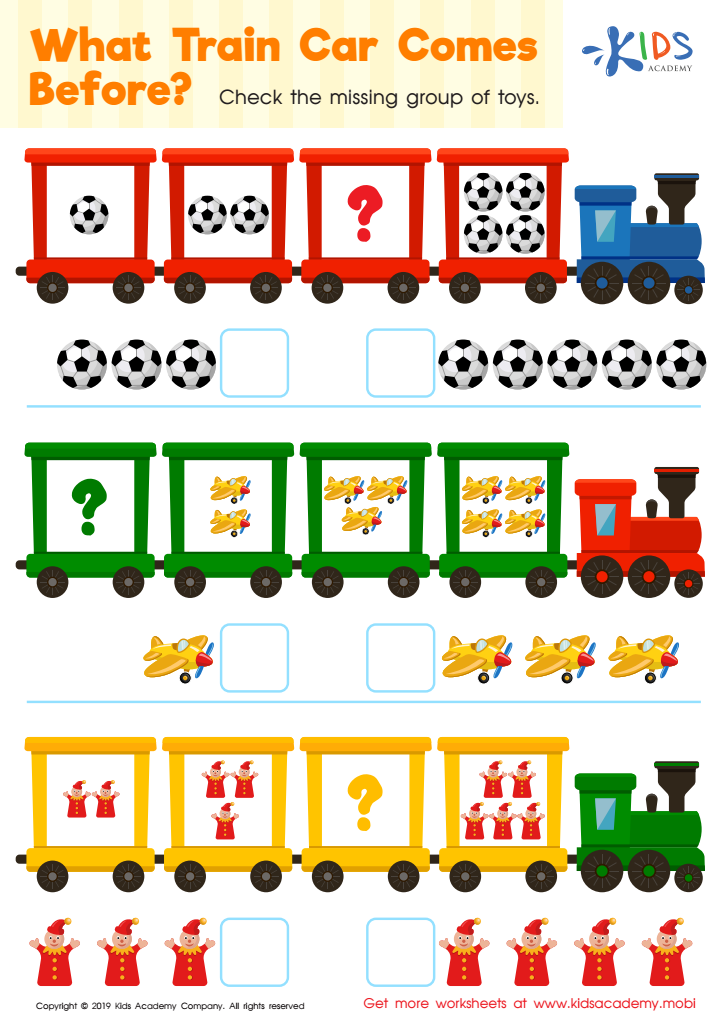
What Train Car Comes Before? Worksheet
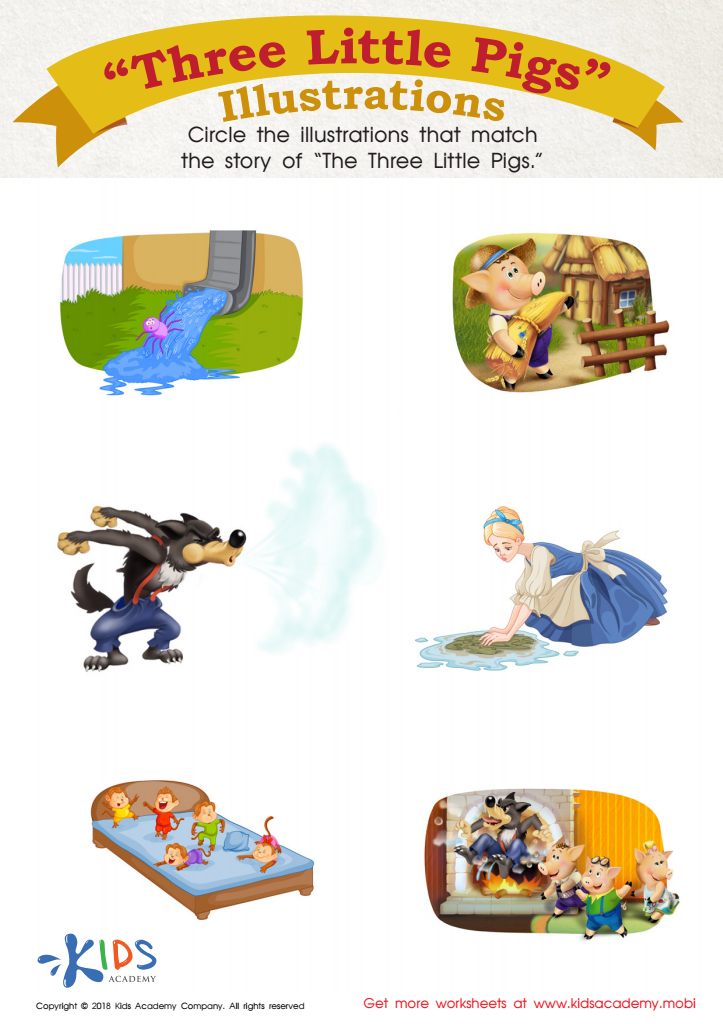
Three Little Pigs: Illustrations Worksheet
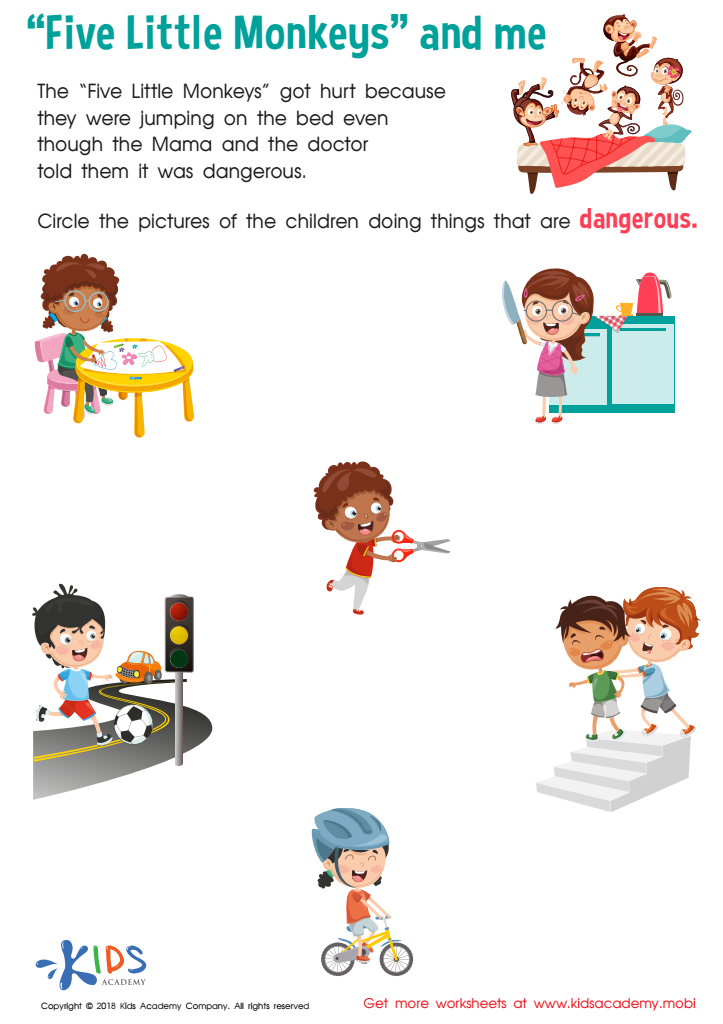
Five Little Monkeys and Me Worksheet
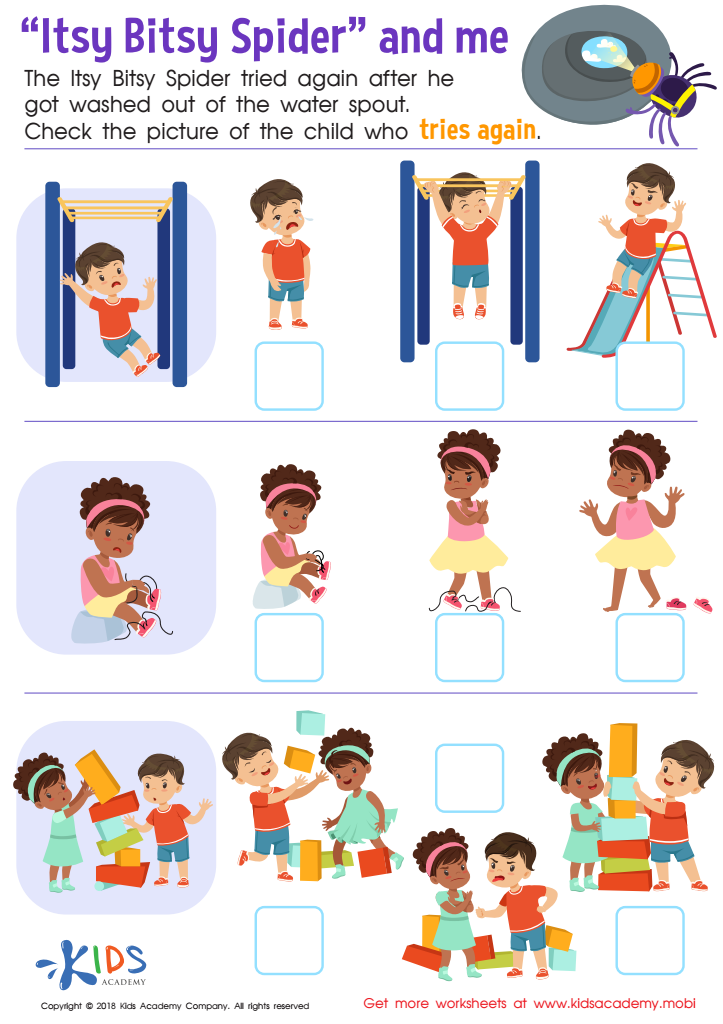
Itsy Bitsy Spider and Me Worksheet








Sequencing skills are essential for early childhood development, particularly for ages 3-5, as they form the foundation for critical cognitive functions. Understanding and practicing sequencing helps children grasp the concept of order, which is vital in everyday activities such as following instructions, storytelling, and understanding routines. At this age, children are developing their comprehension and logical thinking abilities. Activities focused on sequencing like arranging pictures in a story, understanding the order of events, or following steps in a process, nurture these cognitive skills effectively.
From a parental and educational viewpoint, sequencing skills significantly contribute to language development and literacy. For instance, being able to sequence events in a story aids in narrative skills, an important aspect of reading comprehension. Moreover, these skills extend to mathematical concepts, enhancing their ability to understand patterns, numbers, and problem-solving.
Additionally, strong sequencing abilities are linked to improved social-emotional learning. Children learn to predict outcomes, respond to events appropriately, and engage in effective communication. By focusing on easy sequencing activities, parents and teachers can ensure children build a robust foundation for future academic and personal success. Engaging young minds in such practices promotes critical thinking, organizational skills, and a sense of discipline in both their academic journey and daily life.








