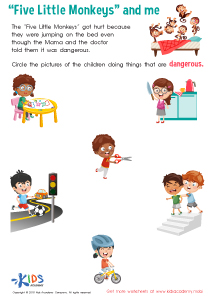
Easy Building Vocabulary Worksheets for Ages 3-6 - Page 2
27 filtered results
-
From - To
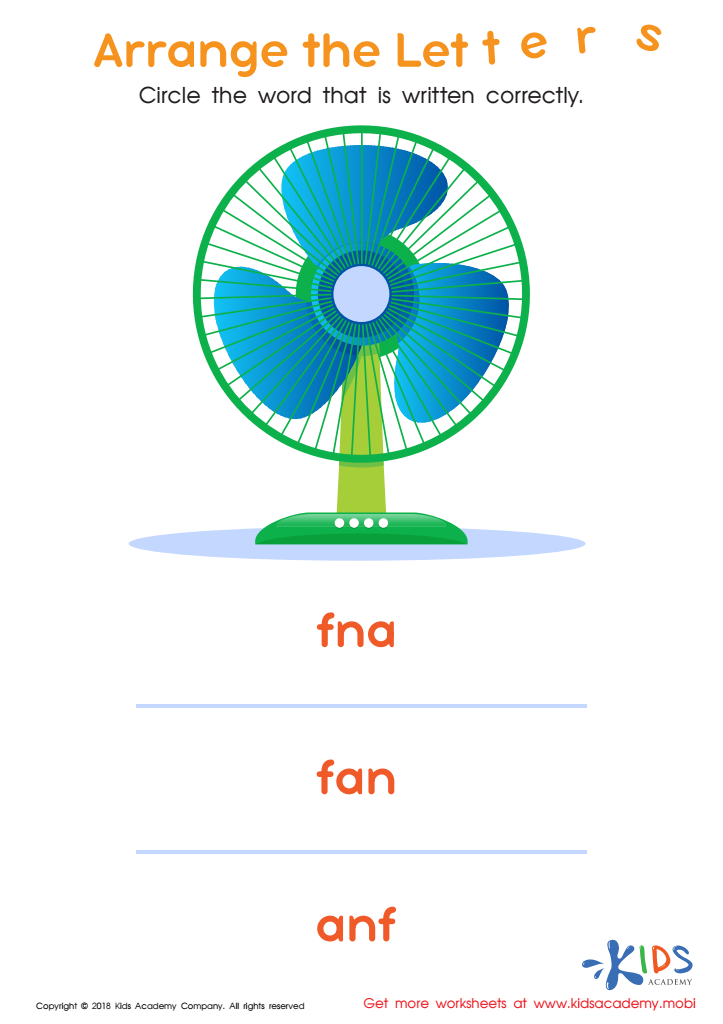
Arrange the Letters Worksheet
 Assign to My Students











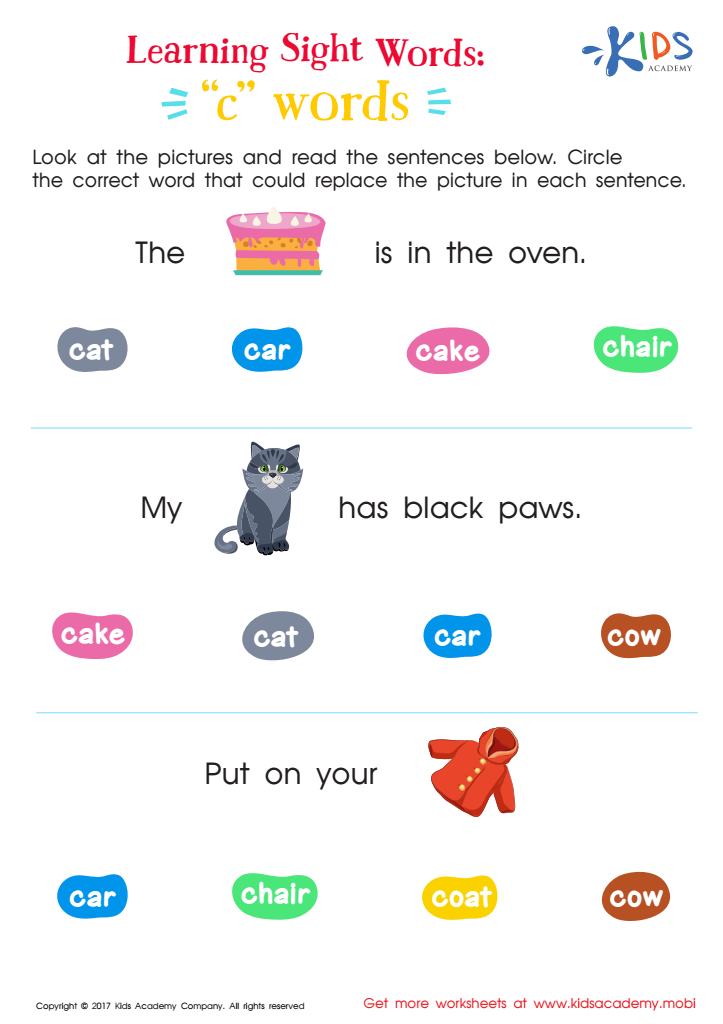
"C" Words Printable Sight Words Worksheet
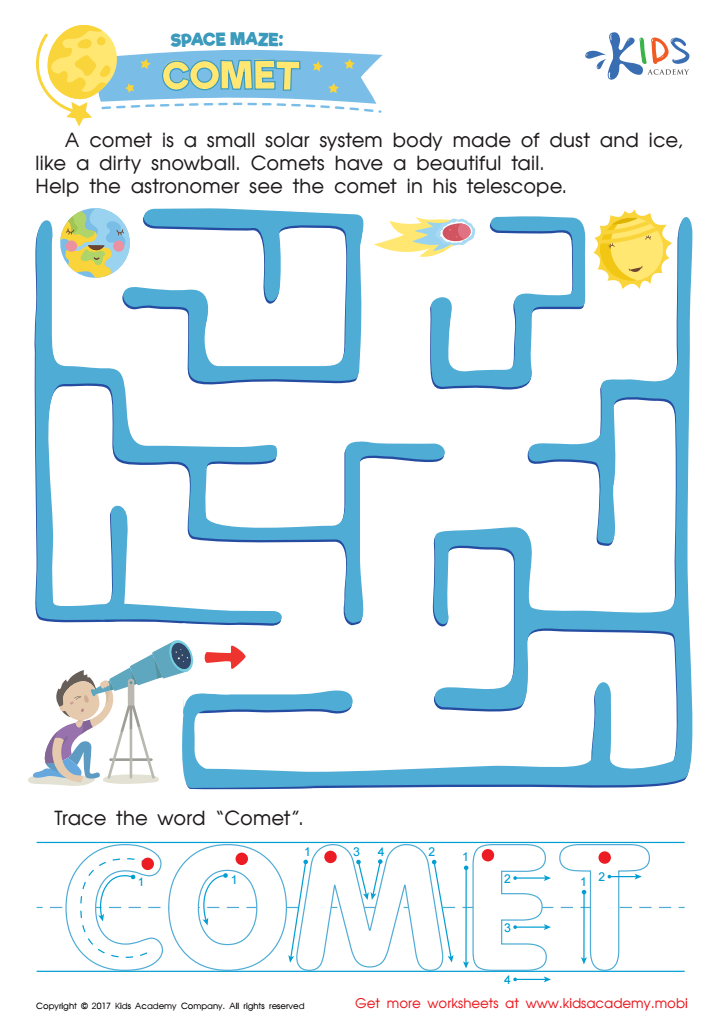



.jpg)




Teaching vocabulary to children aged 3-6 is crucial for their cognitive development, communication skills, and overall academic success. Easy Building Vocabulary resources provide a structured and engaging way for parents and teachers to introduce new words in a fun and interactive manner. This age group is incredibly responsive to language and learns best through play and meaningful experiences.
A rich vocabulary enhances comprehension and critical thinking skills. When young children are exposed to varied words, they develop the ability to express their thoughts and feelings accurately, improving their social skills and self-esteem. Furthermore, early vocabulary skills lay the foundation for reading and writing proficiency as they progress in their education.
Parents and teachers should care about these resources because they supply effective strategies and activities to help children learn in a non-pressuring environment. Games, songs, and stories incorporated into vocabulary building make learning enjoyable, fostering a love for language that will serve children throughout their lives. Additionally, investing time in vocabulary development now can lead to more profound academic achievements later, ensuring that children are better prepared for the challenges of school and beyond. Prioritizing vocabulary enrichment is a meaningful way to support children’s holistic development.