Easy Beginning Sounds Worksheets for Ages 5-8
4 filtered results
Difficulty Level
Grade
Age
-
From - To
Subject
Activity
Standards
Discover our Easy Beginning Sounds Worksheets designed specifically for kids aged 5-8! These engaging and interactive worksheets help young learners develop essential phonemic awareness by focusing on the initial sounds of words. Perfect for reinforcing early literacy skills, our worksheets are colorful, fun, and tailored to capture children's interest. Each worksheet encourages critical thinking as students match pictures to their corresponding beginning sounds, enhancing both their vocabulary and reading readiness. Absolutely user-friendly and ideal for home or classroom use, these worksheets will make learning exciting and effective. Begin your child’s literacy journey today with our fantastic beginning sounds resources!
Favorites
With answer key
Interactive
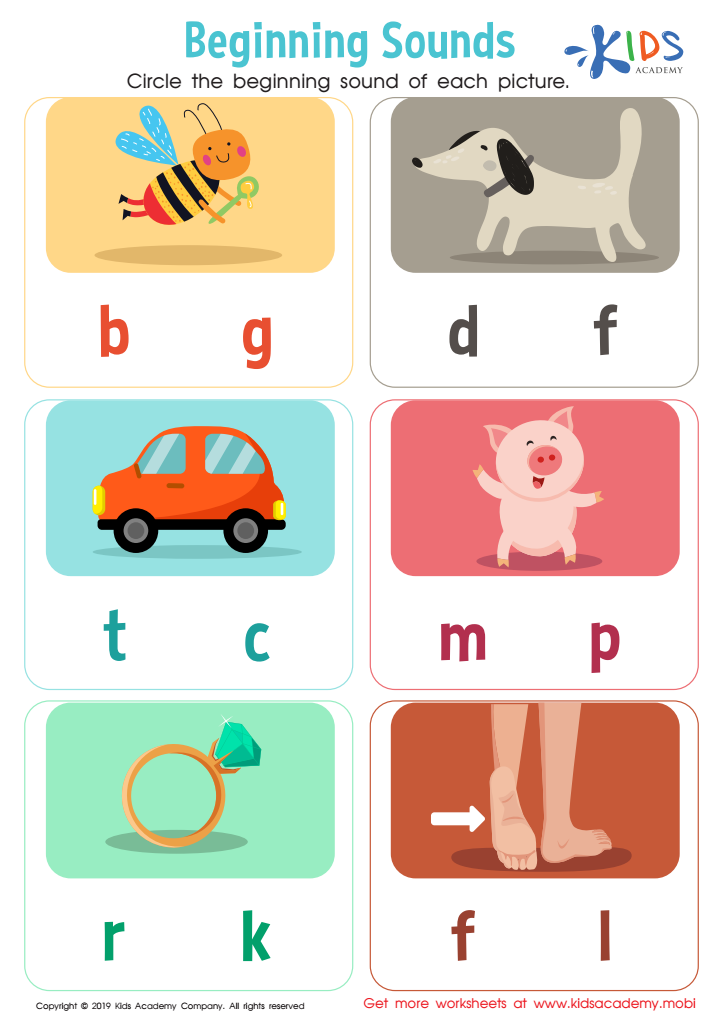
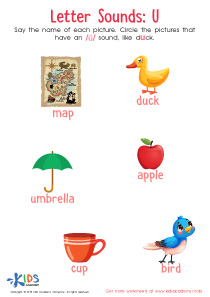
Beginning Sounds Worksheet
Test your child's knowledge with this colorful worksheet! Before beginning, have your kids recite the alphabet and sound them off. Give examples and ask them to do the same, then help them circle the beginning sound of each picture to complete the exercise.
 Assign to My Students
Beginning Sounds Worksheet
Worksheet
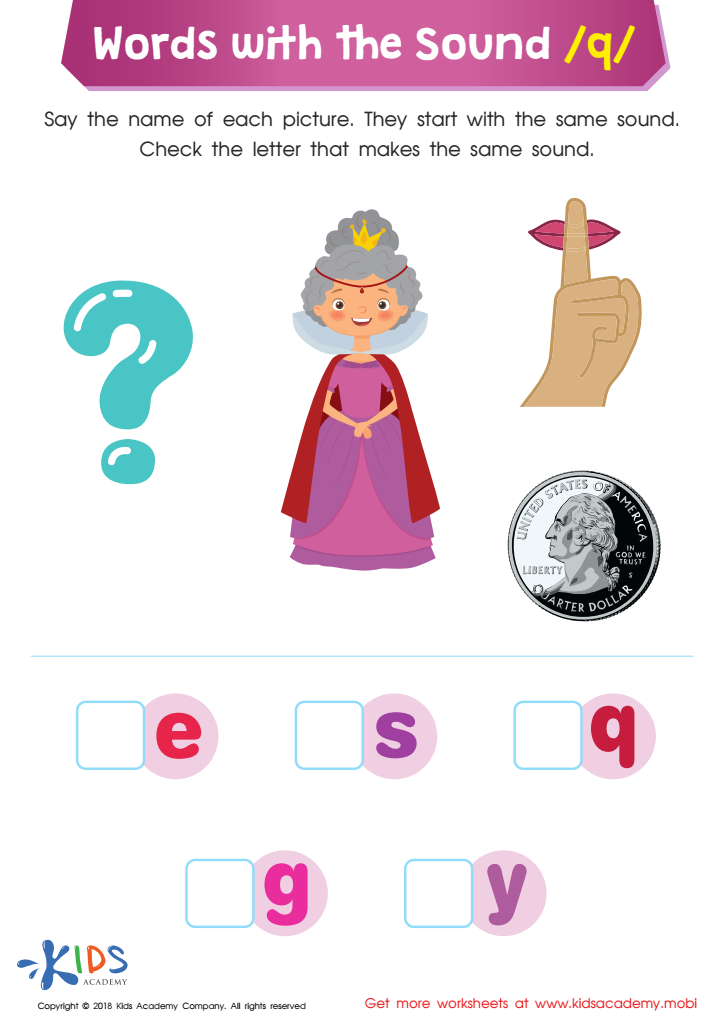
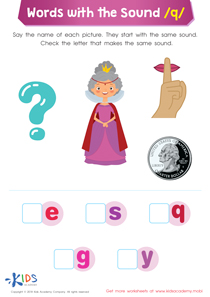
Words with Sound Q Reading Worksheet
Beginning readers will love this free PDF worksheet! Bright colors and familiar pictures make it fun, as they say the name of each image and work on fine motor skills. Letters “q” is featured among others, helping to recognize and isolate its sound, which is often seen with a “u” behind it.
Words with Sound Q Reading Worksheet
Worksheet
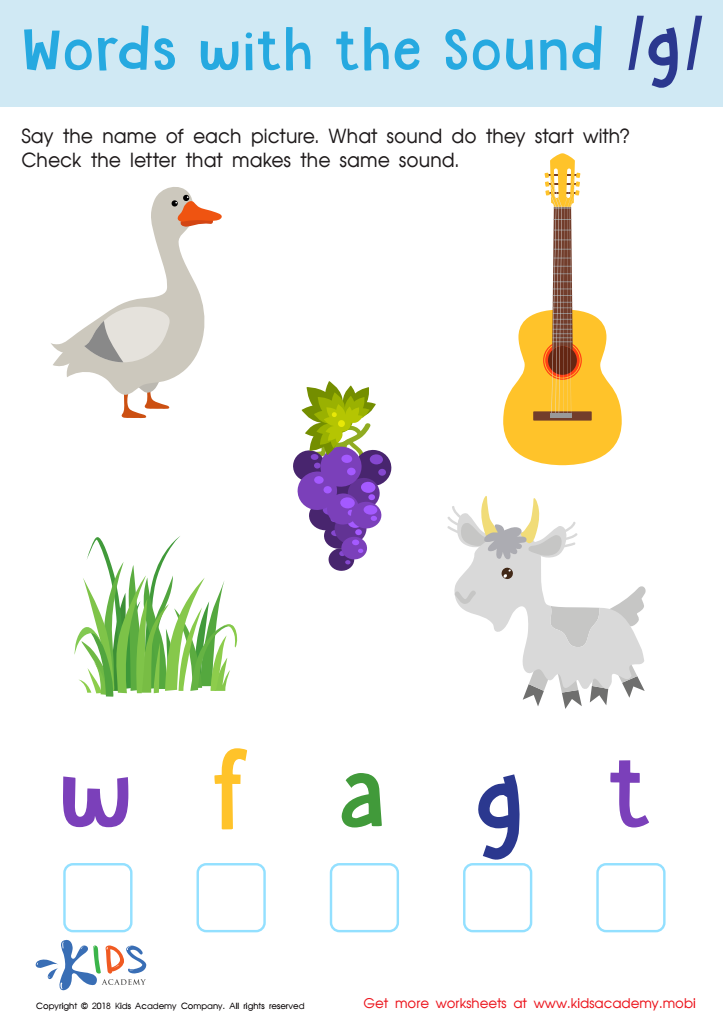
Words with sound g Reading Worksheet
Help your child learn the soft "g" sound with this phonics worksheet. Ask them to name each picture, then identify the letter sound it begins with. If it's "g", they can check the box. Have them repeat each word, listening for the soft "g" sound before moving on to the next page.
Words with sound g Reading Worksheet
Worksheet
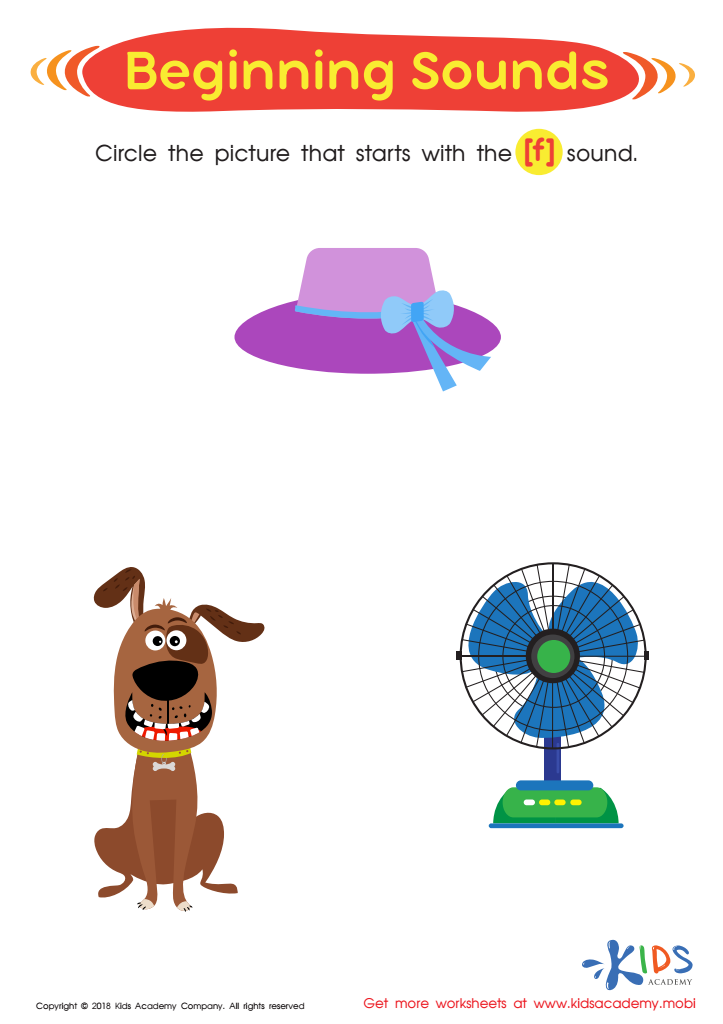
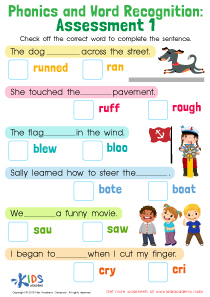
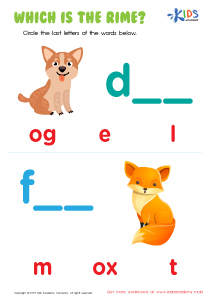
Beginning Sounds Assessment Printable
Test your child's knowledge of the alphabet. Ask them to recite the whole alphabet and the words for each letter. For example: A for apple, B for boy. Identify objects on this worksheet, then ask your child which one starts with the letter "f" and have them circle it.
Beginning Sounds Assessment Printable
Worksheet
Join Kids Academy for Free
Who is primarily going to use this learning content?








Easy Beginning Sounds are essential for children aged 5-8 as they form the foundation for literacy development. At this crucial stage, children are learning to recognize and articulate sounds, which play a vital role in reading and writing. Understanding these sounds helps young learners decode words, enhancing their reading fluency and comprehension skills.
Parents and teachers should prioritize Easy Beginning Sounds because they promote phonemic awareness, a key skill that allows children to hear, identify, and manipulate individual sounds in spoken words. This understanding is crucial for successful reading. By mastering these sounds, children gain confidence when approaching new words, reducing anxiety associated with reading.
Additionally, engaging with beginning sounds stimulates a child's communication skills and vocabulary growth. It provides opportunities for playful learning, where children can explore words through games and songs. Such interactive experiences make learning enjoyable, encourage curiosity, and foster a lifelong love for reading.
Ultimately, focusing on Easy Beginning Sounds not only equips children with the tools they need for academic success but also lays the groundwork for effective communication and critical thinking—skills they will utilize throughout their education and beyond. Investing time in this area benefits both young learners and those guiding them, including parents and teachers.