Extra Challenge Short Vowels Worksheets for Ages 3-6
4 filtered results
-
From - To
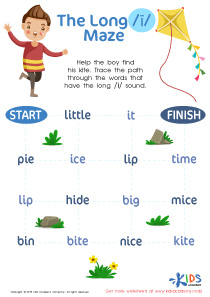
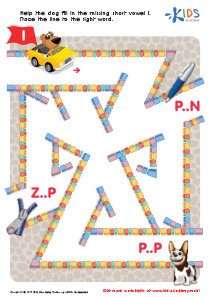
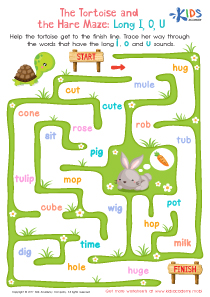
Boost your preschooler's reading skills with our Extra Challenge Short Vowels Worksheets, specially designed for ages 3-6. These engaging worksheets offer fun and interactive activities that help children identify, pronounce, and use short vowels in words. Perfect for enhancing phonemic awareness, these resources provide a variety of exercises, including matching words, filling in blanks, and drawing connections between sounds and letters. Encourage your child's love for learning while promoting early literacy skills! Suitable for home or classroom use, our worksheets make learning short vowels enjoyable and effective. Equip your young learners with the tools they need to succeed in reading today!
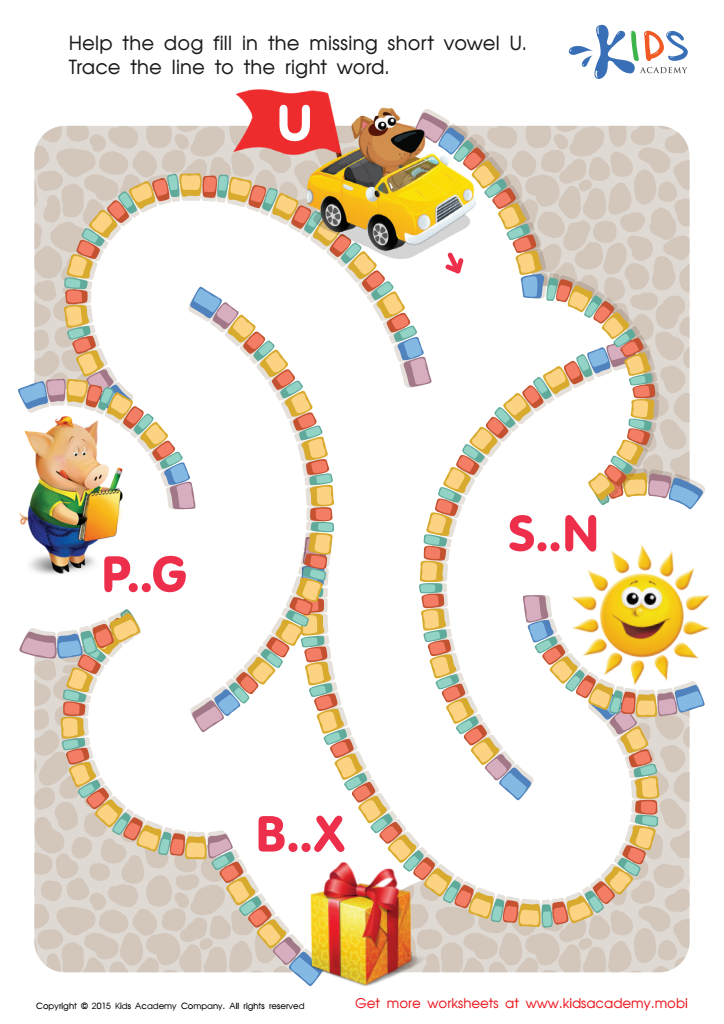
Short Vowel Sound U Worksheet
 Assign to My Students
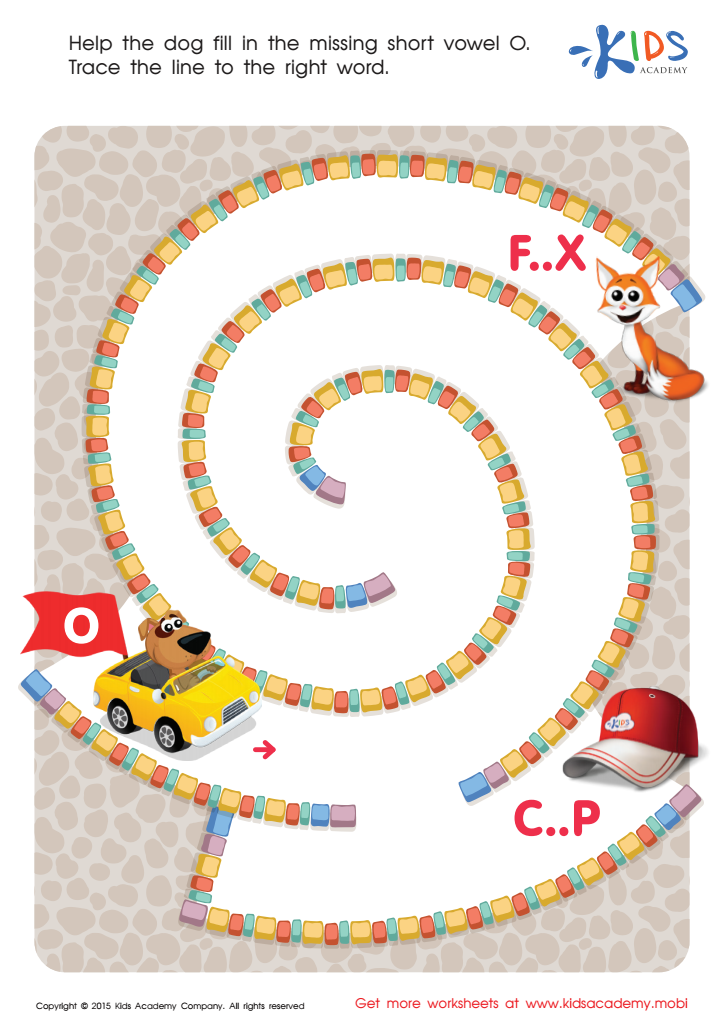
Short Vowel Sound O Worksheet
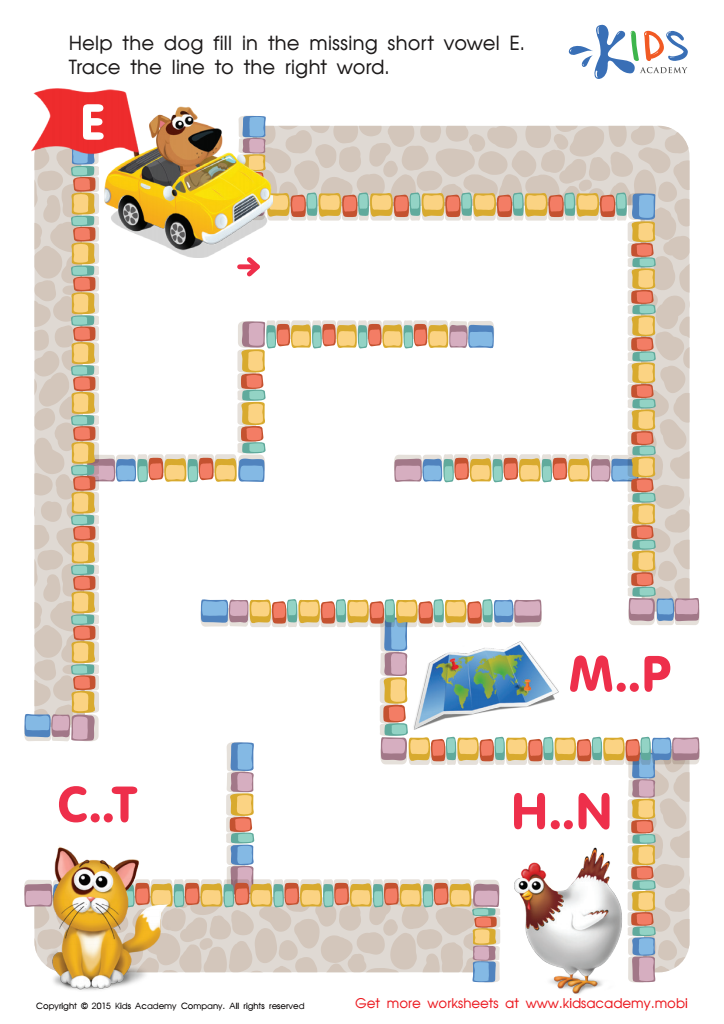
Short Vowel Sound E Worksheet
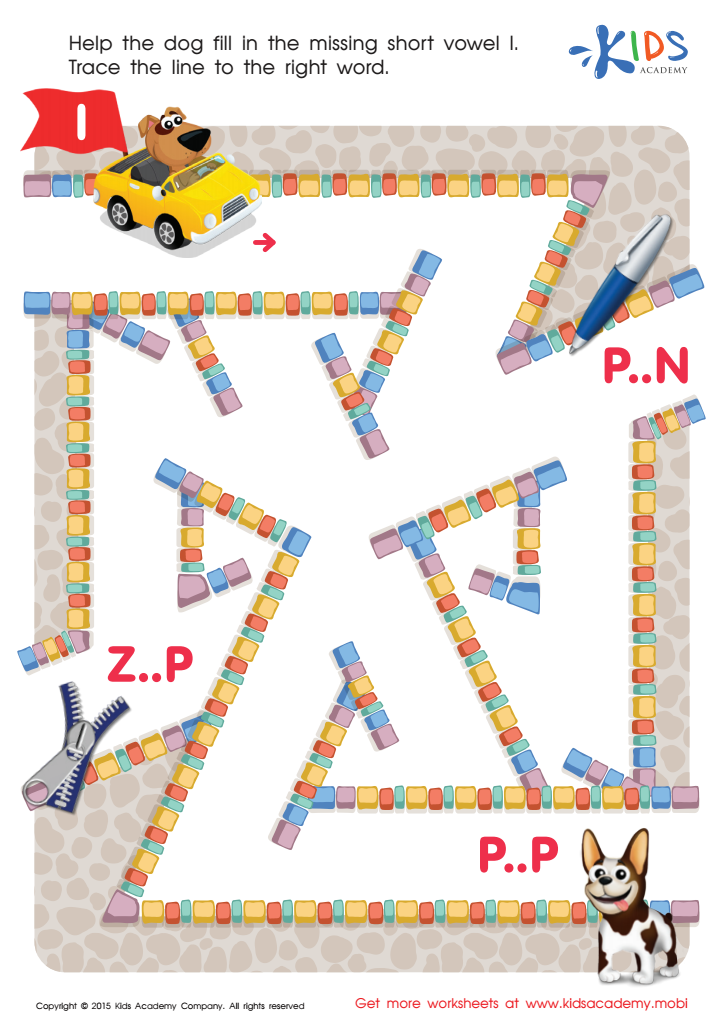
Short Vowel Sound I Worksheet



Understanding short vowels is crucial for young learners aged 3-6, as it forms the foundation for reading and language development. Focusing on extra challenges with short vowels can significantly enhance a child's phonemic awareness, critical for their success in literacy. These early experiences help children recognize and manipulate sounds, enabling them to decode words more effectively.
Parents and teachers should care about providing extra challenges around short vowels because this approach promotes confidence and resilience in early learners. Engaging them with games, songs, and interactive activities that spotlight short vowels supports a deeper understanding of the sounds and their corresponding letters. This method not only reinforces recognition but also bridges the gap between speaking and reading.
Moreover, children thrive on variety and challenge. When they encounter engaging activities like phonics games or storytelling that emphasizes short vowels, they become more motivated and willing to explore language further. As children face and overcome these challenges, they develop a love for learning that extends beyond literacy to other areas of education. Investing time and resources in enriching experiences with short vowels ultimately lays a solid groundwork for lifelong learning and academic success.